Category: Industry News
-

Women in Blueberries Webinar Series
For women in agriculture, creating a supportive network can be one of the most important factors for career success. Fortunately, in the blueberry industry, we’re surrounded by women who are making an impact! Register for the first session of the U.S. Highbush Blueberry Council’s (USHBC) new webinar series, Women in Blueberries: The Power of Supportive Women’s Networks, on July 13 from 2-3:30 p.m. ET/11 a.m.-12:30 p.m. PT.This webinar will examine the power of bringing women along on your career journey, and how to be more mindful in supporting women who inspire you. During the webinar, you’ll also interact with the other participants in breakout sessions curated by USHBC. Be part of the solution by joining the discussion!This opportunity is limited to 100 participants so register today!
-

New York City Event to Kick Off National Blueberry Month
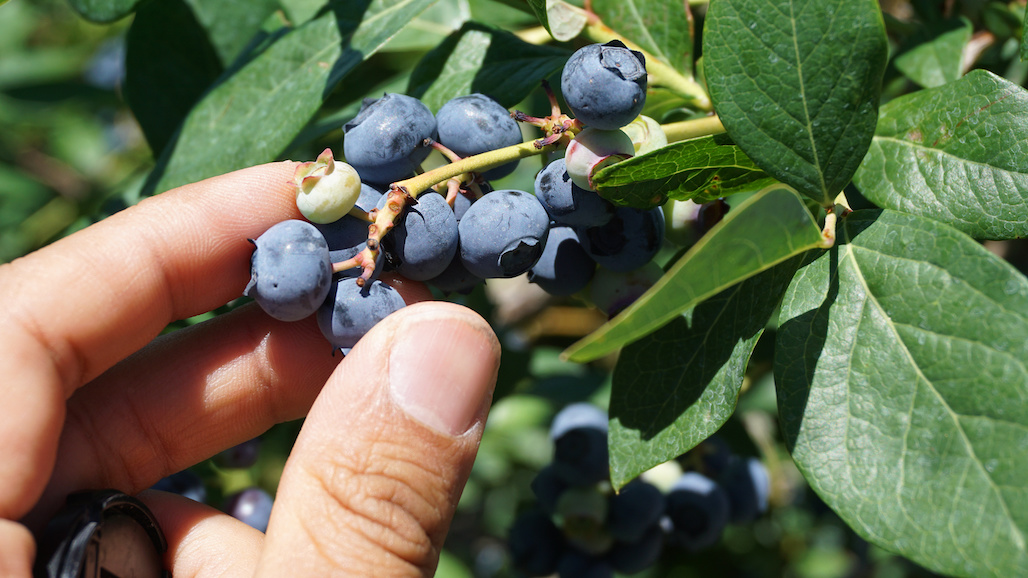
To kick off National Blueberry Month and announce the Grab A Boost, Give A Boost Challenge with No Kid Hungry, the U.S. Highbush Blueberry Council (USHBC) is hosting a media event in New York City on June 28. Our team will create a blueberry garden oasis in the heart of New York at Gallow Green in The McKittrick Hotel, best known for its interactive theater experience at the base of the Chelsea Highline. We’ll host a grower showcase farm stand, design a series of immersive visuals at the theater to showcase our influencers, and build an installation that supports our partnership with No Kid Hungry.
Plus, fitness expert Joey Thurman will conduct demonstrations and speak about the benefits of blueberries when it comes to living an active lifestyle. Wellness and nutrition expert Mascha Davis will conduct yoga and meditation demonstrations, as well as talks on intuitive eating. As registered dietitian, Davis will also speak to the many health and lifestyle benefits of blueberries. Both experts will help shape and drive media coverage and stories about blueberries following the event.
A final send off at the end of the evening will officially kick off National Blueberry Month and our 31-Day Challenge with No Kid Hungry, and introduce our celebrity spokesperson. A photographer will document the event, capturing guests interacting with blueberry-related experiences. A post-event sizzle reel will be created for sharing with the industry, on social media and more.

-

California Represented in First-Ever National Blueberry Industry Leadership Program
The U.S. Highbush Blueberry Council (USHBC) announced the first cohort of fellows accepted into its Blueberry Industry Leadership Program. The program, launched in March, is designed to elevate up-and-coming leaders in the blueberry industry by providing in-depth training, industry education and connection to other ag leaders for passionate blueberry professionals across the supply chain.
“We’re thrilled to welcome this group of leaders as our inaugural class of fellows,” said Amanda Griffin, USHBC’s vice president of engagement and education. “These ag professionals will guide the blueberry industry into a bright future, and we can’t wait to be a part of their journey by helping to add to their knowledge, experience and level of connection.”
Selected as inaugural fellows in the program are:
• Christina Butler, Director of NW and NJ Business Units, MBG Marketing
• Gonzalo de Elizalde, Blueberry Product Leadership Sr. Director, Driscoll’s
• Ernesto Diaz, Director of Operations, Berry Brothers
• Anna Jesse, Vice President, Forest Hills Farms Inc.
• Karan Kohli, Account Manager, Mastronardi Produce
• Scott Mainord, SE Regional Sales Manager, WECO
• Luke McCreesh, N.A. Blueberry Operations Manager, California Giant Berry Farms
• Jennifer Pulcipher, Director of Food Safety & Compliance, North Bay Produce Inc.
• Darren Sinn, Northwest Business Manager, Berry Fresh LLC
• Micah Weiss, Sales and Grower Support, Fall Creek Farm & Nursery Inc.The Blueberry Industry Leadership Program is the first of its kind in the blueberry industry and will help fellows grow their leadership skill set, learn from decades-long industry leaders and develop their network of connections. Professional development within the industry is a priority as members of the blueberry industry work together to make blueberries the No. 1 berry in sales volume and premium value. Fellows in the new program will lead the industry into its next period of growth.
The fellows will begin their training this summer and continue through next year, taking an interactive approach to leadership development through hands-on training, immersive learning experiences, engagement with key industry players and exposure to the many components of the produce supply chain.
Fellows will participate both virtually and in person, traveling four times over the course of the curriculum through August 2023, with a graduation ceremony taking place at the 2023 USHBC fall meetings.
The second group of fellows to enter the program will be selected in the fall of 2023.
-
Dandy® Celery Launches “Sweet That Can’t Be Beat” Consumer Sweepstakes
Duda Farm Fresh Foods, a leading grower of fresh vegetables and citrus, launches the“Sweet That Can’t Be Beat” sweepstakes, encouraging consumers to get a little corny this summer with a promotion centered around Dandy® sweet corn.
Through recipe inspiration, cooking tips, nutrition information, super corny facts, and a chance to win, the promotion seeks to elevate the consumption of fresh U.S. grown corn among shoppers and highlight Dandy sweet corn as the premier brand when grocery shopping this summer.

“While we are known for our celery products, we are excited to showcase our Dandy sweet corn with this promotion,” said Nichole Towell, senior director of marketing and packaging procurement at Duda Farm Fresh Foods. “Not only are we able to use a fun and engaging play on words, we’re also able to offer our shoppers more insight on corn and additional ways to use aside from the usual grilling this summer.”
Now through July 11th, consumers can enter the “Sweet That Can’t Be Beat” sweepstakes for a chance to win one of three grand prize packs that includes a colorful name brand cooler, a pool floatie, a vibrant beach towel, a seasoned cast iron double burner reversable grill / griddle, Dandy sweet corn product samples, custom stickers and coupons. The brand is also choosing one winner a week to take home Dandy sweet corn, custom stickers and coupons.
Duda Farm Fresh Foods will utilize a 360-degree marketing strategy that includes a regional TV segment, public relations efforts, influencer support, corn use and application inspiration, online advertising, as well as email and social media campaigns to increase sweepstakes entries and drive demand for the product in stores.
Dandy sweet corn is available in bulk as well as a pre-shucked, pre-washed and pre-cut tray pack options to help reduce meal prep time and offer a bit more convenience to cater to shoppers’ busy lifestyles. The brand takes care to grow and harvest the best sweet corn of the season from farms in Florida, Georgia, and Michigan.
About Dandy® Celery
For nearly 100 years, Duda Farm Fresh Foods has been a leading grower, shipper, processor and marketer of fresh vegetables and citrus. Known for their superior celery, the company has expanded their facilities over the years to accommodate recent developments such as celery juicing and other health and wellness trends in order to provide consumers with the freshest celery possible. With primary locations in Florida, California, Arizona, Georgia and Michigan, Duda Farm Fresh Foods carries a commitment to innovation and sustainability and believes in growing a healthy future for generations to come. The company is a wholly owned subsidiary of A. Duda & Sons, Inc., a family-owned, diversified land company headquartered in Oviedo, Fla. For more information, please visit www.dudafresh.com.
-

Tips to Save Avocado from Root Rot
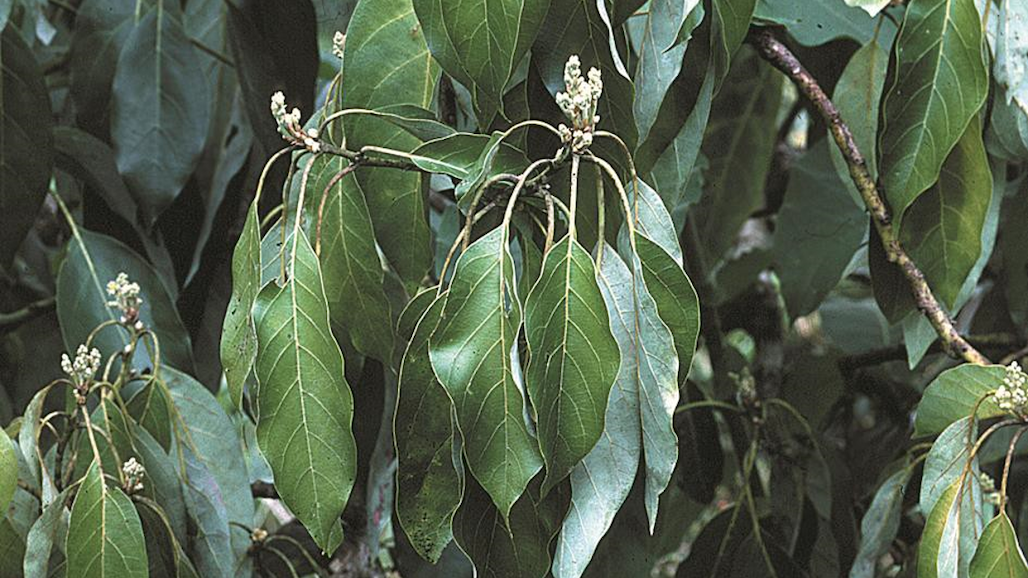
Root rot is a term referring to any disease where the pathogen damage and deteriorate the plant’s root system. Root rot can occur on most woody and herbaceous plants. Root rot is caused by many soil-borne fungi. Most fungi causing root rot to prefer wet soil conditions. Some of them produce spores (microscopic biological particles that allow fungi to be reproduced) that can survive for a long time in soil or plants debris.

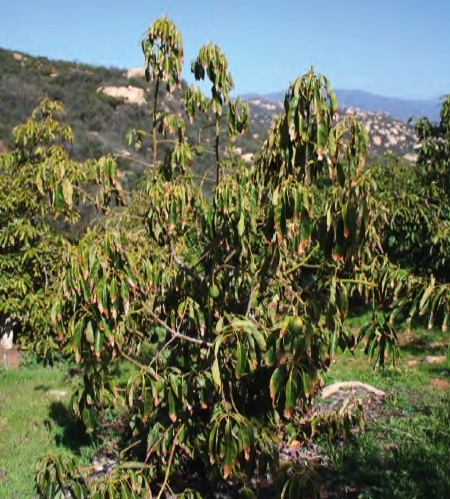
Avocado root rot. Credit: California Avocado Commission Symptoms
- Small, pale green, or yellow leaves
- Wilted leaves
- Leaves show necrotic or brown tips
- Spare foliage and rare new growth
- Branch dieback on top of the tree
- A decline in fruit production
- Small fruits
Cause
- Excess soil moisture or poor drainage
- Infested soil with fungi spores
Management
Before infection
- Monitor your tree regularly for disease and disease-promoting conditions
- Purchase certified disease-free trees
- Purchase root rot resistant cultivars
- Inspect new tree before planting (roots and foliage)
- Good irrigation management (stop irrigation when heavy rainfall)
- Avoid planting your tree where you suspect there was an infected tree before
- Plant in well-drained soil (or improve drainage by planting on a soil berm)
- Prevent soil or water movement from an infested area
- Apply gypsum (gypsum supplies calcium which suppresses the formation of spores
- Use fertilizer regularly to promote good growth
After Infection
- Reduce irrigation schedule (especially when you forecast rainfall)
- Add drainage around the tree
- Dry root system by removing soil from the crown of the root system (Air drying)
- Reapply gypsum
- Apply fungicides such as phosphonates can help trees tolerate the disease. To apply the fungicide, follow the label. Fungicide may be sprayed onto bark or foliage, drench into the soil with irrigation water, or injected into the trunk. Remember fungicide can only help control the disease, not eradicate it.
— By Amir Rezazadeh, University of Florida Extension
Reference:
UC IPM Pest Management Guidelines: Avocado
https://www2.ipm.ucanr.edu/agriculture/avocado/Phytophthora-root-rot/ -

UC Davis Olive Center to Hold ‘Introduction to Sensory Evaluation of Olive Oil’ Event
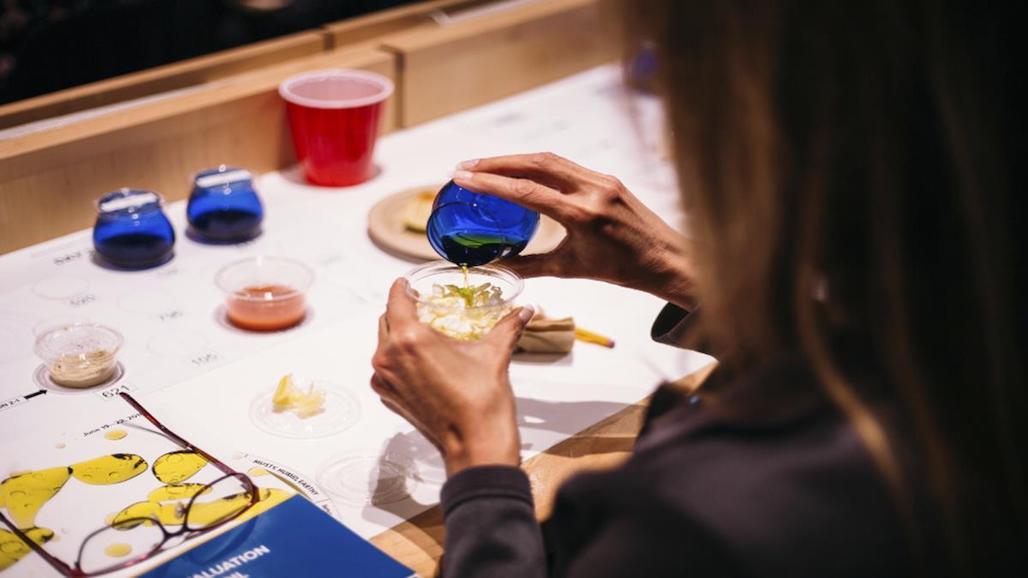
Friday and Saturday, June 24-25, the UC Davis Olive Center will hold its first event of the year with two days of olive oil sensory instruction including tastings, lectures and roundtable discussions.
This practical educational program is designed to provide a solid foundation for understanding and evaluating olive oil. In addition to learning about the positive sensory attributes and the defects of olive oil, participants will explore the factors that influence olive oil flavor and how quality is measured.
Participants will also experiment with food and extra virgin olive oil pairings and discuss the culinary use of this transformative ingredient. Attendees who complete the training will receive a certificate for the introductory level as part of the UC Davis Olive Center’s comprehensive olive educational programming.
The price is $1,150, which includes lunch and runs from 8:30 a.m. to 4:00 p.m. each day. The location is UC DAVIS Olive Oil Center, Silverado Vineyards Sensory Theater at 392 Old Davis Road, Davis CA. The last day to register is June 15. Register and learn more here.

-

Mechanical Pruning Trial in ‘French’ Prune – Through Year Three
Work continues at the mechanical pruning trial site in Red Bluff. The trial, funded by the California Prune Board and led by Dr. Rich Rosecrance at Chico State, was initiated in 2019 and aims to identify lower cost pruning alternatives for growers without compromising yield or fruit quality. The study site is an orchard planted in 2011 at a spacing of 15’ x 18’ on Myrobalan seedling rootstock and irrigated with buried drip. This is a vigorous, well managed orchard with a history of producing 4-5 dry ton/acre. The study treatments are:
1. Fall: Grower standard — ladders and loppers pruning, no topping (i.e. ‘control’).
2. Spring: Topping and hedging both ways — cutting 5 sides of the canopy, with the tree row and across the tree row, plus topping (i.e. ‘boxed’).
3. Fall: Topping and hedging both ways — cutting 5 sides of the canopy, with the tree row and across the tree row, plus topping (i.e. ‘boxed’).
4. Spring: Hedging both sides of the tree row, no cross hedging — cutting 2 sides of the canopy, no topping (i.e. ‘hedged’).
5. Fall: Hedging both sides of the tree row, no cross hedging — cutting 2 sides of the canopy, no topping (i.e. ‘hedged’).
Several measurements are collected annually to assess the effects of the pruning treatments. Highlights of 2021 results and planned 2022 measurements include:
-
– Canopy volume was measured in May 2021. Trees boxed in spring were significantly smaller than the hand-pruned control. Trees boxed in fall or hedged in fall or spring did not differ significantly from the control.
-
– A bark canker pathogen survey (Cytospora, Botryosphaeria, etc.) was conducted to establish a baseline of pathogens present in the field. Several canker pathogens were found, and the control treatment had the shortest canker length. A more thorough evaluation of disease presence and severity will be performed in 2022.
-
– In 2021, a difference in severity of sunburn damage after extreme heat events was observed. The boxed treatments both had significantly less blue prune drop due to sunburn damage than the control or hedged treatments. This was surprising – fruit is typically exposed to higher light environments in the boxed trees. Though there is no definitive cause at the moment, it may be possible that bowing branches in the hedged treatments or reduced water stress in boxed trees due to smaller canopy size may have contributed. We will continue to assess these differences.
-
– 2021 treatment yields ranged between 3.0 and 4.3 dry ton marketable (A+B screens) yield per acre and no significant differences were found among the treatments in 2021 nor in cumulative yields (Table 1). Large fruit (A + B screens) comprised between 92% and 100% of the four-pound sample from all the treatments (Table 1). The spring hedged treatment did have significantly lower percentage of marketable (A+B screen) fruit than the control and fall boxed treatments.
— By Becky Wheeler-Dykes (Orchard Researcher, CSU Chico), Dr. Rich Rosecrance (Professor, College of Agriculture, CSU Chico), Luke Milliron (UCCE Farm Advisor Butte, Tehama & Glenn Counties), and Franz Niederholzer (UCCE Farm Advisor, Colusa & Sutter/Yuba Counties)

-
-

Joe Vargas Joins USHBC and NABC as First-Ever Director of Business Intelligence
Joe Vargas has been hired as the director of business intelligence for the U.S. Highbush Blueberry Council (USHBC) and North American Blueberry Council (NABC). In this newly created role, Vargas is responsible for developing and leading a best-in-class data and insights program for the blueberry industry.
“We’re thrilled to welcome Joe to the team and can’t wait for him to lend his expertise to providing the blueberry industry with the data insights that are needed today to make smart business decisions,” said USHBC and NABC President Kasey Cronquist. “His experience and strong communications skills make him a perfect fit to develop and lead this part of our program at a critical time for the industry. He’ll help us use data to connect the dots to help us drive even greater demand opportunities for blueberries!”Prior to joining the councils, Vargas was the director of marketing, business development and business intelligence for FirstFruits Marketing in Yakima, Washington, and a lecturer at Central Washington University where he taught graduate and undergraduate data analytics courses. He also has experience in sales and management for firms including Copiers Northwest, Ecolab and MDC Promotions.
He holds a master’s degree in information technology, with a focus on data structures and analytics, from Central Washington University, and a bachelor’s in economics, also from Central Washington.
In his new role, Vargas will collect, analyze and communicate data that helps growers and industry experts make effective business decisions. He’ll also lead the USHBC and NABC Data and Insights Program, and will be responsible for building a production, inventory and historical price reporting program.
“I’m thrilled to be joining USHBC and NABC in this critical new role for the industry,” Vargas said. “We live in an information age – data can be useful, but it’s even more valuable when combined with intelligence, research, context and professional judgment, and that’s where I’ll focus.”
-

Asian Citrus Psyllids Found in Fresno County
The California Department of Food and Agriculture’s Plant Pest Diagnostic Center (PPDC) has identified two Asian citrus psyllids (ACP) on a glassy-winged sharpshooter trap from a packinghouse in the Orange Cove area of Fresno County. This has been the first time that the ACP has been detected in Fresno County since November 2019.
Following confirmation of the ACP detections, agricultural staff from the Citrus Pest and Disease Prevention Division (CPDPD) began conducting a survey and subsequently collected additional suspect ACP adults and nymphs from trees on the packinghouse premises, which were sent to the PPDC for identification.
All residential properties with host plants within 400 meters of the detections in Fresno County will be treated to prevent ACP population spread. Any growers who are located within 800 meters of the detection site will be notified by the Fresno County Grower Liaison Teri Blaser.
Following an increase in recent ACP detections across the Central Valley, including in Tulare and Kern counties, growers, packers, haulers and all citrus industry members are encouraged to be extra vigilant in their ACP mitigation steps and adherence to regulatory practices.
Questions?
Contact your regional grower liaison for the latest information on detections near you and coordinated or area-wide treatment schedules. Find your grower liaison here.Citrus Pest & Disease Prevention Program
-
Turlock Irrigation District Serves Growers, Conserves Water with New Technology
Amidst a threatening drought, groups and individuals are working to find more ways to conserve the precious resource of water, and Turlock Irrigation District has been leading the way for sustainable water management with new technologies and strategies. Watch this brief interview with Michelle Reimers from Turlock Irrigation District as she explains their recent improvements and plans.Please thank this video’s sponsor Trece for their industry support.