Category: Industry News

  • New Lab to Study Evolving Tree Fruit Bacteria

    New Lab to Study Evolving Tree Fruit Bacteria

    Joining Washington State University (WSU) as the newly established Endowed Chair in Bacterial Diseases of Tree Fruits, Frank Zhao will study and seek better ways to manage devastating bacterial pathogens in tree fruit.

    In bad years, these microbial disease heavy hitters such as fire blight and X‑disease phytoplasma cost apple, cherry, and pear growers hundreds of millions of dollars nationally in lost fruit as well as treatment and removal of infected trees.

    “We need more tools in our toolbox to deal with bacterial diseases, particularly for organic orchards,” said Zhao, who comes to WSU from the University of Illinois to launch a new, industry-funded research program in tree fruit microbiology.

    Growers’ most effective tool has always been antibiotics—chemical drugs that kill bacteria or make it difficult for them to reproduce.

    But bacteria can develop resistance that renders antibiotics less or even totally ineffective. In organic orchards, chemicals are often prohibited, raising demand for new techniques.

    “Disease outbreaks can be unpredictable in their severity,” Zhao said. “Pathogens change over time—we now know there are at least four different strains of the fire blight pathogen.”

    Becoming interested in plant-pathogenic bacteria as a master’s student in China, he has spent his career studying where pathogens come from and how they adapt and survive, most recently the fire blight bacterium, Erwinia amylovora, which has caused serious damage in Pacific Northwest orchards in the past several years, as well as the pseudomonas family of bacteria, which infect a range of crops.

    Zhao studies both good and bad microorganisms. Devising strategies to control harmful bacteria with beneficial microbes, he has experimented with nanoparticles as a method to deliver biocontrol agents in orchards. He plans to continue studies of biocontrols and ‘good’ microorganisms at WSU.

    Working in the field and the lab, Zhao will screen for and map antibiotic resistance in Washington orchards, identifying the predominant strains of top-priority pathogens such as fire blight and bacterial canker of sweet cherries.

    As he begins his efforts in Washington, Zhao will connect with growers to understand their experiences and challenges.

    “All these will help me tremendously in getting my program started,” he said. “In turn, I can learn from them and better solve the disease challenges that fruit producers are facing.” — 
  • Organic Certifiers Recognized for Data Partnership and Collaboration

    Organic Certifiers Recognized for Data Partnership and Collaboration

    The USDA National Organic Program (NOP) today recognized the work of accredited organic certifiers with awards for extraordinary support of the National Organic Standards. The awards were presented at the annual NOP Certifier Training for organic inspectors from around the world, held virtually. Ten certifiers were recognized for exceeding requirements for delivering high quality data to the Organic INTEGRITY Database in 2021. Two Certifiers were also recognized with a Director’s Award for outstanding contributions to work in organic certification.

    “These awards recognize the success of our public-private partnership and demonstrate the close collaboration between certifiers and the program to protect consumer confidence and maintain a level playing field for organic farmers, ranchers and businesses,” said NOP Deputy Administrator Jennifer Tucker. “The work of these certifiers really stood out, even at a time when the overall quality and timeliness of the data being provided voluntarily continues to improve each year.”

    Up-to-date public information about organic operations helps buyers and sellers find each other in the marketplace, making data an important market development tool. The USDA Organic Integrity Database makes it easy for anyone to look up the status of a certified organic operation and see the products that each farm and business has to offer.

    The fifth annual Investing in INTEGRITY Data Quality Award winners are (listed alphabetically):

    CCOF Certification Services, LLC (CCOF) – Santa Cruz, CA

    Certificadora Mexicana de Productos y Procesos Ecologicos SC (CMEX) – Oaxaca, Mexico

    Clemson University (CU) – Pendleton, SC

    Iowa Department of Agriculture and Land Stewardship (IDALS) – Des Moines, IA

    LACON GmbH (LACON) – Offenburg, Germany

    Marin Organic Certified Agriculture (MOCA) – Novato, CA

    MOFGA Certification Services, LLC (MCS) – Unity, ME

    New Hampshire Department of Agriculture, Markets & Food (NHDAMF) – Concord, NH

    Primus Auditing Operations (PAO) – Santa Maria, CA

    Quality Certification Services (QCS) – Gainesville, FL

    Exceeding Data Requirements

    The federal organic regulations currently require that certifiers annually submit a set of basic facts regarding all certified operations to the Organic Integrity Database. The database also includes many optional fields, like acreage and head count for cattle or poultry, that can aid in oversight. The Strengthening Organic Enforcement rulemaking underway will increase accreditation and certification oversight, in part, through additional reporting and training requirements for certifiers and inspectors.

    The ten certifiers recognized today significantly exceeded the minimum requirements by supplying additional detail on their certified operations and submitting updates on a rolling basis throughout the year.

    Over the past year, two certifiers stood also out for their consistent, effective communication and collaboration with NOP staff on a wide range of issues and day-to-day operations, including fraud investigations. Their regular, open collaboration with the Program provided increased insight into the real-world application of the organic standards, while allowing the NOP to more effectively ensure certifiers are consistently applying the standards for USDA certified farms and businesses located in the U.S. and around the world.

    For their outstanding contributions to work in organic certification, the 2022 National Organic Program Director’s Award winners are:

    Oregon Tilth Certified Organic (OTCO) – Corvallis, OR

    MOFGA Certification Services, LLC (MCS) – Unity, ME

    Organic Oversight

    The NOP develops and enforces voluntary standards for organically produced agricultural products sold in the United States. Congress established the NOP as a regulatory program that operates as a public-private partnership. The NOP currently accredits and oversees 76 certifiers operating around the world.

    These third-party organizations inspect and certify organic farms and businesses to the USDA organic regulations. USDA also invests significant resources to develop certifier and inspector capabilities and oversee their work year-round.

    The Organic INTEGRITY Database makes information on current and former certified organic operations publicly available online from anywhere in the world. It allows users to quickly confirm the organic certification status and other details of a farm or business and helps certifiers support the organic community in market development and fraud prevention.

    More information on organic enforcement and oversight is available on the NOP website at www.ams.usda.gov/organic.

  • AG Labor And Workforce Reform Update

    AG Labor And Workforce Reform Update

    California Avocado Commission — Since 2019, the California Avocado Commission has worked with Congressional members, the Agriculture Coalition for Immigration Reform and other agricultural leaders and organizations to voice support for the Farm Workforce Modernization Act. The FWMA House bill was passed with bipartisan support in November 2019 and again in March 2021. During the summer of 2021, Senator Mike Crapo (R-ID) and Senator Michael Bennet (D-CO) led discussions concerning a Senate version of the FMWA. Those discussions were paused as the Senate engaged in efforts to pass the legislation via the budget reconciliation process. By the end of 2021, the Senate’s efforts to move “immigration via reconciliation” forward were rejected three times by the Senate parliamentarian. Further, the Build Back Better Act, which allocated funds for immigration reform and protections for farm workers, faltered after Senator Joe Manchin (D-WV) announced he could not support the BBB Act.

    Currently, the fate of BBB is uncertain and its unclear whether new versions of the Act will contain significant immigration reform. Observers note the most likely path forward for meaningful immigration reform may be a bipartisan agreement on a package that can secure the 60+ votes needed to pass in the Senate.

    While agriculture reforms remain a fairly popular component of a potential package and Senators Crapo and Bennet are interesting in furthering dialogue concerning a Senate version of FWMA, members of the Hill have noted they “aren’t hearing much from our constituents on the ag labor situation.” This year the agriculture industry faces pending H-2A wage rule changes that will not be favorable for growers, a potential jump in Adverse Effect Wage Rates due to the labor market and supply chain challenges, and continued challenges in securing a reliable workforce. In light of this, members of the agriculture industry are encourage to redouble their efforts to communicate with their elected leaders, especially their U.S. Senators, concerning the labor force challenges they face and the urgent need for action on reform.

  • FDA Issues Report Highlighting Salmonella Outbreak in Packaged Leafy Greens

    FDA Issues Report Highlighting Salmonella Outbreak in Packaged Leafy Greens

    The U.S. Food and Drug Administration (FDA) has released a report on its investigation of the Salmonella Typhimurium outbreak that caused 31 reported illnesses and four hospitalizations in the U.S. between June and August 2021. The FDA worked with the U.S. Centers for Disease Control and Prevention (CDC) and state partners to investigate the outbreak, which was linked through epidemiology and traceback to packaged salad greens during the summer of 2021. This outbreak is believed to be FDA’s first domestic investigation of a foodborne illness outbreak associated with leafy greens grown in a Controlled Environment Agriculture (CEA) operation. The CEA operation produces leafy greens using common commercial high density hydroponic growing techniques with deep water culture and floating raft production methods. The report released today includes an overview of the traceback investigation, investigation results, and various factors that potentially contributed to the contamination of packaged leafy greens with Salmonella.

    Although a conclusive root cause was not identified, the agency identified certain conditions and practices that could result in contamination, including the presence of a different serotype of Salmonella in pond water used to grow the leafy greens, growth media storage practices, water management practices, and general sanitation practices at the CEA that were inadequate to prevent the introduction or spread of microorganisms of public health significance into the leafy greens.

    FDA isolated the outbreak strain of Salmonella Typhimurium in a stormwater retention basin adjacent to the CEA farm. However, the investigation did not reveal if that stormwater retention basin was the source of the Salmonella that ultimately contaminated the leafy greens. This highlights the importance of assessing all microbial hazards, including those associated with adjacent and nearby land uses.

    In light of this report, FDA highlights the following requirements and recommendations applicable to firms, such as the hydroponic operation implicated in this S. Typhimurium outbreak, engaged in CEA. Here are some of the requirements and recommendations:

    • Develop a keen understanding of potential sources and routes of contamination including the raw materials and inputs used, as well as possible sources of contamination throughout the operation.
    • Implement effective sanitation procedures and sampling plans while also paying close attention to hygienic operations and equipment design, ensuring cleaning procedures do not contribute to the dispersion of microbial contaminants that may be present.
    • Assess growing operations to ensure implementation of appropriate science- and risk-based preventive measures, including applicable required provisions of the FDA Food Safety Modernization Act (FSMA) Produce Safety Rule and good agricultural practices (GAPs).
    • Implement procedures that are effective in rapidly cooling and cold holding harvested leafy greens after harvest and verify the effectiveness of the cooling and cold holding procedures, including the routine monitoring of processing and storage environments and product temperatures to prevent pathogen growth in harvested leafy greens.
    • If employing tools such as pre-harvest and post-harvest sampling and testing of food, water, and the physical environment, seek to identify and inform sampling plans, limits of detection, and mitigation measures that control potential sources and routes of bacterial contamination in the growing and harvesting environment.
    • Ensure that all growing pond water is safe and of adequate sanitary quality for its intended use, which includes implementing measures (such as water treatment) necessary to reduce the potential for contamination by known or reasonably foreseeable hazards.
    • Perform a root cause analysis when a pathogen is identified in the growing environment, in raw agricultural inputs such as water, or in the agricultural commodity to determine how the contamination likely occurred and implement appropriate prevention and verification measures.
    • Assess and mitigate risks associated with adjacent and nearby land uses that may impact CEA operations, in both rural and more urbanized settings.

    These requirements and recommendations are just some examples that serve as a reminder that as the use of CEA is increasing globally, all types of food production must continue to address basic food safety concerns, including potential sources and routes of contamination. Food safety is a shared responsibility that involves food producers, distributors, manufacturers, retailers, and regulators. Recognizing the interconnection between people, animals, plants, and their shared environment when it comes to public health outcomes, we encourage collaboration among various groups in the broader agricultural community (i.e., produce growers, state government and academia) to address this issue. The FDA is committed to working with these stakeholders to advance critical work.

    For More Information:

  • Pesticides, Air Quality and Upcoming Statewide Notification System Explained

    Pesticides, Air Quality and Upcoming Statewide Notification System Explained

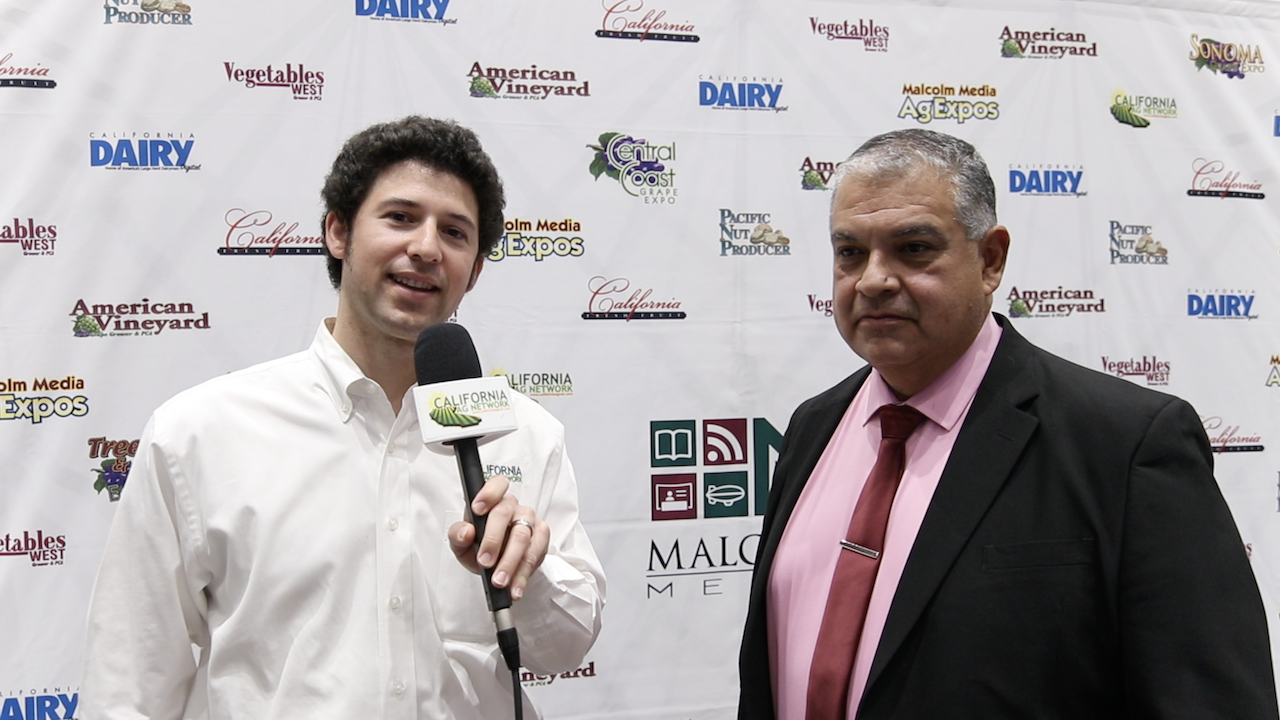
    California has allocated $10 million to begin the development of a statewide system the provides information to the public about pesticides used around them. DPR is working in partnership with several agricultural commissioners on local pilot projects as part of the development of the system this year. Watch this brief interview with Riverside County Agricultural Commissioner Ruben Arroyo as he explains what this means for the public and agriculture.
     
    Please thank this video’s sponsor Suterra for their industry support.
  • Pesticides, Air Quality and Upcoming Statewide Notification System Explained

    Pesticides, Air Quality and Upcoming Statewide Notification System Explained

    California has allocated $10 million to begin the development of a statewide system the provides information to the public about pesticides used around them. DPR is working in partnership with several agricultural commissioners on local pilot projects as part of the development of the system this year. Watch this brief interview with Riverside County Agricultural Commissioner Ruben Arroyo as he explains what this means for the public and agriculture.
     
    Please thank this video’s sponsor Suterra for their industry support.
  • SJV Air Pollution Control District Addresses Phase Out of Ag Burning

    SJV Air Pollution Control District Addresses Phase Out of Ag Burning

    Agricultural burning as we know it is currently in the process of being phased out.  So what’s the timeline, what alternatives are out there and what incentive programs are available for the industry to make this big transition? These topics were addressed at Malcolm Media’s recent Grape, Nut & Tree Fruit Expo. Watch this interview with Crystal Yunker from the San Joaquin Valley Air Pollution Control District to learn more.
     
    Please thank this video’s sponsor Suterra for their industry support.
  • National Watermelon Promotion Board Seeks Directors

    National Watermelon Promotion Board Seeks Directors

    The National Watermelon Promotion Board (NWPB) will hold a nomination teleconference on Wednesday, February 16th, 2022 at 8:00 A.M. (PT) for district 4 and Wednesday, February 16th, 2022 at 10:00 A.M. (PT) for district 5 to nominate qualified watermelon producers and watermelon handlers to fill open positions as directors of the Board.

    District 4 — The States of: Connecticut, Delaware,Illinois, Indiana, Kentucky, Maryland, Massachusetts, Maine, Michigan, NewHampshire, New Jersey, New York, Ohio, Pennsylvania, Rhode Island, Vermont,Virginia, West Virginia, Wisconsin, and Washington, DC.District 5 — The States of: Alaska, Arizona, California, Colorado, Hawaii, Idaho, Iowa, Kansas, Minnesota, Missouri, Montana, Nebraska, Nevada, New Mexico, North Dakota, Oregon, South Dakota, Utah, Washington, and Wyoming.

    The NWPB encourages all women, minorities and persons with disabilities who qualify as watermelon producers and handlers to attend the meeting and run for nomination to the NWPB.

    All watermelon producers and handlers in District 4 & 5 are encouraged to attend and vote to nominate their representatives to the NWPB. Nominations are submitted to the U.S. Department of Agriculture (USDA), and the Secretary of Agriculture makes the final appointments to the NWPB. The newly appointed Board members term of office will begin on January 1st, 2023, and end December 31st, 2025.

    The Board members administer promotion and research programs for watermelon. The NWPB works to increase consumer demand for watermelon and expand domestic and foreign markets through its marketing, consumer public relations and education programs. The non-profit Board works with an administrative staff to enact retail, foodservice and media promotions and research programs.

    All Board members are required to attend two meetings each year to become familiar with and develop the Board’s variety of marketing, research and education programs.

    The NWPB represents about 800 commercial watermelon producers, handlers and importers that finance all of the Board’s programs through assessments on watermelons as authorized by the Watermelon Research and Promotion Act. The 30-member Board is currently comprised of 10 producers, 10 handlers, 9 importers, and a member who represents the public.

    Board members are nominated by their peers, and nominations are submitted to the U.S. Secretary of Agriculture, who makes final appointments to the Board. These board members oversee all aspects of the Board, including setting policies and deciding how the Board’s budget is invested in promotion, research and education programs. The USDA’s Agricultural Marketing Service monitors the Board’s operations.

    To be eligible for nomination, producers must grow 10 or more acres of watermelon, and handlers must be the first handler of watermelon, according to §1210.306 and §1210.308 of the Watermelon Research and Promotion Plan.

    Consistent with §1210.403, the NWPB will allow proxy voting for Board nominees. Individuals wishing to vote by proxy should prepare signed, dated statements, including the proxy voter’s printed name, address, telephone number, identity as a producer or handler, and the name of the individual authorized to cast the proxy vote. These statements should be given to those authorized to cast the proxy vote, who will then provide the statements to the NWPB no later than Wednesday, February 2nd, 2022.

    The producers and handlers appointed to the Board will represent the NWPB’s interests throughout the district in meetings and other forums, and should be dedicated to supporting the Board’s marketing, promotion, research and education programs.

    Additional information regarding the elections and nomination procedures may be obtained by contacting NWPB Director of Operations & Industry Affairs Rebekah Dossett (407) 605-5984 or Industry Affairs Manager Andrea Smith (407) 613-2972.

  • New Research Findings: The Heart Loves Blueberries

    New Research Findings: The Heart Loves Blueberries

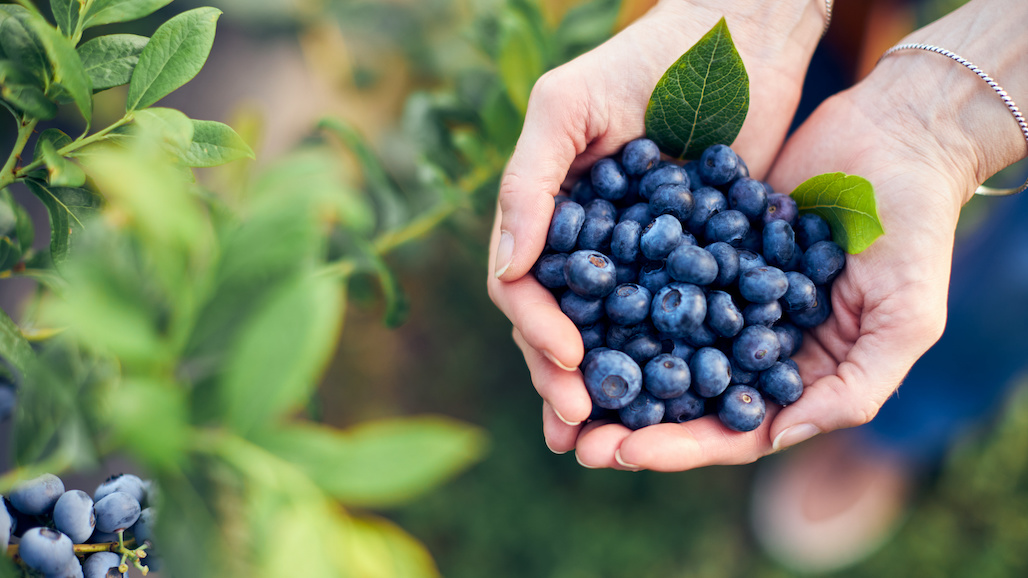
    A new study published in Clinical Nutrition and supported by the US Highbush Blueberry Council (USHBC) found that the equivalent of one cup of fresh blueberries, consumed as 26 g of freeze-dried blueberries, may reduce the acute cardiometabolic burden of energy-dense meals. Or, simply put: The new research further supports that blueberries may benefit heart health.
    As part of USHBC’s programming engaging health professionals, the study findings will be leveraged to promote blueberries as part of a healthy diet, continuing to boost  blueberries’ health halo to drive demand.

    “This is the first study of its kind conducted in an at-risk population, adults with metabolic syndrome, a condition affecting nearly 40% of Americans and one in four adults in the UK,” said Aedin Cassidy, Ph.D., chair of nutrition and preventive medicine, and director of the Interdisciplinary Research Institute for Global Food Security at Queen’s University, Belfast, and the study’s lead investigator.

    Learn more about the study here. For more information on how USHBC is working with health professionals, and to access resources to leverage with your own health influencers or audiences, visit healthprofessionals.blueberry.org.

  • Carbon Sequestration’s Impact on Blueberries

    Carbon Sequestration’s Impact on Blueberries

    At the US Highbush Blueberry Council’s (USHBC) Innovate 2021 Conference, Markus Kleber, professor of soil system science at Oregon State University, hosted a “Carbon Sequestration Lunch.” The session provided an overview of carbon sequestration and detailed the potential benefits to blueberry growers and farmers everywhere. Kleber explained that, as carbon dioxide (CO2) in the atmosphere increases, CO2 molecules absorb part of the energy from solar radiation, causing more warming in the atmosphere. This, of course, could have significant impacts on blueberry production across the globe. Despite improvements in reducing emissions, there is still a 0.6% annual increase in greenhouse gas (GHG) emissions globally.
    “Humans are intervening in the carbon cycle, and industrial agriculture has driven down the carbon in the soil,” Kleber shared. “When you lose half your soil carbon, you’re bound to see reductions in plant productivity…When we talk about carbon sequestration we are referring to the transfer and storage of atmospheric carbon to other pools, such as soil or plant biomass.”
    Best management practices can restore at least some of this carbon, and soil carbon sequestration can be a significant GHG removal practice. Despite various challenges, there’s strong public interest in finding carbon sequestration solutions. Growers should recognize and take advantage of this interest, both through marketing and farming practices. Increasing soil carbon can be beneficial for overall soil health.
    As part of the 2021-25 strategic plan, USHBC will review global sustainability considerations of relevance to the entire blueberry supply chain and develop an overall approach for how to build these considerations into USHBC’s programs and industry practices.
    Click here to view a replay of the Carbon Sequestration Lunch.