Category: Pest/Disease Management

  • California Citrus Breeding Program Expanding with Congressional Support

    Today, Presidents of California Citrus Mutual (CCM) and Citrus Research Board (CRB) issued statements applauding Congressional leaders for recently approving additional funds for the new citrus breeding program in Parlier, California. Congress is allocating an additional $500,000 in federal funding on top of the $1 million granted last year to expand the program into California. The program will now receive $1.5 million in federal funds on an annual basis along with the $500,000 that CRB provides the program with annually.

    “CRB was instrumental in developing the concept for the California based program and was also involved in efforts to establish the nationwide program while CCM advocated to secure funding,” said CRB President Marcy Martin. “Our two organizations working together on behalf of the industry has been instrumental in getting this program off the ground.”

    “On behalf of the industry, I would like to thank our congressional leaders and the Committee for their continued support of this program, which will help us find solutions to issues specific to our growers located in California,” said CCM President and CEO Casey Creamer. “I would like to specifically extend our gratitude to Congressmen Costa and Valadao and Senator Padilla for championing the need for this program in D.C.”

    The California citrus breeding program will focus on fresh market citrus. Funding will go towards research and development of high-quality, superior citrus selections well suited to California growing regions, changing climatic pressures, consumer taste preferences, and resistance to pest and diseases, such as huanglongbing (HLB).

    The California program is an expansion of the existing national USDA Agricultural Research Service (ARS) citrus breeding program located in Fort Pierce, Florida, which is focused primarily on varieties that are optimized for Florida growing conditions. Work done through the Florida program has resulted in new varieties with higher yields, increased disease resistance, improved color, and a longer shelf life.

    The Florida and California breeding programs along with the continued support from the University of California citrus breeding program at UC Riverside will work together to deliver results for California based growers.

    The California citrus breeding program is located at the USDA-ARS field station in Parlier. Thanks to funds that have already come in, forward progress continues to be made with the addition of a dedicated scientist, developing plans for construction of a greenhouse and laboratory, and securing additional ground for the program.

    About California Citrus Mutual (CCM)
    CCM is a voluntary, non-profit trade association representing California citrus growers on the economic, regulatory, and political issues that most impact them.

    About the Citrus Research Board (CRB)
    The CRB administers the California Citrus Research Program, the grower-funded and grower-directed program established in 1968 under the California Marketing Act as the mechanism enabling the State’s citrus producers to sponsor and support needed research. More information about the Citrus Research Board may be found at www.citrusresearch.org.

  • Update to ACP and HLB Bulk Citrus Movement Requirements

    Effective March 12, 2024, the Citrus Pest and Disease Prevention Division (CPDPD) has updated the requirements for moving bulk citrus fruit from an Asian citrus psyllid (ACP) quarantine zone to a packer/processor in a Huanglongbing (HLB) quarantine area. Citrus fruit may now be moved from any ACP quarantine zone to an HLB quarantine area for packing or processing without a mitigation, such as a pre-harvest treatment or field cleaning. One mitigation was previously required.

    Listed below are some examples of potential bulk citrus movement that is now allowed without mitigation, per the CPDPD’s Citrus Grower/Grove Manager Information page:

    • Tulare County to HLB quarantine zone in Riverside County
    • Imperial County to HLB quarantine zone in Ventura County
    • Kern County to HLB quarantine zone in San Diego County

    Please note, safeguarding all fruit in transit is still required for all bulk citrus ACP/HLB quarantine movements, and all other quarantine requirements, such as those for invasive fruit fly quarantines, still apply. Trucks must be fully tarped or the vehicle must be fully enclosed.

    In the instance that HLB is detected in new areas, this regulatory update may be revisited and revised by CPDPD.

    For complete information regarding the mitigations required for fruit movement, please visit the CPDPD’s Citrus Grower/Grove Manager Information page.

    For questions regarding citrus fruit movement requirements, please contact your local County Agricultural Commissioner or contact Keith Okasaki at Keith.Okasaki@cdfa.ca.govor 916-274-6300.

  • Fungicide Evaluation for Alternaria Head Rot (Pin Rot) of Broccoli

    Broccoli head rot, also known as pin rot, can cause significant problems, especially in fall broccoli production in Salinas Valley. Two types of head rot are affecting broccoli, including bacterial head rot and Alternaria head rot (Koike 2010). Differences between those two types can be seen at: https://ucanr.edu/blogs/blogcore/postdetail.cfm?postnum=3861. Here we focus on the Alternaria head rot, caused by the fungi Alternaria spp.

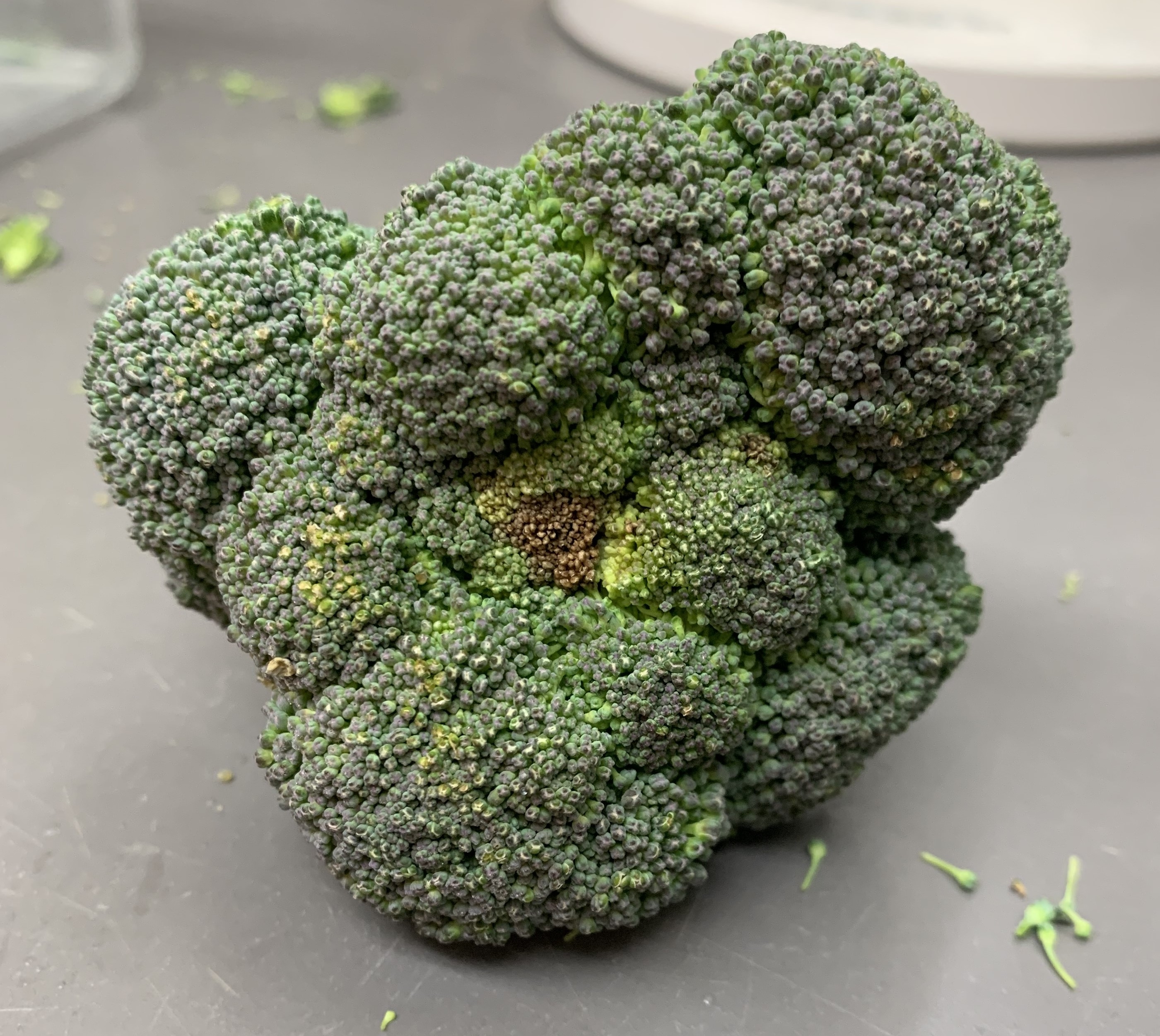
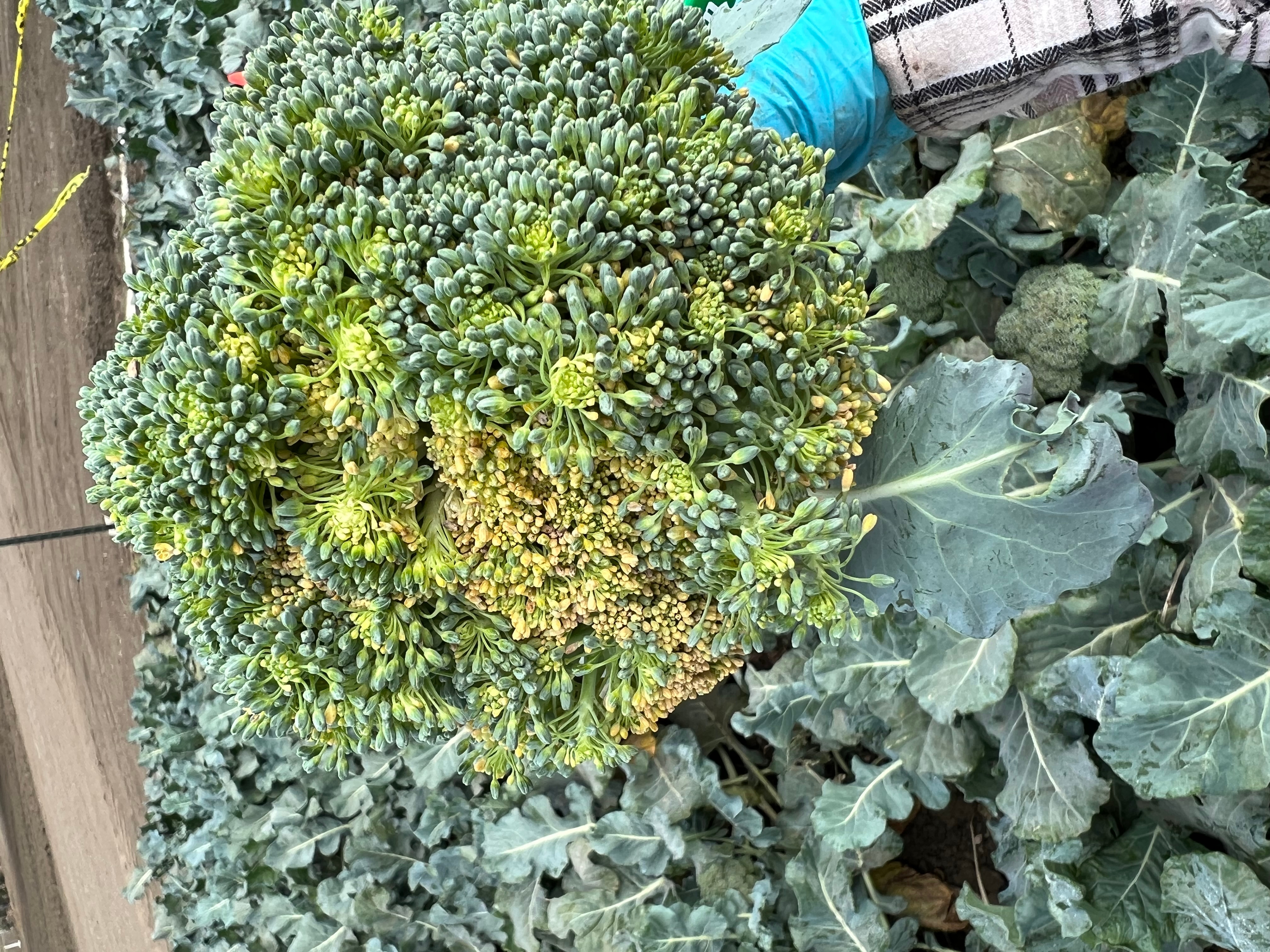
    Symptoms. All aboveground parts of broccoli are subject to infection including heads and leaves. Head rot symptoms start as yellow spots and then turn brown and black (photo 1). The infection can spread from buds to stems (photo 2). With secondary bacteria or fungi infection, further decay occurs.The initial yellow spots resemble brown bead (photo 3), a broccoli disorder that can potentially be caused by excessive temperature, poor growth, or nutrient and water deficiency. However, the brown bead doesn’t rot the stem, and no sign of fungi is presented on the buds. For uncertain cases, scraping the buds to see if the stem rot or fungi are presented is a useful technique. Leaf spot symptoms start as small yellow spots on the old leaves and then form dark, concentrical rings like a target (photo 4). The old spots may become brittle and split open or fall out as shot holes. The high number of leaf spots per plant indicates a higher disease pressure and could be a signal for fungicide application.

    Photo 1. Broccoli Alternaria head rot

    Photo 3. Broccoli brown bead

    Photo 4. Alternaria leaf spot on broccoli

    Management. The disease is favored by prolonged wetness from rain, dew, and fog. Fungal spores are spread by winds and splashing water. Cultural practices to promote leaf drying or prevent leaf wetness may reduce disease severity. Some growers have seen the benefits of using drip irrigation instead of overhead irrigation. An early harvest before rainfall could also reduce disease risk. Variety effects on disease tolerance might play a role. Lumpy broccoli heads tend to accumulate water which may further weaken the plant tissues and become a suitable target for the pathogens. Finally, there are a number of fungicides that have activity against the disease. More frequent fungicide applications should occur during wet weather which is favored by the disease.

    Research update: fungicide evaluation.

    Methods. One fungicide trial was conducted in a commercial broccoli field to test the efficacy of select fungicides for controlling broccoli head rot in 2023 fall. Broccoli ‘Centennial’ were direct seeded on 27 July, 2023. Seven fungicide treatments and a nontreated control were arranged in a randomized complete block design with four replications. Each plot consisted of two seedlines of broccoli that was 30-ft long on the 40-inch wide bed. On each side of the plot was a nontreated guard bed. Treatments were applied with a CO2-pressurized backpack sprayer calibrated to deliver 35 gpa at 30 psi using a double TeeJet 8004E flat fan nozzles. Fungicide applications were made on 4 October and 16 October. All treatments were applied with non-ionic surfactant Dyne-Amic 0.08% v/v. Alternaria head rot incidence was evaluated at harvest on 23 October, 2023. Disease incidence was expressed as the percentage of the number of plants with Alternaria head rot in the total number of plants within the middle 15 ft of the plot. Data were analyzed using analysis of variance (ANOVA) and the Tukey test to separate means at P<0.05. The total rainfall received one month before harvest was 0.57 inches. The average, minimum, and maximum temperatures were 62°F, 53°F, and 75°F, respectively.

    Results (Table 1). The disease pressure in this trial area was low with nontreated control having 14.0% head rot. However, significant differences occurred among treatments for the % Alternaria head rot. All treatments reduced % Alternaria head rot numerically, while Pydiflumetofen+Fludioxonil, Azoxystrobin, Fluxapyroxad+Pyraclostrobin, Fluopyram+Trifloxystrobin, and Pyraclostrobin had significantly lower % Alternaria head rot than nontreated control. And they had statistically similar % Alternaria head rot. These results also showed that single FRAC 11, premixes with FRAC 7 and 11, and premixes with FRAC 7 and 12 provided good control of Alternaria head rot; single FRAC 7 provided fair control of Alternaria head rot.

    Table 1. Disease incidence of Alternaria head rot at harvest

    zProduct and Rate/A in this trial: Boscalid (Endura 9 oz), Penthiopyrad (Fontelis 30 fl oz), Pydiflumetofen+ Fludioxonil (Miravis Prime 11.4 oz), Azoxystrobin (Quadris 15.5 fl oz), Fluxapyroxad+ Pyraclostrobin (Priaxor 8.2 fl oz), Fluopyram+ Trifloxystrobin (Luna Sensation 7.6 fl oz), Pyraclostrobin (Cabrio 16 oz). xNumbers in a column followed by the same letter are not significantly different based on Tukey’s significant difference test (P<0.05). yFRAC: Fungicide Resistance Action Committee. — By Yu-Chen Wang, Plant Pathology Farm Advisor, UC Cooperative Extension

    Thanks to the cooperating growers and PCAs for assisting the trial. Thanks for the technical assistance from Carlos Rodriguez.

  • UCCE Tulare County Assists Pathologists in Survey for Decay Fungus in Prunes

    Recently, extensive wood decay-related limb breakages have been reported in commercial prune orchards in the Sacramento Valley, adversely affecting fruit production and limiting the value of salable firewood upon orchard removal. Several fungal genera such as PhellinusRhodoformesSchizophyllumSterumTrametesCeriporia, and Perenoporia have been recognized for wood-decaying activity on California prunes.  Phellinus pomaceus has been the primary organism associated with prune decay symptoms in the Sacramento Valley; however, it is yet unknown whether P. pomaceus is present in southern San Joaquin Valley prune orchards.

    Figure 1: Symptoms of advanced Phellinus pomaceus infection, showing white rot internal decay of heartwood. Scale bars 10 cm.

    Phellinus pomaceus, specific to prunes and other plums, is one of the commonly reported wood-decaying fungi that attack the heartwood (non-functional xylem) of mature trees (Figure 1). It tends to attack the trunk and large-diameter branches, often resulting in broken limbs and the loss of fruit-bearing scaffolds. In fact, older trees are more likely to contain infection by the fungus, and frequent pruning of large branches may increase the probability of infection due to exposure of the internal heartwood. The fungus can be identified based on its fruiting bodies that emerge as conks or shelf-like brackets that are usually hard, woody, and hoof-shaped (Figure 2). Under the right conditions, these fruiting bodies are often perennial and may exhibit a darkened upper surface after several years of development.

    UCCE Tulare County assisted UC Davis researchers from the Department of Plant Pathology in surveying Tulare County prune orchards for presence of P. pomaceus. Laurel Hoffman, a PhD student working under Dave Rizzo, Professor of Plant Pathology, visited our local UCCE Tulare County office, coordinating with Elizabeth Fichtner, UCCE farm advisor, to visit and survey prune orchards for the pathogen. With the assistance of Walter Martinez, Tulare County Ag Technician, and Santosh Bhandari, Assistant Specialist, six local ‘French’ prune orchards were surveyed with data collected on tree canopy status and presence or absence of fruiting bodies associated with decay fungi. Surveyed orchards were all over 15 years old and were in varying states of overall productivity. Samples from putative decay fungi were collected and brought back to UC Davis for genetic sequencing to identify the specimens. A preliminary observation based on the initial survey suggests that the prevalence of putative decay fungi in prune orchards is lower in the southern San Joaquin Valley than in the Sacramento Valley. The presence of P. pomaceus in the southern San Joaquin Valley has not yet been confirmed.

    To date, there are no control measures for management of P. pomaceus. Chemical control strategies are not available for management of this disease. Removal of fruiting bodies may limit sporulation, thus having the potential to slow disease transmission. However, the value of this technique is limited by the ability to remove conks prior to sporulation and conks may be difficult to see, particularly after leaf out. Additionally, if the pathogen is present at a high level in (or near) affected orchards, the removal of conks may not significantly influence the total load of spores at a site. Fruiting body removal would not affect the health of infected trees because they are already colonized by the fungus.

    Most of California’s prunes are sold in the dried fruit market; however, a few orchards are reserved for fresh prune production. After the economic lifespan of prune orchards, trees are removed, generating wood that can either be sold as firewood, or reintroduced to the soil through whole orchard recycling.  Infection with decay fungi such as P. pomaceous may adversely affect fruit production, limit the lifespan of infected trees, and reduce the economic longevity of orchards. — By Santosh Bhandari, Laurel Hoffman & Elizabeth Fichtner, UC Cooperative Extension

  • Citrus Greening (HLB) Impacting Brazilian Citrus Crop – Annual Report

    The Brazilian orange crop for Marketing Year (MY) 2023/24 is forecast at 408 million 40.8-kg boxes (MBx) – standard reference, equivalent to 16.5 million metric tons (MMT), a decrease of 1.03 percent compared to the estimate of current crop MY 2022/23 (around 412.3 million boxes or 16.67 MMT), due to the incidence of greening, which has been affecting Brazil’s citrus belt. Meanwhile, the average fruit weight is expected to be 158 grams for MY 2023/24, as a result of unfavorable climate and diseases, with expectations of lower production and fruit quality. FCOJ 65 Brix equivalent production for MY 2023/24 is forecast at 1.05 MMT, a decrease of 1.64 percent vis-à-vis the estimate for MY 2022/23 (1.12 MMT), due to downward expected availability of fruit for processing provoked by extremely high temperatures and the greening incidence. A significant share will keep supplying the U.S. market due to limited juice availability from Florida provoked by hurricane Ian.

    FRESH ORANGES

    PS&D Table

    The following table provides total Brazilian fresh orange production, supply, and distribution (PS&D) for Brazilian (BR) marketing years (MY, July-June) 2022/23, 2023/24, and 2024/25. The MY mentioned above are equivalent to U.S. MY 2021/22, 2022/23, and 2023/24, respectively.

    Table 1

    Production, Supply and Distribution for Brazilian Fresh Oranges

    Note: There is a one-year lag between the BR MY and the U.S. MY. For example, BR MY 2023/24 is equivalent to U.S. MY 2022/23. To ensure data continuity, the current Brazilian MY 2023/24 will be referred to as U.S. MY 2022/23 throughout this report.

    General

    Post forecasts the total Brazilian orange crop for MY 2023/24 (July/June) at 408 million 40.8-kg boxes (MBx) – standard reference, equivalent to 16.5 million metric tons (MMT), a decrease of 1.03 percent compared to current Post estimate for MY 2022/23 (412.3 million boxes or 16.67 MMT), due to greening incidence.

    The commercial area of the state of São Paulo and the western part of Minas Gerais (known as “Triângulo Mineiro”) should produce 307 million 40.8-Kg boxes (12.52 MMT) for MY 2022/2023, a projection based on the most recent data released by the Defense Fund for Citriculture (Fundecitrus) in December 2023. Considering the total citrus belt estimated production, approximately 27.60 million boxes should be harvested in the Triângulo Mineiro region, as reported by Fundecitrus, and 280 million boxes in São Paulo.

    Around 30 percent of Brazil’s orange production is destined to the market and 70 percent is used for juice processing. The main orange varieties that Brazil produces are Hamlim, Westin, Rubi, Valencia Americana, Seleta, Pineapple, BRS Alvorada, Pera Rio – pear orange, Valencia, “Folha Murcha” Valencia, and Natal. The citriculture chain in Brazil is highly industrialized.

    Figure 1

    Orange Production History in the Brazilian Citrus Belt

    The graph above (Figure 1) shows the orange crop production history in the Brazilian citrus belt, reflecting significant oscillations over the course of twenty-four years, ranging from 450 million 40.8Kb boxes in BR MY 1999/00 to 250 million BR MY 2010/11. During its big harvests, the Brazilian citrus belt produced an average of 400 million boxes, particularly in BR MY 2011/12, 2012/13, 2017/18, 2019/20. However, in the past four market years, the average has fallen around 100 million to an average of 300 million.

    According to Post contacts, the current average of orange boxes produced in the Brazilian citrus belt reaches 915 boxes per hectare, even though some larger citrus growers produce 2,000 boxes per hectare due to the following reasons: 1- adapted varieties (more productive plants) and a mix of varieties (early oranges are very productive, compared to the others, mid-season and late); 2- densification of orchards (in the 1980s there were around 250 trees/ha. now there are about 700 trees/ha); 3- pruning and management techniques for better productivity and more day-to-day management. Today, 70 percent less pesticides are used in each pesticide application.

    Data from Fundecitrus shows an estimate to the weight of oranges at 160 grams (255 fruits per box) upon the current harvest, representing an increase of 3.77 percent in relation to the average weight recorded in the previous crop MY 2021/22, and a 1.23 percent growth in average weight when compared to the last ten crops.

    Production

    According to data from the Brazilian Institute of Geography and Statistics – IBGE in November 2023 citrus is produced in Brazil on 584,443 hectares. The citrus belt accounts for approximately 83 percent of the cultivated area in Brazil. Taking into account the estimated 307 million of boxes produced in the Brazilian citrus belt in MY 2022/23, post contacts inform that 300 million are produced in São Paulo and Minas Gerais regions, of which 50 million are in natura and 250 million are used for processing. According to Fundecitrus, the second half of 2023 has observed Minas Gerais producing more than Florida. Approximately 27.02 million boxes are expected to be produced in the Triângulo Mineiro region for MY 2022/23, against 16 million boxes in Florida.

    In Brazil, citrus growers plant and sell according to market demand, many of them through juice industry contracts. The citrus belt, however, also has the highest incidence of plants with symptoms of the main citrus disease, greening (or Huanglongbing – HLB). According to data published by Fundecitrus in 2023, 38 percent of the plants in the citrus belt have symptoms of the disease.

    Rainfall was frequent and voluminous from January to April 2023 throughout the São Paulo citrus belt, making MY 2022/23 orange crop produce fruit with good size development. Moreover, the decrease in the estimated production of pear orange in the citrus belt is being offset by an increase in the production of early varieties. Recent data from Fundecitrus reports that oranges of the early varieties benefited from the abundant rainfall in the beginning of 2023, which resulted in an estimate of 2.27 million boxes. The other varieties (Pera Rio, Valencia, Valencia Folha Murcha and Natal) have an estimate down by 4.39 million boxes, due to the size of the fruit, smaller than expected.

    Throughout 2023, temperatures reached astonishing numbers, ranging from 95°F to 104°F. The process known as “evapotranspiration”, by which the land transfers water and plants transfer transpiration to the atmosphere, is higher as the heatwave increases. With the arrival of the dry season from May 2023 to August 2023, rain became scarce in the citrus belt region in São Paulo, falling 26 percent below the average, causing the trees to suffer from drought stress.

    According to the Brazilian Economic Research Center (CEPEA), throughout 2023, many oranges were withered and sunburned, varieties that consumers do not usually buy. To avoid those fruit conditions and premature fruit fall, many producers anticipated the harvest of late varieties, mainly Valencia and Natal. Abundant rain in October 2023 relieved drought stress, but the availability of oranges on the fresh market remained restricted.

    A heatwave that hit the state of São Paulo in November 2023 caused partial fruit abortion, which is when the fruit falls off before the final filling stage. This happens so that the tree does not die. At high temperatures, the fruit’s stomata close – the structure that ensure gas exchange -, automatically reducing photosynthesis and negatively impacting the production.

    In irrigated areas damages tend to be mitigated, since orange flowers are more advanced. These areas are in the north of São Paulo state, where temperatures are usually higher. Irrigation facilitates planting, since the regular rainfall cannot always be proper for crops, and it can reduce the risk of high temperatures. According to Fundecitrus, the practice of irrigation is considered a complementary strategy. There are around 36 percent of irrigated hectares in the citrus belt and 63 percent of non- irrigated hectares, or hectares without information on irrigation.

    Fundecitrus emphasized in its most recent orange crop forecast from December 2023 that the citrus belt harvest reached 82 percent of production in the middle of November 2023, 26 percent faster compared to previous years. To produce oranges all year round, nine months of harvest are needed, which runs from May to February.

    With El Niño in Brazil, heat waves started in June 2023. High temperatures and rain shortage in the Brazilian citrus belt is expected to continue to be a cause of concern for the next harvest (MY 2023/24), according to Post contacts. According to the U.S. National Oceanic and Atmospheric Administration (NOAA), along with its National Weather Service and funded U.S. institutions, an El Niño forecast from November 2023 has a 62 percent probability of continuing until April or June 2024.

    Figure 2

    Maximum Daily Temperate in Brazil, Dec 4-10, 2023

    A compilation of surveys by Brazilian institutions, including the Brazilian National Institute of Meteorology, released in November 2023 a newsletter on El Niño. The climate forecast for December 2023/January-February 2024 indicates a greater likelihood of temperatures above the normal range in most of the country, including the citrus belt area.

    The Brazilian map in Figure 2 on the left highlights the current behavior of high temperatures in Brazil (Dec 4-10), showing evidence that El Niño may worsen the temperature oscillations in most of Brazil. In the citrus belt area, red color shades on the map indicate temperature ranging from 86°F to 104°F.

    Area

    Post forecasts the area planted for oranges at 590,000 ha for MY 2023/24, 10,000 ha downward compared to Post current estimate for MY 2022/23 (600,000 ha), due to densely cultivated plants.

    São Paulo is the only state that compiles trees planted and tree inventory data. According to Crop Forecast Survey data from Fundecitrus (PES in Portuguese) from May 2023, bearing trees total 169.29 million and cover an area of 399,415 hectares in the citrus belt. This represents an increase of 0.41 percent in the number of trees over the previous, released in 2022.

    Even though the whole country produces oranges, the Brazilian map in Figure 3 bellow shows the main citrus-growing regions in Brazil, according to data from IBGE (2022). It denotes the states of Bahia (3.39 percent); Paraná (3.88 percent) and Rio Grande do Sul (2.11 percent) as the main orange production states outside of the Brazilian citrus belt (76.94 percent in São Paulo and 6.44 percent in Minas Gerais).

    Figure 3

    Main Citrus-Growing Regions in Brazil

    Data on the map in Figure 4 below covers the area of land planted with orange trees in each of the twelve regions that make up the five sectors of the citrus belt: North, Northwest, Central, South and Southwest. Variation in area is indicated by colors. The darkest color, for example, in navy blue, denotes regions where there are the most land in used for orange tree planting, including, among other municipalities, Avaré, with 58,824 ha and Duartina, with 60,446 ha. Meanwhile, there are 12,169 ha in Altinópolis and 11,570 in Brotas, highlighted in the map by the lightest shade of orange.

    Figure 4

    Brazilian Citrus Belt per Region

    Currently in Brazil there are a total of 5,134 orange grove properties, most of them large producers with high productivity. In addition to pests, high production costs and an insufficient labor force has driven many small producers away from the industry. As reported by Post contacts, it costs around BRL 40 million to invest in a citrus farm.

    The current scenario makes it increasingly likely that citrus farming, especially on small and medium farms, will be converted to other crops, such as sugar cane in the São Paulo region or livestock farming. The main reason is because the production of sugar cane in São Paulo is less risky than that of oranges. Moreover, there are already mills in the São Paulo region, making it easier to switch the production to a new commodity. Thus, prices of other crops may define the fate of the Brazilian citrus industry in the coming months. Fundecitrus highlights, however, that the production of oranges requires a smaller area for production, compared with other crops. Orange production compared with sugarcane, for example, has an area 14 times smaller and a profitability of around 2.5 times higher.

    In the long term, Post contacts report that the trend of the orange industry expanding outside the São Paulo and Minas Gerais area is likely to continue. In the state of Bahia, for example, the greening disease does not exist, due to the climate and the distance from the main region of the citrus belt.

    The next couple of years will be crucial to determine which new areas Embrapa considers to be promising for citrus planting in the so-called expanded citrus belt. Besides taking climate risk into account, agricultural planning for planting and producing citrus in new areas must include the use of healthy seedlings produced in a protected environment.

    Recent studies conducted by Fundecitrus and Embrapa funded by Innocent Drinks, a British-based company that produces smoothies and juice, have found that the entire citrus belt holds a stock of approximately 36 million tons of carbon, equivalent to 133.4 million tons of carbon dioxide (CO2). This is the same emitted by the city of São Paulo in around eight years. The absorption of the gas can contribute to reducing the impacts of global warming, according to Embrapa, since the agricultural land functions simultaneously as the source and the drain for carbon, while stabilizing and securing fauna in the citrus farming areas.

    Tree Inventory and Yields

    For MY 2023/24, Post forecasts 1.80 boxes/tree, a decrease of 1.1 percent from the estimate for MY 2022/23 (1.82 boxes/tree) due to the potential negative impacts of greening and El Niño. Total Brazilian tree inventory for MY 2023/24 is forecast by Post at 240 million trees and estimated at 240.5 million trees for MY 2022/23. The decrease is mainly expected in the São Paulo commercial citrus belt.

    The graph from Figure 5 below shows the current yield estimate from Fundecitrus for MY 2022/23, with a total of 1.83 boxes/tree embracing all five regions of the citrus belt. The north stands out as the most productive region, with 2.26 boxes/tree estimated.

    Figure 5

    Yield Estimate in the Brazilian Citrus Belt

    Post forecasts the average fruit weight in the Brazilian citrus belt for MY 2023/24 to be 158 grams, as a result of unfavorable climate and disease impact, with expectations of lower production and fruit quality. Moreover, Post forecasts 258 fruits to fill a 40.8-Kg/90-pound box. Considering all orange varieties, Fundecitrus reports that it is estimated 255 fruits to make up a 40.8-kg box for MY 2022/23 in the citrus belt. For that amount, oranges weight is estimated at 160 grams, in contrast to the previous projection of 165 grams…

    Read the full USDA Foreign Ag Service report HERE.

  • Filling in the Blanks About Rose Stem Girdler in Caneberries

    Berry farmers are all too familiar with the rose stem girdler (RSG), an invasive insect from Eurasia that came to North America over a hundred years ago. They know that the copper-colored beetle has migrated to the Pacific Northwest. They know it attacks caneberries — blackberries and raspberries — sometimes ravaging up to 90% of a crop and forcing farmers to replant fields.

    What they may not know is when or where it will strike or how to contain it.

    Now, however, researchers at Washington State University (WSU) may be on the verge of providing a breakthrough by developing a coordinated approach to control RSG; an approach known as integrated pest management. The project was funded by the Northwest Center for Small Fruit Research, , an  Agricultural Research Service-led consortium, to gather information about RSG and then develop tools that growers could employ against it.

    According to Justin O’Dea, a WSU regional agriculture specialist, one such tool is a pest emergence model that will help farmers precisely time their insecticide sprays to be most effective. The model helps predict when RSG, which overwinter as larvae inside the stems of berry plants, emerge into the outside world as adult beetles.

    A major concern with controlling RSG is the insect’s innate unpredictability, O’Dea said.

    “Damage from this pest is commonly intermittent and variable, which blindsides berry growers when infestations flare,” he said. “This can lead to growers making ineffective, pre-emptive sprays to try and make sure they are not blindsided again.”

    The recent discovery of a natural predator of RSG — a parasitoid wasp known as Baryscapus rugglesi – is also now in the integrated pest management toolkit, although its efficacy is not yet fully known. Parasitic wasps lay their eggs inside other insect species, killing the host insect in the process. As a result, these wasps are used extensively, worldwide, to control pest insect populations in agriculture.

    An adult rose stem girdler beetle feeds on a blackberry leaf. (Photo by Justin O’Dea, Washington State University)

    “We know now that we have a parasitoid of RSG [in the Pacific Northwest] and have observed periods where RSG appears to decline inexplicably,” O’Dea said. “This phenomena of RSG pest pressure decline may be at least partly due to parasitism. If so, perhaps parasitoids will eventually lead to RSG becoming less of an important threat to caneberries in the Pacific Northwest, but only time and further research will be able to confirm that.”

    In the meantime, or at least until late spring when the emergence model predicts RSG adulthood, O’Dea said there is something that farmers can do to help prevent infestation: prune. This step is important because, after hatching, RSG larvae burrow into the canes where they feed on water, nutrients, and sugars moving through the plant’s vascular system. The larvae will eventually bore into the middle (the pith) of the cane.

    Thoroughly pruning out all canes that show symptoms of RSG damage (cane swelling, wilting, or breakage) can be done at any point before the pest emerges. The damaged canes should be removed from the field and burned.

    “This strategy [is] part of an effective integrated pest management program,” O’Dea said. “Research in Utah found this method to be about 80% effective. When combined with insecticides, RSG control could be as high as 98%.”

    Successful development of an integrated pest management program for RSG means that growers will have a better chance at minimizing the need for insecticide applications, O’Dea said. That equates to reduced time, energy, and money spent on ineffective and unnecessary insecticide applications, as well as reduced risk to pollinators and other inadvertent impacts to the environment.

    “Based on historical records of how RSG has played out in other regions of the country and our own observations, I’m cautiously hopeful that it will become a limited threat in the long run,” O’Dea said. — By Scott Elliott and Jan Suszkiw, USDA-ARS Office of Communications

  • Unlocking a Long-Hidden Mystery of a Virus That Attacks Ag Crops

    When UC Davis distinguished professor Diane Ullman of the Department of Entomology and Nematology headed to France on a 2018-19 Fulbright grant to conduct research on tomato spotted wilt virus (TSWV) with her colleagues, she hoped it would lead to important discoveries to help combat plant viruses that attack agricultural crops.

    It did: their research revealed how TSWV (family Tospoviridae, order Bunyavirales) packages its RNA genome, a crucial step in virus infection.

    Their newly published research, “The Genome of a Bunyavirus Cannot be Defined at the Level of the Viral Particle But Only at the Scale of the Viral Population,” appears in the current edition of the Proceedings of the National Academy of Sciences (PNAS).

    The 18-member research team included scientists primarily from the French National Research Institute for Agriculture, Food and Environment (INRAE) at the Campus International de Baillarguet, Montpellier; Department of Entomology, University of Wisconsin; and the Department of Entomology and Nematology, University of California, Davis.

    “Our work showed the genome of TSWV can only be defined at the population level, pointing at emerging properties when viral particles infect plants in groups,” said a key author Stéphane Blanc, research director of INRAE’s Biology and Genetics of Plant-Pathogen Interactions. “As most virions contain an incomplete genome, TSWV is a multi-component viral system, where co-infection and complementation are key in the life cycle. These findings open a myriad of possibly distinct properties depending on the genetic composition of the group of virions co-infecting a cell.”

    “The most challenging part of this work was to create a protocol reliably quantifying the two polarities of each segment,” said lead author Michel Yvon of INRAE. “The next important advance will be to demonstrate that co-infection of cells by a group of particles is key to the spread of infection.”

    Ullman, an international authority on orthotospoviruses and one of the four main authors, took a sabbatical to work on the project. “My interest was in understanding how TSWV packaged its RNA genome,” she said. “While this sounds like a simple goal, it is quite complex because TSWV has negative sense and ambisense viral strands and many research tools common to studying other viruses, such as infectious clones were not available.”

    TSWV is transmitted by thrips, tiny insects with fringed wings. “Orthotospoviruses cause serious damage to many important crops, including tomatoes, lettuce, peppers, peanuts, and many others,” Ullman said. “The orthotospoviruses are enveloped negative or ambisense single stranded RNA viruses with a genome divided into several segments. For many years, graphical views of viral particles have shown a virion packaging one copy of each genomic segment in a polarity named the viral strand. Various observations suggested this scenario may not represent reality, but these studies were often focused on other questions or did not use accurate quantitative methods.”

    “It was a delight to work with the fantastic team of scientists that Stéphane assembled, all very talented with skills in virology, cryoelectron microscopy and nanopore PCR,” Ullman commented. “I cannot imagine a more talented and diverse group of people to conduct this difficult work. I learned a great deal about virus purification from Michel Yvon, whose leadership, skills in virology, and patient teaching really moved our project forward.”

    “The intellectual and research contributions of our colleague, the late Thomas German of the University of Wisconsin (second author) were too numerous to recount,” Ullman said. “His cloning of the six possible RNA segments made reliable quantification of the two polarities of each segment, key to this research, possible. In addition, his enthusiasm for science motivated the entire research team and propelled us all forward. The outcomes of our collaboration challenge dogma around how these viruses infect plants and insects, how their populations evolve, and even the terminology describing their biology.”

    German, professor emeritus and former chair of both the Departments of Plant Pathology and  Entomology at the University of Wisconsin, died Aug. 27, 2023 at age 82.

    See more at https://tinyurl.com/yeyuxy5b

    See PNAS paper at https://tinyurl.com/5hj5a2tv

  • Citrus Industry Guide to Fruit Fly Quarantines

    Over the last several months, a variety of invasive fruit fly detections have triggered quarantines across numerous counties in California. These fruit fly species – including Mediterranean fruit fly, Mexican fruit fly, Oriental fruit fly, Tau fruit fly and Queensland fruit fly – are considered not established in California. Quarantines and their associated regulatory actions are implemented to stop the artificial spread of these pests and thus avoid additional negative impacts to growers and the state’s agriculture and natural resources.

    The Citrus Pest and Disease Prevention Division is working to provide boots-on-the-ground assistance to the California Department of Food and Agriculture’s Plant Health and Pest Prevention Services Division as they lead efforts in eradicating the fruit flies by conducting larval surveys, host fruit removal, delimitation trapping, treatment activities and regulatory actions across the state.

    Fruit fly quarantines are established after a certain number of adult flies are captured within three miles of one another and within one life cycle. Fruit fly quarantines are also established when detections of reproductive populations such as larva, pupae or mated flies are found in an area. These thresholds have already been met in certain areas of the state, including the following areas:

    Counties Currently Impacted by Fruit Fly Quarantines:

    • Oriental fruit fly: Contra Costa, Riverside, Sacramento, San Bernardino and Santa Clara Counties
    • Mediterranean fruit fly: Los Angeles County
    • Tau fruit fly: Los Angeles County
    • Queensland fruit fly: Los Angeles and Ventura Counties

    To review the quarantine maps, regulatory information, pest profile information for various fruit flies and additional resources, please visit https://www.cdfa.ca.gov/plant/PDEP/treatment/index.html

    FAQ: Bulk Citrus Movement Requirements in Fruit Fly Quarantine Zones

    Treatment information & maps can be found here:https://www.cdfa.ca.gov/plant/PDEP/treatment/treatment_maps.html

    Quarantine information on fruit fly species and other invasive pests can be found here: https://www.cdfa.ca.gov/plant/pe/InteriorExclusion/quarantine.html

    Frequently Asked Questions:

    How is a fruit fly quarantine triggered?
    A quarantine is triggered by the number of adult flies captured within three miles of each other and in one life cycle:

    • Mediterranean, Melon, Caribbean Fruit Fly – 2
    • Mexican Fruit Fly – 5
    • Oriental, Guava, Peach Fruit Fly – 6 Rural or 8 Urban
    • All other adult invasive fruit flies (e.g., Queensland Fruit Fly) – 2

    OR

    • SINGLE detection of larva, mated female, or pupae indicating a breeding population.

    How large is the fruit fly quarantine zone(s)?

    There are three main areas to consider within the fruit fly quarantine zone, and each has different requirements for harvest/bulk citrus movement:

    1. The property where the detection occurred
    2. Core Area: A one-half mile radius around the detection
    3. Quarantine Area: A 4.5-mile radius around the detection.

    What steps must growers in these three areas of the quarantine zone follow in order to harvest/move their bulk citrus?
    For properties where the detection occurred and properties within the core area (0.5-mile radius around the detection site), this citrus is not eligible for packing, but may be stored, processed and consumed on the growing site. If properties within the core areas have no fruit fly or life stages detected on the growing grounds, fruit can only be moved for juicing, processing, freezing, etc. under compliance and safeguarding with approval of the receiving county ag commissioner.

    Growers in the quarantine zone, but outside of the core area, may receive regular pre-harvest treatments with approved insecticides, applied at recommended intervals, starting a sufficient time before harvest (but not less than 30 days before harvest and a minimum of 4 treatments) to allow for development of fruit fly egg and larvae. Determination of the pre-harvest treatment window is based on the degree day model for the specific fruit fly. Once treatment has begun, it must continue through the harvest period.

    Have additional questions? Please reach out to your local County Agricultural Commissioner. — California Citrus Pest & Disease Prevention Program

  • International Research Conference on Huanglongbing VII Coming March 2024

    The California Citrus Research Board (CRB) and the Conference Steering Committee are pleased to share the International Research Conference on Huanglongbing VII (IRCHLB VII) will return March 26-29, 2024, to Riverside, California.

    The Conference is being produced by the CRB with the support of California’s citrus industry partners and guidance of the international Steering Committee. The California citrus industry is excited to welcome researchers, regulators, and citrus industry members from around the world to the Golden State. The Conference was previously held in Riverside in 2019 and welcomed more than 500 attendees, representing over 22 countries.

    The IRCHLB VII will feature presentations and poster sessions detailing the global status of Huanglongbing (HLB), highlight ongoing research efforts, and share how research can move toward field solutions. A select group of keynote speakers will provide insight on innovative HLB research with a variety of perspectives and methodologies, including both domestic and international approaches.

    HLB has affected hundreds of thousands of citrus trees in Florida and around the world and continues to be one of the biggest threats facing California’s citrus industry.

    “It has been nearly four years since the HLB research community has met to discuss their findings on strategies to manage the devastating effects of citrus greening disease,” said MaryLou Polek, Ph.D., Chair of the IRCHLB Steering Committee. “I am looking forward to the IRCHLB VII to hear about research progress made by scientists from around the world.”

    Registration for the conference is now open and additional information can be found at www.irchlb.com. The early bird registration rate of $425 is available through December 31, 2023 and will increase to the regular registration rate of $550 on January 1, 2024.

    About the IRCHLB VII Conference

    The International Research Conference on Huanglongbing VII is organized by the Citrus Research Board in collaboration with numerous citrus industry, state and federal government, and university partners. Learn more at www.irchlb.com.

    About the Citrus Research Board

    The Citrus Research Board administers the California Citrus Research Program, the grower-funded and grower-directed program established in 1968 enabling the state’s citrus producers to sponsor and support needed research. More information about the Citrus Research Board may be found at www.citrusresearch.org.

  • Plant Pathologist Awarded $3.95M USDA Grant to Examine Fruit Rot in Blueberries

    Timothy Miles, an assistant professor in Michigan State University’s Department of Plant, Soil and Microbial Sciences, is teaming up with researchers across the U.S. to further study management of Anthracnose and Botrytis fruit rot in blueberries.

    A scientist at Michigan State University has received a $3.95 million grant from the U.S. Department of Agriculture (USDA) National Institute of Food and Agriculture (NIFA) to develop strategies for implementing and maintaining effective management practices for blueberry fruit rot.

    Timothy Miles, an assistant professor in MSU’s Department of Plant, Soil and Microbial Sciences, is leading a multi-institutional team of researchers in addressing ways to improve the quality of blueberries while limiting their loss before, during and after harvest.

    The USDA-funded project, part of the USDA’s Specialty Crop Research Initiative (SCRI), is called: “BLUE-DYNAMO: An Interactive Platform to Deliver Blueberry Disease and Horticultural Management Strategies for Fruit Rots.”

    Blueberries are sometimes referred to as “little blue dynamos” due to their health benefits. In this case, “BLUE-DYNAMO” is an acronym that stands for, “Building the Latest Understanding in Extension — Disease Management that Yields New and Meaningful Outputs.”

    Two of the most common fruit rot diseases that alter the quality and yield of blueberry crops in the U.S. are Anthracnose fruit rot (AFR) and Botrytis fruit rot (BFR). AFR, also known as “ripe rot,” shows itself by wilting blueberries and producing spore masses that appear as orange speckles. BFR typically occurs in cooler temperatures and presents as gray mold on blueberries and other crops.

    While much is already known about these diseases through previously conducted studies, Miles said advances in technology and joint action among scientists from across the country will propel current knowledge forward and address stakeholder needs.

    “What makes this research unique is that it’s a coordinated effort (from multiple institutions) to study fruit rot across the U.S., and in blueberries that hasn’t happened before on this large of a scale,” Miles said.

    Objectives of the project include:

    • Learning how management techniques impact the onset of fruit rot.
    • Applying molecular tools to accelerate the time it takes to detect fungicide resistance in pathogens.
    • Generating cultivar-specific fruit quality models to predict fruit vulnerability to rots, and using optical-imaging technology to filter and sort blueberries vulnerable to fruit rot.
    • Providing efficient ways growers and field specialists can access information drawn from the conducted research.

    To make findings and recommendations easily and widely available, a BLUE-DYNAMO website is being designed that’ll allow for materials to be uploaded for educational and outreach purposes.

    “Anything we find using this grant — grower information, important publications and other resources related to fruit rot — will be in here,” Miles said. “We may also build this into more than just information about fruit rot because it’s supposed to be a portal growers can use to gain knowledge on how to manage blueberry diseases.”

    Other MSU researchers included in the grant are Josh Vander Weide, an assistant professor in MSU’s Department of Horticulture; Yuzhen Lu, an assistant professor in MSU’s Department of Biosystems and Agricultural Engineering (BAE); and Cheyenne Sloan, a blueberry and small fruit educator with MSU Extension.

    Along with studying pathogens and ways to manage them, scientists will create more refined models for pinpointing the ripeness in blueberries to prevent fruit rot from occurring in harvested berries. New imaging technology will also be tested to noninvasively screen blueberries for disease as they’re sorted.

    Josh Vander Weide, an assistant professor in MSU’s Department of Horticulture.

    Vander Weide said examining horticultural strategies to control fruit rot could lessen fungicide use, which is critical because fruit rot pathogens can become resistant to fungicides over time.

    “Fruit rots tend to develop near harvest, so there are some practices we can employ to minimize disease pressure,” Vander Weide said. “This not only involves better defining which cultivars are more resistant (to these pathogens), but also what kind of harvest scenarios prolong disease development.”

    Vander Weide said the team will be observing how pathogens develop in relation to the weather conditions blueberries are grown in and the maturity at which they’re picked. He also noted that collaborating with researchers from across the country grants opportunities to track an array of environments blueberries are farmed in.

    “A greater percentage of fruit rot development occurs in the cartons you’re buying from the grocery store than on the plant,” Vander Weide said. “That’s why sometimes when we buy blueberries from the store, they’re moldy within a few days. The likelihood that this occurs depends on the cultivar, as well as when they’re harvested and how far they’re shipped.”

    After harvest, Vander Weide said they’ll use cutting-edge technology to sort blueberries, separating ones that’ve been infected or are more likely to become infected with fruit rot based off certain qualities of the fruit, like firmness.

    The grant provides funding for four years. Miles said he’s excited to lead this project on a broad scale because it was also his project while earning his doctoral degree from MSU in 2011 studying fruit rot in blueberries. — By Jack Falinski, Michigan State University

    Michigan State University AgBioResearch scientists discover dynamic solutions for food systems and the environment. More than 300 MSU faculty conduct leading-edge research on a variety of topics, from health and climate to agriculture and natural resources. Originally formed in 1888 as the Michigan Agricultural Experiment Station, MSU AgBioResearch oversees numerous on-campus research facilities, as well as 15 outlying centers throughout Michigan. To learn more, visit agbioresearch.msu.edu.