Category: Industry News

  • The Importance of Yuma’s Agricultural Water in the Colorado River Basin

    The Importance of Yuma’s Agricultural Water in the Colorado River Basin

    A prolonged drought in the West is making the fate of the Colorado River less certain. As a result, agriculture is at risk. Agricultural water is extremely important to the Yuma growing region, the Winter Lettuce capital of North America. Between the months of November and April, 90% of the U.S. and Canada’s leafy greens and other vegetables come from Yuma area.

    Yuma’s agricultural industry recently put together a webpage and video to illustrate what could happen if the Yuma area does not get its water allocations from the Colorado River. Yuma enjoys resources – water, soil, climate, labor, and infrastructure – that allow for the efficient production of the Nation’s food supply. Reduced water supplies for Yuma will mean less healthy foods available for consumers.  Approximately 170 million servings of lettuce are produced in the Yuma area each day from November to April.

    Generations of farmers have built the most efficient and productive agricultural ecosystem in Yuma, Arizona. Crop per drop (how much food is produced per acre foot of water): Yuma is about 75% more efficient than the rest of the Colorado River Basin. Yuma farmers conserve water by leveling fields, using the precise amount of water needed for each crop and tracking every gallon of water used. Yuma area growers are feeding more people with less resources and continually look for ways to become more efficient.

    “Yuma is about 75% more efficient than the rest of the Colorado Basin.  If you cut water from Yuma, society will be giving up more than if you make cuts elsewhere. . . .” says Dr. George Frisvold, an agricultural economist with the University of Arizona.

    About Yuma County Agricultural Water Coalition:

    A coalition of five irrigation districts and one water users association operating and delivering water in Yuma County, Arizona and one water district operating and delivering water in Bard, California. All members have entitlements to the Colorado River. Learn more at https://agwateryuma.com/.


    About Yuma Fresh:

    Yuma Fresh Vegetable Association protects, connects, and promotes the Yuma farming community. Yuma fresh works to solve issues for farming community, connects people through networking and education events and promotes the contributions of Yuma agriculture. Learn more at https://yumafreshveg.com/.

  • Improving Soil Health in Potato Cropping Systems

    Minimizing soil disturbance is one of the key tenets promoted to build soil health in agricultural systems. Many farmers across the county have adopted reduced and no-till systems to build soil carbon, a central component to healthy soils. But what if you grow a crop where the part you sell is underground – like potatoes? What are some options to build soil health in those systems?

    In the US, overall, the potato industry was a $4 billion industry in 2020. Americans will eat their potatoes fresh, frozen, fried, chipped, canned, dehydrated. Potato products are also used as food ingredients, like potato starch.

    Potato plants blooming in a field in northwestern Washington. Researchers are looking at ways to grow potatoes with less soil disturbance, which can improve soil health. Credit: Deirdre Griffin LaHue

    Potatoes are a valuable crop in Washington state and are the second leading producer of potatoes in the United States (after neighboring Idaho.) Central Washington grows Russet potatoes primarily for French fries and other processed potato products. Northwestern Washington is known for colorful, fresh-market potatoes.

    The potato industry in Washington recognizes the importance of healthy soils for long-term, sustainable production of the crop. One issue with growing potatoes: they are a tuber crop, growing belowground. Thus, planting and harvesting them disturbs the soil more than a crop like wheat or barley, which are harvested aboveground. Growers and researchers are working on strategies to promote soil health in this typically high disturbance system.

    Aerial image of the long-term agricultural experiment to improve soil health in northwestern Washington’s potato-based cropping systems. The research team is looking at the feasibility and benefits of using cover crops to improve soil health. Credit: Kwabena Sarpong

    Through Washington’s new Soil Health Initiative, my team and collaborators recently set up a long-term rotational experiment to explore some of these strategies in potato-based systems. The strategies represent the typical rotations and soils of the area. The trial is designed with methods that use changing levels of:

    • soil disturbance (i.e., tillage),
    • organic matter inputs,
    • internal (cover crops and residues) and,
    • external (compost).

    This allows us to study multiple soil health principles and how they interact with one another.

    Potatoes in northwestern Washington are typically grown in a particular field every 3-5 years. Soil improvement strategies are really focused on what happens before and after the potato crop.

    A three-year cover crop of a grass-clover mixture will be mowed periodically with no other disturbance. Farmers in Washington state typically grow potatoes every 3 to 5 years. Credit: Deirdre Griffin LaHue

    One practice many growers are experimenting with is cover cropping. Cover crops are grown between cash crops to provide agroecosystem benefits related to 3 of the 4 main soil health principles: cover the soil, increase diversity, and maximize continuous living roots, which help feed microorganisms in the soil.

    Farmers in the area are using two methods. One is winter cover crops, planted in fall and terminated in spring. The other is multi-year cover crops that are mowed and continuously provide organic carbon inputs to the soil.

    Our cold, wet fall and spring seasons can be a challenge to establishing winter cover crops. This is due to harvesting potatoes through October. But having cover crops between all other rotational crops may still benefit the soil.

    The multi-year cover crop likely provides more soil benefits, but farmers are then missing out on several years of growing a cash crop. Our experiment looks at both cover crop strategies and their effects on soil properties, crop yields, ecosystem benefits, and farm economics.

    We are also studying potato-growing systems that reduce soil disturbance. We’re looking at whether it’s both feasible and beneficial to rotate in wheat or barley planted with no-till seeders. Minimizing soil disturbance between potato crops could improve soil health and future potato yields.

    Ultimately, we need to take a systems approach to improving soil health with potatoes and with any crop. It is not just about one crop. It’s about how the whole cropping system is managed over time. By finding those intervention points to introduce a soil-building practice, we can steadily improve soil health even with underground crops. — By Deirdre Griffin-LaHue, Washington State University (Soils Matter, Get the Scoop)

  • Two New Grants to Study Plant Oil Production

    Washington State University received more than $1.2 million in funding from the USDA’s National Institute of Food and Agriculture’s Foundational Knowledge of Plant Products program. The two U.S. Department of Agriculture grants will aid research in plant oils at WSU’s Institute of Biological Chemistry (IBC) over three years.

    The USDA program supports projects that study the synthesis of valuable, plant-derived chemicals and ingredients used in foods, pharmaceuticals, and other natural products.

    “Our unit has a great track record for funding important and beneficial research,” said Mark Lange, IBC interim director and primary investigator on one of the two grants. “There is always a limited amount of scientific funding available, and it’s great to know that the work we have done is valued and worthy of support.”

    Lange’s project will further explore essential oils and mint plants. The other grant is headed by Philip Bates, IBC associate professor. Bates’ grant will investigate fatty acid production in a plant currently not grown commercially.

    He and co-investigator Azeez Abdul, a post-doctoral researcher in Bates’ lab, will primarily explain how plants make fatty acids. Fatty acids accumulate in vegetable oils commonly used for cooking, but they can also be used to replace petroleum in lubricants, glues, plastics, and other products in the chemical and pharmaceutical industries.

    Bates said they will focus on Fendler’s bladderpod, a plant native to the southwestern U.S. and Mexico. It’s not a commonly known plant, but produces valuable, unusual non-food fatty acids that could replace castor oil in the chemical industry.

    Castor oil is made using castor beans, which are also used to make ricin. The castor plant is extremely poisonous, and its production is banned in the U.S. Currently, all castor oil in the country must be imported.

    Mark Lange (left) and Philip Bates.

    Bates hopes to increase the volume of fatty acids produced and the yield of bladderpod plants after studying the plant’s metabolism at the genetic level. He’s been working to better understand bladderpods for nearly a decade.

    “We’re diving deeper now, hoping to modify the oil content to get more oil in the plant,” Bates said.

    Oils are the theme of the USDA’s funding program, and Lange is taking a different tack by working on mint plants and essential oils.

    Currently, spearmint and peppermint are the only mint plants grown in the U.S. on a large scale. Because these crops are sterile and can only reproduce through cuttings, peppermint is almost the same as it was hundreds of years ago, Lange said.

    These mint plants are even more unusual because they have “parents” from three different plant species, not two. Lange has previously examined how this happened in nature centuries ago. While doing that work, he found that new types of oil could be produced.

    The new grant allows Lange to look for ways to make the plants produce more novel oils, to explore their potential commercial uses, and to see how they produce the oils on a genetic level.

    “We would love to tap into that and see if consumers would like more unusual oils,” Lange said. “They may not even be minty flavors; we could get something completely different.”

    Lange has studied mint plants for decades and said this grant recognizes the data that he and his team have gathered over time. Now, both Lange and Bates are primarily concerned with learning something new.

    “It’s why we do this: to find out how plants work,” Lange said. “We’re excited and grateful that the USDA thinks these projects are worth exploring.” — 

  • Growing Matters Launches Fifth Annual BeSure! Stewardship Campaign to Help Protect Pollinators During Planting Season

    Growing Matters Launches Fifth Annual BeSure! Stewardship Campaign to Help Protect Pollinators During Planting Season

    Now in its fifth year, the agriculture industry collaboration led by Growing Matters kicked off its annual BeSure! stewardship awareness campaign to promote best stewardship practices when using neonicotinoid products on farms and urban landscapes. Using a wide range of media channels, the BeSure! campaign reminds growers, crop protection applicators, urban landscape applicators, agricultural supply retailers and others to follow label directions and responsible stewardship measures for neonicotinoid products to minimize any potential impact on pollinators and other wildlife.

    Since its inception in 2019, the BeSure! campaign is estimated to have reached millions of growers and applicators by providing them with access to multiple informational resources to help use crop treatments and plant protection treatments responsibly and avoid exposure to pollinators and wildlife.

    “These past five years of the BeSure! campaign have been a testament to the longstanding, collaborative commitment by the industry to communicate about the importance of care and safety when using treated seed,” said Bethany Shively, Vice President of Strategic Communications at the American Seed Trade Association (ASTA). “When it comes to stewardship, we all have a role to play. We’re proud to partner with BeSure! to extend the reach of our mutual efforts around stewardship – to everyone who treats, handles or plants treated seed.”

    In addition to ASTA, the campaign has been endorsed by the National Pesticide Safety Education Center (NPSEC), National Corn Growers Association, CropLife America, the Agricultural Retailers Association and the American Soybean Association (ASA), among others.

    The food industry depends on crop protection products to meet consumer needs. Along with Brazil, India, and China, the United States ranks as one of the top countries for food production in the world and is also the world’s top food exporter. Neonicotinoids and other crop protection products ensure that growers can continue to grow the U.S. food supply at a sustainable rate, while minimizing risk to surrounding wildlife.

    “Seed treatments, including neonicotinoid products, are an indispensable part of a grower’s toolbox. This vital application type can reduce the amount of pesticide being used and allow the product to be applied in a more environmentally sensitive manner, all while ensuring crops are protected when they are most susceptible to pests,” said Daryl Cates, ASA President and soybean farmer from Illinois. “The BeSure! stewardship program helps increase grower and applicator awareness so they are incorporating seed treatments into their practices safely, responsibly, and yet effectively. The American Soybean Association values its partnership with the Growing Matters coalition through the BeSure! program to achieve these important protections for our wildlife and natural resources.”

    In addition to corn and soybean crops, the BeSure! campaign also includes fruits, nuts, vegetables, turf, trees and ornamental plants that are protected with neonicotinoid products.

    Citrus growers, for example, use crop protection products to combat a deadly disease known as citrus greening. First detected in 2005, citrus greening is the single most serious threat to citrus farming and has shrunk Florida’s citrus production by 80%. Used safely and properly, neonicotinoids can help combat citrus greening by controlling its insect vectors – an ever-crucial tool as citrus demand in the U.S. continues to grow.

    “Honey bees, other wildlife, and all segments of the Florida orange blossom honey industry rely heavily on blossoming citrus trees, and the BeSure! campaign reminds us that we all have a responsibility to protect the biodiversity of our planet through proper stewardship practices,” said Mike Aerts, Vice President of Science and Regulatory Affairs at the Florida Fruit & Vegetable Association.

    Growers, applicators and others can go to GrowingMatters.org/BeSure for up-to-date stewardship tips and information. The BeSure! site also includes ASTA’s Guide to Seed Treatment Stewardship, including videos and brochures to show how treated seeds can be used in a way that avoids exposure to pollinators and other wildlife. The site contains a host of links to explain how neonicotinoids applications can be used responsibly, including the comprehensiveInsect Pollinators and Pesticide Product Stewardship Guide. Two downloadable fact sheets with five quick tips to guide best stewardship practices during planting season – one for growers and one for applicators – are also available.

    Over the coming weeks, the campaign will share relevant updates and best stewardship tips via social media content (search using hashtag #BeSure), radio programming, outreach via industry trade groups, and a variety of digital content. For more information, please visit: GrowingMatters.org/BeSure.

    About Growing Matters

    Agriculture and horticulture are key to nourishing families and communities. Feeding a growing population, enhancing the beauty of our surroundings and a sustained commitment to environmental protection are fundamental needs that matter. Crop protection products, both natural and synthetic, are important tools that protect plants from tough and invasive pests that can devastate crops and urban landscapes. Growing Matters is funded by a consortium of companies committed to open and healthy scientific discourse on stewardship, benefits and alternatives to neonicotinoid insecticides in North America. Consortium members include Bayer, Syngenta, Valent U.S.A., BASF, and Mitsui Chemicals Agro, Inc. The BeSure! campaign is also supported by Gowan Company and PBI Gordon Corporation. Go to www.GrowingMatters.org for information, reports, videos and infographics on the benefits of neonicotinoid insecticides.

    About American Seed Trade Association (ASTA)

    Founded in 1883, the American Seed Trade Association (ASTA) represents over 700 companies involved in seed production, plant breeding and related industries in North America. ASTA is the leading voice of action in all matters concerning the development, marketing and movement of seed, associated products and services throughout the world. The association’s broad membership offers varieties from alfalfa to zucchini and all production types including conventional, organic and biotech. ASTA promotes the development of better seed to produce better crops for a better quality of life. Go to www.betterseed.org.

    About The American Soybean Association

    The American Soybean Association represents U.S. soybean farmers on domestic and international policy issues important to the soybean industry. ASA has 26 affiliated state associations representing 30 soybean-producing states and more than 500,000 soybean farmers. Find more information at soygrowers.com.

    About the Florida Fruit & Vegetable Association

    The Florida Fruit & Vegetable Association (FFVA) acts as a strong voice for Florida farmers who grow nutritious fruits and vegetables to feed our country. FFVA is the state’s leading full-service specialty crop organization, serving Florida’s grower-shipper community since 1943. We represent a broad range of crops, including vegetables, citrus, tropical fruit, berries, sod, sugar cane, tree crops and more. Our mission is to enhance the business and competitive environment for producing and marketing fruits, vegetables and other crops.
  • Strawberry Consumption Linked with Heart Health, Cardiometabolic Benefits

    As attention focuses on heart disease this February for American Heart Month, the latest research on strawberries, including their potential heart health benefits, was presented at the 9th biennial Berry Health Benefits Symposium (BHBS) in Tampa, FL. This research adds to the growing body of scientific evidence supporting the role of strawberry consumption in promoting heart health.
    According to Britt Burton-Freeman, Ph.D., professor at the Illinois Institute of Technology and BHBS Heart and Healthy Aging Session Chair, “The Global Burden of Disease (GBD) study showed that a diet low in fruit is among the top three risk factors for cardiovascular disease and diabetes. To address the “fruit gap” we need to increase the amount of total fruit consumed as well as the diversity of fruit in the diet. Accumulating evidence in cardiometabolic health suggests that as little as one cup of strawberries per day may show beneficial effects.”

    Studies demonstrate that the cardiometabolic benefits of strawberry consumption are multi-faceted and may include decreased total and low-density lipoprotein (LDL) cholesterol, increased vascular relaxation and tone, decreased inflammation and oxidative stress, decreased insulin resistance, and decreased blood sugar. Clinical trials have linked strawberries to improvements in various markers for cardiovascular disease, including lipid levels.

    In one randomized controlled crossover trial of 33 obese adults, daily consumption of strawberries at a dose of two-and-a-half cups per day significantly improved insulin resistance and moderately improved high-density lipoprotein (HDL) particle size in comparison to the control group.

    “Our study supports the hypothesis that strawberry consumption can improve cardiometabolic risks,” said lead investigator Arpita Basu, Ph.D., R.D.N., associate professor at the University of Nevada, Las Vegas, “Furthermore, we believe this evidence supports the role of strawberries in a ‘food as medicine’ approach for the prevention of type 2 diabetes and cardiovascular disease in adults.”1

    Another study with 34 adult men and women with moderate hypercholesterolemia conducted at the Illinois Institute of Technology found that vascular function, as indicated by flow-mediated dilation, improved one hour after strawberry intake.2

    As one of the most popular and accessible fruits in the U.S., strawberries are a flavor-favorite with consumers. A serving of 8 strawberries (one cup) fulfills the daily recommended value of vitamin C and delivers a host of other nutrients and beneficial bioactive compounds. Available year-round, strawberries offer consumers a versatile and convenient fruit option beloved by kids and adults.

    About California Strawberry Commission

    The California Strawberry Commission is more than 300 strawberry farmers, shippers, and processors, all working together to advance strawberry farming for the future of our land and people. Commission programs create opportunities for success through groundbreaking programs focused on workforce training, strawberry production research, and nutrition research. Through science-based information and education, it delivers the good news about sustainable farming practices that benefit the health of people, farms, and communities.

  • Blueberry Council Hires Monument Advocacy to Advance DC Presence

    Blueberry Council Hires Monument Advocacy to Advance DC Presence

    The North American Blueberry Council (NABC) today announced the hiring of Monument Advocacy, a government relations and public affairs firm based in Washington, DC. Monument will work with NABC to promote the blueberry industry in the nation’s capital and advocate for programs and products in the 2023 Farm Bill that support the business of blueberries.
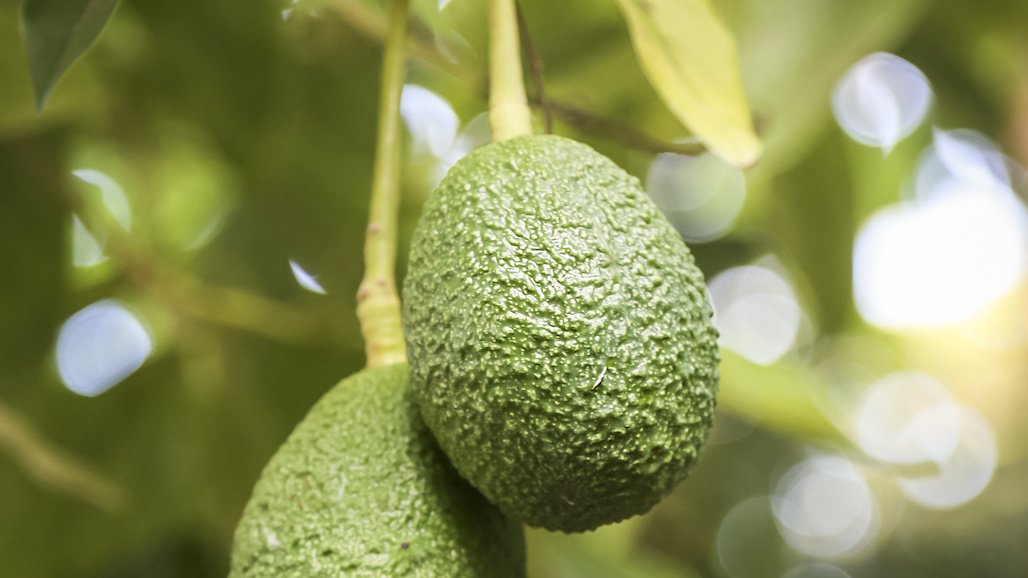
    “The North American Blueberry Council represents every section of the blueberry industry, including farmers, packers, shippers and researchers, and keeps all stakeholders updated with market reports, consumer data and analytics, and marketing insights,” said Kasey Cronquist, President of the North American Blueberry Council. “As we move into 2023, NABC is focused on ramping up our presence in Washington, DC to ensure Members of Congress understand the scope, scale, and benefits of the highbush industry. It is vital our members’ views are heard during the upcoming Farm Bill negotiation, and that legislators are informed about the needs of the industry, as well as the nutritional benefits of blueberries. When searching for a firm to help us achieve these goals, Monument Advocacy was top-of-mind, and we are confident our partnership will immensely serve the blueberry industry.”

    “We are thrilled to work with the North American Blueberry Council on advancing their members’ goals in Washington, DC,” said T.A. Hawks, Partner and head of the Agriculture Practice at Monument Advocacy. “The blueberry industry is experiencing unprecedented growth and Monument is excited to help NABC educate lawmakers about how to best support the industry through legislation. 2023 is a big year for agriculture policy, and we are ready to ensure NABC has its voice heard in Washington, DC.”

    About NABC: Since 1965, the North American Blueberry Council (NABC) has been the voice of the blueberry industry in the U.S. and Canada. NABC’s members represent approximately 70% of the North American highbush blueberry crop. NABC was instrumental in the establishment of the U.S. Highbush Blueberry Council (USHABC), a federal agriculture research and promotion program with independent oversight from the United States Department of Agriculture (USDA). Learn more athttps://nabc.blueberry.org/

    About Monument Advocacy: Monument Advocacy is a bipartisan firm that offers government relations, public affairs, strategic and crisis communications, and digital services. We focus on providing our clients with the best advice on how to engage effectively in today’s challenging and crowded public policy marketplace.

  • Avocado Food for Thought Fertilizer Workshop, Feb. 15

    Avocado Food for Thought Fertilizer Workshop, Feb. 15

    Presented by the California Avocado Society, the California Avocado Commission and the UC Cooperative Extension, growers are invited to attend this “Get Down – Fertilizers” seminar that will cover fertilization best practices and how to read water and soil reports for California avocado groves. Participants may opt to attend in person or via Zoom. Those who prefer to participate virtually can register for the session on Zoom.

    The session will cover:

    • How to choose fertilizers
    • Best practices for different fertilizer application methods — venturi, water-powered, batch tank, electric-powered, etc.
    • Chemical properties of various fertilizers
    • How to read and understand water and soil reports

    Dr. Danny Klittich, director of agronomy at Mission Produce will present information related to fertilization. Dr. Ben Faber, of the UC Cooperative Extension, will discuss water and soil reports.

    Those that wish to attend in-person can meet at the United Water Conservation District offices (1701 N. Lombard ST., Oxnard) from 10 a.m. to noon on February 15, 2023.
  • New Beginnings for Hansen Agricultural Research and Extension Center in Camarillo

    In December 2022, the University of California (UC) acquired a 114-acre farm property on the west side of Camarillo to become the new home of the Hansen Agricultural Research and Extension Center (HAREC), supported by an endowment bequeathed to the University of California by Saticoy farmer Thelma Hansen. The mission of the Thelma Hansen Fund is to support and maintain University research and extension activities for the sustainability and benefit of agriculture and natural resources in Ventura County.

    For the past 25 years, the Center has been located on the historic Faulkner Farm in Santa Paula. At 27 acres, HAREC was the smallest of the nine research and extension centers operated by UC Agriculture and Natural Resources throughout California. For many years, it hosted a popular school field trip program, a Master Gardener demonstration and training garden, and numerous research trials on fruit and vegetable crops and landscape plants. In 2019, it was decided that the Center should move to a larger property on or near the Oxnard Plain to expand research and extension capacity. The Faulkner Farm was eventually sold in March 2021 but a portion was leased back to the University to maintain research and educational activities until a new location was identified.

    A planning committee of agricultural stakeholders, UC and County staff, and external consultants embarked on the search for a new location and developed a provisional layout of the new facility. The search was complicated by a paucity of suitable farm properties for sale during that period. One of the desired features of the new site was a location on the Oxnard Plain in order to have a representative environment for doing research on high-value crops in Ventura County, such as strawberries. Other criteria were acreage, accessibility, having representative and diverse soil types, access to sufficient irrigation water of good quality, low risk of flooding, proximity to California State University Channel Islands (CSUCI), and municipal water and sewer access.

    The new farm location meets most of our search criteria and is representative of the coastal agriculture environment. Various soil types are present at the site, including clay, clay loam, loam and loamy sand, suitable for a variety of crops. Of the approximately 104 cultivable acres, 28 are certified organic, which will allow us to do research on organic as well as conventional crop production methods in the future. The farm has two agricultural wells, a 7-acre yard area with several shop buildings, and is fully tiled and set up for irrigation. The land is currently used to grow strawberries and vegetables but was a lemon orchard in the past. A bonus is its proximity to the Rodale Institute California Organic Center, which will enhance opportunities for collaboration, as well as Sterling Hills Golf Course, which has banquet facilities for large events.

    So, what are our plans now that we have found a new home for HAREC? Over the next 6 months, we will orchestrate the move from the Faulkner Farm to Camarillo, which will involve the transportation of two modular office buildings, a walk-in cooler, shed, various sea containers and all of our farm equipment, vehicles and tools. Seismic and other repairs will be needed at the new site before the buildings can be usable. Since a substantial part of the parcel is leased out for farming for the next three years, we will initiate and expand research projects and plantings on the remaining acreage.

    Then the long process of designing a new research and educational facility will begin with the help of stakeholders, staff, architects and engineers. The new facility, which is expected to be completed in 4 to 5 years, will have offices, conference rooms, laboratories, greenhouses, storage space, a demonstration kitchen and indoor and outdoor education areas. The facility will aim to be water efficient and energy neutral, relying on solar panels for much of its energy usage. The new site is envisioned to have Master Gardener demonstration gardens, a Student Organic Farm in collaboration with CSUCI and the Rodale Institute, a pollination garden with beehives, and a Compost Training Center. Other ideas on the table are the establishment of a Biological Control Research Center for Southern California and possibly a Fire Science Laboratory. Eventually, the UC Cooperative Extension Office in Ventura will also move to the new site for administrative and programmatic efficiency.

    The ultimate goal of the new Hansen Agricultural Research and Extension Center is to become a vibrant research and education hub that provides science-based solutions and is responsive to the needs of agricultural, rural and urban communities and the environment in Ventura County. Staffing levels will increase in order to expand current programming and bring new educational opportunities to the County, such as the UC Master Food Preserver and Master Beekeeper programs. A capital campaign will be needed to gather sufficient funds for the establishment of the facility. We look forward to gathering input on how to best fulfill our mission and future-proof the facility. — By Annemiek Schilder, UCANR

  • UC Davis Seeks Mighty Bacteria-Resistant Lettuce

    Maeli Melotto and her team at the UC Davis Department of Plant Sciences are looking for strains of lettuce that are genetically stronger at resisting bacteria that can make people sick. Their work has led to the identification of a gene that could play a role in the plant’s susceptibility to E. coli, a bacterium that causes potentially lethal intestinal illness.

    If the team could develop lettuce that can fight off the bacterium, that would avoid thousands of cases of sickness each year, cut production costs for farmers and save millions of dollars in public health expenses.

    Lettuce “sweats” substances onto the surface of leaves that E. coli and other bacteria can eat. In addition, bacteria can live just below the surface of lettuce leaves. Melotto, a professor specializing in the interactions between plants and microbes, is studying the genetic factors that determine how long bacteria can endure in the leaves. She and her team looked at more than 300 samples of lettuce and how they react to the pathogens, identifying the gene responsible for letting them in.

    Their next step is to test whether removing that gene could make lettuce more resistant to bacteria.

    Maeli Melotto, a professor in the UC Davis Department of Plant Sciences, and her team have found a gene she thinks governs whether lettuce can resist bacteria such as E. coli. (Trina Kleist/UC Davis)

    Some lettuce more likely to “feed” bacteria

    In a related study, Melotto’s team is looking at the surface of lettuce leaves and the layer just below the surface, which has tiny spaces where bacteria can live. The researchers want to learn what natural chemicals are in these two areas, and what compounds lettuce releases onto the surface of leaves that bacteria can use as food. Melotto expects to find that some types of lettuce are genetically disposed toward “feeding” bacteria.

    Melotto presented her findings at meetings earlier this year of the California Specialty Crops Council and the California Leafy Greens Research Board. Her work is funded in part by a five-year grant from the National Institute of Food and Agriculture.

  • North American Strawberry Symposium & Growers Association Conference

    Strawberry growers, researchers, and other industry members from around the globe are invited to attend the 10th North American Strawberry Symposium (NASS), a meeting of  to be held in conjunction with the annual North American Strawberry Growers Association (NASGA) conference, March 7-10, 2023 at the Embassy Suites in San Luis Obispo, California, USA. California, where nearly 90% of U.S. strawberries are grown, features a unique coastal environment with its western ocean exposure, moderate temperatures, warm sunny days, and cool foggy nights –perfect for growing strawberries year-round.

    The Symposium will include two and a half days of workshops, reception, research presentations, marketing presentations, poster sessions and an award luncheon, and will be followed by a post- conference tour on March 10, which will encompass strawberry production in the region as well as the research, training and testing facilities at the CalPoly Strawberry Center. The Program Committee is committed to making this a world-class research symposium for growers and scientists, and we eagerly look forward to seeing you in San Luis Obispo.

    Subject areas for oral and poster presentations include: Global and North American Overviews, Breeding, Genetics, Molecular Biology, Disease & Pest Management, Propagation & Nursery Management, Cultural Practices, Indoor Production, Precision Agriculture, Robotics, Automation, Plant Nutrition and Water Management, Plant Physiology, Economics of Production Practices, Post-Harvest Quality Management, and Food Safety.

    Workshop topics include: Disease Management, Nursery Developments, Entomology, Strawberry Breeding Tools and Tips, Production Management/Plant Physiology, Getting Started with Automation/Precision Agriculture, Indoor Production, Methyl Bromide Alternatives, Novel Weed Management Approaches. View the full program HERE.

    Look for a mail-in registration form and more program details (abstract deadlines, keynote speakers, etc.) and opportunities for industry, organization and agency sponsorship on the NASGA website: http://www.nasga.org/. Please spread the word to fellow researchers and strawberry growers.