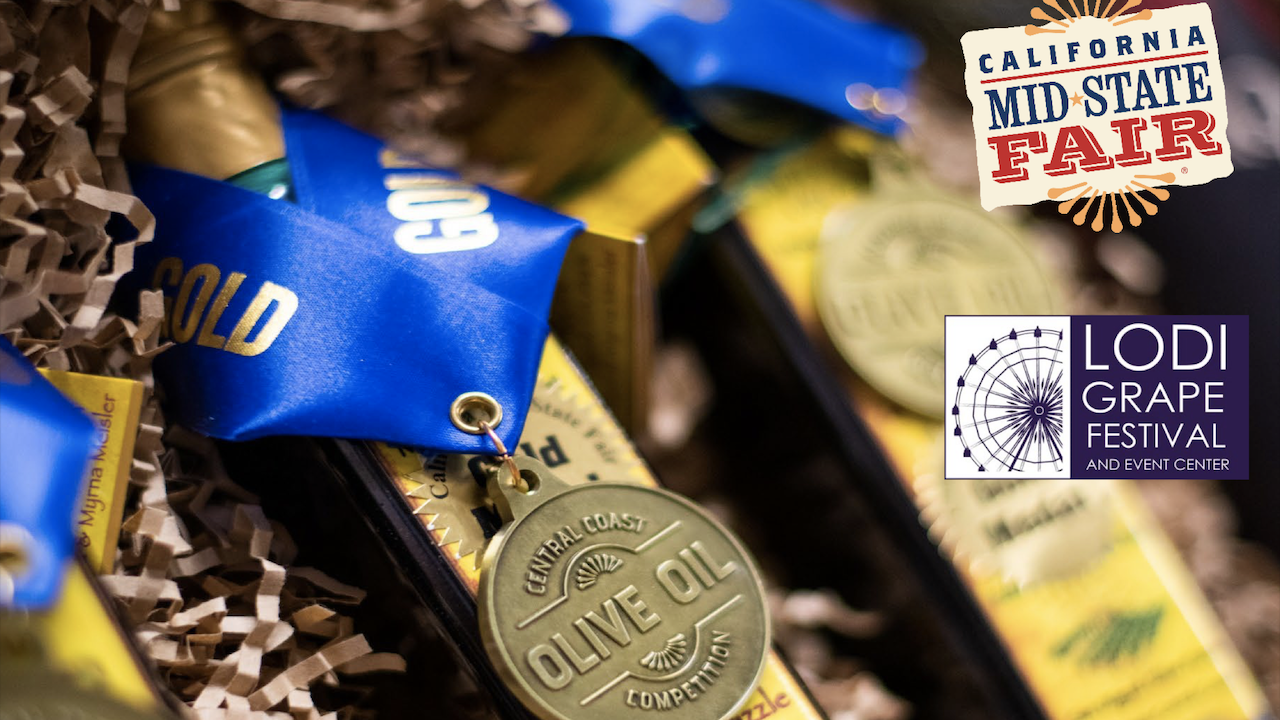
The Central Coast Olive Oil Competition, hosted annually by the California Mid-State Fair and in partnership with the Lodi Grape Festival, is now accepting entries. The 15th Annual competition will take place in April 2023 and feature olive oil from across the state of California.
Olive oils are separated into two categories: extra virgin and flavored. The categories are then separated into classes by varietal which have been reorganized for 2023. The panel of competition judges, who are from across the state of California, evaluate each entry according to aroma, taste, and intensity, ranging from delicate to robust. Judges are qualified based on their experience using olive oil in cooking, education and production. The awarded organic oils (if applicable) will be noted as being organically produced.
The early bird registration period is now through Friday, March 24 and is $65 per entry. From Saturday, March 25 to Sunday, April 2, registration increases to $75 per entry. Register today at https://cmsfw.fairwire.com/
The UC Cooperative Extension will be hosting its 2023 Carrot Research Symposium on Tuesday, February 14th online via Zoom from 8 a.m. to noon. Attendance is free and open to the public. The symposium will focus on the latest information in research and activities related to carrots, with 1.5 hrs. of ‘Other’ CEUs applied for from the CA Dept. of Pesticide Regulations. Some of the highlighted topics on the agenda include: screening carrot lines for resistance to cavity spot and other traits, carrot breeding to develop/introduce improved cultivars for CA production, root-knot nematode injury prevention in CA fresh carrot production, steam disinfestation of weed seed banks in carrots, and more. See the full agenda HERE. Register to attend HERE.
Like all living organisms, vegetables need nutrients for their proper growth and development. But where do they get their mineral nutrients from? The answer is soil. Okay, the next question is, how do nutrients go from the soil and into the vegetables?
The three processes responsible for nutrients from the soil reach the plant are diffusion, mass transport, and root interception. I know it seems to be complex to understand, but I promise it is not.
Diffusion
When the concentration of nutrients is higher in the soil than in the plant root, then the nutrients in the soil will move from a region of higher concentration (soil) to a region of lower concentration (vegetable). Potassium and phosphorus are examples of nutrients that get into the vegetables by diffusion.
Mass transport
Nutrients move to the roots via water. As plants transpire water, it draws water and nutrients from the soil up through the root system. Mass transport accounts for nutrient acquisition of mobile nutrients, such as nitrogen and sulfur.
A radish plant with soil pulled aside to demonstrate the root system. Plants get their nutrients from the soil – and if the soil is deficient in nutrients, the resulting crop will be too. Credit: Carlos Bonini Pires
Root interception
Vegetable roots grow through the soil to meet nutrients. As the root grows through the soil it generally only comes in contact with about 1% of soil volume. Good soil structure is essential in the process of root interception. Soil compaction can significantly limit root growth and interception with nutrients throughout the soil. Some important macro and micronutrients such as calcium, magnesium, iron, manganese, and zinc are absorbed by root interception.
Of course, some nutrients are absorbed in more than one way. For example, iron and zinc can be absorbed by three different methods. As you can see, there are a lot of variables that may impact how vegetable acquire their nutrients.
Moving within the plant
Once the nutrients get inside the plant, they can move upward to the leaves and developing vegetables. How? Like a human body, plants also have a vascular system. Rather than a bloodstream, they have xylem and phloem. The Xylem distributes water and dissolves nutrients upward to the plant, from the roots to the leaves. The phloem carries nutrients downward, from the leaves to the roots (photosynthesis). In simple words, the root is the mouth and xylem and phloem are the veins of a “plant body.”
Checking soil nutrients
Soils nutrient concentration is crucial for ensuring high nutrient content vegetables. If the soil has few nutrients, no matter how the plant tries, it will not be able to acquire the nutrients it needs for good yields and plant health.
That is why soil testing is important, and correct fertilization might be needed. Understanding how nutrients are absorbed is vital for a placement strategy. Phosphorus and potassium are nutrients with low mobility and are absorbed by diffusion, so it is important to place them near the plant. On the other hand, nitrogen can be spread over the plants since it is mobile in the soil. This is true whether you are applying organic or mineral fertilizer.
In agronomy, we pay attention to the nutrient 4R’s: right source, right rate, right time, and right place. This refers to choosing the right type of nutrient or fertilizer, applying at the right amount, when the plant can use it the most, and in the right location. By applying these principles to your home garden, you can increase your yields and create more nutritious produce for your next meal! — By Carlos Bonini Pires, Kansas State University
An illustration of a soybean plant growing in nutrient-rich soil, producing nutrient-rich soybeans on the left. On the right, a soil that has fewer nutrients will result in soybeans with less nutrients. Credit: Jim Toomey
American Society of Agronomy, Soil Science Society of America, Crop Science Society of America: Collectively, these Societies represent more than 12,000 individual members around the world. Members are researchers and professionals in the areas of growing our world’s food supply while protecting our environment. Together we work toward solutions to advance scientific knowledge in the areas of agronomy, crop science, and soil science.
Hidden beneath the delicate, red skin and juicy flesh of a tomato is a wealth of nutrients and genetic makeup. With recent research on the first genome of a species in the tomatillo tribe (part of the tomato family), we now have a better idea of how this vital plant family came to be.
Put simply, a genome is a complete set of DNA (genetic material) in a plant. The genome contains all the information needed for a plant to develop and grow. When scientists assemble genetic sequences to build an entire genome– a lot like completing a puzzle – this helps them predict things like how a plant will grow (straight or crooked) and what the fruit might look like (thin or thick skinned.) This information is important for understanding how different varieties come to be and is key for breeding better crops.
“The tomato family is simply the most fascinating family. It consists of plants that are major crops, invasive weeds, important medicines, beautiful bedding plants, and many wild species that are crop relatives,” says Stacey Smith, a professor at the University of Colorado-Boulder.
This research was published in The Plant Genome Journal, a publication of the Crop Science Society of America.
A closer look at the flower and fruit of an Iochroma cyaneum shrub grown in southern Ecuador. Like its relative, the tomatillo, this shrub’s fruit has an enlarged husk growing around it. Researchers recently were able to create a full genetic sequence for the plant, called the genome.
Smith led the work on the sequencing the genome of Iochroma cyaneum, a wild shrub in the tomatillo tribe of the tomato family. Iochroma displays striking blue flowers but isn’t widely grown. Scientists like Smith can learn how important plant families evolved by collecting many genomes from different sub-species.
“Unlike most plants in the family with sequenced genomes, it is not a crop species. It’s also the only member of its entire tribe with genome assembled to the level of chromosomes,” says Smith. These unique traits make the new genome even more valuable to understand how the broader family evolved.
After sequencing the Iochroma genome and assembling the sequences into chromosomes like a puzzle, Smith’s research team compared it to other members of the family. The broader tomato family has almost 3,000 species. Some of these species, like belladonna, are poisonous to humans. Forty species have been domesticated, which include potatoes, eggplants, and hot peppers, in addition to tomatoes. All of these plants belong to the family are also called “nightshades.” In the puzzle example, this means that they all have a similar set of puzzle pieces, up to a point. From there, their puzzle pieces are different.
The genome told researchers that Iochroma was part of the family known as the “berry clade.” This subgroup forms “berries” which are juicy fruits with many seeds, like tomatoes and hot peppers. But the scientists were surprised to find that the family relationships within this clade were far from clear. The genetic evidence was uncertain about which species were most closely related. Biologists call this kind of disagreement “discordance.”
“This kind of disagreement often arises when lineages reproduce quickly within different species,” says Smith. “That may be what happened tens of millions of years ago when fleshy-fruited berries from this family burst onto the scene. As a result of this discordance, we can’t make definitive statements about which species are more closely related.”
A wild Iochroma cynaeum growing in southern Ecuador. South America is home to many diverse members of the tomato family, which also includes potatoes and chili peppers. Researchers can learn how important plant families evolved by collecting genomes from different sub-species. This information can inform future breeding efforts.
Still, the new genome gives a new look into the evolution of the family. One clue is how the genes have moved around. As species evolve, genes can move from one chromosome to another. Plants adjust efficiently to these changes. But Iochroma offered up a surprise. Its genome shuffling didn’t closely resemble any other sequenced genome, meaning the shrub has had its own unique evolutionary path.
“With the addition of the lochroma genome, we are working towards understanding how genes have been shuffled around during the evolutionary history of the berry clade,” says Smith. “We have only scratched the surface in terms of understanding how this diversity evolved.”
While the new research won’t produce a tastier tomato or tangier tomatillo right away, Smith says the family already offers a lot of flavors to the bold gardener. And, perhaps, an appreciation for the diversity offered by evolution.
“I would encourage anyone who is curious about nightshades to get to know some of the lesser-known crops — try out golden berries, ground cherries, pepinos, wonderberries, or naranjillas!” says Smith. “There are even species that can be eaten as greens. Many of these will happily grow in northern climates and bring a lot more flavor than any tomato you can find on the grocery store shelf.”
Funding for this research was supported in part by NSF-DEB 1355518.
American Society of Agronomy, Soil Science Society of America, Crop Science Society of America: Collectively, these Societies represent more than 12,000 individual members around the world. Members are researchers and professionals in the areas of growing our world’s food supply while protecting our environment. Together we work toward solutions to advance scientific knowledge in the areas of agronomy, crop science, and soil science.
As of January, California’s tomato processors reported they have, or will have, contracts for 12.4 million tons in 2023, which is an increase of 18% compared to 10.5 million contracted tons forecast in the August 2022 California Processing Tomato Report. Processors estimate that the contracted production for 2023 will come from 248,000 acres, generating an average yield of 50.0 tons per acre. The contracted planted acreage forecast is 8% higher than the 2022 acreage of 229,000 reported under contract in August.
The USDA-NASS Pacific Regional Office surveyed California’s tomato processors for their intended contract acreage and tonnage for the upcoming 2023 season. The data reported by processors was either tonnage with derived acreage, or acreage with derived tonnage.
This early processing tomato estimate is funded by the California League of Food Producers.
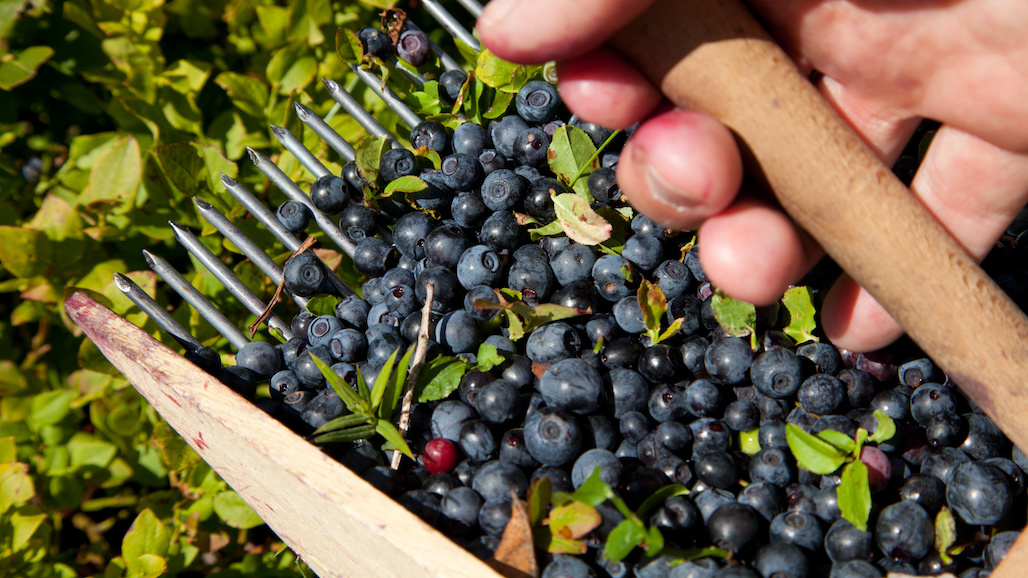
The North American Blueberry Council (NABC) released the full slate of its recently elected board of directors, including new president Pat Goin of Goin’s Blueberry Lane in Indiana, and other board officers. Starting in 2023, the board has been expanded from six to 15 members, several of which hail from California. Among the new Board members is Todd Sanders, Executive Director of the California Blueberry Commission. “I am excited to join the NABC Board of Directors and help with the continued promotion and market development of the blueberry industry. The California blueberry industry has grown exponentially over the last 10 years and I look forward to representing the California blueberry industry in their efforts on the National level.”
The NABC board is charged with addressing issues, opportunities and industry practices that drive success and profitability in the production and distribution of blueberries in North America and around the world. Over the past two years, the NABC’s board leadership has taken a bold approach to further develop and drive the organization’s mission, including the expansion of board representation and new categories of membership to encourage membership growth.
Prior to her tenure as NABC board president, Goin served as vice chair of the board and chair of the NABC’s Government Affairs Committee. She was also the chair of the U.S. Highbush Blueberry Council’s (USHBC) Good Practices Committee.
“NABC continues to be uniquely positioned to unite our industry efforts,” explained Goin. “I look forward to working with our newly expanded board to accomplish together what none of us could accomplish alone. This is an exciting evolution for our organization, and I’m proud to be a part of where we are going.”
In addition to Goin, the 2023 executive board includes:
• Teddy Koukoulis, Chair Elect, Fabulous Farms LLC • Ellie Norris, Secretary, Norris Farms LLC • Art Galletta, Treasurer, Atlantic Blueberry Co. • Ken Patterson, Past Chair, Island Grove LLC
Newly elected members of the board include:
• Tom Avinelis, AgriCare Inc. • Chelsea Consalo, Consalo Family Farms • David Jackson, Family Tree Farms • Brittany Lee, Florida Blue Farms • Jason Smith, Fraser Berry Farms • Cesar Ortiz Mendoza, Aba Value/Berries Paradise • Bo Slack, California Giant Berry Farms • Ryan Lockman, North Bay Produce • Derek Eisele, Scenic Fruit • Todd Sanders, California Blueberry Commission
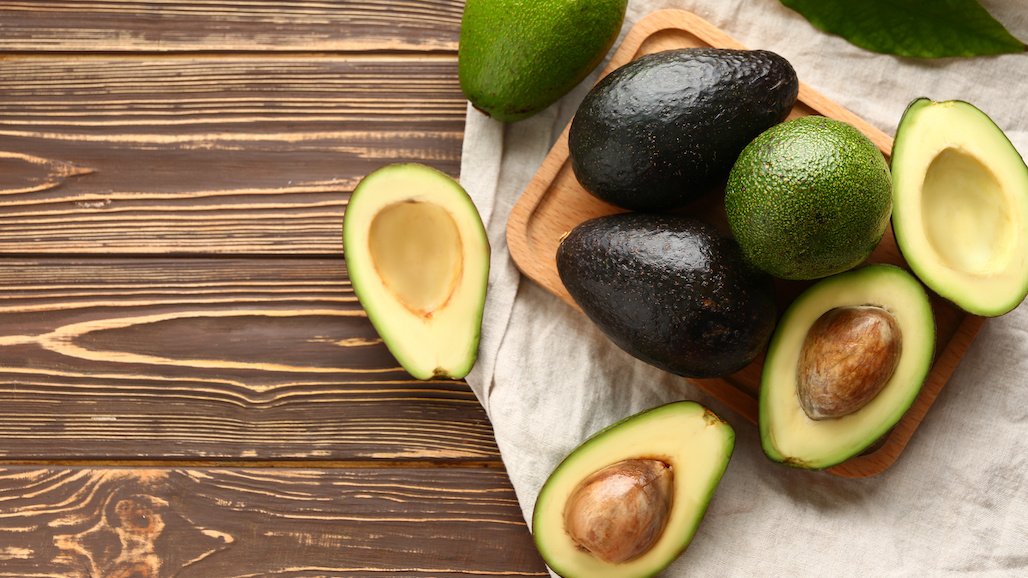
The Hass Avocado Board is now accepting applications for its yearlong Board Leadership Development program. The program includes customized training to help participants prepare to serve on the boards of avocado industry organizations such as HAB and the California Avocado Commission, among others. The deadline to complete the application is January 31. There are currently 12 open seats.
The course includes:
A curriculum that covers topics ranging from finance and fiduciary duties to understanding the roles of nutrition research and marketing
Gaining real-world experience by attending actual board meetings
Participating in on-campus instruction at the University of California Davis.
A potential trip to Washington, D.C. to meet with the U.S. Department of Agriculture
For those interested in leadership opportunities and serving on industry boards, this course provides valuable educational and networking opportunities.
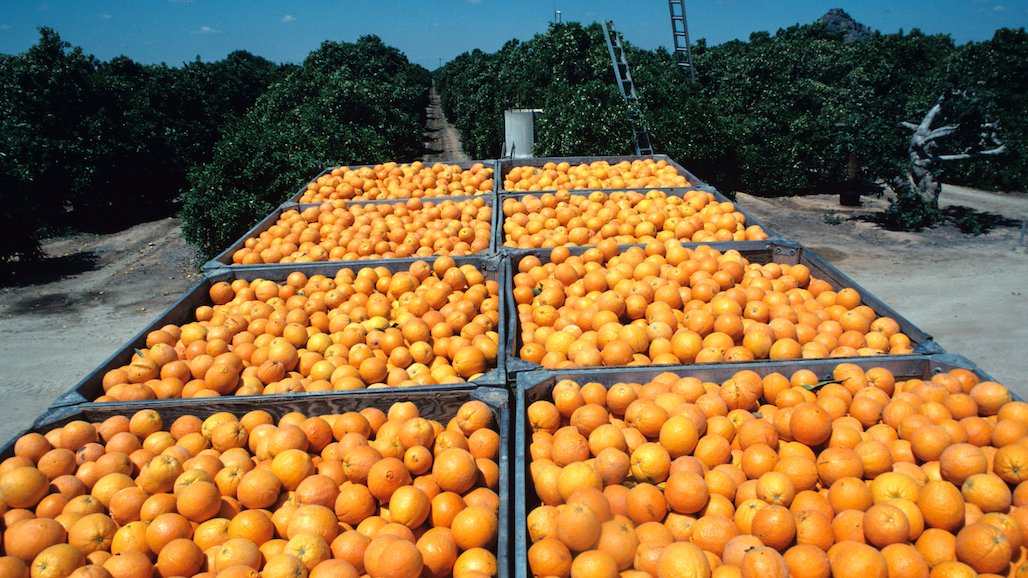
For the first time, under authority of Section 32 of the Agricultural Adjustment Act Amendment of 1935, the U.S. Department of Agriculture will purchase up to $20 million of fresh mandarins and tangerines for distribution to food banks, schools and other non-conventional markets.
USDA also announced that it will purchase up to $20 million in oranges and $10 million in grapefruit as well.
In response to USDA’s announcement, California Citrus Mutual President Casey Creamer made the following statement, “Section 32 is an important procurement program that supports America’s farmers and provides domestic products to communities and schools. Twenty years ago, mandarins trailed all varieties of fresh citrus in per capita U.S. consumption. By 2025, however, it is anticipated that mandarins will overtake oranges as the most-consumed fresh citrus in the U.S.”
“USDA’s domestic nutrition programs should reflect this significant shift in citrus consumption by ensuring mandarins are made available to schools and food banks. This Section 32 purchase is an excellent first step to introducing mandarins to other procurement and food distribution programs in the future. California Citrus Mutual applauds the USDA Agriculture Marketing Service for their efforts to bring American grown mandarins and other citrus products to all consumers.”
The purpose of Section 32 is to encourage domestic consumption of U.S. food products by diverting them from conventional market channels. Information about the purchases, including the official solicitations and procurement specifications, is posted on the Agricultural Marketing Service’s website at www.ams.usda.gov/selling-food.
About California Citrus Mutual (CCM)
CCM is a voluntary, non-profit trade association representing California citrus growers on the economic, regulatory, and political issues that impact them most.
The California Avocado Commission will host a grower field day at Pine Tree Ranch in Santa Paula on January 25, 2023 from 9:30 a.m. – 11:30 a.m.
During the event, California avocado growers will have an opportunity to meet CAC’s new president, Jeff Oberman. In addition, Tim Spann of Spann Ag Research & Consulting and Ben Faber, UC Farm Advisor, will lead a discussion on cultural management practices specific to the winter 2023 season. The topics will include:
Preventing severe alternate bearing patterns. Many groves have a very light crop for the 2023 season, which can lead to trees becoming set in a severe alternate bearing pattern. Discussion will center on cultural management practices to alleviate this problem.
Post-freeze/frost grove care. Winter brings with it the risks of frosts and freezes. Presenters will focus on best practices for managing groves after frosts and freezes have occurred.
Attendees are encouraged to ask questions about concerns they are facing within their own groves and are welcome to walk through the various grove plantings at Pine Tree Ranch.
California Citrus Mutual (CCM) and the Citrus Research Board (CRB) welcome more than $1 million in new federal funding for critical research programs that support the U.S. and California citrus industries.
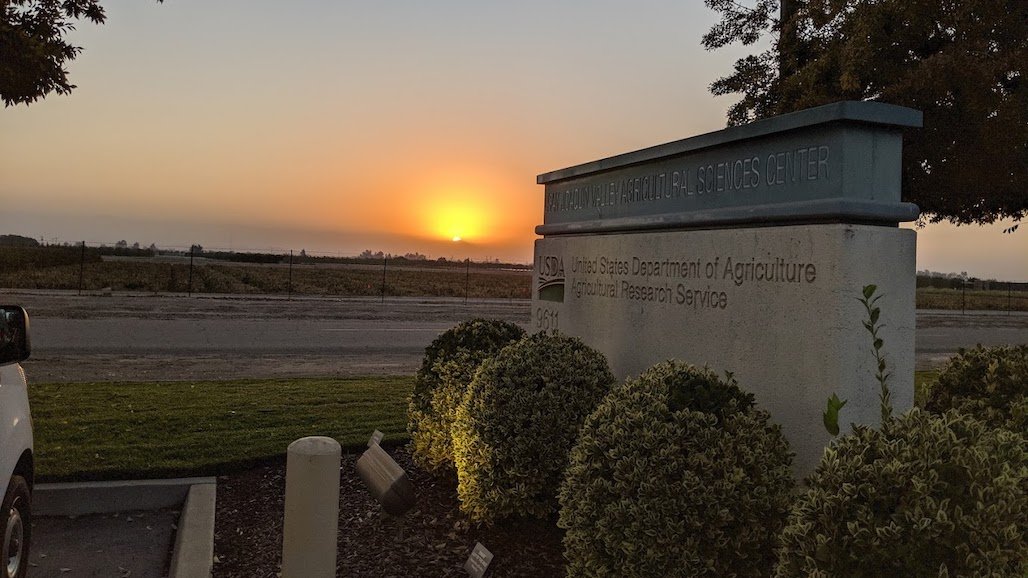
The 2023 Appropriations bill passed by Congress recently includes continued funding to help stop the deadly citrus plant disease Huanglonging (HLB) that has devastated citrus production in Florida and other parts of the country. Additionally, $1 million in new funding was approved to establish a citrus breeding program at the USDA Agriculture Research Service (ARS) field station in Parlier, California. This funding will be re-appropriated annually.
Championed by California Senator Alex Padilla and Representatives Jim Costa and David Valadao, the new California citrus breeding program will identify new citrus varieties that are best suited for changing climatic pressures such as drought, consumer taste preferences, and resistant to pests and diseases such as HLB.
The program is an expansion of the existing national USDA ARS citrus breeding program located in Florida, which is focused primarily on varieties that are optimized for Florida growing conditions. The Florida program has resulted in new varieties with higher yields, increased disease resistance, improved color, and a longer shelf life.
With such promising advances being made in Florida, CCM and the CRB saw the need for a similar program in California to breed fresh citrus varieties that are better adapted to the unique environmental conditions of California’s production regions.
The CRB, which is a grower-funded organization aimed at furthering the industry’s research priorities, has committed $500,000 toward establishing the new breeding program in Parlier, with the goal of bringing additional representation to California’s industry.
“The commitment of the citrus industry to delivering quality research and innovation for all farm use has taken a big step forward with the support of congress funding the citrus breeding program in Parlier,” said Justin Brown, CRB Chairman.
Marcy L. Martin, CRB President, added, “Expanding the current national citrus breeding program into California will have a significant impact on California’s citrus industry as growers aim to mitigate the evolving issues that affect production and increase yield through varietal research.”
The Florida and California breeding programs along with the continued efforts of the University of California citrus breeding program at UC Riverside will work together to deliver the best results for California citrus growers.
“The addition of the breeding facility in Parlier will make the ARS Citrus Program a truly national project,” said CCM President and CEO Casey Creamer. “We look forward to watching the growth of this program and its collaboration with the UC breeding program to find solutions to the issues California citrus growers are faced with every day.”
Additionally, the 2023 Federal budget includes continued funding for the Citrus Health Response Program, which supplements industry and state funding for on-the-ground efforts aimed at preventing the spread of the HLB and continued funding for the Huanglongbing Multi-Agency Coordination group, which funds research programs aimed at identifying short term solutions to HLB.
About California Citrus Mutual (CCM)
CCM is a voluntary, non-profit trade association representing CA citrus growers on the economic, regulatory, and political issues that impact them most.
About the Citrus Research Board (CRB)
The CRB administers the California Citrus Research Program, the grower-funded and grower-directed program established in 1968 under the California Marketing Act as the mechanism enabling the State’s citrus producers to sponsor and support needed research. More information about the Citrus Research Board may be found at www.citrusresearch.org.
 Like all living organisms, vegetables need

 Hidden beneath the delicate, red skin and juicy flesh of a tomato is a wealth of nutrients and genetic makeup. With recent research on the first genome of a species in the tomatillo tribe (part of the tomato family), we now have a better idea of how this vital plant family came to be.






 California Citrus Mutual (CCM) and the Citrus Research Board (CRB) welcome more than $1 million in new federal funding for critical research programs that support the U.S. and California citrus industries.