Category: Economics

  • California Navel Orange Production Forecast Up 19%

    California Navel Orange Production Forecast Up 19%

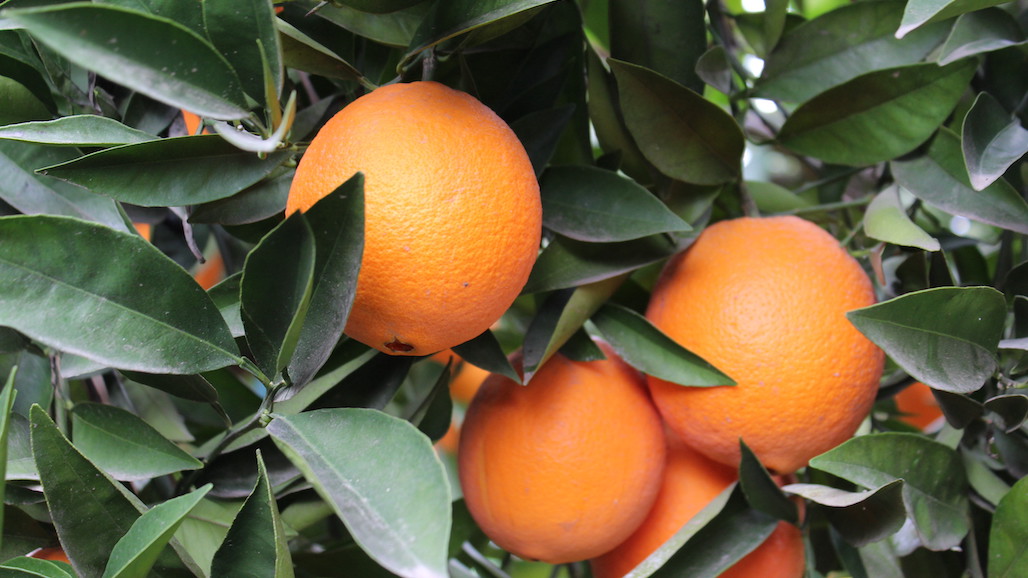
    The initial 2022-23 California Navel orange forecast is 76.0 million cartons, up 19% from the previous year, according to the USDA National Agricultural Statistics Service’s Objective Measurement Report.  Of the total Navel orange forecast, 73.0 million cartons are estimated to be in the Central Valley. Cara Cara variety Navel orange production in the Central Valley is forecast at 8.0 million cartons. These forecasts are based on the results of the 2022- 23 Navel Orange Objective Measurement (O.M.) Survey, which was conducted from June 17 to September 1, 2022. Estimated fruit set per tree, fruit diameter, trees per acre, bearing acreage, and oranges per box were used in the statistical models estimating production.

    This forecast includes production of conventional, organic, and specialty Navel oranges (including Cara Cara and Blood orange varieties).

    Survey data indicated a fruit set per tree of 351, up 47% from the previous year and w e l l a b o v e the five-year average of 315. The average September 1 diameter was 2.106 inches, below the five-year average of 2.194 inches. The Cara Cara orange set was 307 with a diameter of 2.147 inches.

    SURVEY SAMPLE

    A sample of 785 Navel orange groves was randomly selected proportional to county and variety bearing acreage, and 717 of the groves were utilized in this survey. Once a grove was randomly chosen and grower permission was granted, two trees were randomly selected. The Navel orange sample included conventional, organic, Cara Cara, and Blood orange groves.

    For each randomly selected tree, the trunk was measured along with all connected branches. A random number table was then used to select a branch, and then all connected branches from the randomly-selected branch were measured.

    This process was repeated until a branch was reached with no significant limbs beyond this point. This randomly-selected branch, called the terminal branch, was then closely inspected to count all fruit connected to this branch, as well as all of the fruit along the path from the trunk to the terminal branch. Since each selected path has a probability of selection associated with t h e p a t h , a probability-based method was then applied to estimate a fruit count for the entire tree.

    In the last week of the survey period, fruit diameter measurements were made on the right quadrant of four trees surrounding the two trees of every third grove. These measurements were used to estimate an average fruit diameter per tree. Of the 717 utilized groves, 8 were in Madera County, 109 were in Fresno County, 425 were in Tulare County, and 174 were in Kern County.

    SURVEY HISTORY

    A Navel Orange Objective Measurement Survey has been conducted in the Central Valley every year since the 1984-85 crop year, except for the 1991-92 season due to a lack of funding. The data from the first two years were used for research purposes in developing crop-estimating models. The Cara Cara forecast was undertaken at the request of the California Citrus Advisory Committee.

  • Getting to the Root of How to Grow Cowpea in Difficult, Dry Conditions

    Cowpea is an important crop in many parts of the world, especially sub-Saharan Africa. It is resilient and can grow in areas with little rainfall and low-quality soils. But as hardy as it is, cowpea yields can decrease by drought and low levels of soil phosphorus.

    A high-resolution root hair image taken from a cowpea seedling root sample. The image was taken after 14 days of growth on germination papers. Root hairs play important roles in cowpea tolerance to drought and poor soils. Credit: Saba Mohammed

    In a recent study, researchers determined cowpea root characteristics that could help the plants grow better in drier, low-phosphorus soils.

    “Developing cowpea varieties that can produce optimally under stressful conditions is vital,” says Saba Mohammed, lead author of the study at Ahmadu Bello University in Zaria, Nigeria. “These resilient cowpea varieties can help make more people food and nutrition secure.”

    The study was published in Crop Science, a publication of the Crop Science Society of America.

    Cowpeas are a key source of calories for millions of people across the world. They are rich in protein and other nutrients. Cowpea plants also have a variety of other uses. They can serve as animal fodder and green manure.

    Microbes in cowpea root nodules can increase soil fertility. These microbes make atmospheric nitrogen available to plants in the soil – a process called nitrogen fixation. Nitrogen fixation can be beneficial for farmers who cannot afford nitrogen-based fertilizers.

    Most cowpeas production is in semi-arid regions. Harsh environmental conditions and poor soils often hamper yields. “Our work established that certain root characteristics increased the yield of cowpea plants under drought or low soil phosphorus conditions,” says Mohammed.

    These root features include longer primary roots and higher numbers of lateral roots emerging from primary roots. Root hairs also play important roles in cowpea tolerance to drought and poor soils.

    For example, cowpea plants with longer, denser root hairs had higher yields when grown in low-phosphorus conditions. “That suggests these root hair features play crucial roles in acquiring phosphorus from sub-optimal soils,” says Mohammed.

    Scientists have long known that roots are a key part of how plants adapt to difficult environmental conditions. “The root system is half of the whole plant system,” says Mohammed. “Yet, it has been relatively under-explored in finding solutions to farming constraints.”

    Root systems have diverse strategies for extracting resources from soil. “For instance, plants with deeper roots produce better than those with shallow roots under limited water conditions,” he says. “On the other hand, those with shallow roots may be more suited to soils with suboptimal nutrients.”

    A field experiment on cowpea at the Institute for Agricultural Research in Minjibir Agricultural Research Station, Kano State, Nigeria. Cowpea crops are resilient and can grow in areas with little rainfall and low-quality soils. Credit: Saba Mohammed

    That’s because nutrients – like phosphorus – are often concentrated in the top layer of soil.

    For cowpea plants growing in dry and nutrient-limited soils, roots need to go deeper and spread wide and shallow.

    “Our study shows that we can focus on cowpea varieties with longer taproots for drought tolerance and higher numbers of shallower basal roots to extract soil nutrients,” says Mohammed.

    While root architecture can provide valuable information, examining root features of mature plants can be a time-consuming and exhausting process. Mohammed says it is easier and more economical to phenotype roots at the seedling stage.

    The study showed that examining roots of cowpea seedlings could help identify root features in mature plants that are beneficial for growth in challenging environments.

    “Our goal is to use the study results to breed new cowpea varieties,” says Mohammed. “These new varieties would perform optimally under limited water and low soil phosphorus conditions.”

    Many small-scale and subsistence farmers may be unable to afford phosphate fertilizers. The new cowpea varieties Mohammed describes would benefit these farmers tremendously. However, he explains that developing new varieties with desired root features can also be a valuable resource in systems where intensive irrigation and fertilizers are used. These cowpea varieties can help reduce production costs and minimize environmental pollution from excessive fertilizer use.

    American Society of Agronomy, Soil Science Society of America, Crop Science Society of America: Collectively, these Societies represent more than 12,000 individual members around the world. Members are researchers and professionals in the areas of growing our world’s food supply while protecting our environment. Together we work toward solutions to advance scientific knowledge in the areas of agronomy, crop science, and soil science.

  • Artificial Photosynthesis Can Produce Food Without Sunshine

    Photosynthesis has evolved in plants for millions of years to turn water, carbon dioxide, and the energy from sunlight into plant biomass and the foods we eat. This process, however, is very inefficient, with only about 1% of the energy found in sunlight ending up in the plant. Scientists at UC Riverside and the University of Delaware have found a way to bypass the need for biological photosynthesis altogether and create food independent of sunlight by using artificial photosynthesis.

    Plants are growing in complete darkness in an acetate medium that replaces biological photosynthesis. (Marcus Harland-Dunaway/UCR)

    The research, published in Nature Food, uses a two-step electrocatalytic process to convert carbon dioxide, electricity, and water into acetate, the form of the main component of vinegar. Food-producing organisms then consume acetate in the dark to grow. Combined with solar panels to generate the electricity to power the electrocatalysis, this hybrid organic-inorganic system could increase the conversion efficiency of sunlight into food, up to 18 times more efficient for some foods.

    “With our approach we sought to identify a new way of producing food that could break through the limits normally imposed by biological photosynthesis,” said corresponding author Robert Jinkerson, a UC Riverside assistant professor of chemical and environmental engineering.

    In order to integrate all the components of the system together, the output of the electrolyzer was optimized to support the growth of food-producing organisms. Electrolyzers are devices that use electricity to convert raw materials like carbon dioxide into useful molecules and products. The amount of acetate produced was increased while the amount of salt used was decreased, resulting in the highest levels of acetate ever produced in an electrolyzer to date.

    Experiments showed that a wide range of food-producing organisms can be grown in the dark directly on the acetate-rich electrolyzer output, including green algae, yeast, and fungal mycelium that produce mushrooms. Producing algae with this technology is approximately fourfold more energy efficient than growing it photosynthetically. Yeast production is about 18-fold more energy efficient than how it is typically cultivated using sugar extracted from corn.

    “We were able to grow food-producing organisms without any contributions from biological photosynthesis. Typically, these organisms are cultivated on sugars derived from plants or inputs derived from petroleum—which is a product of biological photosynthesis that took place millions of years ago. This technology is a more efficient method of turning solar energy into food, as compared to food production that relies on biological photosynthesis,” said Elizabeth Hann, a doctoral candidate in the Jinkerson Lab and co-lead author of the study.

    The potential for employing this technology to grow crop plants was also investigated. Cowpea, tomato, tobacco, rice, canola, and green pea were all able to utilize carbon from acetate when cultivated in the dark.

    By liberating agriculture from complete dependence on the sun, artificial photosynthesis opens the door to countless possibilities for growing food under the increasingly difficult conditions imposed by anthropogenic climate change. Drought, floods, and reduced land availability would be less of a threat to global food security if crops for humans and animals grew in less resource-intensive, controlled environments. Crops could also be grown in cities and other areas currently unsuitable for agriculture, and even provide food for future space explorers.

    “Using artificial photosynthesis approaches to produce food could be a paradigm shift for how we feed people. By increasing the efficiency of food production, less land is needed, lessening the impact agriculture has on the environment. And for agriculture in non-traditional environments, like outer space, the increased energy efficiency could help feed more crew members with less inputs,” said Jinkerson. This approach to food production was submitted to NASA’s Deep Space Food Challenge where it was a Phase I winner. — By Holly Ober, UC Riverside

    About UC Riverside

    The University of California, Riverside is a doctoral research university, a living laboratory for groundbreaking exploration of issues critical to Inland Southern California, the state and communities around the world. Reflecting California’s diverse culture, UCR’s enrollment is more than 26,000 students. The campus opened a medical school in 2013 and has reached the heart of the Coachella Valley by way of the UCR Palm Desert Center. The campus has an annual impact of more than $2.7 billion on the U.S. economy. To learn more, visit www.ucr.edu.

  • Navel Oranges Dominate CA Citrus Production, Mandarin Acreage on the Rise

    Navel Oranges Dominate CA Citrus Production, Mandarin Acreage on the Rise

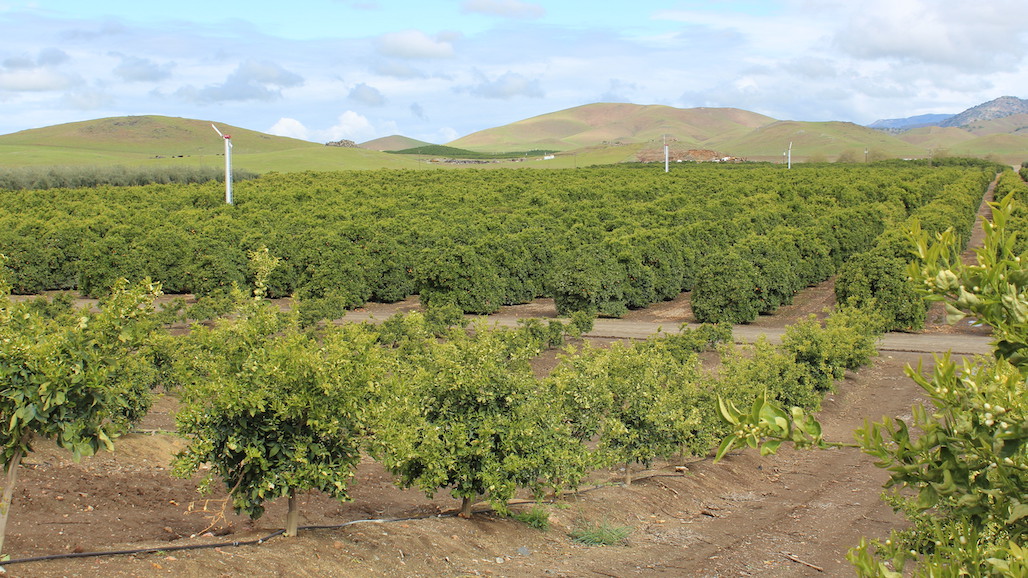
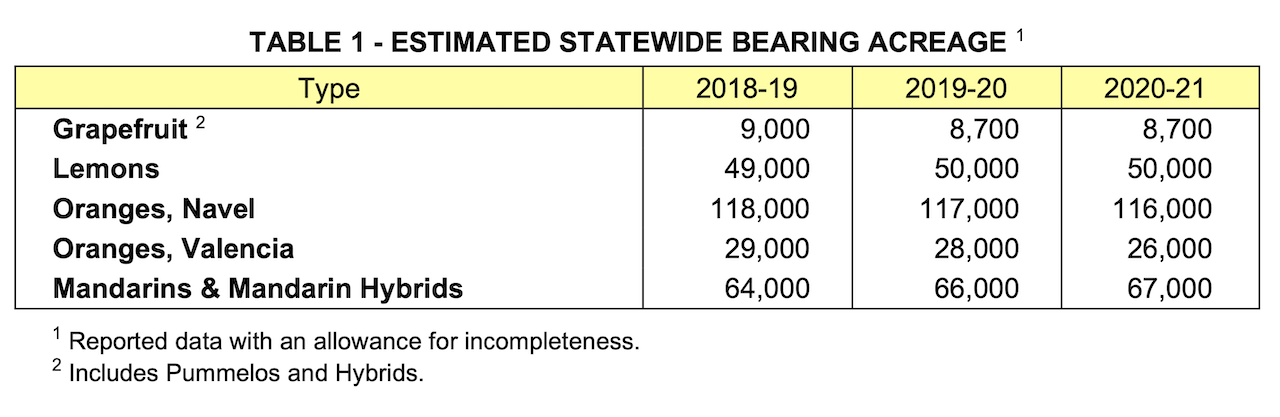
    The Pacific Regional Office of the USDA’s National Agricultural Statistics Service (NASS) conducts an acreage survey of California citrus growers as funding is available. The purpose of this survey is to provide bi-annual citrus acreage, which includes information on new plantings and removals. It is the continuation of a long series of industry-funded Citrus Acreage surveys. Resulting data reveals that the navel orange by far continues to dominate California citrus acreage and production; however, while bearing acreage of navels has been on a decline, mandarins and mandarin hybrids are trending higher than in previous years, with a significant amount of nonbearing acreage in the ground this year.  Overall, the industry has seen an increase in citrus acreage over the past couple years in the state.

    Users are cautioned that this report consists of two parts:

      • ➢  Table1 shows estimated statewide bearing acreage for the 2018-19, 2019-20 and 2020-21 seasons.

      • ➢  Tables 2, 3, and 4 show detailed acreage data by type, variety, and year planted — as voluntarily reported by citrus growers and maintained in NASS’ database.

    With perfect information, the estimated statewide bearing acreage and the detailed acreage data would be the same. Generally, this will not be the case for the following reasons:

    • ➢  A voluntary survey of approximately 5,400 citrus growers is unlikely to ever attain 100 percent completeness.

    • ➢  It is difficult for USDA/NASS to detect growers who are planting citrus for the first time. 

    PROCEDURES

    The major source of the citrus detailed acreage data was a questionnaire mailed to all citrus growers currently in NASS’ database. The mailing was sent in January 2022. The questionnaire contained previously reported crop, variety, and acreage information preprinted. Producers were asked to update the information with new plantings, removals, and any other corrections. New growers were mailed a blank questionnaire. Growers were given about eight weeks to respond by mail. A telephone follow-up was then undertaken. Data collection ended in July 2022.

    To arrive at the estimated statewide bearing acreage, the NASS citrus acreage database was compared with pesticide application data maintained by County Agricultural Commissioners and the Department of Pesticide Regulation.

    ACKNOWLEDGMENTS

    The USDA, NASS Pacific Regional Office sincerely appreciates the many orchard operators, owners, and management firms that provided their acreage information. Funding for the survey was provided by the California Citrus industry.

  • California Olive Oil Crop Estimate at 1.8 Million Gallons

    California Olive Oil Crop Estimate at 1.8 Million Gallons

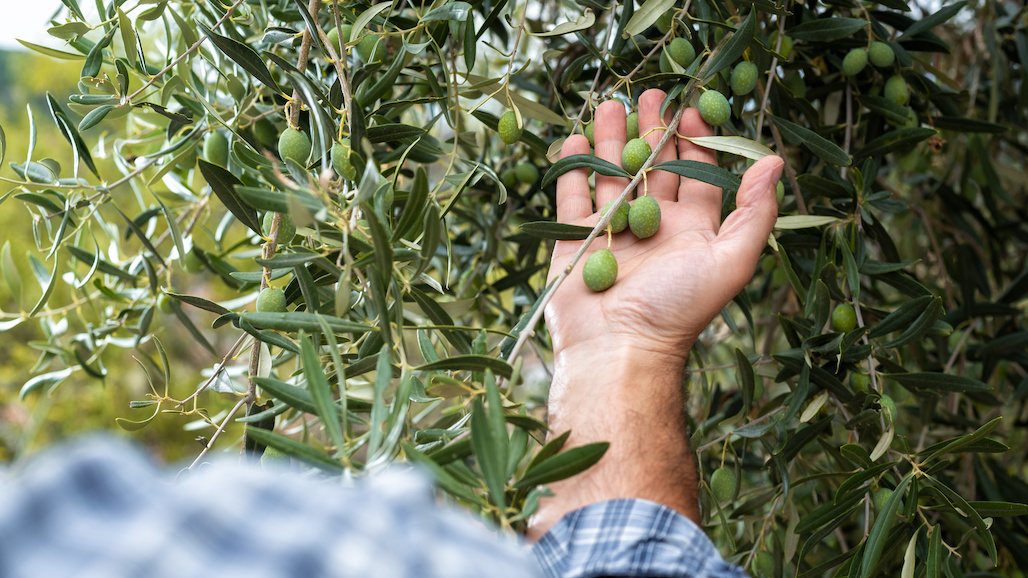
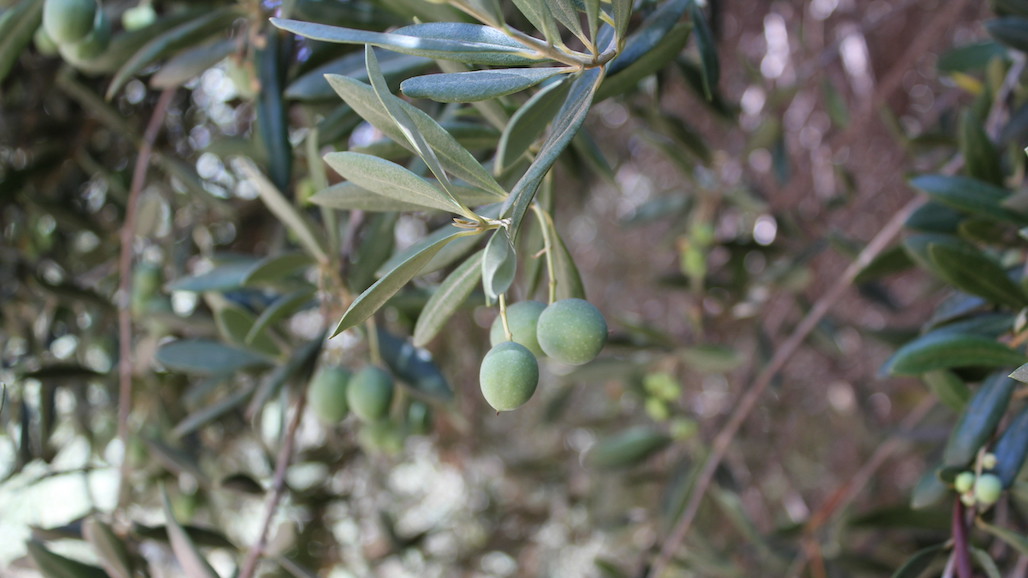
    The Olive Oil Commission of California (OOCC) Board of Directors has established a pre-season crop estimate of 1.8 million gallons for the 2022/23 season. The estimate is down significantly from the 2021/22 season when just over 3 million gallons were produced by OOCC members, who represent approximately 90 percent of California’s olive oil production.

    The Board also reviewed and adopted a budget for the OOCC’s 2022/23 fiscal year. The assessment rate remains at 16 cents per gallon and is mandatory for producers with 5,000 gallons or more of olive oil per year.
    The budget for OOCC expenses was approved at $416,000 with an additional $97,848 set aside in reserves. The OOCC expected expenditures breakdown as follows: $110,000 for the Testing and Sampling Program; $105,000 for Research; $38,000 for Outreach and $160,100 for Administration and Operations.

  • An Aromatic Tomato Could be Looming – a La Heirloom Varieties

    You can scarcely find a tasty, heirloom tomato in the grocery store. But University of Florida scientists helped discover a way to enhance tomato smell and taste. Breeding efforts over the last half century have emphasized traits that are important to producers – yield, disease resistance, appearance and post-harvest shelf life among them.

    While those traits are important, modern commercial varieties tend to fall short of the flavor potential shown in older varieties. But consumers want tomatoes that taste and smell good.

    Indeed, in a study published in 2012, consumers who taste-tested several tomato varieties preferred tomatoes with high levels of nitrogenous volatiles.

    For years, consumers have lamented what they deem as the bland taste of tomatoes. Any flavor you savor when you bite into the fruit comes from a combination of many aroma compounds. Some of those compounds contain nitrogen, and they add fruity, floral and tomato vine profiles to the flavor mix. Working on an international team of scientists, two UF/IFAS researchers helped find a route to several important nitrogen-containing tomato flavor compounds.

    In a newly published study, scientists showed that five of the compounds are part of a biochemical pathway for synthesis of these important flavor compounds.

    Using a closely related fruit, Solanum pennellii, scientists found a site on a chromosome essential to produce detectable nitrogenous volatiles in tomatoes, said Denise Tieman, a UF/IFAS research assistant professor of horticultural sciences.

    That data led scientists to identify a step in the pathway to nitrogen-containing flavor compounds.

    “Now that we know how these compounds are made in tomatoes, we can identify varieties that have the heirloom version of the enzyme and high levels of these flavor compounds, and we can breed this trait into modern tomatoes to improve flavor,” Tieman said.

    Tomatoes produce many aroma volatiles, including nitrogen-containing volatiles that are relatively rare in other fruits.

    Since these volatiles are active at low concentrations, increasing their levels does not impact yield or fruit size.

    Tomatoes are the most valuable fruit produced worldwide. Indeed, in 2020, American farmers harvested about 12,600 tons of fresh market tomatoes and 11 million tons of processing tomatoes from 273,00 acres. That adds up to $1 billion in revenueFlorida harvested 26,000 areas of tomatoes during the 2018-2019 season, valued at almost $426 million.

    The new research, published recently in the Proceedings of the National Academy of Sciences, was led by Harry Klee, a UF/IFAS professor emeritus of horticultural sciences and Charles Goulet, a professor of plant science at Universite Laval in Quebec City, Canada. — By Brad Buck, University of Florida Institute of Food & Agricultural Sciences

  • Agtech Startups to Compete for $250,000 in AgSharks Pitch Competition

    Western Growers and S2G Ventures are now accepting applications for the 2022 AgSharks Competition, a unique event where startup companies pitch their innovations in front of a live audience of the world’s largest specialty crop producers to win a $250,000 minimum investment. Impact-driven entrepreneurs and startups developing technologies that promote a more healthy and sustainable food and agriculture system can apply for the AgSharks Competition at 2022agsharksevent.splashthat.com. Applications close on Monday, Sept. 12, 2022.

    “With a proven track record of rewarding cutting-edge agtech innovators and enabling them to grow their businesses, we look forward to this year’s competitors engaging in a live, spirited back-and-forth with our members on how best to use technology to solve the most pressing needs of our industry,” said Western Growers President and CEO Dave Puglia. “With its real-world financial stakes for the start-ups and the potential long-term benefits for our members, the AgSharks Competition is one of the highlights of our Annual Meeting.” 

    Three startups will be selected to pitch their inventions to a panel of growers, shippers, processors and venture capitalists in front of more than 300 fresh produce farmers and industry leaders during the WG Annual Meeting in Las Vegas on Nov. 2-5, 2022. The AgSharks finalists will be the only presenting startups featured on stage. In addition to potential investment capital, the winner(s) will receive international recognition, mentoring from S2G and WG, potential access to farm acreage to pilot their technologies and access to WG’s expansive network of leading fresh produce companies.

    “AgSharks leads as the only pitch competition that offers agtech startups an audience with the biggest agricultural companies across the globe,” said Audre Kapacinskas, Principal at S2G Ventures. “The combination of exclusive access to hundreds of industry leaders, plus investment capital to fuel growth, are two elements that are crucial for a startup’s success in this industry.”

    AgSharks was first held in 2017, and through the competition, past winners Hazel Technologies and Burro have since brought their products from development to market. Hazel Technologies has raised over $87.8 million in funding over six rounds and is advancing the industry with sachets that extend the shelf life of fresh produce by as much as three times. Burro raised a $10.9 million Series A round in September 2021 led by S2G Ventures and Toyota Ventures and continues to help solve farmers’ labor woes with the expansion of its fleet of autonomous robots to farms across the west.

    About Western Growers:

    Founded in 1926, Western Growers represents local and regional family farmers growing fresh produce in California, Arizona, Colorado and New Mexico. Western Growers’ members and their workers provide over half the nation’s fresh fruits, vegetables and tree nuts, including half of America’s fresh organic produce. Connect and learn more about Western Growers on Twitter and Facebook.

    About S2G Ventures:

    S2G Ventures, the direct investment team of Builders Vision, partners with entrepreneurs who are working on solutions to some of the world’s greatest challenges across the food, agriculture, oceans, and clean energy markets. We provide capital, mentorship and value-added resources to companies pursuing innovative market-based solutions that generate positive social, environmental and financial returns. We provide our partners with flexible capital solutions that can range from seed and venture funding through growth equity to debt and infrastructure financing. For more information about S2G, visit s2gventures.com, tune-in to our podcast, or connect with us on LinkedIn.

  • CA Table Olive Forecast Down Considerably This Year

    CA Table Olive Forecast Down Considerably This Year

    USDA National Agricultural Statistics Service  The 2022 California table olive forecast is 20,000 tons, down considerably from last year’s crop of 46,500 tons, according to a survey conducted by the USDA, National Agricultural Statistics Service, Pacific Regional Office. Bearing acreage is estimated at 12,000, which results in a yield of 1.67 tons per acre.

    The Manzanillo production forecast is 18,500 tons, Sevillano production forecast is 1,400 tons, and other varieties are expected to total 100 tons.

    A freeze during February damaged developing buds and negatively impacted production. Growers reported variable crop yields by both variety and area. Manzanillo yields were reported to be slightly higher than the Sevillano yields. Water availability, labor costs, and marketing remain issues for California olives growers, with many uncertain how much of their crop will be economical to harvest.

    SURVEY SAMPLE

    There were 305 growers sampled for the survey. Reports from 224 were used to establish this forecast. The sample is designed to provide a State estimate of all varieties; estimates by variety are less precise.

    ACKNOWLEDGMENTS

    A special thanks goes to the many olive growers who participated in the survey. Time spent completing the survey is appreciated, and helpful in estimating current condition of the olive industry in California. The California Table Olive Forecast is funded by the California Olive Committee.

  • Australian Stone Fruit Production Picks Up, Recovers Post-Pandemic

    Australian Stone Fruit Production Picks Up, Recovers Post-Pandemic

    Stone fruit production in Australia is forecast to increase in marketing year (MY) 2022/23, following a MY 2021/22 season that was impacted by a shortage of labor supply at harvest, export freight logistical challenges borne about by the COVID-19 pandemic, and wet weather at harvest. Cherry production is forecast to increase by 19 percent, and peaches and nectarines by 13 percent. The export freight challenges are expected to continue to impact the forecast MY 2022/23 season and labor shortages are expected to continue, but to a lesser degree than the previous year.

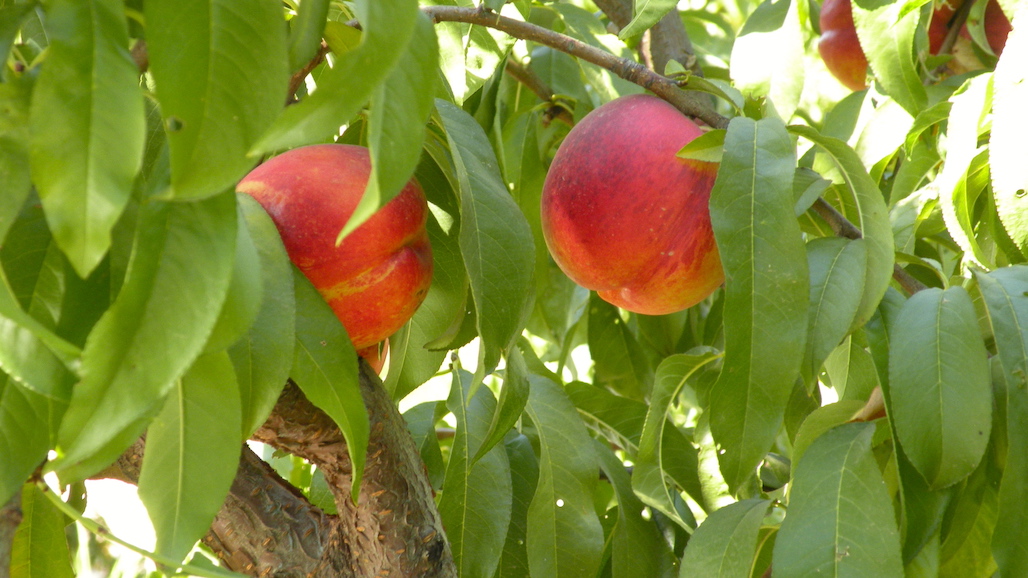
    Increases in production, supported with an expectation of an improvement in labor availability for harvest, are anticipated to result in an increase in exports of cherries by 15 percent and 25 percent for peaches and nectarines. Despite the limited availability of air freight and escalation in costs, almost all of the cherries exported in MY 2021/22 were by air and this is expected to continue into the forecast year. The overall forecast rise of peach and nectarine exports is mainly due to the anticipated production increase. If not for the continued labor availability and air and sea freight challenges, a larger rise in exports may be expected.

    Nectarine exporters during the first year of COVID-19 had adjusted to the lack of air freight in MY 2020/21 via a focus on increasing sea freight from around 50 percent in the prior years to 75 percent. However, with a recovery in air routes, air freight of nectarines increased in volume to 39 percent in MY 2021/22 and is likely to continue to rise if air freight logistics improve during harvest. For peaches, which are of lower value than cherries but also dependent upon air freight, export volumes in recent years have been less than half that of nectarines, and no significant improvement in their export volume is anticipated until there is an easing of air freight costs.  Read the full report from the USDA Foreign Agricultural Service HERE.

  • California Prune Board Announces 2022-2024 Officers and Board Members

    California Prune Board Announces 2022-2024 Officers and Board Members

    The California Prune Board (CPB) has officially seated its 22-member board and 16 alternates for the 2022-2024 term.  Following certification of the election by the California Secretary of Food and Agriculture, the new board approved the 2022/23 fiscal year programs and budget at its June board meeting. The CPB officers are:

    • Chair: George Sousa Jr., President of Mariani Packing Co., Inc., Vacaville, Calif. (re- elected)
    • Vice Chair: Mike Vereschagin, Vereschagin Farms, Orland, Calif. (newly elected) 
    • Secretary: Dan Bozzo, Triple B Ranch, Gridley, Calif. (re-elected) 
    • Treasurer: Rajeev Davit, Davit Ranches, Yuba City, Calif. (re-elected) 

    “Our values as a Board keep us driven towards quality and continuous improvement and I’m honored to continue serving as Board chairman alongside dedicated individuals who share a vision of creating a world more enthusiastic about California Prunes,” said George Sousa Jr., President, Mariani Packing Co. “Our industry – like all of agriculture today – has its challenges, but the CPB has been around for 70 years, and we believe in the power of our product and the importance of a vital industry for generations to come.” The newly seated board will serve through May 2024.

    “California Prune growers and handlers have proven to be resilient, strategic, and disciplined in producing a premium fruit that is enjoyed domestically and in export markets around the world,” said Donn Zea, Executive Director, California Prune Board. “Alongside our industry stakeholders, we are dedicated to helping the trade and consumers alike discover the many wonders that California Prunes offer – from health and nutrition benefits, exceptional taste, premium quality, unmatched versatility – and so much more.”

    The board will focus on advancing the key CPB priority areas that have been determined with input from numerous industry members and the executive committee. Focus areas include:

    • Nutrition research
    • Trade policy and market support
    • Industry unification
    • Production research
    • Expanding global visibility for California Prunes

    CPB membership is composed of 22-member board seats that are elected by the industry, organized by seven districts and a non-industry public member. The CPB officers are selected by the newly seated board members for their leadership roles.

    California is the world’s largest producer of prunes providing about 40 percent of the world’s supply and more than 90% of the U.S. supply. Today, there are more than 36,000 bearing acres of California Prune orchards producing an average of 80,000 tons each year. Consistency in production, driven by rigorous agricultural standards, and superior taste is keeping the demand for prunes from California strong in over 60 countries.

    ABOUT THE CALIFORNIA PRUNE BOARD

    The California Prune Board was established in 1952 to represent growers and handlers under the authority of the California Secretary of Food and Agriculture. California is the world’s largest producer of prunes with orchards across 14 counties in the Sacramento and San Joaquin valleys. Promoting a lifetime of wellness through the enjoyment of California Prunes, the organization leads the premium prune category with generations of craftsmanship supported by California’s leading food safety and sustainability standards. California Prunes. Prunes. For life.