Category: Economics

  • Judges Selected for AgSharks Pitch Competition

    Judges Selected for AgSharks Pitch Competition

    Western Growers and S2G Ventures have announced the judges for the 2022 AgSharks Competition, a unique event where startup companies pitch their innovations in front of a live audience of the world’s largest specialty crop producers to win a $250,000 minimum investment.

    Three startups will be selected to pitch their inventions to these judges in front of an audience of more than 300 fresh produce farmers and industry leaders during the WG Annual Meeting in Las Vegas on Nov. 2-5, 2022. The competition will be hosted by Stuart Woolf, President and CEO of Woolf Farming & Processing.

    In addition to potential investment capital, the winner(s) will receive international recognition, mentoring from S2G and WG, potential access to farm acreage to pilot their technologies and access to WG’s expansive network of leading fresh produce companies.

    The judges are:

    Neill Callis

    Neill Callis is the General manager of Turlock Fruit Company, a family-owned and operated fresh produce grower / shipper / packer founded in 1918 by James “Cantaloupe” Smith. Neill joined the company in 2013 following a 17-year career as a project manager and systems engineer in the aerospace industry. As a member of the family management team, he now works alongside the 2nd (Don), 3rd (Steve), and 4th (Alec) generations of the Smith family operating the business of farming honeydews, cantaloupes, mixed melons, asparagus, cherries, tomatoes, and almonds in Merced and Fresno counties.

    Neill has served on the California Cantaloupe Advisory Board since 2015, participated in the Western Growers Future Volunteer Leaders program (Class III), and served as an industry mentor to Cohorts II/III of the Thrive AgTech Accelerator. In the Turlock community, he serves as a Trustee of the Legacy Health Endowment, serves on the boards of the Turlock Community Theatre, Prodigal Sons & Daughters, and Little Lights Preschool, and is also a member of the James Irvine Foundation New Leadership Network’s 3rd cohort. Neill graduated with a. B.A. in Political Science from Elon College, and holds a Graduate Certificate in Complex Space Systems from the Stevens Institute of Technology.

    Neill joined the Western Growers Board of Directors in 2019, following in the footsteps of Turlock Fruit Company owners Steve Smith and Don Smith. He is currently serving as Treasurer of the Board. He is married to Steve’s daughter Hilary, and they have two young children, Daniel and Elin.

    Audre Kapacinskas

    Audre Kapacinskas is a Principal at S2G Ventures where she leads Corporate Development efforts across our focus sectors: food & agriculture, oceans & seafood, energy, and real assets. Audre actively engages corporate, investor, nonprofit and government stakeholders to identify opportunities to accelerate growth and impact of S2G companies. By building relationships with a diverse ecosystem of stakeholders, Audre seeks to apply advanced and emerging technologies at scale to address today’s most pressing challenges in order to realize a more humane and healthy planet.

    Over the last 10+ years, Audre has worked at the intersection of technology, strategy, finance and operations to incubate new ideas and drive growth. Prior to S2G, Audre was a Director of Sales and Corporate Strategy at Uptake, a predictive analytics start-up delivering artificial intelligence and IoT solutions to multiple Industrial sectors. Previously, Audre worked for Stax, a boutique strategy consulting firm that works closely with private equity firms and corporate clients on growth acceleration, value assessments and investment due diligence.

    Audre lives with her family in Chicago where you can find her hunting for the city’s best sourdough, planning an outdoor adventure or bouncing crazy ideas around with entrepreneurs and creatives. Audre is Co-Founder of Fifth Star Funds, a venture philanthropy focused on investing in underrepresented tech founders in Chicago. Audre holds an Honours BA from the University of Toronto (Economics, International Relations), an MA from Vilnius University and was a Fulbright Scholar.

    Aaron Rudberg

    Aaron Rudberg is the COO and Managing Director at S2G Ventures. He has worked in the investment business his entire professional career, and brings experience as an entrepreneur and institutional investor. Prior to joining S2G, Aaron spent 10 years at Baird Capital where he was a Partner and Managing Director overseeing the global strategy, investor relations, marketing and business development for the $3.5 billion private equity and venture capital business. Aaron previously spent time at a private equity fund-of-funds and a venture capital firm. Early in Aaron’s career, he was an entrepreneur building a venture-backed software company that was acquired. Aaron received a BA from the University of Illinois at Urbana-Champaign and an MBA from the Kellogg School of Management at Northwestern University. Aaron is a member of the board of The Civic Federation, Adler Planetarium, and was named an Emerging Leader by the Chicago Council of Global Affairs in 2014.

    Kristen Smith Eschaya

    Kristen Smith Eshaya is the President of Yuma, Ariz.-based JV Smith Cos. JV Smith Cos. began with the formation of Skyview Cooling Company in 1970 by John Smith, Smith Eshaya’s grandfather and Vic Smith’s father.

    Smith Eshaya graduated as the valedictorian of her class at Yuma High School in 2003, and then went on to graduate from Colorado College with a Bachelor of Arts in economics and, later, from Northern Arizona University with a Master of Education in human relations. She lived in Texas and California, working in finance and development for the arts, before moving back home to join the family business.

    She also has been involved with industry trade associations, having formerly served on the Center for Growing Talent by Produce Marketing Association board of directors, as well as the PMA diversity and inclusion task force.

    Smith Eshaya is currently in the Western Growers Future Volunteer Leaders Program, in addition to serving on the Children’s Museum of Yuma County board of directors. Along with her husband, Emil, Smith Eshaya resides in Yuma with their two children.

    AgSharks was first held in 2017, and through the competition, past winners Hazel Technologies and Burro have since brought their products from development to market. Hazel Technologies has raised over $87.8 million in funding over six rounds and is advancing the industry with sachets that extend the shelf life of fresh produce by as much as three times. Burro raised a $10.9 million Series A round in September 2021 led by S2G Ventures and Toyota Ventures and continues to help solve farmers’ labor woes with the expansion of its fleet of autonomous robots to farms across the west.

    About Western Growers:

    Founded in 1926, Western Growers represents local and regional family farmers growing fresh produce in California, Arizona, Colorado and New Mexico. Western Growers’ members and their workers provide over half the nation’s fresh fruits, vegetables and tree nuts, including half of America’s fresh organic produce. Connect and learn more about Western Growers on Twitter and Facebook.

    About S2G Ventures:

    S2G Ventures, the direct investment team of Builders Vision, partners with entrepreneurs who are working on solutions to some of the world’s greatest challenges across the food, agriculture, oceans, and clean energy markets. We provide capital, mentorship and value-added resources to companies pursuing innovative market-based solutions that generate positive social, environmental and financial returns. We provide our partners with flexible capital solutions that can range from seed and venture funding through growth equity to debt and infrastructure financing. For more information about S2G, visit s2gventures.com, tune-in to our podcast, or connect with us on LinkedIn.

  • California Prunes Partners with Renowned Chefs for CA Farmer and Farmworker Month

    California Prunes Partners with Renowned Chefs for CA Farmer and Farmworker Month

    October is California Farmer and Farmworker Month – a specially designated time to recognize the remarkable contributions of the people who power California’s food and farming community. Consider this: California supports 1.2 million agriculture-related jobs and produces 400 different crops, roughly 50 percent of the overall U.S. produce supply, and nearly all domestically grown prunes.

    To help celebrate the hardworking farmers and farmworkers of the Golden State, California Prunes is partnering with a line-up of accomplished chefs around the United States to showcase the delicious, dried fruit that is grown by about 600 California Prune growers in the Sacramento and San Joaquin valleys. The chef partners are featuring a range of California Prunes dishes that consumers across the country can enjoy, including:

    • Aliza Sokolow of This is What I Eat is an accomplished food stylist and author based in
      Los Angeles, Calif. Sokolow regularly bakes for charitable organizations and for the first part of October she will offer Chocolate Chunk Cookies with Prunes that can be enjoyed when ordered directly through the This is What I Baked Order Form (proceeds donated to California Farmworker Foundation).
    • Bronwen Wyatt of Bayou Saint Cake in New Orleans, La., offers a Chocolate Walnut Chiffon Cake with Prunes and Chicory Cream available for New Orleans residents throughout October. Local ingredients are a mainstay of her Instagram-famed cakes. California Prunes are not only local for those in New Orleans since California supplies the country’s prunes, but the premium fruit also adds depth of flavor to the other California-grown ingredients, like California Walnuts. Additional California Prunes recipes from Wyatt include a Prune Upside Down Cake and Almond Cake with Prune-Raspberry Butter.
    • Kat Turner of Highly Likely Cafe in Los Angeles, Calif. has come to love California Prunes in several recipes and currently features A Good Turkey Sando with Prune Mostarda on the menu at the
      Los Angeles eatery. The Prune Mostarda recipe is an incredibly versatile condiment that anyone can make at home and use for sandwiches, grazing boards, or to elevate a variety of proteins.
    • Mica Talmor of Pomella restaurant in Oakland, Calif. will feature California Prunes that have come from orchards in the surrounding area in her Chicken + Prune Tagine menu item all month long.

    “As a chef, coming from Wisconsin to California – with its surreal year-round growing season – it’s like winning Willy Wonka’s Golden Ticket,” said Chef Kat Turner, Highly Likely Cafe. “And, thanks to the tireless efforts of farmers and farmworkers, we have wave after wave of delicious, healthy, gorgeous food grown right here in the state, including those sensual, premium quality prunes whose flavor can truly transform a dish with their uniquely craveable taste, texture, and versatility.”

    In addition to featuring California Prunes on their menus, the chefs will also serve up tasty California-grown ideas and inspiration on their respective social media platforms throughout the month.

    California is the ideal place to grow prunes due to its alluvial soils, abundant sunshine, and the fresh water that runs off the nearby mountains. The multi-generational farming families who grow California Prunes have honed their craft for more than 100 years and are dedicated to cultivating their orchards with sustainability in mind for the next generation.

    “We honor the contributions of growers who work so hard to ensure we have delicious, healthy food every day,” said Kiaran Locy, California Prune Board, Director of Brand & Industry Communications and Buy California Marketing Agreement board member. “It’s inspiring to partner with chefs who use locally and responsibly sourced ingredients and appreciate the versatility of California Prunes because they runes are good every day in so many ways – from delivering exceptional nutrition that supports a healthy gut and bones – to adding big flavor and natural sweetness.”

    Always in season, California Prunes ideas and inspiration can be found anytime @CAPrunes onInstagram, Facebook, Pinterest, YouTube, Twitter and at www.californiaprunes.org.

    ABOUT THE CALIFORNIA PRUNE BOARD

    Created in 1952, The California Prune Board aims to amplify the premium positioning and top-of-mind awareness of California Prunes through advertising, public relations, promotion, nutrition research, crop management and sustainability research, and issues management. The California Prune Board represents approximately 800 prune growers and 28 prune, juice, and ingredient handlers under the authority of the California Secretary of Food and Agriculture.

  • Produce Veteran Jeff Oberman To Lead California Avocado Commission

    Produce Veteran Jeff Oberman To Lead California Avocado Commission

    The California Avocado Commission Board of Directors has selected produce veteran Jeff Oberman to become the organization’s new president, effective October 10, 2022. Mr. Oberman’s produce industry career has spanned 25 years so far. From 2020 to the present he served as vice president of sales – business development for PRO*ACT and was their vice president strategic programs for the prior two years. From 1997 to 2018 Mr. Oberman worked for the produce trade association United Fresh in successively more responsible roles. For more than half his tenure at United Fresh he served as vice president, trade relations.

    “We are very pleased that Jeff Oberman has accepted the position of California Avocado Commission president,” said Rob Grether, chair of the Commission Board of Directors. “Jeff’s broad network, non-profit association leadership and fresh produce business experience, including an end-to-end understanding of the needs of growers, handlers, distributors, foodservice operators and retail customers makes him exceptionally well-suited to lead the California Avocado Commission.”

    Mr. Oberman has extensive experience in trade association leadership, strategic planning, and management of customer and government agency relations. He has received numerous accolades and awards including being named to Produce Business Magazines “40 under Forty” list in 2005 and to The Packer’s “25 Profiles in Leadership” in 2017.

    “Having the opportunity to take the helm and build on the California Avocado Commission’s well-deserved reputation for innovative marketing and grower advocacy is exciting, said Oberman. “Like most agricultural producers, California avocado growers face a host of ever-changing challenges, and I look forward to steering the Commission in support of long-term grower success.”

  • Opportunities to Export Fresh Fruit to Germany

    Opportunities to Export Fresh Fruit to Germany

    Germany is one of the largest markets for fruit in Europe. The relative affluence of its population of 83 million people makes it an attractive outlet for exporters from many countries. This product brief highlights certain aspects of the German fresh fruit market and provides marketing, trade, and regulatory information for U.S. exporters.

    Germany, with a population of 83.2 million (18 percent of the EU-27 total population), has the largest economy in Europe and is a leading European market for food and beverages. In 2021, food retail sales in Germany totaled 231.5 billion Euro (approx. USD $274 billion). In 2018 (latest available data), German households spent 28.45 Euro (approx. USD $33.57) per month on fruit.

    In calendar year 2021, Germany was the 7th largest producer of fresh fruit in the EU-27 and the largest fruit consumer. In MY 2020/21, Germans consumed approximately 8.8 million MT of fruit, including frozen and canned fruit on a fresh weight basis. Germans show a preference for fresh fruit, but in MY2020/21 also consumed 67,529 MT of frozen fruit and 125,000 MT of dried fruit. In addition, Germans consume more fruit juices and nectars per capita than any other European country and the United States. The top five fruits consumed in Germany are apples, bananas, oranges, grapes, and clementines. However, Germans are also quite familiar with exotic fruits such as mangos, passion fruit, avocados, and lychees.

    Germany’s position as the largest EU-27 consumer of fruit results from the size of its population rather than high per capita consumption. Growing health consciousness and factors within the German socio- economic makeup, in particular its aging and increasingly foreign-born population, could favor an increase in per capita fruit consumption. At the end of 2021, 22 percent of the population was 65 years and older while only 13 percent were younger than 15 years of age. Moreover, Germany has a high number of immigrants from Turkey and other Mediterranean countries whose diets include a higher percentage of fruits than the traditional German diet. Immigrants in Germany also tend to spend a higher percentage of their income on food. At the end of 2021, more than 11.8 million citizens of other countries lived in Germany. Additionally, in 2020, 4.9 million German residents had a migrant background (i.e., either they or their parents were born with a citizenship other than German and acquired German citizenship later in life). Read the full report from the USDA Foreign Ag Service HERE.

  • World Avocado Congress Set For April 2-5 In New Zealand

    World Avocado Congress Set For April 2-5 In New Zealand

    The 10th World Avocado Congress will take place April 2 – 5, 2023 in Auckland, New Zealand. The event will bring together industry members from across the globe and include field day sessions, as well as in-person academic sessions. Those sessions will cover the following topics:

    • Sustainability
    • Production and productivity
    • Breeding and genomics
    • Pests and diseases
    • Grower education programs
    • Processing
    • Food safety
    • Agritech
    • Post-harvest supply chain
    • Nutrition in human health
    • Country reports
    • Consumers

    list of speakers is available on the World Avocado Congress website. The scientific and marketing committees are seeking abstracts from researchers and innovators. The deadline to submit abstracts for oral or poster presentations is October 10, 2022.

    Online registration for the event is now available. For those who wish to exhibit at the Congress, the online exhibition portal is now open.

  • Grower-Shippers Asked to Bear Burden of Unsustainable Dilemma of Under-Compensation

    Grower-Shippers Asked to Bear Burden of Unsustainable Dilemma of Under-Compensation

    In the past two years, West Coast vegetables growers have been asked to absorb stratospheric aggregate inflationary input costs while at the same time trying to find a way to pass on 20%-30% inflationary costs, presenting them with an unsustainable dilemma. Without a long-term solution to this dilemma, we could all see fewer vegetables finding their way to grocers’ shelves.

    The recently published Bureau of Labor statistics Consumer Price Index (CPI) for August reported food prices increased 11.4% from 2020 to 2021, continuing a now-prolonged trend of the largest 12-month increase since May of 1979. The statistics also highlighted a 1.1% increase over June 2022 and was the seventh consecutive monthly increase of 0.9% or more.

    Moreover, since January 2022, the price of food consumed at home outpaced that of food consumed away from home, up 13.1% in July 2022 versus July 2021. In reviewing of the CPI-U data from the past 16 months when inflation began to rise to their current 40-year high, the CPI “Food” category has either been in alignment with or slightly higher than the “overall” monthly CPI category. And, as anyone who has purchased food staples such a poultry or beef or eggs can attest, they’re record prices over the past 18-plus months. In fact, the CPI’s food-at-home category continues to steadily increase, driving the CPI’s overall increases in the food category.

    As if circumstances in inability of cost pass-through was challenging enough, the growers in the “Salad Bowl of the World” have endured below break-even pricing on many commodities for the past two-plus years. Iceberg lettuce’s open market FOB pricing is a prime example. Against the backdrop of 20% to 30% production cost increases, the iceberg markets over the same timeline have been a losing enterprise.

    In reviewing the USDA agriculture marketing service dating back to calendar year 2020, open market carton iceberg lettuce pricing only experienced six months of pricing reflecting above break-even levels. The data for 2021 reflected far worse market pricing conditions as only three months out of the calendar year showed profitability in iceberg lettuce pricing.

    The 2022 iceberg lettuce open market conditions to-date are reflecting only three of the eight expired months at profitable levels, although it is widely accepted that over 60% of day-to-day iceberg lettuce is sold via contract pricing. However, the commodity portion of daily production represents a significant investment for both growers and shippers.

    Providing further context on how poor commodity lettuce open-pricing conditions have been the past two years in relation to the Bureau’s CPI, from January through June of this year, the monthly year-over-year lettuce CPI category reflected increases ranging from a low of 7.9% to a high of 12.7%. Five of the six months reported accounting for an aggregated approximately per-case price of $3.60, “below break-even!” Keep in mind that many commodity iceberg deals are structured where both grower and shipper have joint equity.

    However, there are some positive developments that should benefit growers. Earlier this summer, the shipper/processor community successfully renegotiated favorable finished-goods price increases in contracts with many big box retailers. Within all finished-goods pricing resides the cost of raw materials used in the production of the finished offering. This being the case, the year-over incremental input costs which have not been met, theoretically have been accounted for and the input cost pass-through negotiations should reflect the finished-goods contract price increases. Stay posted.

    On the surface, it might seems that these types of CPI increases would be a boon for growers. However, from the West Coast vegetable grower’s perspective, this data represents a disconnect from the reality of profitability. In analyzing the CPI data, the relevance of what the statistics bares is proof of what this blog has been highlighting for months.

    Beginning in January 2020 and continuing through today, the aggregate inflationary input costs which West Coast vegetables growers continue to primarily absorb has been in the stratospheric range of 20 to 30%. This data reinforces the unsustainable dilemma of under-compensation making its way “back to the ranch.” And, until there is a long-term solution that enables growers’ margins that will enable them to be sustainable, the likelihood grocery shelves stocked with fewer vegetables can be a reality. — By United Vegetable Growers Cooperative

  • 2021 Pacific Northwest Potato Production & Sales Announced

    Growers were happy to see potato prices rise overall in the Pacific Northwest last year. The final value of Idaho’s 2021 potato crop sold was $1.04 billion, up 14 percent from 2020. The marketing year average price for potatoes in Idaho was $8.46 per cwt, up $1.18 from last year. In Oregon, the 2021 potato crop sold was valued at $218 million, up 10 percent from last year. The potato price was $9.02 per cwt, up $1.02 from last year. Washington’s 2021 potato crop sold was valued at $666 million, down 5 percent from 2020. The marketing year average price for fall potatoes was $7.75 per cwt, up $0.19 from the previous year.

    In Idaho, potato production for 2021 totaled 132 million cwt, down 2 percent from 2020. In Oregon, production was 26.3 million cwt., down 3 percent from 2020. Production in Washington was 91.9 million cwt., down 8 percent from 2020. The combined production for the 3 states was 61 percent of U.S. potato production in 2021.

    Processors in Idaho and Malheur County Oregon used a total of 83,070 thousand cwt in 2021, down 8 percent from 2020. Washington and Oregon, excluding Malheur County, processors used 94,882 thousand cwt during 2021, up 6 percent from the previous year.

  • Avocado Industry Leaders Recognized for “Making it Happen”

    Avocado Industry Leaders Recognized for “Making it Happen”

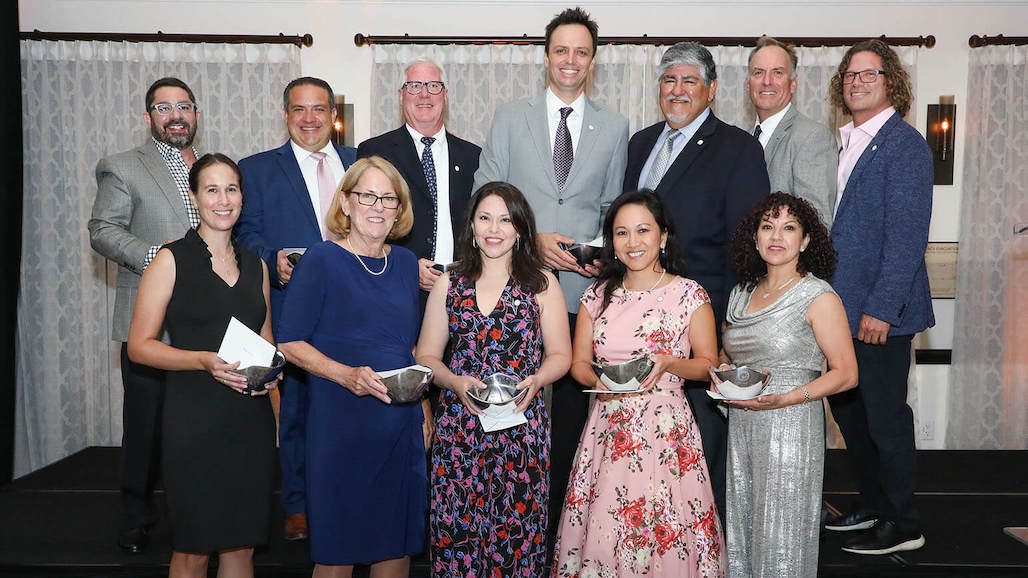
    Following an extensive call for nominations, the Hass Avocado Board (HAB) named the recipients of its 20th Anniversary Recognition awards at the September Board Meeting and commemorated their service with a presentation and award recognition ceremony. The accolades acknowledge individuals for their outstanding commitment and achievements in “Making it Happen” for HAB by establishing and building the organization over the past two decades.

    “Growing U.S. consumption of fresh avocados to more than 2 billion pounds per year since the establishment of the Hass Avocado Board in 2002 came thanks to the hard work of many talented, dedicated people from around the world,” said Salvador Dominguez, HAB Chairman. “Today, it is our honor to recognize several individuals for their prominent participation in our incredible success, for being relentless in their pursuit to “making it happen” for the benefit of the whole avocado industry in the United States.”

    The criteria for recognition included having served the Hass Avocado Board as a board member, committee member, special subcommittee member, being affiliated with HAB, the California Avocado Commission (CAC) and the Importer Associations or being HAB staff.

    After evaluating submissions, the 20th Anniversary Task Force of HAB , selected the following recipients:

    The contributions from these individuals stand out on their own merit as well as underscore the HAB Effect, the ability for avocado industry members to accomplish things they would not be able to do without the collective power of HAB. By leveraging resources, expertise and passions strategically pulled together by HAB, Making it Happen Award recipients delivered  strategic assets that propel growth such as world-class category data, industry-leading nutrition research and proven marketing campaigns.

    To learn more about HAB and its 20 years of “Making it Happen,” visit http://www.HassAvocadoBoard.com/Honorees.

  • Survey Suggests Much Higher California Mandarin Crop Yield this Season

    Survey Suggests Much Higher California Mandarin Crop Yield this Season

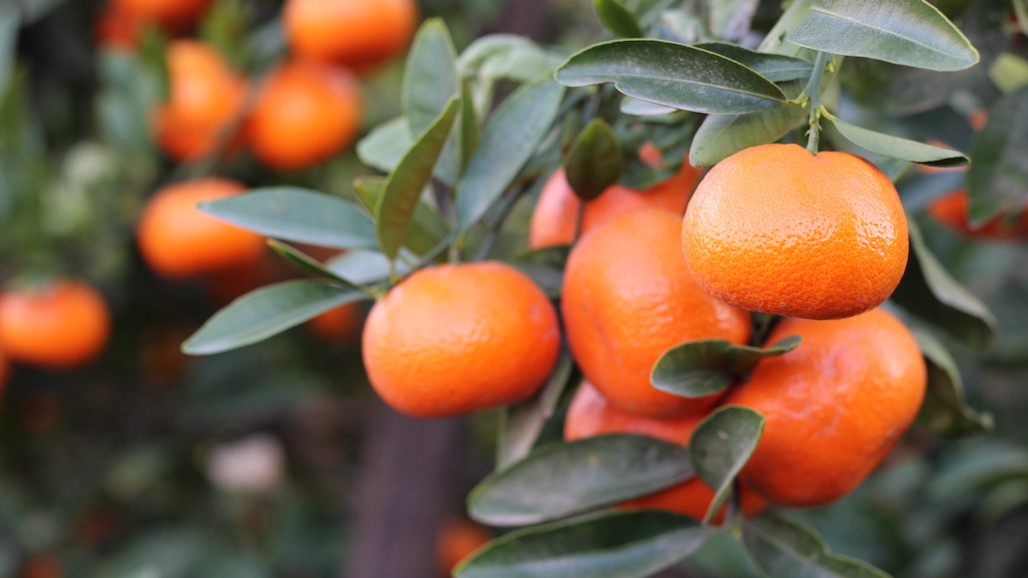
    USDA’s National Agricultural Statistics Service, Pacific Regional Field Office recently completed the California Mandarin Objective Measurement Survey. A sample of 293 Tango and W. Murcott Afourer Mandarin varieties were randomly selected proportional to county and variety bearing acreage. Results show an average fruit set of 596 fruit per tree and an average fruit size of 1.344 inches in diameter for these varieties. This compares with the 2021 average fruit set of 290 fruit per tree with an average fruit size of 1.363 inches in diameter and the 2020 average fruit per tree of 945 with an average fruit size of 1.488 inches in diameter.  This survey was conducted for the first time in 2020.

    Fruit counts were made from two trees per orchard, and fruit diameter measurements were taken on the right quadrant of four trees surrounding the two sampled trees. 

  • Save the Date for the North American Raspberry & Blackberry Association’s 2023 Annual Conference

    Save the Date for the North American Raspberry & Blackberry Association’s 2023 Annual Conference

    The North American Raspberry & Blackberry Association (NARBA) will be gathering in person for their annual meeting to be held January 22-24, 2023, in Tampa, Florida. After two years of virtual conferences, the group will move the conference to the Sunshine State for the first time. The event will be held at the Hotel Alba Tampa. Visit the hotel website for more information on the hotel’s great amenities, including free wi-fi, outdoor pool, wellness center, and two in-house dining options as well as many walkable Tampa attractions and dining. Visit https://www.raspberryblackberry.com/2023-narba-conference/ for more information.

    Conference sessions will feature top experts and experienced growers. Topics include caneberry breeding and varieties, pest and disease management, production research, new technology and industry updates, new grower resources, and marketing.  Over 50 speakers from around the world are included in the multi-track format. Time for Q&A and networking will be part of all sessions.

    Attendees will have the opportunity to register for the conference tour which will include field and nursery visits for an up-close look at the emerging raspberry and blackberry industry in Florida and a visit to the University of Florida Gulf Coast Research Center to learn about advances in berry research. The tour will include refreshments, networking with speakers and views of the beauty of the Florida Gulf Coast.

    Registration for the conference, tour and the hotel block are OPEN NOW!  A detailed listing of speakers and courses will be posted in October 2022 on https://www.raspberryblackberry.com/2023-narba-conference/ Early registration is recommended to ensure attendees have first choice for desired room types and sessions.

    The North American Raspberry & Blackberry Association is a membership association of growers large and small, researchers, suppliers, and others in the caneberry industry.

    For further information and updates about the 2023 NARBA annual conference please contact Darcy Kochis at info@raspberryblackberry.com.