Category: Economics

  • Ag Goals & Progress of Voluntary Agreements for Bay-Delta Flows

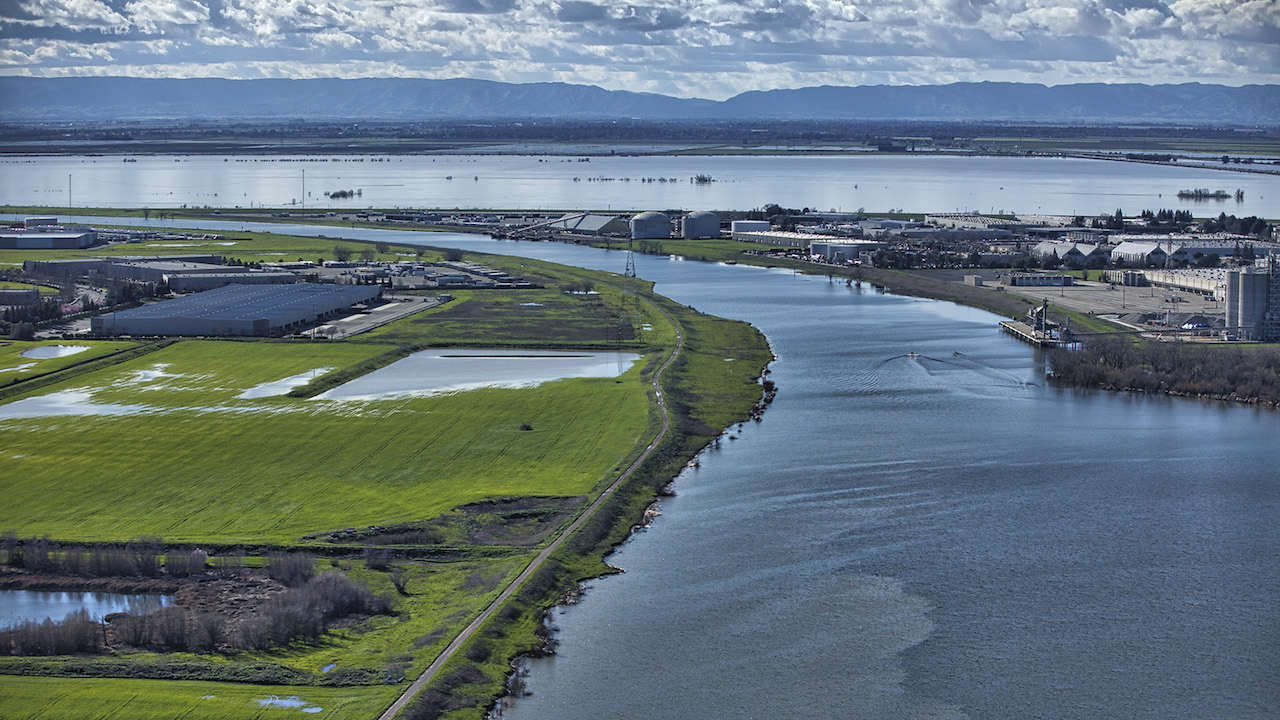
    What is now being referred to as a 20 year drought in California has caused many problems for not only farmers, but all Californians and wildlife. In addition to the dire need for water infrastructure renovations, farming groups are also very focused on pursuing voluntary agreements for alternatives to the California State Water Resources Control Board plan for Bay-Delta flows.  Watch this brief interview with Merced County farmer, Randy Fiorini who shared some insights from the Delta Stewardship Council as the discussions on voluntary agreements have resumed.
    Please thank this video’s sponsor Suterra for their industry support.
  • Ag Goals & Progress of Voluntary Agreements for Bay-Delta Flows

    Ag Goals & Progress of Voluntary Agreements for Bay-Delta Flows

    What is now being referred to as a 20 year drought in California has caused many problems for not only farmers, but all Californians and wildlife. In addition to the dire need for water infrastructure renovations, farming groups are also very focused on pursuing voluntary agreements for alternatives to the California State Water Resources Control Board plan for Bay-Delta flows.  Watch this brief interview with Merced County farmer, Randy Fiorini who shared some insights from the Delta Stewardship Council as the discussions on voluntary agreements have resumed.
    Please thank this video’s sponsor Suterra for their industry support.
  • Merced Grower Works with Farmland Trust to Protect Acreage from Urban Development

    Merced Grower Works with Farmland Trust to Protect Acreage from Urban Development

    Merced County almond, walnut and peach grower, Randy Fiorini is proud to be the first farmer to work with both the Henry Mayo Newhall Foundation and California Farmland Trust in a conservation fundraising campaign to protect agricultural land from urban expansion. Watch this brief video with Randy Fiorini as he explains the program and needed support to realize his goal.

    Please thank this video’s sponsor Suterra for their industry support.

  • Washington Issues Rules to Protect Farm Workers from Wildfire Smoke

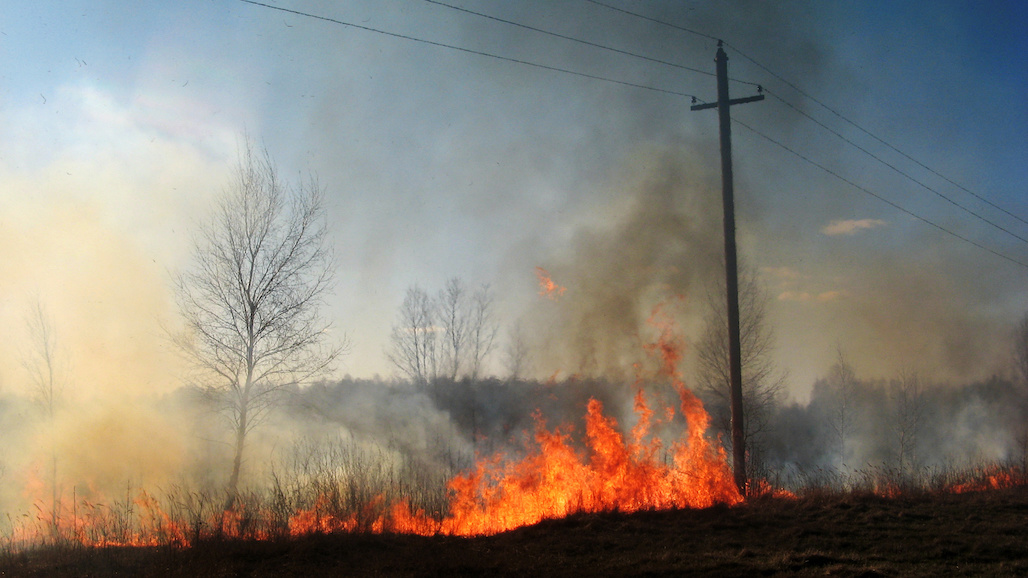
    Washington is under a state of emergency, with more than 600 wildfires reported already this year. That’s about double the normal rate, according to the state Department of Natural Resources. Where there’s fire, there’s smoke that can expose outdoor workers in construction, agriculture, and other jobs to health risks from breathing particulate matter in the air.

    To help these and other workers, the Department of Labor & Industries (L&I) filed emergency rules today to help protect employees exposed to wildfire smoke. Washington is just the second state to issue regulations regarding workers and wildfire smoke. California was the first, adopting its rules in 2019.

    “This wildfire season is shaping up to be even worse than last year,” said L&I Director Joel Sacks. “We’re establishing these emergency rules to protect employees who have to work outside, breathing in smoky air all day long.”

    Smoke from wildfires contains chemicals, gases, and fine particles that can harm health. The most concerning hazard is associated with the smallest particles, or Particulate Matter (PM), that are less than 2.5 micrometers (PM 2.5). These particles can get deep into the lungs, worsening existing health conditions like asthma, negatively impacting heart health, and increasing the risk of death.

    The new wildfire smoke rules spell out to employers how to identify harmful smoke exposure risks and when to notify their workers. They also require employers to:

    • Train employees and supervisors about wildfire smoke;
    • Ensure employees showing symptoms of wildfire smoke exposure are monitored and receive medical care when necessary; and,
    • Take actions to eliminate or reduce exposures to wildfire smoke where feasible, when levels of particulate matter are high.

    The rule sets the standard for dangerously poor air quality at PM 2.5 concentrations of 55.5 micrograms per cubic meter (μg/m3) or an Air Quality Index (AQI) of 151.

    Measures to eliminate or reduce worker exposure may include:

    • Moving work to enclosed buildings, structures, or vehicles where the air is adequately filtered;
    • Moving employees to areas with lower smoke exposure;
    • Reducing work intensity;
    • Providing additional rest periods; and,
    • Providing employees with respirators, such as an N95 or a KN95 disposal mask at no cost for voluntary use when levels of particulate matter are high.

    Although not required, L&I also recommends employers take action to reduce employee exposure to dangerous air at even lower levels of particulate matter, especially for sensitive groups with asthma or other lung conditions.

    Monitoring air quality
    The emergency wildfire smoke rules include several ways employers can check PM 2.5 levels. They can check sites including the EPA’s AirNow website or state Department of Ecology’s Air Monitoring Network and download mobile apps like “EPA AirNow” or “Air Quality WA.” They can also purchase equipment to check it themselves.

    What’s next
    The emergency rules are in effect immediately (July 16, 2021); employers will be given a brief grace period before enforcement begins.  
    L&I gathered stakeholder input and referenced California’s regulations to develop the emergency wildfire smoke rules. L&I will announce opportunities to provide input on permanent rules in the coming months.

  • New Ag One President Brings over 30 years’ Experience to Fresno State

    Jim Razor had little inkling how much the key agronomic principles he learned 30 years ago in his Fresno State classes on weeds and vegetable crops would serve him every day.

    After he graduated with a plant science degree in 1990, he began a career as a pest control adviser and is now vice president for J.G. Boswell Company, an internationally-respected agricultural company.

    The newly-appointed Ag One Foundation president currently oversees processing facilities for two of Boswell’s premier products, tomatoes and pima cotton, as well as an edible oil mill, planting seed cleaning and packaging facility. He also manages areas that involve logistics, safety, risk management, workers compensation and environmental affairs.

    “I was fortunate to have wonderful instructors like Dr. (Mahlon) Hile, Dr. (Gary) Ritenour and Dean (Dennis) Nef,” Razor said. “They gave me an incredible mix of agricultural perspectives that range from the fields to economics. My job today is always changing, and the innovation, organization and ability to meet deadlines that I learned from my classes have served as a great foundation.”

    Born on a small farm near Exeter, Razor’s background mirrors many current students. He transferred from the College of the Sequoias to Fresno State as a junior and worked hard to graduate in three semesters. He took 23 units his final semester so he could find a job and support his young family.

    “We had to take out loans to support my education, and I had some scholarships, too,” Razor said. “Ag One’s role is so important to students, through its commitment to supporting scholarships and a wide network of industry ties and partnerships.”

    Razor and his company are also connected to the Jordan College of Agricultural Sciences and Technology at Fresno State through an endowed chair position in the Plant Science Department. Dr. Sharon Benes currently holds the position.

    Additionally, the J. G. Boswell Foundation established a permanent fund in memory of longtime company farm manager Dave Cosyns to support the University Agricultural Laboratory. Cosyns graduated from Fresno State in 1971 and was an accomplished farmer and industry member.

    The Boswell company and foundation, a founding member of the Pinnacle Society for campus philanthropists and supporters, has contributed more than $2 million to Fresno State.

    “It’s great to have so many special bonds with Fresno State,” Razor said. “Getting to meet with the faculty and students confirms that the college still has the same mission today. Nearly half of our agronomy team are Fresno State graduates, including two district managers, and I know they are well prepared for anything.”

    Ag One, which was founded in 1979, has raised nearly $26.7 million in endowed funds. In that span, about 4,800 students have been awarded over $7.6 million in scholarships and another $950,000 is projected in 2021-22.

    Razor’s first Ag One event in his new role is the annual Ag Boosters BBQ fundraiser, tentatively slated for Sunday, Sept. 12, at the Panoche Creek River Ranch.

    As president, Razor succeeds Annie Stuhr, who completed her one-year term on June 30. Other current Ag One Foundation board officers include:

    • Stanley Kjar, Jr., vice president (Fresno, Pearson Realty)
    • Roger Isom, treasurer (Fresno, California Cotton Ginners/Western Agricultural Processors Association)
    • Nick Biscay, secretary (Madera, Stanislaus Farm Supply)

    New members on the 23-person board of directors include:

    • Jason Baldwin (Kerman, Panoche Creek Packing)
    • Fendley Ragland (Fresno, PGIM Real Estate Agricultural Investments)

    For more information on the Ag One Foundation, its programs and upcoming events, contact 559.278.4266 or agone@csufresno.edu.

  • Third Edition of NMSU’s Extension Troublesome Weeds Publication Now Available

    Third Edition of NMSU’s Extension Troublesome Weeds Publication Now Available

    The third edition of a booklet to help identify noxious and invasive weeds in New Mexico is now available.

    “Noxious and Troublesome Weeds of New Mexico” provides information on about 67 plant species that are ranked in five categories – noxious weeds categories A, B and C, watch list, and troublesome weeds not included on the noxious weeds list.

    New Mexico State University’s College of Agricultural, Consumer and Environmental Sciences Cooperative Extension Service has published the third edition of this booklet in cooperation with the New Mexico Department of Agriculture, Bureau of Land Management, U.S. Forest Service, New Mexico Vegetation Management Association, U.S. Department of Agriculture and New Mexico State Highway and Transportation Department.

    “It has been more than a decade since the booklet was updated,” said Leslie Beck, NMSU Extension weed specialist. “We tried to include a wide spectrum of plants within different families so when people use the booklet, they will have a starting point for identification.”

    The booklet includes species common and scientific name with description of the plant, including its stems, leaves and flower appearances; various names it is known as; how it reproduces; and the do’s and don’ts for managing the plants.

    “The state map has been updated to indicate which counties each species is found,” Beck said. “Also we have included photos of each of the plants to help with the identification.”

    First published in 2006, and revised in 2010, “Troublesome Weeds of New Mexico” has been a popular tool for identifying the plants.

    “Since the last revision a lot of the species have shifted into new noxious weed categories, or the plant may have been taken off or added to the list,” Beck said.

    The 41 noxious species are divided into three categories in regards to how prevalent they are across the state from currently limited distribution, to severe infestation, to widespread.

    Six species that have the potential of becoming problematic are on the watch list.

    “This is the part of the publication that has changed the most,” Beck said. “More data is needed to determine if these species should be considered a problem. We ask people to document the location of these plants and contact appropriate authorities, such as their local county NMSU Extension offices or NMDA.”

    In addition to the noxious weed and watch list species, the 2021 edition includes 20 species that are considered troublesome weeds.

    “These are plants that have been commonly observed as invaders of multiple cropping systems, such as landscapes, gardens, agriculture, rangelands and pastures,” Beck said. “They may be native to the Southwest but commonly invade certain cropping systems as a weed.”

    This list does not include every plant species with the potential to negatively affect the state’s environment or economy.

    “These species were selected because they have frequently been sent to me for identification,” Beck said. “Some of them are a little bit more common than others.”

    The PDF version of the publication is available at https://aces.nmsu.edu/pubs/_circulars/CR698.pdf. A printed copy of the booklet, sized to fit in a back pocket, will be available soon. — By Jane Moorman, New Mexico State University

  • National Weather Service Issues Excessive Heat and Elevated Wildfire Danger Warnings

    National Weather Service Issues Excessive Heat and Elevated Wildfire Danger Warnings

    California Avocado Commission — The National Weather Service has issued excessive heat and elevated wildfire risk warnings in California this week beginning Tuesday, July 6 through Sunday, July 11. The conditions will pose a high risk for heat-related illnesses with possible record temperatures for the Antelope Valley area of Southern CA and brief critical fire weather conditions for the interior region. There also is a slight change of monsoonal thunderstorms and dry lightning from Wednesday through Sunday in the interior regions of Southern CA, most notably the mountain and desert areas.

    From Tuesday, July 6 through Thursday, July 8, the NWS notes there will be widespread highs of 95˚F – 105˚F in the inland valleys, mountains and deserts with warm overnight lows (about 70˚F) in the foothills and deserts. These conditions will pose a high risk of heat-related illnesses for those who work outdoors. During this same timeframe, humidities will lower to 5% – 15% and winds may gust from 25 – 45 mph during the afternoon and evening. The strongest gusts are predicted for the Antelope Valley and Santa Ynez Range. These high winds, low humidities and abnormally dry fuels will lead to elevated critical fire weather conditions over the mountains and interior valleys.

    From Friday, July 9 through Sunday, July 11, NSW predicts very hot conditions with temperatures ranging between 105˚F – 112˚F in the interior areas and Antelope Valley. Overnight lows will be in the mid to upper 70s in the deserts. Low humidities (5% – 15%) and gusty winds will continue the brief critical fire conditions in the mountains, deserts and inland valleys of this region.

    Employers should take special precautions to prevent heat-related illnesses from occurring. It’s important to provide ample water, provide shade and frequent rest breaks, and ensure supervisors and employees are aware of heat illness symptoms and those that require immediate medical attention. For more information, read “Reduce heat illness risk for employees” on the California avocado growers website.

    To ensure California avocados maintain their superior quality it is imperative growers manage their trees and harvest their fruit according to best management practices as outlined below.

    IRRIGATION
    Growers should be irrigating their trees now, in advance of the heat, to ensure their trees are fully hydrated. It is recommended that an additional 50% of the budgeted amount of water be applied the day before a heat wave. For extended heat waves, daily pulses of irrigation are recommended to maintain the trees’ water status. A well-watered tree will tolerate the stress of a heat wave much better than a tree that is suffering from water stress. Signs of heat damage to trees include fruit drop, shoot damage, leaf burn and in severe cases leaf drop.

    HARVESTING

    Every attempt should be made to harvest fruit when temperatures are below 90 °F, and no harvesting should take place when temperatures exceed 95 °F. Temperature in the shade should be monitored during harvesting and, when possible, harvesting crews should be moved to the coolest, least exposed areas of the grove.

    Field bins should be placed under the trees while being filled to protect the harvested fruit from sunburn. Once filled, bins should be moved to a shade structure (open-sided roofed building), or covered with bin covers or light-colored tarps if they cannot be immediately transported to the packinghouse. Never leave filled bins exposed to the direct sun. The surface layer of fruit can easily heat up to more than 15 °F above ambient temperature when exposed to direct sun. Acute sunburn will only show on fruit after it is packed and is a major quality detractor.

    To avoid water loss and decreased fruit quality do not hold fruit too long after harvest. Transport fruit to the packinghouse at least once per day, if not twice daily. Bins should not be left in the grove for more than 8 hours after harvest. Cover bins during transport to avoid sunburn and to reduce water loss.

    For more information about managing heat in avocado groves, growers can view the following articles on the California avocado growers’ website:

  • Citrus Research Board Awarded $3.4 Million to Fund HLB Research

    Citrus Research Board Awarded $3.4 Million to Fund HLB Research

    The Citrus Research Board (CRB) has been awarded $3,438,059 in funding from the Huanglongbing Multi-Agency Coordination Group (HLB MAC) to support its California Focused Citrus Research and Field Trials (CRaFT).

    The overarching goal of the CRaFT project is to demonstrate additional mitigations to improve psyllid control within commercial citrus groves across the various citrus growing regions in California. This information will inform areawide control efforts and demonstrate the benefits of control mitigation measures currently available to growers for regional, state, and national benefit. This project aims to demonstrate reduced psyllid levels (through trap, tap, and visual monitoring) within treated groves as a year-by-year measurement and relative to the regional psyllid levels.

    “We are excited to develop the first CRaFT project for citrus in California, as this project will bring new energy to the fight against HLB and benefit growers across the state while investing in vital research,” said CRB President Marcy L. Martin.

    A group of 10 industry members will steer the project through the CRaFT Technical Advisory Committee (TAC) in conjunction with the CRB. This combined group will work with industry personnel to recruit growers in various regions to implement innovative psyllid management strategies. Growers who apply and are selected will receive reimbursement for costs associated with participation in the program.

    The project will be administered over two years by the CRB, with the intent to renew. Efforts in year one will include creating a foundation for the program while conducting trap-based monitoring. Data from these measures will be collected and summarized to demonstrate changes in psyllid populations from resulting mitigation measures. Semiannual grower meetings and quarterly CRaFT TAC meetings will be initiated to review project progress and identify any potential project issues.

    Year two will expand on previous efforts to provide data demonstrating changes in psyllid populations from applied mitigation measures. Findings will be summarized and shared with industry members to promote effective treatments.

    The HLB MAC group was established as an emergency response framework to better position the United States Department of Agriculture (USDA) to coordinate the citrus industry’s immediate and long-term needs in dealing with HLB. HLB MAC funds projects to drive innovative solution-oriented research while delivering effective and practical tools to growers.

    In addition to funding for the California Focused CRaFT project, other programs awarded funding for FY2021 include:

    • $4,061,941 to Texas (CRaFT project)
    • $676,665 to USDA Agricultural Research Service (expand data management tools to support these projects)

    For more information about the California Focused CRaFT Project and HLB MAC, visit www.citrusresearch.org.

    The CRB administers the California Citrus Research Program, the grower-funded and grower directed program established in 1968 under the California Marketing Act as the mechanism enabling the State’s citrus producers to sponsor and support needed research. More information about the Citrus Research Board may be found at www.citrusresearch.org.

  • New POM® Antioxidant Super Tea Flavors Named Best Flavored Tea And Best Ready-To-Drink Beverage

    New POM® Antioxidant Super Tea Flavors Named Best Flavored Tea And Best Ready-To-Drink Beverage

    Just in time for summer, POM Wonderful® is excited to announce two award wins for its newest POM Antioxidant Super Tea flavors, Pomegranate Elderberry Boost Tea and Pomegranate Orange Blossom White Tea. Pomegranate Orange Blossom White Tea has been selected as a winner in PEOPLE Magazine’s 2021 Food Awards for “Best Flavored Tea,” while Pomegranate Elderberry Boost Tea has won gold for “Best Ready to Drink Beverage” in this year’s Delicious Living magazine’s 2021 Best Bite Awards for both Retailer and Consumer choice.

    Each bottle of POM Antioxidant Super Tea is powered by the antioxidant goodness of pomegranate juice and a bright blend of gently brewed teas, so each taste is like a delicious sip of sunshine. Launched in March 2021, Pomegranate Elderberry Boost Tea is a bold trio of flavors that combines the antioxidant power of pomegranate and elderberry with a boost of black tea, while Pomegranate Orange Blossom White Tea is a harmonious combination of crisp white tea, orange blossom, and the antioxidant goodness of pomegranate.

    The PEOPLE Magazine’s 2021 Food Awards highlight the best new food and drink products offering convenience and great taste at supermarkets nationwide. To determine the best new products of the year, hundreds of products were tested by PEOPLE’s test kitchen, editorial staff, and a panel of chefs and experts.

    The ninth annual Delicious Living Best Bite Awards recognizes the best food products that prioritize flavor and clean ingredients, voted on by natural health shoppers (Consumer Choice Awards), as well as natural health retailers (Retailer Choice Awards). Products rated highest in quality, purity, ingredients, efficacy, and innovation are rewarded to help consumers evaluate and select the best food choices in a market that continues to explode with options.

    “We’re thrilled to expand the POM Tea lineup in time for summer, bringing refreshing new flavors with floral notes and antioxidant goodness to brighten up beverage options,” said Adam Cooper, senior vice president of marketing, The Wonderful Company. “These accolades for our new POM Antioxidant Super Tea flavors solidify the strong consumer demand we’ve seen across the board for POM Wonderful products that harness the power of antioxidants.”

    Overall, the new additions to the POM Antioxidant Super Tea portfolio have contributed to a significant increase in sales volume (+45%) since their launch as consumers search for delicious and refreshing ready- to-drink beverage options with a functional benefit. The entire POM Antioxidant Super Tea lineup—which also includes Pomegranate Lemonade Tea, Pomegranate Honey Green Tea, and Pomegranate Peach Passion White Tea—is available at retailers nationwide and online, allowing consumers to brighten up their day with antioxidant goodness.

    For consumers looking to expand their summer cocktail lineup, the POM Tea Spritz and POM Tea Sea of Cortez feature the award-winning POM Antioxidant Super Tea flavors, and are perfect for any summer soiree.

    About POM Wonderful

    POM Wonderful is the largest grower and producer of fresh pomegranates and pomegranate juice in the United States as well as the worldwide leader in fresh California pomegranates and pomegranate-based products including our 100% pomegranate juices, healthy juice blends and teas. We grow, handpick and juice our own pomegranates to ensure the highest quality.

    POM Wonderful is part of The Wonderful Company, a privately held $5 billion company, which also has other No. 1 brands such as Wonderful® Pistachios, FIJI® Water, Wonderful® Halos®, JUSTIN® Wine, and Teleflora®. To learn more about The Wonderful Company, visit www.wonderful.com, or follow us on Facebook, Twitter and Instagram. To view the current Corporate Social Responsibility report, visit www.wonderful.com/csr

  • Ravens & Crows Wreak Havoc in Orchards, Vineyards & Dairies

    Ravens & Crows Wreak Havoc in Orchards, Vineyards & Dairies

    Do you suspect some big black birds are damaging your irrigation lines, pecking at your newborn calves or eating your developing crop? You may have a problem with crows or ravens. But how do you tell the two apart, and how can you legally control them? Watch this brief interview with Brian Popper from USDA-APHIS Wildlife Services to learn more (special thanks to Hardshell Labs for providing some of the video b-roll footage).

    Please thank this video’s sponsor Suterra for their industry support.