Category: Economics

  • A Plea for Farmer Engagement and Government Support of California GSAs

    A Plea for Farmer Engagement and Government Support of California GSAs

    As farmers face drought conditions once again this summer, local Groundwater Sustainability Agencies are still working on the planning and implementation of their Groundwater Sustainability Plans. Watch this brief video with Patricia Poire, Executive Director of the Kern Groundwater Authority, as she shares concerns and needs for both farmer and government support to meet the Sustainable Groundwater Management Act (SGMA) requirements.

    Please thank this video’s sponsor Suterra for their industry support.

  • A Plea for Farmer Engagement and Government Support of California GSAs

    A Plea for Farmer Engagement and Government Support of California GSAs

    As farmers face drought conditions once again this summer, local Groundwater Sustainability Agencies are still working on the planning and implementation of their Groundwater Sustainability Plans. Watch this brief video with Patricia Poire, Executive Director of the Kern Groundwater Authority, as she shares concerns and needs for both farmer and government support to meet the Sustainable Groundwater Management Act (SGMA) requirements.

    Please thank this video’s sponsor Suterra for their industry support.

  • Protect Citrus from Sweet Orange Scab and Lime Swallowtail Butterfly

    Protect Citrus from Sweet Orange Scab and Lime Swallowtail Butterfly

    Citrus Pest & Disease Prevention Program — While limiting the spread of the Asian citrus psyllid and Huanglongbing are the highest priority for the California citrus industry and the Citrus Pest & Disease Prevention Program, the program continually monitors for a number of threats to the industry and has recently detected sweet orange scab (SOS) in new areas of the state. Additionally, an unofficial Lime Swallowtail Butterfly (LSB) sample was identified from Los Angeles County and several LSB sightings have been uploaded onto the iNaturalist application, including sightings in Los Angeles and San Luis Obispo counties.

    Sweet Orange Scab
    Sweet Orange Scab

    SOS is a cosmetic fungal disease that impacts the marketability of the fruit and effects all citrus, not just oranges. SOS is caused by the fungus Elsinöe australis, which is dispersed by water. You can recognize SOS by the scab-like lesions on fruit, and less frequently on leaves and twigs. SOS can cause premature fruit drop and stunt young nursery trees and new field plantings but has little impact on fruit quality.

    A positive detection of SOS was found during a commodity survey on the west side of Riverside County, the fourth detection in California within the last year and a half. To help protect citrus from SOS, growers and packinghouses within five miles from an SOS detection, and packinghouses throughout the state receiving fruit from groves within five miles from an SOS detection, are currently required to follow the below measures:

    • Sign an SOS compliance agreement with California Department of Food and Agriculture (CDFA).
    • Disinfect all fruit and field bins.
    • Collect and appropriately dispose of green waste.

    Per the Citrus Pest & Disease Prevention Committee’s direction, CDFA is also reviewing SOS impacts and analyzing the need to establish SOS interior quarantine regulations. Currently the program regulates areas within a five-mile radius from each SOS detection, following the United States Department of Agriculture’s quarantine protocols.

    Working hand in hand with growers, CDFA is exploring the rulemaking process to create state interior quarantines, which will avoid a broader statewide quarantine that would be more burdensome to the industry.

    Lime Swallowtail Butterfly

    There was one unofficial detection of LSB in Los Angeles and several reported sightings in Los Angeles and in San Luis Obispo counties.

    LSB in the larval stage eat citrus leaves and have been very damaging to nursery stock in other parts of the world. The larva looks similar to bird guano before maturing into green caterpillars. As butterflies, they are largely black with irregular yellow spots on the outer wings.

  • Excessive Heat, High Winds and Fire Weather Warnings Issued in Southern CA

    Excessive Heat, High Winds and Fire Weather Warnings Issued in Southern CA

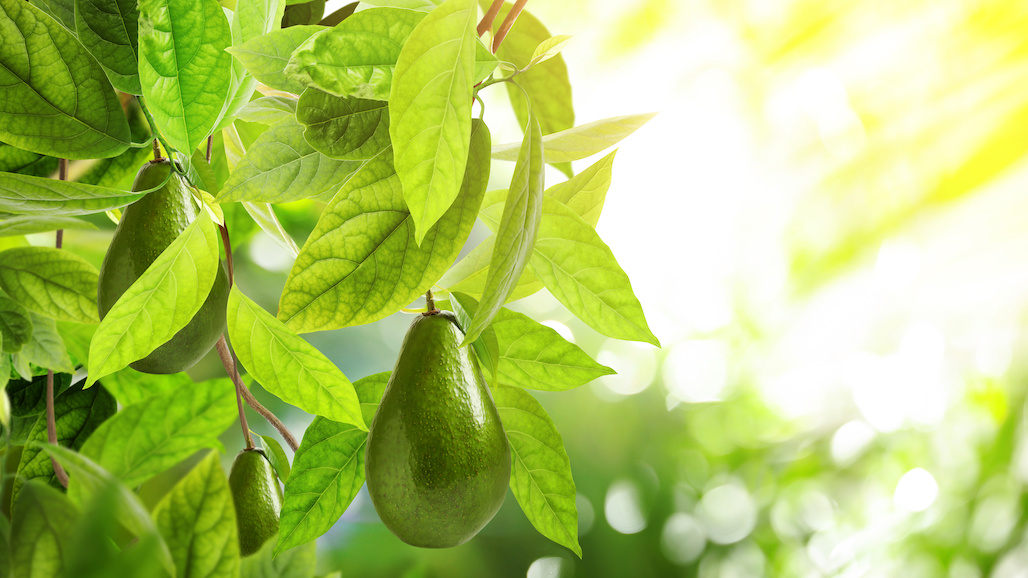
    California Avocado Commission — The National Weather Service has issued warnings concerning an extended period of excessive heat, gusty winds and critical fire weather conditions beginning Monday, June 14 and lasting throughout the entire next week for the Los Angeles/Oxnard region.

    Beginning Monday, the region will experience higher temperatures and gusty winds, peaking Tuesday through Friday, June 18. The combination of extended high temperatures — in the triple digits — warm overnight temperatures, low humidity, abnormally dry fuels and Sundowner winds will create critical fire conditions during this time period. The Sundowner winds in Santa Barbara County and north winds along the I-5 corridor and the canyons and hills of the Santa Ynez Range and Santa Clarita Valley could create gusts in the 30 – 50 mph range. Driving conditions also could become hazardous due to downed branches or power lines.

    The highest temperatures will occur Tuesday through Friday with highs between 98˚F – 108˚F in the valleys and mountains. Overnight lows will be between 65˚F– 75˚F. Humidities will range from 8 – 15%.

    These conditions will post a high risk for heat-related illnesses for those working outdoors.

    For more information on how to avoid these risks, view “Reduce Heat Illness for Employees” on the California avocado growers’ website.

    To ensure California avocados maintain their superior quality it is imperative growers manage their trees and harvest their fruit according to best management practices as outlined below.

    IRRIGATION

    Growers should be irrigating their trees now, in advance of the heat, to ensure their trees are fully hydrated. It is recommended that an additional 50% of the budgeted amount of water be applied the day before a heat wave. For extended heat waves, daily pulses of irrigation are recommended to maintain the trees’ water status. A well-watered tree will tolerate the stress of a heat wave much better than a tree that is suffering from water stress. Signs of heat damage to trees include fruit drop, shoot damage, leaf burn and in severe cases leaf drop.

    HARVESTING

    Every attempt should be made to harvest fruit when temperatures are below 90 °F, and no harvesting should take place when temperatures exceed 95 °F. Temperature in the shade should be monitored during harvesting and, when possible, harvesting crews should be moved to the coolest, least exposed areas of the grove.

    Field bins should be placed under the trees while being filled to protect the harvested fruit from sunburn. Once filled, bins should be moved to a shade structure (open-sided roofed building), or covered with bin covers or light-colored tarps if they cannot be immediately transported to the packinghouse. Never leave filled bins exposed to the direct sun. The surface layer of fruit can easily heat up to more than 15 °F above ambient temperature when exposed to direct sun. Acute sunburn will only show on fruit after it is packed and is a major quality detractor.

    To avoid water loss and decreased fruit quality do not hold fruit too long after harvest. Transport fruit to the packinghouse at least once per day, if not twice daily. Bins should not be left in the grove for more than 8 hours after harvest. Cover bins during transport to avoid sunburn and to reduce water loss.

    For more information about managing heat in avocado groves, growers can view the following articles on the California avocado growers’ website:

    •    Managing Heat in California Avocado Groves
    •    Managing Avocado Heat Damage
    •    Best Practices for California Avocado Groves Impacted by Excessive Heat

  • Blueberries & Walnuts Partner to Give Brain Health Month a Boost at Retail

    Blueberries & Walnuts Partner to Give Brain Health Month a Boost at Retail

    June is Alzheimer’s and Brain Awareness Month, and the California Walnut Board (CWB) and U.S. Highbush Blueberry Council (USHBC) are collaborating with a select group of retailers, including Coborn’s, Rouses Markets and Weis Markets, to encourage consumers to “grab a boost of blue and walnuts, too!” Activations will include unique opportunities such as local TV segments, e-newsletter features, Facebook Lives, and more, led by retail registered dietitians. There’s no better time to consider brain benefits through snack food choices.

    “Power periods like Brain Health Month are timely opportunities to get consumers thinking in new and different ways about the products they love,” said Jennifer Sparks, V.P., Marketing and Communications at USHBC. “This strategic collaboration helps both the walnut and blueberry industries reach new audiences and increase demand. It’s a win-win.”

    “While the health benefits of blueberries and walnuts are compelling, this campaign clearly demonstrates how agricultural groups can come together through combined thought leadership and resources, to bring exceptional value and benefit to retailers, consumers and their growers,” said Jennifer Olmstead, Senior Director of U.S. Marketing & Communications at the California Walnut Board. “By working together, we can educate consumers about the benefits of consuming walnuts and blueberries while providing simple snacking solutions that they can implement in their daily lives.”

    Just about all Americans snack daily (97%), and 22% of snackers (53 million people) are looking for snacks that promote cognitive health, according to a new snacking survey conducted by California Walnuts in partnership with Kelton Global.  Diet may have a role to play in bolstering brain health and mitigating potential risks. A growing field of research is looking at the connection between certain foods like walnuts and blueberries and cognitive function. Snacking on walnuts provides important nutrients, like ALA omega-3 fatty acid (2.5 g/oz), that have been studied in connection with brain health. A growing body of scientific evidence is examining how blueberries can be part of eating patterns to support brain health, especially as part of an overall healthy lifestyle.

    Perfect as on-the-go snacks to enjoy all month long, blueberries and walnuts are easy to add into any routine and are sure to become a family favorite. For recipe inspiration, the CWB and USHBC created a new blueberry & walnut recipe collection.

    “Grab a Boost of Blue and Walnuts Too!” is designed to inspire and motivate consumers to enjoy more of the blueberries and walnuts they love, in more ways and more often – ultimately driving demand and increasing sales. Retailers are encouraged to participate and inspire their audiences to think about brain health using engaging, easy-to-use content developed by USHBC and the CWB, including recipes, social media images, digital ads and other resources.

    California walnuts and blueberries are also teaming up for joint displays at two regional retailers.  In June, Giant Eagle will prominently integrate walnuts into their month-long “blueberry harvest” event and support the effort with a display contest awarding the stores achieving the largest sales increases.  In August, Jewel Osco will feature both California walnuts and blueberries in their circular ad and showcase both items with adjacent displays in-store.

    About the Survey: The study surveyed 1,005 nationally representative Americans age 18+ in the U.S., and was conducted online during the period of May 7-14, 2021 and the study has a margin of error of+/- 3.1%. Methodology: Results of any sample are subject to sampling variation. The magnitude of the variation is measurable and is affected by the number of interviews and the level of the percentages expressing the results. In this particular study, the chances are 95 in 100 that a survey result does not vary, plus or minus, by more than 3.1 percent, from the result that would be obtained if interviews had been conducted with all personas in the universe represented by the sample. The margin of error for any subgroups will be slightly higher. Kelton Global, a Material Company, is a strategic consulting agency specializing in quantitative and qualitative market research and serves as a partner to more than 100 of the Fortune 500 and thousands of smaller companies and organizations. For more information about Kelton Global please call 1.888.8.KELTON or visit www.keltonglobal.com.

    About the California Walnut Board 

    The California Walnut Board (CWB) was established in 1948 to represent the walnut growers and handlers of California. The CWB is funded by mandatory assessments of the handlers. The CWB is governed by a Federal Walnut Marketing Order. The CWB promotes usage of walnuts in the United States through publicity and educational programs. The CWB also provides funding for walnut production, food safety and post-harvest research.

    About the U.S. Highbush Blueberry Council 

    The U.S. Highbush Blueberry Council is an agriculture promotion group, representing blueberry growers and packers in North and South America who market their blueberries in the United States and overseas, and works to promote the growth and well-being of the entire blueberry industry. The blueberry industry is committed to providing blueberries that are grown, harvested, packed and shipped in clean, safe environments. Learn more at blueberrycouncil.org.

  • The Impact of Water Regulation on Ag Lending

    The Impact of Water Regulation on Ag Lending

    It is no secret that the American West is in the midst of an alarming water shortage. Data from April shows that almost 80% of the West is in at least moderate drought, while 61% is in severe drought, 42% is in extreme drought and 21% is in exceptional drought.

    This dry spell has created water stress for farmers across the region, and water stress in most cases translates to financial stress. But analyzing that financial risk is tricky given the amount of data involved and how that data is often difficult to analyze and fragmented.

    AQUAOSO uses a data-driven approach to provide water security analysis to help financial institutions incorporate water risk into their business decisions.

    Using this data, Alex Parillo, head of sales at AQUAOSO, and Cameron Buford, co-founder and product manager at AQUAOSO, recently gave a presentation on water security trends titled, “The Impact of Water Regulation on Ag Lending,” using California as a case study. Data from the Drought Mitigation Center shows that almost the entire state of California is experiencing dry conditions, with 94% of the state under at least moderate drought. In addition, 77% of the state is in severe drought, while 37% of the state is in extreme drought.

    About 2 million acres — roughly a quarter — of California’s irrigated farmland is receiving only 5% of its water supply.

    “Farmers are already bracing for severely limited water again in 2021,” Parillo said.

    In the coming years, 780,000 acres of farmland in the San Joaquin Valley are expected to come out of production, and it is likely that water once used for vegetable production will be reserved for higher-value crops such as wine grapes and nuts. Fortunately, vegetable crops, which are planted and harvested annually, are easier to take out of production than tree crops, and therefore easier to manage water requirements.

    While water stress at its most simple can be interpreted as demand outstripping supply, a number of human factors such as population growth and water management must be taken into account when determining actual water stress in a specific region.

    “It looks at all these factors in a local context to really understand what is happening on the ground,” Parillo said.

    In California for instance, one of the most significant human factors is the Sustainable Groundwater Management Act (SGMA). Because California depends on groundwater for a significant portion of its annual water supply, 41% on average and up to 58% in drought years, SGMA was enacted in order to halt overdraft and bring groundwater basins into balanced levels of pumping and recharge to provide a buffer against drought and climate change.

    SGMA requires local agencies to adopt sustainability plans for high- and medium-priority groundwater basins, and under SGMA basins must reach sustainability within 20 years.

    “Talking about water in California, everything revolves around SGMA,” Buford said.

    Out of the more than 500 basins in California, 94 have been designated medium- or high-priority water basins. But while those basins account for less than 20% of the total basins in the state, they account for 98% of groundwater pumping, 83% of the state’s population and 88% of all irrigated areas.

    “A vast amount of our reliance on groundwater is coming from high groundwater-risk areas,” Buford said.

    AQUAOSO analyzed 53 sustainability plans to do a trend analysis and found about half of the plans proposed supply augmentation, while only a third of the plans proposed any sort of groundwater pumping reductions.

    Supply augmentation entails basins bringing in water from other sources, but with limited surface water, at some point, it becomes unsustainable for every basin to plan on making up their deficit through outside sources without reducing pumping.

    “Where is this water going to come from?” Buford said.

    As a result, lenders cannot simply look at whether or not a property has access to two sources of water anymore to assess water risk. Groundwater limitations and other factors related to policy must now also be accounted for.

    “The risk that we’re seeing on the water side is rapidly changing, more than ever before,” Buford said.

    In addition to assessing water access and its impact on property valuation, the impact of water restrictions could lead to further financial hardships for farms that are forced to fallow lands because of their limited water allotment.

    The Public Policy Institute of California estimated that without flexibility to trade water or adapt crop choices and without new supply, the Central Valley alone would have to fallow 780,000 acres, with an estimated revenue loss of about $3.3 billion per year.

    “If you think about the collateral that you have supporting your loans, if that collateral was once productive farmlands or even permanent plantings, and that gets converted into fallowed lands, the value of that land goes down sharply,” Buford said.

    AQUAOSO found that open land on the east side of California’s Central Valley can sell for twice the amount as land on the west side of the valley, even with similar soils.

    There has been a trend of permanent planting acreage replacing vegetable acreage, and with water regulations in 2021, this year will be no different.

    “Permanent planting prices are more likely to cover rising water costs due to the surface water and groundwater scarcity we are seeing this year. Vegetable acreage is also under threat from farmers choosing to fallow their typical vegetable acreage to use that water on their permanent planting acreage,” Buford said.

    “It’s simply because of water security, and that’s a very clear example that water risk really is financial risk,” Parillo said.

    Although the presentation used California as an example, water security is something agricultural investors throughout the West are prioritizing when assessing a property’s value.

    “While we have thought about this as maybe, ‘This is only a California problem,’ no, this is something we are seeing through the West,” Buford said. – Article by AQUAOSO Technologies

  • Stable Conditions Set Pace for California’s Premium Prunes

    Stable Conditions Set Pace for California’s Premium Prunes

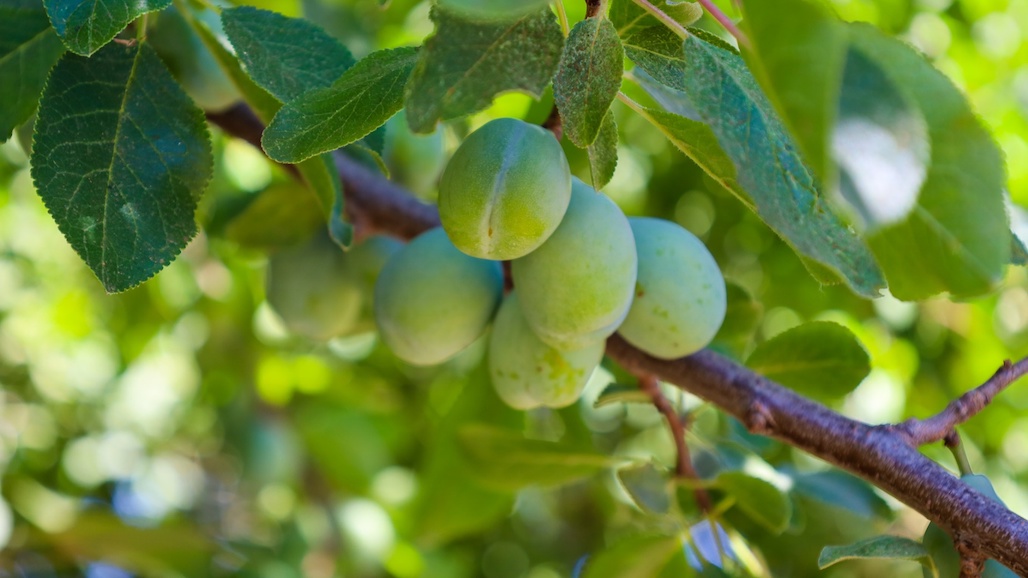
    California Prune orchards put on a beautiful show this spring as the trees bloomed with white blossoms and shifted to a changing color palette as new fruit formed. Growers across the San Joaquin and Sacramento valleys reported a nice extended bloom with excellent quality.

    With an estimated 75,000 tons in volume for the 2021 crop, California Prune growers have been diligent in maintaining the health of the trees, the soil, and preparing crews for harvest this summer to produce the premium quality prunes that California is renowned for. Over the course of the pandemic, demand for California Prunes accelerated and the industry responded with smart inventory management which translates to consistency in supply for customers.

    “Stable weather conditions and a steady supply have put the California Prune industry in a healthy position,” says Donn Zea, Executive Director for the California Prune Board. “We are hitting an equilibrium in acreage and supply due in part to the carryover that California maintains each year to provide customers with a high-quality, healthy product when it matters most.”

    California is the world’s largest supplier of prunes providing a range of premium sizes to meet demand in the U.S. and key export markets. Generations of craftsmanship, intricate climate-controlled drying tunnels, and ongoing investments in research to perfect orchard management practices and deepen the understanding of health benefits, have provided a solid foundation for California’s growers and handlers.

    “Providing a reliable supply each year is a priority across the industry,” added Zea. “With over 100 years of experience growing prunes, we’ve found our way through many challenges, but we’ve never taken our eye off the ball.”

    California has the highest agricultural standards of any other nation. Prune growers and handlers make substantial investments that support the profitability and production of a sustainable food system without compromising efficiencies. Each year, the California Prune industry generates more than $717 million in annual economic impact flowing into the state economy creating and sustaining more than 7,000 full-time equivalent jobs.

    ABOUT THE CALIFORNIA PRUNE BOARD

    Created in 1952, The California Prune Board aims to amplify the premium positioning and top-of-mind awareness of California Prunes through advertising, public relations, promotion, nutrition research, crop management and sustainability research, and issues management. The California Prune Board represents approximately 800 prune growers and 28 prune, juice, and ingredient handlers under the authority of the California Secretary of Food and Agriculture.

  • Modern Table Olive Acreage Well Positioned for Growth in Parched CA

    Modern Table Olive Acreage Well Positioned for Growth in Parched CA

    With emergency drought regulations being prepared and cuts in state and federal water deliveries being announced, farmers and ranchers are being forced to make tough decisions about the future of their operations.  One crop now getting a lot of attention as a possible alternative is table olives, grown in the modern acreage format, which the U.C. Davis Olive Center has called “California’s crop of the future.”

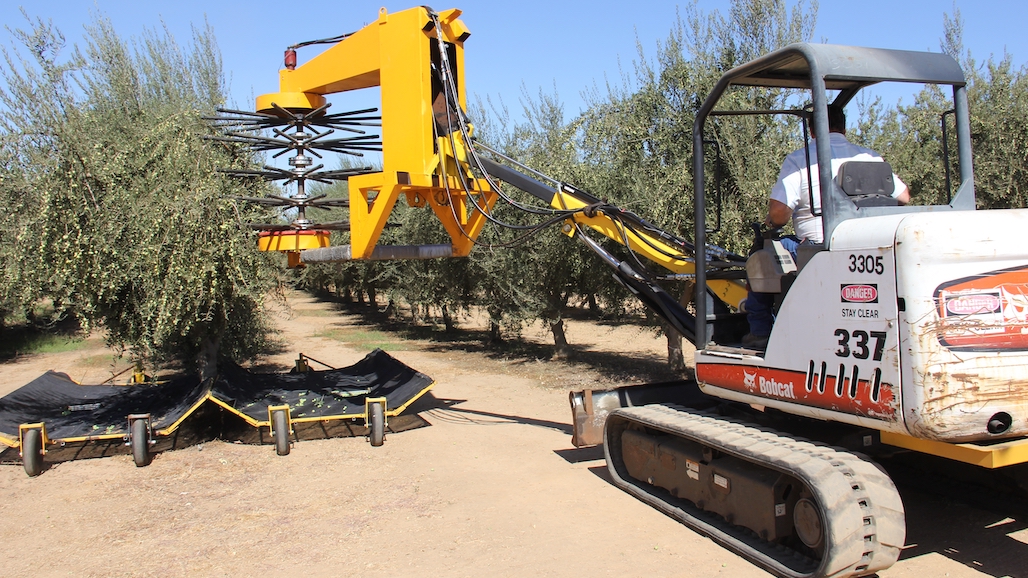
    The main catalyst for that attention is the olive modern acreage initiative, an effort being spearheaded by the Musco Family Olive Co. in partnership with U.S. family olive farmers. The U.S. grower/processor olive initiative is promoting a more competitive, drought-tolerant, environmentally friendly U.S.-based table olive sector by moving the industry towards a modern acreage format adaptable to mechanical harvesting and efficient irrigation methods.

    While traditional olive acreage is typically planted 60 to 80 trees per acre and hand-harvested, the modern acreage system is optimized with 200 to 250 trees per acre and mechanical harvesting using shaker technology. This approach doubles the yield per acre and reduces harvesting costs to roughly one-third of hand harvesting, which drives significantly improved grower economics.  Just as important is the fact that olive trees are also drought-tolerant and annually use less water than almonds or walnuts – a critical attribute given California’s constant drought concerns, rising water costs, and a tightening water supply.  The trees enjoy peak productivity for decades and perform well on marginal soil, which helps minimize capital investment.

    “The looming challenges facing all farmers – limited water supply, rising water costs, increasing labor costs, decreasing labor supply, loss of prime farmland, and reliance on selling products to volatile foreign markets – are all effectively addressed when planting and growing olives in the modern format,” said Dennis Burreson, a grower and vice president of field operations and industry affairs for Musco Family Olive Co. He added, “When you learn of the significant environmental benefits of the trees being drought tolerant and the recent successful trade actions, family farmers become very interested. As a result, we have already committed one million nursery stock trees free to select grower partners who stand ready to plant their own state-of-the-art orchards.”

    The U.S. government’s effective enforcement of U.S. trade remedy laws has provided a major boost to the hundreds of family farmers and processors comprising the U.S.-based olive industry. Since 2018, the United States has imposed antidumping and countervailing duties to redress heavily subsidized and dumped ripe olives from Spain, which for years have unfairly seized U.S. market share and pushed U.S. farmers and processors to the brink. By restoring fairness to the U.S. marketplace, those duties are giving the U.S.-based industry the time it needs to invest in its future competitiveness and protect thousands of American jobs. Today, the California ripe olive industry has regained nearly all the grocery business it had previously lost due to unfairly priced Spanish product.

    Because the modern acreage plantings will take time to reach maturity, the U.S.-based olive industry is taking every step necessary to ensure that effective antidumping and countervailing duties remain in place at the border. This includes actively monitoring imports and taking further actions as appropriate to stop evasion and other unfair imports that undermine a fair U.S. marketplace.

    “California’s olive growers have been taking every step possible to ensure a prosperous and growing table olive industry that will continue to provide the American consumer with premium California-grown ripe olives. We are grateful for the Biden Administration’s commitment to continued strong trade enforcement and ‘Build Back Better’ policies, which align with our industry’s aims and should help safeguard the future for table olives that are grown and processed in America,” said Andy Weinrich, a table olive grower from Glenn County who planted 80 acres in the modern acreage format about eight years ago.

    To provide growers with a better understanding of the benefits of modern acreage, the University of California, Davis Olive Center will host a free webinar on modernizing table olive groves on Wednesday, June 23, from 9 a.m. – 10:30 a.m.  To register for the webinar, visit: https://www.olives.com/milliontrees/

  • Farming Tips for Enduring Historic Drought in Northern CA

    It has been heart breaking to seeing wheat and alfalfa fields dry up the last few weeks.  The recent hot temperatures caused many fields to wither, while placing greater irrigation needs on the few crops being irrigated with well water.   It’s the driest year I have experienced in my 10 years in the Klamath Basin!

    Several people asked me about strategies moving forward this summer and what yields they can expect from crops with limited irrigation.  I do not know all the answers, but I tried to highlight some of my past experiences from research and farming below.  Please keep in mind every field situation is unique and one strategy rarely works in all situations.  I want to commend the farming community for being resilient in a terrible situation.  I also want to thank all those that have spent countless hours trying to improve the water situation today and in the future.

    Irrigation tips

    Almost all fields started this year with very little residual soil moisture.  At IREC, not a drop of water flowed through our tile drains this winter and spring.  Darrin and I noticed the first irrigation on many fields did not even refill the soil profile especially when irrigating during strong winds.  This made 2021 even more difficult as winter precipitation did not refill the soil profile naturally.  As a result, many alfalfa and grain fields are starting to show unusual patterns from drought such as wind strips and tall growth under sprinkler drains.  If you can water fields with well water, it is very important to check the sprinkler heads to make sure they are the proper size, check water pressure on the ends of irrigation lines, and make sure your irrigation is providing good coverage.  Offset your wheel-lines one roll the next irrigation in fields with wind strips.    As many of us are irrigating out of drains, it is important to make sure you have adequate sprinkler pressure.  If you do not have adequate pressure, you need to reduce the size of your sprinkler heads and extend the duration of the irrigation set (16 hrs vs 12 hrs) or run less lines.

    Many alfalfa producers are in the position to harvest 1st cutting and cannot water for the next couple weeks until the hay is picked up.  In this situation, producers should consolidate limited water on their most productive fields.  Once an alfalfa field wilts from drought it will typically go dormant.  This is good as the alfalfa will likely survive until next year, but it also means the alfalfa is resistant to green-up and grow again in mid-summer.  As such, I’d recommend using limited water to irrigate healthy fields instead of trying to stretch it across all fields especially those fields that are already wilted with poor growth going into first cutting.

    Potato producers will need to apply long sets to refill the soil profile when the potatoes emerge.  Most field have very little residual soil moisture, and it is important to avoid drought stress during vegetation growth and tuber initiation to maximize tuber set and tuber quality.  I advise potato growers to check soil moisture frequently throughout the potato rooting zone to make sure water reached the bottom of the hill and is uniform throughout the field.

    Most farmers should be done irrigating winter grain, and I see a few producers irrigating spring grain.   If you decide to irrigate spring grain, I recommend irrigating the crop fully until you run out of your water allocation instead of trying to space irrigation throughout the summer.  Irrigating spring grain fully to meet the crop water demand during tillering and elongation will maximize forage yields, and once wheat and barley fields show signs of drought stress, they will start to head producing low forage and grain yields.

    Fertilization tips

    Producers that decide to irrigate grain and grass fields should make sure to apply adequate nitrogen.  The cost of the fertilizer will easily pay for itself with high forage prices and nitrogen can double grass forage yields compared to leaving fields unfertilized.  Granular nitrogen fertilizer applied as a topdress (over the top of the crop) should be watered into the soil with at least an inch of water within a few days of application to prevent volatility losses.  Don’t fertilize fields if you do not have adequate water to irrigate crop!

    Pest Management tips

    2021 is shaping up to be a very bad pest year.  We have already witnessed problems with blue aphid and weevils in alfalfa, and I am starting to see armyworms in grain and alfalfa.  We had a very high population of seedcorn maggot in onions as all the maggot flies seemed to congregate in the few irrigated fields throughout the basin.  Thrip populations are also very high.  Onion producers should start scouting for thrips earlier than normal and be ready to start insecticide applications if thrip numbers build on young plants.  Potato producers should expect higher than normal pest populations.  Aphid populations are high, and many insects will be moving into potato fields after alfalfa and grain harvest.  Mites may be more problematic than normal as fields are receiving less overhead irrigation and we have a lot of dust in the air.  I hope the dry weather will help reduce foliar crop diseases, but the hot temperatures and stagnant water sources may make my prediction incorrect.   Potato and onion farmers need to apply frequent irrigation to keep up with crop water use, so make sure to scout for foliar diseases and try to avoid keeping leaf surfaces wet for extended periods. — By Rob Wilson, UCCE Farm Advisor, ANR Intermountain Research & Extension Center

  • NASA Funds Tiny Tomatoes for Vertical Farming on Earth and Space

    Urban agriculture offers many benefits for food production but often has higher costs relative to traditional farming and is limited to only a few crops. By 2050, there will be nine billion people on the planet, but arable land is decreasing. Global food production will need to double to meet food needs, though climate change complicates the problem more.

    Robert Jinkerson, an assistant professor of chemical and environmental engineering at UC Riverside, is working to change this by engineering the size and nutritional value of tomato plants to increase both the diversity and value of crops that can be grown in urban controlled environment agriculture, or CEA.

    Jinkerson has received a $450,000 New Innovator grant from the Foundation for Food & Agriculture Research, or FFAR, to advance this research. FFAR’s New Innovator in Food & Agriculture Research Award provides early career scientists with funding to conduct audacious food and agriculture research.

    “Urban controlled environment agriculture can offer many benefits for the production of crops and is likely to supply more food in the future as worldwide food demand increases,” Jinkerson said.

    Often these urban CEA systems are designed to have plant growth areas stacked vertically to save space. However, this also decreases the height available for plant growth, limiting the size of crops that can be cultivated in vertical farms to small leafy greens.

    “In order to overcome these size limitations and to increase the variety of crops that can be grown in vertical farms, we are engineering tomato plants to have a small stature and are optimized for this unique growing environment,” said Jinkerson, who uses CRISPR/Cas9 gene editing to modulate key genes involved in plant development and architecture.

    In addition to reducing the size of plants, this project will also increase the nutritional value of these crops by increasing their vitamin content, making urban agriculture more profitable.

    The potential applications for these tiny tomatoes don’t end on Earth.

    Jinkerson, along with Martha Orozco-Cárdenas, director of the UCR Plant Transformation Research Center, have been awarded a NASA Space Biology grant to evaluate tomatoes from their prior work on the International Space Station. These plants, also engineered with gene editing technology and dubbed Small Plants for Agriculture in Controlled Environments, or SPACE tomatoes, will be grown in the Advanced Plant Habitat onboard the ISS to determine how these plants grow in microgravity. The SPACE tomatoes will be grown ‘seed-to-seed,’ meaning seeds will be harvested and the next generation grown in space, completing an entire lifecycle. These experiments, which will happen after several years of trials on Earth, will help establish methodologies to grow food on long duration space missions.

    “We are extremely excited to receive support for these projects and hope that the results will help transform the way we produce food here on Earth and beyond,” said Jinkerson.

    About UC Riverside

    The University of California, Riverside (www.ucr.edu) is a doctoral research university, a living laboratory for groundbreaking exploration of issues critical to Inland Southern California, the state and communities around the world. Reflecting California’s diverse culture, UCR’s enrollment is more than 24,000 students. The campus opened a medical school in 2013 and has reached the heart of the Coachella Valley by way of the UCR Palm Desert Center. The campus has an annual statewide economic impact of almost $2 billion. To learn more, email news@ucr.edu.