Category: Economics

  • India Confirms Prunes not Subject to the non-Genetically Modified cum Genetically-Modified-Free Status Certificate Requirement

    India Confirms Prunes not Subject to the non-Genetically Modified cum Genetically-Modified-Free Status Certificate Requirement

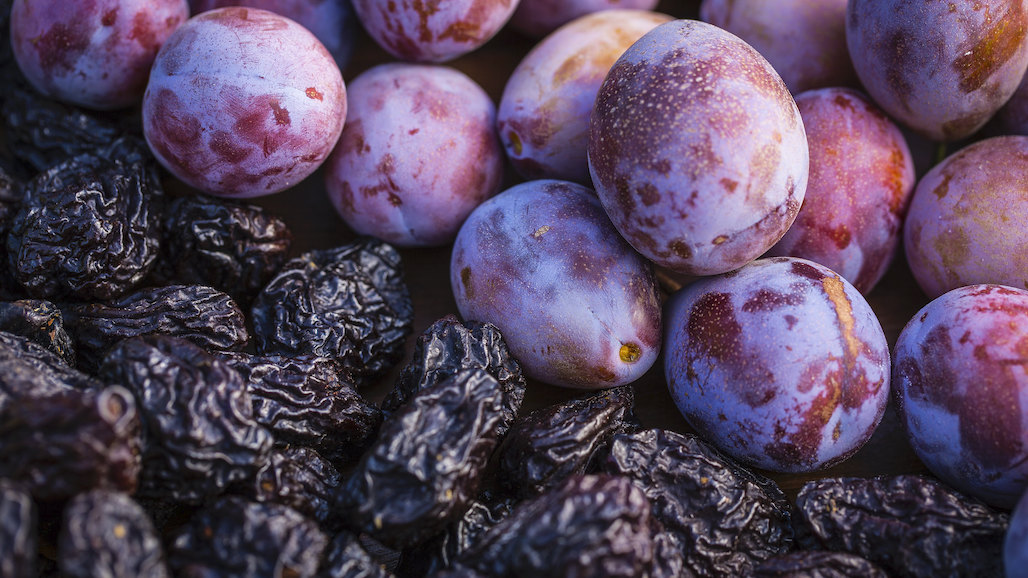
    FAS New Delhi (Post) secured confirmation from the Food Safety and Standards Authority of India that prunes from plums (Prunus domestica) are a processed food product (dried fruit), and as such are not subject to the non-Genetically Modified (GM) cum GM-Free status certificate requirement. Industry’s concerns for clarification necessitated post’s outreach. U.S.-origin prune exports to India reached nearly $1 million in 2020.

    DISCLAIMER: The information contained in this report was retrieved from the Food Safety and Standards Authority of India’s (FSSAI) website http://www.fssai.gov.in. The U.S. Embassy in New Delhi Foreign Agricultural Service (FAS) Office of Agricultural Affairs (OAA), USDA and/or the U.S. Government make no claim of accuracy or authenticity. The Government of India has not officially endorsed this report. Import approval for any product is subject to local rules and regulations as interpreted by Indian officials at the time of product entry.

    GENERAL INFORMATION:

    On April 13, 2021, FAS New Delhi\Office of Agricultural Affairs secured confirmation from the Food Safety and Standards Authority of India’s (FSSAI) Director of Imports, Dr. Amit Sharma, that prunes from plums (Prunus domestica) are a processed food product (dried fruit). As such, prunes are not subject to the non- Genetically Modified (GM) cum GM-Free status certificate requirement. Industry’s concerns for clarification prompted post’s outreach.

    FSSAI, in its Clarification dated October 12, 2020 (Appendix I), referencing the Order of August 21, 2020 (Appendix II), mentions that the requirement to obtain a non-GM cum GM-Free status certificate for all food import consignments containing any of 24 specific foods (including fruits, vegetables, and grains) does not apply to processed food products in general.

    In calendar year 2020 (January-December), U.S. prune exports to India reached nearly $1 million. — By Radha Mani, Agriculture Assistant and Mariano Beillard, Senior Regional Agricultural Attache, USDA Agricultural Research Service

  • Peaches & Apricots Included in New $159.4 Million USDA Food Assistance Purchases

    Peaches & Apricots Included in New $159.4 Million USDA Food Assistance Purchases

    The U.S. Department of Agriculture (USDA) today announced it will purchase up to $159.4 million in domestically produced seafood, fruits, legumes, and nuts for distribution to a variety of domestic food assistance programs, including charitable institutions. These purchases are being made utilizing funds under the authority of Section 32 of the Agricultural Adjustment Act (Pub. L. 74-320), as amended (Section 32). This is one of many actions USDA is taking to address the disruptions in the food system supply chain and worsened food insecurity resulting from the COVID-19 pandemic.

    “The impacts of COVID-19 reverberated from our farms to our oceans,” said Agriculture Secretary Tom Vilsack. “U.S. fisheries and the American seafood industry were dealt a heavy blow. Today, USDA is pleased to make the largest single seafood purchase in the Department’s history. These healthy, nutritious food purchases will benefit food banks and non-profits helping those struggling with food hardship as the Biden Administration works to get the economy back on track for American families.”

    Selected commodities include: Alaska pollock, apricots (canned, dried, and frozen), chickpeas, dry peas, Gulf of Mexico and South Atlantic wild-caught shrimp, lentils, navy beans, Pacific pink shrimp, Pacific rockfish fillets, Pacific whiting fillets, pistachios, prepared peaches, and sockeye (red) salmon. The inventories of these commodities are in high oversupply due to a decrease in demand because of the COVID-19 pandemic and disruption in the supply chain, as restaurants and other outlets closed during the pandemic. This is the largest purchase of U.S. raised seafood by the USDA to date.

    Within a few days of approval, USDA’s Food and Nutrition Service will offer these commodities to their networks. Orders should be received during the first week of June with solicitations being issued mid-June and awards occurring near the end of the month. Deliveries should start to occur by mid-August.

    Solicitations will be available electronically through the Web-Based Supply Chain Management (WBSCM) system and on the Agricultural Marketing Service’s website at www.ams.usda.gov/selling-food. To be eligible to submit offers, potential contractors must meet the AMS vendor qualification requirements and be domestic operations.

    The purchase amounts are as follows:

    USDA also announced today a policy change that makes food fish and other aquatic species eligible for the Emergency Assistance for Livestock, Honey Bees and Farm-raised Fish Program (ELAP) under the USDA Farm Service Agency (FSA). Previously, only farm-raised game and bait fish were eligible for death loss ELAP benefits. Beginning June 1, eligible aquaculture producers can request ELAP assistance for 2021 losses. This policy change is for the 2021 and subsequent program years. You can learn more here.

  • Ag Order 4.0 Finalized: Implications for Nitrogen Management of Central Coast Vegetables

    On April 15th, the Central Coast Regional Water Quality Control Board (CCRWQCB) finalized and approved Ag Order 4.0. The new rulings affect several aspects of agricultural production such as buffer areas and discharge of pesticides to water ways. In this article we will focus on the impacts of Ag Order 4.0 on the use of nitrogen (N) fertilizers.

    New targets and limits on the use of N fertilizer are calculated using the A minus R metric. In this scenario, “A” is N applied to the crop in the form of fertilizer (Afertilizer), N in irrigation water (Airrigation), N supplied by compost (Acompost) and N mineralized from organic fertilizer (Aorganic fertilizer). “R” is N removed from the field by the crop (Rharvest), scavenged during the winter fallow by cover crops or immobilized by high-carbon compost (Rscavenge), N removed by denitrification bioreactors (Rtreated), N sequestered in woody plant biomass (Rsequestered), or other unspecified forms of N removal from fields (Rother). Although AgOrder 4.0 outlines 3 pathways to compliance, pathway 1 is most likely the one that most ranches would use unless the wells have very high nitrate-N concentrations (> 40 ppm N).  A – R is not to exceed the targets or limits shown in Table 1 for pathway 1 compliance. The A-R is calculated over the growing season on a land acre basis. If two or more crops are grown on the same physical acre, each crop contributes to the value for the year. Below is a discussion of each component of the A-R metric.

    The “A” side of the equation:

    Afertilizer is the amount of N fertilizer added to grow the crop. The actual units of N in lbs/A are used in this calculation.

    Airrigation is the amount of N contained in the irrigation water that is taken up by the crop. For most vegetable and berry crops grown on the central coast the volume of water that must be accounted for in this calculation is equivalent to the volume used by the crop for evapotranspiration (ET).  For crops where less water is applied than ET, the volume of applied water can be used in the calculation.  To calculate Airrigation use the equation:

    Airrigation = water volume (inches) x nitrate-N concentration of water (ppm N) x 0.227

    The factor 0.227 converts the units inches x ppm N to lbs of N/acre.

    For example, if a lettuce crop uses 7.3 inches for ET, and is irrigated with water that has a 37 ppm N concentration, the Airrigation would be:

     7.3 inches x 37 ppm N x 0.227 = 61 lbs N/acre

    Acompost is the amount of N provided by compost. Given that the amount of N that is mineralized by the compost depends on the carbon to nitrogen (C:N) ratio not all the N in the compost becomes available. This fact is recognized in the Ag Order as follows:

    For compost with a C:N ratio of <11, the amount of N in the compost is multiplied by 0.10, and for composts with a C:N ratio of >11 the amount of N in the compost is multiplied by 0.05. Only this amount of N is added to the A side of the equation. These discount factors were an important change made by the Regional Board staff to reflect the actual quantity of N provided by compost and to avoid a disincentive to the use of composts, a key soil health practice.

    Aorganic fertilizer is the amount of N that is mineralized during the cropping system. The amount of N mineralized depends upon the C:N ratio of the material and the CCRWQCB is using the regression curve in a recent paper published by Lazicki et al (2020) to determine the amount of N mineralized. For instance, a material like 4-4-2 has a C:N ratio of 7.3 (29% C/4% N) and has a discount factor of 0.39 (Table MRP-3 in Attachment B). This means that if 100 units of N are applied as 4-4-2, the amount mineralized from this material and that is attributed to the A side of the equation is 39 lbs/A (100 lbs x 0.39). This discount factor acknowledges the fact that not all N in organic fertilizer mineralizes during the cropping season and was an important correction made to Ag Order 4.0.

     The “R” side of the equation:

    Rharvest is the amount of N that is removed from the field in the harvested product. The amount of N removed in the harvested product is calculated by a removal coefficient composed of the percent moisture multiplied by the percent N of the crop. This coefficient is then multiplied by the net pounds of product harvested from a field to determine lbs N/A removed. We have been working on a project developing N removal coefficients for a number of vegetable commodities. Table 2 shows data for full term romaine lettuce. Note that percent solids and nitrogen values observed in our evaluations vary significantly and that the mean value has a notable degree of variability which affects the estimate of N removed by the crop. Regardless of the variability, the important point to recognize is that the removed N is modest in relation to the amount of N applied. Figure 1 shows total fertilizer N to lettuce for a large number of vegetable operations in our area. It becomes evident that growers face some major challenges in complying with the application limits as the limits ratchet down over the next several years.

    Rscavenge is the amount of N that is captured by by cover crops or immobilized by high-carbon compost during the winter fallow period. The CCRWQCB agreed to credit non-legume winter cover crops with 97% of their N content that meet the following criteria: 1) are grown for ≥ 90 days during the winter fallow period, 2) accumulate more than 4,500 lbs/acre of dry biomass and 3) have a C:N ratio of ≥ 20 when incorporated into the ground. N scavenging credits granted for cover crops are helpful, but do not remove any of the current logistical barriers to using of cover crops in intensive vegetable systems. However, given that non-legume cover crops routinely contain 100 to 150+ lbs N/acre, as N application limits ratchet down, cover crop use may be incentivized to some degree.

    High-carbon composts were also included in the Rscavenge category. This practice is still being researched to fully understand how  much N can be immobilized.  Growers already use compost (typical C:N ratio of 10-12) but could substitute high-carbon compost (C:N ratio of >30) which can quickly facilitate its use. Currently, high-carbon compost has been granted a credit of 30 lbs N/acre in Ag Order 4.0. However, once the research on this practice is completed, this practice may be granted greater credits as warranted on the R side of the equation.

    Rtreat is the quantity of N removed from tile drainage  and irrigation runoff by denitrification bioreactors or constructed wetlands. This practice can be implemented in the northern part of Monterey County where high nitrate tile drain water impacts the surrounding sloughs and creeks.  The bioreactors vary in size and sophistication, from sunken beds filled with wood chips to highly engineered portable treatment systems.

    Rsequestered is the quantity of N that is captured in the woody plant tissue of perennial crops. This form of N removal is relevant to vineyards and orchards in our area and does not impact the vegetable industry.

    Rother is the quantity of N removed from the field in other, unspecified ways. One form of N removal not addressed in Ag Order 4.0 is the gaseous loss of N by denitrification from soil. This is a topic that needs further research. Two studies done on the Central Coast showed that in sandy soils with drip irrigation, there is little nitrous oxide or dinitrogen loss (2-4 lbs N/acre/crop). However, an earlier study of celery and lettuce production fields in the 1980s showed that on heavier soil with furrow irrigation gaseous N losses ranged from 18 to 37 lbs N/acre. Further research is needed to understand denitrification rates more fully in coastal vegetable production.

    What options does the industry have moving forward?

    Basically, a timer has been started by Ag Order 4.0. The first dates are targets of 500 lbs N/acre/year 2 years from now and 400 lbs N/acre/year in 2025 (four years). Starting in 2027 the targets become limits ratcheting down to 300 lbs N/acre/year. In scenarios that we and others have run, the 300 lbs N/acre/year limit will become very challenging for growers to comply with in typical double cropped production. There are basically three key practices that will provide the most improvements in N use efficiency: 1) measuring residual soil nitrate and adjusting fertilizer applications accordingly, 2) accounting for the nitrate in irrigation water as part of the N budget, and 3) improving irrigation efficiency to help maintain residual soil nitrate in the active rootzone of crops. A concerted focus on these three practices will require a commitment from the decision makers at each farming operation. Farming operations have differed in their approach to the pending water quality regulations. Some have taken a proactive approach and are farther along on the learning curve. It is important to make attempts to begin implementing these practices and see what is possible for your operation given the crop mix, soil types, and nitrate levels in the irrigation water. The good news is that there is still time. To begin implementing these practices, it is important to start small to gain the needed knowledge base in efficient N and water management practices. Working with knowledgeable people will be essential.

     Other options that can help fine tune fertilizer applications and reduce the risk of cutting fertilizer rates are various nitrogen technologies such as nitrification inhibitors and controlled release fertilizers. In studies that we have done, there is clearly a benefit to the use of some of these materials, but again, there is a learning curve to obtaining the benefits that they can provide. Nitrapyrin (a nitrification inhibitor commonly used in the corn belt) was registered on lettuce and brassicas in 2019 and has not been widely used yet by the industry, but it along with other materials, deserves greater evaluation.

    In summary, the finalization of Ag Order 4.0 will have a significant impact on how vegetables are grown on the Central Coast in the coming years. There is a window of opportunity to begin to experiment on how to address limits that will be applied to the use of N fertilizers. Now is the time to make the decisions needed to address this new reality.  Please do not hesitate to reach out to us for help or advice. — By Richard Smith & Michael Cahn, UC Cooperative Extension
  • ARS Citrus Rootstocks: A Success Story

    ARS Citrus Rootstocks: A Success Story

    Remember that old commercial that declared, “A day without orange juice is like a day without sunshine”? Thanks to the Agricultural Research Service (ARS), consumers can enjoy “citrus sunshine” whenever they like. Begun by USDA more than a century ago, the citrus research program has helped to ensure a bounty of not only oranges, but also grapefruits, mandarins, lemons, and more.

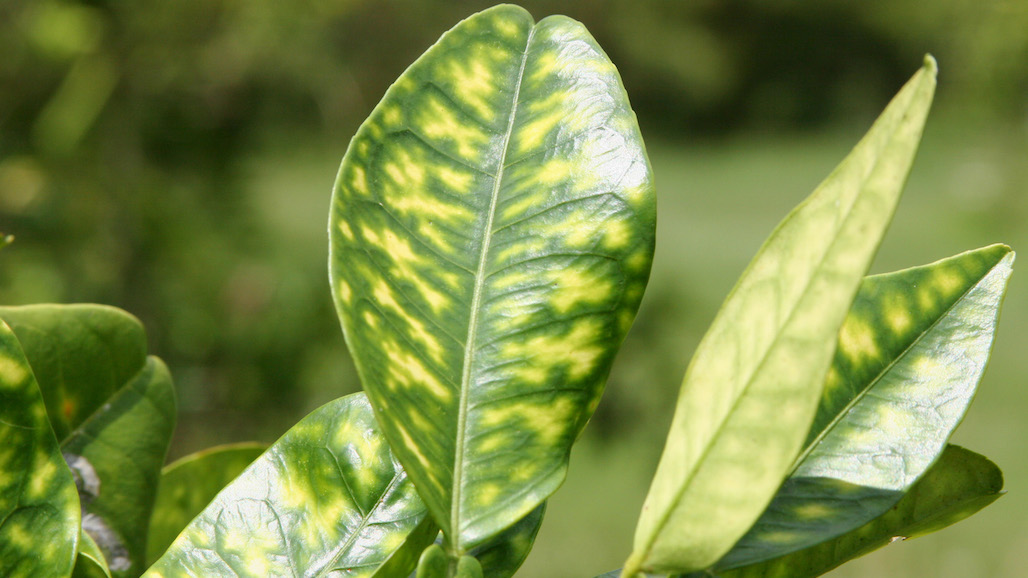
    But that bounty was severely threatened in 2005 with the appearance of a new and destructive disease. Citrus greening, or huanglongbing (HLB), has caused Florida citrus production to plummet around 70 percent in the 15 years since the disease hit U.S. citrus groves. HLB, which causes low yields, yellowed leaves, and bitter-tasting fruit, is caused by a bacterium, Candidatus Liberibacter asiaticus. So far, there is no cure.

    Like other crops, citrus crops are susceptible to a variety of diseases and pests. One reliable way to fend off those threats is to graft the fruit-producing part of a tree (the scion) to the lower trunk and root system (the rootstock) of a different tree that has been bred to resist the disease or pest. Rootstocks are also used to obtain specific tree sizes, yields, and fruit quality, among other goals.

    A 6-year-old Owari Satsuma Mandarin tree on US-942 rootstock developed by ARS. In this trial, US-942 was the highest yielding rootstock, averaging more than 300 pounds of fruit per tree (Photo by Jake Price, University of Georgia).

    With ARS’s long history of helping growers keep their groves healthy and productive, the agency had the expertise required when HLB appeared. To quickly address the problem, the ARS citrus breeding project was refocused in 2005 partly to develop new, HLB-tolerant, highly productive citrus rootstocks.

    Led by Kim Bowman, a plant geneticist in the ARS Subtropical Insects and Horticulture Research Unit in Fort Pierce, FL, the team released 12 new HLB-tolerant citrus rootstocks between 2007 and 2018. Before and after the releases, Bowman conducted dozens of field trials to evaluate and validate the rootstocks’ performance, providing the scientific data needed to demonstrate their potential and gain industry acceptance. These rootstocks, all with the prefix “US,” have since become a key component in the survival of the Florida citrus industry.

    ARS plant geneticist Kim Bowman in front of 5-year-old Valencia orange trees on HLB-tolerant rootstocks he and his colleagues developed (Photo by Diane Helseth).

    Not surprisingly, demand for the rootstocks was extremely high, and growers also needed assurances that they’d be getting the real deal. Bowman arranged for the plant material to be certified disease-free by the Florida Department of Agriculture, paving the way for the rootstocks to be commercially propagated on a large scale.

    Bowman and his colleagues have also done a great deal of research on rootstock propagation. Even though most common citrus rootstocks can be grown uniformly from seeds, it takes several years for a young tree to produce a lot of seeds, and the seeds of many new rootstocks don’t grow into true-to-type plants. The scientists have shown that using plant cuttings or tissue culture is an acceptable alternative to starting new rootstock trees from seed, and it’s a much faster way to create hundreds of thousands of plants.

    The use of these alternative methods has dramatically increased propagation for some of the new rootstocks, so that nurseries are not limited by seed supply.

    From 2018 to 2020, the HLB-tolerant “US” rootstocks were used to produce nearly 3 million new citrus trees, or about 37 percent of all trees propagated in Florida. These rootstocks have also proven effective in areas affected by other diseases besides HLB. The rootstock “US-942” demonstrated the most consistent outstanding performance in field plantings and was the most popular rootstock in Florida from 2018 to 2020, with about 1.8 million trees propagated during that 2-year period, or about 22 percent of all propagations.

    For more information, visit Citrus Rootstocks.—By Sue Kendall, USDA-ARS Office of Communications.

  • Breeding Better Blueberries with USDA

    Breeding Better Blueberries with USDA

    Drs. Jim Polashock (JP) and Jeannie Rowland (JR) are researchers with the Genetic Improvement for Fruits & Vegetables Laboratory located in Beltsville, MD. Their work involves the improvement of blueberries through the identification and evaluation of genetic markers linked to traits like fruit color, cold hardiness, and disease resistance. In an “Under the Microscope” (UM) interview with the USDA-ARS, the following was shared:
    UM – Blueberries are often hailed as ‘superfruits.’ What makes these berries so healthy?

    JR – The same compounds that give blueberries their hue are also potent antioxidants. Anthocyanins have been linked to many health benefits, from improving night vision and preventing macular degeneration to ameliorating inflammation associated with chronic diseases like cancer and heart disease.

    JP – In addition to the anthocyanins, blueberries are relatively low in calories and packed with other nutrients including vitamin C, potassium, and compounds called flavonoids. The flavonoids also have been linked to anti-inflammatory activity.

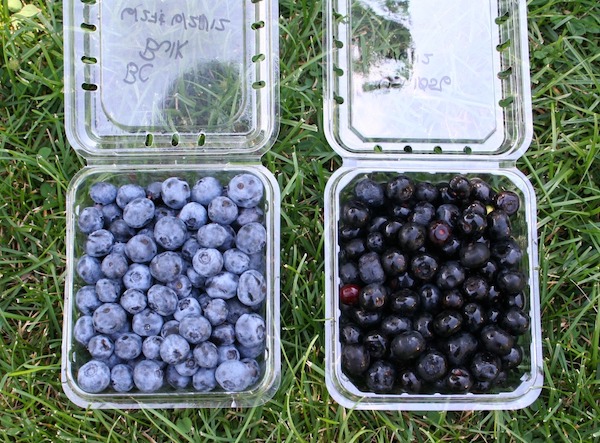
    Side by side comparison of two blueberry lines; ‘Bluecrop’ (left) has light blue-colored fruit with a waxy coating, while ‘Nocturne’ has black-colored fruit without a waxy coating.

    UM – Which blueberry traits are you and your team looking to improve?

    JR – We focus on improving traits that are important to the blueberry industry. For example, we hope to discover the genes that are responsible for climatic adaptation (like cold hardiness and chilling requirement), which help determine the geographical range where plants can be grown. We’re also studying several fruit quality traits, such as firmness and scar size. The scar is the opening on the back of the berry that is left when the stem detaches. This can be an entry point for diseases, so it is important that the opening is small.

    Fruit color is also an important trait that we are researching.  Berries can range from black to the more desirable light blue color. The light blue color is the result of a waxy coating on the fruit that can help prevent disease and desiccation (the drying out of the fruit).

    Blueberry plants of a new ARS-developed cultivar ‘Talisman.’

    JP – Another one of our goals is to improve natural disease resistance in blueberries. We are working on uncovering the genes associated with disease resistance. Once discovered, we can bring resistance genes from various blueberry plants into superior plants through traditional breeding. Blueberries with improved resistance reduce production costs and help protect the environment and consumers. We are also working on varieties suitable for machine harvesting, which requires the fruit to be firm and ripen around the same time. Machine harvesting increases sustainability by reducing costs.

    UM – The U.S. blueberry crop alone is estimated to be worth more than $900 million and the global blueberry market is swiftly expanding.  What kinds of threats do blueberry growers and producers currently face?

    JP – To be competitive, growers must produce a quality product while keeping costs down. This involves research across several different disciplines including breeders, horticulturalists, pathologists, and others that all contribute to various aspects of developing improved varieties, disease control and production practices.

    JR: In some years, severe low temperatures in winter can cause damage to flower buds. Also, frosts in late winter and early spring can cause major damage to opening flowers in some years. This kind of damage to flower buds and opening flowers decreases fruit yield.

    UM – What common pathogens or fungi should home gardeners be aware of? 

    JP – Since blueberries are native to North America, they are well-adapted to grow here and have few important disease problems. However, the most common disease home gardeners are likely to see is fruit rot — called anthracnose — that is caused by a fungus. While not harmful to consume, it can make the berries soft and unappealing.  Another common fungus-caused threat to blueberries is a disease called mummy berry, which results in leaf infections and small dried fruit called ‘mummies.’

    Blueberries can also acquire viral infections that reduce plant vigor and yield.  Unfortunately, virus-infected blueberries cannot be cured and affected bushes must be removed to contain the virus. In addition, most of these viruses are transmitted by sucking insects, so the best way to prevent blueberry viruses from spreading is through insect control.

    UM – How can growers protect their blueberries?

    JP – Home gardeners should check with their local gardening supply store for recommendations on how to control the diseases and insects. Birds eating the berries as they ripen is probably more of issue for home gardeners. Bird netting can be purchased at gardening supply stores to help protect the crop.

    UM – How can consumers extend the shelf life of blueberries?

    JP – Fresh blueberries generally disappear pretty quickly but keeping them in the refrigerator will help extend shelf life. They can also be frozen for longer term storage.

    UM – Do blueberries lose some of their nutritional value if frozen or mixed with other fruits?

    JP – Blueberries maintain all of their nutritional quality after being frozen. In fact, freezing can help preserve some nutrients. The berries will be soft when they defrost but will still taste great.

    UM – Can your research in blueberry improvement be applied to other fruits, such as other members of the genus Vaccinium like cranberries? 

    JP – Blueberries and cranberries are actually closely related North American fruit crops.  Although they appear to be quite different, as blueberries grow on bushes with soft sweet fruit while cranberries grow on low-growing vines and bear firm tart fruit, they are actually genetically quite similar.

    JR – We have been working on team projects to sequence the blueberry and cranberry genomes.  Due to their similarities, we can compare traits and markers of one species to those in other related species and transfer information between the two.

  • Research Helps Develop High-Yielding, Drought Tolerant Lines of Chickpea

    Chickpeas are a very important crop and food in India. They are used almost every day in meals and snacks. India is the largest producer, consumer, and importer of chickpeas. And with good reason — they are high in protein, fiber, and vitamins and minerals.

    While India grows about 12 million tons of chickpeas each year, the national yield of the crop has not increased much over time. However, the need for more chickpeas to feed the increasing population continues to grow.

    This is why a group of researchers across several research institutions in India are working to develop high yielding chickpea varieties. The team recently reported their results in The Plant Genome.

    “High yielding varieties will help small-holder farmers by delivering more produce with an option to increase income,” says Rajeev Varshney, member of the Crop Science Society of America. “It is important to develop better varieties that are tolerant to drought and are able to meet the demand.”

    Rajeev Varshney, a research program director at the International Crops Research Institute for the Semi-Arid Tropics, examines a chickpea crop (Credit: ICRISAT)

    Over time, chickpea production has moved from northern India to the central and southern parts of the country, where there is less water. This is in addition to climate change impacting global agriculture.

    Varshney and his collaborators set out to breed new varieties of chickpeas with drought tolerance and higher yields. They used genetic techniques to breed several traits for drought tolerance. They focused on popular chickpea varieties already grown by farmers.

    The team used a common method called introgression, where a popular variety is crossed with a variety with the desired traits. Following a series of evaluations and repeated crossings, the breeders arrived at an improved chickpea variety with the desired traits.

    “However, this conventional process is not very precise, and in this procedure, breeders need to screen a large number of plants in field conditions,” Varshney explains. “For example, if there is a lot of rain in that season, breeders cannot select the line for drought tolerance. It ruins the whole experiment.”

    To combat this, the researchers used a technique called marker-assisted backcrossing. It uses laboratory techniques to detect a genetic marker. Genetic markers are DNA segments associated with certain plant characteristics or agronomic traits desired by farmers.

    By being able to detect certain plant characteristics in the lab using genetic markers, there is no need to do lots of testing every year in the field. It makes the breeding process precise, fast, and cost-effective.

    The work helped incorporate drought tolerance into three popular varieties of chickpeas. Overall, researchers developed six lines of chickpea with higher yields under drought conditions. One line, Pusa Chickpea 10216, has been released for use by Indian farmers.

    “We worked with already released elite varieties that are preferred by farmers,” Varshney says. “By improving these, it’s more likely they will be adopted by farmers in a faster manner.”

    “Here we have demonstrated successful use of using genetic markers to develop drought tolerant chickpea varieties,” Varshney says. “We would like to see this kind of breeding being deployed by our national partners at a large scale in India, Ethiopia, Kenya, Tanzania, and elsewhere.”

    This research shows the public benefits of this kind of genetic research. Maintaining strong public support and funding for the research pipeline allows such work to take place.

    “The work shows how genomics research can be used to develop better high-yielding drought tolerant varieties,” Varshney says.

    Rajeev Varshney is a research program director at the International Crops Research Institute for the Semi-Arid Tropics (ICRISAT) and Adjunct Professor with Murdoch University (Australia). Support for this research was provided by the Government of India through its Department of Biotechnology in the Ministry of Science and Technology, Department of Agriculture, Cooperation & Farmers Welfare in the Ministry of Agriculture & Farmers Welfare, and the Bill & Melinda Gates Foundation.

    Flowers are incredibly striking when in full bloom (Photo by L. Vidyasagar)

    American Society of Agronomy, Soil Science Society of America, Crop Science Society of America: Collectively, these Societies represent more than 12,000 individual members around the world. Members are researchers and professionals in the areas of growing our world’s food supply while protecting our environment. Together we work toward solutions to advance scientific knowledge in the areas of agronomy, crop science, and soil science.

    Twitter: @ASA_CSSA_SSSA & @SSSA_soils | Facebook: ASA, CSSA & SSSA | Instagram: @sustainablefoodsupply & @iheartsoil

  • California Strawberry Commission Connects Farmers and Consumers with Summer Campaign

    The California Strawberry Commission has launched a campaign to connect the heart of strawberries with the heart of people. Throughout peak strawberry season 2021, consumers will have access to real farmer and farmworker stories through a #StoryBehindtheBerry webisode series shared across Facebook, Instagram and www.californiastrawberries.com.

    To inspire people to eat more healthy strawberries, consumers can enter the #CAStrawberryChallenge by recreating a California Strawberries recipe for a chance to win one of 15, $200 gift cards from May through July.

    To help consumers stay on top of the latest nutrition trends and the many health benefits of California strawberries, registered dietitian Whitney English shares her expertise on the summer-long series called Whit’s Tips featured on social media and the California Strawberries’ consumer website.

    A series of “Strawberry Snackdowns” will feature registered dietitians competing live on Instagram for prizes for creating the most creative healthy strawberry snacks. By simply voting for a winner in the fun competitions, participants are automatically entered to win $50 visa gift cards. The next #StrawberrySnackdown, hosted by influencer Michelle Smith from The Whole Smiths, will take place Thursday, May 13th at 11:00 a.m. PDT.

    Additionally, timely nutrition information, summer recipe videos, cooking demos, giveaways, and more will be shared daily across Facebook, Instagram, Pinterest, YouTube and www.californiastrawberries.com.

    About California Strawberries

    The California Strawberry Commission represents more than 400 strawberry farmers, shippers and processors, proudly working together to advance strawberry farming for the future of our land and people. Commission programs create opportunities for success through groundbreaking programs focused on workforce training, strawberry production research, and nutrition research. Through science-based information and education, we deliver the good news about sustainable farming practices that benefit the health of people, farms, and communities.

  • Transitioning to High-Density, Mechanically Harvested Table Olive Acreage

    Transitioning to High-Density, Mechanically Harvested Table Olive Acreage

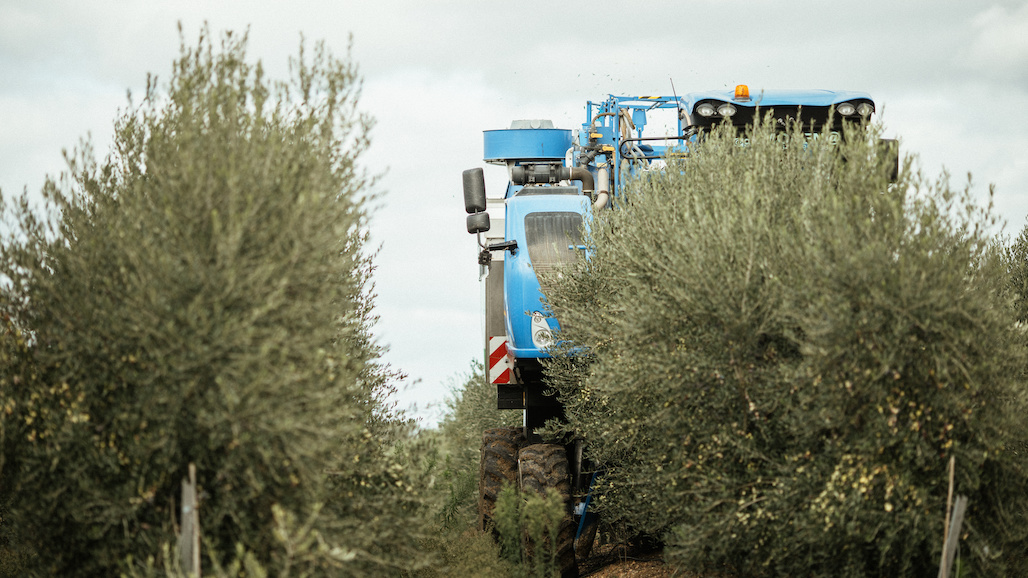
    California’s table olive industry is over 100-year-old, and it is currently undergoing transformation to mechanically harvestable acreage similar to almond, walnut, prune, pistachio, and other tree crops.

    The modern acreage configuration for table olives provides multiple benefits including increased tree count, efficient irrigation methods, mechanically adapted spacings, and a uniform tree structure. While traditional olive acreage is typically planted 60 to 80 trees per acre and hand-harvested, the modern acreage system is optimized with 200 to 250 trees per acre and mechanical harvesting using shaker technology. This approach doubles the yield per acre and reduces harvesting costs to roughly one-third of hand harvesting, which drives significantly improved grower economics.

    Olive trees are also drought-tolerant and annually use less water than almonds or walnuts – a critical attribute given California’s constant drought concerns, rising water costs, and tightening water supply.  The trees enjoy peak productivity for decades and perform well on marginal soil, which helps minimize capital investment. Another outstanding attribute of the California olive industry is virtually all products are marketed and sold within the United States with zero reliance on export markets.

    Dan Flynn

    These many attributes are why modern olive acreage has been coined “California’s crop of the future” by no less of an authority than the UC Davis Olive Center.  Join industry leaders to discuss how California’s table olive industry is transforming to a state-of-the-art, high-density, mechanically harvested tree crop and get more information on what it takes to make the transition.

    Dennis Burreson

    The webinar is scheduled for Wednesday, June 23, from 9 a.m. – 10:30 a.m.  Hear from Dan Flynn, the founding executive director, UC Davis Olive Center, and Dennis Burreson, Vice President of Field Operations and Industry Affairs, Musco Family Olive Co. Register for the webinar HERE.

  • Stone Fruit Season Kicks Off With Early Season Organic Cherries and Apricots

    Stone Fruit Season Kicks Off With Early Season Organic Cherries and Apricots

    Fruit World, a family-owned, flavor-focused grower-shipper of organic and conventional fruit, is now shipping their organic cherries and will begin packing and shipping organic apricots the first week of May. “What a difference one year makes,” said Bianca Kaprielian, Fruit World co-founder and CEO. “2020 was a bumpy stone fruit season in California, but this year we had enough chill hours and favorable weather, and the trees are full of great looking fruit.”

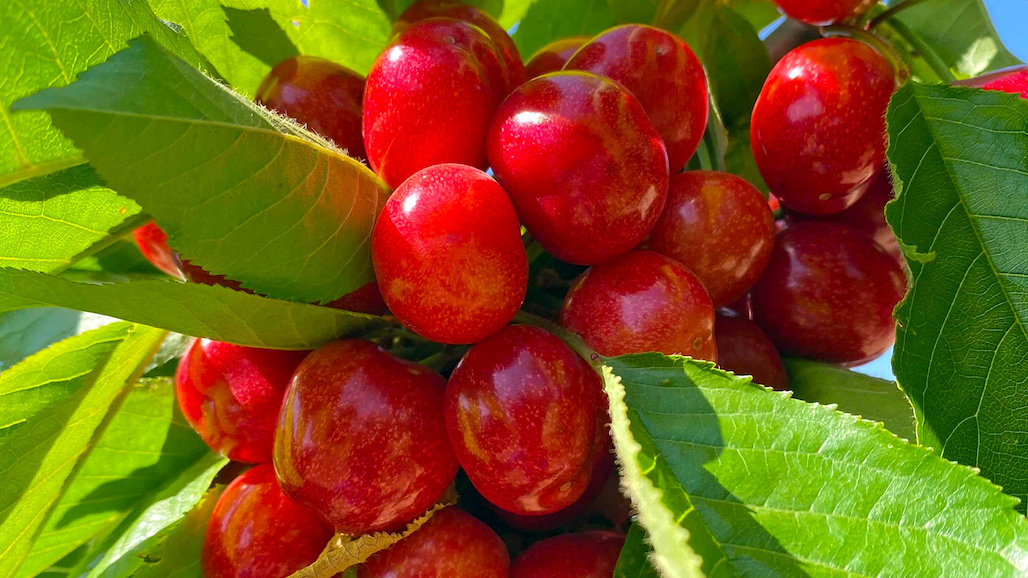
    Unaffected by the late April rains, Fruit World’s Coral, Lynn and Tioga cherries are at peak flavor. Packed at Podesta Packing in Linden, CA, a new, state-of-the-art optical sorter ensures that only the best of the best cherries make it into the retail pack. “The fruit looks spectacular. We are really happy with this year’s crop, and it looks great in our fun and bright packaging,” said Richter. Fruit World’s organic cherry season continues through the end of May.

    “I’ve never seen the trees so heavy with apricots,” said Fruit World sales director, Cindy Richter. “It was a great set. The color and sugars are still developing, a week or so behind schedule due to the weather cooling off a bit, but as soon as we start shipping we’ll have promotable volumes through June and maybe into July.” Fruit World grows organic apricots in Reedley, CA. Continuing a long and fruitful partnership, Fruit World is also marketing Blossom Hill apricots from their ranches in Patterson, CA. In addition to the standard pack styles, this year they are excited to offer a new sustainable cardboard clamshell.

    When it comes to peaches and nectarines, Fruit World is the exclusive marketer of the world-renowned organic Masumoto Family Farm fruit. “We appreciate growers who share our values and vision. That’s why we’re super excited about our partnership with Masumoto Family Farm, bringing their legendary peaches and nectarines to market,” Kaprielian effused. “And we’re also excited to begin shipping organic peaches this year from our own orchard.”

    If your customers long for the juicy, flavorful stone fruit their parents and grandparents reminisce about, delight them this year with organic cherries, apricots, peaches and nectarines from Fruit World.

    For more information or to place an order, call (559) 650-0334, or visit fruitworldco.com to learn more about the Fruit World story.

    About Fruit World

    Fruit World is a fresh and creative produce company with generations of history. Fruit World grows and ships the most flavorful fruit in California—including organic and conventional citrus, organic grapes, organic stone fruit, and more—and works with customers who share a passion for quality and taste. They’re all about honoring their growers, staying true to their farming heritage, and keeping family farming thriving into future generations. Visit fruitworldco.com.

  • Two New Races of Downy Mildew in Spinach

    Two new races of the downy mildew pathogen (Peronospora effusa) on spinach have been denominated by the International Working Group on Peronospora in spinach (IWGP) on the basis of a worldwide evaluation of isolates from growers fields and trap nurseries. Isolate SP1924 found in Europe, is denominated as race Pe: 18. Isolate UA202001E, found in the USA, is denominated as race Pe: 19. Both races pose a significant threat to the spinach industry in all parts of the world, and resistance to these new races is important.

    Members of the IWGP are using a fixed set of spinach differentials (with different resistances)  to define races of downy mildew on spinach by their pattern of virulence on the set. The virulence patterns of all races are published as reference data by the International Seed Federation (ISF); https://www.worldseed.org/our-work/plant-health/differential-hosts/

    Race Pe: 18 is able to infect the differentials NIL2, 3, 4, 5, Pigeon, Caladonia, and Meerkat. Pe: 18 has been found in the US in 2015 to 2018, not in 2019 and 2020. And in Europe it has been found more often in the last 3 years. Race Pe: 19 is able to infect the differentials NIL1, 2, 4, 5, 6, Pigeon, Meerkat and Hydrus. Pe: 19 has been reported only from the USA until now.

    The IWGP is continuously monitoring the appearance of strains of the pathogen that deviate in virulence from the known races. In this way the IWGP aims to promote a consistent and clear communication between public and private entities, such as the seed industry, growers, scientists, and other interested parties, about all resistance-breaking races that are persistent enough to survive over several years, occur in a wide area, and cause a significant economic impact.

    The IWGP is operating internationally and is administered by Plantum located in The Netherlands. The IWGP consists of representatives from spinach seed companies (BASF, Bayer, Bejo, DeSeed, Enza, Pop Vriend, Rijk Zwaan, Sakata, Syngenta, Takii, and Vilmorin) and Naktuinbouw, and is supported by public research at the University of Arkansas. Spinach researchers over the world are invited to join the IWGP initiative and use the common host differential set to identify new isolates. All denominated isolates and seeds of the differential set are available at Naktuinbouw (The Netherlands)

    For more information on this subject, please contact Jim Correll (jcorrell@uark.edu), Diederik Smilde (d.smilde@naktuinbouw.nl), or the IWGP chairperson Anne Königs (a.konigs@rijkzwaan.nl)

    Table with disease resistance reactions of spinach downy mildew races on IWGP differentials. Differentials and type isolates are available at Naktuinbouw in The Netherlands.