Category: Economics

  • Map Shows 2021 California Farm Water Supply Cuts

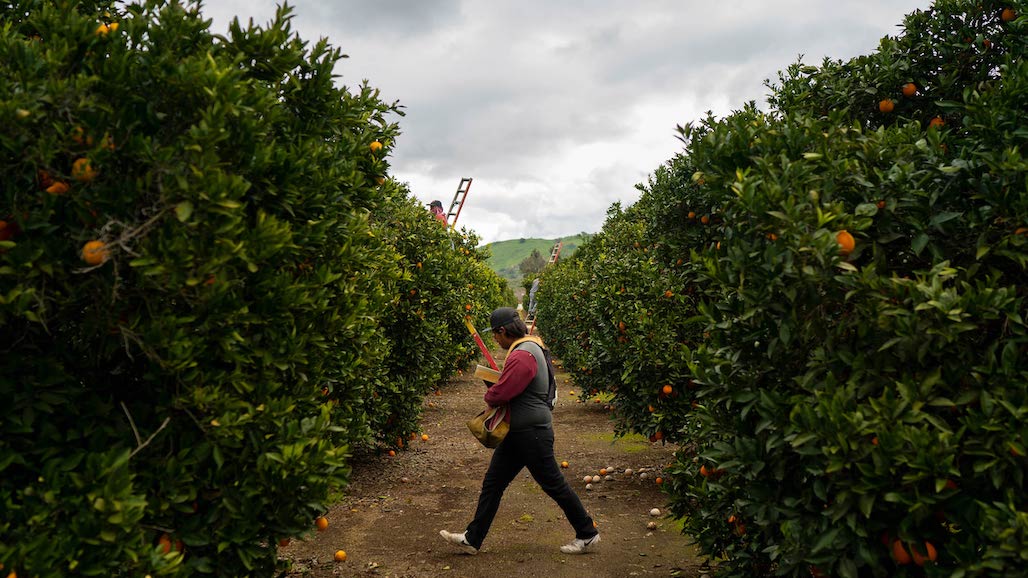
    California farms are bearing the brunt of this year’s short water supply and have been forced to reduce the acreage of popular California crops, such as asparagus, melons, lettuce, rice, tomatoes, sweet corn, and others.

    Water supply reductions mean fewer fresh fruits and vegetables for consumers, massive farm-related job losses, and billions in lost economic activity, impacts that go beyond rural and disadvantaged communities.

    About 2 million acres of California’s irrigated farmland, or one out of every four acres, has already had its water supply cut by 95 percent. Another million acres has lost 80 percent of its water supply this year with much of the remaining farmland experiencing cuts of 25 percent or more.

    Conditions are similar to those that occurred in 2015. According to a 2015 drought report issued by UC Davis, ERA Economics, and the UC Agricultural issues Center, water supply cuts led to the fallowing of 540,000 acres of farmland, 21,000 lost jobs, and an economic loss of $2.7 billion.

    Critical reservoirs, including Shasta, Oroville, Folsom, Millerton, and San Luis combined have 1.1 million acre-feet less water in storage today than they had at the end of March in 2015, California’s last critically dry year. Levels in these reservoirs are currently at 56 percent of average, compared to 72 percent of average at this time in 2015. They are essential to supplying rural communities with drinking water, irrigating farms, supplying water to wildlife refuges, and recharging aquifers in the Sacramento and San Joaquin valleys where a majority of California-grown food products originate.

    It is a distressing time for farmers, farm workers, and businesses that depend on agriculture all across California and illustrates the need to invest in infrastructure that will increase our ability to capture more water during wet years when it is abundant to save for dry years like this. It also puts a strain on consumers who want local, California-grown fresh food choices for their families.

  • Western Growers Launches Global Harvest Automation Initiative

    Western Growers (WG) is spearheading a Global Harvest Automation Initiative (GHAI) to accelerate harvest automation across the fresh produce industry, with a goal of automating 50 percent of harvest within 10 years.

    “For well over a decade, our members have struggled with a dwindling number of available workers. If we don’t come together as an industry to quickly and efficiently deliver automation solutions for farmers in this country, it is likely that the shift of fresh produce operations to other countries will dramatically increase,” said Western Growers President and CEO Dave Puglia. “The Global Harvest Automation Initiative is aimed directly at this challenge, and the alignment of so many industry leaders and partners in this endeavor is a strong indicator of our shared commitment to success.”

    The global initiative is comprised of several key projects uniquely designed to solve the ag industry’s labor woes while simultaneously helping harvest automation start-up companies commercialize and scale at a more rapid pace:

    Technology Stack: A documented set of technical interfaces that will help startups leverage industry-standard components so their robots can get into fields and markets faster.

    • Harvest Automation Cohort: A cohort of automation startups will be selected based on industry input to receive exclusive access to systems integration to help integrate the tech stack into their product roadmap, strategy for go-to-market support, field trials and case studies.
    • Impact Report: A comprehensive analysis on the impact of harvest automation on the specialty crop industry will be provided annually based on grower metrics.
    • Harvest Automation Traction Roadmap: A list of current harvest automation startups by crop type and in-market progress/traction will be distributed regularly.The technology stack will be built by a team of subject matter experts(SMEs) in ag and robotics:
    • precision ag companies (Trimble, Bosch)
    • original equipment manufacturers and platform companies (Ramsay Highlander, Oxbow and SPUDNIK)
    • AgTech engineering companies (Milano Technical Group, All-Phase Agricultural Engineering, Red Rooster Engineering and NWFM LLC)
    • WG members that are among the world’s largest and best farming operators at adopting new technologies (Grimmway Farms, Turlock Fruit Company, Church Brothers Farms, Superfresh Growers and Illume Agriculture)The SME group will build a set of documented interfaces so startups can connect to tractor manufacturers like John Deere, sensor manufacturers like Bosch, navigation equipment providers like Trimble, and other manufacturing partners.The Washington Tree Fruit Research Commission (WTFRC) has been a key partner for WG in supporting the GHAI by providing recommendations for SMEs and harvest startups with traction based on WTFRC’s 52 years of experience with tree fruit innovation. In addition, WTFRC has committed $200,000 in funding over three years to support the overall GHAI initiative.

      “The specialty crop industry needs to all work together to solve harvest automation by strategically accelerating the speed of innovation and adoption,” said Dr. Ines Hanrahan, executive director for WTFRC. “The platform approach Western Growers is taking is supported by both startups and industry as the best path forward to finally achieve this goal.”

      WG held a hybrid in-person and virtual event on February 11, 2021, in Tulare, Calif., to announce the official launch of the Global Harvest Automation Initiative. Resources and detailed information about the GHAI can be found on the WG Center for Innovation & Technology webpage here.

      About Western Growers:

      Founded in 1926, Western Growers represents local and regional family farmers growing fresh produce in California, Arizona, Colorado and New Mexico. Our members and their workers provide over half of the nation’s fresh fruits, vegetables and tree nuts, including nearly half of America’s fresh organic produce. Some members also farm throughout the U.S. and in other countries so people have year-round access to nutritious food. For generations, we have provided variety and healthy choices to consumers. Connect and learn more about Western Growers on our Twitter and Facebook.

  • Western Growers Launches Global Harvest Automation Initiative

    Western Growers Launches Global Harvest Automation Initiative

    Western Growers (WG) is spearheading a Global Harvest Automation Initiative (GHAI) to accelerate harvest automation across the fresh produce industry, with a goal of automating 50 percent of harvest within 10 years.

    “For well over a decade, our members have struggled with a dwindling number of available workers. If we don’t come together as an industry to quickly and efficiently deliver automation solutions for farmers in this country, it is likely that the shift of fresh produce operations to other countries will dramatically increase,” said Western Growers President and CEO Dave Puglia. “The Global Harvest Automation Initiative is aimed directly at this challenge, and the alignment of so many industry leaders and partners in this endeavor is a strong indicator of our shared commitment to success.”

    The global initiative is comprised of several key projects uniquely designed to solve the ag industry’s labor woes while simultaneously helping harvest automation start-up companies commercialize and scale at a more rapid pace:

    Technology Stack: A documented set of technical interfaces that will help startups leverage industry-standard components so their robots can get into fields and markets faster.

    • Harvest Automation Cohort: A cohort of automation startups will be selected based on industry input to receive exclusive access to systems integration to help integrate the tech stack into their product roadmap, strategy for go-to-market support, field trials and case studies.
    • Impact Report: A comprehensive analysis on the impact of harvest automation on the specialty crop industry will be provided annually based on grower metrics.
    • Harvest Automation Traction Roadmap: A list of current harvest automation startups by crop type and in-market progress/traction will be distributed regularly.The technology stack will be built by a team of subject matter experts(SMEs) in ag and robotics:
    • precision ag companies (Trimble, Bosch)
    • original equipment manufacturers and platform companies (Ramsay Highlander, Oxbow and SPUDNIK)
    • AgTech engineering companies (Milano Technical Group, All-Phase Agricultural Engineering, Red Rooster Engineering and NWFM LLC)
    • WG members that are among the world’s largest and best farming operators at adopting new technologies (Grimmway Farms, Turlock Fruit Company, Church Brothers Farms, Superfresh Growers and Illume Agriculture)The SME group will build a set of documented interfaces so startups can connect to tractor manufacturers like John Deere, sensor manufacturers like Bosch, navigation equipment providers like Trimble, and other manufacturing partners.

      The Washington Tree Fruit Research Commission (WTFRC) has been a key partner for WG in supporting the GHAI by providing recommendations for SMEs and harvest startups with traction based on WTFRC’s 52 years of experience with tree fruit innovation. In addition, WTFRC has committed $200,000 in funding over three years to support the overall GHAI initiative.

      “The specialty crop industry needs to all work together to solve harvest automation by strategically accelerating the speed of innovation and adoption,” said Dr. Ines Hanrahan, executive director for WTFRC. “The platform approach Western Growers is taking is supported by both startups and industry as the best path forward to finally achieve this goal.”

      WG held a hybrid in-person and virtual event on February 11, 2021, in Tulare, Calif., to announce the official launch of the Global Harvest Automation Initiative. Resources and detailed information about the GHAI can be found on the WG Center for Innovation & Technology webpage here.

      About Western Growers:

      Founded in 1926, Western Growers represents local and regional family farmers growing fresh produce in California, Arizona, Colorado and New Mexico. Our members and their workers provide over half of the nation’s fresh fruits, vegetables and tree nuts, including nearly half of America’s fresh organic produce. Some members also farm throughout the U.S. and in other countries so people have year-round access to nutritious food. For generations, we have provided variety and healthy choices to consumers. Connect and learn more about Western Growers on our Twitter and Facebook.

  • UnitedAg Announces Glenn Miller as Chairman of the Board

    UnitedAg Announces Glenn Miller as Chairman of the Board

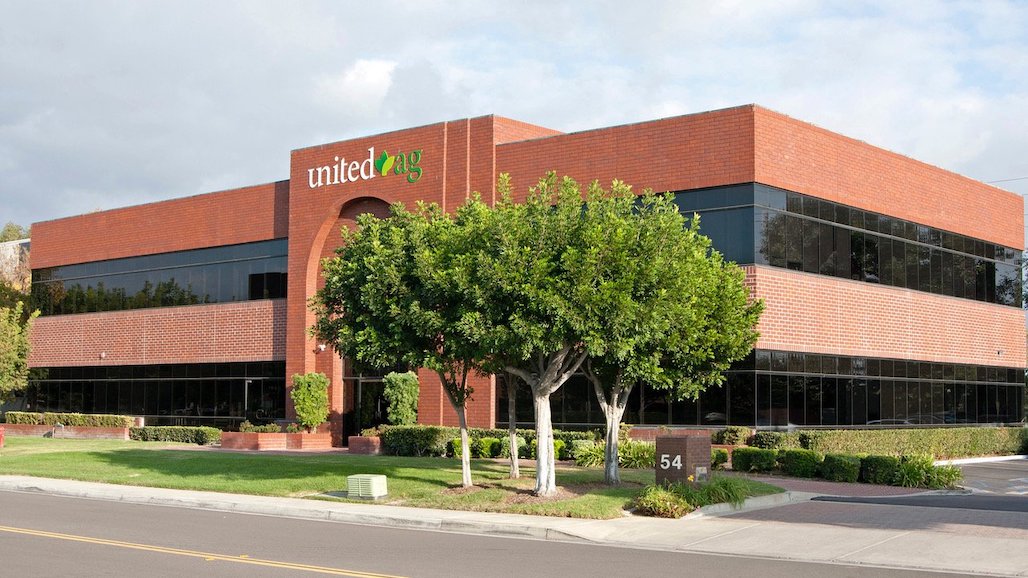
    After 16 years of service, Glenn Miller, president and chief executive officer of the Saticoy Lemon Association, is appointed Chairman of United Agricultural Benefit Trust, a leading agricultural health plan sponsored by UnitedAg.

    UnitedAg, a healthcare leader for the agricultural industry, has officially announced Glenn Miller as the new in-coming Chairman for the Board of Trustees. Miller joined the Board of Trustees in 2005 and succeeds Mack Ramsay, Chairman Emeritus, who served from 2019 to 2021.

    “It is a great honor to be appointed Chairman of the United Agricultural Benefit Trust. I am incredibly proud of the leadership and our accomplishments over the past four decades. Since 1983, United Agricultural Benefit Trust has provided health benefits to approximately 3 million individuals in rural communities and has paid over $830,000,000 in health, dental, vision, and life claims to plan participants and saved employers millions of dollars in premium cost. I look forward to continuing our efforts in leading the charge in providing premium health plans to an under-served community.” said Miller.

    Miller has over 16 years of agricultural healthcare experience and is the current president and chief executive officer of the Saticoy Lemon Association. Representing over 170 Sunkist lemon grower members, the non-profit agricultural cooperative is responsible for marketing its grower members’ fruit through their affiliation with Sunkist Growers, Inc. The Association was established in 1933 and currently operates three processing facilities throughout Ventura County.

    “This is a significant milestone for our organization. I am deeply grateful to our Board of Trustees for supporting our vision. Empathy and passion are what led to the creation of the United Agricultural Benefit Trust,” said Kirti Mutatkar, President, UnitedAg. “I am excited for what the future holds under Glenn’s leadership as he brings a wealth of non-profit agricultural experience, which is vital for the growth and development of new health programs and services.”

    About UnitedAg

    United Agricultural Benefit Trust, an association health plan founded in 1983 and sponsored by UnitedAg, was created to provide innovative health benefits for a strong and healthy agricultural industry. UnitedAg represents more than 1,000 agriculture-affiliated member companies and helps its members meet their employee benefits needs, promotes their interests with lawmakers, helps them comply with legislation and regulation. Based in Irvine, Calif., UnitedAg has offices in Salinas and Santa Maria and wellness centers throughout Central and Northern California.  Today, United Agricultural Benefit Trust has grown to over 220 million in annual contributions and covers more than 55,000 agricultural workers in California and Arizona. To learn more, please visit www.unitedag.org.

  • OSU Releases New, Antioxidant-Rich Purple Tomato

    OSU Releases New, Antioxidant-Rich Purple Tomato

    The new Oregon State University-developed tomato Midnight Roma follows in the steps of 10-year-old Indigo Rose, the first antioxidant-rich purple tomato available on the market.

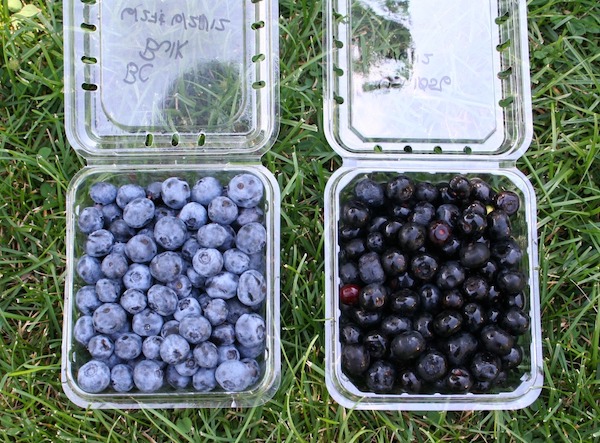
    Indigo Rose was bred by Jim Myers, vegetable breeder and professor in the OSU College of Agricultural Sciences. Midnight Roma is the result of crossing Oregon Star, a big, fleshy tomato good for slicing or paste with excellent flavor, and Indigo Rose, a dark purple tomato that contains anthocyanins, the same healthy antioxidants found in blueberries. Both varieties were also developed at. OSU.

    “We were selecting for a really dark Indigo-type processing tomato,” Myers said. “Ultimately, we got a really nice one. Anybody into home canning would be interested. Chefs like it for making sauces. Right now, Serious Pie in Seattle is using Midnight Roma to make pizza sauce.”

    Jim Myers with Midnight Roma Purple Tomato (Photo Courtesy of Jim Myers)

    Row 7 Seed Co. in Tarrytown, N.Y., which has exclusive rights on Midnight Roma, is selling seed online. Co-founder Dan Barber, who has about 300,000 followers on Instagram, featured it on the social media platform and received more than 22,000 likes.

    For Midnight Roma, Myers concentrated on flavor and disease resistance, coming up with a better-tasting tomato than many other paste tomatoes. It also is resistant to verticillium wilt. The plant is a semi-determinate variety, meaning the tomatoes tend to ripen at about the same time, making it timely for preserving. The anthocyanins are contained in the dark skin. So, to keep the antioxidants, the skin must be included in processing. Myers suggests running the sauce in a blender or food processor and then pressing it through a sieve, which he has done with success.

    Indigo Rose caused a stir when it was introduced in 2011. The health benefits of antioxidants had become widely known and the first purple tomato was noteworthy. But because nothing like it had come to market before, home gardeners were unsure when to harvest and tended to pick too early. As additional information emerged, people became familiar with the tomato’s color change from shiny blue-purple to a dull purple-brown with the bottom turning from green to red.

    Midnight Roma darkens in the same way, and sunlight is key to getting purple skin, which contains the anthocyanins, Myers said. To achieve the highest level of antioxidants, use a trellis and prune excess leaves to allow the maximum amount of sun to reach the tomatoes.

    In between developing Indigo Rose and Midnight Roma, Myers introduced Indigo Cherry Drops, Indigo Pear Drops and Indigo Kiwi, all of which are readily available on the market except Kiwi. Breeding is a years-long, painstaking process of taking pollen from the male stamen to brush on the female style by hand. For each generation, he chooses the best and repeats the process until he produces a tomato up to his standards.

    One of the parents for Indigo Rose that led to its purple, anthocyanin-rich skin was an experimental variety with wild tomato genes discovered by Carl Jones, a then OSU graduate student who was examining plants in a special collection at the University of California, Davis, that is part of the U.S. Department of Agriculture’s National Plant Germplasm System. At that point, the health benefits of antioxidants weren’t commonly known and other breeders weren’t working on a marketable purple tomato. Now Indigo Rose is used to develop additional lines, Myers said.

    “While other fruits, such as blueberries, have higher concentrations of anthocyanin, tomatoes are consumed practically daily in the United States,” Myers said. “The tomato is the nation’s most popular vegetable unless you count potatoes.”


  • USDA to Purchase Fresh Produce Under New TEFAP Program

    USDA to Purchase Fresh Produce Under New TEFAP Program

    The U.S. Department of Agriculture (USDA) today announced plans to purchase Fresh Produce (WBSCM Material Number 111427). Pandemic Assistance funding has been made available to supplement The Emergency Food Assistance Program (TEFAP) program for the remainder of the fiscal year ending September 30, 2021. Pursuant to that directive, to help those most in need receive healthy, fresh foods, USDA will be offering boxes of pre-packed, fresh produce through TEFAP in addition to the single varieties that are already available to order. The fresh produce package will include a variety of fresh fruits and vegetables that meet the following requirements. A 10-12 pound package that includes a minimum of at least four of the following: 3-5 lbs. of vegetables (no more than 3lbs. of root vegetables; i.e. potatoes, yams, carrots, onions, etc.), 3-5 lbs. of fruit; at least 2 locally grown fruit or vegetable items, as available, and if not available, add an additional fruit and vegetable item to meet a minimum package weight range of 10-12 lbs. Packages will be expected to have a shelf life of 7-10 days once delivered to the location listed on the contract.

    Solicitations will be issued in the near future, and will be available electronically through the Web-Based Supply Chain Management (WBSCM) system and beta.sam.gov. A hard copy of the solicitation will not be available. Public WBSCM information is available without an account on the WBSCM Public Procurement Page. All future information regarding this acquisition, including solicitation amendments and award notices, will be published through WBSCM, the Agricultural Marketing Service’s website at www.ams.usda.gov/selling-food, and beta.sam.gov. Interested parties shall be responsible for ensuring that they have the most up-to-date information about this acquisition. The contract type is anticipated to be firm-fixed price. Deliveries are expected to be to various locations in the United States on an FOB destination basis.

    Pursuant to Agricultural Acquisition Regulation 470.103(b), commodities and the products of agricultural commodities acquired under this contract must be a product of the United States and shall be considered to be such a product if it is grown, processed, and otherwise prepared for sale or distribution exclusively in the United States. Packaging and container components under this acquisition will be the only portion subject to the World Trade Organization Government Procurement Agreement and Free Trade Agreements, as addressed by FAR clause 52.225-5.

    Offerors are urged to review all documents as they pertain to this program, including the latest—

    • AMS Master Solicitation for Commodity Procurements (MSCP-D), August 13, 2020 (pdf)
    • Qualification Requirements for Selling TEFAP Fresh Produce to USDA Agricultural Marketing Service, April 7, 2021

    These documents are available on the AMS Commodity Procurement website.

    To be eligible to submit offers, potential contractors must meet the Qualification Requirements for Selling TEFAP Fresh Produce to the USDA Agricultural Marketing Service. The AMS point of contact for new vendors can be reached by email at TEFAPFreshProduce@usda.gov. Please include the following in the email’s subject line: TEFAP Fresh Produce [insert company name].

    Once qualification requirements have been met, access to WBSCM will be provided. Bids, modifications, withdrawals of bids, and price adjustments shall be submitted using this system. Submission of the above by any means other than WBSCM will be determined nonresponsive.

    To receive e-mail notification of the issuance of AMS solicitations, contract awards, and other information, subscribe online by visiting: “Stay up to date on USDA Food Purchases” available on the AMS Commodity Procurement webs

  • CDFA Teams up with Partners to Introduce California Pollinator Coalition

    A broad array of organizations from across California’s agricultural and environmental landscape today announced a working coalition to address their shared commitment to the health of wild and managed pollinators.

    The Coalition is focusing on increasing the value working lands provide to our environment, to benefit biodiversity and farmers alike. The California Pollinator Coalition, convened by Pollinator Partnership, the California Department of Food and Agriculture, and the Almond Board of California, includes more than twenty organizations–representing the large majority of California’s crop and range land–pledging to increase habitat for pollinators on working lands.

    Together, the goal is to increase collaboration between agriculture and conservation groups for the benefit of biodiversity and food production. The result will be on-the-ground improvements, technical guidance, funded research, documentation of relevant case studies, and tracked progress toward increasing healthier pollinator habitats.

    Achieving this bee friendly goal is laden with benefits for farmers and the environment in California, increasing biodiversity and sequestering more carbon in the soil.

    The Coalition also hopes its success will serve as a model for even more collaboration among interests who have not always been aligned, but who are willing to come together in partnership to confront common challenges.

    “What we are doing in California is acknowledging the urgency to address the critical issue of protecting all pollinators, including native and managed species,” said Laurie Davies Adams, President and CEO of Pollinator Partnership. “Agriculture and conservation must work together to achieve this goal, especially when we will be facing many of the same issues –increasing temperatures, erratic and unpredictable weather, fires, drought, soil depletion, and more. The outcome will not be a tidy report that sits on a shelf, but rather a metric of acres, projects, and species added to the landscape while agriculture continues to profitably feed the nation.”

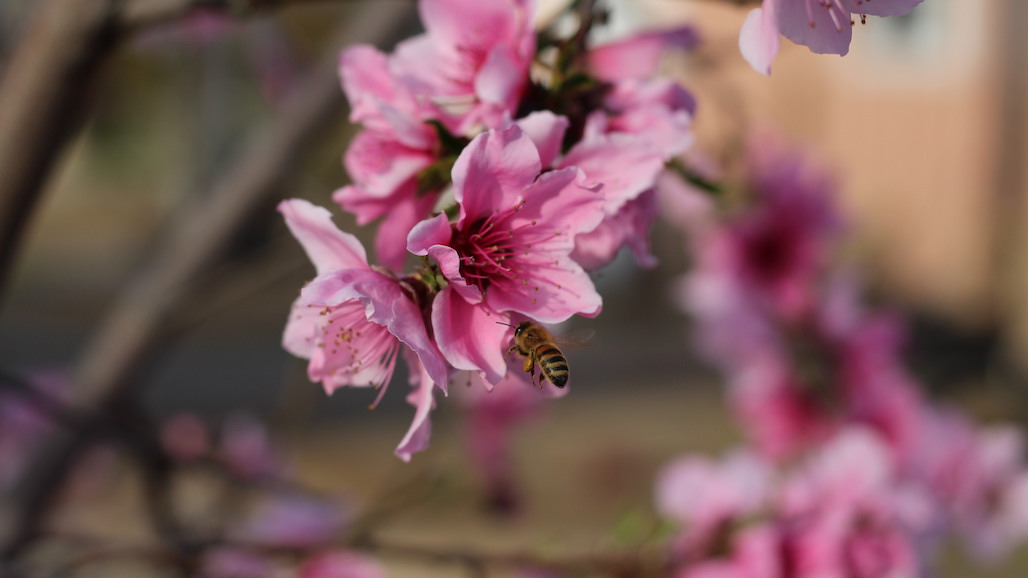
    The collective land represented by coalition members will provide the critical mass to address habitat on an unprecedented scale, for the benefit of beneficial insects, such as bees, butterflies, beetles, wasps, moths and more. California is home to more than 1,600 native bees and hundreds of other species of pollinating insects. Globally, pollinators provide service to more than 180,000 different plant species, more than 1,200 crops, and are responsible for producing an estimated one out of every three bites of food. They sustain our ecosystems and support natural resources, all while adding $217 billion to the global economy each year.

    But pollinator populations are declining and often suffer from the same challenges as California’s agriculture. The Coalition will work together on a variety of fronts to support pollinators:

    •Preparing farmer-friendly guidance to buildand maintainpollinator habitat on farms and ranches

    •Promoting voluntary, incentive-based habitat establishment projects and Integrated Pest Management (IPM) practices

    *Conducting research and disseminating relevant science

    •Monitoring outcomes (adoption rates and effectiveness of practices)

    “Collaborative action can mitigate risks to California’s pollinators, and that’s exactly why this coalition has come together,” said Karen Ross, Secretary of California Department of Food and Agriculture. “We need urgent action, yet the first step in the process is building trust that encourages, enables, and enhances the result. The California Pollinator Coalition is a big step forward in a journey of grower and conservation groups voluntarily demonstrating leadership.”

    “This will not be an easy or quick fix,” said Josette Lewis, Chief Scientific Officer of the Almond Board of California. “It will require a robust and sustained effort, but we are determined to be part of the solution. Almond growers and many other farmers depend on pollinators to produce a crop and pollinators depend on us to provide safe habitat. Working lands can and should be part of the solution.”

    “Farm Bureau supports voluntary, farmer-friendly efforts to improve habitat for native pollinators, and we have long advocated improved research on pollinator health,” said Jamie Johansson, President of the California Farm Bureau. “We will work with the coalition for the benefit of native pollinators and managed bees, and to assure stability for the domestic bee business.”

    “Climate change will affect the wildlife of California and the way we grow food in many ways,” said Dan Kaiser, director of conservation at Environmental Defense Fund. “The best chance for biodiversity and farms to thrive is to rebuild the natural infrastructure that supports pollinators, soil health and water resilience throughout the Central Valley. This coalition will promote robust research and guidance to support a more resilient and biodiverse agricultural landscape.”

    While just beginning its work, the Coalition is catalyzing new collaborations and continuing to recruit partners who understand the urgency and share the common goal of supporting both the health of pollinators and agriculture. Current California Pollinator Coalition membership includes:

    • Agricultural Council of California
    • Almond Alliance of California
    • Almond Board of California
    • California Alfalfa and Forage Association
    • California Association of Pest Control Advisers
    • California Association of Resource Conservation Districts
    • California Cattlemen’s Association
    • California Citrus Mutual
    • California Department of Food and Agriculture
    • California Farm Bureau Federation
    • California State Beekeepers Association
    • California Sustainable Winegrowing Alliance
    • Environmental Defense Fund
    • Monarch Joint Venture
    • Monarch Watch
    • Pollinator Partnership
    • Project Apis m.
    • University of California Agriculture and Natural Resources
    • USDA Natural Resources Conservation Service of California
    • Western Growers
    • Dr. Neal Williams, University of California, Davis

    About the California Pollinator Coalition — The California Pollinator Coalition, convened by Pollinator Partnership, the California Department of Food and Agriculture and the Almond Board of California, is made up of a diverse group of agricultural and environmental organizations with the shared goal of providing enhanced habitat for pollinators. The Coalition and its members have pledged to increase habitat for pollinators on working lands. Additionally, the group plans to promote research and track its progress toward healthy and abundant habitats.

  • CDFA Teams up with Partners to Introduce California Pollinator Coalition

    CDFA Teams up with Partners to Introduce California Pollinator Coalition

    A broad array of organizations from across California’s agricultural and environmental landscape today announced a working coalition to address their shared commitment to the health of wild and managed pollinators.

    The Coalition is focusing on increasing the value working lands provide to our environment, to benefit biodiversity and farmers alike. The California Pollinator Coalition, convened by Pollinator Partnership, the California Department of Food and Agriculture, and the Almond Board of California, includes more than twenty organizations–representing the large majority of California’s crop and range land–pledging to increase habitat for pollinators on working lands.

    Together, the goal is to increase collaboration between agriculture and conservation groups for the benefit of biodiversity and food production. The result will be on-the-ground improvements, technical guidance, funded research, documentation of relevant case studies, and tracked progress toward increasing healthier pollinator habitats.

    Achieving this bee friendly goal is laden with benefits for farmers and the environment in California, increasing biodiversity and sequestering more carbon in the soil.

    The Coalition also hopes its success will serve as a model for even more collaboration among interests who have not always been aligned, but who are willing to come together in partnership to confront common challenges.

    “What we are doing in California is acknowledging the urgency to address the critical issue of protecting all pollinators, including native and managed species,” said Laurie Davies Adams, President and CEO of Pollinator Partnership. “Agriculture and conservation must work together to achieve this goal, especially when we will be facing many of the same issues –increasing temperatures, erratic and unpredictable weather, fires, drought, soil depletion, and more. The outcome will not be a tidy report that sits on a shelf, but rather a metric of acres, projects, and species added to the landscape while agriculture continues to profitably feed the nation.”

    The collective land represented by coalition members will provide the critical mass to address habitat on an unprecedented scale, for the benefit of beneficial insects, such as bees, butterflies, beetles, wasps, moths and more. California is home to more than 1,600 native bees and hundreds of other species of pollinating insects. Globally, pollinators provide service to more than 180,000 different plant species, more than 1,200 crops, and are responsible for producing an estimated one out of every three bites of food. They sustain our ecosystems and support natural resources, all while adding $217 billion to the global economy each year.

    But pollinator populations are declining and often suffer from the same challenges as California’s agriculture. The Coalition will work together on a variety of fronts to support pollinators:

    •Preparing farmer-friendly guidance to buildand maintainpollinator habitat on farms and ranches

    •Promoting voluntary, incentive-based habitat establishment projects and Integrated Pest Management (IPM) practices

    *Conducting research and disseminating relevant science

    •Monitoring outcomes (adoption rates and effectiveness of practices)

    “Collaborative action can mitigate risks to California’s pollinators, and that’s exactly why this coalition has come together,” said Karen Ross, Secretary of California Department of Food and Agriculture. “We need urgent action, yet the first step in the process is building trust that encourages, enables, and enhances the result. The California Pollinator Coalition is a big step forward in a journey of grower and conservation groups voluntarily demonstrating leadership.”

    “This will not be an easy or quick fix,” said Josette Lewis, Chief Scientific Officer of the Almond Board of California. “It will require a robust and sustained effort, but we are determined to be part of the solution. Almond growers and many other farmers depend on pollinators to produce a crop and pollinators depend on us to provide safe habitat. Working lands can and should be part of the solution.”

    “Farm Bureau supports voluntary, farmer-friendly efforts to improve habitat for native pollinators, and we have long advocated improved research on pollinator health,” said Jamie Johansson, President of the California Farm Bureau. “We will work with the coalition for the benefit of native pollinators and managed bees, and to assure stability for the domestic bee business.”

    “Climate change will affect the wildlife of California and the way we grow food in many ways,” said Dan Kaiser, director of conservation at Environmental Defense Fund. “The best chance for biodiversity and farms to thrive is to rebuild the natural infrastructure that supports pollinators, soil health and water resilience throughout the Central Valley. This coalition will promote robust research and guidance to support a more resilient and biodiverse agricultural landscape.”

    While just beginning its work, the Coalition is catalyzing new collaborations and continuing to recruit partners who understand the urgency and share the common goal of supporting both the health of pollinators and agriculture. Current California Pollinator Coalition membership includes:

    • Agricultural Council of California
    • Almond Alliance of California
    • Almond Board of California
    • California Alfalfa and Forage Association
    • California Association of Pest Control Advisers
    • California Association of Resource Conservation Districts
    • California Cattlemen’s Association
    • California Citrus Mutual
    • California Department of Food and Agriculture
    • California Farm Bureau Federation
    • California State Beekeepers Association
    • California Sustainable Winegrowing Alliance
    • Environmental Defense Fund
    • Monarch Joint Venture
    • Monarch Watch
    • Pollinator Partnership
    • Project Apis m.
    • University of California Agriculture and Natural Resources
    • USDA Natural Resources Conservation Service of California
    • Western Growers
    • Dr. Neal Williams, University of California, Davis

    About the California Pollinator Coalition — The California Pollinator Coalition, convened by Pollinator Partnership, the California Department of Food and Agriculture and the Almond Board of California, is made up of a diverse group of agricultural and environmental organizations with the shared goal of providing enhanced habitat for pollinators. The Coalition and its members have pledged to increase habitat for pollinators on working lands. Additionally, the group plans to promote research and track its progress toward healthy and abundant habitats.

  • Saving Money on Sustainable Farming with Sonoma’s Dutton Ranch

    Saving Money on Sustainable Farming with Sonoma’s Dutton Ranch

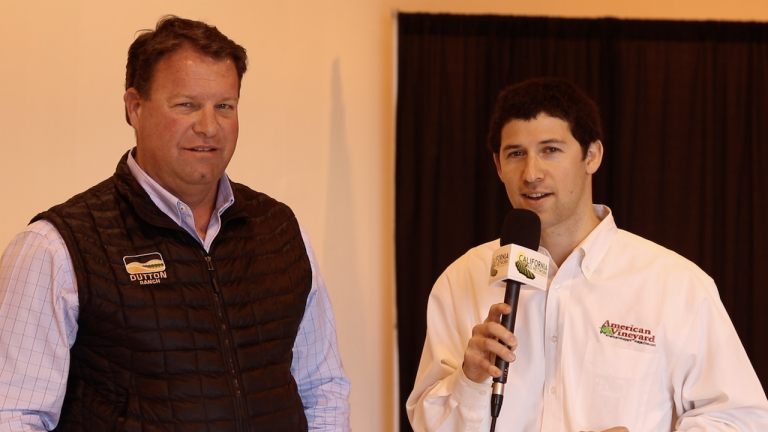
    Sonoma County farmers have been outstanding examples of moving towards new and innovative sustainable practices on their farms. Sustainability takes many forms though, and accounts for the health and prosperity of both the land and the steward. There are costs with implementing sustainable practices on the farm, but many of these can return savings to the farmers as well, such as apple and wine grape grower Steve Dutton’s recent investment in renewable energy. Watch this brief interview and read more about sustainable farming in American Vineyard and California Fresh Fruit Magazines.
     
    Please thank this video’s sponsor Suterra for their industry support.
  • With Climate Change Will We Grow Cactus (Biofuel, Food & Forage Crop)?

    With Climate Change Will We Grow Cactus (Biofuel, Food & Forage Crop)?

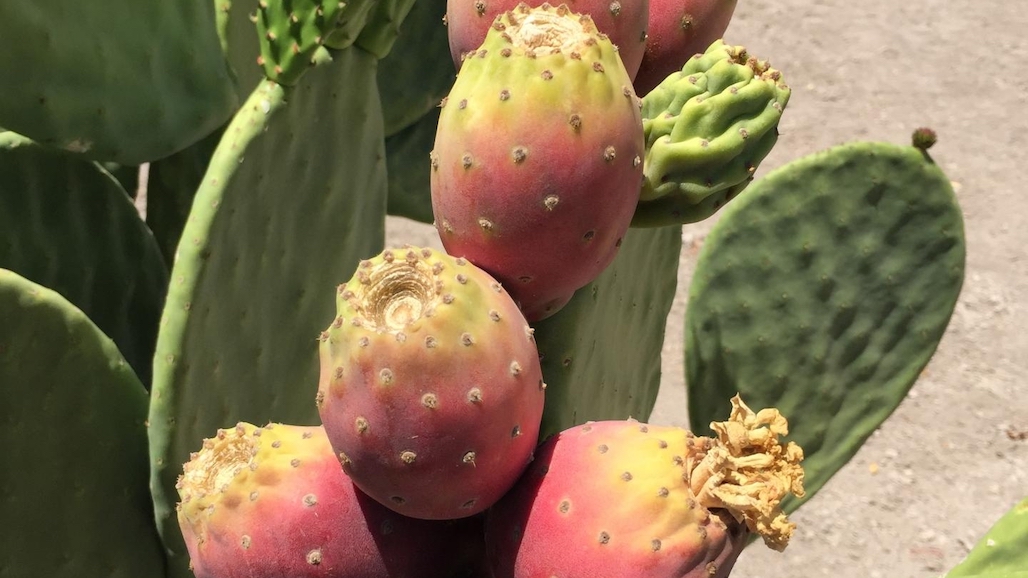
    Could cactus pear become a major crop like soybeans and corn in the near future, and help provide a biofuel source, as well as a sustainable food and forage crop? According to a recently published study, researchers from the University of Nevada, Reno believe the plant, with its high heat tolerance and low water use, may be able to provide fuel and food in places that previously haven’t been able to grow much in the way of sustainable crops.

    Global climate change models predict that long-term drought events will increase in duration and intensity, resulting in both higher temperatures and lower levels of available water. Many crops, such as rice, corn and soybeans, have an upper temperature limit, and other traditional crops, such as alfalfa, require more water than what might be available in the future.

    “Dry areas are going to get dryer because of climate change,” Biochemistry & Molecular Biology Professor John Cushman, with the University’s College of Agriculture, Biotechnology & Natural Resources, said. “Ultimately, we’re going to see more and more of these drought issues affecting crops such as corn and soybeans in the future.”

    Fueling Renewable Energy

    As part of the College’s Experiment Station unit, Cushman and his team recently published the results of a five-year study on the use of spineless cactus pear as a high-temperature, low-water commercial crop. The study, funded by the Experiment Station and the U.S. Department of Agriculture’s National Institute of Food and Agriculture, was the first long-term field trial of Opuntia species in the U.S. as a scalable bioenergy feedstock to replace fossil fuel.

    Results of the study, which took place at the Experiment Station’s Southern Nevada Field Lab in Logandale, Nevada, showed that Opuntia ficus-indica had the highest fruit production while using up to 80% less water than some traditional crops. Co-authors included Carol Bishop, with the College’s Extension unit, postdoctoral research scholar Dhurba Neupane, and graduate students Nicholas Alexander Niechayev and Jesse Mayer.

    “Maize and sugar cane are the major bioenergy crops right now, but use three to six times more water than cactus pear,” Cushman said. “This study showed that cactus pear productivity is on par with these important bioenergy crops, but use a fraction of the water and have a higher heat tolerance, which makes them a much more climate-resilient crop.”

    Cactus pear works well as a bioenergy crop because it is a versatile perennial crop. When it’s not being harvested for biofuel, then it works as a land-based carbon sink, removing carbon dioxide from the atmosphere and storing it in a sustainable manner.

    “Approximately 42% of land area around the world is classified as semi-arid or arid,” Cushman said. “There is enormous potential for planting cactus trees for carbon sequestration. We can start growing cactus pear crops in abandoned areas that are marginal and may not be suitable for other crops, thereby expanding the area being used for bioenergy production.”

    Fueling People and Animals

    The crop can also be used for human consumption and livestock feed. Cactus pear is already used in many semi-arid areas around the world for food and forage due to its low-water needs compared with more traditional crops. The fruit can be used for jams and jellies due to its high sugar content, and the pads are eaten both fresh and as a canned vegetable. Because the plant’s pads are made of 90% water, the crop works great for livestock feed as well.

    “That’s the benefit of this perennial crop,” Cushman explained. “You’ve harvested the fruit and the pads for food, then you have this large amount of biomass sitting on the land that is sequestering carbon and can be used for biofuel production.”

    Cushman also hopes to use cactus pear genes to improve the water-use efficiency of other crops. One of the ways cactus pear retains water is by closing its pores during the heat of day to prevent evaporation and opening them at night to breathe. Cushman wants to take the cactus pear genes that allow it to do this, and add them to the genetic makeup of other plants to increase their drought tolerance.

    Bishop, Extension educator for Northeast Clark County, and her team, which includes Moapa Valley High School students, continue to help maintain and harvest the more than 250 cactus pear plants still grown at the field lab in Logandale. In addition, during the study, the students gained valuable experience helping to spread awareness about the project, its goals, and the plant’s potential benefits and uses. They produced videos, papers, brochures and recipes; gave tours of the field lab; and held classes, including harvesting and cooking classes.

    Fueling Further Research

    In 2019, Cushman began a new research project with cactus pear at the U.S. Department of Agriculture – Agricultural Research Service’ National Arid Land Plant Genetic Resources Unit in Parlier, California. In addition to continuing to take measurements of how much the cactus crop will produce, Cushman’s team, in collaboration with Claire Heinitz, curator at the unit, is looking at which accessions, or unique samples of plant tissue or seeds with different genetic traits, provide the greatest production and optimize the crop’s growing conditions.

    “We want a spineless cactus pear that will grow fast and produce a lot of biomass,” Cushman said.

    One of the other goals of the project is to learn more about Opuntia stunting disease, which causes cactuses to grow smaller pads and fruit. The team is taking samples from the infected plants to look at the DNA and RNA to find what causes the disease and how it is transferred to other cactuses in the field. The hope is to use the information to create a diagnostic tool and treatment to detect and prevent the disease’s spread and to salvage usable parts from diseased plants. — By Claude Wharton, University of Nevada