Category: Economics

  • Early Season Retail Promotions Build Demand For California Avocados

    Early Season Retail Promotions Build Demand For California Avocados

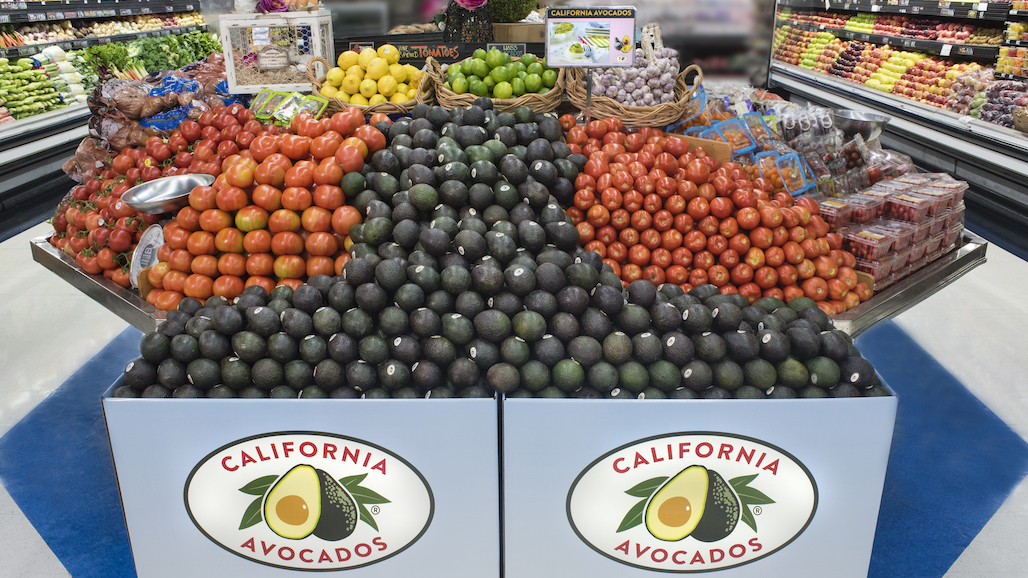
    California Avocado Commission — Early demand for California avocados is high this year among targeted retailers, with both national chains and regional retailers indicating they are anxious for the start of the California avocado season. In past years, the season kicked off with “first of the season” Big Game or Valentine’s Day promotions at local specialty retailers. This year, due to market and harvest conditions, the early-season promotions at loyal retailer partners’ locations are instead focusing attention on spring and Easter.

    Both Gelson’s and Mollie Stone’s responded positively to the California Avocado Commission’s spring and Easter promotional plans, which include a combination of in-store display and sales contests partnered with robust online, social media and digital advertising campaigns. The Commission’s integrated promotional plans recognize that due to COVID-19 safety protocols retailers remain cautious about in-store promotions, such as demos, and that online marketing continues to play a primary role in marketing California avocados this season. Display and sales contests, which elevate in-store merchandising to draw attention to the fruit, also are important tactics in CAC customized retail programs.

    Gelson’s “Spring Into California Avocados” promotion ran from February 15 – 25. The upscale retailer hosted display and sales contests at its 27 Southern California locations, ensuring early season California avocados were front-and-center to announce the start of the long-anticipated season. Mollie Stone’s Easter promotion runs from March 22 – April 4, and includes sales and display contests at the retailer’s nine locations throughout the San Francisco Bay area. Both retail chains feature Commission display bins and signage.

    For both retailers, the in-store contests are complemented by value-added social media promotions created by the Commission. Posts on the retailers’ social media platforms showcase California avocado centric recipes, photos and messaging that celebrates the availability of fresh California avocados as we swing into spring. The social posts play a critical role in expanding the reach of the Commission’s messaging, promoting the fruit’s versatility in meals and snacks, touting California avocados’ nutritional qualities and showcasing the premium character of this locally grown fruit.

  • Fabled Silk Road Could be the Route to Better Apples

    Fabled Silk Road Could be the Route to Better Apples

    The Silk Road – the 4,000-mile stretch between China and western Europe where trade flourished from the second century B.C. to the 14th century A.D. – is responsible for one of our favorite and most valuable fruits: the domesticated apple.

    Snack-packing travelers would pick apples at one spot, eat them and toss their cores many miles away. The seeds grew into trees in their new locations, cross-bred with the wild species and created the more than 7,000 varieties of apples that exist today.

    Hybridizations with wild species have made the apple genome very complex and difficult to study, but a team of multi-disciplinary researchers – co-led by Zhangjun Fei, faculty member at the Boyce Thompson Institute, and Gan-Yuan Zhong, a scientist with the U.S. Department of Agriculture-Agricultural Research Service (USDA-ARS) in Geneva, New York – tackled this problem by applying cutting-edge sequencing technologies and bioinformatics algorithms to assemble complete sets of both chromosomes for the domesticated apple and its two main wild progenitors.

    The team’s research is described in a paper published Nov. 2 in Nature Genetics, with authors from BTI, Cornell, the USDA and Shandong Academy of Agricultural Sciences.

    The researchers found that the apple’s unique domestication history has led to untapped sources of genes that could be used to improve the fruit’s size, flavor, sweetness and texture.

    “Plant breeders could use this detailed information to improve upon traits that matter most to consumers, which today is primarily flavor,” said Fei, also an adjunct associate professor in the College of Agriculture and Life Sciences’ School of Integrative Plant Science.

    “Perhaps more importantly,” he said, “the information will help breeders produce apples that are more resistant to stress and disease.”

    Fei said the new study was the outgrowth of an earlier collaboration, published in Nature Communications in 2017, which traced the history of apple domestication and evolution along the Silk Road.

    Follow-up discussions among Fei, Zhong and other colleagues at Cornell inspired them to build better apple reference genomes by applying new sequencing and assembly technologies to material in USDA’s Geneva Clonal Repository, which houses the largest collection of apple accessions in the world. Many of these accessions can be traced back to the Silk Road.

    In the current work, the researchers sequenced, assembled and compared the full reference genomes for three apple species: Gala, a top commercial cultivar of Malus domestica; and apple’s two main wild progenitors – the European crabapple (M. sylvestris) and the central Asian wild apple (M. sieversii), which together account for about 90% of the domesticated apple’s genome.

    The results provide apple breeders with detailed genomic roadmaps that could help them build a better apple.

    “We wanted to develop new genomes, especially the wild progenitors, because of the tremendous impact they could have on understanding apple’s genetic diversity and identifying useful traits for breeding new cultivars,” said Zhong.

    By comparing the three genomes, the researchers were able to identify which progenitor species contributed the genes responsible for many traits in the domesticated apple.

    For example, the team found that the gene giving apple its crunchy texture is located near the gene that makes it susceptible to blue mold.

    “Now that we know exactly where those two genome regions are,” Fei said, “breeders could figure out a way to keep the texture gene and breed out or edit out the blue mold gene to produce a more disease-resistant cultivar.”

    The team also assembled pan-genomes for the three species. A pan-genome captures all of the genetic information in a species, unlike a reference genome that captures one individual organism. Pan-genomes are especially important for a very diverse species like apple.

    The team identified about 50,000 genes in the pan-genome of the domesticated apple, including about 2,000 that were not present in previously published reference genomes for apple species. “These ‘missing genes’ turn out to be really important, because many of them determine the traits of greatest interest to apple breeders,” Fei said.

    Using RNA extracted from different stages of Gala fruits, they also identified genes linked to texture, aroma and other fruit characteristics that were preferentially expressed between the two copies of the genes.

    “That provides us and breeders with an even deeper understanding of the genetic diversity underlying a particular trait,” Zhong said. “The findings will help our group better manage and curate more than 6,000 apple accessions in the USDA Geneva Clonal Repository, as well as enable us to provide critical genetic and genomic information associated with the accessions to breeders and other researchers.”

    The team is planning on sequencing other wild apple species, which Fei said may have valuable traits that could improve stress-resistance and resilience in the domesticated apple.

    The research was supported by the USDA-ARS and by the National Science Foundation. — By Michael J. Haas, Boyce Thompson Institute
  • Gene Discovery May Help Peaches Tolerate Climate Stress

    Gene Discovery May Help Peaches Tolerate Climate Stress

    A team led by a Boyce Thompson Institute researcher has identified genes enabling peaches and their wild relatives to tolerate stressful conditions – findings that could help the domesticated peach adapt to climate change.

    The study, co-led by Boyce Thompson Institute faculty member Zhangjun Fei, examined the genomes of peach’s wild relatives and landraces – varieties that have adapted over a long time to specific local conditions – from seven regions in China. They identified genes responsible for peach’s tolerance to multiple environmental factors, including cold, drought and ultraviolet (UV-B) radiation levels at high altitudes.

    “Our study provides many candidate genes, showing how peach has adapted to all kinds of environmental stresses and stimuli,” said Fei, who is also an adjunct professor in the School of Integrative Plant Science. “Breeders can use this information to develop more resilient domesticated peach trees that cope better with temperature extremes, drought and other harsh, changing conditions imposed by climate change.”

    The research is described in a paper published March 9 in the journal Genome Research, with authors from BTI, the U.S. Department of Agriculture, the Chinese Academy of Agricultural Sciences, and the Institute of Agrifood Research and Technology in Barcelona. Lirong Wang, a professor at the Chinese Academy of Agricultural Sciences, co-led the work with Fei.

    Over the past decades, climate change has made many food crops less productive, highlighting an urgent need to make them more resistant to climate stressors. Many studies have identified the genes that enable rice, soybean and other food crops to adapt to their local environments. But few studies have looked at major fruit crops like the domesticated peach (Prunus persica), which has an annual global yield of 24.5 million tons.

    Many of domesticated peach’s adaptation genes have been lost as humans bred the plant to focus on flavor, sweetness and other traits. However, peach’s wild relatives and landraces harbor great genetic diversity that could provide resources for improving the resilience of their domesticated cousin.

    The researchers gathered 263 peach wild relatives and landraces – 218 from the National Peach Germplasm Repository of China and 45 from the Tibetan Plateau. The team then conducted genome-wide environmental association studies on the samples, and identified more than 2,700 spots in the genome that are linked to 51 environmental factors affecting the local climates of those regions.

    For example, peaches from a region with extremely low winter temperatures had a genetic variation in the histidine phosphotransfer protein AHP5, suggesting the variant gave the peach tree the ability to resist cold. The team confirmed this idea by showing levels of the protein increased when the plants were subjected to low temperatures.

    Plants from a very arid region harbored variants in multiple genes in the abscisic acid (ABA) biosynthesis pathway that regulates drought stress responses, and in 12 genes on pathways that regulate starch and sugar metabolism. Further experimentation showed that in response to drought stress, ABA induced higher levels of a sucrose-producing enzyme, thereby explaining why fruit from the peach trees in this region have consistently higher sugar contents than fruit from less arid regions.

    “When a fruiting plant like peach is growing under a stressful condition like drought, its fruit gets sweeter,” Fei said. “In this study, we have found the direct genetic link between drought and the sugar content of peach.”

    In the peach trees from the Tibetan Plateau, the team identified a variant in chalcone synthase 2 associated with tolerance to the intense UV-B radiation of that high-altitude region. The variant increased the production of the purple-colored flavonoid anthocyanin in the plant’s new shoots, protecting them from UV-B radiation damage.

    “Overall, the genetic information we found could help people breed peach trees that grow in many different and harsh environments, expanding peach’s geographic range to new regions,” Fei said. “Breeders could develop cultivars that thrive on otherwise unused land, bolstering the local economy and bringing more good food to local markets.”

    Climate change has also affected many temperate flowering and fruiting species, including peach, by causing them to bloom earlier. The team analyzed 89 peach samples spanning three decades (1983-2011) from one region in China, and found that bloom dates had advanced by about 10 days over that period. They also identified a potential genetic explanation for this advance: a variation in a circadian clock gene, LNK1, which is up-regulated by warm temperatures and highly expressed during blooming.

    “This finding could eventually let breeders control the bloom date of their trees, so that the peach crop is ready for harvest when the grower and the market are ready,” Fei said.

    The research was supported by grants from the U.S. National Science Foundation, the Agricultural Science and Technology Innovation Program, the National Natural Science Foundation of China, Huazhong Agricultural University and the Crop Germplasm Resources Conservation Project. — By Michael J. Haas, Boyce Thompson Institute

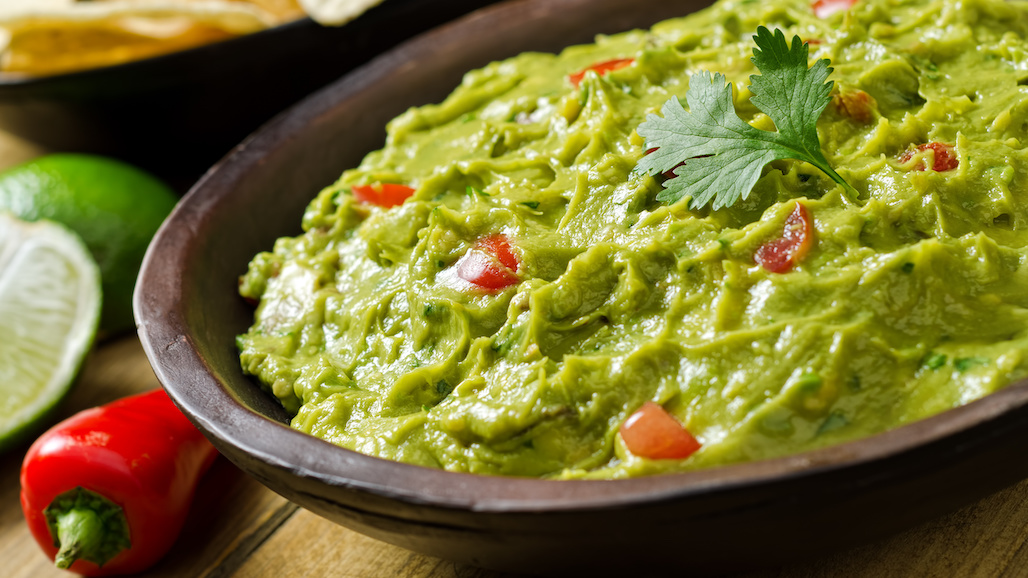
  • Guacamole from Mexico Fuels Surge of Avocado Imports

    Guacamole from Mexico Fuels Surge of Avocado Imports

    Hoy F. Carman, UC Davis, Giannini Foundation of Agricultural Economics – Strong increases in U.S. consumption of processed avocado products have been largely overlooked, while popular attention has focused on the demand for fresh avocados. The major reason for this gap in knowledge is a lack of reliable statistics on avocado processing and U.S. sales of processed avocado products. Despite the significant data issues associated with measurement of processed avocado sales and consumption, there is an important story to be told. Avocados are a healthy, nutrient-loaded food product and U.S. consumption has grown rapidly. Processed avocado imports from Mexico have recently accelerated and their continued growth has important implications for U.S. producers, consumers, and the Mexican avocado industry. Sound economic reasons support Mexico’s dominance in supplying processed avocado products to the U.S. market, and the underlying factors fueling recent growth of processed avocado imports are expected to continue.

    Processed Avocado Imports

    Avocados have evolved from a seasonal specialty to a year-round staple in both the supermarket produce aisle and consumer diets. U.S. fresh avocado consumption increased from 1.47 pounds per capita in 1989 to 8.07 pounds in 2019, with Mexico accounting for most of the increased supplies. At the same time, U.S.-processed avocado imports increased from a minuscule 0.01 pounds per capita in 1989 to almost 0.75 pounds in 2019, with Mexican product dominating imports. The processed import share of total U.S. avocado consumption increased from less than 0.5% (product weight) in 1989 to 8.5% in 2019.

    Figure 1 shows the growth in processed avocado imports from 1989 through 2019. Growth was slow and steady through 2016, and then accelerated from 2017 through 2019. Processed avocado imports first exceeded 50 million pounds in 2000. It took another 11 years of growth to exceed 100 million pounds in 2011. With explosive growth beginning in 2017, it took only three years to add almost 100 million more pounds of processed imports.

    The stair step pattern of growth in processed imports appears to be partially due to the addition of new processing capacity and establishment of new plants in Mexico over time, as well as increased market penetration for processed products. New avocado processing capacity is lumpy, even though the product mix can be flexible. The description of an avocado processing plant recently brought online in Mexico is illustrative. The plant has 190 employees operating two product lines with two high-pressure processing (HPP) machines, four packaging machines, and a capacity of 55,000 pounds of processed product per day. This plant, operating five days per week for 50 weeks can add 13.75 million pounds annually to processed avocado supply and exports.
    U.S.-processed avocado imports are comparatively large when measured against total California avocado production. California produced an annual average crop of about 290 million
    pounds of fresh avocados for the five years from 2015 through 2019. Processed avocado imports totaled 246.6 million pounds (product weight) in 2019, but were certainly much higher in terms of the fresh-product equivalent. Research sponsored by the California Avocado Commission (CAC) indicates that the average yield of edible product for Hass avocado sizes 36 through 84 is 70%. One pound of processed avocado is thus equivalent to about 1.43 pounds of fresh avocados. A further complication is that some processed products such as guacamole contain other ingredients. Overall, it is likely that 2019 processed avocado imports required some 350 million pounds of fresh avocados. This amount exceeds the recent 5-year average California production by almost 20% and not all of the imported product was included in the processed import data. Some of the shortcomings in processed avocado data are discussed below.

    Processed Avocado Data Issues

    There are two reasons for shortcomings in U.S-processed avocado consumption data. First, the USDA and California did not report processed utilization of the California avocado crop because of confidentiality requirements. Thus, even though Calavo processed as much as 20 million pounds of guacamole and other avocado-based items annually in its Santa Paula, California plant from 1974 until it was closed in 2003, all of California’s production was reported as fresh sales and consumption. Second, after the California plant closure in 2003, the U.S. became dependent on imports for almost all of its processed avocado needs. While the U.S. reports quantity and value of processed avocado imports, the data are incomplete because several processed avocado products are not reported separately. For example, frozen avocados (without additives) are reported in a category that includes all frozen fruits.

    Mexican Avocado Processing

    It is no accident that Mexico accounts for nearly all of the supply of processed avocado products in the U.S. market. It is the world’s largest avocado producer, with year-round production and with labor readily available at lower wage rates than in the United States. In addition, U.S. markets are readily accessible to Mexican producing areas, major U.S. avocado marketing firms have significant investments in the Mexican avocado sector, its planted acreage continues to expand significantly, and it is the world’s low-cost producer. Mexico has all of the necessary inputs for continued expansion. California’s largest avocado processor’s move to Mexico in 2003 was dictated by Mexico’s clear advantage in comparative costs of production for avocados.

    The UN’s Food and Agriculture Organization (FAO) reported that 14 firms processed Mexican avocados in 2013. Included were a combination of Mexican, U.S.-based, and international firms. Mexico’s dominance in supplying processed avocados to the U.S market has increased steadily over time. During the four years from 2011 through 2014, Mexico accounted for 93.4%, with Peru a distant second at 4.9%. During 2019, the Mexican-sourced share of U.S.-processed avocado products increased to 97.9%, while Peru’s share declined to 1.1%.

    U.S.-Processed Avocado Demand

    The channels of distribution differ for fresh and processed avocados. The California Avocado Commission (CAC) estimates that for fresh avocados, 70% of annual sales are directly to consumers and 30% are through food service channels. The ratios are reversed for processed avocados. Convenience, together with dependability of supply, uniform quality, and consistent taste are important product attributes for food service firms.

    Examination and comparison of real price and consumption data for processed avocado imports provide some clues to the nature of demand for processed avocado products. While imports of processed avocados increased from less than 0.1 pounds per capita in 1994 to 0.75 pounds per capita in 2019, processed consumption remains far below U.S. fresh avocado consumption of 8.07 pounds per capita in 2019. Annual U.S. per capita processed avocado imports are shown in Figure 2, together with port of entry processed prices and weighted annual fresh avocado prices. Average annual fresh avocado prices consist of a quantity weighted average of California and Florida f.o.b. prices and all fresh avocado imports at port of entry. As noted earlier, the incomplete per capita processed import data are product weight rather than fresh equivalent. Despite these shortcomings in measurement, the increasing pattern of processed imports is similar to per capita fresh avocado consumption.

    While the overall pattern of fresh and processed avocado prices are similar over the period from 1994 through 2019, with real prices reaching lows in 2006 and 2007, the relationship between the two series does not meet expectations for close substitutes until after 2008. That is, if fresh and processed avocados are close substitutes, we would expect fresh and processed prices to show similar adjustments over time—but with processed prices above fresh prices to reflect processing costs and equivalence.

    The pattern of comparative prices prior to 2008 could be due to a combination of factors including, (1) fresh and processed avocados were not regarded as close substitutes in many applications due to processing methods used, (2) demand factors differ in at-home and institutional outlets, (3) annual averages may not capture differing seasonal patterns of supply and demand, and (4) avocados utilized for processing may not be suitable for fresh market sales.

    Factors Associated with Increased Demand

    Existing data, while incomplete, show a significant increase in processed avocado imports and consumption over time. Several factors contributed to increased U.S. imports of fresh and processed avocados. These included:

    -Nutrition and health research funded by the CAC;

    -The phased opening of the U.S. market to fresh Mexican avocados;

    -Approval of the Hass Avocado Promotion, Research, and Information Order that supports research and promotion programs for all fresh Hass avocados marketed in the U.S.;

    -Growth of Mexican and Hispanic restaurants and menu items;

    -Increasing availability of avocado imports from Mexico, Chile, and Peru;

    -Active involvement of U.S.-based firms with extensive experience in avocado packing and processing.

    Economic analysis of the growth of consumer demand attributes an important role to Hass Avocado Board research and promotion programs. A crucial factor for increasing processed avocado demand was the development and adoption of HPP for avocado products beginning in 1996.

    High-Pressure Processing of Avocados Fueled Growth

    Avocado processing has traditionally posed a number of food safety issues since unprocessed or minimally processed ready-to-eat (RTE) avocados have a relatively high risk of microbial contamination from pathogens such as Salmonella, E. Coli, and Listeria. Traditional approaches for assuring safe-to-eat avocado products used through the 1990s were accompanied by food quality and taste issues. Heat pasteurization tended to reduce avocado quality, while additives and preservatives produced flavor issues in the final product. Due to these limitations, processed avocados were regarded as clearly inferior to the fresh product in most menu applications.

    The development and application of HPP for avocado products beginning in 1996 provided a solution for serious quality and taste problems. HPP is a cold pasteurization technique in which a product, already sealed in its final package, is introduced into a vessel and subjected to a high level of isostatic pressure transmitted by water to inactivate the bacteria, virus, yeasts, molds, and parasites that might be present, extending the product’s shelf life and enhancing food safety. HPP also maintains the sensorial and nutritional properties of fresh avocados throughout their shelf life. Frozen HPP products can have a shelf life of up to two years.

    The availability and growth of HPP processing capacity has been an important factor in the expansion of processed avocado sales, as is the convenience of having a dependable supply of high-quality inputs for food service menu items. Texas-based Fresherized Foods, which pioneered the use of HPP of avocados for production of guacamole to supply its restaurants, began commercialization of HPP slowly in 1996 and then ramped up as HPP technology and equipment improved. By 2008 Fresherized Foods was operating two processing facilities in Mexico, one in Peru, and one in Chile. The largest Fresherized Foods plant, located in Mexico, had a capacity of nearly 1 million pounds of guacamole and fresh avocado pulp per week, using seven HPP machines and 1,400 employees.

    Concluding Comments

    Hoy Carman

    The increased U.S. demand for processed avocados from 2016 through 2019 is impressive. This recent rate of growth is likely to pause, however, because of processed avocados’ dependence on food service channels and institutional outlets that have been curtailed due to the coronavirus. First quarter 2020 processed avocado imports increased 10.6%, from 61.78 million pounds in 2019 to 68.53 million pounds, achieving an all-time high. Then, with coronavirus shutdowns, second quarter volumes decreased 13.9%, from 54.54 million pounds in 2019 to 46.97 million pounds in 2020. Processed avocado imports and consumption are unlikely to fully recover until the epidemic is controlled, when it is reasonable to expect growth to resume. By Hoy F. Carman, Professor Emeritus, UC Davis, Giannini Foundation of Agricultural Economics, University of California

  • Marketing Assistance Loan Rates for Wheat, Feed Grains, Oilseeds, Rice and Pulse Crops

    The U.S. Department of Agriculture’s Commodity Credit Corporation (CCC) today announced the 2021 Marketing Assistance Loan rates.

    Marketing Assistance Loans provide interim financing to producers so that commodities can be stored after harvest when market prices are typically low and sold later when market conditions may be more favorable. The 2018 Farm Bill extended the Marketing Assistance Loan program, making production for the 2019 through 2023 crops eligible for loan benefits.

    The 2021 Marketing Assistance Loan rates are available on the Farm Service Agency (FSA) website and below:

    Pandemic Assistance for Producers

    As part of a broader effort to help farmers, ranchers and producers who felt the impact of COVID-19 market disruptions, FSA has increased flexibilities for producers with Marketing Assistance Loans. Loans now mature at 12 months rather than nine for loans on most commodities. This applies to all loans disbursed beginning October 1, 2020, as well as any new loans requested by September 30, 2021. These flexibilities are part of USDA’s broader Pandemic Assistance for Producers initiative, which includes direct payments. More information can be found on farmers.gov/pandemic-assistance.

    More Information

    The CCC’s domestic agricultural price and income support programs are carried out primarily through the personnel and facilities of FSA.

    For more information about the CCC, visit usda.gov/ccc. Producers interested in Marketing Assistance Loans should contact the FSA county office at their local USDA Service Center.

    While USDA offices are currently closed to visitors because of the pandemic, Service Center staff continue to work with agricultural producers via phone, email, and other digital tools. To conduct business, please contact your local USDA Service Center. Additionally, more information related to USDA’s response and relief for producers can be found at farmers.gov/coronavirus.

    USDA is an equal opportunity provider, employer and lender.

  • USDA Announces New & Expanded Pandemic Assistance for Farmers

    USDA Announces New & Expanded Pandemic Assistance for Farmers

    Agriculture Secretary Tom Vilsack announced today that USDA is establishing new programs and efforts to bring financial assistance to farmers, ranchers and producers who felt the impact of COVID-19 market disruptions. The new initiative—USDA Pandemic Assistance for Producers—will reach a broader set of producers than in previous COVID-19 aid programs. USDA is dedicating at least $6 billion toward the new programs. The Department will also develop rules for new programs that will put a greater emphasis on outreach to small and socially disadvantaged producers, specialty crop and organic producers, timber harvesters, as well as provide support for the food supply chain and producers of renewable fuel, among others. Existing programs like the Coronavirus Food Assistance Program (CFAP) will fall within the new initiative and, where statutory authority allows, will be refined to better address the needs of producers.

    USDA Pandemic Assistance for Producers was needed, said Vilsack, after a review of previous COVID-19 assistance programs targeting farmers identified a number of gaps and disparities in how assistance was distributed as well as inadequate outreach to underserved producers and smaller and medium operations.

    “The pandemic affected all of agriculture, but many farmers did not benefit from previous rounds of pandemic-related assistance. The Biden-Harris Administration is committed to helping as many producers as possible, as equitably as possible,” said Vilsack. “Our new USDA Pandemic Assistance for Producers initiative will help get financial assistance to a broader set of producers, including to socially disadvantaged communities, small and medium sized producers, and farmers and producers of less traditional crops.”

    USDA will reopen sign-up for CFAP 2 for at least 60 days beginning on April 5, 2021. The USDA Farm Service Agency (FSA) has committed at least $2.5 million to improve outreach for CFAP 2 and will establish partnerships with organizations with strong connections to socially disadvantaged communities to ensure they are informed and aware of the application process.

    The payments announced today (under Part 3, below) will go out under the existing CFAP rules; however, future opportunities for USDA Pandemic Assistance will be reviewed for verified need and during the rulemaking process, USDA will look to make eligibility more consistent with the Farm Bill. Moving forward, USDA Pandemic Assistance for Producers will utilize existing programs, such as the Local Agricultural Marketing Program, Farming Opportunities Training and Outreach, and Specialty Crop Block Grant Program, and others to enhance educational and market opportunities for agricultural producers.

    USDA Pandemic Assistance for Producers – 4 Parts Announced Today

    Part 1: Investing $6 Billion to Expand Help & Assistance to More Producers

    USDA will dedicate at least $6 billion to develop a number of new programs or modify existing proposals using discretionary funding from the Consolidated Appropriations Act and other coronavirus funding that went unspent by the previous administration. Where rulemaking is required, it will commence this spring. These efforts will include assistance for:

    • Dairy farmers through the Dairy Donation Program or other means:
    • Euthanized livestock and poultry;
    • Biofuels;
    • Specialty crops, beginning farmers, local, urban and organic farms;
    • Costs for organic certification or to continue or add conservation activities
    • Other possible expansion and corrections to CFAP that were not part of today’s announcement such as to support dairy or other livestock producers;
    • Timber harvesting and hauling;
    • Personal Protective Equipment (PPE) and other protective measures for food and farm workers and specialty crop and seafood producers, processors and distributors;
    • Improving the resilience of the food supply chain, including assistance to meat and poultry operations to facilitate interstate shipment;
    • Developing infrastructure to support donation and distribution of perishable commodities, including food donation and distribution through farm-to-school, restaurants or other community organizations; and
    • Reducing food waste.

    Part 2: Adding $500 Million of New Funding to Existing Programs

    USDA expects to begin investing approximately $500 million in expedited assistance through several existing programs this spring, with most by April 30. This new assistance includes:

    • $100 million in additional funding for the Specialty Crop Block Grant Program, administered by the Agricultural Marketing Service (AMS), which enhances the competitiveness of fruits, vegetables, tree nuts, dried fruits, horticulture, and nursery crops.
    • $75 million in additional funding for the Farmers Opportunities Training and Outreach program, administered by the National Institute of Food and Agriculture (NIFA) and the Office of Partnerships and Public Engagement, which encourages and assists socially disadvantaged, veteran, and beginning farmers and ranchers in the ownership and operation of farms and ranches.
    • $100 million in additional funding for the Local Agricultural Marketing Program, administered by the AMS and Rural Development, which supports the development, coordination and expansion of direct producer-to-consumer marketing, local and regional food markets and enterprises and value-added agricultural products.
    • $75 million in additional funding for the Gus Schumacher Nutrition Incentive Program, administered by the NIFA, which provides funding opportunities to conduct and evaluate projects providing incentives to increase the purchase of fruits and vegetables by low-income consumers
    • $20 million for the Animal and Plant Health Inspection Service to improve and maintain animal disease prevention and response capacity, including the National Animal Health Laboratory Network.
    • $20 million for the Agricultural Research Service to work collaboratively with Texas A&M on the critical intersection between responsive agriculture, food production, and human nutrition and health.
    • $28 million for NIFA to provide grants to state departments of agriculture to expand or sustain existing farm stress assistance programs.
    • Approximately $80 million in additional payments to domestic users of upland and extra-long staple cotton based on a formula set in the Consolidated Appropriations Act, 2021 that USDA plans to deliver through the Economic Adjustment Assistance for Textile Mills program.

    Part 3: Carrying Out Formula Payments under CFAP 1, CFAP 2, CFAP AA

    The Consolidated Appropriations Act, 2021, enacted December 2020 requires FSA to make certain payments to producers according to a mandated formula. USDA is now expediting these provisions because there is no discretion involved in interpreting such directives, they are self-enacting.

    • An increase in CFAP 1 payment rates for cattle. Cattle producers with approved CFAP 1 applications will automatically receive these payments beginning in April. Information on the additional payment rates for cattle can be found on farmers.gov/cfap. Eligible producers do not need to submit new applications, since payments are based on previously approved CFAP 1 applications. USDA estimates additional payments of more than $1.1 billion to more than 410,000 producers, according to the mandated formula.
    • Additional CFAP assistance of $20 per acre for producers of eligible crops identified as CFAP 2 flat-rate or price-trigger crops beginning in April. This includes alfalfa, corn, cotton, hemp, peanuts, rice, sorghum, soybeans, sugar beets and wheat, among other crops. FSA will automatically issue payments to eligible price trigger and flat-rate crop producers based on the eligible acres included on their CFAP 2 applications. Eligible producers do not need to submit a new CFAP 2 application. For a list of all eligible row-crops, visit farmers.gov/cfap. USDA estimates additional payments of more than $4.5 billion to more than 560,000 producers, according to the mandated formula.
    • USDA will finalize routine decisions and minor formula adjustments on applications and begin processing payments for certain applications filed as part of the CFAP Additional Assistance program in the following categories:
      • Applications filed for pullets and turfgrass sod;
      • A formula correction for row-crop producer applications to allow producers with a non-Actual Production History (APH) insurance policy to use 100% of the 2019 Agriculture Risk Coverage-County Option (ARC-CO) benchmark yield in the calculation;
      • Sales commodity applications revised to include insurance indemnities, Noninsured Crop Disaster Assistance Program payments, and Wildfire and Hurricane Indemnity Program Plus payments, as required by statute; and
      • Additional payments for swine producers and contract growers under CFAP Additional Assistance remain on hold and are likely to require modifications to the regulation as part of the broader evaluation and future assistance; however, FSA will continue to accept applications from interested producers.

    Part 4: Reopening CFAP 2 Sign-Up to Improve Access & Outreach to Underserved Producers

    As noted above, USDA will re-open sign-up for of CFAP 2 for at least 60 days beginning on April 5, 2021.

    • FSA has committed at least $2.5 million to establish partnerships and direct outreach efforts intended to improve outreach for CFAP 2 and will cooperate with grassroots organizations with strong connections to socially disadvantaged communities to ensure they are informed and aware of the application process.

    Please stay tuned for additional information and announcements under the USDA Pandemic Assistance to Producersinitiative, which will help to expand and more equitably distribute financial assistance to producers and farming operations during the COVID-19 national emergency. Please visit www.farmers.gov for more information on the details of today’s announcement.

    USDA touches the lives of all Americans each day in so many positive ways. In the Biden administration, USDA is transforming America’s food system with a greater focus on more resilient local and regional food production, ensuring access to healthy and nutritious food in all communities, building new markets and streams of income for farmers and producers using climate-smart food and forestry practices, making historic investments in infrastructure and clean-energy capabilities in rural America, and committing to equity across the Department by removing systemic barriers and building a workforce more representative of America. To learn more, visit www.usda.gov.

  • USDA Announces New & Expanded Pandemic Assistance for Farmers

    USDA Announces New & Expanded Pandemic Assistance for Farmers

    Agriculture Secretary Tom Vilsack announced today that USDA is establishing new programs and efforts to bring financial assistance to farmers, ranchers and producers who felt the impact of COVID-19 market disruptions. The new initiative—USDA Pandemic Assistance for Producers—will reach a broader set of producers than in previous COVID-19 aid programs. USDA is dedicating at least $6 billion toward the new programs. The Department will also develop rules for new programs that will put a greater emphasis on outreach to small and socially disadvantaged producers, specialty crop and organic producers, timber harvesters, as well as provide support for the food supply chain and producers of renewable fuel, among others. Existing programs like the Coronavirus Food Assistance Program (CFAP) will fall within the new initiative and, where statutory authority allows, will be refined to better address the needs of producers.

    USDA Pandemic Assistance for Producers was needed, said Vilsack, after a review of previous COVID-19 assistance programs targeting farmers identified a number of gaps and disparities in how assistance was distributed as well as inadequate outreach to underserved producers and smaller and medium operations.

    “The pandemic affected all of agriculture, but many farmers did not benefit from previous rounds of pandemic-related assistance. The Biden-Harris Administration is committed to helping as many producers as possible, as equitably as possible,” said Vilsack. “Our new USDA Pandemic Assistance for Producers initiative will help get financial assistance to a broader set of producers, including to socially disadvantaged communities, small and medium sized producers, and farmers and producers of less traditional crops.”

    USDA will reopen sign-up for CFAP 2 for at least 60 days beginning on April 5, 2021. The USDA Farm Service Agency (FSA) has committed at least $2.5 million to improve outreach for CFAP 2 and will establish partnerships with organizations with strong connections to socially disadvantaged communities to ensure they are informed and aware of the application process.

    The payments announced today (under Part 3, below) will go out under the existing CFAP rules; however, future opportunities for USDA Pandemic Assistance will be reviewed for verified need and during the rulemaking process, USDA will look to make eligibility more consistent with the Farm Bill. Moving forward, USDA Pandemic Assistance for Producers will utilize existing programs, such as the Local Agricultural Marketing Program, Farming Opportunities Training and Outreach, and Specialty Crop Block Grant Program, and others to enhance educational and market opportunities for agricultural producers.

    USDA Pandemic Assistance for Producers – 4 Parts Announced Today

    Part 1: Investing $6 Billion to Expand Help & Assistance to More Producers

    USDA will dedicate at least $6 billion to develop a number of new programs or modify existing proposals using discretionary funding from the Consolidated Appropriations Act and other coronavirus funding that went unspent by the previous administration. Where rulemaking is required, it will commence this spring. These efforts will include assistance for:

    • Dairy farmers through the Dairy Donation Program or other means:
    • Euthanized livestock and poultry;
    • Biofuels;
    • Specialty crops, beginning farmers, local, urban and organic farms;
    • Costs for organic certification or to continue or add conservation activities
    • Other possible expansion and corrections to CFAP that were not part of today’s announcement such as to support dairy or other livestock producers;
    • Timber harvesting and hauling;
    • Personal Protective Equipment (PPE) and other protective measures for food and farm workers and specialty crop and seafood producers, processors and distributors;
    • Improving the resilience of the food supply chain, including assistance to meat and poultry operations to facilitate interstate shipment;
    • Developing infrastructure to support donation and distribution of perishable commodities, including food donation and distribution through farm-to-school, restaurants or other community organizations; and
    • Reducing food waste.

    Part 2: Adding $500 Million of New Funding to Existing Programs

    USDA expects to begin investing approximately $500 million in expedited assistance through several existing programs this spring, with most by April 30. This new assistance includes:

    • $100 million in additional funding for the Specialty Crop Block Grant Program, administered by the Agricultural Marketing Service (AMS), which enhances the competitiveness of fruits, vegetables, tree nuts, dried fruits, horticulture, and nursery crops.
    • $75 million in additional funding for the Farmers Opportunities Training and Outreach program, administered by the National Institute of Food and Agriculture (NIFA) and the Office of Partnerships and Public Engagement, which encourages and assists socially disadvantaged, veteran, and beginning farmers and ranchers in the ownership and operation of farms and ranches.
    • $100 million in additional funding for the Local Agricultural Marketing Program, administered by the AMS and Rural Development, which supports the development, coordination and expansion of direct producer-to-consumer marketing, local and regional food markets and enterprises and value-added agricultural products.
    • $75 million in additional funding for the Gus Schumacher Nutrition Incentive Program, administered by the NIFA, which provides funding opportunities to conduct and evaluate projects providing incentives to increase the purchase of fruits and vegetables by low-income consumers
    • $20 million for the Animal and Plant Health Inspection Service to improve and maintain animal disease prevention and response capacity, including the National Animal Health Laboratory Network.
    • $20 million for the Agricultural Research Service to work collaboratively with Texas A&M on the critical intersection between responsive agriculture, food production, and human nutrition and health.
    • $28 million for NIFA to provide grants to state departments of agriculture to expand or sustain existing farm stress assistance programs.
    • Approximately $80 million in additional payments to domestic users of upland and extra-long staple cotton based on a formula set in the Consolidated Appropriations Act, 2021 that USDA plans to deliver through the Economic Adjustment Assistance for Textile Mills program.

    Part 3: Carrying Out Formula Payments under CFAP 1, CFAP 2, CFAP AA

    The Consolidated Appropriations Act, 2021, enacted December 2020 requires FSA to make certain payments to producers according to a mandated formula. USDA is now expediting these provisions because there is no discretion involved in interpreting such directives, they are self-enacting.

    • An increase in CFAP 1 payment rates for cattle. Cattle producers with approved CFAP 1 applications will automatically receive these payments beginning in April. Information on the additional payment rates for cattle can be found on farmers.gov/cfap. Eligible producers do not need to submit new applications, since payments are based on previously approved CFAP 1 applications. USDA estimates additional payments of more than $1.1 billion to more than 410,000 producers, according to the mandated formula.
    • Additional CFAP assistance of $20 per acre for producers of eligible crops identified as CFAP 2 flat-rate or price-trigger crops beginning in April. This includes alfalfa, corn, cotton, hemp, peanuts, rice, sorghum, soybeans, sugar beets and wheat, among other crops. FSA will automatically issue payments to eligible price trigger and flat-rate crop producers based on the eligible acres included on their CFAP 2 applications. Eligible producers do not need to submit a new CFAP 2 application. For a list of all eligible row-crops, visit farmers.gov/cfap. USDA estimates additional payments of more than $4.5 billion to more than 560,000 producers, according to the mandated formula.
    • USDA will finalize routine decisions and minor formula adjustments on applications and begin processing payments for certain applications filed as part of the CFAP Additional Assistance program in the following categories:
      • Applications filed for pullets and turfgrass sod;
      • A formula correction for row-crop producer applications to allow producers with a non-Actual Production History (APH) insurance policy to use 100% of the 2019 Agriculture Risk Coverage-County Option (ARC-CO) benchmark yield in the calculation;
      • Sales commodity applications revised to include insurance indemnities, Noninsured Crop Disaster Assistance Program payments, and Wildfire and Hurricane Indemnity Program Plus payments, as required by statute; and
      • Additional payments for swine producers and contract growers under CFAP Additional Assistance remain on hold and are likely to require modifications to the regulation as part of the broader evaluation and future assistance; however, FSA will continue to accept applications from interested producers.

    Part 4: Reopening CFAP 2 Sign-Up to Improve Access & Outreach to Underserved Producers

    As noted above, USDA will re-open sign-up for of CFAP 2 for at least 60 days beginning on April 5, 2021.

    • FSA has committed at least $2.5 million to establish partnerships and direct outreach efforts intended to improve outreach for CFAP 2 and will cooperate with grassroots organizations with strong connections to socially disadvantaged communities to ensure they are informed and aware of the application process.

    Please stay tuned for additional information and announcements under the USDA Pandemic Assistance to Producersinitiative, which will help to expand and more equitably distribute financial assistance to producers and farming operations during the COVID-19 national emergency. Please visit www.farmers.gov for more information on the details of today’s announcement.

    USDA touches the lives of all Americans each day in so many positive ways. In the Biden administration, USDA is transforming America’s food system with a greater focus on more resilient local and regional food production, ensuring access to healthy and nutritious food in all communities, building new markets and streams of income for farmers and producers using climate-smart food and forestry practices, making historic investments in infrastructure and clean-energy capabilities in rural America, and committing to equity across the Department by removing systemic barriers and building a workforce more representative of America. To learn more, visit www.usda.gov.

  • Fresno County Dominates CA Processing Tomato Production

    The USDA-NASS Pacific Regional Office surveyed California’s tomato processors for their final acreage and tonnage for the 2020 season. The reported data is summarized by county and listed with final 2019 acres, yield and production for comparison.

    In 2020, there were 234,000 acres of processing tomatoes planted in California, a decrease of 1,000 acres compared to 2019. An estimated 228,000 acres were harvested in 2020, unchanged from the previous year. Total 2020 production was 11.31 million tons, 1.1% higher than the 2019 final production of 11.19 million tons.

    Fresno County continued to be the top California county with 3.62 million tons produced. The remaining top five counties include Yolo, Kings, Merced and San Joaquin, accounting for 74% of the total 2020 processing tomato tonnage for California. 

  • Viral Lettuce Disease Threatens Western Growers

    A recent report of viral disease on lettuce from our neighbor (Yuma, Arizona) caught our attention since this is highly relevant to our production system (please find information on the first link below). The name of the virus is “Impatient Necrotic Sport Virus” (INSV), which is a tospovirus, similar to the virus that attacks tomato to cause tomato spotted wilt virus symptoms. This virus (INSV) was first reported affecting lettuce crops in Salinas Valley of California in 2006. Subsequently, it was reported to cause crop loss in 2012 and 2015 in the same area. This virus is transmitted by western flower thrips (Frankliniella occidentalis), which is very common and abundant in the low desert region. Early symptoms of infection by INSV are brown to dark spots and dead (necrotic) areas on leaves, which is often mistaken as chemical burn as shown in the picture below on the left-hand side (Photo Credit: Steven T. Koike, UCANR). As the disease progress, multiple leaves could be affected and result in distorted, twisted and dwarf plants (picture on the right). Most of the lettuce types are susceptible to this virus. Several weed species also believed to be the hosts of this virus. Thrips, that also feed on the alternate host weeds can facilitate INSV transmission to lettuce and other crops.

    The good news is that this virus has not been reported from Imperial Valley to our best knowledge. However, we must keep an eye on anything unusual, especially the symptoms shown in the pictures below.

    If you observe similar symptoms on your lettuce or related crops, please bring to our attention, contact us at (442) 265-7700 or bring the sample to our office, 1050 E Holton Road, Holtville, CA 92250.

    For more information:

    https://acis.cals.arizona.edu/agricultural-ipm/vegetables/vipm-archive/vipm-plant-view/impatiens-necrotic-spot-virus

    https://ucanr.edu/blogs/blogcore/postdetail.cfm?postnum=7309

    https://ucanr.edu/blogs/blogcore/postdetail.cfm?postnum=17351

    -By Apurba Barman & Oli Bachie, UC Cooperative Extension

  • New UCCE IPM advisor in Imperial County

    Apurba Barman joined UC Cooperative Extension as low desert integrated pest management advisor on Jan. 11, 2021. He will be headquartered at the UCCE Imperial County office, which adjoins the UC Desert Research and Extension Center in Holtville.

    “I am very excited for my new role as an IPM advisor based in Southern California and for the opportunity to serve one of the most important vegetable production regions in the state,” Barman said. “The diversity and intensity of crop production in this region demand targeted research to solve pest management issues and effective extension programs to reach diverse clientele. I feel prepared for this job with my experience and passion to serve the community.”

    Barman earned a bachelor’s degree at Assam Agricultural University in India, and master’s degrees in Indiana and at Texas Tech University, Lubbock. In 2011, he completed a doctorate degree at Texas A&M University in College Station, where he developed a research program to understand the extent of damage and management of thrips in the Texas High Plains region.

    Barman comes to UC Cooperative Extension from the University of Georgia, where he led a whitefly monitoring and management progress across cropping systems in the southern region the state.

    Barman can be reached at (209) 285-9810 and akbarman@ucanr.edu. His Twitter handle is @Ento_Barman.