Category: Industry News

  • USDA Issues First Coronavirus Food Assistance Program Payments

    U.S. Secretary of Agriculture Sonny Perdue today announced the USDA Farm Service Agency (FSA) has already approved more than $545 million in payments to producers who have applied for the Coronavirus Food Assistance Program. FSA began taking applications May 26, and the agency has received over 86,000 applications for this important relief program.

    “The coronavirus has hurt America’s farmers, ranchers, and producers, and these payments directed by President Trump will help this critical industry weather the current pandemic so they can continue to plant and harvest a safe, nutritious, and affordable crop for the American people,” said Secretary Perdue. “We have tools and resources available to help producers understand the program and enable them to work with Farm Service Agency staff to complete applications as smoothly and efficiently as possible and get payments into the pockets of our patriotic farmers.”

    In the first six days of the application period, FSA has already made payments to more than 35,000 producers. Out of the gate, the top five states for CFAP payments are Illinois, Kansas, Wisconsin, Nebraska, and South Dakota. USDA has released data on application progress and program payments and will release further updates each Monday at 2:00pm ET. The report can be viewed at farmers.gov/cfap.

    FSA will accept applications through August 28, 2020. Through CFAP, USDA is making available $16 billion in financial assistance to producers of agricultural commodities who have suffered a five-percent-or-greater price decline due to COVID-19 and face additional significant marketing costs as a result of lower demand, surplus production, and disruptions to shipping patterns and the orderly marketing of commodities.

    In order to do this, producers will receive 80 percent of their maximum total payment upon approval of the application. The remaining portion of the payment, not to exceed the payment limit, will be paid at a later date nationwide, as funds remain available.

    Getting Help from FSA

    New customers seeking one-on-one support with the CFAP application process can call 877-508-8364 to speak directly with a USDA employee ready to offer general assistance. This is a recommended first step before a producer engages the team at the FSA county office at their local USDA Service Center.

    Producers can download the CFAP application and other eligibility forms from farmers.gov/cfap. Also, on that webpage, producers can find a payment calculator to help producers identify sales and inventory records needed to apply and calculate potential payments. Producers self-certify their records when applying for CFAP and that documentation is not submitted with the application. However, producers may be asked for their documentation to support the certification of eligible commodities, so producers should retain the information used to complete their application.

    Those who use the online calculator tool will be able to print a pre-filled CFAP application, sign it, and submit it to your local FSA office either electronically or via hand delivery through an office drop box. Please contact your local office to determine the preferred delivery method for your local office. Team members at FSA county offices will be able to answer detailed questions and help producers apply quickly and efficiently through phone and online tools. Find contact information for your local office at farmers.gov/cfap.

    Policy Clarifications

    FSA has been working with stakeholder groups to provide further clarification to producers on the CFAP program. For example, the agency has published a matrix of common marketing contracts that impact eligibility for non-specialty crops and has provided a table that crosswalks common livestock terms to CFAP cattle categories. Updated information can be found in the frequently asked questions section of the CFAP website.

    More Information

    To find the latest information on CFAP, visit farmers.gov/CFAP or call 877-508-8364.

    USDA Service Centers are open for business by phone appointment only, and field work will continue with appropriate social distancing. While program delivery staff will continue to come into the office, they will be working with producers by phone and using online tools whenever possible. All Service Center visitors wishing to conduct business with the FSA, Natural Resources Conservation Service, or any other Service Center agency are required to call their Service Center to schedule a phone appointment. More information can be found at farmers.gov/coronavirus.

  • Watermelon Board Pivots Nutrition Education Strategy to Digital Model

    The National Watermelon Promotion Board (NWPB) is realigning resources to adapt to a new climate while focusing on summer sales. Unlike years past when summer months meant in-person events, the socially-distanced approach adjusts marketing and promotional efforts to continue to position watermelon as the go-to choice for kids and families. NWPB has been partnered with the world’s only rock & roll nutrition show Jump with Jill for over eight years, with a national live tour partnership as the leading line item. With stay-at-home orders in place, Jump with Jill and NWPB are teaming up to bring consumers a digital version of the program called the Jump with Jill Digital Tour with unplugged songs, dances, workouts, activities, and tutorials.

    “Jump with Jill is our longtime partner for kids content and in-school outreach and their primary delivery mechanism was through a powerful live musical show,” says Stephanie Barlow, Senior Director of Communications. They have realigned so that songs about eating fruit like Nature’s Candy and The Sweet Beat can still reach kids even when they are distance learning.”

    Just as the watermelon domestic growing season hits its peak, these free resources and tools serve an important need useful while families are at home. Parents are craving content that can hold their kids’ attention while they work from home and teachers need summer study materials they can use to prevent the summer slide, or the slide backwards that many children make in reading and math skills over the summer.

    “From our homes to families everywhere, we are thrilled to be able to perform and teach,” says Jump with Jill creator, Jill Jayne, who brings her credentials as a Registered Dietitian and singer into everything she touches. “When they announced school closures, we were forced to accept that a screen would be a mandatory feature in our relationship with our audience. So we wanted to use it to communicate to kids in a powerful way letting them know that – we are still here, we are still singing, and we still love you.”

    For more information and to explore the resources available from NWPB and Jump with Jill, check out Facebook, YouTube, visit Watermelon.org or JumpwithJill.com.      

    About National Watermelon Promotion Board

    The National Watermelon Promotion Board (NWPB), based in Winter Springs, Florida, was established in 1989 as an agricultural promotion group to promote watermelon in the United States and in various markets abroad. Funded through a self-mandated industry assessment paid by more than 800 watermelon producers, handlers and importers, NWPB mission is to increase consumer demand for watermelon through promotion, research and education programs.

    Watermelon packs a nutritious punch, with each serving providing an excellent source of Vitamin C (25%), a source of Vitamin A(8%) and B6 (8%), and a delicious way to stay hydrated (92% water), with only 80 calories. Watermelon consumption per capita in the United States was an estimated 15.6 pounds in 2019. Watermelon consumption in the United States was approximately 5.1 billion pounds in 2019. The United States exported an additional 321.2 million pounds of watermelon.

    About Jump with Jill

    As a leader in interactive educational experiences since 2008, the music-based nutrition education program Jump with Jill makes healthy rock. The world’s only rock & roll nutrition show use singable anthems to transform nutrition education into a school wide live concert. The supporting digital platform of songs, dances, workouts, activities, and tutorials brings the messages into the classroom and home. Created by a singing Registered Dietitian & her band of extraordinary educators, Jump with Jill gets students moving and learning about health in a way they will never forget. The Emmy-nominated nutrition education program

    has been performed over 3,800 times in six countries for over 1.2 million kids.

  • 12 Million Ton Processing Tomato Crop Anticipated in California

    As of May 15, California’s tomato processors reported they have or will have contracts for 12.0 million tons of processing tomatoes for 2020. This production estimate is unchanged from the January intentions forecast and 7.8 percent above the final 2019 contracted production total. The May contracted acreage of 235,000 is also unchanged from the January intentions forecast and 1,000 acres above last year’s final contracted acreage.

    Fresno County remains the top California County in contracted planted acreage for 2020 with 72,300 acres. Yolo, Merced, Kings and San Joaquin make up the remaining top five counties, accounting for 75 percent of the 2020 total contracted planted acreage for California.

    Dry winter weather caused some concern for water availability. Despite a few rain storms in March and April, planting was on schedule and the warm temperatures through spring helped with early crop development. An unusual heat wave at the end of May required more irrigation than normal for this time of year. There were no reports of disease or pest issues.

    This early processing tomato estimate is funded by the California League of Food Producers, in cooperation with the California Department of Food and Agriculture. 

  • CA Farmers Can Now Apply for Financial Assistance through Coronavirus Food Assistance Program

    CA Farmers Can Now Apply for Financial Assistance through Coronavirus Food Assistance Program

    Agricultural producers can now apply for USDA’s Coronavirus Food Assistance Program (CFAP), which provides direct payments to offset impacts from the coronavirus pandemic. The application and a payment calculator are now available online, and USDA’s Farm Service Agency (FSA) staff members are available via phone, fax and online tools to help producers complete applications. The agency set up a call center in order to simplify how they serve new customers across the nation.

    “We know California producers are facing a tough time now, and we are making every effort to provide much needed support as quickly as possible,” said Connie Conway, state executive director for FSA in California. “FSA is available over the phone and virtually to walk you through the application process, whether it’s the first time you’ve worked with FSA, or if you know us quite well.”

    Applications will be accepted through August 28, 2020. Through CFAP, USDA is making available $16 billion for vital financial assistance to producers of agricultural commodities who have suffered a five-percent-or-greater price decline due to COVID-19 and face additional significant marketing costs as a result of lower demand, surplus production, and disruptions to shipping patterns and the orderly marketing of commodities.

    “We also want to remind producers that the program is structured to ensure the availability of funding for all eligible producers who apply,” Conway said.

    In order to do this, producers will receive 80 percent of their maximum total payment upon approval of the application. The remaining portion of the payment, not to exceed the payment limit, will be paid at a later date nationwide, as funds remain available.

    Producers can download the CFAP application and other eligibility forms from farmers.gov/cfap. Also, on that webpage, producers can find a payment calculator to help identify sales and inventory records needed to apply and calculate potential payments.

    Additionally, producers in search of one-on-one support with the CFAP application process can call 877-508-8364 to speak directly with a USDA employee ready to offer assistance. This is a good first step before a producer engages the team at the FSA county office at their local USDA Service Center.

    Applying for Assistance

    Producers of all eligible commodities will apply through their local FSA office. Those who use the online calculator tool will be able to print off a pre-filled CFAP application, sign, and submit to your local FSA office either electronically or via hand delivery. Please contact your local office to determine the preferred method. Find contact information for your local office at farmers.gov/cfap.

    Documentation to support the producer’s application and certification may be requested after the application is filed. FSA has streamlined the signup process to not require an acreage report at the time of application and a USDA farm number may not be immediately needed.

    Additional Commodities

    USDA is also establishing a process for the public to identify additional commodities for potential inclusion in CFAP. Specifically, USDA is looking for data on agricultural commodities, that are not currently eligible for CFAP, that the public believes to have either:

    1. suffered a five percent-or-greater price decline between mid-January and mid-April as a result of the COVID-19 pandemic,
    2. shipped but subsequently spoiled due to loss of marketing channel, or
    3. not left the farm or remained unharvested as mature crops.

    More information about this process is available on farmers.gov/cfap. 

    More Information

    To find the latest information on CFAP, visit farmers.gov/cfap or call 877-508-8364.

    USDA Service Centers are open for business by phone appointment only, and field work will continue with appropriate social distancing. While program delivery staff will continue to come into the office, they will be working with producers by phone and using online tools whenever possible. All Service Center visitors wishing to conduct business with the FSA, Natural Resources Conservation Service, or any other Service Center agency are required to call their Service Center to schedule a phone appointment. More information can be found at farmers.gov/coronavirus.

  • CA Farmers Can Now Apply for Financial Assistance through Coronavirus Food Assistance Program

    CA Farmers Can Now Apply for Financial Assistance through Coronavirus Food Assistance Program

    Agricultural producers can now apply for USDA’s Coronavirus Food Assistance Program (CFAP), which provides direct payments to offset impacts from the coronavirus pandemic. The application and a payment calculator are now available online, and USDA’s Farm Service Agency (FSA) staff members are available via phone, fax and online tools to help producers complete applications. The agency set up a call center in order to simplify how they serve new customers across the nation.

    “We know California producers are facing a tough time now, and we are making every effort to provide much needed support as quickly as possible,” said Connie Conway, state executive director for FSA in California. “FSA is available over the phone and virtually to walk you through the application process, whether it’s the first time you’ve worked with FSA, or if you know us quite well.”

    Applications will be accepted through August 28, 2020. Through CFAP, USDA is making available $16 billion for vital financial assistance to producers of agricultural commodities who have suffered a five-percent-or-greater price decline due to COVID-19 and face additional significant marketing costs as a result of lower demand, surplus production, and disruptions to shipping patterns and the orderly marketing of commodities.

    “We also want to remind producers that the program is structured to ensure the availability of funding for all eligible producers who apply,” Conway said.

    In order to do this, producers will receive 80 percent of their maximum total payment upon approval of the application. The remaining portion of the payment, not to exceed the payment limit, will be paid at a later date nationwide, as funds remain available.

    Producers can download the CFAP application and other eligibility forms from farmers.gov/cfap. Also, on that webpage, producers can find a payment calculator to help identify sales and inventory records needed to apply and calculate potential payments.

    Additionally, producers in search of one-on-one support with the CFAP application process can call 877-508-8364 to speak directly with a USDA employee ready to offer assistance. This is a good first step before a producer engages the team at the FSA county office at their local USDA Service Center.

    Applying for Assistance

    Producers of all eligible commodities will apply through their local FSA office. Those who use the online calculator tool will be able to print off a pre-filled CFAP application, sign, and submit to your local FSA office either electronically or via hand delivery. Please contact your local office to determine the preferred method. Find contact information for your local office at farmers.gov/cfap.

    Documentation to support the producer’s application and certification may be requested after the application is filed. FSA has streamlined the signup process to not require an acreage report at the time of application and a USDA farm number may not be immediately needed. 

    Additional Commodities

    USDA is also establishing a process for the public to identify additional commodities for potential inclusion in CFAP. Specifically, USDA is looking for data on agricultural commodities, that are not currently eligible for CFAP, that the public believes to have either:

    1. suffered a five percent-or-greater price decline between mid-January and mid-April as a result of the COVID-19 pandemic,
    2. shipped but subsequently spoiled due to loss of marketing channel, or
    3. not left the farm or remained unharvested as mature crops.

    More information about this process is available on farmers.gov/cfap.

    More Information

    To find the latest information on CFAP, visit farmers.gov/cfap or call 877-508-8364.

    USDA Service Centers are open for business by phone appointment only, and field work will continue with appropriate social distancing. While program delivery staff will continue to come into the office, they will be working with producers by phone and using online tools whenever possible. All Service Center visitors wishing to conduct business with the FSA, Natural Resources Conservation Service, or any other Service Center agency are required to call their Service Center to schedule a phone appointment. More information can be found at farmers.gov/coronavirus.

  • New Resources for Farmers with CA Irrigation Management Information System

    New Resources for Farmers with CA Irrigation Management Information System

    Many farmers are already familiar with California DWR’s CIMIS program, with weather stations that collect data for them all over the state. What they may not know is some newer features to the program that can help them better determine irrigation needs for their crops wherever they may be. Watch this brief interview with Steve Ewert as he explains.

  • New Resources for Farmers with CA Irrigation Management Information System

    New Resources for Farmers with CA Irrigation Management Information System

    Many farmers are already familiar with California DWR’s CIMIS program, with weather stations that collect data for them all over the state. What they may not know is some newer features to the program that can help them better determine irrigation needs for their crops wherever they may be. Watch this brief interview with Steve Ewert as he explains.

  • Connecting the Watermelon Industry with Retail and Foodservice Buyers

    Connecting the Watermelon Industry with Retail and Foodservice Buyers

    The new National Watermelon Promotion Board (NWPB) Watermelon Supplier Database is the perfect platform to connect retail and foodservice buyers with suppliers as the summer season takes off for America’s favorite melon.

    Each year the NWPB staff promote watermelon to retail and foodservice audiences, both in-person and digitally. When a contact asks where they can get watermelon, this new database with help connect the dots. The new Watermelon Supplier Database is based on the new watermelon.org in the Industry, Retail and Foodservice sections and at watermelon.org/supplierdatabase, so all interested groups can easily access the database.

    The Board is still working to populate the database so if a member of the watermelon industry is interested, please visit watermelon.org/supplierdatabase. Multiple roles in the industry are encouraged to be a part of the database including wholesalers, growers, importers, brokers, processors, seed, transportation companies and more.

    Please reach out to supplierdatabase@watermelon.org with any questions.

    About National Watermelon Promotion Board

    The National Watermelon Promotion Board (NWPB), based in Winter Springs, Florida, was established in 1989 as an agricultural promotion group to promote watermelon in the United States and in various markets abroad. Funded through a self-mandated industry assessment paid by more than 800 watermelon producers, handlers and importers, NWPB mission is to increase consumer demand for watermelon through promotion, research and education programs.

    Watermelon packs a nutritious punch, with each serving providing an excellent source of Vitamin C (25%), a source of Vitamin B6 (8%), and a delicious way to stay hydrated (92% water), with only 80 calories. Watermelon consumption per capita in the United States was an estimated 15.6 pounds in 2019. Watermelon consumption in the United States was approximately 5.1 billion pounds in 2019. The United States exported an additional 321.2 million pounds of watermelon. For additional information, visit www.watermelon.org

  • Bing Cherries: A Natural Health Remedy that Grows on Trees?

    Bing Cherries: A Natural Health Remedy that Grows on Trees?

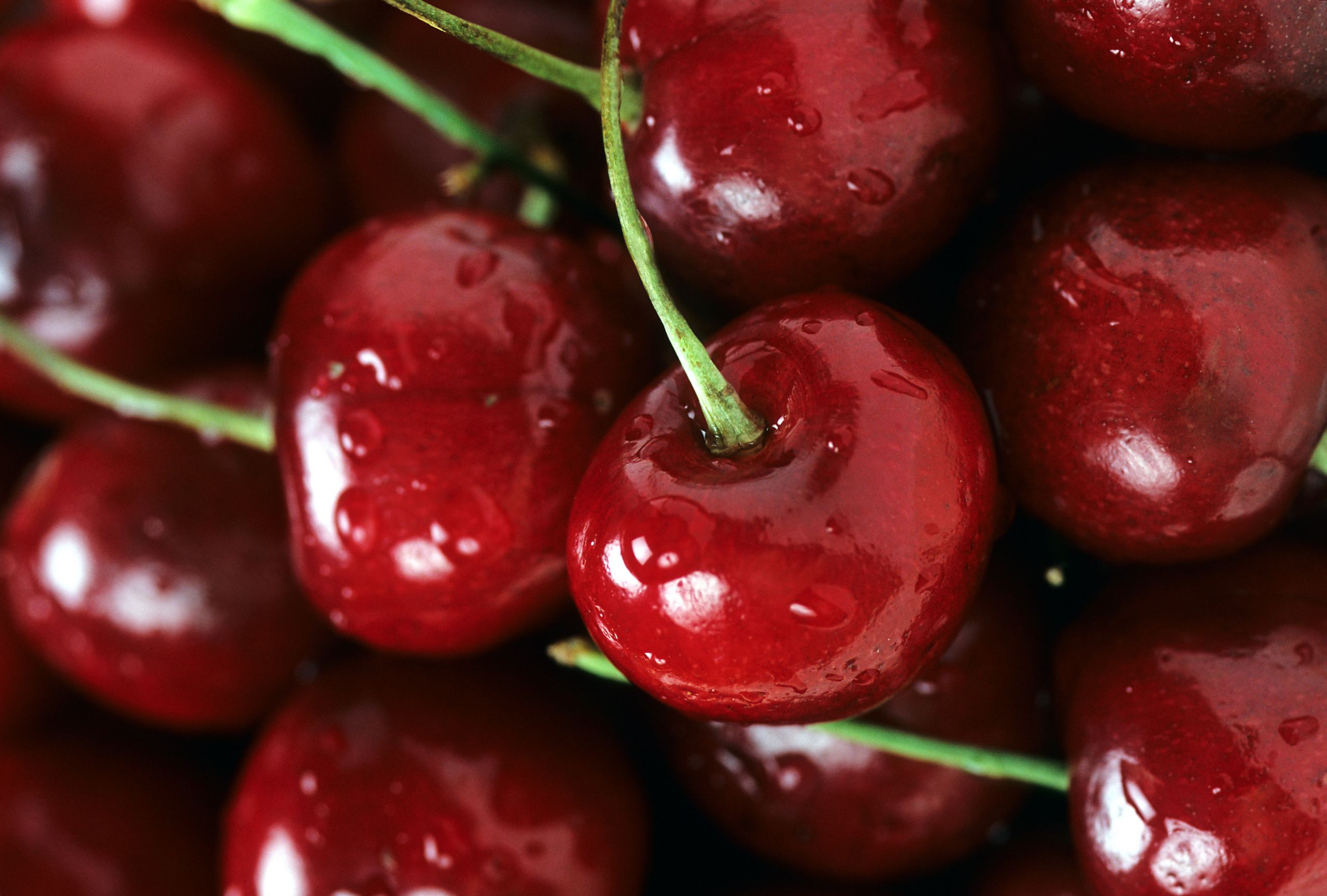
    There are many amazing things in nature, and a USDA scientist in California is exploring evidence that Bing cherries contain some wondrous health possibilities.

    “We’re testing whether the consumption of sweet cherry juice can improve human health across several cognitive and physiological systems in the body,” said Kevin Laugero, a systems physiologist and research nutritionist with the Agricultural Research Service (ARS) Western Human Nutrition Research Center in Davis, CA. The study explores evidence that Bing cherries contain bioactive compounds that improve human health. Fresh cherries aren’t available all year, so demonstrating the effects of cherry juice would potentially circumvent limited access to the benefits of this otherwise seasonal fruit.

    The overall goal of Laugero’s study is to test the effects of sweet cherry juice on cardiovascular disease risk factors and cognitive functions in at-risk persons, specifically examining biomarkers that indicate conditions associated with metabolic syndrome.

    “Metabolic syndrome is a term used to describe the presence of a cluster of factors associated with increased risk for developing cardiovascular and other chronic diseases,” Laugero said.

    The American Heart Association defines metabolic syndrome as the presence of three or more of the following conditions: abdominal obesity, high blood pressure, high triglyceride levels, low HDL cholesterol levels, and high fasting glucose levels.

    “Many of the health benefits of consuming cherries may be due to their anti-inflammatory potential,” he said. “Some chronic diseases and conditions, such as heart disease, high blood pressure, arthritis, and Alzheimer’s have been linked to elevated inflammation.”

    According to Laugero, cherries are a good source of anti-inflammatory and antioxidant compounds, including vitamin C, beta-carotene, flavonoids, and anthocyanins—the pigment that gives the cherries their dark-red color. These compounds may reduce inflammation by reducing oxidative stress, lipid oxidation, and other inflammatory regulating molecules.

    Laugero and retired ARS chemist Darshan Kelley have collaborated on other cherry-related research, including the recent publication of review article on the health benefits of cherries.

  • Best Practices Video for Field Crew During Citrus Harvest for Pest/Disease Prevention

    Best Practices Video for Field Crew During Citrus Harvest for Pest/Disease Prevention

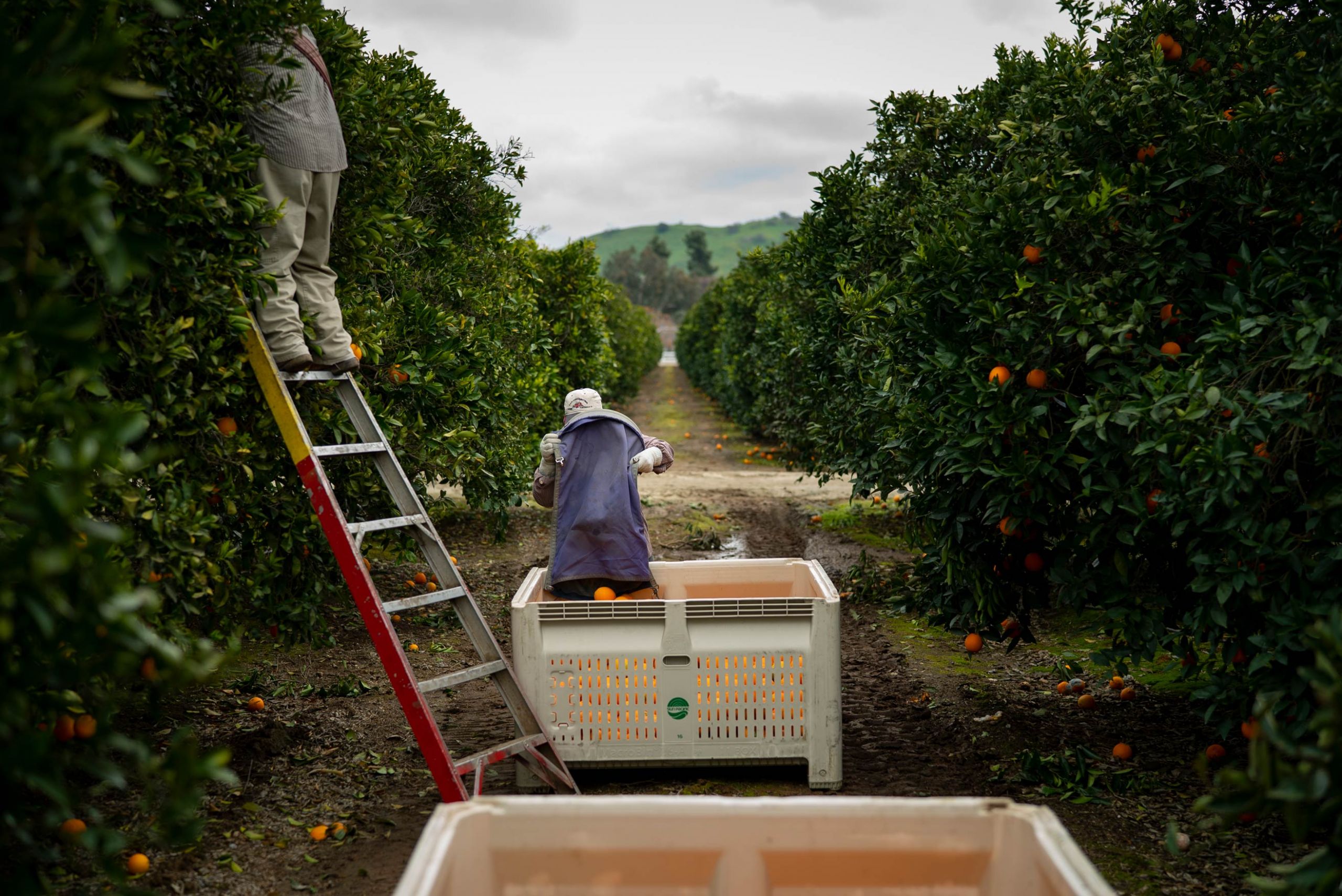
    To provide industry members, including field crews, with best practices to prevent the spread of the Asian citrus psyllid (ACP) in California’s citrus groves, the Citrus Pest & Disease Prevention Program has developed a mobile-friendly, Spanish-language field crew training video that can be used by field crew supervisors and farm labor contractors prior to harvest.
     
    This video, which stems directly from our in-person train-the-trainer workshops, provides an overview of best practices for field crews to prevent Huanglongbing (HLB) from threatening the California citrus industry’s livelihood and infecting commercial groves.
     

    A direct, downloadable version of this video is available here.

    We all must do our part if we’re going to protect California citrus from this disease – and field crews are at the forefront. For additional resources and videos, please visit CitrusInsider.org/Resources.