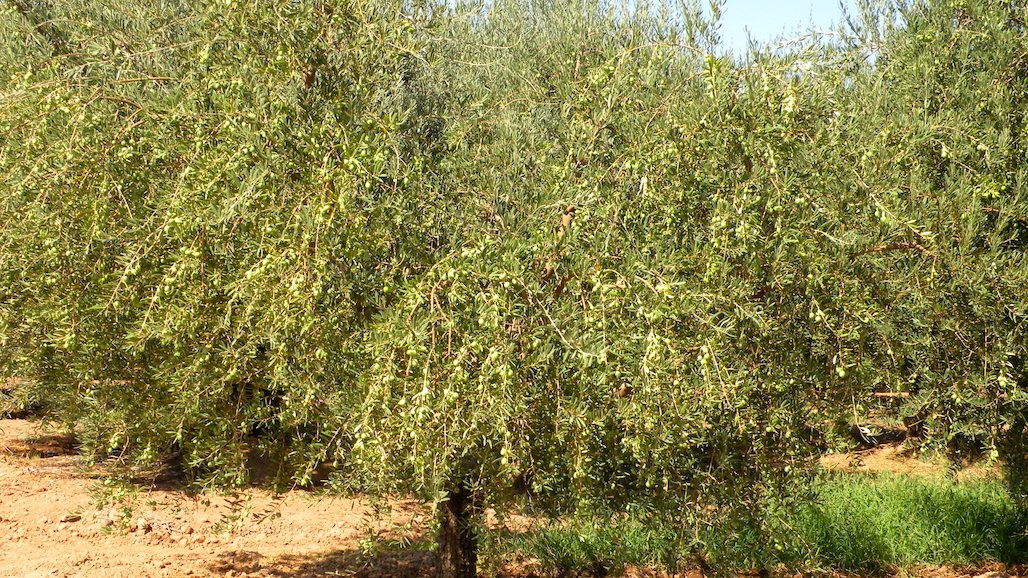
North coast olive growers are invited to attend the 2024 Lake County Pruning Olive Trees Day sponsored by the UC Cooperative Extension and the UC Davis Olive Center. Bring your own lopper, clipper and small saw for this hands on training led by Drs. Louise Ferguson, Javier Salvador and Clebson Goncalves. The pruning day will take place at 2570 Soda Bay Road, Lakeport 95453 from 8:30 a.m. to 11:30 a.m. on Friday, May 17th. Please contact Clebson Goncalves for registration and other details on the meeting.
Category: Industry News
-
UCCE Lake County Olive Pruning Day, May 17
-
CAWG Pushes Legislation to Streamline Ag Employee Housing
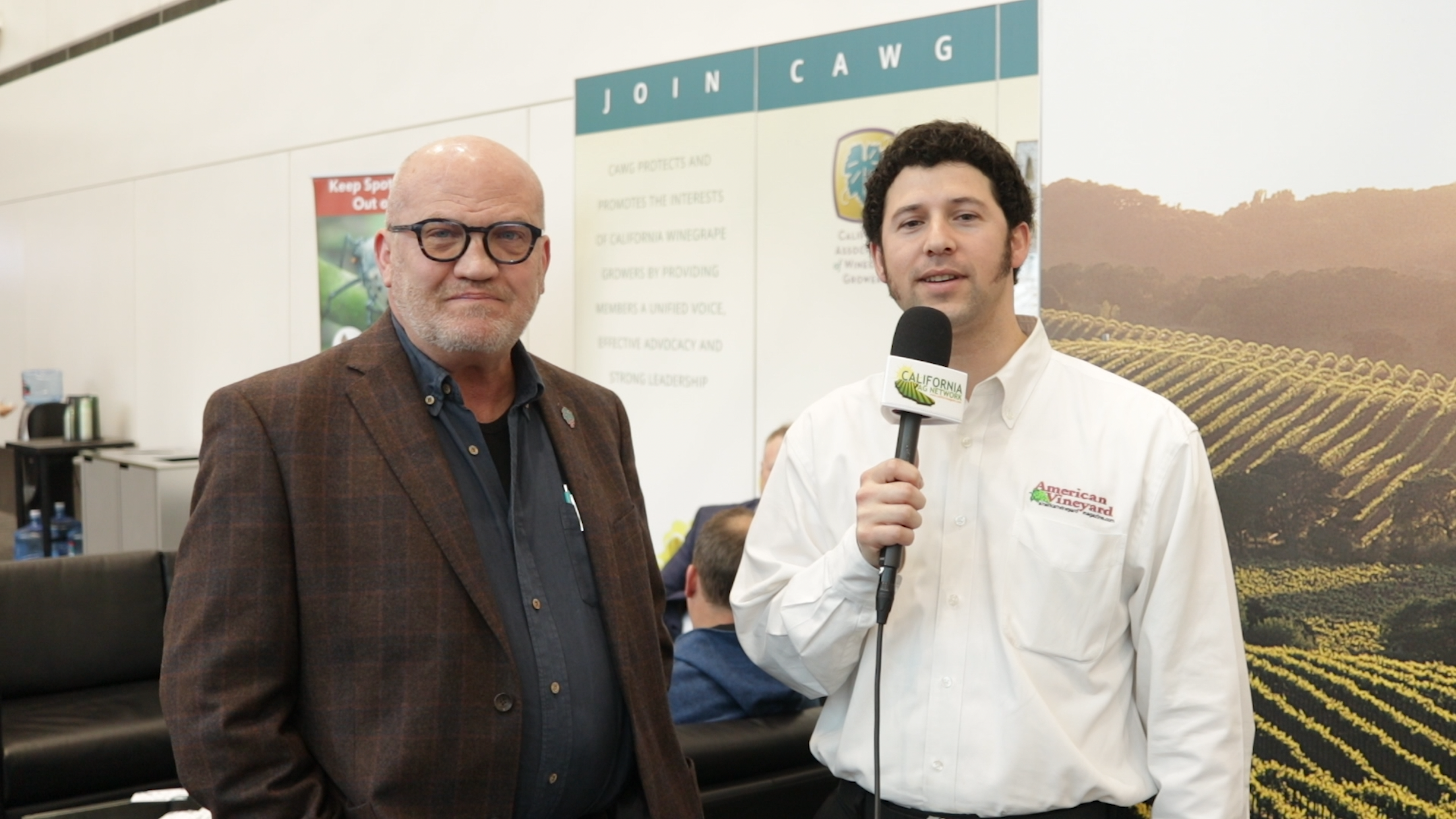
California ranks last in both housing affordability and availability, compared to the rest of the United States. This is having a major impact on California farm workers who are having to commute long distances to get to work or are otherwise struggling to get by. Watch this brief interview with Michael Miiller from the California Association of Winegrape Growers as they push for legislative support to streamline the permitting process for on-farm ag employee housing. Read more about it in the May issue of American Vineyard Magazine.
-
New California Fresh Fruit Association President Highlights Priorities
Watch this brief video at the 88th annual conference of the California Fresh Fruit Association featuring the organization’s new President, Daniel Hartwig. Learn about Hartwig and the priorities of the organization moving forward to protect the interests of California table grape, tree fruit and berry growers.
-
Season Opener Public Relations Event in San Diego County Spreads News of California Avocado Availability
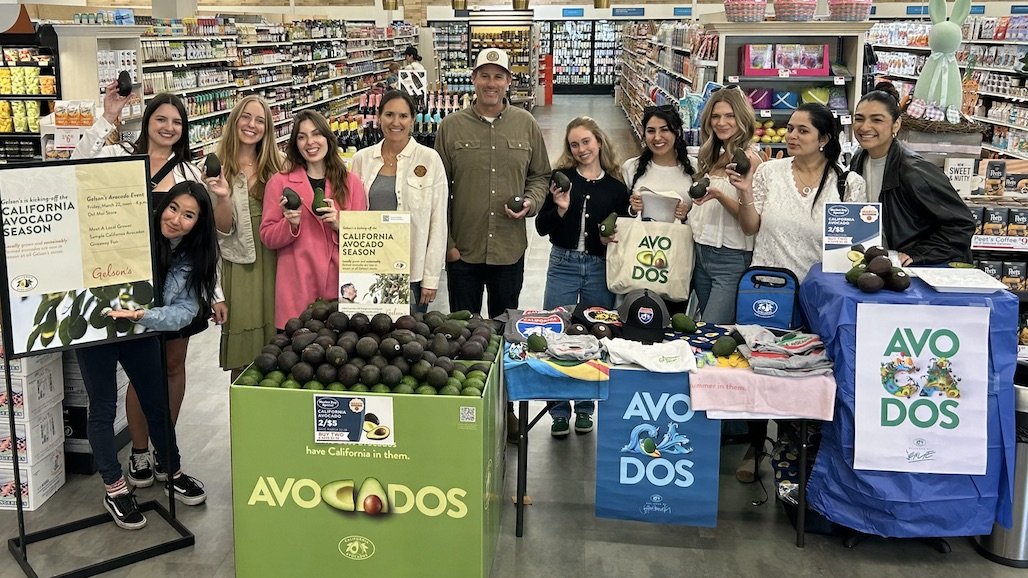
California Avocado Commission — California avocado growers in the San Diego region are among the first to harvest their fruit, providing local grocers and consumers with a first taste of the season’s fresh crop. To generate excitement and build awareness among San Diego area shoppers about the start of the California avocado season, the California Avocado Commission invited nine well known San Diego-focused influencers on a grove tour and retail sampling event.
The Commission partnered with social media personalities recognized for their interest in great food, healthy lifestyles, sustainability focus and a talent for showcasing unique San Diego opportunities their followers can try for themselves. The influencers included Sophie Chu, Ashely Diedenhofen, Ellie Ferdowsi, Sierra Georgistis, Jas Grover, Arianna Kotlier, Reyna Pizarro, Robin Plotnik and Marie Reginato.
Starting in the early morning in Del Mar, the influencers traveled to Fairfield Farms in Pauma Valley and enjoyed an informative session about California avocados, sustainable production, grower histories and the upcoming season. Upon their arrival, California avocado grower Spencer Steed took the influencers on a walking and wagon tour of the grove, providing an overview of the operation, his family’s agricultural background and the organic and sustainable growing practices they employ. As influencers toured the grove and picked fresh California avocados, they captured the moments with creatively staged photography that were shared across their social channels to help announce the start of California avocado season.
After the tour, the social media personalities visited the Del Mar location of CAC retail partner for the event, Gelson’s, and participated in the year’s first California avocado sampling event. California avocado grower and packer Jessica Hunter (Del Rey Avocado Company) and Andy Lyall (Lyall Family Farms) were on hand to share their own growing experiences as the influencers captured additional photos and video.
Each of the influencers shared their unique behind-the-scenes California avocado grove tour and sampling experiences with their followers in a visually captivating manner, coupling the imagery with messaging that celebrated the start of the California avocado season, the locally grown nature of the fruit and the sustainable farming practices of the growers.
By partnering with hyperlocal San Diego social media influencers with large followings, the Commission was able to effectively target consumers in regions where they could purchase some of the first California avocados of the season. The campaign, which will continue in the weeks ahead, is expected to generate 1.5 million impressions and build demand for and excitement about the upcoming season.
Additional public relations activity is also now underway in other key California avocado markets and will be reported on at a later date.
-
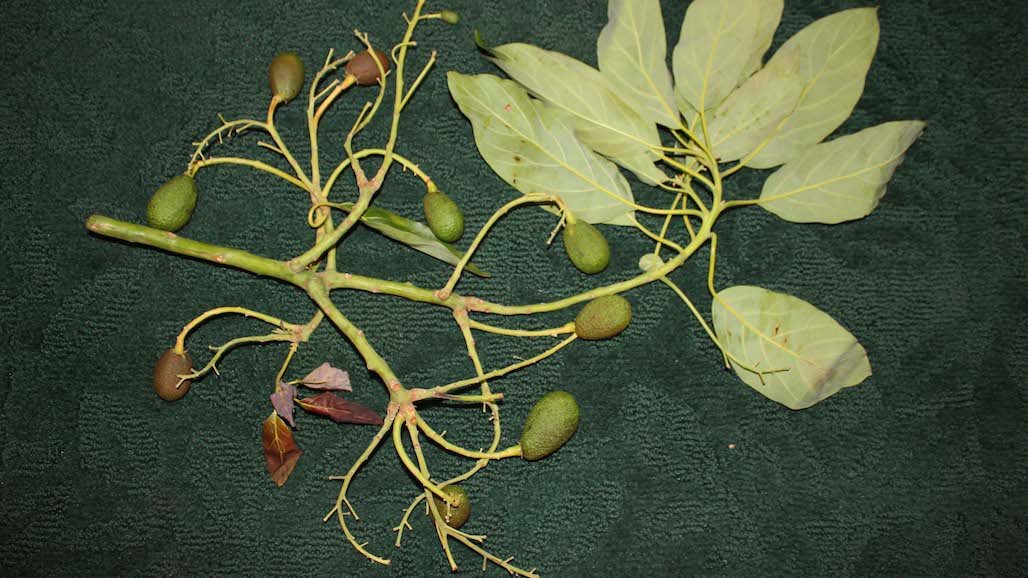
Tree Samples Needed For Avocado Sunblotch Viroid Disease Study
California Avocado Commission – Avocado sunblotch viroid is an established disease in California that causes symptoms on all plant parts including leaves, stem, seeds, roots and flowers. Asymptomatic infection also occurs. Those trees, which are referred to as symptomless carrier trees, contain higher concentrations of ASBVd compared to symptomatic. Existence of asymptomatic trees and the uneven distribution of viroid in the tree make the identification of ASBVd symptoms in young trees challenging and problematic (see the photos below for a gallery of ASBVd symptoms). Therefore, accurate symptom identification and the distribution of ASBVd in symptomatic and asymptomatic plants and disease detection are of great importance.
Dr. Fatemeh Khodadadi, Assistant Professor of Extension and Assistant Plant Pathologist at the University of California-Riverside is conducting a research project on optimizing a fast and reliable detection method for ASBVd. As part of the study, her team is seeking to sample symptomatic and asymptomatic trees from avocado orchards in California. California avocado growers who are dealing with this disease in their orchard or are aware of orchards, ranches or groves harboring this disease, are invited to contact Dr. Khodadadi at 845.901.3046 or fatemehk@ucr.edu. The team hopes to mitigate the effects this disease has on the California avocado industry by optimizing ASBVd detection methods.


-

Hass Avocado Board Election in Full Swing
Hass Avocado Board — Attention all U.S. producers and importers of Hass avocados. Bring your passion for the avocado industry’s growth to the Hass Avocado Board as a new board member and help shape the future of our industry.
The Nomination, Voting and Selection Process for the 2024 Hass Avocado Board is in full swing. HAB announced 8 open seats on the Board: 2 producer director seats, 2 producer alternate seats, 2 importer director seats and 2 importer alternate seats. Persons appointed to fill these seats will serve on the Board from November 1, 2024, to October 31, 2027.
Ballots will be mailed/emailed on April 22, and the deadline for submitting your votes is Monday, May 20th. The full nomination timeline is below and can also be found at: https://hassavocadoboard.com/nominations/
2024 NOMINATION SCHEDULE
- MAR 01 Announcement of open seats. Online nominations and voter registration process opens. Announcement letter mailed/emailed to eligible producers and importers.
- APR 01 Deadline to submit nominations to HAB.
- APR 08 Deadline for nominees to submit Nominee Information and Declaration of Eligibility via email.
- APR 15 Deadline to register to vote.
- APR 22 Paper ballots and e-ballots are mailed and/or emailed to eligible producers and importers.
- MAY 20 Deadline to submit votes.
- MAY 22 Voting results are submitted to CPA for total vote tabulation and verification.
- MAY 24 CPA provides final voting results to HAB.
- MAY 28 HAB requests Background form from top nominees per official voting results.
- JUN 7 Deadline for top nominees to submit Background form.
- JUL 03 HAB submits nominations packet to AMS and USDA Secretary.
- NOV 01 Term begins for new members and alternates.
PLEASE PARTICIPATE, AND REGISTER TO VOTE, THEN VOTE IN THIS UPCOMING NOMINATION, ELECTION, AND SELECTION PROCESS.
IF YOU HAVE ANY QUESTIONS, PLEASE REACH OUT TO SILVIA STANDKE AT: SILVIA@HASSAVOCAODBOARD.COM
-
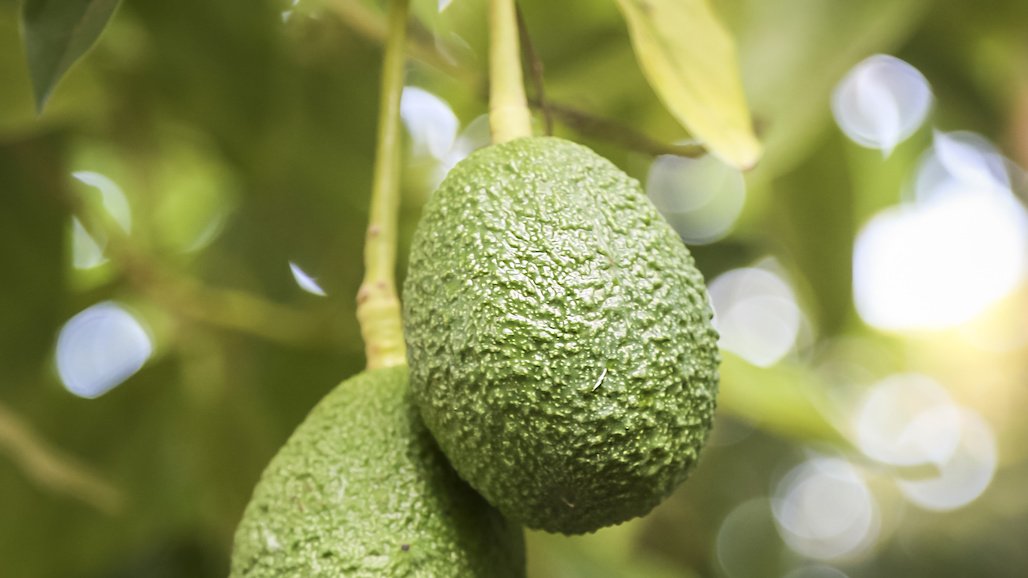
Mexico Continues to Lead World Avocado Production
Mexico’s 2024 avocado production is forecast at 2.77 million metric tons (MMT), a five percent increase over 2023 on strong export demand. Production in 2023 reached 2.65 MMT, up four percent compared to the previous year. Exports totaled 1.4 MMT in 2023, a 17 percent increase year on year. The United States is the number one market for Mexico’s avocado exports, with an 81 percent share, followed by Canada, Japan, and Spain.

Executive Summary
Mexico’s avocado sector has grown steadily during the past five years due to strong demand from international markets and growing domestic consumption. Production grew nearly 75 percent between 2014 and 2023, reaching 2.65 MMT and making Mexico the number one avocado producer globally. Mexico’s avocado exports totaled 1.4 MMT in 2023, up 17 percent compared to 2022 exports of 1.2 MMT. Exports are projected to continue growing in 2024. Although export volumes increased in 2023, the value of exports decreased 12 percent due to appreciation of the Mexican peso against the U.S. dollar. Additionally, local producers report lower prices in 2023 due to smaller average fruit size that they attribute to climatic conditions, including above average temperatures and drought conditions see predominantly in northern Michoacán.
The United States is Mexico’s top avocado export market, with an 81 percent share valued at USD 2.7 billion in 2023. Other major export destinations include Canada, Japan, and Spain. Outside of exports to the United States, Peru is the number one competitor for Mexico in the international market, supplying the European market with 0.63 MMT of avocados in 2022.

Production
Mexico leads the world in avocado production, according to Government of Mexico (GOM) data on 2023 avocado production. Driven primarily by export demand, Mexico’s avocado production is forecast to increase five percent year on year in 2024 to 2.77 MMT. Data from Mexico’s Agri-Food and Fisheries Information System (SIAP) indicate production reached 2.65 MMT in 2023, up four percent compared to the previous year. Production has grown steadily during the past ten years, mostly due to increasing demand from the United States and other export markets, as well as rising domestic consumption. Continued near-term production growth is supported by favorable growing conditions – with a warm, subhumid climate and well-draining soil – and a production shift away from traditional crops to the higher value avocados. The past five years have seen a significant increase in avocado production, especially in the Valley Region of Jalisco, as producers diversify their crop mix to include avocados, or completely eliminate corn, wheat, and pasture area in favor of avocado orchards.
SIAP data put avocado planted area (i.e. area with mature, productive trees) at an estimated 257,571 hectares (ha) in 2023, up two percent from 2022 planted area of 252,133 ha. Planted area grew 46 percent between 2014 and 2023.

While avocados are grown throughout the country, three states account for 90 percent of Mexico’s avocado production – Michoacan with 73 percent of production, Jalisco with 12 percent, and the State of Mexico with 5 percent. Historically, Michoacan has been the leading avocado producing state, and until 2022 it was the only state eligible to export avocados to the United States. With the addition of Jalisco in July of 2022, there are now two states eligible for export of avocados to the United States. Per the Association of Avocado Exporting Producers and Packers of Mexico (APEAM), as of February of 2024, there are 58 avocado packing facilities in Michoacan approved for export to the United States, and 11 such facilities in Jalisco. Read the full report from the USDA Foreign Ag Service HERE.

-
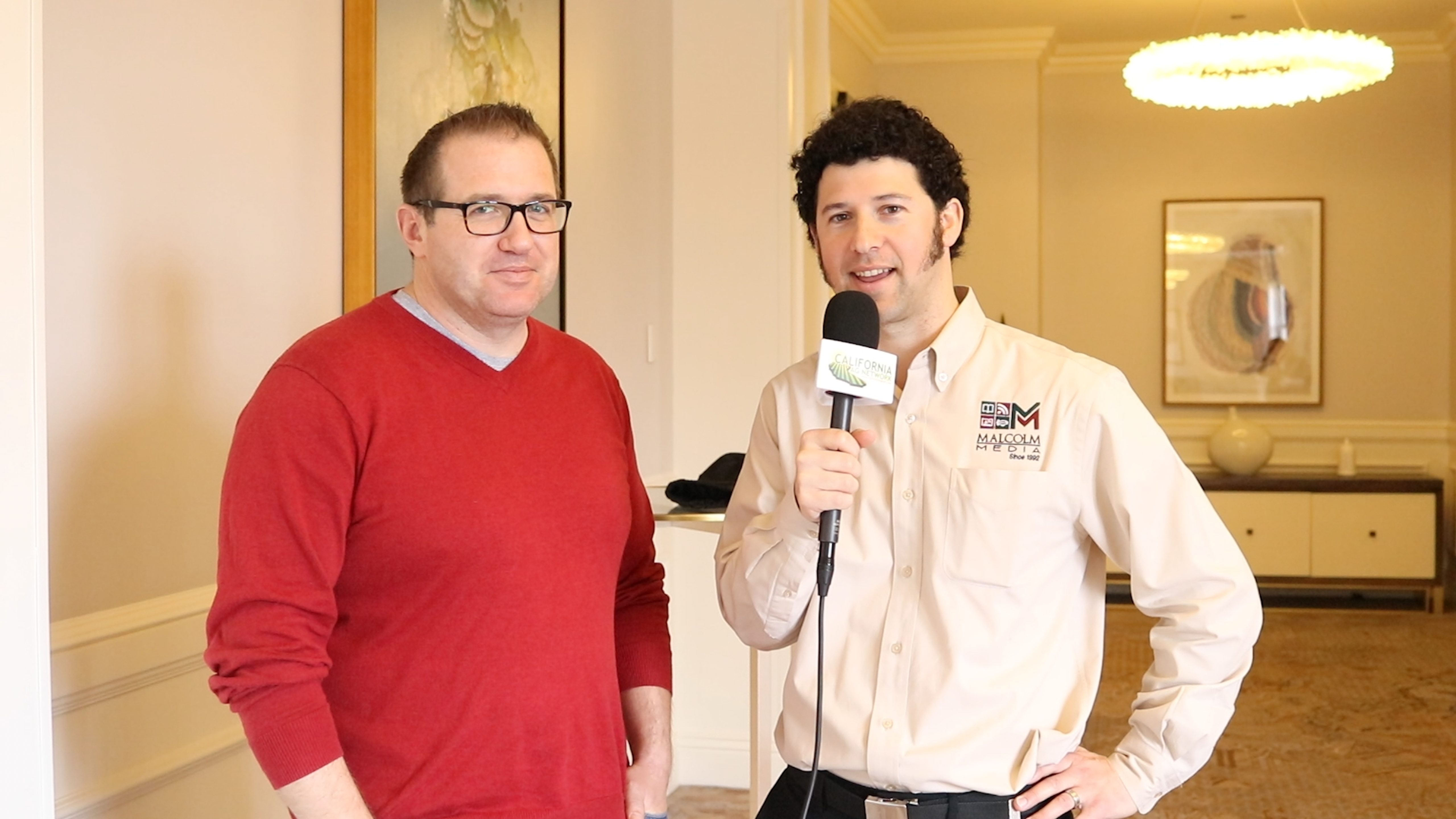
California Blueberry Growers Anticipate and Welcome Largest Crop Ever
As blueberry harvest begins in California, watch this brief video of California Fruit & Vegetable Editor Matthew Malcolm interviewing Todd Sanders from the California Blueberry Commission, who anticipates California’s largest harvest of blueberries ever this season.
-
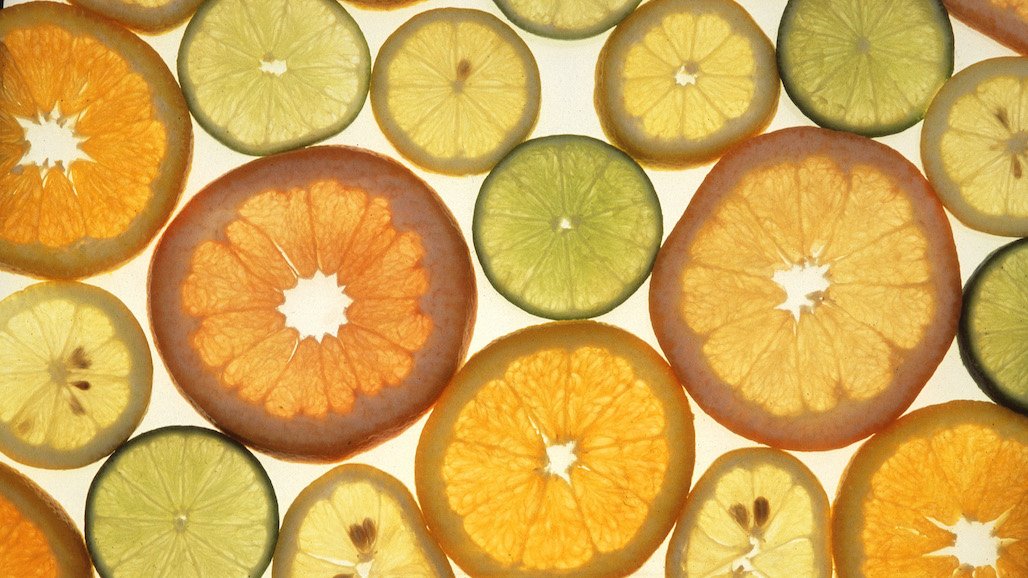
California Citrus Breeding Program Expanding with Congressional Support
 Today, Presidents of California Citrus Mutual (CCM) and Citrus Research Board (CRB) issued statements applauding Congressional leaders for recently approving additional funds for the new citrus breeding program in Parlier, California. Congress is allocating an additional $500,000 in federal funding on top of the $1 million granted last year to expand the program into California. The program will now receive $1.5 million in federal funds on an annual basis along with the $500,000 that CRB provides the program with annually.
“CRB was instrumental in developing the concept for the California based program and was also involved in efforts to establish the nationwide program while CCM advocated to secure funding,” said CRB President Marcy Martin. “Our two organizations working together on behalf of the industry has been instrumental in getting this program off the ground.”
“On behalf of the industry, I would like to thank our congressional leaders and the Committee for their continued support of this program, which will help us find solutions to issues specific to our growers located in California,” said CCM President and CEO Casey Creamer. “I would like to specifically extend our gratitude to Congressmen Costa and Valadao and Senator Padilla for championing the need for this program in D.C.”
The California citrus breeding program will focus on fresh market citrus. Funding will go towards research and development of high-quality, superior citrus selections well suited to California growing regions, changing climatic pressures, consumer taste preferences, and resistance to pest and diseases, such as huanglongbing (HLB).
The California program is an expansion of the existing national USDA Agricultural Research Service (ARS) citrus breeding program located in Fort Pierce, Florida, which is focused primarily on varieties that are optimized for Florida growing conditions. Work done through the Florida program has resulted in new varieties with higher yields, increased disease resistance, improved color, and a longer shelf life.
The Florida and California breeding programs along with the continued support from the University of California citrus breeding program at UC Riverside will work together to deliver results for California based growers.
The California citrus breeding program is located at the USDA-ARS field station in Parlier. Thanks to funds that have already come in, forward progress continues to be made with the addition of a dedicated scientist, developing plans for construction of a greenhouse and laboratory, and securing additional ground for the program.
About California Citrus Mutual (CCM)
CCM is a voluntary, non-profit trade association representing California citrus growers on the economic, regulatory, and political issues that most impact them.About the Citrus Research Board (CRB)
The CRB administers the California Citrus Research Program, the grower-funded and grower-directed program established in 1968 under the California Marketing Act as the mechanism enabling the State’s citrus producers to sponsor and support needed research. More information about the Citrus Research Board may be found at www.citrusresearch.org. -
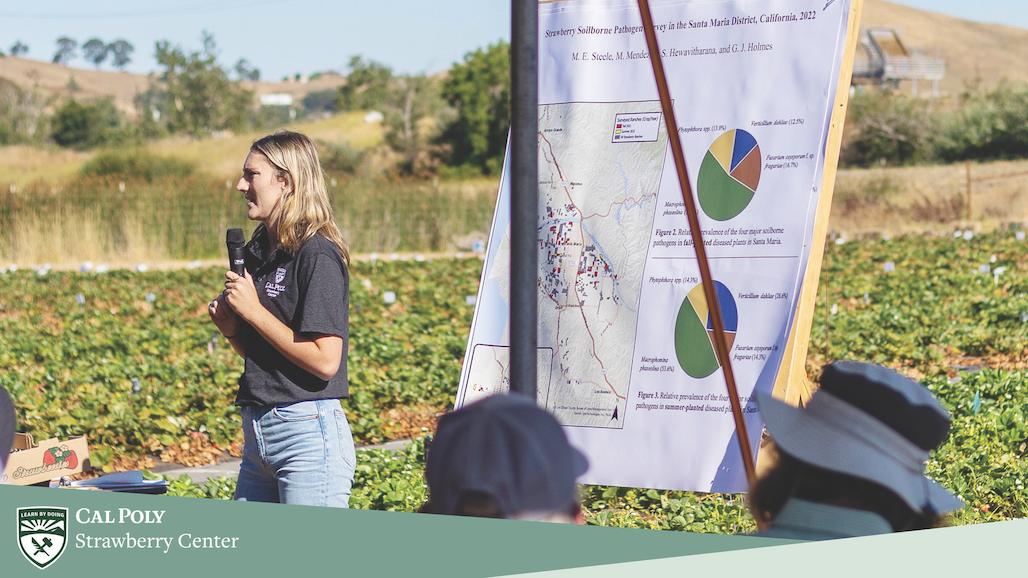
Cal Poly Strawberry Center 8th Annual Field Day
Join more than 400 strawberry growers, researchers and industry representatives for this year’s Strawberry Center Field Day on Thursday, August 8th from 8 a.m. to 1:30 p.m. (check-in beginning at 7:30 a.m.). Participants will rotate through stations, hearing from students and staff about the latest research taking place at the Strawberry Center at Cal Poly San Luis Obispo. Topics include the newest automation technology, predatory mites, soil-borne pathogens of strawberry and much more. “We look forward to sharing the center’s latest research and happenings,” shares Julie Tillman from the Strawberry Center. Registration opens in April/May and includes lunch. For attendee and sponsorship information (now available), click HERE.