Category: Industry News

  • Citrus Industry Guide to Fruit Fly Quarantines

    Citrus Industry Guide to Fruit Fly Quarantines

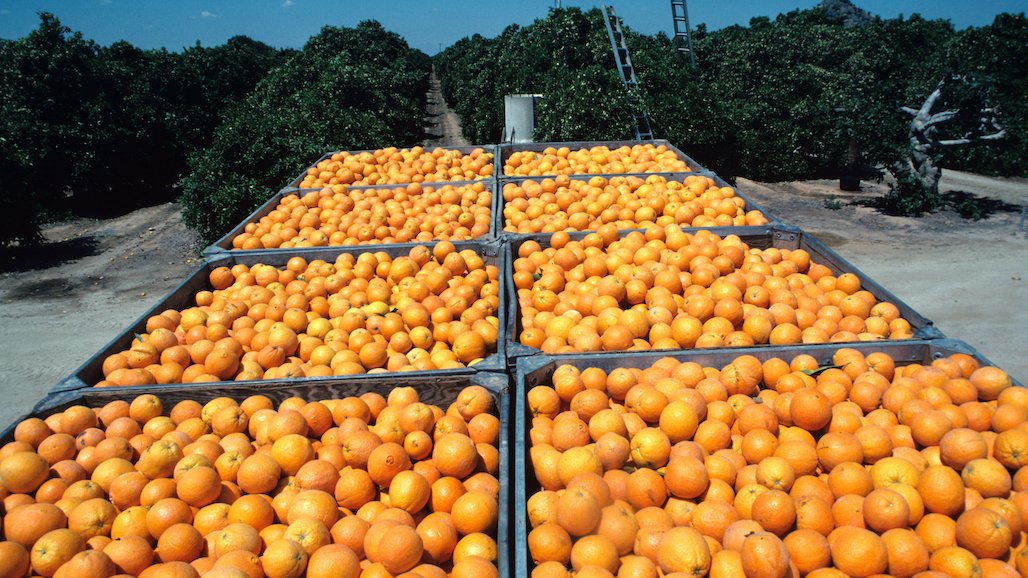
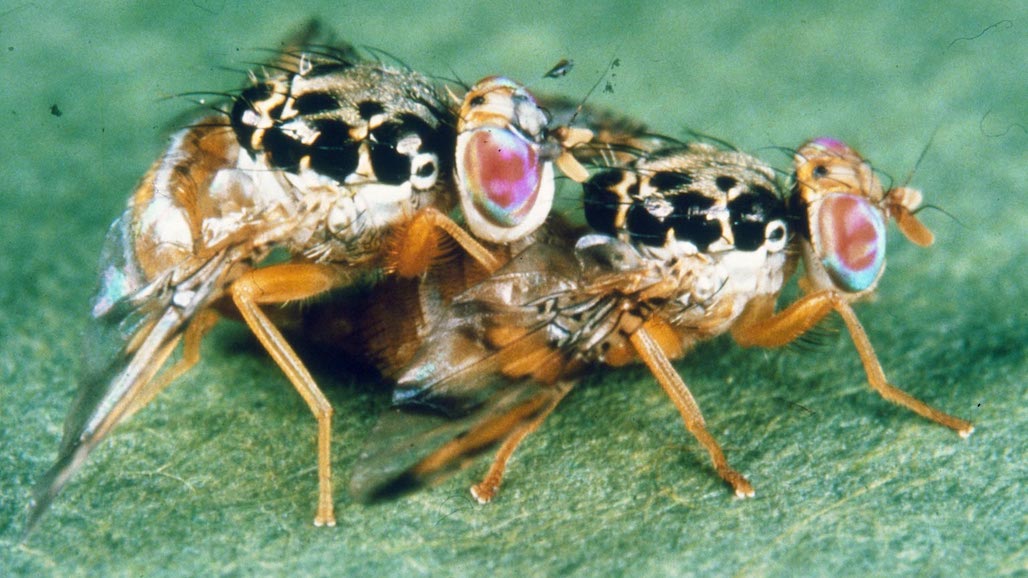
    Over the last several months, a variety of invasive fruit fly detections have triggered quarantines across numerous counties in California. These fruit fly species – including Mediterranean fruit fly, Mexican fruit fly, Oriental fruit fly, Tau fruit fly and Queensland fruit fly – are considered not established in California. Quarantines and their associated regulatory actions are implemented to stop the artificial spread of these pests and thus avoid additional negative impacts to growers and the state’s agriculture and natural resources.

    The Citrus Pest and Disease Prevention Division is working to provide boots-on-the-ground assistance to the California Department of Food and Agriculture’s Plant Health and Pest Prevention Services Division as they lead efforts in eradicating the fruit flies by conducting larval surveys, host fruit removal, delimitation trapping, treatment activities and regulatory actions across the state.

    Fruit fly quarantines are established after a certain number of adult flies are captured within three miles of one another and within one life cycle. Fruit fly quarantines are also established when detections of reproductive populations such as larva, pupae or mated flies are found in an area. These thresholds have already been met in certain areas of the state, including the following areas:

    Counties Currently Impacted by Fruit Fly Quarantines:

    • Oriental fruit fly: Contra Costa, Riverside, Sacramento, San Bernardino and Santa Clara Counties
    • Mediterranean fruit fly: Los Angeles County
    • Tau fruit fly: Los Angeles County
    • Queensland fruit fly: Los Angeles and Ventura Counties

    To review the quarantine maps, regulatory information, pest profile information for various fruit flies and additional resources, please visit https://www.cdfa.ca.gov/plant/PDEP/treatment/index.html

    FAQ: Bulk Citrus Movement Requirements in Fruit Fly Quarantine Zones

    Treatment information & maps can be found here:https://www.cdfa.ca.gov/plant/PDEP/treatment/treatment_maps.html

    Quarantine information on fruit fly species and other invasive pests can be found here: https://www.cdfa.ca.gov/plant/pe/InteriorExclusion/quarantine.html

    Frequently Asked Questions:

    How is a fruit fly quarantine triggered?
    A quarantine is triggered by the number of adult flies captured within three miles of each other and in one life cycle:

    • Mediterranean, Melon, Caribbean Fruit Fly – 2
    • Mexican Fruit Fly – 5
    • Oriental, Guava, Peach Fruit Fly – 6 Rural or 8 Urban
    • All other adult invasive fruit flies (e.g., Queensland Fruit Fly) – 2

    OR

    • SINGLE detection of larva, mated female, or pupae indicating a breeding population.

    How large is the fruit fly quarantine zone(s)?

    There are three main areas to consider within the fruit fly quarantine zone, and each has different requirements for harvest/bulk citrus movement:

    1. The property where the detection occurred
    2. Core Area: A one-half mile radius around the detection
    3. Quarantine Area: A 4.5-mile radius around the detection.

    What steps must growers in these three areas of the quarantine zone follow in order to harvest/move their bulk citrus?
    For properties where the detection occurred and properties within the core area (0.5-mile radius around the detection site), this citrus is not eligible for packing, but may be stored, processed and consumed on the growing site. If properties within the core areas have no fruit fly or life stages detected on the growing grounds, fruit can only be moved for juicing, processing, freezing, etc. under compliance and safeguarding with approval of the receiving county ag commissioner.

    Growers in the quarantine zone, but outside of the core area, may receive regular pre-harvest treatments with approved insecticides, applied at recommended intervals, starting a sufficient time before harvest (but not less than 30 days before harvest and a minimum of 4 treatments) to allow for development of fruit fly egg and larvae. Determination of the pre-harvest treatment window is based on the degree day model for the specific fruit fly. Once treatment has begun, it must continue through the harvest period.

    Have additional questions? Please reach out to your local County Agricultural Commissioner. — California Citrus Pest & Disease Prevention Program
  • New Stanislaus County Ag Commissioner Serves as Liaison Between Farmers and California DPR

    New Stanislaus County Ag Commissioner Serves as Liaison Between Farmers and California DPR

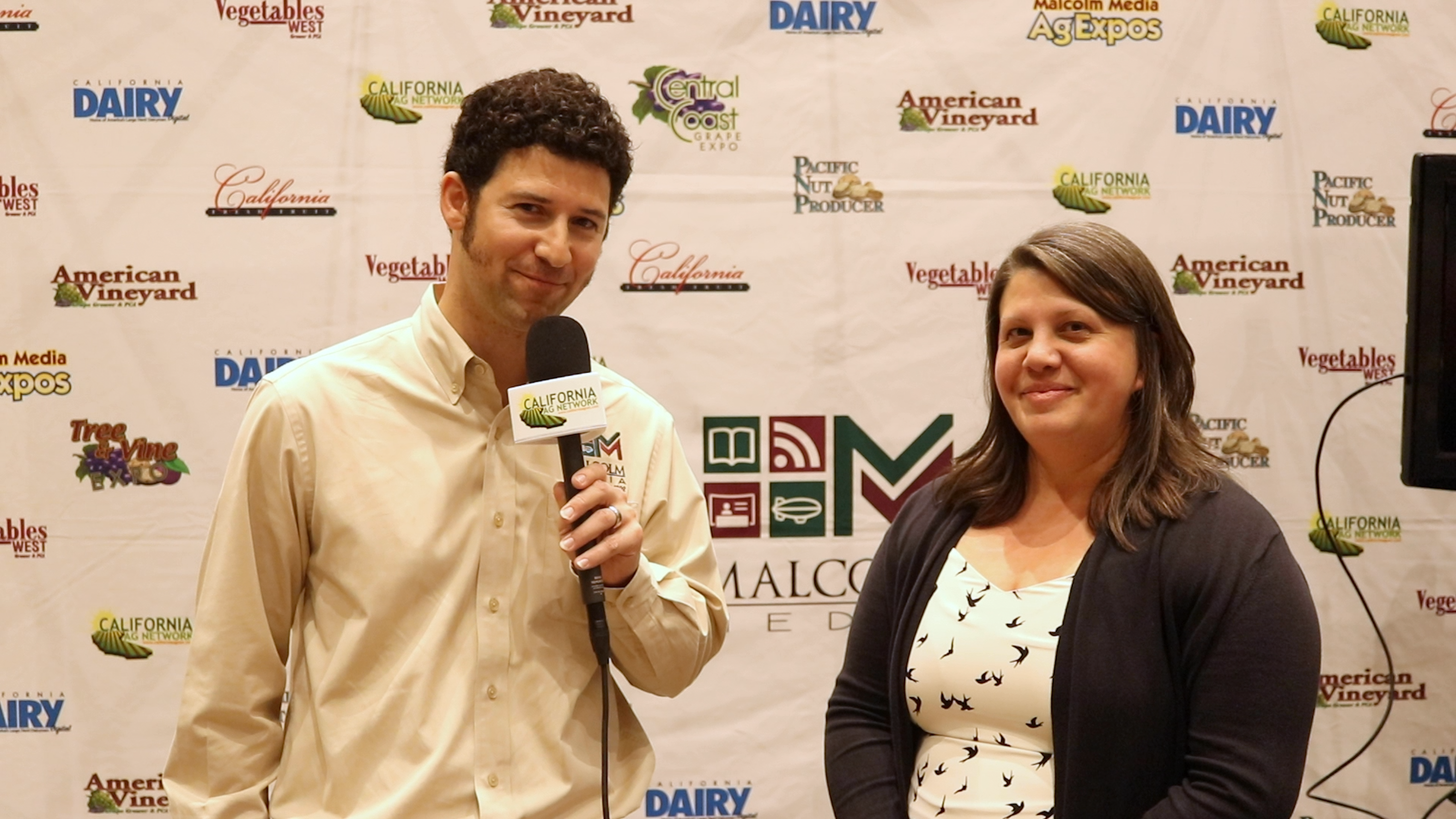
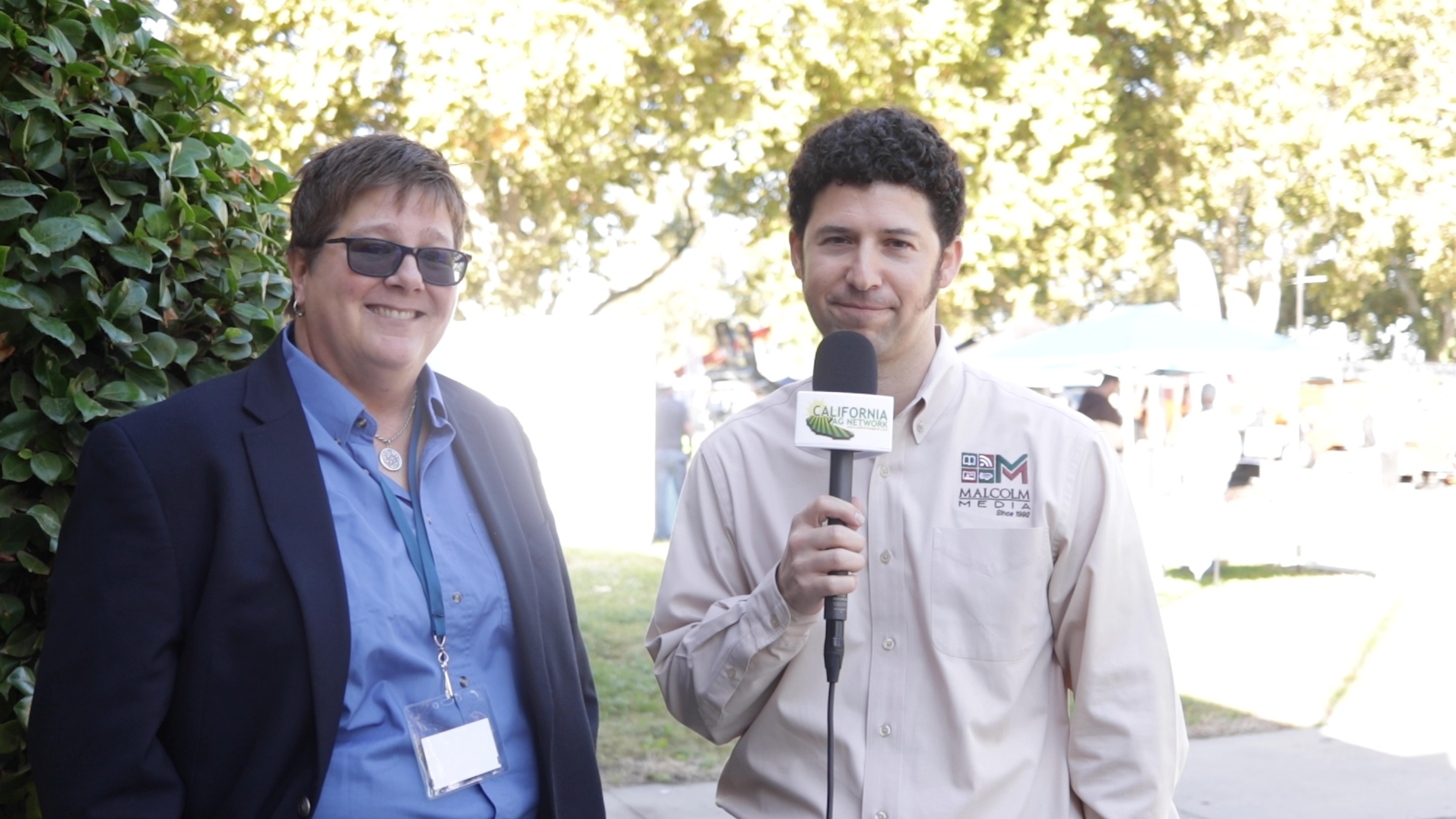
    At Malcolm Media’s recent Tree & Vine Expo, event host Matthew Malcolm was pleased to introduce, Linda Pinfold, the new Stanislaus County Ag Commissioner to attendees.  Watch this brief video to get to know Linda and her emphasis on serving and assisting local farmers in navigating the ever-changing pesticide regulatory environment of California.

    Please thank this video’s sponsor Thunder Creek Equipment for their industry support.

  • International Research Conference on Huanglongbing VII Coming March 2024

    International Research Conference on Huanglongbing VII Coming March 2024

    The California Citrus Research Board (CRB) and the Conference Steering Committee are pleased to share the International Research Conference on Huanglongbing VII (IRCHLB VII) will return March 26-29, 2024, to Riverside, California.
    The Conference is being produced by the CRB with the support of California’s citrus industry partners and guidance of the international Steering Committee. The California citrus industry is excited to welcome researchers, regulators, and citrus industry members from around the world to the Golden State. The Conference was previously held in Riverside in 2019 and welcomed more than 500 attendees, representing over 22 countries.

    The IRCHLB VII will feature presentations and poster sessions detailing the global status of Huanglongbing (HLB), highlight ongoing research efforts, and share how research can move toward field solutions. A select group of keynote speakers will provide insight on innovative HLB research with a variety of perspectives and methodologies, including both domestic and international approaches.

    HLB has affected hundreds of thousands of citrus trees in Florida and around the world and continues to be one of the biggest threats facing California’s citrus industry.

    “It has been nearly four years since the HLB research community has met to discuss their findings on strategies to manage the devastating effects of citrus greening disease,” said MaryLou Polek, Ph.D., Chair of the IRCHLB Steering Committee. “I am looking forward to the IRCHLB VII to hear about research progress made by scientists from around the world.”

    Registration for the conference is now open and additional information can be found at www.irchlb.com. The early bird registration rate of $425 is available through December 31, 2023 and will increase to the regular registration rate of $550 on January 1, 2024.

    About the IRCHLB VII Conference

    The International Research Conference on Huanglongbing VII is organized by the Citrus Research Board in collaboration with numerous citrus industry, state and federal government, and university partners. Learn more at www.irchlb.com.

    About the Citrus Research Board

    The Citrus Research Board administers the California Citrus Research Program, the grower-funded and grower-directed program established in 1968 enabling the state’s citrus producers to sponsor and support needed research. More information about the Citrus Research Board may be found at www.citrusresearch.org.

  • Grant Aims for Smarter Apple Harvesting

    Grant Aims for Smarter Apple Harvesting

    Researchers have been awarded a $1.2 million National Science Foundation grant to improve the efficiency of automated apple harvesting robotics. Led by Ming Luo, Flaherty assistant professor in the School of Mechanical and Materials Engineering at Washington State University (WSU), the interdisciplinary team of researchers will develop a cyber-physical system that aims to integrate human intelligence and machine learning, enhance decision-making and actuation, and improve picking efficiency. The team includes Yan Yan from computer science, Manoj Karkee from biological systems engineering, Matthew Whiting from horticulture and landscape architecture, and graduate students Ryan Dorosh and Christopher Ninatanta.

    Agricultural robotic technologies currently are inefficient for orchard operations because of the unpredictable environment there as compared to industrial settings, said Luo.

    As part of the 3-year project, the researchers will create a network for human-robot interaction. The network will enable robots to function effectively in farm fields, allowing users to remotely monitor and guide the robots in addressing challenging tasks through teleoperation. Additionally, the robots will learn from the user’s input to enhance their harvesting efficiency.

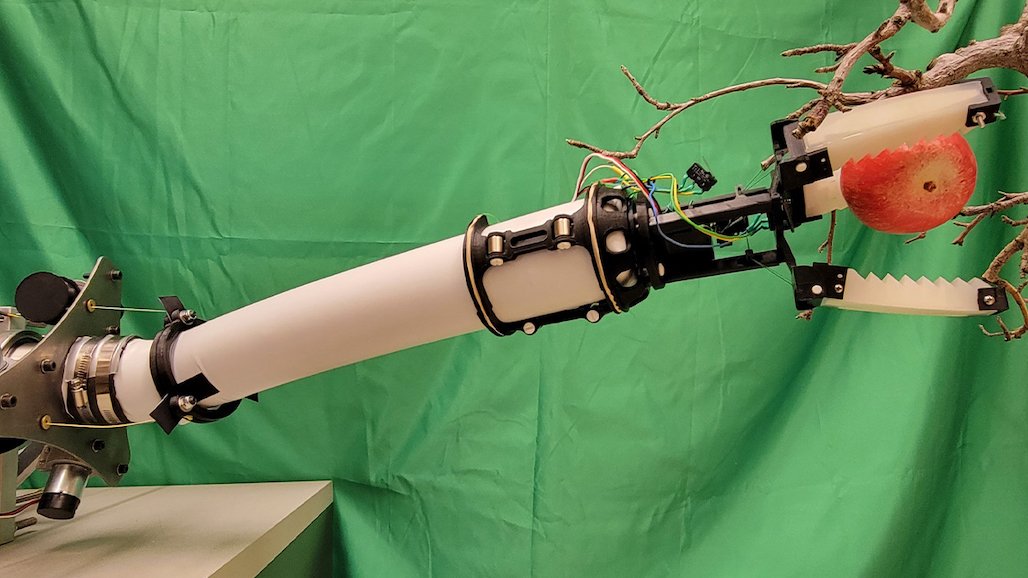
    The researchers are developing a simple, low-cost robot system with a soft body and a fabric arm. The design is intended to delicately harvest apples without causing damage to the trees, while also allowing the robot to respond quickly.

    “Safety is a concern because the robot might accidentally collide with the tree,” said Luo. “Rigid robots require time to calculate the optimal path for apple picking with minimal damage, which is time-consuming. Therefore, we designed a soft robot that ensures safety in human-robot interactions and is also gentler on the trees. This reduces the computation time required for obstacle avoidance.”

    The robot will eventually automatically help with other operations, like flower thinning, pollination, and pruning as well. — By Tina Hilding, Washington State University

  • North American Strawberry Growers Association 2024 Conference

    North American Strawberry Growers Association 2024 Conference

    Join the 2024 NASGA Annual Meeting and Conference on January 29-31, 2024, in Hershey, PA in conjunction with the Mid Atlantic Fruit and Vegetable Convention.

    The convention will begin with a full day workshop on strawberry production.  The workshop will include presentations and discussion on soil health, site selection, varieties, fertility and nutrient management. Matted row production will be discussed but there will also be discussion on substrate production as well as other alternative production methods.  Time will also be spent discussing insect, disease and weed management.

    Day 2 and 3 will be filled with informative presentations as well as a number of panel discussions. There will also be the popular grower and nursery profiles. Presentation Topics include: Cyclamen mite management, new diseases, Anthracnose updates, variations between high tunnel and greenhouse production, weed management, runner management, plastic options, new strawberry varieties and more.

    Book accommodations early

    Be sure to book your accommodations early to ensure a room at Hershey Lodge. A special discounted Mid Atlantic Convention room rate of $169.00 plus 11% taxes is available to attendees.

    If you wish to make your reservation by phone, call the Hershey Lodge Reservation office at  855-729-3108, and ask for the room block for the Mid Atlantic Fruit and Vegetable Conference,  January 28 – February 02, 2024.

    Learn more and register

    Visit the North American Strawberry Grower’s Association website for more information about this annual meeting that brings together strawberry researchers, growers and agribusiness from around the world and will feature two and a half days of meetings and a tour of the Hershey, PA growing area. Registration information will be listed on the NASGA website as available.

  • Plant Pathologist Awarded $3.95M USDA Grant to Examine Fruit Rot in Blueberries

    Plant Pathologist Awarded $3.95M USDA Grant to Examine Fruit Rot in Blueberries

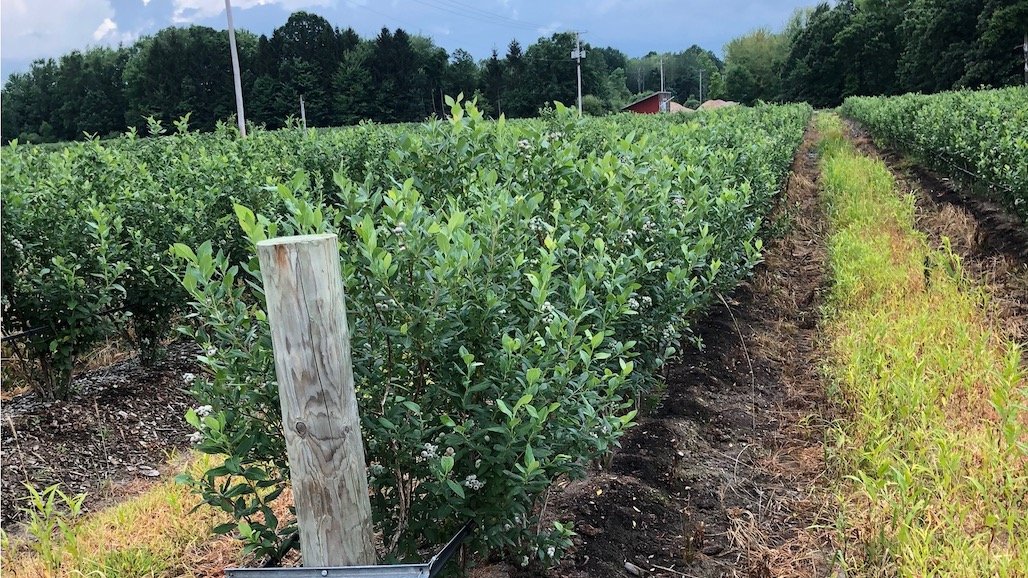
    Timothy Miles, an assistant professor in Michigan State University’s Department of Plant, Soil and Microbial Sciences, is teaming up with researchers across the U.S. to further study management of Anthracnose and Botrytis fruit rot in blueberries.

    A scientist at Michigan State University has received a $3.95 million grant from the U.S. Department of Agriculture (USDA) National Institute of Food and Agriculture (NIFA) to develop strategies for implementing and maintaining effective management practices for blueberry fruit rot.

    Timothy Miles, an assistant professor in MSU’s Department of Plant, Soil and Microbial Sciences, is leading a multi-institutional team of researchers in addressing ways to improve the quality of blueberries while limiting their loss before, during and after harvest.

    The USDA-funded project, part of the USDA’s Specialty Crop Research Initiative (SCRI), is called: “BLUE-DYNAMO: An Interactive Platform to Deliver Blueberry Disease and Horticultural Management Strategies for Fruit Rots.”

    Blueberries are sometimes referred to as “little blue dynamos” due to their health benefits. In this case, “BLUE-DYNAMO” is an acronym that stands for, “Building the Latest Understanding in Extension — Disease Management that Yields New and Meaningful Outputs.”

    Two of the most common fruit rot diseases that alter the quality and yield of blueberry crops in the U.S. are Anthracnose fruit rot (AFR) and Botrytis fruit rot (BFR). AFR, also known as “ripe rot,” shows itself by wilting blueberries and producing spore masses that appear as orange speckles. BFR typically occurs in cooler temperatures and presents as gray mold on blueberries and other crops.

    While much is already known about these diseases through previously conducted studies, Miles said advances in technology and joint action among scientists from across the country will propel current knowledge forward and address stakeholder needs.

    “What makes this research unique is that it’s a coordinated effort (from multiple institutions) to study fruit rot across the U.S., and in blueberries that hasn’t happened before on this large of a scale,” Miles said.

    Objectives of the project include:

    • Learning how management techniques impact the onset of fruit rot.
    • Applying molecular tools to accelerate the time it takes to detect fungicide resistance in pathogens.
    • Generating cultivar-specific fruit quality models to predict fruit vulnerability to rots, and using optical-imaging technology to filter and sort blueberries vulnerable to fruit rot.
    • Providing efficient ways growers and field specialists can access information drawn from the conducted research.

    To make findings and recommendations easily and widely available, a BLUE-DYNAMO website is being designed that’ll allow for materials to be uploaded for educational and outreach purposes.

    “Anything we find using this grant — grower information, important publications and other resources related to fruit rot — will be in here,” Miles said. “We may also build this into more than just information about fruit rot because it’s supposed to be a portal growers can use to gain knowledge on how to manage blueberry diseases.”

    Other MSU researchers included in the grant are Josh Vander Weide, an assistant professor in MSU’s Department of Horticulture; Yuzhen Lu, an assistant professor in MSU’s Department of Biosystems and Agricultural Engineering (BAE); and Cheyenne Sloan, a blueberry and small fruit educator with MSU Extension.

    Along with studying pathogens and ways to manage them, scientists will create more refined models for pinpointing the ripeness in blueberries to prevent fruit rot from occurring in harvested berries. New imaging technology will also be tested to noninvasively screen blueberries for disease as they’re sorted.

    Josh Vander Weide, an assistant professor in MSU’s Department of Horticulture.

    Vander Weide said examining horticultural strategies to control fruit rot could lessen fungicide use, which is critical because fruit rot pathogens can become resistant to fungicides over time.

    “Fruit rots tend to develop near harvest, so there are some practices we can employ to minimize disease pressure,” Vander Weide said. “This not only involves better defining which cultivars are more resistant (to these pathogens), but also what kind of harvest scenarios prolong disease development.”

    Vander Weide said the team will be observing how pathogens develop in relation to the weather conditions blueberries are grown in and the maturity at which they’re picked. He also noted that collaborating with researchers from across the country grants opportunities to track an array of environments blueberries are farmed in.

    “A greater percentage of fruit rot development occurs in the cartons you’re buying from the grocery store than on the plant,” Vander Weide said. “That’s why sometimes when we buy blueberries from the store, they’re moldy within a few days. The likelihood that this occurs depends on the cultivar, as well as when they’re harvested and how far they’re shipped.”

    After harvest, Vander Weide said they’ll use cutting-edge technology to sort blueberries, separating ones that’ve been infected or are more likely to become infected with fruit rot based off certain qualities of the fruit, like firmness.

    The grant provides funding for four years. Miles said he’s excited to lead this project on a broad scale because it was also his project while earning his doctoral degree from MSU in 2011 studying fruit rot in blueberries. — By Jack Falinski, Michigan State University

    Michigan State University AgBioResearch scientists discover dynamic solutions for food systems and the environment. More than 300 MSU faculty conduct leading-edge research on a variety of topics, from health and climate to agriculture and natural resources. Originally formed in 1888 as the Michigan Agricultural Experiment Station, MSU AgBioResearch oversees numerous on-campus research facilities, as well as 15 outlying centers throughout Michigan. To learn more, visit agbioresearch.msu.edu.

  • State of the California Pest Control Adviser

    State of the California Pest Control Adviser

    Pest Control Advisers (PCAs) in California are some of the brightest and versatile in the nation. They each generally cover a wide spectrum of crops grown under a many different conditions and pest challenges.  Watch this brief interview with Ruthann Anderson, President and CEO of the California Association of Pest Control Advisers, as she discusses the current State of the California Pest Control Adviser, as well as an opportunity for PCAs and their growers to get grant funding to tell their IPM stories. Learn more and apply at: https://capca.com/memberships/#study

    Please thank this video’s sponsor Thunder Creek Equipment for their industry support.

  • Ken Melban and Terry Splane To Serve as Co-Executive Leaders of California Avocado Commission

    Ken Melban and Terry Splane To Serve as Co-Executive Leaders of California Avocado Commission

    At its Fall Board meeting, the newly-elected California Avocado Commission Board of Directors named current CAC Vice President of Industry Affairs and Operations, Ken Melban, and Vice President of Marketing Terry Splane as co-executive leaders of the organization, effective immediately. During the same meeting the Board elected its new slate of officers, including California avocado growers Jason Cole, chair; Rachael Laenen, vice chair; Daryn Miller, secretary; and Maureen Lamb Cottingham, treasurer.

    “Since the departure of CAC’s former president, Ken and Terry have been managing the Commission together very effectively,” said Jason Cole. “Our Board of Directors has utmost confidence in their leadership and the strength of their combined expertise to oversee CAC’s staff, programs and finances.”

    Ken Melban joined the Commission in 2011 as director, issues management. He was promoted to vice president of industry affairs in 2015, and to vice president of industry affairs and operations in 2022. He spearheaded the expansion of the California avocado export program, persisting to secure market access to China in 2020 after nine years of process and negotiation. Other highlights of Ken’s tenure with CAC include working with government organizations for the benefit of California avocado growers, sustainability initiatives, development of Good Agricultural Practices (GAP) for the California avocado industry, training and widespread adoption of the program.

    Food industry veteran Terry Splane was hired in March 2023 to be the organization’s new vice president of marketing. Since joining the Commission Terry developed a new strategic plan and approach to marketing communications, led the search for a new agency of record and reorganized the marketing staff. He has more than 30 years of sales and marketing experience in the foodservice and retail channels, most recently as head of partner success & strategy for Impossible Foods. Before working at Impossible Foods, for more than a decade Terry was Vice President of Marketing for Ventura Foods, LLC.

  • Crown Rot and Red Stele Root Rot in Strawberries: Silent Soilborne Threats

    Crown Rot and Red Stele Root Rot in Strawberries: Silent Soilborne Threats

    – SPONSORED CONTENT –

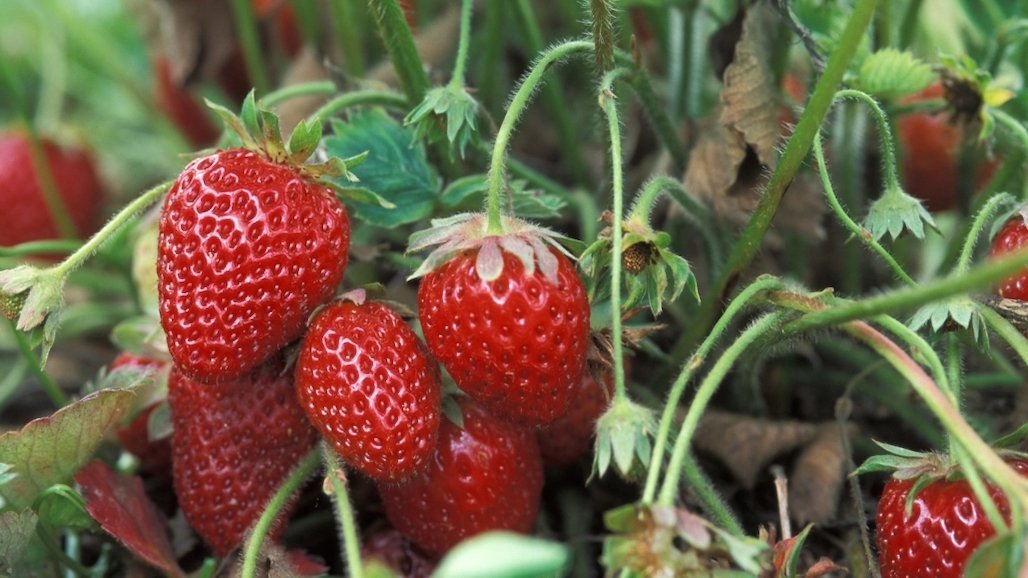
    Strawberries can fall victim to various fungal and bacterial diseases, with crown rot and red stele root rot being 2 of the most common. As soilborne pathogens, these diseases can destroy your strawberries from the ground up and are often difficult to identify until it’s too late to properly manage the disease.

    These diseases thrive in various environmental conditions, meaning strawberries are susceptible throughout different phases of the growing season. However, with the correct preventive measures you can protect your crop health and quality.

    Crown Rot Signs and Symptoms in Strawberry Crops

    According to University of California IPM, initially, symptoms usually include plant stunting and small leaves. As the season progresses, plants may collapse slowly or rapidly. Cutting open infected plants, reveals a brown discoloration that can be seen in or throughout the crown tissue. Infection of the roots causes a brown to black root rot.

    Red Stele Root Rot Signs and Symptoms in Strawberry Crops

    According to University of California IPM, symptoms of red stele root rot first appear on plants that are located in low and poorly drained parts of fields. Strawberry plants infected with red stele root rot often become stunted as affected leaves die and are replaced by younger, smaller leaves. Young roots often become rotted with red coloration at the core. Infection is mostly limited to winter and early spring when the soil is oversaturated during cool weather.

    Strawberry Disease Control Recommendations

    Recognizing crown rot and red stele root rot in strawberries is crucial, yet often, visible symptoms may indicate that disease has already progressed significantly. That’s why it’s important to implement proper preventive measures to stay 1 step ahead of disease.

    Avoid soilborne diseases like crown rot and red stele root rot in your strawberry crops with these recommendations:

    • Select Proper Planting Site: Your first line of defense from disease is selecting the correct planting location. Choose a well-drained field without a history of disease.
    • Use Raised Beds: Plant seedlings in raised beds, avoiding low wet spots as excess moisture creates an ideal environment for fungal disease.
    • Choose Disease-resistant Varieties: Consider planting strawberry varieties known for resistance to crown rot and red stele root rot.
    • Ensure Proper Irrigation: Avoid overwatering and the use of runoff for irrigation due to potential inoculum spread
    • Implement Fungicide Spray Program: Consider applying a systemic fungicide such as Orondis® Gold for ongoing protection against key Oomycete diseases like crown rot and red stele root rot.

    Orondis Gold fungicide combines 2 powerful active ingredients to deliver preventive, residual and systemic activity that helps you control soilborne strawberry diseases during the season. A combination of mefenoxam and oxathiapiprolin, Orondis Gold provides built-in resistance management. In addition to offering crown rot and red stele root rot disease prevention, Orondis Gold helps secure early strawberry crop establishment and promotes root health.

    For more insight into strawberry disease management, contact your Syngenta representative.

    Sign up for the Know More, Grow More Digest to receive twice-monthly agronomic email updates pertinent to your area.

    All photos are either the property of Syngenta or are used with permission.

    Syngenta hereby disclaims any liability for third party websites referenced herein.

  • Updates to Bulk Citrus HLB Quarantine Requirements

    Updates to Bulk Citrus HLB Quarantine Requirements

    Effective Nov. 22, 2023, the Citrus Pest and Disease Prevention Division (CPDPD) has officially updated the requirements for moving bulk citrus fruit within and from a Huanglongbing (HLB) quarantine area to a packer/processor.

    Listed below is an overview of the newly updated requirements, per the CPDPD’s Citrus Grower/Grove Manager Information page:

    • If you are moving bulk citrus within a contiguous HLB quarantine zone, there is now no mitigation required.
      • If you are moving bulk citrus within a contiguous HLB quarantine area, but out of the original ACP regional quarantine zone (i.e., Orange County to Riverside County), one HLB mitigation is required.
    • If you are moving bulk citrus between two non-contiguous HLB quarantine zones (i.e., Riverside County to Ventura County), there is now one HLB mitigation required.
    • If you are moving bulk citrus outside of an HLB quarantine area, but within the same county (i.e., San Diego HLB quarantine zone to San Diego ACP regional quarantine zone), there is one HLB mitigation required.
    • If you are moving bulk citrus fruit to an area outside of the HLB quarantine zone and outside of the origin county (i.e., Ventura HLB quarantine Zone to Kern County), two HLB mitigations or a wet wash are required.All fruit, no matter of its origin or destination, must be completely safeguarded with a tarp or enclosed vehicle while in transit per requirements listed in the compliance agreement. The CPDPD will be signing revised compliance agreements with growers within an HLB quarantine, as well as packers/processors receiving fruit from a quarantined area.For complete information and details regarding the mitigations required for fruit movement, please visit the CPDPD’s Citrus Grower/Grove Manager Information page.For questions regarding citrus fruit movement requirements, please contact your local agricultural commissioner, email Keith Okasaki at Keith.Okasaki@cdfa.ca.gov or call 916-274-6300. — By the California Citrus Pest & Disease Prevention Program