Category: Industry News

  • California Olive Oil Council to Host First In-Person Annual Meeting Since 2019

    California Olive Oil Council to Host First In-Person Annual Meeting Since 2019

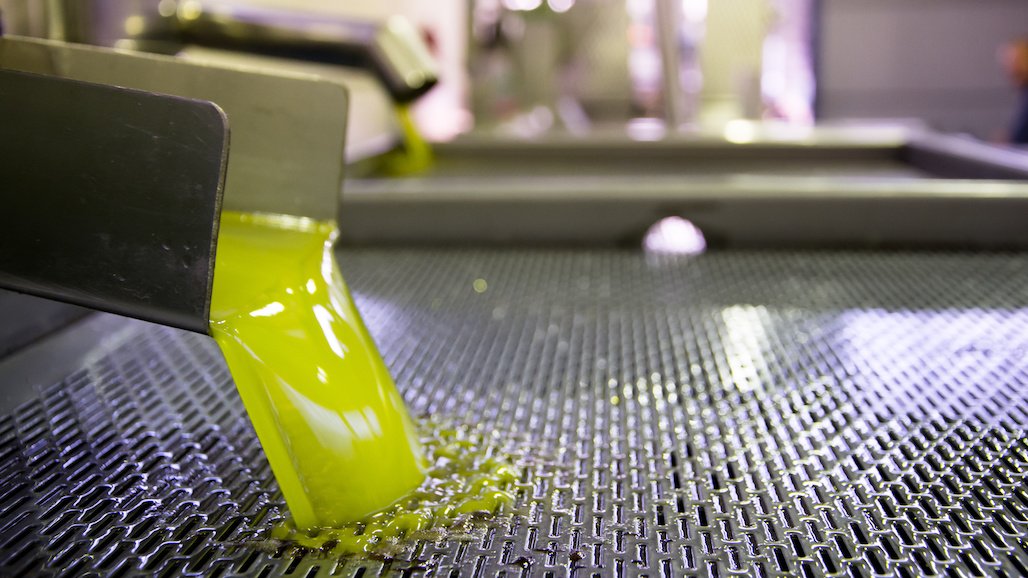
    The California Olive Oil Council (COOC) prepares for its first in-person Annual Member Meeting since 2019. The meeting will occur March 15 – 17, 2024, in Monterey, California. The two-day event will feature presentations from leaders in the industry and industry affiliates as they discuss critical regulatory and research updates, recent marketing efforts, and the momentum of California’s extra virgin olive oil landscape. The event will create a space for industry members to discuss current best practices and opportunities for every level in the production process. The California Olive Oil Council will also announce the Gold and Silver medalists of the annual COOC Olive Oil Competition.

    The California Olive Oil Council warmly invites all members to attend this event and extends the invitation to anyone interested in the California Olive Oil industry. For pricing and reservation details, please visit the registration link: https://www.eventbrite.com/e/cooc-annual-member-meeting-tickets-808228020767. Please register for the event and reserve accommodations on or before Wednesday, February 7, 2024, for early-bird rates. Tickets are priced at $600 per ticket, which includes admission to all panels, seminars, and events offered, and $300 for every additional ticket purchased.

    The California Olive Oil Council is a trade association dedicated to promoting certified California extra virgin olive oil through education, outreach, and communication. The COOC is committed to upholding the highest standards within the olive oil industry through its Seal Certification Program.

  • Growers Encouraged to Attend February California Avocado Commission Board Meeting

    Growers Encouraged to Attend February California Avocado Commission Board Meeting

    The California Avocado Commission will host its next Board meeting on February 22 from 9:00 a.m. – 2:00 p.m. in Ventura County. The meeting will provide California avocado growers with the opportunity to engage with CAC staff and Board, and receive updates on Commission operations, including marketing and industry activities. Growers can attend the meeting in person at the United Water Conservation District, 1701 North Lombard Street, Suite 200, Oxnard, CA. Growers also have the option of attending the meeting virtually.

    The agenda will be posted on CAC’s grower website 10 days prior to the meeting at the following link: https://www.californiaavocadogrowers.com/commission/meeting-agendas-minutes.

    The California Avocado Commission’s Board of Directors also currently has a Handler Member and Handler Alternate Member seat available. Appointees will fill the vacant seats for the remainder of their unexpired terms: October 31, 2024 for the Member seat and October 31, 2025 for the Alternate Member.

    Interested parties should complete the candidate form available in the right-hand navigation and return it to the Commission by February 15. The form may be faxed to 949.208.3503, emailed to aaymami@avocado.org or mailed to 12 Mauchly, Suite L, Irvine, CA 92618-6305.

    To be eligible, candidates must:

    • Certify they have a financial interest in handling avocados for market via ownership, employment or membership in a legal entity engaged in the handling of avocados; and handles no less than 1% of the total industry volume of avocados in the preceding marketing year
    • Demonstrate direct involvement in the selling, marketing, distributing, receiving, grading, packing, canning, extracting, preserving, grinding, crushing or changing the form of California avocados to prepare them for market
    • Have ultimate control over handling California avocados and liability for reporting and payment of CAC assessments

    The vacancies will be filled by majority vote of the CAC Board during a meeting held on February 22.

  • Growing Chickpeas in Amended Moondust

    Growing Chickpeas in Amended Moondust

    A love for space exploration led Jessica Atkin, a Texas A&M College of Agriculture and Life Sciences graduate student in the Department of Soil and Crop Sciences, to produce the first-ever moondust-grown chickpeas.

    Using simulated moondust, because there’s not enough lunar regolith on Earth for experimentation, Atkin and her colleagues grew chickpeas to seed in mixtures of up to 75% moondust — a groundbreaking endeavor in several aspects.

    As a result of her study, future moon-bound astronauts may have the opportunity to substitute a portion of their prepackaged foods with protein derived from crops grown on the lunar surface.

    “The Moon doesn’t have soil like Earth does,” Atkin said. “On Earth, the soil has organic material filled with nutrients and microorganisms, which support plant growth. Those are missing on the moon. This adds to other challenges, such as reduced gravity, radiation and toxic elements.”

    To help address some of those challenges, Atkin has been developing a soil amendment to improve the structure and nutrient composition of lunar dust, making it suitable for growing crops.

    Atkin collaborated on the project with Sara Oliveira Santos, a doctoral candidate at Brown University, who contributed expertise in addressing hydrological issues arising from the small particle size of the moondust.

    Moondust research

    Atkin has been working on this research under the guidance of her advisors, Terry Gentry, Ph.D., soil and water microbiologist in the Department of Soil and Crop Sciences, and Betsy Pierson, Ph.D., an expert in plant-microbe interactions in the Department of Horticultural Sciences. Also contributing to the research is George Vandemark, Ph.D., a U.S. Department of Agriculture legume breeder and faculty member at Washington State University in Pullman, Washington.

    Varying degrees of chlorophyll can be seen in the chickpea moondust study at five weeks. (Texas A&M AgriLife photo by Jessica Atkins)

    Using soil regeneration mechanisms from Earth, Atkin leveraged the interaction between beneficial soil fungi and vermicompost, or worm manure, to create a fertile moondust. These amendments help sequester toxic contaminants from the dust, change the soil structure for better hydraulic properties, and increase plant tolerance to stressors and toxins.

    Three primary actions help fungi address elemental contamination. First, toxins are sequestered and bound in the soil mixture, making them less available for plant uptake. This prevents contaminants from being taken up by plant roots. If some toxin gets by, the fungus traps it in its own biomass and that of the plant root, limiting the amount of toxins taken into the vegetation and seeds.

    Vermicompost is used to provide nutrients and change the physical properties of the lunar dust composition. Atkin said red wiggler worms can be taken to the moon, where they can decompose biowaste such as clothing, hygiene items and food scraps created by astronauts.

    Atkin said she chose chickpeas because they are legumes that form beneficial relationships with fungi.

    “They are a great protein source and use less water and nitrogen than other food crops,” she said. “We used a desi chickpea variety to deal with the space limitations inside a habitat.”

    Using these techniques, Atkin successfully grew chickpeas to seed in up to 75% lunar regolith simulant, a documented first. However, she noted a caveat: although chickpeas typically take about 100 days to produce on Earth, in lunar mixtures, they required 120 days to mature, and all plants showed symptoms of stress.

    Sustainability in space

    Atkin said she will continue studying the multigenerational effects and believes that once the soil matrix is transformed, it could lead to the ability to grow other crops.

    While Atkin said there are many variables, this could be a solution for long-term waste reduction, and sustainability of lunar travel and exploration.

    “The novelty about using vermiculture is that it can all be done in space, whether in a space station or on the moon, reducing the need for resupply missions,” she said. — By Kay Ledbetter, Texas A&M AgriLife

  • $5.2 Million Grant for Short-Day Onion Improvement

    $5.2 Million Grant for Short-Day Onion Improvement

    Texas A&M AgriLife Research received more than $5.2 million in grant funding from the U.S. Department of Agriculture’s National Institute of Food and Agriculture for a project to address multiple aspects of the southern U.S. onion harvest system, serving more than just Texas, but also short-day onion growing areas such as California, New Mexico and Georgia.

    Subas Malla, Ph.D., Texas A&M AgriLife Research associate professor at the Texas A&M AgriLife Research and Extension Center in Uvalde, will serve as director for a short-day onion project. (Texas A&M AgriLife photo by Paul Schattenberg)

    The director for the “Ensuring Future Economic Viability of U.S. Short-Day Onion Production Through Mechanical Harvesting” project will be Subas Malla, Ph.D. Malla is an AgriLife Research associate professor of vegetable breeding at the Texas A&M AgriLife Research and Extension Center in Uvalde.

    The Texas A&M AgriLife team is comprised of Stephen Searcy, Ph.D., Professor Emeritus and former head of the Department of Biological and Agricultural Engineering, Bryan-College Station; Juan  Anciso, Ph.D., professor and Texas A&M AgriLife Extension Service vegetable specialist, Weslaco; Francisco Abello, Ph.D., assistant professor and AgriLife Extension economist – management, Vernon; and Larry Stein, Ph.D., professor, Regents Fellow and associate head of the Department of Horticultural Sciences, Uvalde. The University of California, the University of Georgia and New Mexico State University will also partner on the project.

    Searcy will serve as co-director and lead the project’s agricultural engineering research. Anciso and Abello will lead the AgriLife Extension and economic analysis components, respectively.

    “The goal of this proposal is to improve profitability and ultimately market share for short-day onions by mechanizing short-day onion harvesting,” Malla said. “We intend to do this through development and selection of cultivars, optimization of production practices, improved harvest systems, and communication of the associated socioeconomic benefits to growers and packers.”

    Short-day Onions Long on Production Challenges

    The majority of onions grown across the southern region of the U.S. are short-day onions. Short-day onions require about 10-12 hours of daylight to produce bulbs, while long-day onions require 14-16 hours.

    In 2023, the fresh market onion industry grew a total of 75,460 tons across 7,158 acres in 35 South Texas counties. (Texas A&M AgriLife photo by Laura McKenzie)

    According to South Texas Growers Inc., a wholesale nursery, in 2023, the state’s fresh market onion industry — sweet, yellow, red and white onions combined — grew a total of 75,460 tons across 7,158 acres in the 35 South Texas counties. The average farm-gate value of those onions is around $39 million

    Short-day onions are a high-value vegetable crop in many southern U.S. states, including Texas, but their biology and structure present some difficulties, especially during harvest.

    Onion harvesters developed for long-day onions in northern states have been tested with short-day onions, Searcy said, but growers judged the results to be less than satisfactory.

    “Dry matter content in the short-day sweet onion is low but the water content is high,” Malla said. “Due to the high water content in the bulb, there is a greater likelihood of bruise damage since the bulbs can’t withstand a higher-pressure impact when harvested. That is why short-day onions have traditionally been harvested by hand.”

    In efforts to use mechanized harvesting, too many bulbs were damaged to be acceptable for the fresh market, he said.

    “However, these past attempts were limited to substituting the mechanical harvester for manual labor and did not involve a whole-system approach.”

    The new project aimed at mechanizing harvest will involve the whole system and include short-day onion areas in Georgia, Texas, New Mexico and California to represent a full range of growing conditions.

    “Limited availability and increasing cost of labor has resulted in decreased U.S. short-day onion production and a lack of competitiveness with foreign sources,” Malla said. “A viable mechanized harvest system is a high priority for growers and the industry.”

    Building a Better Short-Day Onion Harvest System

    Malla said the project will address the many facets of developing a successful harvest system. These include:

    –  Identifying cultivars and production practices suitable for mechanical harvesting.

    –  Modifying the harvest system to minimize the potential damage to onion bulbs.

    –  Evaluating the influence of mechanical harvest on profitability and risk faced by onion growers.

    –  Communicating the benefits and drawbacks of adopting mechanical harvesting to growers.

    Malla said the adoption of any advances by growers will rely on partnerships with equipment manufacturers, seed companies and technology providers. A stakeholder advisory panel and scientific advisers will participate in the project’s proposed research and outreach activities.

    “We are already in the process of evaluating diverse Texas A&M onion germplasm to understand the genetic mechanism of host resistance against diseases and insects,” Malla said. “We are working with the Texas A&M Vegetable and Fruit Improvement Center to test bulb quality and storability in onions. We are also testing Texas A&M onion germplasm in a way that will help shorten the cultivar development cycle.”

    To his knowledge, Malla said, this project is one of the broadest and most comprehensive ever undertaken to address the many challenges to short-day onion production.

    “Our ultimate goal is identifying the best cultivars and improving the short-day onion harvest system in a way that provides better results and better profitability for the producer,” he said.

  • How Might Tomatoes Provide Health Benefits?

    How Might Tomatoes Provide Health Benefits?

    (USDA Photo by Lance Cheung.)

    Scientists at U.S. the Department of Agriculture’s Agricultural Research Service (ARS) and The Ohio State University (OSU) have been working to investigate how tomatoes may be imparting health benefits in a recently published study.

    Studies in animals have shown that incorporating tomatoes into the diet can reduce the prevalence of chronic illnesses like prostate and liver cancer. It has been thought that compounds naturally produced by tomatoes are responsible for these effects. After absorption from a meal, many of the chemical compounds found in tomato fruits travel to the liver, where they are metabolized. Some compounds remain for some time, while others are quickly removed from the body.

    Meanwhile, in the liver or other tissues, some of these compounds can alter gene expression in ways associated with positive health benefits. Researchers in the past have largely focused on lycopene, a pigment that gives tomatoes their red color. However, tomatoes produce thousands of compounds, and it has been shown that tomato consumption offers more benefits than lycopene alone. A “big picture” view was missing.

    “We know that eating tomatoes is associated with a number of health benefits, and our study intended to dive deeper into what happens when you eat tomatoes from the standpoint of what is absorbed and how gene expression is altered,” said Michael Dzakovich Ph.D., a scientist with USDA-ARS Children’s Nutrition Research Center. “Rather than focusing only on one compound, we utilized a technology called metabolomics to broadly profile how hundreds of chemical compounds were changing in the liver as a result of tomato consumption. We also used transcriptomics to measure how all the detectable genes in the liver were changing at the same time. This approach gave us valuable insight into the potential mechanisms by which tomato consumption affects the liver and potentially the whole body.”

    Scientists tested liver tissue from mice that were fed control diets or control diets enriched with tomato to determine what tomato compounds were found in the liver and how gene expression changed. Tomato-fed mice were given one of two diets with the addition of commercial orange and red tomato varieties. Since not all tomato varieties are chemically identical, using multiple varieties allowed for a more comprehensive examination of how tomato consumption affects the liver in general.

    “We discovered a series of metabolites [molecules produced by metabolism] that have never been reported in the liver. Several of these compounds have been found in blood, skin, and urine, but our data show that these molecules are more extensively metabolized than we realized,” stated Dzakovich. The metabolites are from steroidal alkaloids uniquely produced in tomatoes.

    “Steroidal alkaloids have been shown in both in vitro [in the laboratory] and animal studies to lower the absorption of cholesterol, reduce cancer cell proliferation, and reduce muscle atrophy. They also resemble many important signaling molecules made by the body. It seems reasonable to hypothesize they might be a part of a suite of compounds found in tomatoes that benefit human health.”

    In addition, scientists observed that regardless of the tomato variety, there was an increase in the activation of genes related to xenobiotic metabolism, a series of biological processes that help our body detoxify itself. This led the authors to hypothesize that one way in which tomatoes may be benefiting human health is in their ability to promote production of the enzymes that allow excretion of potentially toxic compounds. Similar gene expression profiles have been associated with the prevention of cancer development because of consuming vegetables like brassicas (for example, broccoli).

    Michael Dzakovich initiated this study during his Ph.D. program in the laboratory of Jessica Cooperstone Ph.D. at The Ohio State University in collaboration with Mallory Goggans MS, Jennifer Thomas-Ahner Ph.D., Nancy Moran Ph.D., Steven Clinton MD Ph.D., and David Francis Ph.D. More details about this study can be found in Molecular Nutrition and Food Research.

    The Agricultural Research Service is the U.S. Department of Agriculture’s chief scientific in-house research agency. Daily, ARS focuses on solutions to agricultural problems affecting America. Each dollar invested in U.S. agricultural research results in $20 of economic impact.

  • Growing Chinese Market Demand for Nuts and Dried Fruit

    Growing Chinese Market Demand for Nuts and Dried Fruit

    USDA Foreign Ag Service — Thanks to consumers’ growing preference for healthy food and earlier successful marketing of nuts and dried fruit products across the country, China’s consumption and demand for nuts and dried fruit has exploded over the past few years. To continue this growth, new product innovations, packaging, and flavor concepts for nuts and dried fruit are needed.

    In China, popular nuts and dried fruit include, but are not limited to, almonds, pistachios, pecans, walnuts, macadamia nuts, hazelnuts, dried cranberries, raisins, and dried blueberries. Recently, consumers have sought dried fruit and nuts because of their perceived health benefits, their versatile applications in food manufacturing, and their rich texture and appearance. In China, the “nuts market” segment includes tree nuts and dried fruit.

    Statistics from different sources indicate that the nuts industry has grown robustly over the past decade. Along with strong consumption and sales between 2012 and 2022, imports of nuts expanded substantially from $0.5 billion in 2012 to $3.3 billion in 2022, with record imports in 2021 of $3.5 billion.

    TREE NUTS & DRIED FRUITS MARKET SNAPSHOT

    •   The nuts market reached $40 billion in 2022, accounting for about 20 percent of the total snack food market, competing with candy/chocolate and biscuits/pastry for the number one sector.
    •   The compound annual growth rate for the nuts market was above 10 percent between 2011- 2022, making it a leading manufacturing industry in China.
    •   The tree nut market size reached $8 billion in 2022, remaining far behind seed nuts at $32 billion.
    •   Imports of tree nuts reached $3.28 billion in 2022.

    Imports of dried fruit also increased substantially over the past ten years, increasing from an initial $215 million in 2012 to $946 million in 2022, a 340 percent increase.

    The Popularization of Daily Nuts

    The concept of Daily Nuts originated from a product that was initially launched in 2016 by Wolong, a snack food manufacturer based in Qingdao. Although it is called Daily Nuts, it is a mixture of nuts and dried fruit, such as almonds, pistachios, dried blueberries, and dried cranberries. It is usually in small packs of 15-20 grams, perfect for nutrition supplements and at-work snacks.

    Unlike traditional roasted nuts, Daily Nuts target younger and higher-end consumers. Almost all the nuts and dried fruit used in daily nuts are imported to meet consumers’ high-quality expectations. While the raw ingredients are imported, the roasting, processing, and packaging occur domestically.

    Due to the strong marketing behind Daily Nuts, focusing on the nutritional benefits and portability of the product, the market exploded. Due to the quick expansion of Daily Nuts across China, Alibaba’s Tmall Research Institute created a new sub-sector called mixed nuts (which includes nuts and dried fruit) in 2017, and daily nuts were regarded as a representative of the sub-sector.

    Following the launch of Daily Nuts in 2016, the market size of mixed nuts and dried fruit grew from $1.4 billion in 2016 to $15.8 billion in 2021, a 1,029 percent growth.

    Consolidation of the Mixed Nuts Sub-Sector

    The booming sub-sector has led to market consolidation. Initially, more than 300 brands began selling daily nuts products in China. Big retailers such as Fresh Hippo, an affiliate of Alibaba, and Bian Li Feng, a nationwide franchised convenience store, even created their own daily nuts style private label products. However, recently smaller processors have begun manufacturing for bigger ones. In 2022, the combined market share of the top five brands, Three Squirrels, Haomusi, Wolong, Chacha, and Bestore, amounted to 38 percent; it is estimated that by 2028, the top five brands will expand their combined market share to 54 percent.

    Growing Online Sales

    The main category of consumers of mixed nuts and dried fruit are those aged 20 to 45, which directly corresponds to those consumers who most often utilize e-commerce channels. As a result, most of the sales for mixed nuts occur online. In 2022, 47 percent of all snack food sales occurred online. According to CFNA, in the first half of 2023, online sales of food products increased by 8.9 percent year-on-year. Additionally, new online livestreaming retailers, such as Douyin (Tiktok) and Kuaishou, are taking increasing market share from traditional offline retailers.

    Applications of Mixed Nuts in Food Manufacturing

    Tree nuts and dried fruits are typically used for three purposes: snack food, baking ingredients, and food/beverage ingredients. Although the applications of baking ingredients and food/beverage ingredients have been developing in recent years, the snack food sector has achieved impressive growth.

    The snack food sector includes three sub-sectors, namely single nuts, mixed nuts, and flavored nuts. The single nut sub-sector hosts traditional sunflower seeds, peanuts, hazelnuts, and imported tree nuts, which have become increasingly popular over the last two decades. Mixed nuts, as described in the daily nuts section above, are comprised of products with both nuts and dried fruit. Flavored nuts refer to nut products that are typically roasted, shelled, and then flavored to meet consumers’ personal flavor preferences. Typical flavors include but are not limited to salty, spicy, coconut, mustard and others.

    Sluggish Economic Recovery

    In 2022, strict COVID-19 zero-tolerance regulations impacted China’s economy. According to Tmall statistics, online sales of mixed nuts and dried fruit were nearly zero due to reduced logistics capacity. Offline, traditional sales fared even worse due to the same reduction in logistics capacity and frequent store closures. The economy was expected to rebound after lifting all COVID restrictions, but growth has remained sluggish.

    The overall reduction in spending means consumers are reducing purchases of non-essentials such as snack foods. In recent conversations with retail contacts, we learned that local consumers spending on snack food is only around 60 percent of pre-COVID levels. Although online food purchases increased by 8.9 percent in the first half of 2023, this is thought to be due to the increased sales of lower-cost products. The purchases of nuts and dried fruits, which consist of primarily imported raw ingredients and are more expensive, will continue to be impacted by China’s sluggish economic recovery.

    Declining Growth of Daily Nuts

    In the past few years, tree nuts and dried fruit sales were largely equal to sales of daily nuts products. While Daily Nuts initially led to an explosion in the market, the market is largely saturated. Thus, the market is calling for innovations in the nuts and dried fruit sector to spur growth.

    Booming international and domestic supplies

    China relies on imports of a range of nuts to meet its strong domestic demand. International supplies impact import volumes considerably. For example, with the production of U.S. almonds reaching a historic high in 2020/2021, the price fell substantially, which in turn led to increased exports to China. Increased international production may continue to lower global tree nut prices, making exports competitive.

    However, due to growing domestic supplies, imports of certain nuts and dried fruit are expected to decline. China is the largest producer of walnuts and peanuts globally and has a growing production of macadamia nuts, raisins, and blueberries.

    Over the past ten years, growing demand for nuts and dried fruit has pushed domestic production to record highs. According to CFNA, China’s total nut production in 2023 is 44 percent higher than five years ago.

    Growing domestic production has also decreased prices for dried fruit. For example, in August 2023, the domestic price for raisins was roughly half that of Chile and a quarter of that of the United States.

    Other Promising Products

    Aside from products used for mixed or daily nuts, other dried fruit products are seeing market growth. For instance, local consumers perceive dried prunes as a good source of dietary fiber, translating into increased sales.

    Additionally, growing consumer health consciousness and the still-to-be-explored versatility of nuts and dried fruit in the food manufacturing sector will likely spur market growth. While the previous high growth rates were not sustainable, mild but steady growth is expected.

    New Product Development

    With the saturation of the market for daily nuts, food researchers and developers are making every effort to develop a product with the market power of daily nuts. Potential new uses of nuts and dried fruit could include:

    •   In a beverage
      o Example: Six Walnuts bottled drink, a walnut milk beverage, saw high sales upon its launch due to improved taste and brand image.
    •   In the food manufacturing sector

    o New processed and value-added products such as sliced, diced, minced nuts, or sugared, pureed, marinated fruit, could be used to meet different food manufacturing requirements or demands.

    o China’s expanding food manufacturing industry is calling for more varieties of processed ingredients, offering new market opportunities.

    Identifying and capitalizing on these market opportunities will require more collaboration between suppliers and R&D departments of Chinese food manufacturers in testing and educating the market.

     In chain coffee and milk tea shops
    o Recently, nuts, and dried fruit consumption have increasingly been used for beverages at chain coffee and milk tea shops across China.

    o This demand comes from two usages: one is a small pack of nuts and dried fruit consumed alongside coffee or milk tea, and the other is used as ingredients for baking and pastries in coffee or milk tea shops.

    o Neither of these uses is new, but the demand and consumption have grown substantially in line with the rapid expansion of coffee and milk tea shops.

    For more information, please contact ATO Beijing:

    USDA Agricultural Trade Office in Beijing U.S. Embassy, Beijing, No. 55 An Jia Lou Road Chaoyang District, Beijing
    China, 100600
    Tel.: 86-10-8531-3950
    Fax: 86-10-8531-3974
    Email: atobeijing@usda.gov

  • UCCE 58th Annual Sweetpotato Meeting

    UCCE 58th Annual Sweetpotato Meeting

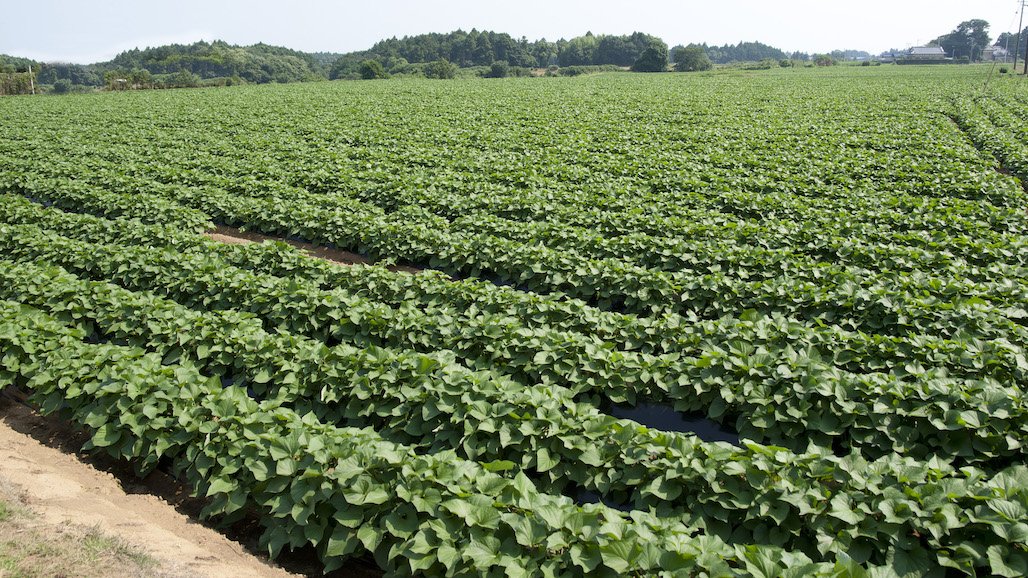
    Save the date, Thursday February 8, 2024, for the UC Cooperative Extension 58th Annual Sweetpotato Meeting to take place at the UCCE Classroom (2145 Wardrobe Ave., Merced).  Growers and industry stakeholders are invited to attend and gain research updates on sweetpotato production and marketing in California. Doors open at 7:30 a.m. where attendees can sign-in, and enjoy some coffee and Jantz Sweetpotato muffins.  The meeting will run from 8AM to noon, and conclude with lunch.  Following lunch, the Sweetpotato Council of California will convene their BOD Meeting.  See the Annual Sweetpotato Meeting agenda below:

  • New UC Studies Estimate Production and Harvest Costs for Coastal Apples

    New UC Studies Estimate Production and Harvest Costs for Coastal Apples

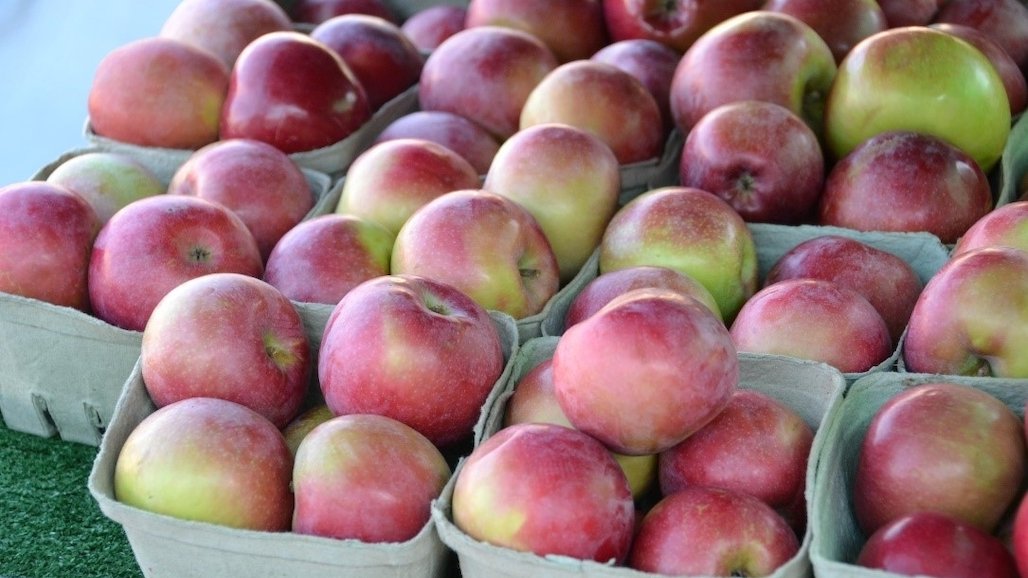
    Two new studies that can help Central Coast growers and other readers estimate costs and potential returns for organically and conventionally produced apples for processing were recently released by University of California Agriculture and Natural Resources, UC Cooperative Extension and the UC Davis Department of Agricultural and Resource Economics.

    “These studies provide growers with a baseline to estimate their own costs, which can help when applying for production loans, projecting labor costs, securing market arrangements, or understanding costs associated with water and nutrient management and regulatory programs,” said Brittney Goodrich, UC Cooperative Extension specialist and co-author of the studies.

    The new studies, “2023 Sample Costs to Produce and Harvest Organic Apples for Processing” and “2023 Sample Costs to Produce and Harvest Apples for Processing,” can be downloaded for free from the UC Davis Department of Agricultural and Resource Economics website at https://coststudies.ucdavis.edu.

    The studies focus on processing apples, not fresh market apples, which makes a difference in farming practices. Apples grown for processing on the Central Coast are mostly pressed for juice and sparkling cider.

    “Ready-to-eat means that looks matter – blemishes and so forth are a big deal. Juice not so much, it all gets smushed in the end,” said co-author Mark Bolda, UC Cooperative Extension farm advisor for Santa Cruz, Monterey and San Benito counties. “Varieties grown here are Gala, Newtown Pippins, Mitsui and some Granny Smith.”

    The cost studies model a management scenario for a 100-acre farm, 20 acres of which are planted to a mature orchard that produces apples for processing. The remaining acres are planted to apples not yet in production, caneberries, strawberries and vegetables. In each study, the authors describe the cultural practices used for organically or conventionally produced apples, including land preparation, soil fertility and pest management, irrigation and labor needs. Harvest costs are also shown.

    In six tables, they show the individual costs of each operation for apples, material input costs, and cash and non-cash overhead costs in a variety of formats. A ranging analysis shows potential profits over a range of prices and yields.

    For a detailed explanation of the assumptions and calculations used to estimate the costs and potential returns for each crop, readers can refer to the narrative portion of each study.

    For more information, contact Mark Bolda at mpbolda@ucanr.edu; Laura Tourte, emeritus UCCE advisor, at ljtourte@ucanr.edu; or Jeremy Murdock of UC Davis Department of Agricultural and Resource Economics at jmmurdock@ucdavis.edu.

    Sample cost of production studies for many other commodities grown in California are also available for free at https://coststudies.ucdavis.edu.

    UC Agriculture and Natural Resources brings UC information and practices to all 58 California counties. Through research and Cooperative Extension in agriculture, natural resources, economic growth, nutrition and youth development, our mission is to improve the lives of all Californians. Learn more at ucanr.edu and support our work at donate.ucanr.edu.

  • Citrus Greening (HLB) Impacting Brazilian Citrus Crop – Annual Report

    Citrus Greening (HLB) Impacting Brazilian Citrus Crop – Annual Report

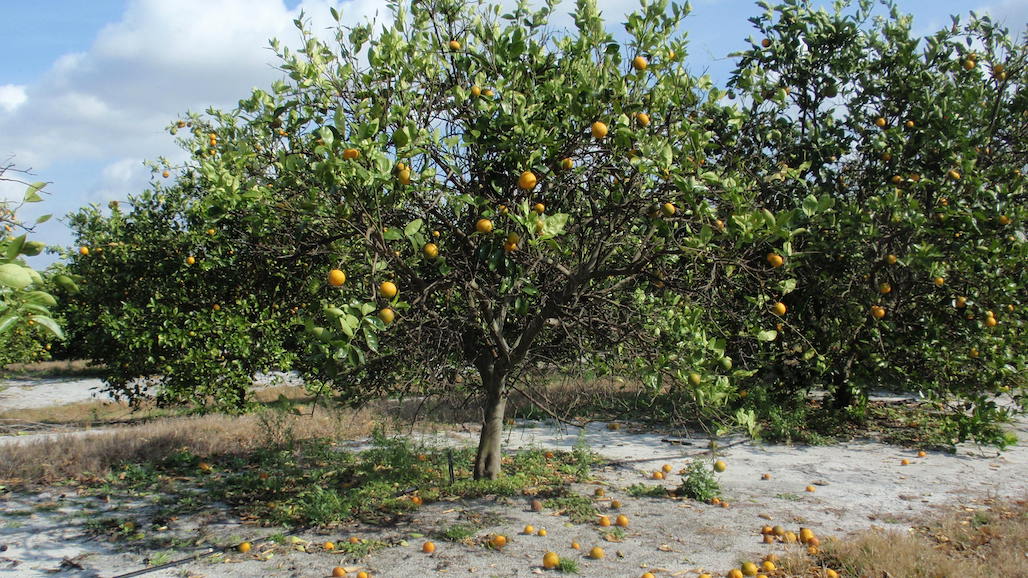
    The Brazilian orange crop for Marketing Year (MY) 2023/24 is forecast at 408 million 40.8-kg boxes (MBx) – standard reference, equivalent to 16.5 million metric tons (MMT), a decrease of 1.03 percent compared to the estimate of current crop MY 2022/23 (around 412.3 million boxes or 16.67 MMT), due to the incidence of greening, which has been affecting Brazil’s citrus belt. Meanwhile, the average fruit weight is expected to be 158 grams for MY 2023/24, as a result of unfavorable climate and diseases, with expectations of lower production and fruit quality. FCOJ 65 Brix equivalent production for MY 2023/24 is forecast at 1.05 MMT, a decrease of 1.64 percent vis-à-vis the estimate for MY 2022/23 (1.12 MMT), due to downward expected availability of fruit for processing provoked by extremely high temperatures and the greening incidence. A significant share will keep supplying the U.S. market due to limited juice availability from Florida provoked by hurricane Ian.

    FRESH ORANGES

    PS&D Table

    The following table provides total Brazilian fresh orange production, supply, and distribution (PS&D) for Brazilian (BR) marketing years (MY, July-June) 2022/23, 2023/24, and 2024/25. The MY mentioned above are equivalent to U.S. MY 2021/22, 2022/23, and 2023/24, respectively.

    Table 1

    Production, Supply and Distribution for Brazilian Fresh Oranges

    Note: There is a one-year lag between the BR MY and the U.S. MY. For example, BR MY 2023/24 is equivalent to U.S. MY 2022/23. To ensure data continuity, the current Brazilian MY 2023/24 will be referred to as U.S. MY 2022/23 throughout this report.

    General

    Post forecasts the total Brazilian orange crop for MY 2023/24 (July/June) at 408 million 40.8-kg boxes (MBx) – standard reference, equivalent to 16.5 million metric tons (MMT), a decrease of 1.03 percent compared to current Post estimate for MY 2022/23 (412.3 million boxes or 16.67 MMT), due to greening incidence.

    The commercial area of the state of São Paulo and the western part of Minas Gerais (known as “Triângulo Mineiro”) should produce 307 million 40.8-Kg boxes (12.52 MMT) for MY 2022/2023, a projection based on the most recent data released by the Defense Fund for Citriculture (Fundecitrus) in December 2023. Considering the total citrus belt estimated production, approximately 27.60 million boxes should be harvested in the Triângulo Mineiro region, as reported by Fundecitrus, and 280 million boxes in São Paulo.

    Around 30 percent of Brazil’s orange production is destined to the market and 70 percent is used for juice processing. The main orange varieties that Brazil produces are Hamlim, Westin, Rubi, Valencia Americana, Seleta, Pineapple, BRS Alvorada, Pera Rio – pear orange, Valencia, “Folha Murcha” Valencia, and Natal. The citriculture chain in Brazil is highly industrialized.

    Figure 1

    Orange Production History in the Brazilian Citrus Belt

    The graph above (Figure 1) shows the orange crop production history in the Brazilian citrus belt, reflecting significant oscillations over the course of twenty-four years, ranging from 450 million 40.8Kb boxes in BR MY 1999/00 to 250 million BR MY 2010/11. During its big harvests, the Brazilian citrus belt produced an average of 400 million boxes, particularly in BR MY 2011/12, 2012/13, 2017/18, 2019/20. However, in the past four market years, the average has fallen around 100 million to an average of 300 million.

    According to Post contacts, the current average of orange boxes produced in the Brazilian citrus belt reaches 915 boxes per hectare, even though some larger citrus growers produce 2,000 boxes per hectare due to the following reasons: 1- adapted varieties (more productive plants) and a mix of varieties (early oranges are very productive, compared to the others, mid-season and late); 2- densification of orchards (in the 1980s there were around 250 trees/ha. now there are about 700 trees/ha); 3- pruning and management techniques for better productivity and more day-to-day management. Today, 70 percent less pesticides are used in each pesticide application.

    Data from Fundecitrus shows an estimate to the weight of oranges at 160 grams (255 fruits per box) upon the current harvest, representing an increase of 3.77 percent in relation to the average weight recorded in the previous crop MY 2021/22, and a 1.23 percent growth in average weight when compared to the last ten crops.

    Production

    According to data from the Brazilian Institute of Geography and Statistics – IBGE in November 2023 citrus is produced in Brazil on 584,443 hectares. The citrus belt accounts for approximately 83 percent of the cultivated area in Brazil. Taking into account the estimated 307 million of boxes produced in the Brazilian citrus belt in MY 2022/23, post contacts inform that 300 million are produced in São Paulo and Minas Gerais regions, of which 50 million are in natura and 250 million are used for processing. According to Fundecitrus, the second half of 2023 has observed Minas Gerais producing more than Florida. Approximately 27.02 million boxes are expected to be produced in the Triângulo Mineiro region for MY 2022/23, against 16 million boxes in Florida.

    In Brazil, citrus growers plant and sell according to market demand, many of them through juice industry contracts. The citrus belt, however, also has the highest incidence of plants with symptoms of the main citrus disease, greening (or Huanglongbing – HLB). According to data published by Fundecitrus in 2023, 38 percent of the plants in the citrus belt have symptoms of the disease.

    Rainfall was frequent and voluminous from January to April 2023 throughout the São Paulo citrus belt, making MY 2022/23 orange crop produce fruit with good size development. Moreover, the decrease in the estimated production of pear orange in the citrus belt is being offset by an increase in the production of early varieties. Recent data from Fundecitrus reports that oranges of the early varieties benefited from the abundant rainfall in the beginning of 2023, which resulted in an estimate of 2.27 million boxes. The other varieties (Pera Rio, Valencia, Valencia Folha Murcha and Natal) have an estimate down by 4.39 million boxes, due to the size of the fruit, smaller than expected.

    Throughout 2023, temperatures reached astonishing numbers, ranging from 95°F to 104°F. The process known as “evapotranspiration”, by which the land transfers water and plants transfer transpiration to the atmosphere, is higher as the heatwave increases. With the arrival of the dry season from May 2023 to August 2023, rain became scarce in the citrus belt region in São Paulo, falling 26 percent below the average, causing the trees to suffer from drought stress.

    According to the Brazilian Economic Research Center (CEPEA), throughout 2023, many oranges were withered and sunburned, varieties that consumers do not usually buy. To avoid those fruit conditions and premature fruit fall, many producers anticipated the harvest of late varieties, mainly Valencia and Natal. Abundant rain in October 2023 relieved drought stress, but the availability of oranges on the fresh market remained restricted.

    A heatwave that hit the state of São Paulo in November 2023 caused partial fruit abortion, which is when the fruit falls off before the final filling stage. This happens so that the tree does not die. At high temperatures, the fruit’s stomata close – the structure that ensure gas exchange -, automatically reducing photosynthesis and negatively impacting the production.

    In irrigated areas damages tend to be mitigated, since orange flowers are more advanced. These areas are in the north of São Paulo state, where temperatures are usually higher. Irrigation facilitates planting, since the regular rainfall cannot always be proper for crops, and it can reduce the risk of high temperatures. According to Fundecitrus, the practice of irrigation is considered a complementary strategy. There are around 36 percent of irrigated hectares in the citrus belt and 63 percent of non- irrigated hectares, or hectares without information on irrigation.

    Fundecitrus emphasized in its most recent orange crop forecast from December 2023 that the citrus belt harvest reached 82 percent of production in the middle of November 2023, 26 percent faster compared to previous years. To produce oranges all year round, nine months of harvest are needed, which runs from May to February.

    With El Niño in Brazil, heat waves started in June 2023. High temperatures and rain shortage in the Brazilian citrus belt is expected to continue to be a cause of concern for the next harvest (MY 2023/24), according to Post contacts. According to the U.S. National Oceanic and Atmospheric Administration (NOAA), along with its National Weather Service and funded U.S. institutions, an El Niño forecast from November 2023 has a 62 percent probability of continuing until April or June 2024.

    Figure 2

    Maximum Daily Temperate in Brazil, Dec 4-10, 2023

    A compilation of surveys by Brazilian institutions, including the Brazilian National Institute of Meteorology, released in November 2023 a newsletter on El Niño. The climate forecast for December 2023/January-February 2024 indicates a greater likelihood of temperatures above the normal range in most of the country, including the citrus belt area.

    The Brazilian map in Figure 2 on the left highlights the current behavior of high temperatures in Brazil (Dec 4-10), showing evidence that El Niño may worsen the temperature oscillations in most of Brazil. In the citrus belt area, red color shades on the map indicate temperature ranging from 86°F to 104°F.

    Area

    Post forecasts the area planted for oranges at 590,000 ha for MY 2023/24, 10,000 ha downward compared to Post current estimate for MY 2022/23 (600,000 ha), due to densely cultivated plants.

    São Paulo is the only state that compiles trees planted and tree inventory data. According to Crop Forecast Survey data from Fundecitrus (PES in Portuguese) from May 2023, bearing trees total 169.29 million and cover an area of 399,415 hectares in the citrus belt. This represents an increase of 0.41 percent in the number of trees over the previous, released in 2022.

    Even though the whole country produces oranges, the Brazilian map in Figure 3 bellow shows the main citrus-growing regions in Brazil, according to data from IBGE (2022). It denotes the states of Bahia (3.39 percent); Paraná (3.88 percent) and Rio Grande do Sul (2.11 percent) as the main orange production states outside of the Brazilian citrus belt (76.94 percent in São Paulo and 6.44 percent in Minas Gerais).

    Figure 3

    Main Citrus-Growing Regions in Brazil

    Data on the map in Figure 4 below covers the area of land planted with orange trees in each of the twelve regions that make up the five sectors of the citrus belt: North, Northwest, Central, South and Southwest. Variation in area is indicated by colors. The darkest color, for example, in navy blue, denotes regions where there are the most land in used for orange tree planting, including, among other municipalities, Avaré, with 58,824 ha and Duartina, with 60,446 ha. Meanwhile, there are 12,169 ha in Altinópolis and 11,570 in Brotas, highlighted in the map by the lightest shade of orange.

    Figure 4

    Brazilian Citrus Belt per Region

    Currently in Brazil there are a total of 5,134 orange grove properties, most of them large producers with high productivity. In addition to pests, high production costs and an insufficient labor force has driven many small producers away from the industry. As reported by Post contacts, it costs around BRL 40 million to invest in a citrus farm.

    The current scenario makes it increasingly likely that citrus farming, especially on small and medium farms, will be converted to other crops, such as sugar cane in the São Paulo region or livestock farming. The main reason is because the production of sugar cane in São Paulo is less risky than that of oranges. Moreover, there are already mills in the São Paulo region, making it easier to switch the production to a new commodity. Thus, prices of other crops may define the fate of the Brazilian citrus industry in the coming months. Fundecitrus highlights, however, that the production of oranges requires a smaller area for production, compared with other crops. Orange production compared with sugarcane, for example, has an area 14 times smaller and a profitability of around 2.5 times higher.

    In the long term, Post contacts report that the trend of the orange industry expanding outside the São Paulo and Minas Gerais area is likely to continue. In the state of Bahia, for example, the greening disease does not exist, due to the climate and the distance from the main region of the citrus belt.

    The next couple of years will be crucial to determine which new areas Embrapa considers to be promising for citrus planting in the so-called expanded citrus belt. Besides taking climate risk into account, agricultural planning for planting and producing citrus in new areas must include the use of healthy seedlings produced in a protected environment.

    Recent studies conducted by Fundecitrus and Embrapa funded by Innocent Drinks, a British-based company that produces smoothies and juice, have found that the entire citrus belt holds a stock of approximately 36 million tons of carbon, equivalent to 133.4 million tons of carbon dioxide (CO2). This is the same emitted by the city of São Paulo in around eight years. The absorption of the gas can contribute to reducing the impacts of global warming, according to Embrapa, since the agricultural land functions simultaneously as the source and the drain for carbon, while stabilizing and securing fauna in the citrus farming areas.

    Tree Inventory and Yields

    For MY 2023/24, Post forecasts 1.80 boxes/tree, a decrease of 1.1 percent from the estimate for MY 2022/23 (1.82 boxes/tree) due to the potential negative impacts of greening and El Niño. Total Brazilian tree inventory for MY 2023/24 is forecast by Post at 240 million trees and estimated at 240.5 million trees for MY 2022/23. The decrease is mainly expected in the São Paulo commercial citrus belt.

    The graph from Figure 5 below shows the current yield estimate from Fundecitrus for MY 2022/23, with a total of 1.83 boxes/tree embracing all five regions of the citrus belt. The north stands out as the most productive region, with 2.26 boxes/tree estimated.

    Figure 5

    Yield Estimate in the Brazilian Citrus Belt

    Post forecasts the average fruit weight in the Brazilian citrus belt for MY 2023/24 to be 158 grams, as a result of unfavorable climate and disease impact, with expectations of lower production and fruit quality. Moreover, Post forecasts 258 fruits to fill a 40.8-Kg/90-pound box. Considering all orange varieties, Fundecitrus reports that it is estimated 255 fruits to make up a 40.8-kg box for MY 2022/23 in the citrus belt. For that amount, oranges weight is estimated at 160 grams, in contrast to the previous projection of 165 grams…

    Read the full USDA Foreign Ag Service report HERE.
  • EU Faces Domestic Olive Oil Shortage

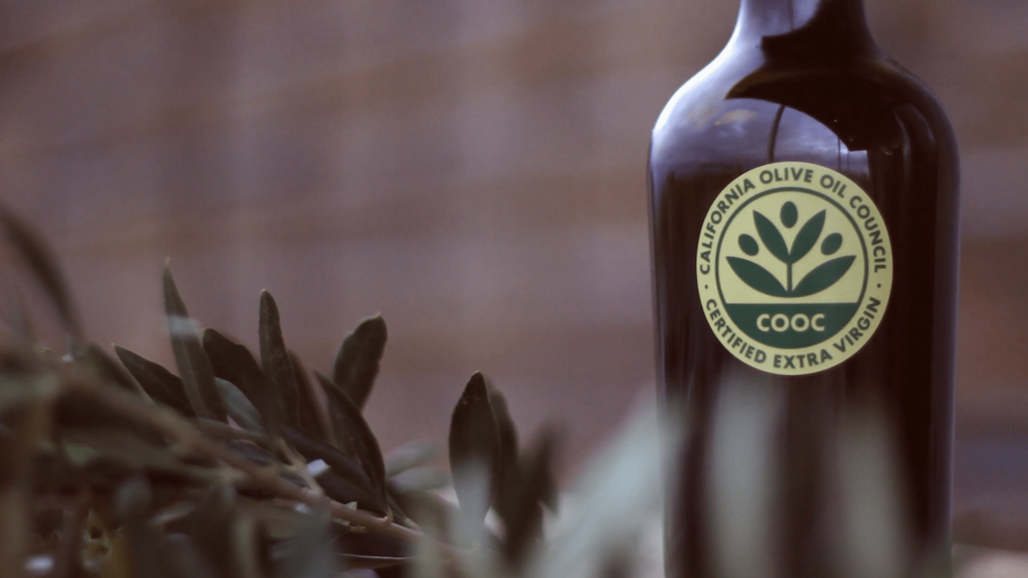
    EU Faces Domestic Olive Oil Shortage

    In MY 2023/24, the EU is facing a second consecutive short olive oil production crop. Consumer price increases resulting from the limited domestic availability will contribute to reduced consumption. The short crop will also preempt exports from expanding for the second consecutive year, while also continuing to push stock levels down.

    Production, Supply, and Demand

    Production

    Source: FAS Europe Posts.

    N.B.: Post trade and production data include only HS Code 1509.

    Estimates based on precipitation levels to date, temperatures during the olive trees flowering season, and the subsequent extreme summer heat waves that resulted in unripe fruit dropping, indicate that the European Union’s (EU) olive oil output in MY 2023/24 could amount to just above 1.4 million Metric Tons (MT).

    Olive harvest in the EU runs from fall to the beginning of spring. While spring conditions determine flowering and summer temperatures influence fruit development, fall precipitations still play a role in final output levels. Olive tree’s alternative bearing also plays a role in production volumes. New plantations under irrigation entering production also continue to soften the impact of alternative bearing in olive oil production levels across the EU. The EU’s olive oil production is concentrated in a handful of Member States. The EU is the world’s largest olive oil producer, accounting for over 60 percent of the world production.

    In Spain, which produces about half of the world’s olive crop, extreme weather conditions resulted in short production for a second year. After a spring heat wave impacted flowering, the harvest in Spain was forecast to be only 15 percent larger than last year, which was the worst olive oil production year in nearly a decade. A series of summer heat waves caused trees to drop unripe fruit to conserve moisture. However, abundant fall precipitation contributed to improve the initially negative production outlook. The latest official estimates indicate that olive oil production in Spain in MY 2023/24 may reach up to 765,200 MT.

    In Italy, MY 2023/24 olive oil production is forecasted at 300,000 MT, mainly due to the promising conditions in the regions of Puglia, Calabria and Sicily, which account for approximately 70 percent of the country’s olive oil production.

    Greece’s MY 2023/24 olive oil production could be as low as 180,000 MT. The mild winter did not favor flowering and extensive rainfall in spring further reduced fruit-set. Additionally, extremely hot summer conditions followed by autumn rainstorms ‘Daniel’ and ‘Elias’ reduced the yields in the central Greece area. Chalkidiki in the north and Crete in south Greece also report significant olive oil production decreases.

    Consumption

    MY 2023/24 and MY 2022/23 olive oil consumption has been revised down compared to previous estimates in response to soaring EU olive oil consumers’ prices in the main producing and consuming countries. Likewise, olive oil prices in producers’ markets in the EU also far exceed previous season’s levels.

    Trade

    The second consecutive short EU olive oil crop is expected to limit the bloc’s export potential in MY 2023/24. The EU’s total olive oil export levels in MY 2022/23 also declined significantly, driven by the limited domestic availability. The United States followed by Brazil are the main destinations for EU olive oil exports.  Read the full USDA-Foreign Ag Service Report HERE.