Category: Industry News

  • New POM® Antioxidant Super Tea Flavors Named Best Flavored Tea And Best Ready-To-Drink Beverage

    New POM® Antioxidant Super Tea Flavors Named Best Flavored Tea And Best Ready-To-Drink Beverage

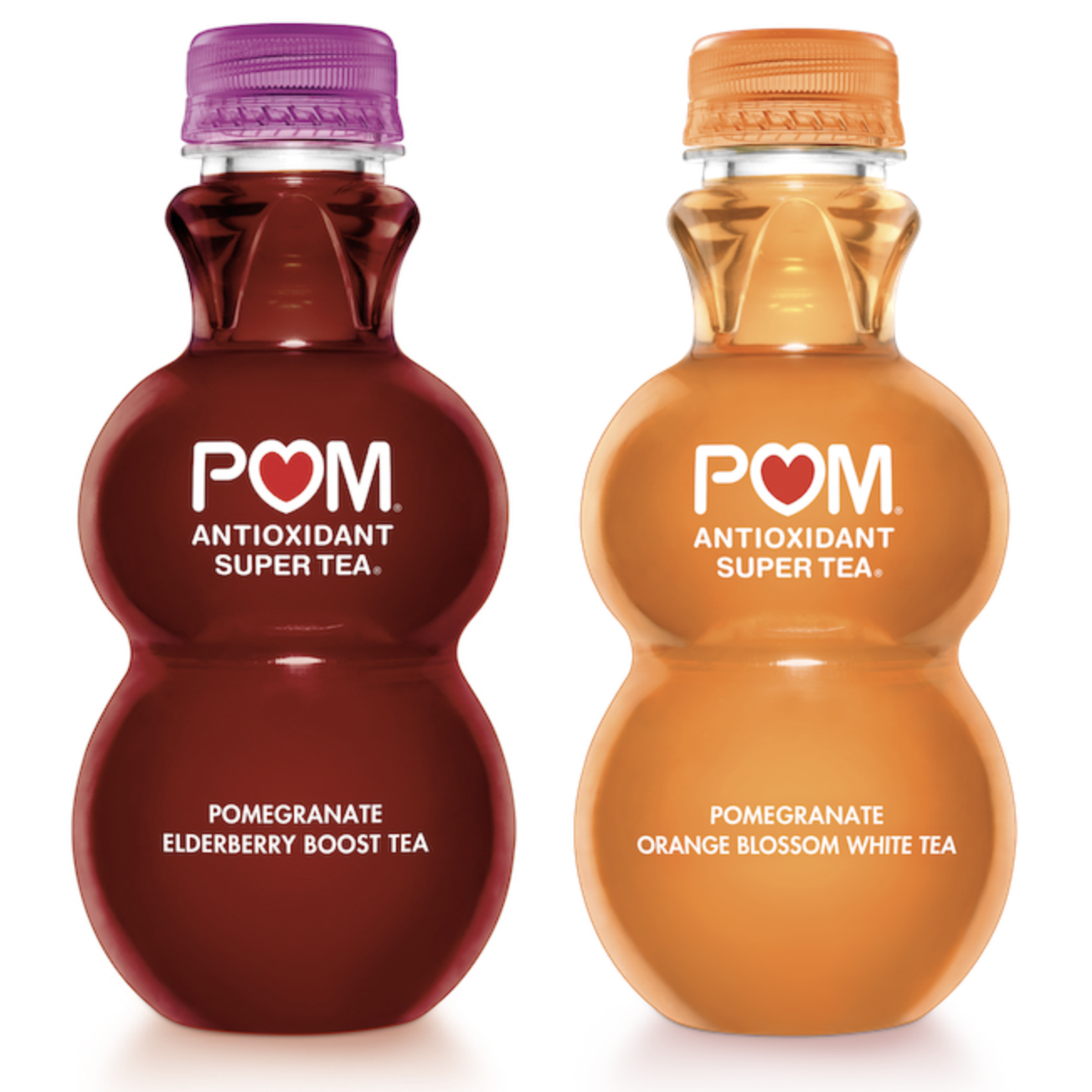
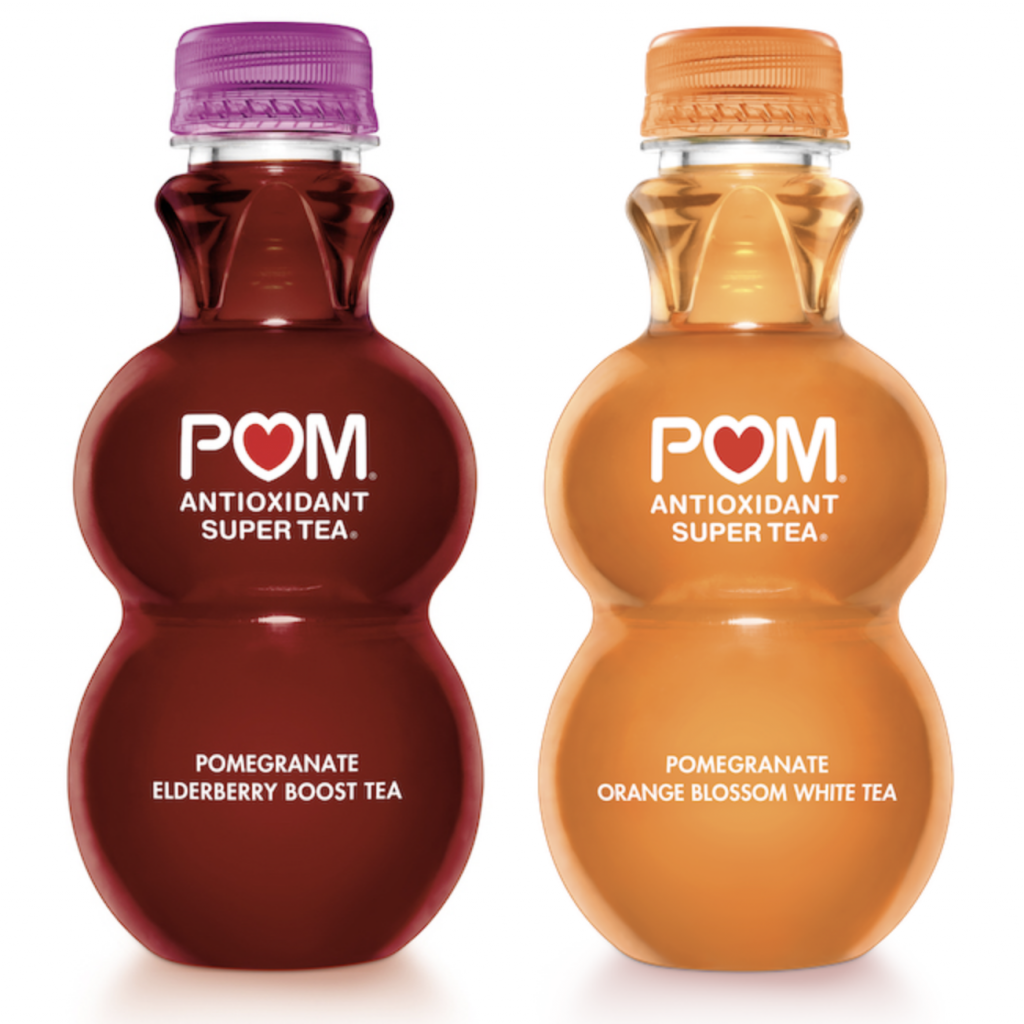
    Just in time for summer, POM Wonderful® is excited to announce two award wins for its newest POM Antioxidant Super Tea flavors, Pomegranate Elderberry Boost Tea and Pomegranate Orange Blossom White Tea. Pomegranate Orange Blossom White Tea has been selected as a winner in PEOPLE Magazine’s 2021 Food Awards for “Best Flavored Tea,” while Pomegranate Elderberry Boost Tea has won gold for “Best Ready to Drink Beverage” in this year’s Delicious Living magazine’s 2021 Best Bite Awards for both Retailer and Consumer choice.

    Each bottle of POM Antioxidant Super Tea is powered by the antioxidant goodness of pomegranate juice and a bright blend of gently brewed teas, so each taste is like a delicious sip of sunshine. Launched in March 2021, Pomegranate Elderberry Boost Tea is a bold trio of flavors that combines the antioxidant power of pomegranate and elderberry with a boost of black tea, while Pomegranate Orange Blossom White Tea is a harmonious combination of crisp white tea, orange blossom, and the antioxidant goodness of pomegranate.

    The PEOPLE Magazine’s 2021 Food Awards highlight the best new food and drink products offering convenience and great taste at supermarkets nationwide. To determine the best new products of the year, hundreds of products were tested by PEOPLE’s test kitchen, editorial staff, and a panel of chefs and experts.

    The ninth annual Delicious Living Best Bite Awards recognizes the best food products that prioritize flavor and clean ingredients, voted on by natural health shoppers (Consumer Choice Awards), as well as natural health retailers (Retailer Choice Awards). Products rated highest in quality, purity, ingredients, efficacy, and innovation are rewarded to help consumers evaluate and select the best food choices in a market that continues to explode with options.

    “We’re thrilled to expand the POM Tea lineup in time for summer, bringing refreshing new flavors with floral notes and antioxidant goodness to brighten up beverage options,” said Adam Cooper, senior vice president of marketing, The Wonderful Company. “These accolades for our new POM Antioxidant Super Tea flavors solidify the strong consumer demand we’ve seen across the board for POM Wonderful products that harness the power of antioxidants.”

    Overall, the new additions to the POM Antioxidant Super Tea portfolio have contributed to a significant increase in sales volume (+45%) since their launch as consumers search for delicious and refreshing ready- to-drink beverage options with a functional benefit. The entire POM Antioxidant Super Tea lineup—which also includes Pomegranate Lemonade Tea, Pomegranate Honey Green Tea, and Pomegranate Peach Passion White Tea—is available at retailers nationwide and online, allowing consumers to brighten up their day with antioxidant goodness.

    For consumers looking to expand their summer cocktail lineup, the POM Tea Spritz and POM Tea Sea of Cortez feature the award-winning POM Antioxidant Super Tea flavors, and are perfect for any summer soiree.

    About POM Wonderful

    POM Wonderful is the largest grower and producer of fresh pomegranates and pomegranate juice in the United States as well as the worldwide leader in fresh California pomegranates and pomegranate-based products including our 100% pomegranate juices, healthy juice blends and teas. We grow, handpick and juice our own pomegranates to ensure the highest quality.

    POM Wonderful is part of The Wonderful Company, a privately held $5 billion company, which also has other No. 1 brands such as Wonderful® Pistachios, FIJI® Water, Wonderful® Halos®, JUSTIN® Wine, and Teleflora®. To learn more about The Wonderful Company, visit www.wonderful.com, or follow us on Facebook, Twitter and Instagram. To view the current Corporate Social Responsibility report, visit www.wonderful.com/csr

  • Ravens & Crows Wreak Havoc in Orchards, Vineyards & Dairies

    Ravens & Crows Wreak Havoc in Orchards, Vineyards & Dairies

    Do you suspect some big black birds are damaging your irrigation lines, pecking at your newborn calves or eating your developing crop? You may have a problem with crows or ravens. But how do you tell the two apart, and how can you legally control them? Watch this brief interview with Brian Popper from USDA-APHIS Wildlife Services to learn more (special thanks to Hardshell Labs for providing some of the video b-roll footage).

    Please thank this video’s sponsor Suterra for their industry support.

  • A Plea for Farmer Engagement and Government Support of California GSAs

    A Plea for Farmer Engagement and Government Support of California GSAs

    As farmers face drought conditions once again this summer, local Groundwater Sustainability Agencies are still working on the planning and implementation of their Groundwater Sustainability Plans. Watch this brief video with Patricia Poire, Executive Director of the Kern Groundwater Authority, as she shares concerns and needs for both farmer and government support to meet the Sustainable Groundwater Management Act (SGMA) requirements.

    Please thank this video’s sponsor Suterra for their industry support.

  • A Plea for Farmer Engagement and Government Support of California GSAs

    A Plea for Farmer Engagement and Government Support of California GSAs

    As farmers face drought conditions once again this summer, local Groundwater Sustainability Agencies are still working on the planning and implementation of their Groundwater Sustainability Plans. Watch this brief video with Patricia Poire, Executive Director of the Kern Groundwater Authority, as she shares concerns and needs for both farmer and government support to meet the Sustainable Groundwater Management Act (SGMA) requirements.

    Please thank this video’s sponsor Suterra for their industry support.

  • Protect Citrus from Sweet Orange Scab and Lime Swallowtail Butterfly

    Protect Citrus from Sweet Orange Scab and Lime Swallowtail Butterfly

    Citrus Pest & Disease Prevention Program — While limiting the spread of the Asian citrus psyllid and Huanglongbing are the highest priority for the California citrus industry and the Citrus Pest & Disease Prevention Program, the program continually monitors for a number of threats to the industry and has recently detected sweet orange scab (SOS) in new areas of the state. Additionally, an unofficial Lime Swallowtail Butterfly (LSB) sample was identified from Los Angeles County and several LSB sightings have been uploaded onto the iNaturalist application, including sightings in Los Angeles and San Luis Obispo counties.

    Sweet Orange Scab
    Sweet Orange Scab

    SOS is a cosmetic fungal disease that impacts the marketability of the fruit and effects all citrus, not just oranges. SOS is caused by the fungus Elsinöe australis, which is dispersed by water. You can recognize SOS by the scab-like lesions on fruit, and less frequently on leaves and twigs. SOS can cause premature fruit drop and stunt young nursery trees and new field plantings but has little impact on fruit quality.

    A positive detection of SOS was found during a commodity survey on the west side of Riverside County, the fourth detection in California within the last year and a half. To help protect citrus from SOS, growers and packinghouses within five miles from an SOS detection, and packinghouses throughout the state receiving fruit from groves within five miles from an SOS detection, are currently required to follow the below measures:

    • Sign an SOS compliance agreement with California Department of Food and Agriculture (CDFA).
    • Disinfect all fruit and field bins.
    • Collect and appropriately dispose of green waste.

    Per the Citrus Pest & Disease Prevention Committee’s direction, CDFA is also reviewing SOS impacts and analyzing the need to establish SOS interior quarantine regulations. Currently the program regulates areas within a five-mile radius from each SOS detection, following the United States Department of Agriculture’s quarantine protocols.

    Working hand in hand with growers, CDFA is exploring the rulemaking process to create state interior quarantines, which will avoid a broader statewide quarantine that would be more burdensome to the industry.

    Lime Swallowtail Butterfly

    There was one unofficial detection of LSB in Los Angeles and several reported sightings in Los Angeles and in San Luis Obispo counties.

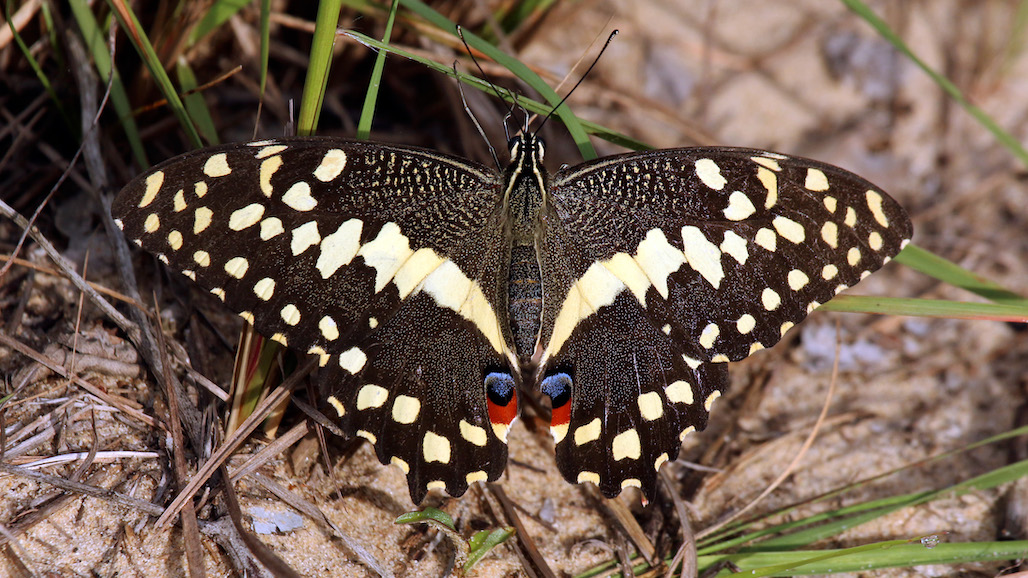
    LSB in the larval stage eat citrus leaves and have been very damaging to nursery stock in other parts of the world. The larva looks similar to bird guano before maturing into green caterpillars. As butterflies, they are largely black with irregular yellow spots on the outer wings.

  • Excessive Heat, High Winds and Fire Weather Warnings Issued in Southern CA

    Excessive Heat, High Winds and Fire Weather Warnings Issued in Southern CA

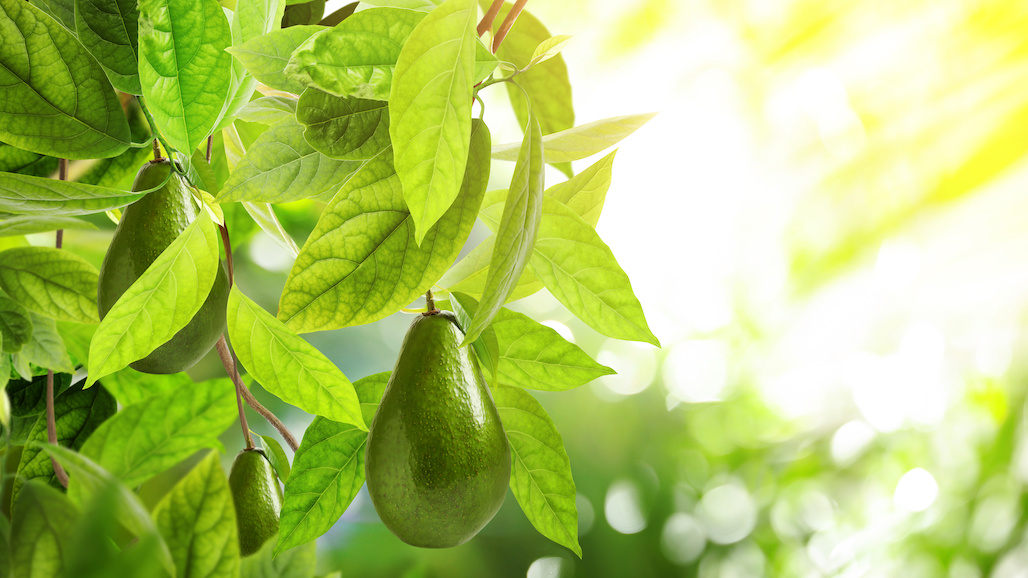
    California Avocado Commission — The National Weather Service has issued warnings concerning an extended period of excessive heat, gusty winds and critical fire weather conditions beginning Monday, June 14 and lasting throughout the entire next week for the Los Angeles/Oxnard region.

    Beginning Monday, the region will experience higher temperatures and gusty winds, peaking Tuesday through Friday, June 18. The combination of extended high temperatures — in the triple digits — warm overnight temperatures, low humidity, abnormally dry fuels and Sundowner winds will create critical fire conditions during this time period. The Sundowner winds in Santa Barbara County and north winds along the I-5 corridor and the canyons and hills of the Santa Ynez Range and Santa Clarita Valley could create gusts in the 30 – 50 mph range. Driving conditions also could become hazardous due to downed branches or power lines.

    The highest temperatures will occur Tuesday through Friday with highs between 98˚F – 108˚F in the valleys and mountains. Overnight lows will be between 65˚F– 75˚F. Humidities will range from 8 – 15%.

    These conditions will post a high risk for heat-related illnesses for those working outdoors.

    For more information on how to avoid these risks, view “Reduce Heat Illness for Employees” on the California avocado growers’ website.

    To ensure California avocados maintain their superior quality it is imperative growers manage their trees and harvest their fruit according to best management practices as outlined below.

    IRRIGATION

    Growers should be irrigating their trees now, in advance of the heat, to ensure their trees are fully hydrated. It is recommended that an additional 50% of the budgeted amount of water be applied the day before a heat wave. For extended heat waves, daily pulses of irrigation are recommended to maintain the trees’ water status. A well-watered tree will tolerate the stress of a heat wave much better than a tree that is suffering from water stress. Signs of heat damage to trees include fruit drop, shoot damage, leaf burn and in severe cases leaf drop.

    HARVESTING

    Every attempt should be made to harvest fruit when temperatures are below 90 °F, and no harvesting should take place when temperatures exceed 95 °F. Temperature in the shade should be monitored during harvesting and, when possible, harvesting crews should be moved to the coolest, least exposed areas of the grove.

    Field bins should be placed under the trees while being filled to protect the harvested fruit from sunburn. Once filled, bins should be moved to a shade structure (open-sided roofed building), or covered with bin covers or light-colored tarps if they cannot be immediately transported to the packinghouse. Never leave filled bins exposed to the direct sun. The surface layer of fruit can easily heat up to more than 15 °F above ambient temperature when exposed to direct sun. Acute sunburn will only show on fruit after it is packed and is a major quality detractor.

    To avoid water loss and decreased fruit quality do not hold fruit too long after harvest. Transport fruit to the packinghouse at least once per day, if not twice daily. Bins should not be left in the grove for more than 8 hours after harvest. Cover bins during transport to avoid sunburn and to reduce water loss.

    For more information about managing heat in avocado groves, growers can view the following articles on the California avocado growers’ website:

    •    Managing Heat in California Avocado Groves
    •    Managing Avocado Heat Damage
    •    Best Practices for California Avocado Groves Impacted by Excessive Heat

  • FDA Releases Findings Following 2020 Outbreak Linked to Central Valley Peaches

    FDA Releases Findings Following 2020 Outbreak Linked to Central Valley Peaches

    The U.S. Food and Drug Administration (FDA) has released a report on its investigation of the Salmonella Enteritidis outbreak in Peaches. The FDA and multiple state and federal partners investigated an outbreak of Salmonella Enteritidis infections that were linked to the consumption of peaches during the summer of 2020. In total, the outbreak caused 101 reported illnesses across 17 states, including 28 hospitalizations. This appears to be the first time a Salmonella outbreak has been linked to peaches.

    The FDA conducted this investigation in conjunction with the U.S. Centers for Disease Control and Prevention (CDC), state partners, and Canadian public health officials between August and October 2020. The epidemiological and traceback investigation determined that peaches packed or supplied by a large grower/producer were the likely source of the outbreak. The traceback evidence informed and helped to prioritize two subsequent investigations of peach packing/holding operations and peach orchards in Cutler, Kerman, and Sanger, California.  The large grower/producer cooperated with FDA throughout the investigation and is continuing to engage with FDA on the agency’s findings and recommendations.

    Investigators conducted over 700 tests on environmental, peach, and peach tree leaf samples.  While no test results matched the 2020 outbreak strain, four tests conducted on peach and peach tree leaf samples collected from an orchard adjacent to a poultry operation yielded positives for Salmonella Alachua which were further linked via whole genome sequencing (WGS) to 2019 and 2020 chicken isolates. This finding prompted a follow-up investigation more closely focused on growing areas and a voluntary recall by the firm, preventing the tested, contaminated product from reaching the market. During the follow-up investigation, two tests of peach tree leaf samples collected from orchards adjacent to a cattle feedlot yielded positives for Salmonella Montevideo that were genetically similar via WGS to 2018-2020 beef and cattle isolates.

    While investigators did not find the outbreak strain, and the strains of Salmonella found during this outbreak were not linked to any clinical illnesses, the investigational findings reinforce the FDA’s concern about the potential impact that adjacent land uses can have on the safety of produce.

    The FDA views the implementation of appropriate science- and risk-based measures to reduce the potential for contamination of peaches and other produce as the most effective and practicable means to improve the safety of fresh produce, especially when measures are tailored to the specific practices and conditions on individual farms. The FDA encourages all growers to be cognizant of and assess risks that may be posed by adjacent and nearby land uses, including for the potential impact of dust exposure. The FDA also recognizes the interconnection between people, animals, plants, and their shared environment when it comes to public health outcomes, and we encourage collaboration among various groups in the broader agricultural community (e.g., produce growers, those managing animal operations, state and federal government agencies, and academia) to address this issue.

    For additional information

  • Blueberries & Walnuts Partner to Give Brain Health Month a Boost at Retail

    Blueberries & Walnuts Partner to Give Brain Health Month a Boost at Retail

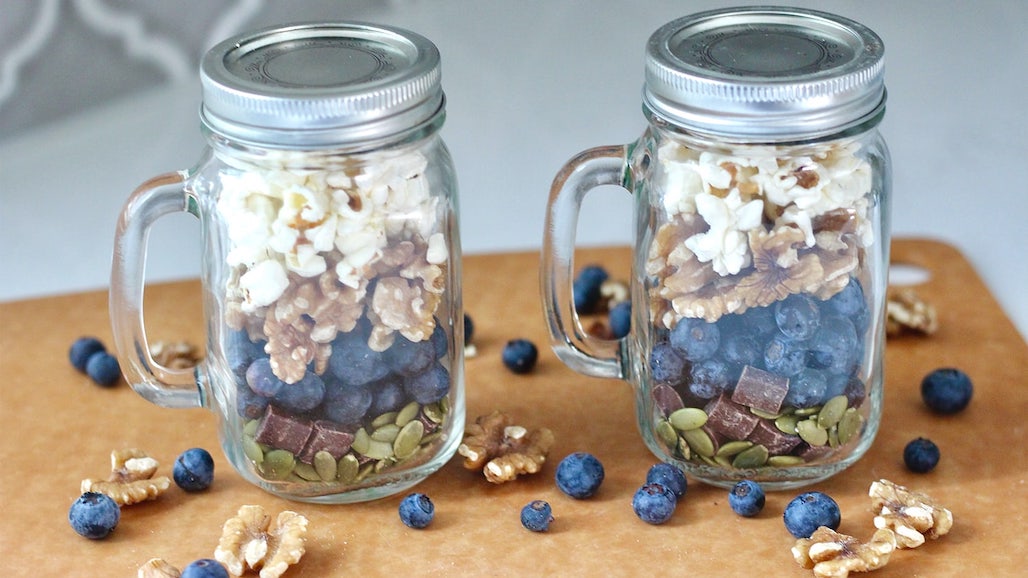
    June is Alzheimer’s and Brain Awareness Month, and the California Walnut Board (CWB) and U.S. Highbush Blueberry Council (USHBC) are collaborating with a select group of retailers, including Coborn’s, Rouses Markets and Weis Markets, to encourage consumers to “grab a boost of blue and walnuts, too!” Activations will include unique opportunities such as local TV segments, e-newsletter features, Facebook Lives, and more, led by retail registered dietitians. There’s no better time to consider brain benefits through snack food choices.

    “Power periods like Brain Health Month are timely opportunities to get consumers thinking in new and different ways about the products they love,” said Jennifer Sparks, V.P., Marketing and Communications at USHBC. “This strategic collaboration helps both the walnut and blueberry industries reach new audiences and increase demand. It’s a win-win.”

    “While the health benefits of blueberries and walnuts are compelling, this campaign clearly demonstrates how agricultural groups can come together through combined thought leadership and resources, to bring exceptional value and benefit to retailers, consumers and their growers,” said Jennifer Olmstead, Senior Director of U.S. Marketing & Communications at the California Walnut Board. “By working together, we can educate consumers about the benefits of consuming walnuts and blueberries while providing simple snacking solutions that they can implement in their daily lives.”

    Just about all Americans snack daily (97%), and 22% of snackers (53 million people) are looking for snacks that promote cognitive health, according to a new snacking survey conducted by California Walnuts in partnership with Kelton Global.  Diet may have a role to play in bolstering brain health and mitigating potential risks. A growing field of research is looking at the connection between certain foods like walnuts and blueberries and cognitive function. Snacking on walnuts provides important nutrients, like ALA omega-3 fatty acid (2.5 g/oz), that have been studied in connection with brain health. A growing body of scientific evidence is examining how blueberries can be part of eating patterns to support brain health, especially as part of an overall healthy lifestyle.

    Perfect as on-the-go snacks to enjoy all month long, blueberries and walnuts are easy to add into any routine and are sure to become a family favorite. For recipe inspiration, the CWB and USHBC created a new blueberry & walnut recipe collection.

    “Grab a Boost of Blue and Walnuts Too!” is designed to inspire and motivate consumers to enjoy more of the blueberries and walnuts they love, in more ways and more often – ultimately driving demand and increasing sales. Retailers are encouraged to participate and inspire their audiences to think about brain health using engaging, easy-to-use content developed by USHBC and the CWB, including recipes, social media images, digital ads and other resources.

    California walnuts and blueberries are also teaming up for joint displays at two regional retailers.  In June, Giant Eagle will prominently integrate walnuts into their month-long “blueberry harvest” event and support the effort with a display contest awarding the stores achieving the largest sales increases.  In August, Jewel Osco will feature both California walnuts and blueberries in their circular ad and showcase both items with adjacent displays in-store.

    About the Survey: The study surveyed 1,005 nationally representative Americans age 18+ in the U.S., and was conducted online during the period of May 7-14, 2021 and the study has a margin of error of+/- 3.1%. Methodology: Results of any sample are subject to sampling variation. The magnitude of the variation is measurable and is affected by the number of interviews and the level of the percentages expressing the results. In this particular study, the chances are 95 in 100 that a survey result does not vary, plus or minus, by more than 3.1 percent, from the result that would be obtained if interviews had been conducted with all personas in the universe represented by the sample. The margin of error for any subgroups will be slightly higher. Kelton Global, a Material Company, is a strategic consulting agency specializing in quantitative and qualitative market research and serves as a partner to more than 100 of the Fortune 500 and thousands of smaller companies and organizations. For more information about Kelton Global please call 1.888.8.KELTON or visit www.keltonglobal.com.

    About the California Walnut Board 

    The California Walnut Board (CWB) was established in 1948 to represent the walnut growers and handlers of California. The CWB is funded by mandatory assessments of the handlers. The CWB is governed by a Federal Walnut Marketing Order. The CWB promotes usage of walnuts in the United States through publicity and educational programs. The CWB also provides funding for walnut production, food safety and post-harvest research.

    About the U.S. Highbush Blueberry Council 

    The U.S. Highbush Blueberry Council is an agriculture promotion group, representing blueberry growers and packers in North and South America who market their blueberries in the United States and overseas, and works to promote the growth and well-being of the entire blueberry industry. The blueberry industry is committed to providing blueberries that are grown, harvested, packed and shipped in clean, safe environments. Learn more at blueberrycouncil.org.

  • The Impact of Water Regulation on Ag Lending

    The Impact of Water Regulation on Ag Lending

    It is no secret that the American West is in the midst of an alarming water shortage. Data from April shows that almost 80% of the West is in at least moderate drought, while 61% is in severe drought, 42% is in extreme drought and 21% is in exceptional drought.

    This dry spell has created water stress for farmers across the region, and water stress in most cases translates to financial stress. But analyzing that financial risk is tricky given the amount of data involved and how that data is often difficult to analyze and fragmented.

    AQUAOSO uses a data-driven approach to provide water security analysis to help financial institutions incorporate water risk into their business decisions.

    Using this data, Alex Parillo, head of sales at AQUAOSO, and Cameron Buford, co-founder and product manager at AQUAOSO, recently gave a presentation on water security trends titled, “The Impact of Water Regulation on Ag Lending,” using California as a case study. Data from the Drought Mitigation Center shows that almost the entire state of California is experiencing dry conditions, with 94% of the state under at least moderate drought. In addition, 77% of the state is in severe drought, while 37% of the state is in extreme drought.

    About 2 million acres — roughly a quarter — of California’s irrigated farmland is receiving only 5% of its water supply.

    “Farmers are already bracing for severely limited water again in 2021,” Parillo said.

    In the coming years, 780,000 acres of farmland in the San Joaquin Valley are expected to come out of production, and it is likely that water once used for vegetable production will be reserved for higher-value crops such as wine grapes and nuts. Fortunately, vegetable crops, which are planted and harvested annually, are easier to take out of production than tree crops, and therefore easier to manage water requirements.

    While water stress at its most simple can be interpreted as demand outstripping supply, a number of human factors such as population growth and water management must be taken into account when determining actual water stress in a specific region.

    “It looks at all these factors in a local context to really understand what is happening on the ground,” Parillo said.

    In California for instance, one of the most significant human factors is the Sustainable Groundwater Management Act (SGMA). Because California depends on groundwater for a significant portion of its annual water supply, 41% on average and up to 58% in drought years, SGMA was enacted in order to halt overdraft and bring groundwater basins into balanced levels of pumping and recharge to provide a buffer against drought and climate change.

    SGMA requires local agencies to adopt sustainability plans for high- and medium-priority groundwater basins, and under SGMA basins must reach sustainability within 20 years.

    “Talking about water in California, everything revolves around SGMA,” Buford said.

    Out of the more than 500 basins in California, 94 have been designated medium- or high-priority water basins. But while those basins account for less than 20% of the total basins in the state, they account for 98% of groundwater pumping, 83% of the state’s population and 88% of all irrigated areas.

    “A vast amount of our reliance on groundwater is coming from high groundwater-risk areas,” Buford said.

    AQUAOSO analyzed 53 sustainability plans to do a trend analysis and found about half of the plans proposed supply augmentation, while only a third of the plans proposed any sort of groundwater pumping reductions.

    Supply augmentation entails basins bringing in water from other sources, but with limited surface water, at some point, it becomes unsustainable for every basin to plan on making up their deficit through outside sources without reducing pumping.

    “Where is this water going to come from?” Buford said.

    As a result, lenders cannot simply look at whether or not a property has access to two sources of water anymore to assess water risk. Groundwater limitations and other factors related to policy must now also be accounted for.

    “The risk that we’re seeing on the water side is rapidly changing, more than ever before,” Buford said.

    In addition to assessing water access and its impact on property valuation, the impact of water restrictions could lead to further financial hardships for farms that are forced to fallow lands because of their limited water allotment.

    The Public Policy Institute of California estimated that without flexibility to trade water or adapt crop choices and without new supply, the Central Valley alone would have to fallow 780,000 acres, with an estimated revenue loss of about $3.3 billion per year.

    “If you think about the collateral that you have supporting your loans, if that collateral was once productive farmlands or even permanent plantings, and that gets converted into fallowed lands, the value of that land goes down sharply,” Buford said.

    AQUAOSO found that open land on the east side of California’s Central Valley can sell for twice the amount as land on the west side of the valley, even with similar soils.

    There has been a trend of permanent planting acreage replacing vegetable acreage, and with water regulations in 2021, this year will be no different.

    “Permanent planting prices are more likely to cover rising water costs due to the surface water and groundwater scarcity we are seeing this year. Vegetable acreage is also under threat from farmers choosing to fallow their typical vegetable acreage to use that water on their permanent planting acreage,” Buford said.

    “It’s simply because of water security, and that’s a very clear example that water risk really is financial risk,” Parillo said.

    Although the presentation used California as an example, water security is something agricultural investors throughout the West are prioritizing when assessing a property’s value.

    “While we have thought about this as maybe, ‘This is only a California problem,’ no, this is something we are seeing through the West,” Buford said. – Article by AQUAOSO Technologies

  • Stable Conditions Set Pace for California’s Premium Prunes

    Stable Conditions Set Pace for California’s Premium Prunes

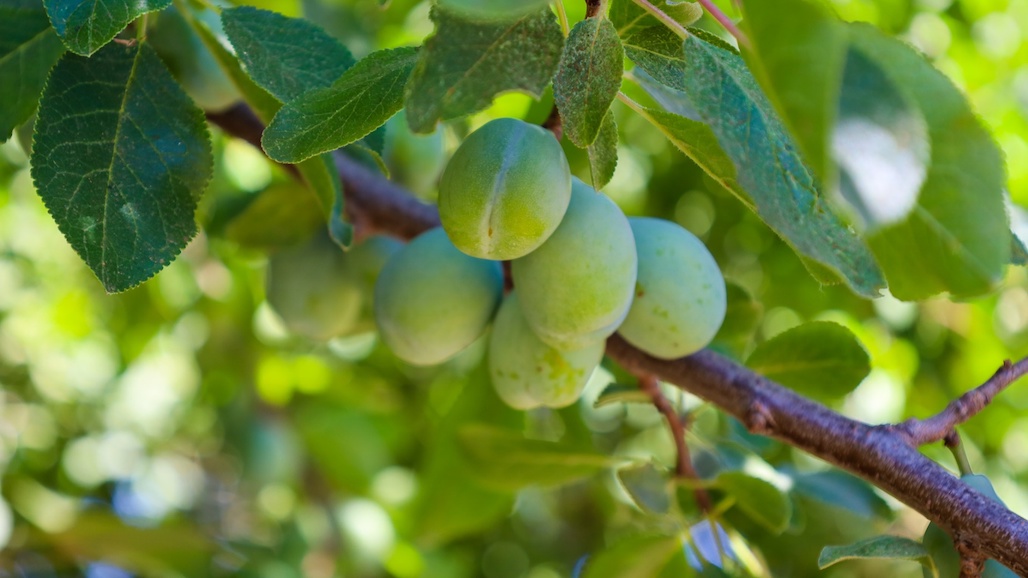
    California Prune orchards put on a beautiful show this spring as the trees bloomed with white blossoms and shifted to a changing color palette as new fruit formed. Growers across the San Joaquin and Sacramento valleys reported a nice extended bloom with excellent quality.

    With an estimated 75,000 tons in volume for the 2021 crop, California Prune growers have been diligent in maintaining the health of the trees, the soil, and preparing crews for harvest this summer to produce the premium quality prunes that California is renowned for. Over the course of the pandemic, demand for California Prunes accelerated and the industry responded with smart inventory management which translates to consistency in supply for customers.

    “Stable weather conditions and a steady supply have put the California Prune industry in a healthy position,” says Donn Zea, Executive Director for the California Prune Board. “We are hitting an equilibrium in acreage and supply due in part to the carryover that California maintains each year to provide customers with a high-quality, healthy product when it matters most.”

    California is the world’s largest supplier of prunes providing a range of premium sizes to meet demand in the U.S. and key export markets. Generations of craftsmanship, intricate climate-controlled drying tunnels, and ongoing investments in research to perfect orchard management practices and deepen the understanding of health benefits, have provided a solid foundation for California’s growers and handlers.

    “Providing a reliable supply each year is a priority across the industry,” added Zea. “With over 100 years of experience growing prunes, we’ve found our way through many challenges, but we’ve never taken our eye off the ball.”

    California has the highest agricultural standards of any other nation. Prune growers and handlers make substantial investments that support the profitability and production of a sustainable food system without compromising efficiencies. Each year, the California Prune industry generates more than $717 million in annual economic impact flowing into the state economy creating and sustaining more than 7,000 full-time equivalent jobs.

    ABOUT THE CALIFORNIA PRUNE BOARD

    Created in 1952, The California Prune Board aims to amplify the premium positioning and top-of-mind awareness of California Prunes through advertising, public relations, promotion, nutrition research, crop management and sustainability research, and issues management. The California Prune Board represents approximately 800 prune growers and 28 prune, juice, and ingredient handlers under the authority of the California Secretary of Food and Agriculture.