Category: Economics

  • AG Labor And Workforce Reform Update

    AG Labor And Workforce Reform Update

    California Avocado Commission — Since 2019, the California Avocado Commission has worked with Congressional members, the Agriculture Coalition for Immigration Reform and other agricultural leaders and organizations to voice support for the Farm Workforce Modernization Act. The FWMA House bill was passed with bipartisan support in November 2019 and again in March 2021. During the summer of 2021, Senator Mike Crapo (R-ID) and Senator Michael Bennet (D-CO) led discussions concerning a Senate version of the FMWA. Those discussions were paused as the Senate engaged in efforts to pass the legislation via the budget reconciliation process. By the end of 2021, the Senate’s efforts to move “immigration via reconciliation” forward were rejected three times by the Senate parliamentarian. Further, the Build Back Better Act, which allocated funds for immigration reform and protections for farm workers, faltered after Senator Joe Manchin (D-WV) announced he could not support the BBB Act.

    Currently, the fate of BBB is uncertain and its unclear whether new versions of the Act will contain significant immigration reform. Observers note the most likely path forward for meaningful immigration reform may be a bipartisan agreement on a package that can secure the 60+ votes needed to pass in the Senate.

    While agriculture reforms remain a fairly popular component of a potential package and Senators Crapo and Bennet are interesting in furthering dialogue concerning a Senate version of FWMA, members of the Hill have noted they “aren’t hearing much from our constituents on the ag labor situation.” This year the agriculture industry faces pending H-2A wage rule changes that will not be favorable for growers, a potential jump in Adverse Effect Wage Rates due to the labor market and supply chain challenges, and continued challenges in securing a reliable workforce. In light of this, members of the agriculture industry are encourage to redouble their efforts to communicate with their elected leaders, especially their U.S. Senators, concerning the labor force challenges they face and the urgent need for action on reform.
  • FDA Issues Report Highlighting Salmonella Outbreak in Packaged Leafy Greens

    FDA Issues Report Highlighting Salmonella Outbreak in Packaged Leafy Greens

    The U.S. Food and Drug Administration (FDA) has released a report on its investigation of the Salmonella Typhimurium outbreak that caused 31 reported illnesses and four hospitalizations in the U.S. between June and August 2021. The FDA worked with the U.S. Centers for Disease Control and Prevention (CDC) and state partners to investigate the outbreak, which was linked through epidemiology and traceback to packaged salad greens during the summer of 2021. This outbreak is believed to be FDA’s first domestic investigation of a foodborne illness outbreak associated with leafy greens grown in a Controlled Environment Agriculture (CEA) operation. The CEA operation produces leafy greens using common commercial high density hydroponic growing techniques with deep water culture and floating raft production methods. The report released today includes an overview of the traceback investigation, investigation results, and various factors that potentially contributed to the contamination of packaged leafy greens with Salmonella.

    Although a conclusive root cause was not identified, the agency identified certain conditions and practices that could result in contamination, including the presence of a different serotype of Salmonella in pond water used to grow the leafy greens, growth media storage practices, water management practices, and general sanitation practices at the CEA that were inadequate to prevent the introduction or spread of microorganisms of public health significance into the leafy greens.

    FDA isolated the outbreak strain of Salmonella Typhimurium in a stormwater retention basin adjacent to the CEA farm. However, the investigation did not reveal if that stormwater retention basin was the source of the Salmonella that ultimately contaminated the leafy greens. This highlights the importance of assessing all microbial hazards, including those associated with adjacent and nearby land uses.

    In light of this report, FDA highlights the following requirements and recommendations applicable to firms, such as the hydroponic operation implicated in this S. Typhimurium outbreak, engaged in CEA. Here are some of the requirements and recommendations:

    • Develop a keen understanding of potential sources and routes of contamination including the raw materials and inputs used, as well as possible sources of contamination throughout the operation.
    • Implement effective sanitation procedures and sampling plans while also paying close attention to hygienic operations and equipment design, ensuring cleaning procedures do not contribute to the dispersion of microbial contaminants that may be present.
    • Assess growing operations to ensure implementation of appropriate science- and risk-based preventive measures, including applicable required provisions of the FDA Food Safety Modernization Act (FSMA) Produce Safety Rule and good agricultural practices (GAPs).
    • Implement procedures that are effective in rapidly cooling and cold holding harvested leafy greens after harvest and verify the effectiveness of the cooling and cold holding procedures, including the routine monitoring of processing and storage environments and product temperatures to prevent pathogen growth in harvested leafy greens.
    • If employing tools such as pre-harvest and post-harvest sampling and testing of food, water, and the physical environment, seek to identify and inform sampling plans, limits of detection, and mitigation measures that control potential sources and routes of bacterial contamination in the growing and harvesting environment.
    • Ensure that all growing pond water is safe and of adequate sanitary quality for its intended use, which includes implementing measures (such as water treatment) necessary to reduce the potential for contamination by known or reasonably foreseeable hazards.
    • Perform a root cause analysis when a pathogen is identified in the growing environment, in raw agricultural inputs such as water, or in the agricultural commodity to determine how the contamination likely occurred and implement appropriate prevention and verification measures.
    • Assess and mitigate risks associated with adjacent and nearby land uses that may impact CEA operations, in both rural and more urbanized settings.

    These requirements and recommendations are just some examples that serve as a reminder that as the use of CEA is increasing globally, all types of food production must continue to address basic food safety concerns, including potential sources and routes of contamination. Food safety is a shared responsibility that involves food producers, distributors, manufacturers, retailers, and regulators. Recognizing the interconnection between people, animals, plants, and their shared environment when it comes to public health outcomes, we encourage collaboration among various groups in the broader agricultural community (i.e., produce growers, state government and academia) to address this issue. The FDA is committed to working with these stakeholders to advance critical work.

    For More Information:

  • Pesticides, Air Quality and Upcoming Statewide Notification System Explained

    Pesticides, Air Quality and Upcoming Statewide Notification System Explained

    California has allocated $10 million to begin the development of a statewide system the provides information to the public about pesticides used around them. DPR is working in partnership with several agricultural commissioners on local pilot projects as part of the development of the system this year. Watch this brief interview with Riverside County Agricultural Commissioner Ruben Arroyo as he explains what this means for the public and agriculture.
     
    Please thank this video’s sponsor Suterra for their industry support.
  • Pesticides, Air Quality and Upcoming Statewide Notification System Explained

    Pesticides, Air Quality and Upcoming Statewide Notification System Explained

    California has allocated $10 million to begin the development of a statewide system the provides information to the public about pesticides used around them. DPR is working in partnership with several agricultural commissioners on local pilot projects as part of the development of the system this year. Watch this brief interview with Riverside County Agricultural Commissioner Ruben Arroyo as he explains what this means for the public and agriculture.
     
    Please thank this video’s sponsor Suterra for their industry support.
  • National Watermelon Promotion Board Seeks Directors

    National Watermelon Promotion Board Seeks Directors

    The National Watermelon Promotion Board (NWPB) will hold a nomination teleconference on Wednesday, February 16th, 2022 at 8:00 A.M. (PT) for district 4 and Wednesday, February 16th, 2022 at 10:00 A.M. (PT) for district 5 to nominate qualified watermelon producers and watermelon handlers to fill open positions as directors of the Board.

    District 4 — The States of: Connecticut, Delaware,Illinois, Indiana, Kentucky, Maryland, Massachusetts, Maine, Michigan, NewHampshire, New Jersey, New York, Ohio, Pennsylvania, Rhode Island, Vermont,Virginia, West Virginia, Wisconsin, and Washington, DC.District 5 — The States of: Alaska, Arizona, California, Colorado, Hawaii, Idaho, Iowa, Kansas, Minnesota, Missouri, Montana, Nebraska, Nevada, New Mexico, North Dakota, Oregon, South Dakota, Utah, Washington, and Wyoming.

    The NWPB encourages all women, minorities and persons with disabilities who qualify as watermelon producers and handlers to attend the meeting and run for nomination to the NWPB.

    All watermelon producers and handlers in District 4 & 5 are encouraged to attend and vote to nominate their representatives to the NWPB. Nominations are submitted to the U.S. Department of Agriculture (USDA), and the Secretary of Agriculture makes the final appointments to the NWPB. The newly appointed Board members term of office will begin on January 1st, 2023, and end December 31st, 2025.

    The Board members administer promotion and research programs for watermelon. The NWPB works to increase consumer demand for watermelon and expand domestic and foreign markets through its marketing, consumer public relations and education programs. The non-profit Board works with an administrative staff to enact retail, foodservice and media promotions and research programs.

    All Board members are required to attend two meetings each year to become familiar with and develop the Board’s variety of marketing, research and education programs.

    The NWPB represents about 800 commercial watermelon producers, handlers and importers that finance all of the Board’s programs through assessments on watermelons as authorized by the Watermelon Research and Promotion Act. The 30-member Board is currently comprised of 10 producers, 10 handlers, 9 importers, and a member who represents the public.

    Board members are nominated by their peers, and nominations are submitted to the U.S. Secretary of Agriculture, who makes final appointments to the Board. These board members oversee all aspects of the Board, including setting policies and deciding how the Board’s budget is invested in promotion, research and education programs. The USDA’s Agricultural Marketing Service monitors the Board’s operations.

    To be eligible for nomination, producers must grow 10 or more acres of watermelon, and handlers must be the first handler of watermelon, according to §1210.306 and §1210.308 of the Watermelon Research and Promotion Plan.

    Consistent with §1210.403, the NWPB will allow proxy voting for Board nominees. Individuals wishing to vote by proxy should prepare signed, dated statements, including the proxy voter’s printed name, address, telephone number, identity as a producer or handler, and the name of the individual authorized to cast the proxy vote. These statements should be given to those authorized to cast the proxy vote, who will then provide the statements to the NWPB no later than Wednesday, February 2nd, 2022.

    The producers and handlers appointed to the Board will represent the NWPB’s interests throughout the district in meetings and other forums, and should be dedicated to supporting the Board’s marketing, promotion, research and education programs.

    Additional information regarding the elections and nomination procedures may be obtained by contacting NWPB Director of Operations & Industry Affairs Rebekah Dossett (407) 605-5984 or Industry Affairs Manager Andrea Smith (407) 613-2972.

  • New Research Findings: The Heart Loves Blueberries

    New Research Findings: The Heart Loves Blueberries

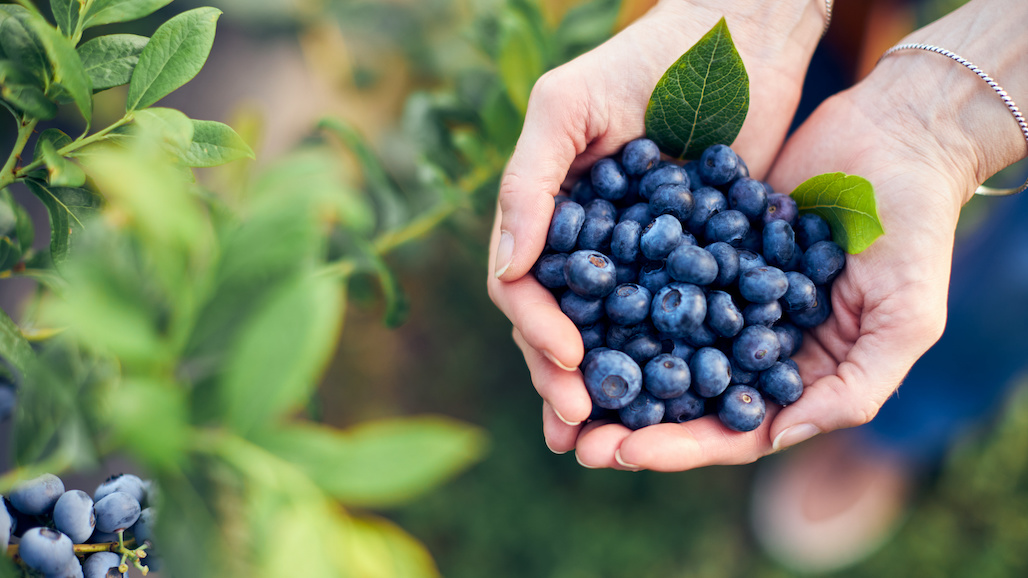
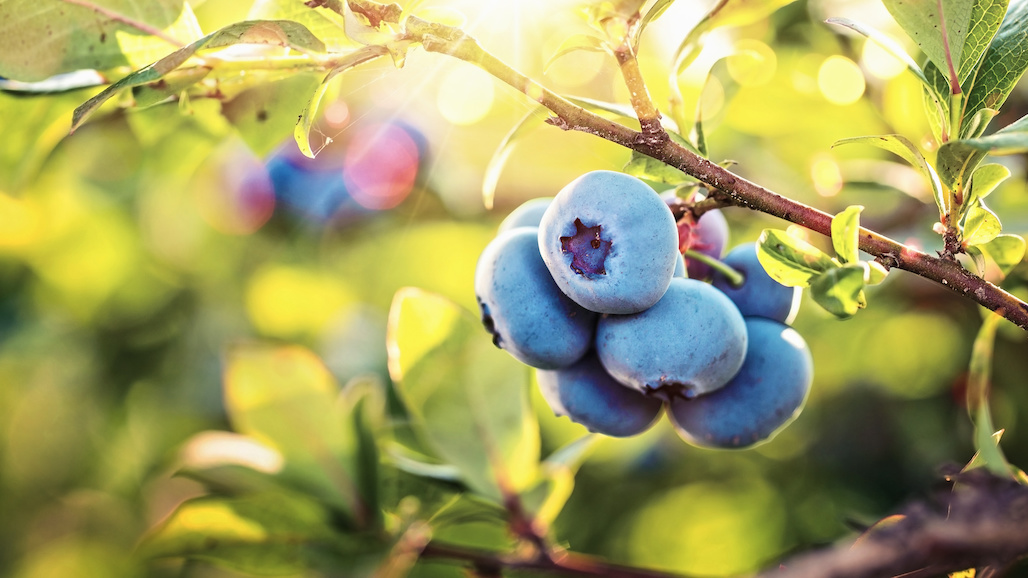
    A new study published in Clinical Nutrition and supported by the US Highbush Blueberry Council (USHBC) found that the equivalent of one cup of fresh blueberries, consumed as 26 g of freeze-dried blueberries, may reduce the acute cardiometabolic burden of energy-dense meals. Or, simply put: The new research further supports that blueberries may benefit heart health.
    As part of USHBC’s programming engaging health professionals, the study findings will be leveraged to promote blueberries as part of a healthy diet, continuing to boost  blueberries’ health halo to drive demand.

    “This is the first study of its kind conducted in an at-risk population, adults with metabolic syndrome, a condition affecting nearly 40% of Americans and one in four adults in the UK,” said Aedin Cassidy, Ph.D., chair of nutrition and preventive medicine, and director of the Interdisciplinary Research Institute for Global Food Security at Queen’s University, Belfast, and the study’s lead investigator.

    Learn more about the study here. For more information on how USHBC is working with health professionals, and to access resources to leverage with your own health influencers or audiences, visit healthprofessionals.blueberry.org.

  • Carbon Sequestration’s Impact on Blueberries

    Carbon Sequestration’s Impact on Blueberries

    At the US Highbush Blueberry Council’s (USHBC) Innovate 2021 Conference, Markus Kleber, professor of soil system science at Oregon State University, hosted a “Carbon Sequestration Lunch.” The session provided an overview of carbon sequestration and detailed the potential benefits to blueberry growers and farmers everywhere. Kleber explained that, as carbon dioxide (CO2) in the atmosphere increases, CO2 molecules absorb part of the energy from solar radiation, causing more warming in the atmosphere. This, of course, could have significant impacts on blueberry production across the globe. Despite improvements in reducing emissions, there is still a 0.6% annual increase in greenhouse gas (GHG) emissions globally.
    “Humans are intervening in the carbon cycle, and industrial agriculture has driven down the carbon in the soil,” Kleber shared. “When you lose half your soil carbon, you’re bound to see reductions in plant productivity…When we talk about carbon sequestration we are referring to the transfer and storage of atmospheric carbon to other pools, such as soil or plant biomass.”
    Best management practices can restore at least some of this carbon, and soil carbon sequestration can be a significant GHG removal practice. Despite various challenges, there’s strong public interest in finding carbon sequestration solutions. Growers should recognize and take advantage of this interest, both through marketing and farming practices. Increasing soil carbon can be beneficial for overall soil health.
    As part of the 2021-25 strategic plan, USHBC will review global sustainability considerations of relevance to the entire blueberry supply chain and develop an overall approach for how to build these considerations into USHBC’s programs and industry practices.
    Click here to view a replay of the Carbon Sequestration Lunch.
  • CA Pre-Season Avocado Crop Estimate at 306 Million Pounds

    CA Pre-Season Avocado Crop Estimate at 306 Million Pounds

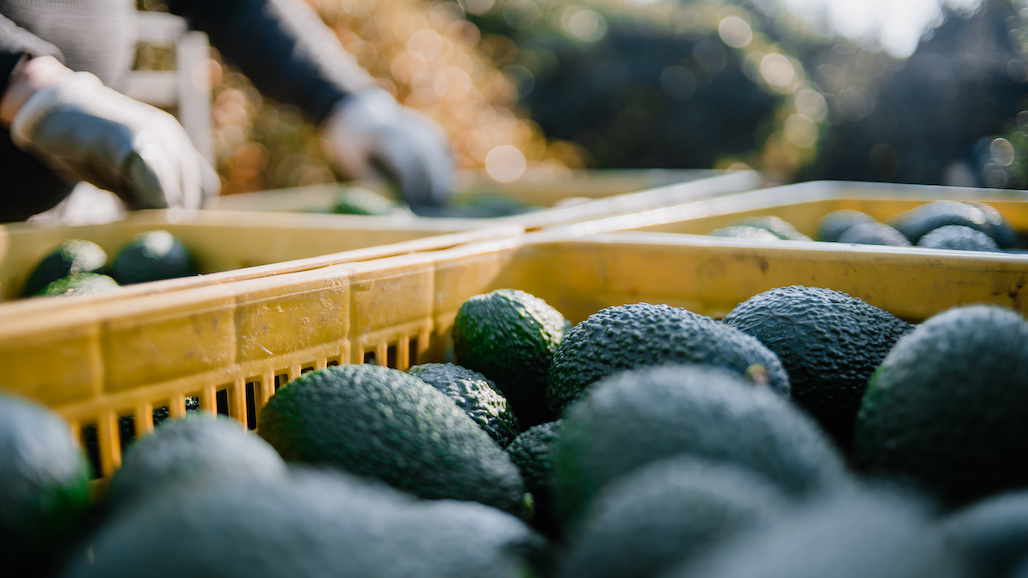
    In December 2021, the California Avocado Commission surveyed industry handlers to develop the following 2022 California Avocado Pre-Season Crop Estimate (please note the California Avocado Commission’s crop year is aligned with the calendar year, January 1st through December 31st, and therefore information provided is for the 2022 calendar year.)

    Hass production is forecasted at 291 million pounds, Lamb-Hass at 9 million pounds, GEM at 5 million pounds, and 1 million pounds of other varieties, which comes to a total estimate of 306 million pounds. The Commission has also compiled detailed crop projections, including: pre-Season industry volume estimates broken down by month and variety; weekly harvest forecast utilizing AMRIC Handler Survey percentages for Hass variety (four-year historical forecast used for Lamb, three-year historical forecast used for GEM and Other); and weekly harvest forecast comparison of four-year historical forecast versus AMRIC Handler Survey.

    The Commission has also compiled detailed crop projections, including:

    • Pre-Season industry volume estimates, broken down by month and variety, based on AMRIC Handler Survey responses
    • Weekly harvest forecast utilizing AMRIC Handler Survey percentages for Hass variety (four-year historical forecast used for Lamb, three-year historical forecast used for GEM and Other)
    • Weekly harvest forecast comparison of four-year historical forecast versus AMRIC Handler Survey

    The Commission staff will remain in contact with growers, handlers and grove managers throughout the season, via surveys and telephone conversations, to track harvest strategy and will provide updated forecasts to the industry as they become available. As we have done in the past, CAC will plan to follow up with the handlers in February to discuss crop volume and harvest plans before the season gets underway.

    In addition to handler surveys and discussions, the annual grower crop survey and acreage inventory survey will be conducted in Spring 2022, with a mid-season crop estimate update available mid-May 2022.

  • Areawide, Coordinated ACP Treatment Participation More Important Than Ever For Citrus Growers

    Areawide, Coordinated ACP Treatment Participation More Important Than Ever For Citrus Growers

    Citrus Branch Infected by Citrus Disease Vector — Asian Citrus Psyllid

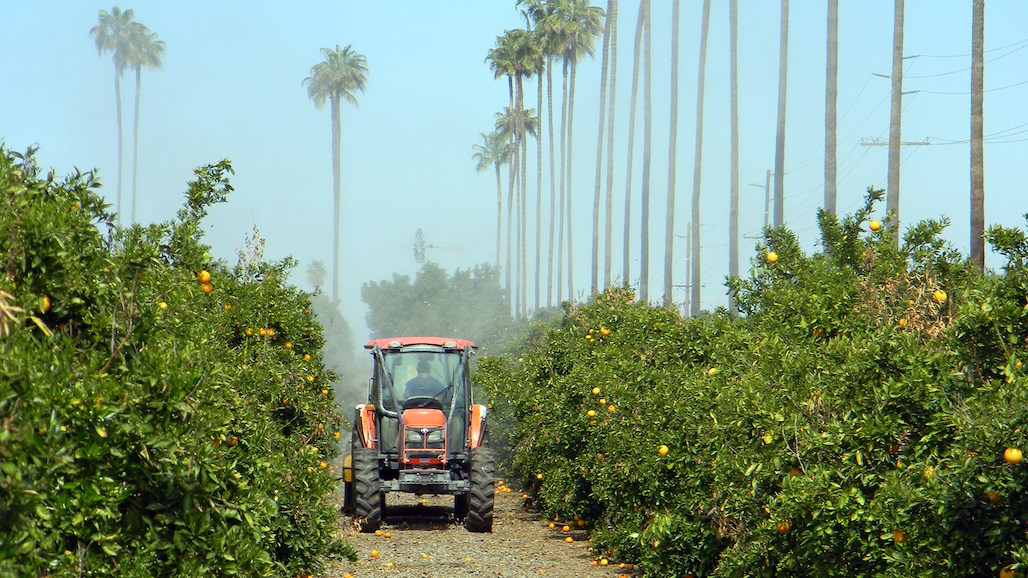
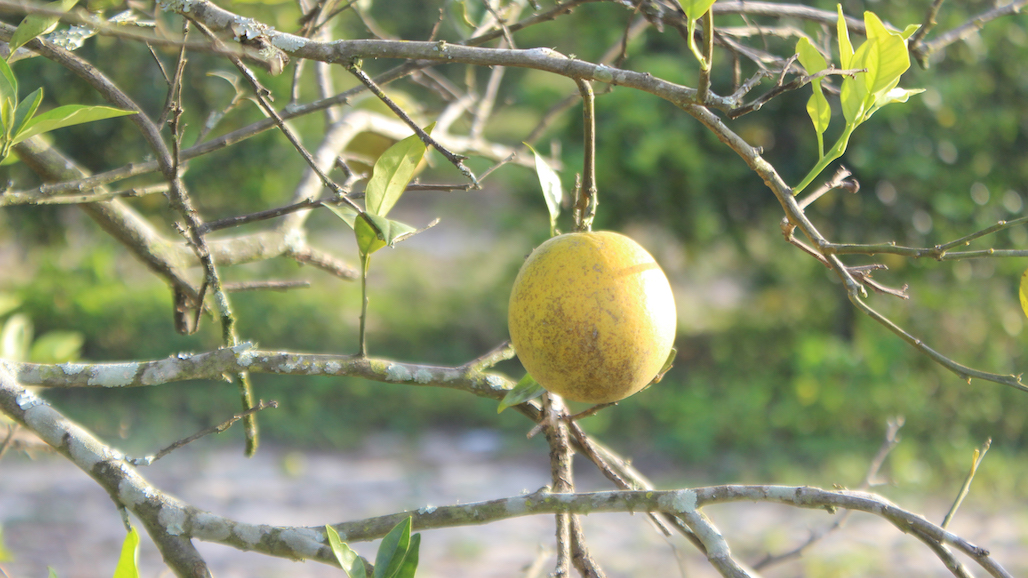
    As the threat of Huanglongbing (HLB) continues, industry members know that the best way to prevent HLB from infecting our groves is to limit populations of the Asian citrus psyllid (ACP), which spread the deadly disease. This winter, it’s critically important for California’s citrus growing operations to actively participate in local, area-wide or coordinated treatments to further boost our industry’s efforts in the fight against the ACP.

    Over the past year, ACP detections have been spiking throughout areas of the state where it has not been declared well-established, including parts of the Central Valley and Central Coast. While treatment strategies are different in various regions of the state, participation in area wide or coordinated treatments is crucial in suppressing ACP populations. When we work together by timing treatment applications, we can leverage the strongest counter punch possible by limiting the areas where psyllids find safe harbor to avoid these treatments. In the process, we can protect not only our own groves, but those of our neighbors.

    The cost to manage ACP populations is far less than what the potential costs should HLB spread into our commercial groves. One only has to turn their eyes to Florida for a crystal ball’s view into our future should we not take action. While we have successfully prevented HLB detections in California’s commercial citrus groves thus far, I encourage growers to invest in this “insurance policy” to provide the best continued protection we have against this formidable opponent.

    Florida Citrus Orchard Dying of Huanglongbing disease

    Our industry continues to make strides in the fight against HLB and the ACP, but we’re stronger when we work as a collective. It is important to connect with your local grower liaison or pest control district, or view the treatments schedules on CitrusInsider.org for details on treatments in your area, as the preferred timing of treatments will vary per region. For more information on ACP treatments and effective materials, see the University of California’s UCIPM Pest Management Guidelines for Asian Citrus Psyllid. If you suspect ACP or HLB in your grove, please notify the California Department of Food and Agriculture Pest Hotline at 1-800-491-1899. — By Jim Gorden, Chair, Citrus Pest & Disease Prevention Committee

  • Moonshadow Joins ‘Galaxy’ of Colorful Tomatoes

    Moonshadow Joins ‘Galaxy’ of Colorful Tomatoes

    Moonshadow, a deeply pigmented purplish-red, oblong tomato, was bred using traditional crossing methods and derived from a cross between a black grape tomato and a high-flavor orange grape tomato. It is now available for pre-order, for spring 2022 planting, from High Mowing Organic Seeds.

    Moonshadow is the sixth variety in the Galaxy Suite, a colorful, multishaped group of medley grape tomatoes bred by Phillip Griffiths, associate professor in the School of Integrative Plant Science at Cornell AgriTech.

    “There’s increasing consumer interest in foods that are unique, aesthetically pleasing and colorful,” Griffiths said. “Farmers markets have been expanding considerably, and consumers who shop at these markets want both local produce and products not typically available in supermarkets. The market for small-fruited, single-bite medley types is increasing, and it has huge potential going forward.”

    Moonshadow tomatoes.

    “I hope that these tomatoes contribute to making healthy food more fun and more interesting, while providing local and organic growers with increased options for high-value products. If you have limited land, expensive land, you can get more value out of these kinds of crops, especially using high-tunnel greenhouses,” shared Griffiths.

    Farmers markets have blossomed across the U.S. over the past 25 years. In 1994, when the U.S. Department of Agriculture began tracking, there were 1,755 farmers markets. There are more than 8,000 today. Consumer interest in organic foods also continues to grow: in 2020, organic food sales in the U.S. topped $50 billion, growing 4.6% from the year before; total food sales grew by 2%.

    Griffiths began crossing heirloom tomatoes in 2004, and some of those selections became the Galaxy Suite varieties. He specifically wanted to create varieties that were new, different and would support small farmers, organic growers and home gardeners in New York and the Northeast, though the tomatoes grow well across the U.S., he said.

    “I hope that these tomatoes contribute to making healthy food more fun and more interesting, while providing local and organic growers with increased options for high-value products,” Griffiths said. “If you have limited land, expensive land, you can get more value out of these kinds of crops, especially using high-tunnel greenhouses.”

    Even in the small-fruited market classes, growers generally favor bigger tomatoes that are easier and faster to harvest and package, Griffiths said. Meanwhile, consumers seem to prefer one-bite cherry tomatoes; however, many cherries have issues with fruit skin splitting on the vine or after harvest. Griffiths wanted to find a happy medium: small-fruited, high-flavor tomatoes, as consumers prefer, with better shelf-stability and after-harvest quality.

    Moonshadow and the Galaxy Suite fit the bill, said Paul Betz, sales manager at High Mowing Organic Seeds. The company runs test plots with new seeds before offering them to consumers.

    “Sales of the Galaxy Suite varieties have increased every season. I’ve also seen growers trying them one season and coming back for more the next year, so I think they are fitting a nice niche for people,” Betz said. “First of all, the flavor is amazing and rich, at all stages of ripeness. And they’re firmer, more rugged – they can handle transportation and packaging and arrive with unblemished fruit, which is really important for consumers.”

    For those interested in growing Galaxy Suite tomatoes, Betz offers this advice:

    Plants are quite vegetative, so don’t plant them too closely spaced.  

    -In trials, the tomatoes grew best outside, in a weave or trellis.  

    -They also grow well trellised in a high tunnel, like a caterpillar, but Betz wouldn’t recommend growing them in a traditional greenhouse because they produce so much plant material and pruning cuts their yield significantly.  

    Griffiths continues to work on additional crosses and hopes to add more varieties to the Galaxy Suite in coming years, he said. — By Krisy Gashler Cornell College of Agriculture & Life Sciences