The UC Cooperative Extension (Colusa, Sutter, Yuba, Yolo, Solano & Sacramento Counties) invites growers to attend the 2022 Sacramento Valley Processing Tomato Production Meeting virtually (Zoom) on February 10th from 9:00-11:40 a.m. DPR and CCA Continuing Education Credits have been requested. Registration is free and can be done online HERE. Some of the topics of discussion will include: broomrape biology & management, automation with mechanical in-row cultivators for conventional processing tomatoes, root knot nematode management, and the unusual outbreak of beet curly top in 2021. Click HERE to see the full agenda.
Category: Economics
-
Inaugural Global Harvest Automation Report Reveals Grower Investment
Growers are keen to adopt automation to bridge the growing labor gap and ensure that their crops can be picked in time, according to the Global Harvest Automation Report, a first-of-its-kind study commissioned by Western Growers. The report is the first in a new annual series that will track, measure and report on industry progress in harvest automation across the fresh produce industry.
The Global Harvest Automation Report is part of WG’s Global Harvest Automation Initiative, which aims to accelerate ag automation by 50 percent in 10 years.
“One of the main aims of the report was to take a comprehensive look at the entire harvest ecosystem and provide a quantitative look to the Western Growers membership at how much harvest innovation is impacting their operations across fresh products for specialty crops, where the most progress is occurring, and why,” says WG VP of Innovation Walt Duflock. “Second, we wanted to provide an in-depth view of the innovators who are doing the heavy lifting by crop type, so growers would know who to contact based on the crops they grow.”
Among the findings of the report, which was prepared in collaboration with consultants at Roland Berger:
- 65 percent of participating growers have invested in automation over the past three years
- The average annual spend on automation was $350,000-$400,000 per grower
- Spending occurred in pre-harvest and harvest assist activities, including weeding, thinning, harvesting platforms and autonomous ground vehicles. It is anticipated that 30-60 percent of these activities will be automated by 2025.
- Harvest automation itself remains limited because of the technical difficulties in replicating the human hand to harvest delicate crops. It is anticipated that 20 percent of harvest activities will be automated by 2025.
Full print copies of the Global Harvest Automation Report will be available at the Western Growers booth at the World Ag Expo Feb. 8-10, 2022 in Tulare, Calif.; to download a complete digital copy please click here.
-
CA Tomato Processors Forecast Larger Crop In 2022
USDA National Agricultural Statistics Service — As of January, California’s tomato processors reported they have, or will have, contracts for 12.2 million tons in 2022, which is an increase of 10% compared to 11.1 million contracted tons forecast in the August 2021 California Processing Tomato Report. Processors estimate that the contracted production for 2022 will come from 245,000 acres, generating an average yield of 49.8 tons per acre. The contracted planted acreage forecast is 7% higher than the 2021 acreage of 229,000 reported under contract in August.
The USDA-NASS Pacific Regional Office surveyed California’s tomato processors for their intended contract acreage and tonnage for the upcoming 2022 season. The data reported by processors was either tonnage with derived acreage, or acreage with derived tonnage.
This early processing tomato estimate is funded by the California League of Food Producers.


-
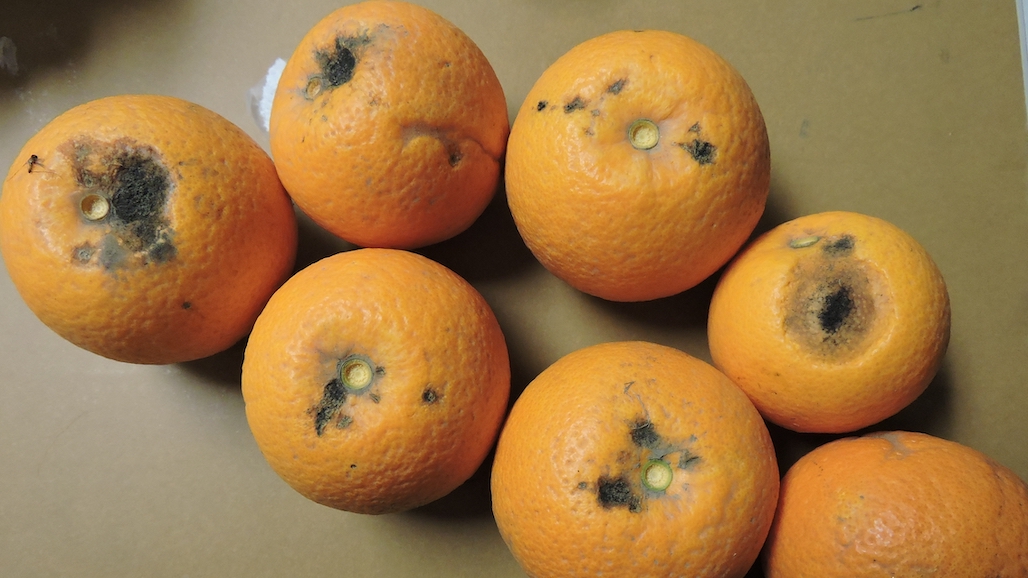
Weather Conditions Cause of Rind Breakdown in Satsuma Mandarin
Although you never know about the weather, we do know that if heavy rain occurs after color break in mandarins there can be significant rind breakdown. This problem can destroy much of the crop and the problem is largely preventable.
Pre-harvest rind decay of mandarins in California generally occurs shortly after rain falls and is most severe on Satsuma mandarins. Although some researchers have associated the problem with fungi such as Alternaria species, isolations from affected fruit have been inconsistent. Inoculations with isolated fungi only sometimes reproduce disease symptoms and only on water-soaked fruit. Furthermore, in preliminary field trials there were conducted in Butte Co in the fall of 2002 and 2003, fungicide treatments that included Topsin-M, Pristine and Abound only reduced the incidence of disease from 99% in the control to approximately 90% . These data suggested that mandarin rind breakdown is a physiological, abiotic disorder of fruit rather than a pathological problem and the fungi isolated are rather secondary causes of rind decay than primary pathogens.
Rind breakdown of citrus was previously reported by Fawcett and others in the 1930s. Wet weather combined with a sudden decrease in temperature was shown to result in generation of rind oil and collapse of cells just under the cuticle. In laboratory and field trials in 2003, fruit treatments with water repellants reduced the incidence of rind breakdown to very low levels. Field trials were again conducted in the fall of 2004. Fungicide treatments were ineffective in these trials. In all trials, application so Vapor-Gard or Omni oil significantly reduced the disorder. In all programs with Vapor-Gard and Omni oil, a first application was made at the end of October and there was no significant difference in efficacy when additions applications were done. When tree were protected from rainfall using a tent, the disorder could not be detected, indicating the rind breakdown is correlated to rainfall.
In summary, results from the trials support previous findings by Fawcett that mandarin rind disorder is an abiotic, weather-related problem of mature fruit that has undergone a green to orange color change. Using a water repellant helps protect the fruit. — By Ben Faber, UCCE Ventura County Advisor
-
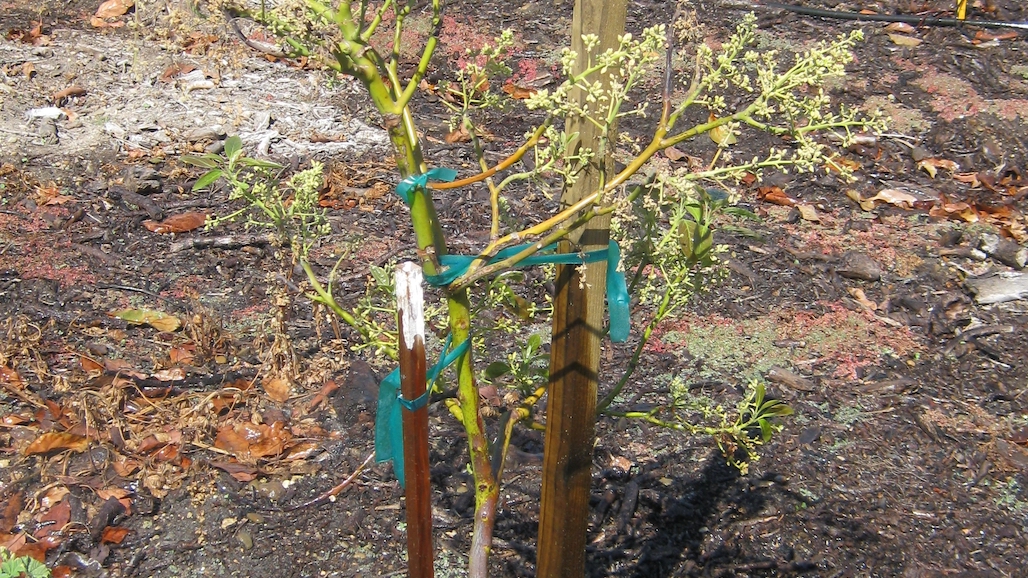
Research Indicates Paint Not Effective At Protecting Young Avocados From Herbicide Drift
California Avocado Commission — While it is often common practice for fruit growers to apply white latex paint to the bottom 2 to 3 feet of young, newly planted trees in order to provide some protection from herbicide drift, researchers note there is little evidence to prove this practice is effective.
A recent blog post by Dr. Ben Faber summarized the findings of a California field experiment conducted in 2017 that measured the impact of latex paint in preventing herbicide injury on young almond trees. The block of trees consisted of greenhouse-grown trees in cartons. Nine weeks prior to the herbicide applications, the cartons were removed for trees in the “no paint” and “old paint” sections so their bark could harden off. Two days prior to applying the herbicide, the cartons were removed for the “new paint” trees and then the trees were painted.
According to the researchers:
- The paint did not provide significant protection from glyphosate or glufosinate.
- Tree stress caused by trunk-applied herbicides was lowest in trees with no paint, suggesting that allowing the bark to harden on young trees is an important means of protecting them from herbicide drift.
- In most treatment combinations, old and new paint applications did not reduce tree stress as effectively as allowing the bark to harden on trees nine weeks prior to application.
- The most effective means of protecting trunks was installing a carton. However, it is important to remember that once the carton is removed (as the tree matures), there may be green bark present which would be vulnerable to herbicides.
-
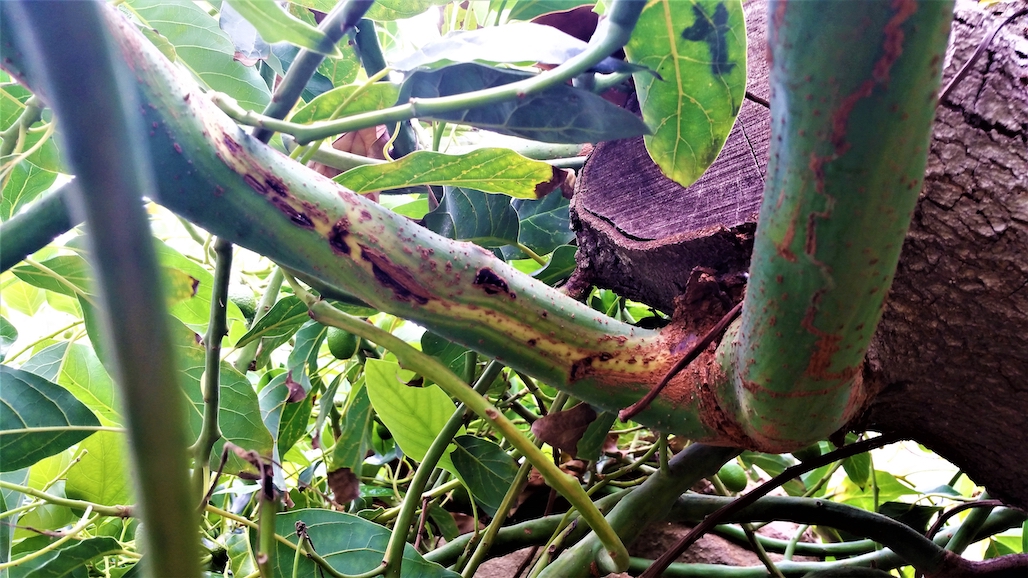
CA Avocado Disease Management Webinar, FEB. 16
The California Avocado Society, California Avocado Commission and UC Cooperative Extension are hosting a free online Grower Webinar: Avocado Disease Management session on Wednesday, February 16 from 9:00 a.m. – 11:00 a.m.
The webinar is designed to provide growers and grove managers with information concerning management strategies for diseases that California avocado trees are prone to. The online seminar will cover:
- Approaches to combating avocado root rot, including pesticide management
- The availability of a new chemical to manage Phytophthora
- Other chemical and horticultural practices related to disease management in California avocado groves
The presenters include Dr. Ben Faber, Crops Advisor for the UC Cooperative Extension, and Dakota Camino, PCA with Syngenta.
-
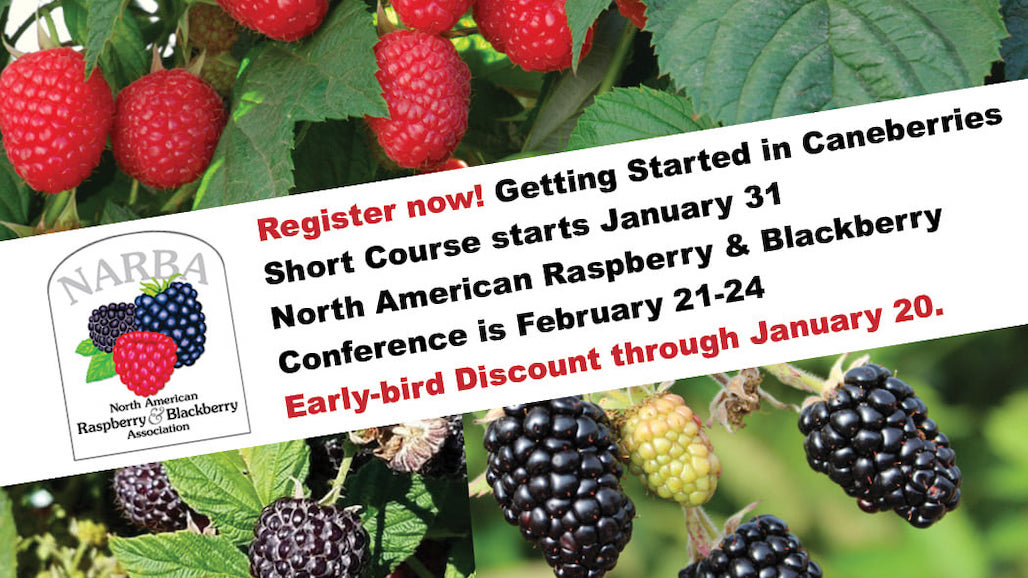
North American Raspberry & Blackberry Conference Goes Virtual
The North American Raspberry & Blackberry Association (NARBA) has reached the decision that its annual conference in February 2022, will move to a virtual conference format due to the ongoing disruption of the Covid 19 pandemic.
The conference was previously formatted as a hybrid meeting, both in-person in Gaithersburg, Maryland, and virtual. All sessions will now be live-streamed for virtual participation and will be available to registrants for on-demand viewing for an extended period post-conference.
“Last year’s virtual conference gave us the ability to share all the information of our conference with people all over the country and all over the world,” comments NARBA president Jim Jedele. “We are pleased to build on that experience for this meeting.”
A pre-conference virtual short course for novice growers, “Getting Started in Raspberries & Blackberries”, runs bi-weekly January 31 – February 21st. This course will be led by some of the leading caneberry educators from around the country. Sign up today and catch up on the recorded sessions!
Conference sessions feature top experts and experienced growers. Topics include caneberry breeding, pest and disease control, high tunnel and long-cane production, food safety and farm management, ag and labor policy, and marketing. Over 50 speakers from around the world are included in the two-track format. The virtual format includes opportunities for live Q&A and online networking.
To see a detailed program for the virtual conference, view a full list of speakers and find event registration information, please visit www.raspberryblackberry.com/2022-north-american-raspberry-blackberry-conference/
The North American Raspberry & Blackberry Association is a membership association of growers large and small, researchers, suppliers, and others in the caneberry industry.
For further information and updates about the 2022 NARBA annual conference please contact Darcy Kochis at darcy@foodfirstmarketing.com.
-
Public Health Partnership Taps Avocados To Spread Awareness About Diabetes Prevention
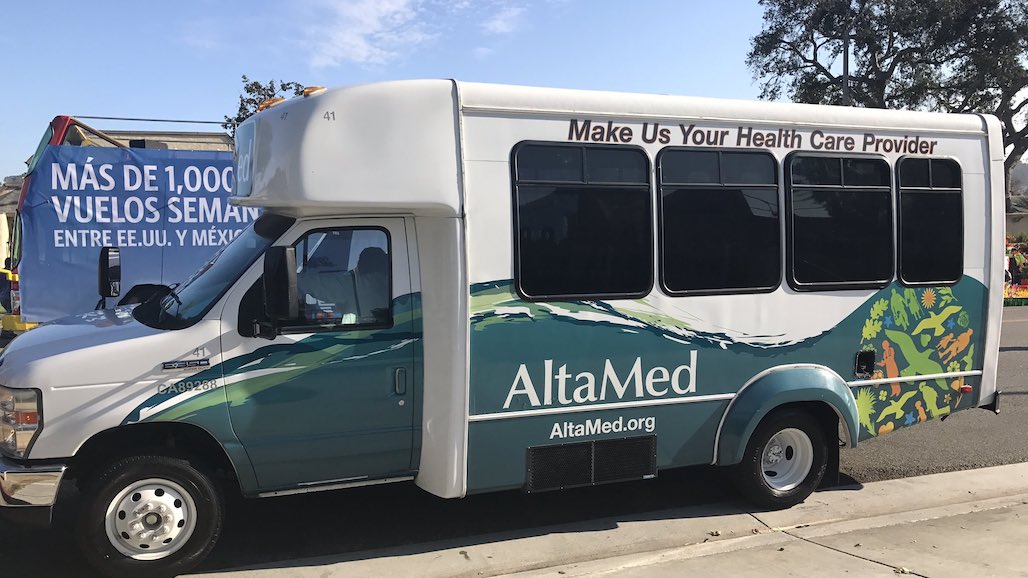
During National Diabetes Month, the Hass Avocado Board (HAB) joined forces with AltaMed Health Services, the nation’s largest independent federally qualified community health center, to leverage the popularity and goodness of healthy avocados to boost the influence and impact of a diabetes-focused public education outreach to the Latino community.
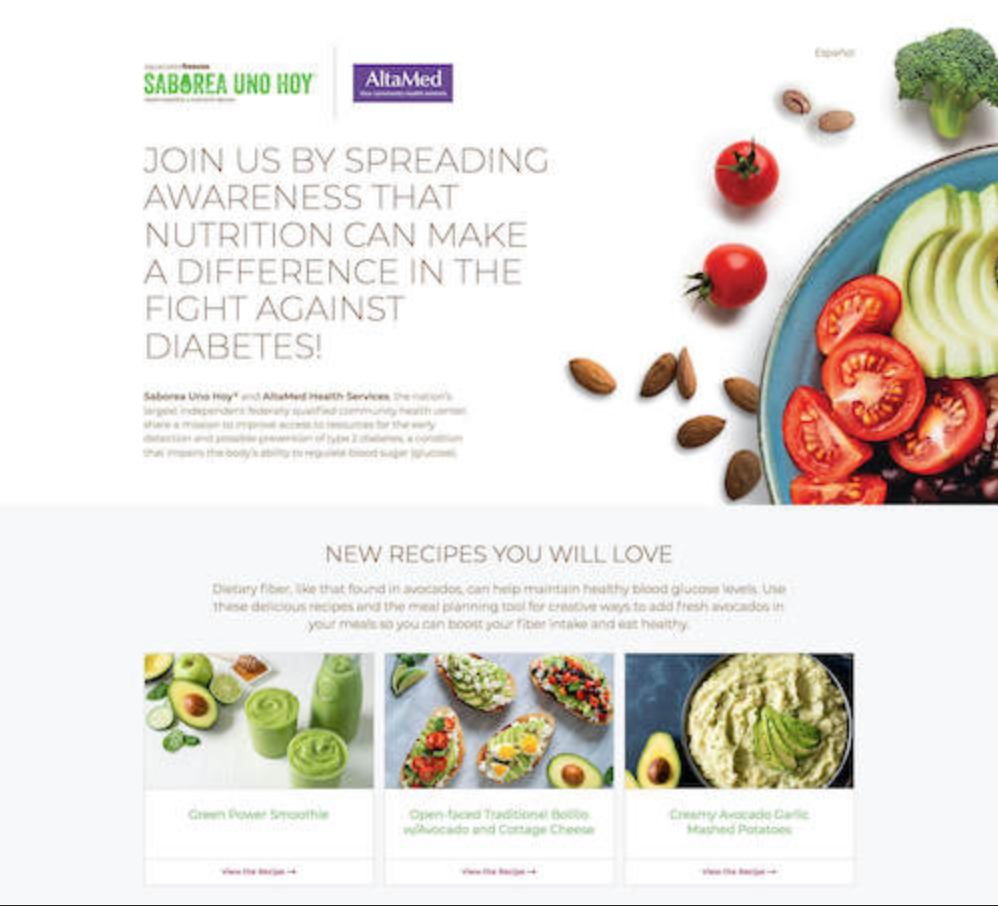
Leveraging relevant research and bilingual educational tools from Aguacates Frescos – Saborea Uno Hoy® bilingual educational tools, recipes and website, the campaign spotlighted the positive role dietary fiber, like that found in fresh avocados, can play in helping maintain healthy blood glucose levels.
Latinos, one of the country’s fastest growing population segments and a high-value shopper group for the avocado industry, have a 50% chance of developing diabetes in their lifetime per the CDC.
Working with AltaMed, a network of 300 health professionals providing service to 300,000 patients across Southern California, HAB supported the local deployment of mobile health care units to increase access to glucose testing as well as science-based information about the role nutrition may have in reducing the risk of type 2 diabetes.
Communications to AltaMed’s network of health professionals, patients, and donors, all directed to the campaign landing page SaboreaUnoHoy.com/AltaMedfor more information in Spanish or English.
News of the grassroots campaign was pitched broadly and successfully triggered national interest in how bilingual education featuring fresh avocados was being used in the fight against diabetes. Wide-reaching, influential Spanish language outlets such as People en Español and Mundo Hispano covered the strategic partnership.
-
Scientific Literature Review Confirms Watermelon’s Health Potential
Watermelon is a unique fruit with compounds that may have health effects throughout the body, supporting normal cardiovascular and metabolic health. According to a new comprehensive review of the scientific literature on watermelon, eating watermelon regularly may help promote health. This research paper, authored by Britt Burton-Freeman, Ph.D., and colleagues from Illinois Institute of Technology was recently published in the journal Current Atherosclerosis Reports.
“Research is unveiling the health-promoting potential of watermelon. The current literature review provides evidence that watermelon intake and citrulline supplementation lower blood pressure in human trials. Although more research is needed, favorable effects on lipids/lipoprotein metabolism are emerging based on the data we reviewed and reported in preclinical models,” said lead author Burton-Freeman.
According to the research, watermelon contains essential vitamins, minerals, antioxidants and amino acids. It also contains the amino acids citrulline and arginine, which both act as a precursor to nitric oxide, a molecule that plays a role in blood pressure regulation, lipid reduction and glucose control. Polyphenols and carotenoids, particularly lycopene, are also abundant in watermelon. The nitric oxide benefits of citrulline and arginine coupled with the bioactivity of polyphenols and carotenoids found in watermelon suggests that this fruit may support normal cardio-metabolic health.
Burton-Freeman and colleagues reviewed the preclinical and clinical trial evidence published from 2000 to 2020 to assess watermelon intake and citrulline (a signature compound found in watermelon) on cardiovascular and metabolic outcomes, and to identify future directions important for establishing dietary guidance and recommendations. They explored studies related to the whole fruit as well as citrulline supplementation, focusing on key cardio-metabolic risk factors. More research is needed to confirm findings of the studies identified in this literature review.
The investigators concluded that watermelon provides a combination of nutrients and phytochemicals working across multiple mechanisms to induce biological effects. Citrulline and arginine are central to these cardio-metabolic effects, and polyphenols, lycopene, potassium and magnesium contribute as well.
Continued research is needed to determine the level of sufficient intake for clinical outcomes and will also need to be studied in a variety of populations. Research on the whole fruit and its products (i.e., juice) is also needed to help determine the level of sufficient intake. The research identified additional potential benefits from watermelon consumption that warrant further research, such as body weight control (possibly through satiety mechanisms), glucose control, and brain and gut health.
Low fruit intake is one of three dietary factors associated with death from cardiovascular disease (CVD) and type 2 diabetes (T2DM), as are high salt intake and low whole-grain intake. These dietary factors affect people regardless of age, sex and other socio-demographic variables.1 Recent research also
shows that eating a variety of fruit helps reduce the risk of T2DM2, while the amount of fruit and the type of fruit selected provide cardiovascular benefits.

About National Watermelon Promotion Board
The National Watermelon Promotion Board (NWPB), based in Winter Springs, Florida, was established in 1989 as an agricultural promotion group to promote watermelon in the United States and in various markets abroad. Funded through a self-mandated industry assessment paid by more than 800 watermelon producers, handlers and importers, NWPB mission is to increase consumer demand for watermelon through promotion, research and education programs.
Watermelon packs a nutritious punch, with each serving providing an excellent source of Vitamin C (25% DV), a source of Vitamin B6 (8% DV), and a delicious way to stay hydrated (92% water), with only 80 calories per 2-cup serving. Watermelon consumption per capita in the United States was an estimated 16 pounds in 2020. Watermelon consumption in the United States was approximately 5.3 billion pounds in 2020. The United States exported an additional 359 million pounds of watermelon. For additional information, visit www.watermelon.org.
References
-
Afshin A, Sur PJ, Fay KA, Cornaby L, Ferrara G, Salama JS, et al. Health effects of dietary risks in 195 countries, 1990–2017: a systematic analysis for the Global Burden of Disease Study 2017. Lancet. 2019. https://doi.org/10.1016/S0140-6736(19)30041-8.
-
Cooper AJ, Sharp SJ, Lentjes MAH, Luben RN, Khaw K-T, Wareham NJ, et al. A prospective study of the association between quantity and variety of fruit and vegetable intake and incident type 2 diabetes. Diabetes Care. 2012. https://doi.org/10.1016/S0140-6736(19)30041-8.
-
Bhupathiraju SN, Wedick NM, Pan A, Manson JE, Rexrode KM, Willett WC, et al. Quantity and variety in fruit and vegetable intake and risk of coronary heart disease. Am J Clin Nutr. 2013. https://doi.org/10.3945/ajcn.113.066381
-
Burton-Freeman B, Freeman M, Zhang X, Sandhu A, Edirisinghe I. Watermelon and L-Citrulline in Cardiometabolic Health: A Review of the Evidence 2000-2020
-
-

New Lab to Study Evolving Tree Fruit Bacteria
Joining Washington State University (WSU) as the newly established Endowed Chair in Bacterial Diseases of Tree Fruits, Frank Zhao will study and seek better ways to manage devastating bacterial pathogens in tree fruit.
In bad years, these microbial disease heavy hitters such as fire blight and X‑disease phytoplasma cost apple, cherry, and pear growers hundreds of millions of dollars nationally in lost fruit as well as treatment and removal of infected trees.
“We need more tools in our toolbox to deal with bacterial diseases, particularly for organic orchards,” said Zhao, who comes to WSU from the University of Illinois to launch a new, industry-funded research program in tree fruit microbiology.
Growers’ most effective tool has always been antibiotics—chemical drugs that kill bacteria or make it difficult for them to reproduce.
But bacteria can develop resistance that renders antibiotics less or even totally ineffective. In organic orchards, chemicals are often prohibited, raising demand for new techniques.
“Disease outbreaks can be unpredictable in their severity,” Zhao said. “Pathogens change over time—we now know there are at least four different strains of the fire blight pathogen.”
Becoming interested in plant-pathogenic bacteria as a master’s student in China, he has spent his career studying where pathogens come from and how they adapt and survive, most recently the fire blight bacterium, Erwinia amylovora, which has caused serious damage in Pacific Northwest orchards in the past several years, as well as the pseudomonas family of bacteria, which infect a range of crops.
Zhao studies both good and bad microorganisms. Devising strategies to control harmful bacteria with beneficial microbes, he has experimented with nanoparticles as a method to deliver biocontrol agents in orchards. He plans to continue studies of biocontrols and ‘good’ microorganisms at WSU.
Working in the field and the lab, Zhao will screen for and map antibiotic resistance in Washington orchards, identifying the predominant strains of top-priority pathogens such as fire blight and bacterial canker of sweet cherries.
As he begins his efforts in Washington, Zhao will connect with growers to understand their experiences and challenges.
“All these will help me tremendously in getting my program started,” he said. “In turn, I can learn from them and better solve the disease challenges that fruit producers are facing.” —