To ensure California citrus growers are well prepared in the event of a potential commercial grove detection of Huanglongbing (HLB), the deadly citrus plant disease that can be spread by the Asian citrus psyllid (ACP), the Citrus Pest and Disease Prevention Program (CPDPP) has developed a response guide for growers to utilize and educate themselves on the California Department of Food and Agriculture’s (CDFA) action plan.
The actions in the response guide represent the most effective tools known to the citrus industry at this time and are meant to protect California’s citrus groves and support CDFA’s current required regulatory response. While, as of today, there have been no positive detections of HLB in a commercial citrus grove, the CPDPP recognizes the importance of proper preparation.
In addition to the requirements outlined in the guide, growers are encouraged to use as many methods as feasible for their operation in order to limit the spread of the ACP and HLB.
To read or download the response guide, please click HERE. If you have any questions or would like to order physical copies of this response guide, please visit our Resources page. — By the California Citrus Pest & Disease Prevention Program
Ken Melban, who joined the California Avocado Commission (CAC) in 2011 as director, issues management, has been promoted to vice president of industry affairs and operations. He has served as CAC’s vice president, industry affairs since 2015. In his new role, he will continue to lead the Commission’s industry affairs programs and take on the financial and administrative operations of the organization.
Prior to starting his career with CAC, Melban worked with California commodity boards and the National Grape & Wine Initiative, as well as manager of the Statewide Spray Safe program. He also served as an adjunct professor at his alma mater, Fresno Pacific University.
During his career with the Commission, Melban has assumed responsibility for industry advocacy activities, issues management, production research and grower communications. As part of his efforts to expand the California avocado export market, he secured market access to China and has secured USDA Market Assessment funding and USDA Market Access program grants to promote avocados in South Korea, Japan and China.
He has played a key role in the development of sustainability initiatives, including the adoption of Good Agricultural Practices for the California avocado industry. After the devastating losses from the Thomas fire in 2017, his efforts led to expedited federal funding for impacted industry members. Melban was appointed by the U.S. Trade Representative and USDA Secretary of Agriculture to the Agricultural Technical Advisory Committee in 2014 and was reappointed in 2019.
Throughout his career he has represented the interests of California avocado growers through his service with the California Department of Food and Agriculture Climate Change Adaptation Consortium and Ventura AG Futures Alliance.
Growers of organic vegetables and strawberries across California are invited to attend an online training to learn how to manage nitrogen fertilization. UC Cooperative Extension is offering the three-part Nitrogen Planning and Management in Organic Production of Annual Crops Workshop on Nov. 29, Dec. 5 and Dec. 12.
Growers, certified crop advisers, pest control advisers and other agricultural professionals who are interested in learning about nitrogen management in organically farmed crops are encouraged to enroll.
The workshop is also available in Spanish.
Tuesday, Nov. 29, 1-3 p.m. – Part 1: Understanding nitrogen: the nutrient, the role of microbes and the relevance of soil organic matter. Daniel Geisseler, UC Cooperative Extension specialist in nutrient management at UC Davis; Radomir Schmidt, program manager for the Working Lands Innovation Center at the UC Davis Institute of the Environment; and Margaret Lloyd, UCCE small farms advisor will give an overview of the sources, transformations and fates of nitrogen in soil. They also will discuss the role and dynamics of microbes in nitrogen management, and how nitrogen fixation impacts management decisions.
Monday, Dec. 5, 1-3 p.m. – Part 2: Estimating nitrogen release from organic amendments and contributions from cover crops. Patricia Lazicki, a postdoctoral research associate at the University of Tennessee, Knoxville, and Lloyd will discuss estimating nitrogen release from compost, organic fertilizers, cover crops and crop residue and irrigation water.
Monday Dec. 12, 1-3 p.m. – Part 3: Putting it all together: Completing a nitrogen budget, synchronizing nitrogen release with nitrogen demand, and using soil tests. Joji Muramoto, UC Cooperative Extension organic production specialist; Richard Smith, UC Cooperative Extension vegetable crops advisor; and Lloyd will address nuances of organic soil fertility management in vegetables. Discussions will include crop nitrogen demand and strategies to supply demand, as well as using and interpreting soil testing. Specific references will be made to strategies for complying with forthcoming regulations. The session will conclude with a discussion on new frontiers in organic nitrogen management.
Registration for the virtual event is $25 and includes all three classes. A single registration can be shared by members of the same farm. Space is limited to 75 participants. To register, visit https://ucanr.edu/organiccrops22.
Participants may earn six hours of CDFA-INMTP continuing education credits (formerly CURES CE Credits) or six hours of CCA credits.
For more information, contact Margaret Lloyd at (530) 564-8642 or mglloyd@ucanr.edu.
UC Agriculture and Natural Resources brings the power of UC to all 58 California counties. Through research and Cooperative Extension in agriculture, natural resources, nutrition,economic and youth development, our mission is to improve the lives of all Californians. Learn more at ucanr.eduand support our work at donate.ucanr.edu.
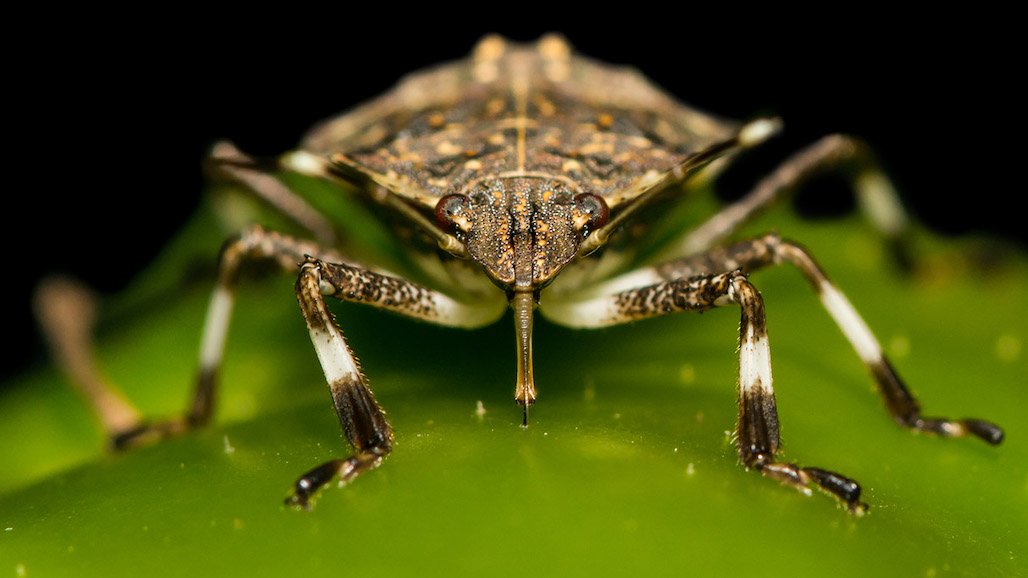
A foul-smelling, voracious, wide-spread pest of fresh fruits and tree nuts could become even more ubiquitous with climate change.
A recent modelling study found that changing weather could increase suitable habitat for the brown marmorated stink bug in the United States by 70%. The study, published in Pest Management Science, draws on data from a three-year stink bug monitoring effort in 17 states as well as several potential climate scenarios. However, whether the insects will thrive in new places depends on the conditions of each area and potential mitigation measures.
“Every system will change with climate change, so the fact that you can grow garbanzo beans, lentils or wheat without these pests now, doesn’t mean that you will not have them in a few years,” said study lead author Javier Gutierrez Illan, a Washington State University entomologist. “There are mitigating things that we can do, but it is wise to prepare for change.”
The study found that overall, there is likely to be a northward shift in stink bug-friendly conditions. Regions that may be particularly affected include the Mid-Atlantic, areas surrounding the Great Lakes, and the valleys of the West Coast, such as the Sacramento Valley in California and the Treasure Valley in Idaho.
The brown marmorated stink bug is a generalist herbivore — it is known to feast on nearly 170 different plants including crops and ornamental plants. Originating in Asia, this type of stink bug first appeared in the U.S. about 20 years ago and has since spread coast to coast. It’s been detected in 46 states and considered a pest in 15 of them.
Brown marmorated stink bug on a blackberry plant. Photo by Gheorhge on iStock
Homeowners may recognize brown marmorated stink bugs because they like to overwinter indoors. In fact, the study found that proximity to populated areas appeared to help the insects get established in new places, but once there, they did not need to be near people to proliferate. Other factors like availability of water mattered more for their abundance.
People are likely inadvertently transporting stink bugs in vehicles or farm equipment to areas that would otherwise be hard for them to reach by flying alone, said Gutierrez Illan.
Stink bugs dislike cold winters, but the rising temperatures brought by climate change are not necessarily a good thing if the land becomes too dry. They need water, so the researchers said that changing patterns of precipitation will likely influence where the stink bugs will thrive.
In some states including Washington, officials and researchers are employing a parasitoid insect, called the samurai wasp, to control stink bugs. The wasps lay their own eggs inside stink bug eggs. This not only destroys the affected eggs, but when the wasp larvae hatch, they eat other developing stink bugs. Measures like these might help prevent or minimize stink bug spread into new areas, Gutierrez Illan said.
For Washington growers, the researcher recommended using WSU’s DAS, or Decision Aid System, a web-based tool which provides information to help prepare for changes to their agricultural systems, including the possible appearance of these pests.
Gutierrez Illan also advised growers to familiarize themselves with the brown marmorated stink bug through sites like stopbsmb.org, even if they have never had the pest in their fields.
“Most growers learn from their parents or from the previous generation, but the information that they had is probably no longer as useful because the climate is changing, so they need these types of tools,” Gutierrez Illan said. — By Sara Zaske, Washington State University
Darkling beetles girdle seedlings at or below soil line by chewing which can cause significant damage and plant death when beetles are in high numbers. Darkling beetles are not usually a problem once plants are big enough to withstand the chewing damage. They move in from field edges, including weedy areas or adjacent crops like grains or alfalfa. Conventional control includes insecticide baits, but organic growers have more limited options.
The UC Cooperative Extension conducted a study funded by the California Tomato Research Institute to better understand darkling beetle movement into tomato fields and develop a monitoring strategy to assist with control before beetles migrate into crop fields. Probable habitats for darkling beetles were scouted March-May 2022. These sites included weedy vegetation, hedgerows, field borders, and other locations in close proximity to crop fields (examples of trap sites pictured below). To determine darkling beetle presence, pitfall traps and visual observations were used. Pitfall traps consist of plastic cups buried in the soil, so that the opening is even with the soil line and filled with a preserving liquid. Insects walking across the ground fall into the cup as they travel and are unable to escape.
Four organic field sites were monitored, with a total of 30 pitfall traps. The data is still being analyzed and beetles are currently being identified but the figure below shows a generalized overview of what was captured in the pitfall traps in Spring 2022. Because pitfall traps are better at measuring insect activity rather than density, they were not very effective at capturing darkling beetles. Darkling beetles do not move around as frequently as other insects like predatory ground beetles, which were caught in high numbers. However, darkling beetle damage was also not readily observed in these tomato fields. One field did however have significant damage from vegetable weevils which feed on foliage and stems, defoliating the plant, rather than girdle young plants at the base.
Ground beetles were the most abundant insects captured, followed by miscellaneous beetles (not including darkling beetles) which included carrion beetles, click beetles, lady beetles, rove beetles and others in smaller numbers. Earwigs were also commonly captured along with isopods, spiders and ants (data not included). — By the UC Cooperative Extension with Funding from the California Tomato Research Institute
Washington State University is leading a new project that aims to advance soil-biodegradable mulches and develop innovative methods for recycling the plastic. The projects is funded by a $8 million, four-year Specialty Crop Research Initiative grant from the USDA National Institute of Food and Agriculture.
Growers of crops like strawberries, raspberries, pumpkins, tomatoes, and melons depend on plastic mulch to enhance productivity. But that mulch is rarely recycled, and the soil-biodegradable version isn’t allowed in domestic organic production.
Consequently, every year an estimated 2.5 million tons of plastic mulch is dumped into landfills, tilled into the soil, or burned, leading to global terrestrial and aquatic pollution. And that number is rising as more growers worldwide adopt plastic mulch without viable, sustainable end-of-life options for waste management.
The new WSU-led program will focus on strawberries as a model crop because it’s a popular fruit grown throughout the country in different weather situations and soil systems. Scientists, extension specialists, and growers in California, Florida, Nebraska, and Washington will all participate. Companies such as Driscoll’s and Natureripe are also collaborating on the project.
Plastic mulch is long black plastic strips laid down in fields to suppress weed growth, optimize soil temperatures, reduce water loss, and produce higher yields of clean fruits and vegetables free of soil debris. Its usage leads to significantly reduced herbicide application, fewer crops lost to rot from soil contact, a jump start on the growing season, yield enhancements, and improved profitability.
“Growers are really dependent on plastic mulch,” said Lisa DeVetter, a Department of Horticulture associate professor based at WSU’s Northwestern Washington Research and Extension Center in Mount Vernon. “Every year, tens of thousands of acres of mulch are put on soil across the country, but the plastic mostly winds up in landfills and takes hundreds of years to degrade.”
DeVetter, the lead project investigator, has collaborated on plastic mulch solutions for several years, frequently focusing on improving knowledge of soil-biodegradable mulch.
Lisa DeVetter
Soil-biodegradable mulch currently can’t be used in organic fields because it contains non-bio-based and synthetic materials forbidden in U.S. certified organic production. Growers are also concerned about its ability to fully biodegrade in soils and the potential long-term economic implications of degraded soil.
Mulch recycling is a limited option because it’s coated with dirt and plant debris after being removed from the fields.
“As much as 50 to 80% by weight of the removed mulch is contaminated with debris,” DeVetter said. “Most recycling facilities require less than 5% contamination.”
The research team will look at methods for removing debris from the plastic and new technologies for recycling debris-laden plastic. They’ll also study ways to build the infrastructure necessary to handle potentially huge volumes of mulch, and how to incentivize more sustainable waste management behavior.
This is the first time a research project will combine recycling and soil-biodegradable efforts to help reduce the tonnage sent to landfills and the resulting environmental impact; they’ve always been separate studies.
“We’re leveraging our experience and network of collaborators — researchers, people in the industry, as well as allied nonprofit organizations — to come up with viable solutions to make an impact,” DeVetter said. — ByScott Weybright, College of Agricultural, Human, and Natural Resource Sciences, Washington State University
Broccoli is well known for its particular flavor, healthy properties, and ability to help ward off certain types of cancer, but there’s more to this veggie than the florets found in salad bars, stir fries, and your favorite broccoli cheese soup.
As proof that good things can come in small packages, baby broccoli — one type of “microgreen” — packs as much as four times the number of cancer-fighting antioxidants as its adult counterpart. On top of that, you can grow them easily and rapidly to ensure that you have a ready supply.
“Broccoli microgreens are young and tender greens harvested when the first true leaf appears,” explained Tianbao Yang, plant physiologist at the Agricultural Research Service’s Food Quality Laboratory in Beltsville, MD. “As compared to their mature counterparts, broccoli microgreens contain higher amounts of phytonutrients and minerals.”
Phytonutrients are natural compounds in plants that may help prevent disease. In particular, broccoli contains large amounts of glucosinolates, which change into other chemicals during the cooking process and digestion. Studies have shown that these chemicals help reduce the development and growth of various diseases, including prostate, breast, colon, skin, bladder, and oral cancers.
According to Yang, glucosinolates are antioxidants mainly found in cruciferous plants, such as broccoli, kale, radish, and cabbage. Epidemiologic studies suggest a correlation between consuming broccoli with reduced effects of aging, asthma, and other chronic pulmonary diseases.
These natural health benefits are not hard to find, Yang said. “Microgreens are easy to grow and handle and have a short production cycle. They are a good choice for urban farming and controlled environment agriculture.”
Microgreens may be an option for people who want to garden but have limited — or no — outdoor space to grow their own produce. Home gardeners can grow microgreens indoors or outside, in soil or hydroponically— that is, in water. Not only that, but broccoli microgreens may be ready to harvest in as little as a week. Information on hydroponic gardening is readily available from many online sources.
Yang offered two simple tips that home gardeners can use to get even more healthful benefits from their baby broccoli: adding calcium salt to the hydroponic solution or applying it as a spray; and/or putting the sprouts under ultraviolet B (UVB) light for 1-2 hours per day.
Both calcium salt and UVB induce a stress response in the plants that promotes the production of glucosinolates. The methods can be used together or separately.
Yang believes that, in the future, it could be possible to grow personalized vegetables for specific populations with chronic diseases.
“Fruits and vegetables are an important part of diet,” Yang said. “They are rich in a variety of phytochemicals and minerals that are beneficial to human health. Controlled environment agriculture provides the opportunity to manipulate plant growth conditions and design beneficial nutrients. Microgreens are one of the best candidates for this.” — By Scott Elliott, USDA-ARS Office of Communications
Two newly developed, low-cost tests that use nanoparticles to detect chemicals can accurately measure tiny amounts of two potentially harmful herbicides in fruits, vegetables and their products.
Reporting in the journal Food Chemistry, a Washington State University research team used two testing methods to measure the levels of two herbicides, namely atrazine and acetochlor, in samples of apples, strawberries, cabbage, corn and fruit juices. The work shows the real-world viability of their easy-to-use and inexpensive methods of testing.
“We applied this technology for real sample detection – which is an important step in moving towards commercialization,” said Annie Du, research professor in WSU’s School of Mechanical and Materials Engineering and the principle investigator of the project.
Annie Du
The Food and Drug Administration (FDA) regularly tests a broad range of commodities for approximately 800 pesticide residues, and producers are required to keep the chemical residues on food below a certain level that is considered safe. The two herbicides the researchers measured are widely used in crop production in the U.S. At high exposures, they are potentially toxic for people and have been linked to a range of maladies from allergies to hormone disruption to cancer.
Doing the testing, however, currently requires sophisticated and expensive instruments as well as a trained technician.
“We want to come up with a low-cost method that can be used in the field or in the laboratory,” said Bernie Van Wie, corresponding author on the paper and a professor in WSU’s Gene and Linda Voiland School of Chemical Engineering and Bioengineering.
Bernie Van Wie
In the past few years, the researchers have developed and patented their idea that uses nanoparticles of palladium and platinum to amplify the signal of molecules. The nanoparticles attach to an antibody, which recognizes the chemical, and then stimulate the production of a signal. The amplification allows the researchers to know that tiny amounts of the chemicals are present and at what level.
In this latest work, the researchers used the nanoparticles in two types of tests to measure two chemicals simultaneously. The chemicals were spiked into fruit and vegetable samples that were pureed in a blender.
One of the tests uses the palladium-platinum nanoparticles to catalyze a reaction that causes a color change in a sample when the herbicide is present. The test can be done using a small unit that can be carried into the field. The other test the researchers developed uses the nanoparticle in a low-cost paper strip that looks like a COVID-19 or pregnancy test and can be read with a smartphone reader.
The tests were sensitive enough to measure the chemicals down to the maximum acceptable levels and were validated using traditional testing methods.
“We’re actually able to detect below the maximum concentration limits. If there’s any pesticide or herbicide in the sample,” said Van Wie. “That’s good because while this can be done by other methods, this method is low-cost and portable in the field.”
Du has recently started a company that is negotiating with WSU’s Office of Commercialization to license the technology for additional applications. The work was supported by the USDA/National Institute of Food and Agriculture (NIFA) Agriculture and Food Research Initiative (AFRI) program (grant number 2018-67021-27970). — By Tina Hilding, Voiland College of Engineering and Architecture, Washington State University
The UC Cooperative Extension is hosting an in-person Organic Agriculture Workshop on December 8 from 8:00 a.m. – 4:30 p.m. The workshop is designed for growers, CCAs, PCAs and other agricultural professionals interested in organic agriculture. The session will cover regulations, assistance programs, fertilization, irrigation, and managing pests, diseases and weeds.
The workshop will discuss the specifics of organic production as related to avocados, citrus and berries. The sessions will include group instruction followed by discussion and questions. Presentation topics of interest to California avocado growers include the following:
Overviews of organic production in San Diego County and California
Lessons from the field (organic growers panel discussion)
Nitrogen management
Weed control alternatives
Updates on organic regulatory issues
Insect pest management options
Water and irrigation efficiency
Mulching and compost effects on good soil quality and health
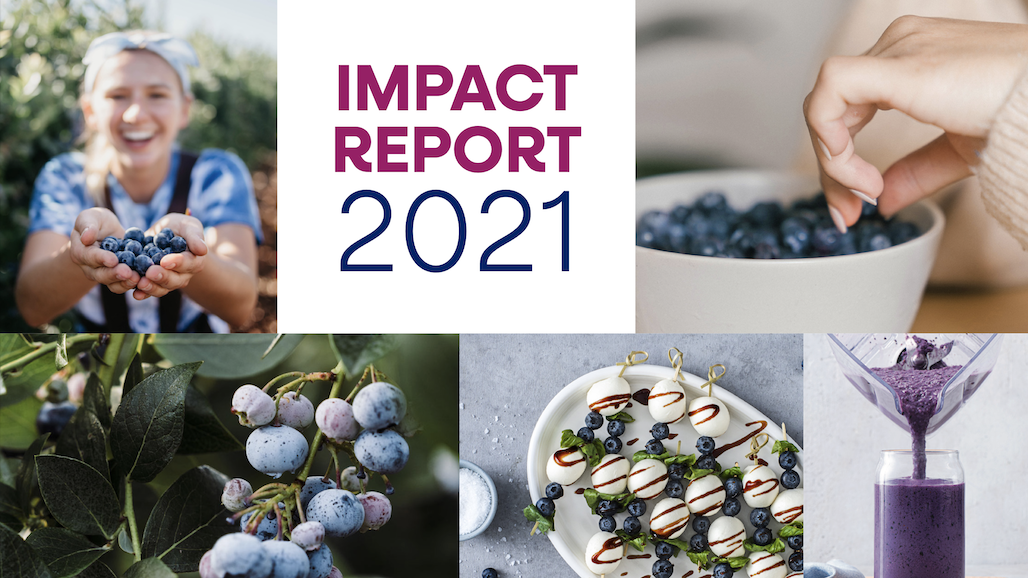
The U.S. Blueberry Council (USHBC) has released its 2021 Impact Report that details last year’s efforts across all program areas in working toward the USHBC’s vision to make blueberries the world’s favorite fruit.
Guided by the 2021-2025 strategic plan, USHBC recaps 2021 progress and achievements in consumer promotions, health research, foodservice, industry relations, export and food manufacturing, and annual meetings taking place in the spring and fall. An overview of the organization, its committees, staff and financials is also included.
“Last year marked a pivotal point in time for our organization in our journey to drive the next ‘blue wave’ of growth and innovation in the blueberry industry,” said USHBC President Kasey Cronquist. “We launched Grab a Boost of Blue, our inspirational consumer call to action that’s resonating with shoppers and retailers, and being championed by industry marketers and stakeholders. Data and insights took center stage thanks to a host of new resources in our data center. And most importantly, the blueberry industry overwhelmingly recommitted to the USHBC with the passage of a referendum supporting the council’s work. With stakeholder support and involvement, we’ll continue to inspire possibilities and drive demand for our blueberry industry.”
USHBC’s strategic plan, also developed in 2021, addresses the organization’s pillars of focus and the long-term tactics being implemented to drive domestic household penetration and demand for blueberries worldwide. View the full report HERE.
About the U.S. Highbush Blueberry Council
Established in 2000, The U.S. Highbush Blueberry Council (USHBC) is a federal agriculture research and promotion program with independent oversight from the United States Department of Agriculture (USDA). USHBC represents blueberry growers and packers in North and South America who market their blueberries in the United States and overseas, and works to promote the growth and well-being of the entire blueberry industry. USHBC was established by blueberry growers and currently has 2,500 growers, packers and importers. USHBC is committed to providing blueberries that are grown, harvested, packed and shipped in clean, safe environments. Learn more at ushbc.org.