Category: Non-Video

  • Jacob Villagomez Hired as CA Citrus Mutual Director of State Governmental Affairs

    Jacob Villagomez Hired as CA Citrus Mutual Director of State Governmental Affairs

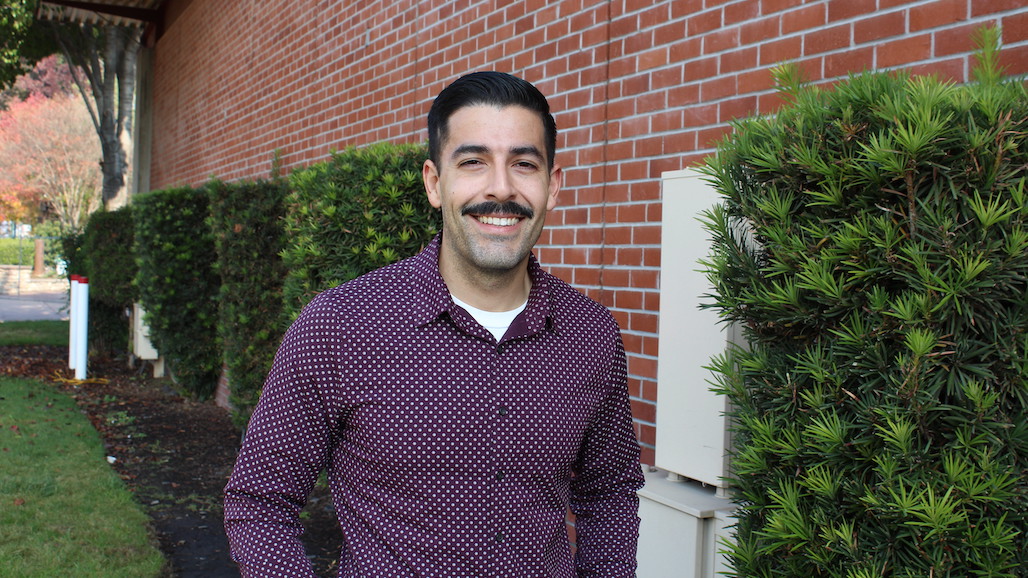
    California Citrus Mutual (CCM) is proud to announce we have hired Jacob Villagomez as the new Director of State Governmental Affairs. He comes to us from the State Senate, where he previously served as the District Director for Senator Melissa Hurtado.

    In his new role, Jacob will advocate on behalf of California’s citrus growers in the State legislature and within administrative and regulatory agencies.

    “I am extremely excited to add another talented member to the CCM team,” stated President/CEO Casey Creamer. “Jacob’s time as a legislative staffer will add valuable experience and perspective to the organization as we deal with significant concerns related to water, pest management, labor, and the overall cost of doing business in California. As a son of citrus farmers in the Sanger area, he has a vested interest in our success and a strong passion to bring positive change for the industry.”

    Jacob attended California State University, Fresno where he graduated Magna Cum Laude with a Bachelor of Arts in Political Science. He is also an alumnus of the Kenneth L. Maddy Institute’s Legislative Scholars program and a graduate of the Fresno County Farm Bureau’s Future Advocates Concerned About Tomorrow (FAACT) program.

    About California Citrus Mutual (CCM)

    CCM is a voluntary, non-profit trade association representing CA citrus growers on the economic, regulatory, and political issues that impact them most.

  • Citrus Growers Welcome Rain and Anticipated Cold Weather

    Citrus Growers Welcome Rain and Anticipated Cold Weather

    As rain and expected cold weather sweep through the citrus belt of California, growers are looking forward to the positive effects that this weather is bringing.

    Water and the current drought top growers’ concerns and the needed rain will have positive effects on the water supply and improve fruit size and quality.

    Following today’s rain, temperatures are expected to drop to freezing and below. As currently forecasted, the sub-freezing temperatures will be a benefit to the crop. The colder temperatures will help send trees into dormancy as well as helping to improve coloring and overall quality.

    California Citrus Mutual employs weather stations up and down the citrus belt and provides citrus-specific forecasts to help members anticipate weather issues. Growers will be monitoring conditions closely over the weekend and will be prepared to run water or turn on wind machines to alleviate any negative effects of the lower temperature.

    About California Citrus Mutual

    CCM is a voluntary, non-profit trade association representing CA citrus growers on the economic, regulatory, and political issues that impact them most.

  • HLB Quarantine Expansion Connects Boundaries in Jurupa Valley and Riverside Areas

    HLB Quarantine Expansion Connects Boundaries in Jurupa Valley and Riverside Areas

    Effective Dec. 6, 2021, the California Department of Food and Agriculture (CDFA) has expanded the Huanglongbing (HLB) quarantine boundaries in Riverside and San Bernardino counties in the Jurupa Valley and Riverside areas to create one quarantine area, connecting parts of Orange, Los Angeles, Riverside and San Bernardino counties. A map of the boundary expansion can be found below and at https://www.cdfa.ca.gov/plant/hlb/regulation.html#maps.

    Additionally, effective Dec. 6, 2021, CDFA is expanding the Asian citrus psyllid bulk citrus quarantine zone 6 in Riverside and San Bernardino counties to reflect the HLB boundary expansion. A map of the proposed new boundaries can be found at https://www.cdfa.ca.gov/citrus/pests_diseases/acp/regulation.html.

    For any questions regarding the regulations or quarantine area, please email Karina Chu at Karina.Chu@cdfa.ca.gov or call 916-274-6300.

  • NIFA Invests Nearly $11M to Combat & Prevent Citrus Greening Disease

    NIFA Invests Nearly $11M to Combat & Prevent Citrus Greening Disease

    The U.S. Department of Agriculture’s (USDA) National Institute of Food and Agriculture (NIFA) announced an investment of nearly $11 million for research to combat Huanglongbing (HLB), commonly known as citrus greening disease. HLB, caused by an insect bacterium, is the most severe threat to global citrus production.

    “NIFA’s Emergency Citrus Disease Research and Extension program brings the nation’s top scientists together with citrus industry representatives to find scientifically sound solutions to combat and prevent HLB at the farm-level,” said NIFA Director Dr. Carrie Castille. “This year’s awards represent all three major U.S. citrus growing regions and include possible solutions ranging from blocking HLB transmission from inside the insect vector to utilizing novel anti-microbial peptides to treat HLB-infected trees.”

    The fiscal year 2021 five funded Emergency Citrus Disease Research and Extension projects include:


    • Texas A&M AgriLife Research will leverage public-private partnerships between state agencies, universities, USDA’s Agricultural Research Service, and the citrus industry to pursue advanced testing and commercialization of promising HLB therapies and extend outcomes to stakeholders. ($7,000,000)
    • University of California, Riverside will build on previous work and evaluate the performance of 300 hybrid citrus trees in established trials to map HLB tolerance/resistance genes and release superior new rootstocks. ($1,499,998)
    • University of Florida seeks to develop a bacterial pathogen transmission blocking strategy (specifically to block Candidatus Liberibacter asiaticus, the pathogen that causes HLB) toward mitigation of citrus greening-related losses in an integrated pest management framework. ($1,020,810)
    • University of Florida’s project will support the needs of both commercial and residential citrus growers by comparing new tools to support young trees and develop management recommendations for the incorporation of each tool into production and residential settings. ($750,000)
    • University of Florida aims to introduce and transfer the natural HLB resistance present in Australian limes into conventional citrus to produce HLB-resistant Australian lime hybrid rootstocks and deploy these hybrids to protect susceptible citrus scions against HLB. ($500,000)

    Background: Huanglongbing (HLB) is considered the most destructive disease in citrus growing regions worldwide and has become the greatest challenge for the U.S. citrus industry. Currently, HLB has no cure.  Since HLB’s initial U.S. detection in 2005, citrus acreage and production in Florida has decreased by 60 percent and 80 percent, respectively. The disease has spread to all citrus-producing states, including Texas and California. Although citrus greening is a serious threat to the citrus industry worldwide, significant progress has been made to coordinate a multipronged approach for citrus greening management and suppression of the Asian citrus psyllid, an insect that carries and spreads HLB, through expanding partnerships with USDA’s Animal and Plant Health Inspection Service, states, universities, and private partners.  Learn more about HLB.

    Asian Citrus Psyllid, the insect responsible for the spread of the citrus-killing disease HLB

    NIFA invests in and advances agricultural research, education, and Extension across the nation to make transformative discoveries that solve societal challenges. NIFA supports initiatives that ensure the long-term viability of agriculture and applies an integrated approach to ensure that groundbreaking discoveries in agriculture-related sciences and technologies reach the people who can put them into practice. In FY2020, NIFA’s total investment was $1.95 billion.

    Visit our website: www.nifa.usda.gov; Twitter: @USDA_NIFA; LinkedIn: USDA-NIFA.

  • UCR Seeking CA Avocado Grower Cooperators

    UCR Seeking CA Avocado Grower Cooperators

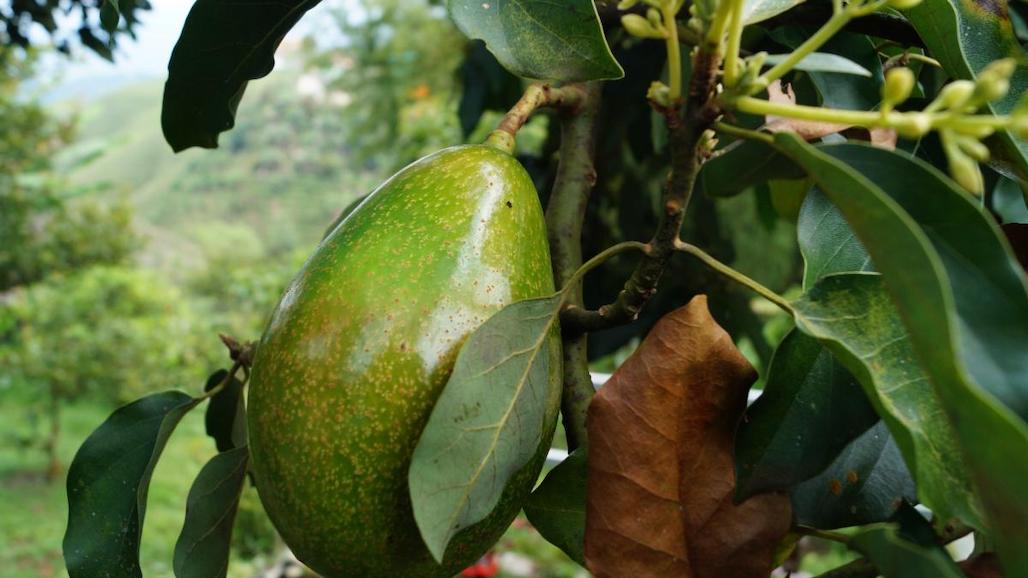
    The University of California Riverside Avocado Rootstock Program is seeking for grower cooperators interested on participating and testing the new soon to be released UCR avocado rootstocks selections in Spring 2022!

    UCR Rootstocks selections have been chosen by their performance under Phytophthora root rot high incidence, alkalinity, heat, and salinity tolerance. We are seeking growers in California to stablish two rootstock x scion field trials: i) 576 trees corresponding to Dusa, Toro Canyon, Stedoom, PP35, PP40, and PP80 UCR rootstocks grafted with Hass, Gem, Lamb_Hass, and Reed (24 trees/rootstock x scion combination); and ii) 600 trees corresponding to Dusa, PP35, PP40, and PP80 UCR rootstocks grafted with Hass, Gem, and Lamb_Hass (50 trees/ rootstock x scion combination). PP35, PP40, and PP80 are rootstocks with Phytophthora root rot resistance and exhibited good performance (tree health and yield) under high salinity and heat conditions.

    Selection Criteria

    In order to test our rootstocks under the best conditions, we would like that our cooperators meet the followings:

    • Willing to have a long-time commitment for the research trial (10 years) in order to acquire the data required for release.
    • Sites will be selected based on the diverse challenges your orchard has: Phytophthora root rot (PRR), salinity, and high alkalinity. Soil structure will be also considered especially for soils with low drainage and high saturation.
    • Harvesting will be done in coordination with our research team and we would need that the grower provide assistance during the harvesting process. We also would prefer single stripping harvest.
    • It is required that the field sites for the new experimental trials need them to be established in single growth areas and not between growers already existing avocado trees (not inter raw planting).
    • Finally, we will require to have open access to the gates of the field where our material will be evaluated for our quarterly visits

    If you are interested in being part of our rootstock evaluation, please contact Patricia Manosalva at patricia.manosalva@ucr.edu.

  • New Digital Campaign Kick-starts Pomegranate Season, Showcasing POM Wonderful Pomegranate Fresh Arils as “Insta-Antioxidants”

    New Digital Campaign Kick-starts Pomegranate Season, Showcasing POM Wonderful Pomegranate Fresh Arils as “Insta-Antioxidants”

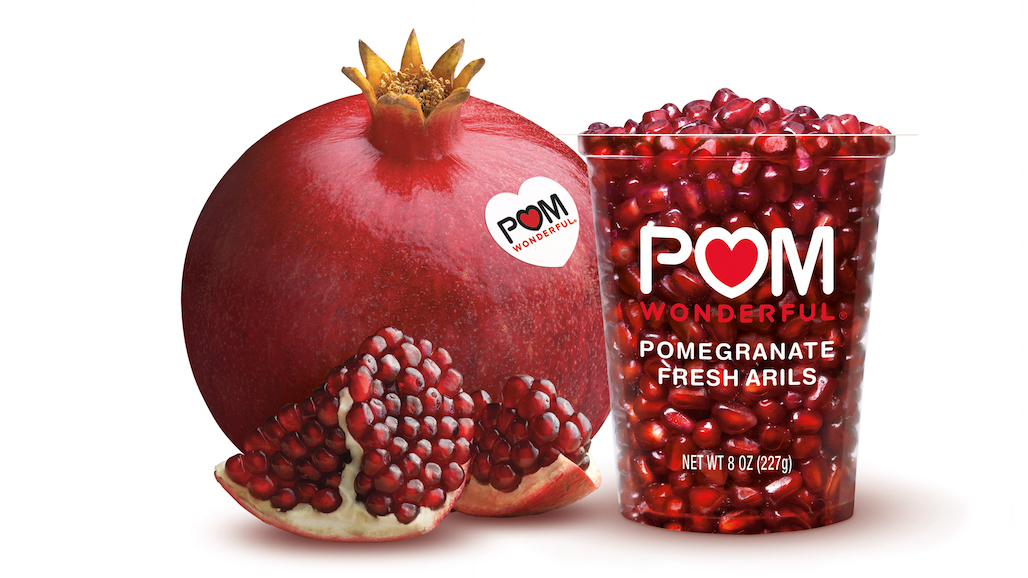
    POM Wonderful, the largest grower and producer of fresh pomegranates and pomegranate juice in the U.S., is kicking off the 2021 California pomegranate season with its largest digital marketing campaign ever to raise brand awareness and continue to drive category growth. Unveiled in the campaign is new branding for POM Wonderful Pomegranate Fresh Arils, the No. 1 aril brand in total sales, brand awareness, and velocity in the U.S.

    Previously known as POM POMS, the new branding and packaging coupled with the digital campaign helps to reinforce the connection for consumers that POM Wonderful Pomegranate Fresh Arils are sourced straight from POM Wonderful pomegranates, making it easy to enjoy pomegranate arils as a snack or to elevate a variety of dishes, especially during the holidays.

    The digital campaign, part of a multi-million-dollar marketing investment, includes >$1MM in new digital marketing. The efforts consist of two brand-new epicurean and antioxidant campaigns, highlighting POM Wonderful Pomegranate Fresh Arils as the easy way to enjoy pomegranates. With just a snap of a finger, getting antioxidants is easier than ever with POM Wonderful Pomegranate Fresh Arils. Through the “Insta-Antioxidants” digital campaign, a whole POM Wonderful pomegranate is harvested at peak freshness and quickly transformed into a POM Pomegranate Arils cup, then directly into a kitchen creation, showing the ease with which consumers can enjoy POM Pomegranate Arils.

    “We are thrilled to kick off our 2021 season with new branding supported by our biggest digital marketing campaign, showcasing the ease of enjoying antioxidants with POM Wonderful Pomegranate Fresh Arils,” said Stacey Anker, director of marketing, POM Wonderful. “With the holidays approaching, we hope to inspire consumers to use POM Arils in their holiday spreads to add the perfect pop of ruby-red color and antioxidant goodness.”

    The POM Wonderful Pomegranate Fresh Arils epicurean campaign will focus on delicious recipes that include strong pomegranate flavors. From appetizers to desserts and cocktails, consumers will be inspired to use POM Wonderful Pomegranate Fresh Arils in their favorite dishes this holiday season. New recipes will be posted on the POM Wonderful social media accounts, as well as the POM Wonderful website.

    “As the No 1. arils brand sold nationwide, we are excited to see POM drive category growth and raise consumer awareness for snacking and epicurean uses of fresh pomegranates,” said Adam Cooper, senior vice president of marketing, The Wonderful Company. “With the “Insta-Antioxidant” campaign, we hope to showcase how quickly and easily consumers can enjoy pomegranate arils, while also benefiting from the antioxidant power of POM.”

    The campaign was created by The Wonderful Company’s in-house creative team, Wonderful Agency, and includes digital advertisements on Facebook, Instagram, Pinterest and Snapchat,”as well as shopper marketing, consumer public relations, new POS materials, and a November FSI.

    About POM Wonderful

    POM Wonderful is the largest grower and producer of fresh pomegranates and pomegranate juice in the United States as well as the worldwide leader in fresh California pomegranates and pomegranate-based products including our 100% pomegranate juices, healthy juice blends, and teas. We grow, handpick, and juice our own pomegranates to ensure the highest quality. POM Wonderful is part of The Wonderful Company, a privately held $5 billion company, which also has other No. 1 brands such as Wonderful® Pistachios, FIJI® Water, Wonderful® Halos®, JUSTIN® Wine, and Teleflora®. To learn more about The Wonderful Company, visit www.wonderful.com, or follow us on Facebook, Twitter, and Instagram. To view the current Corporate Social Responsibility report, visit www.wonderful.com/csr.
  • CDFA Seeking New Grower Representative and Public Member for the Citrus Pest & Disease Prevention Committee

    CDFA Seeking New Grower Representative and Public Member for the Citrus Pest & Disease Prevention Committee

    The California Department of Food and Agriculture (CDFA) is announcing two vacancies on the Citrus Pest and Disease Prevention Committee. The committee advises the CDFA Secretary on activities associated with the statewide citrus specific pest and disease work plan that includes, but is not limited to, outreach and education programs and programs for surveying, detecting, analyzing, and treating pests and diseases specific to citrus.

    Committee member vacancies exists for one grower representative from Fresno County, the member term expires on September 30, 2022, and one public member, the member term expires on September 30, 2025. Individuals interested in being considered for a committee appointment should send a resume by November 15, 2021.

    The members receive no compensation but are entitled to payment of necessary travel expenses in accordance with the rules of the Department of Personnel Administration.

    Applicants should have an interest in agriculture and citrus pest and disease prevention. Individuals interested in being considered for a committee appointment should send a brief resume by November 15, 2021 to the California Department of Food and Agriculture, Citrus Pest and Disease Prevention Division, 1220 N Street, Sacramento, California 95814, Attention: David Gutierrez.

    For additional information, contact: David Gutierrez, Branch Chief, Citrus Pest and Disease Prevention Division at (916) 274-6300, or e-mail David.Gutierrez@cdfa.ca.gov— Citrus Pest & Disease Prevention Program
  • New Resource for Small Olive Oil Farmers in California

    New Resource for Small Olive Oil Farmers in California

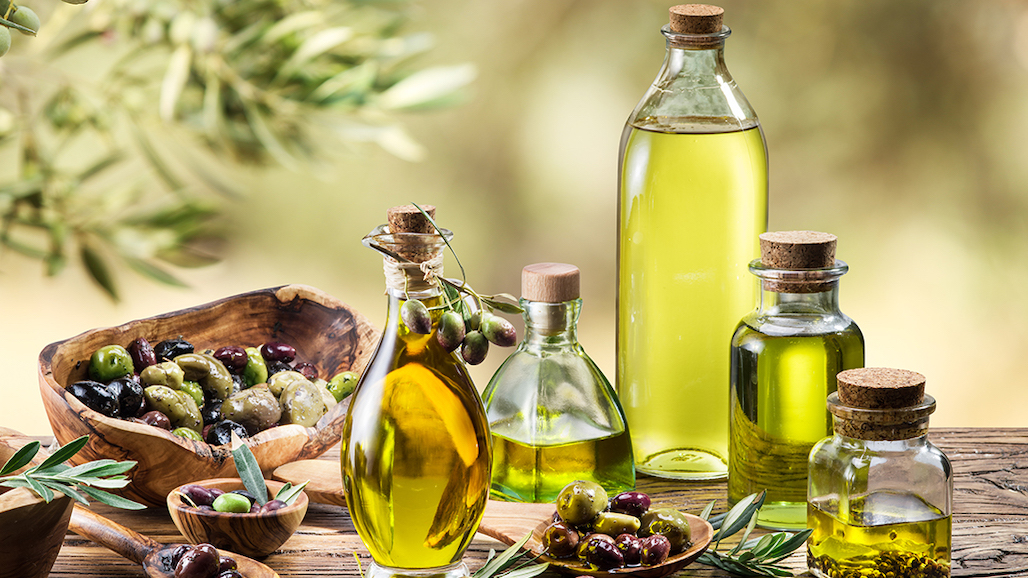
    A new resource for small olive oil farmers and producers who want to know more about voluntary Olive Oil Commission of California (OOCC) membership is now available on the OOCC website. While OOCC membership is not required for producers of less than 5,000 gallons of olive oil per year, they may choose to participate in the OOCC’s mandatory sampling and testing program on a voluntary basis.

    A few years ago, the OOCC Board created a voluntary version of the OOCC’s mandatory sampling and testing program to make it more accessible and affordable for smaller producers. The program is available to any California olive oil producer committed to high quality standards for their product and who wishes to have this quality verified by the California Department of Food and Agriculture (CDFA). 

    This OOCC program is only for 100 percent California olive oil. The benefits to members include: 

    OOCC member olive oil is analyzed by a credible, independent laboratory to ensure it meets stringent standards for quality and purity;

    Samples are collected and verified by the California Department of Food and Agriculture;

    Members who meet the stringent CDFA standards are allowed to use the OOCC logo on their packaging and marketing materials;

    A list of OOCC Members in Good Standing, which includes voluntary members, is maintained and published each year; 

    The information packet is available HERE and includes more details about the OOCC program Members in Good Standing and other useful resources to help you make an informed decision. Should you have questions or need additional information, please contact OOCC Executive Director Chris Zanobini by email at chris@agamisi.com or phone at (916) 441-1581.

  • Blueberry Council Details Plan Empowering Industry to ‘Make Blueberries the World’s Favorite Fruit’

    Blueberry Council Details Plan Empowering Industry to ‘Make Blueberries the World’s Favorite Fruit’

    The U.S. Highbush Blueberry Council (USHBC) today announced details around its recently approved 2021-2025 strategic plan, which charts an ambitious course to exponentially grow the volume and value of blueberries domestically and across the globe. The comprehensive plan explains how USHBC will lead demand-driving programs based on shared resources, research and insights that inspire possibilities and sustain the profitable growth of the blueberry industry – ultimately uniting industry stakeholders to work together toward making blueberries the world’s favorite fruit.

    USHBC collects approximately $10 million in assessment dollars from growers and importers of record annually, and the strategic plan addresses how the council will invest that funding to fuel increased blueberry demand and consumption. The plan includes expanded, measurable programmatic goals and tactics for five strategic pillars: integrated marketing communications, health and nutrition, industry services, global business development, and innovation and technology. The health and nutrition pillar will be driven by USHBC’s newly hired first-ever senior director of nutrition and health research, Leslie Wada, Ph.D., RD.

    “Our 2021-2025 strategic plan is the culmination of more input from blueberry industry leaders and strategic partners than ever before, discussed and distilled for over the better part of a year, to create a bold blueprint to boost blueberries worldwide,” said Kasey Cronquist, president of USHBC. “Our intent is that this plan and its guiding vision will positively impact the future beyond the next five years to hopefully the next decade or two of the blueberry industry.”

    USHBC embarked on the strategic plan development in partnership with Rockland Dutton Research & Consulting, drawing on highly relevant experience working with the National Mango Board, World Bank, Beef Checkoff, Hass Avocado Board and more. The work was the most robust planning process in the USHBC’s history, with significant internal and external input from approximately 50 interviews of board members and industry leaders, a survey of 193 industry stakeholders, and discussions with the entire USHBC staff and all partner agencies.

    “We’ve come a long way as a blueberry industry since the USHBC was established 20 years ago, and our exciting, forward-looking vision sets the stage for the next era of growth,” said Shelly Hartmann, chair of USHBC. “I’m proud to have a leading role as we begin to execute our new, unifying strategy to increase demand for blueberries, while strengthening and supporting our growers and stakeholders.”

    As the premier organization completely focused on growing the volume of blueberries sold in the U.S. and around the world, USHBC has driven demand for blueberries through comprehensive consumer promotional efforts and programming in retail, foodservice, export and food manufacturing. In 2019, 49% of U.S. households purchased blueberries — a 25% increase in annual household penetration over the previous six years. Blueberries are now on one in four menus, with 93% more restaurants offering blueberries than in 2005. And, 76% of food manufacturer respondents reported using blueberries in their company’s manufactured products — higher than any other berry.

    USHBC was established in 2000 as an official research and promotion program overseen by USDA’s Agricultural Marketing Services (AMS) division. It’s governed by a 20-member board that periodically adopts strategic plans to guide short- and long-term budget and program decisions.

    To view the 2021-2025 Strategic Plan, visit ushbc.org/about-ushbc.

    About the U.S. Highbush Blueberry Council

    Established in 2000, The U.S. Highbush Blueberry Council (USHBC) is a federal agriculture research and promotion program with independent oversight from the United States Department of Agriculture (USDA). USHBC represents blueberry growers and packers in North and South America who market their blueberries in the United States and overseas, and works to promote the growth and well-being of the entire blueberry industry. USHBC was established by blueberry growers and currently has 2,500 growers, packers and importers. USHBC is committed to providing blueberries that are grown, harvested, packed and shipped in clean, safe environments. Learn more at ushbc.org.

  • CA Farmland Trust Closes 35th Merced County Easement, Owned by Bowles Farming Co

    California Farmland Trust (CFT) is proud to announce the permanent protection of 327 acres of farmland two miles east of Los Banos, California. Farmed and owned by Bowles Farming Company, the addition of the Lone Tree Ranch agricultural conservation easement (ACE) exceeds 17,000 acres of total farmland protected by CFT.

    Bowles Farming Company is a 160-year-old family farm, with agricultural roots stemming back to the mid-1800s. What started as a cattle and meat processing operation, has since vertically integrated into organic and conventional vegetable and fruit operations. The newly protected property is home to various irrigated field crops.

    “California is the right place to grow so many healthy and nutritious crops, and the loss of California farms is a real problem,” said Cannon Michael, president and CEO of Bowles Farming Company. “With our family’s long legacy in farming, we wanted to see this land preserved and not converted to development like so much of the valley’s farmland.”

    The farm involves the sixth generation of the Bowles and Lawrence families, making the desire to protect the historical land even greater. Putting these fields under an easement ensures their farming footprint will be available and secure for years to come.

    “These subset fields under Bowles Farming Company are unique and valuable, in that they contain high quality soils, reliable water sources, produce high-yielding diversified crops, and incorporate practices which help sequester carbon to offset carbon impacts,” said Chelsea Slaton, conservation director at CFT. “With the growth pressure from the City of Los Banos, the protection of this property signifies the importance of productive farmland protection in order to store carbon and sustain the economy in an area designated by the state as a priority population.”

    Funds for this project were made available through the California Strategic Growth Council’s (SGC) Sustainable Agricultural Lands Conservation Program (SALC), in collaboration with the Department of Conservation (DOC). SALC is part of California Climate Investments, a statewide program that puts billions of Cap-and-Trade dollars to work reducing greenhouse gas emissions, strengthening the economy, and improving public health and the environment – particular in disadvantaged communities.

    “This farm has been cared for by two Californian families for over 150 years, and we are thrilled to see the SALC program contribute to its permanent conservation,” said Lynn von Koch-Liebert, executive director at SGC. “Congratulations to the Bowles and Lawrence families and the California Farmland Trust on the easement of this landmark property, which is home to numerous ecological and cultural treasures.”

    CFT has worked to permanently protect farmland throughout six counties, with the majority of its ACEs located in Merced County. This property adds to that extensive portfolio in Merced County, where CFT now holds 35 ACEs, with 11,416 acres protected.