Category: Non-Video

  • Detection of Citrus Disease (HLB) in San Diego County Establishes New Quarantine Area

    Detection of Citrus Disease (HLB) in San Diego County Establishes New Quarantine Area

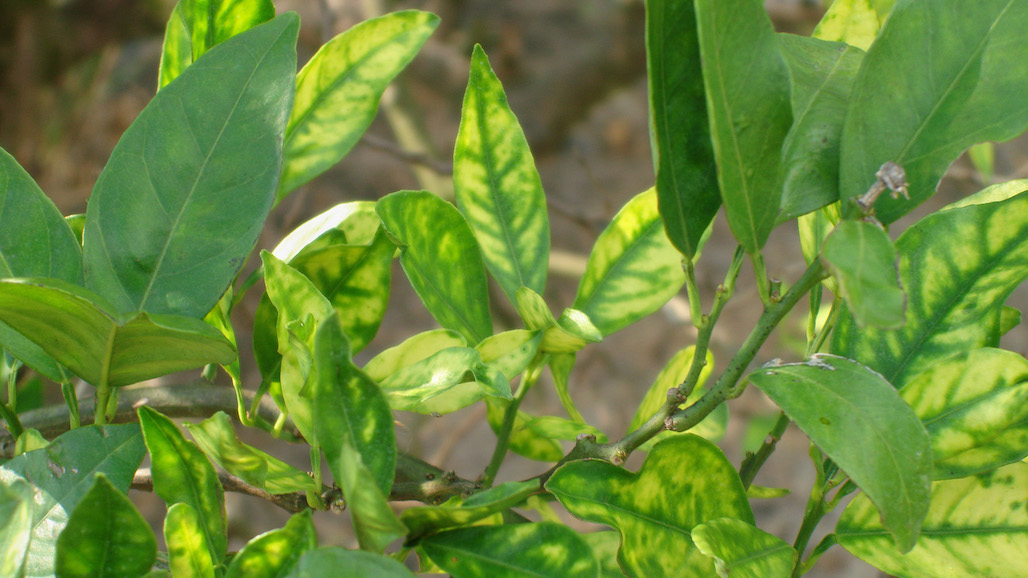
    The California Department of Food and Agriculture (CDFA) has declared a quarantine in north San Diego County following the detection of the citrus disease Huanglongbing (HLB), or citrus greening, in two citrus trees on one residential property in the city of Oceanside. This is the first time the plant disease, which does not harm people but is deadly to citrus, has been detected in San Diego County. CDFA is working with the United States Department of Agriculture (USDA) and the San Diego County Agricultural Commissioner on this cooperative project.

    The detection will require a mandatory 68-square-mile quarantine area around the find site to restrict the movement of citrus fruit, trees and related plant material. The quarantine area is bordered on the north by Stagecoach at Camp Pendleton; on the south by Tamarack Ave in Carlsbad; on the west by the Pacific Ocean; and on the east by North Santa Fe in Vista. HLB quarantine maps for San Diego County are available online at: https://www.cdfa.ca.gov/plant/hlb/regulation.html. Please check this link for future quarantine expansions, should they occur. An HLB quarantine area currently exists in parts of Orange, Los Angeles, Riverside and San Bernardino counties, where more than 2,400 trees have tested positive for the disease and have been removed.

    The quarantine prohibits the movement of all citrus nursery stock or plant parts out of the quarantine area. Provisions exist to allow the movement of commercially cleaned and packed citrus fruit. Fruit that is not commercially cleaned and packed must not be moved from the property on which it is grown, although it may be processed and/or consumed on the premises. This includes residential citrus, such as oranges, lemons, grapefruit and kumquats.

    Residents are urged to take several steps to help protect citrus trees:

    – Do not move citrus plants, leaves or foliage into or out of the quarantine area or across state or international borders. Keep it local.
    – Cooperate with agricultural officials placing traps, inspecting trees and treating for the pest.
    – If you no longer wish to care for your citrus tree, consider removing it so it does not become a host to the pest and disease.

    HLB is a bacterial disease that affects the vascular system of citrus trees and plants. It does not pose a threat to humans or animals. The Asian citrus psyllid can spread the bacteria as the pest feeds on citrus trees and plants. Once a tree is infected, there is no cure; the tree will produce bitter and misshaped fruit and die within a few years.

    CDFA staff are scheduling removal of the infected trees and are in the midst of surveying citrus trees in a 250-meter radius around the detection site to determine if any other trees are infected with HLB. A treatment program for citrus trees to reduce Asian citrus psyllid infestations will also be conducted within 250-meter radius of the find site. By taking this action, a critical reservoir of the disease and its vectors will be removed, which is essential to protect surrounding citrus from this deadly disease.

    CDFA, in partnership with the USDA, local County Agricultural Commissioners, and the citrus industry, continues to pursue a strategy of controlling the spread of the Asian citrus psyllid while researchers work to find a cure for the disease.

  • Washington Issues Rules to Protect Farm Workers from Wildfire Smoke

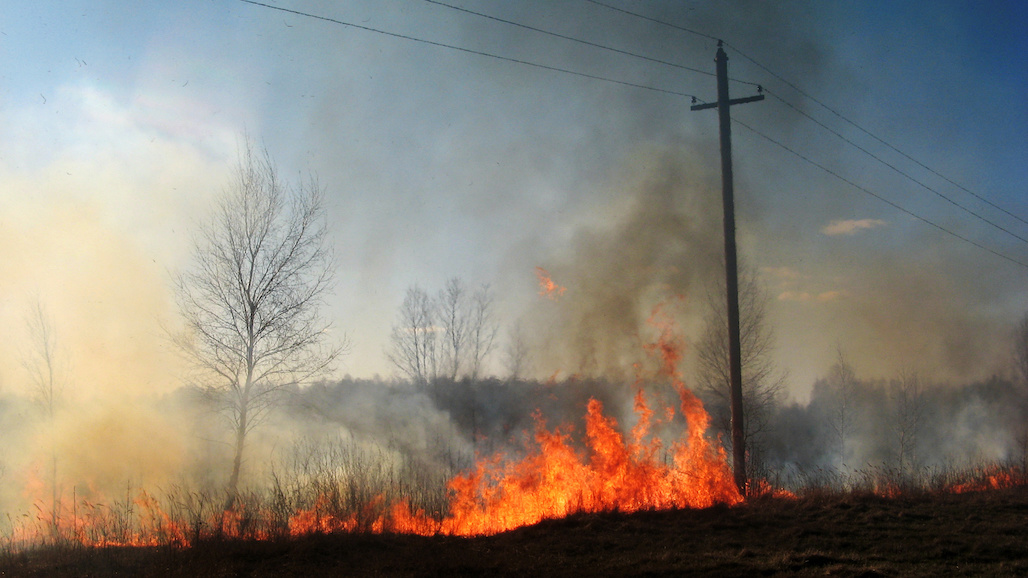
    Washington is under a state of emergency, with more than 600 wildfires reported already this year. That’s about double the normal rate, according to the state Department of Natural Resources. Where there’s fire, there’s smoke that can expose outdoor workers in construction, agriculture, and other jobs to health risks from breathing particulate matter in the air.

    To help these and other workers, the Department of Labor & Industries (L&I) filed emergency rules today to help protect employees exposed to wildfire smoke. Washington is just the second state to issue regulations regarding workers and wildfire smoke. California was the first, adopting its rules in 2019.

    “This wildfire season is shaping up to be even worse than last year,” said L&I Director Joel Sacks. “We’re establishing these emergency rules to protect employees who have to work outside, breathing in smoky air all day long.”

    Smoke from wildfires contains chemicals, gases, and fine particles that can harm health. The most concerning hazard is associated with the smallest particles, or Particulate Matter (PM), that are less than 2.5 micrometers (PM 2.5). These particles can get deep into the lungs, worsening existing health conditions like asthma, negatively impacting heart health, and increasing the risk of death.

    The new wildfire smoke rules spell out to employers how to identify harmful smoke exposure risks and when to notify their workers. They also require employers to:

    • Train employees and supervisors about wildfire smoke;
    • Ensure employees showing symptoms of wildfire smoke exposure are monitored and receive medical care when necessary; and,
    • Take actions to eliminate or reduce exposures to wildfire smoke where feasible, when levels of particulate matter are high.

    The rule sets the standard for dangerously poor air quality at PM 2.5 concentrations of 55.5 micrograms per cubic meter (μg/m3) or an Air Quality Index (AQI) of 151.

    Measures to eliminate or reduce worker exposure may include:

    • Moving work to enclosed buildings, structures, or vehicles where the air is adequately filtered;
    • Moving employees to areas with lower smoke exposure;
    • Reducing work intensity;
    • Providing additional rest periods; and,
    • Providing employees with respirators, such as an N95 or a KN95 disposal mask at no cost for voluntary use when levels of particulate matter are high.

    Although not required, L&I also recommends employers take action to reduce employee exposure to dangerous air at even lower levels of particulate matter, especially for sensitive groups with asthma or other lung conditions.

    Monitoring air quality
    The emergency wildfire smoke rules include several ways employers can check PM 2.5 levels. They can check sites including the EPA’s AirNow website or state Department of Ecology’s Air Monitoring Network and download mobile apps like “EPA AirNow” or “Air Quality WA.” They can also purchase equipment to check it themselves.

    What’s next
    The emergency rules are in effect immediately (July 16, 2021); employers will be given a brief grace period before enforcement begins.  
    L&I gathered stakeholder input and referenced California’s regulations to develop the emergency wildfire smoke rules. L&I will announce opportunities to provide input on permanent rules in the coming months.

  • New Ag One President Brings over 30 years’ Experience to Fresno State

    Jim Razor had little inkling how much the key agronomic principles he learned 30 years ago in his Fresno State classes on weeds and vegetable crops would serve him every day.

    After he graduated with a plant science degree in 1990, he began a career as a pest control adviser and is now vice president for J.G. Boswell Company, an internationally-respected agricultural company.

    The newly-appointed Ag One Foundation president currently oversees processing facilities for two of Boswell’s premier products, tomatoes and pima cotton, as well as an edible oil mill, planting seed cleaning and packaging facility. He also manages areas that involve logistics, safety, risk management, workers compensation and environmental affairs.

    “I was fortunate to have wonderful instructors like Dr. (Mahlon) Hile, Dr. (Gary) Ritenour and Dean (Dennis) Nef,” Razor said. “They gave me an incredible mix of agricultural perspectives that range from the fields to economics. My job today is always changing, and the innovation, organization and ability to meet deadlines that I learned from my classes have served as a great foundation.”

    Born on a small farm near Exeter, Razor’s background mirrors many current students. He transferred from the College of the Sequoias to Fresno State as a junior and worked hard to graduate in three semesters. He took 23 units his final semester so he could find a job and support his young family.

    “We had to take out loans to support my education, and I had some scholarships, too,” Razor said. “Ag One’s role is so important to students, through its commitment to supporting scholarships and a wide network of industry ties and partnerships.”

    Razor and his company are also connected to the Jordan College of Agricultural Sciences and Technology at Fresno State through an endowed chair position in the Plant Science Department. Dr. Sharon Benes currently holds the position.

    Additionally, the J. G. Boswell Foundation established a permanent fund in memory of longtime company farm manager Dave Cosyns to support the University Agricultural Laboratory. Cosyns graduated from Fresno State in 1971 and was an accomplished farmer and industry member.

    The Boswell company and foundation, a founding member of the Pinnacle Society for campus philanthropists and supporters, has contributed more than $2 million to Fresno State.

    “It’s great to have so many special bonds with Fresno State,” Razor said. “Getting to meet with the faculty and students confirms that the college still has the same mission today. Nearly half of our agronomy team are Fresno State graduates, including two district managers, and I know they are well prepared for anything.”

    Ag One, which was founded in 1979, has raised nearly $26.7 million in endowed funds. In that span, about 4,800 students have been awarded over $7.6 million in scholarships and another $950,000 is projected in 2021-22.

    Razor’s first Ag One event in his new role is the annual Ag Boosters BBQ fundraiser, tentatively slated for Sunday, Sept. 12, at the Panoche Creek River Ranch.

    As president, Razor succeeds Annie Stuhr, who completed her one-year term on June 30. Other current Ag One Foundation board officers include:

    • Stanley Kjar, Jr., vice president (Fresno, Pearson Realty)
    • Roger Isom, treasurer (Fresno, California Cotton Ginners/Western Agricultural Processors Association)
    • Nick Biscay, secretary (Madera, Stanislaus Farm Supply)

    New members on the 23-person board of directors include:

    • Jason Baldwin (Kerman, Panoche Creek Packing)
    • Fendley Ragland (Fresno, PGIM Real Estate Agricultural Investments)

    For more information on the Ag One Foundation, its programs and upcoming events, contact 559.278.4266 or agone@csufresno.edu.

  • With Over 40,000 Vaccinations Administered, Efforts To Protect Farm Employees Continue

    With over 40,000 vaccinations administered to farm workers through the combined efforts of the Grower Shipper Association of Central California (GSA) and Clinica de Salud del Valle de Salinas (CSVS), this partnership has added smaller clinics for essential workers and will also provide vaccines to children and families of farm workers at farms and facilities.

    “Over the last five months, mass clinics effectively and efficiently provided thousands of farm workers with needed vaccinations,” says Christopher Valadez, GSA President. “But as we have reached this significant vaccination level, our efforts have evolved to smaller clinics which will vaccinate hundreds of farm workers at a time. These clinics will continue to be conducted in coordination with ag employers,” Valadez says.

    Recognizing the need to also protect the health of the families of farm workers, GSA and CSVS recently held vaccination clinics for children. The first clinics were conducted at CSVS in King City and Sierra Farms in Moss Landing.

    “We want to provide these clinics prior to schools re-opening in the fall so children over 12 can be vaccinated in a trusted place and at a time and location that is most convenient for parents,” Valadez says.

    GSA and CSVS conducted their first mass vaccination clinic on February 26. The mass vaccination clinics held at the Rodeo Grounds in Salinas and the Salinas Valley Fairgrounds in King City continue through July and have vaccinated several hundred to thousands of ag employees per clinic. These clinics received national attention for the volume of vaccinations administered and protection provided as essential workers returned for the harvest.

    “While we have made great progress in protecting farm workers from COVID-19, this is a persistent and evolving virus as evidenced by what we are seeing with the Delta variant,” Valadez says. “We must be diligent about onsite worker protection strategies, providing safe and comfortable quarantined housing options for those exposed or infected as well as giving essential employees easily accessible vaccines. The hard work must continue to ensure the health and safety of our region’s farm workers,” he adds.  — By Christopher Valadiez, Grower-Shipper Association President

  • Field Fresh Farms to Introduce Organic Baby Hemp Greens at PMA Foodservice

    Field Fresh Farms (fieldfreshproduce.com), a leading grower/shipper of conventional and organic produce, will be introducing its new baby hemp greens product at PMA Foodservice at booth 506 in Monterey, CA July 21-22.

    Available as a baby leaf offering and as an ingredient in leafy green mixes—to both foodservice and retail—this specialty, new-to-market salad green is packed with nutrients (including Omegas 3, 6 and 9, potassium and calcium) and features unique flavor profiles ranging from citrusy to earthy. Containing extremely minimal to no THC, baby hemp greens allow consumers to receive the exceptional health benefits of hemp without the effects of THC. This product is certified organic and will be marketed under the Beach Road Organics label.

    Grown by Field Fresh Farms’ fourth-generation, family-owned parent company Dobler & Sons in an exclusive growing partnership with Solare Ventures Inc. (solareventures.com), the licensee of various proprietary certified industrial hemp seeds, this new product has undergone extensive trials and testing to ensure it meets and exceeds USDA, FDA and California state regulatory guidelines. 

    “We look forward to introducing this new, healthful specialty green to our foodservice and retail customers. Even though this product contains no controlled substances, we conduct thorough THC testing of each crop to ensure we meet the rigorous FDA and USDA standards. Since this is such a new product, we look forward to educating customers and consumers about the benefits of this hemp-based edible green,” said Craig Dobler, owner of Dobler & Sons. “We believe the effort is worth it as this novel product is sure to catch the interest of chefs and consumers. It is also a sustainable crop that can be grown year-round on California’s Central Coast.”

    With a short crop cycle of 18 days from planting to harvest, and a long shelf life of over 17 days, baby hemp greens are an excellent transition and shoulder crop with production that can be quickly ramped-up to meet demand. 
    Product branding and retail packing is in development and will be unveiled later this year, while raw product is available now for foodservice and other producers. “In addition to being an excellent source of nutrients and complement to a variety of salad greens, we’re excited to see how chefs and consumers get creative with the unmistakable leaf shape, taste and texture,” Dobler concluded. 

    About Field Fresh Farms:
    Field Fresh Farms is a leading grower/shipper of sustainably grown conventional and organic produce. Headquartered in Watsonville on California’s Central Coast, the company provides top-quality head lettuce, arugula, romaine hearts, spinach, spring and Mega mixes, proprietary baby hemp greens, and other products to foodservice and retail customers across North America under the Field Fresh Farms and Beach Road Organics labels. They operate year-round in California and Arizona. Visit fieldfreshproduce.com or call (831) 722-1422 to learn more.

    About Dobler & Sons:
    Dobler & Sons is a fourth-generation grower and wholesaler of quality fresh produce. Founded in 1953 and based in California’s Central Coast, Dobler & Sons provides high-quality fresh vegetables including lettuce, arugula, spinach, spring mix, and proprietary baby hemp greens to foodservice customers and growing partners, year-round. Call (831) 722-3057 to learn more.

  • Third Edition of NMSU’s Extension Troublesome Weeds Publication Now Available

    Third Edition of NMSU’s Extension Troublesome Weeds Publication Now Available

    The third edition of a booklet to help identify noxious and invasive weeds in New Mexico is now available.
    “Noxious and Troublesome Weeds of New Mexico” provides information on about 67 plant species that are ranked in five categories – noxious weeds categories A, B and C, watch list, and troublesome weeds not included on the noxious weeds list.

    New Mexico State University’s College of Agricultural, Consumer and Environmental Sciences Cooperative Extension Service has published the third edition of this booklet in cooperation with the New Mexico Department of Agriculture, Bureau of Land Management, U.S. Forest Service, New Mexico Vegetation Management Association, U.S. Department of Agriculture and New Mexico State Highway and Transportation Department.

    “It has been more than a decade since the booklet was updated,” said Leslie Beck, NMSU Extension weed specialist. “We tried to include a wide spectrum of plants within different families so when people use the booklet, they will have a starting point for identification.”

    The booklet includes species common and scientific name with description of the plant, including its stems, leaves and flower appearances; various names it is known as; how it reproduces; and the do’s and don’ts for managing the plants.

    “The state map has been updated to indicate which counties each species is found,” Beck said. “Also we have included photos of each of the plants to help with the identification.”

    First published in 2006, and revised in 2010, “Troublesome Weeds of New Mexico” has been a popular tool for identifying the plants.

    “Since the last revision a lot of the species have shifted into new noxious weed categories, or the plant may have been taken off or added to the list,” Beck said.

    The 41 noxious species are divided into three categories in regards to how prevalent they are across the state from currently limited distribution, to severe infestation, to widespread.

    Six species that have the potential of becoming problematic are on the watch list.

    “This is the part of the publication that has changed the most,” Beck said. “More data is needed to determine if these species should be considered a problem. We ask people to document the location of these plants and contact appropriate authorities, such as their local county NMSU Extension offices or NMDA.”

    In addition to the noxious weed and watch list species, the 2021 edition includes 20 species that are considered troublesome weeds.

    “These are plants that have been commonly observed as invaders of multiple cropping systems, such as landscapes, gardens, agriculture, rangelands and pastures,” Beck said. “They may be native to the Southwest but commonly invade certain cropping systems as a weed.”

    This list does not include every plant species with the potential to negatively affect the state’s environment or economy.

    “These species were selected because they have frequently been sent to me for identification,” Beck said. “Some of them are a little bit more common than others.”

    The PDF version of the publication is available at https://aces.nmsu.edu/pubs/_circulars/CR698.pdf. A printed copy of the booklet, sized to fit in a back pocket, will be available soon. — By Jane Moorman, New Mexico State University

  • Fooditive Group Introduces New Dairy-Free Drink Crafted from Peas, that Tastes Like Milk

    Plant-based ingredient manufacturer Fooditive Group debuts a new drink product that will be directly available for sale to consumers in 2021. GoPeasy is a pea-based drink that correlates with the mission of the Dutch company to deliver healthy and affordable products for everyone.

    “While developing our portfolio, we noticed the growing demand for plant-based products that are both healthy and taste good. We are on a mission to make the world better; we do that by crafting a drink through the combination of understanding the milk formula and using Fooditive’s innovative products,” said Moayad Abushokhedim, food scientist and founder of Fooditive.

    Exciting flavours and a nutritional boost 

    GoPeasy is crafted from peas by embracing the taste and functionality of milk. The protein-rich drink does not contain any added sugar, it is low in fat and free of lactose. It has a natural plain taste, balanced with a rich mouthfeel. Packed with high nutritional value and a thirst-quenching taste, the product provides consumers a full sensory experience while on the go.

    The drink will be available in three mouth-watering flavors: original for the real taste of milk, lemon-strawberry for a refreshing twist and cherry-chocolate for an indulgent sensation.

    Towards upcycling and circular economy 

    Committed to its sustainability values, Fooditive supports upcycling. GoPeasy is sweetened by Fooditive’s natural sweetener which is made from third grade and side streams of apples and pears. A circular economy model is implemented in its production process as well. Most importantly, the product will come at a competitive price while ensuring high nutritional quality.

    Open call to join the GoPeasy journey 

    The company invites suppliers to join this exciting journey towards expanding its horizon to business-to-consumer model and the mission to deliver what consumers deserve. Fooditive is currently raising up to €6.5M for the year of 2021 to revolutionize the plant-based food business. The Fooditive fever is catching on and inspiring others along the way to think more about what they eat. To find out more about GoPeasy, visit the product’s website here: GoPeasy – Coming Soon 

    About Fooditive : In 2018, the plant-based ingredient manufacturer Fooditive was established in Rotterdam, the Netherlands. The company is committed to making healthy food affordable for all with its 100% natural ingredients. Since its launch, Fooditive has received several awards for its innovative ideas, sustainable approaches, and contributions to a circular economy, including being nominated for the Index Award 2021.

  • National Weather Service Issues Excessive Heat and Elevated Wildfire Danger Warnings

    National Weather Service Issues Excessive Heat and Elevated Wildfire Danger Warnings

    California Avocado Commission — The National Weather Service has issued excessive heat and elevated wildfire risk warnings in California this week beginning Tuesday, July 6 through Sunday, July 11. The conditions will pose a high risk for heat-related illnesses with possible record temperatures for the Antelope Valley area of Southern CA and brief critical fire weather conditions for the interior region. There also is a slight change of monsoonal thunderstorms and dry lightning from Wednesday through Sunday in the interior regions of Southern CA, most notably the mountain and desert areas.

    From Tuesday, July 6 through Thursday, July 8, the NWS notes there will be widespread highs of 95˚F – 105˚F in the inland valleys, mountains and deserts with warm overnight lows (about 70˚F) in the foothills and deserts. These conditions will pose a high risk of heat-related illnesses for those who work outdoors. During this same timeframe, humidities will lower to 5% – 15% and winds may gust from 25 – 45 mph during the afternoon and evening. The strongest gusts are predicted for the Antelope Valley and Santa Ynez Range. These high winds, low humidities and abnormally dry fuels will lead to elevated critical fire weather conditions over the mountains and interior valleys.

    From Friday, July 9 through Sunday, July 11, NSW predicts very hot conditions with temperatures ranging between 105˚F – 112˚F in the interior areas and Antelope Valley. Overnight lows will be in the mid to upper 70s in the deserts. Low humidities (5% – 15%) and gusty winds will continue the brief critical fire conditions in the mountains, deserts and inland valleys of this region.

    Employers should take special precautions to prevent heat-related illnesses from occurring. It’s important to provide ample water, provide shade and frequent rest breaks, and ensure supervisors and employees are aware of heat illness symptoms and those that require immediate medical attention. For more information, read “Reduce heat illness risk for employees” on the California avocado growers website.

    To ensure California avocados maintain their superior quality it is imperative growers manage their trees and harvest their fruit according to best management practices as outlined below.

    IRRIGATION
    Growers should be irrigating their trees now, in advance of the heat, to ensure their trees are fully hydrated. It is recommended that an additional 50% of the budgeted amount of water be applied the day before a heat wave. For extended heat waves, daily pulses of irrigation are recommended to maintain the trees’ water status. A well-watered tree will tolerate the stress of a heat wave much better than a tree that is suffering from water stress. Signs of heat damage to trees include fruit drop, shoot damage, leaf burn and in severe cases leaf drop.

    HARVESTING

    Every attempt should be made to harvest fruit when temperatures are below 90 °F, and no harvesting should take place when temperatures exceed 95 °F. Temperature in the shade should be monitored during harvesting and, when possible, harvesting crews should be moved to the coolest, least exposed areas of the grove.

    Field bins should be placed under the trees while being filled to protect the harvested fruit from sunburn. Once filled, bins should be moved to a shade structure (open-sided roofed building), or covered with bin covers or light-colored tarps if they cannot be immediately transported to the packinghouse. Never leave filled bins exposed to the direct sun. The surface layer of fruit can easily heat up to more than 15 °F above ambient temperature when exposed to direct sun. Acute sunburn will only show on fruit after it is packed and is a major quality detractor.

    To avoid water loss and decreased fruit quality do not hold fruit too long after harvest. Transport fruit to the packinghouse at least once per day, if not twice daily. Bins should not be left in the grove for more than 8 hours after harvest. Cover bins during transport to avoid sunburn and to reduce water loss.

    For more information about managing heat in avocado groves, growers can view the following articles on the California avocado growers’ website:

  • Citrus Research Board Awarded $3.4 Million to Fund HLB Research

    Citrus Research Board Awarded $3.4 Million to Fund HLB Research

    The Citrus Research Board (CRB) has been awarded $3,438,059 in funding from the Huanglongbing Multi-Agency Coordination Group (HLB MAC) to support its California Focused Citrus Research and Field Trials (CRaFT).

    The overarching goal of the CRaFT project is to demonstrate additional mitigations to improve psyllid control within commercial citrus groves across the various citrus growing regions in California. This information will inform areawide control efforts and demonstrate the benefits of control mitigation measures currently available to growers for regional, state, and national benefit. This project aims to demonstrate reduced psyllid levels (through trap, tap, and visual monitoring) within treated groves as a year-by-year measurement and relative to the regional psyllid levels.

    “We are excited to develop the first CRaFT project for citrus in California, as this project will bring new energy to the fight against HLB and benefit growers across the state while investing in vital research,” said CRB President Marcy L. Martin.

    A group of 10 industry members will steer the project through the CRaFT Technical Advisory Committee (TAC) in conjunction with the CRB. This combined group will work with industry personnel to recruit growers in various regions to implement innovative psyllid management strategies. Growers who apply and are selected will receive reimbursement for costs associated with participation in the program.

    The project will be administered over two years by the CRB, with the intent to renew. Efforts in year one will include creating a foundation for the program while conducting trap-based monitoring. Data from these measures will be collected and summarized to demonstrate changes in psyllid populations from resulting mitigation measures. Semiannual grower meetings and quarterly CRaFT TAC meetings will be initiated to review project progress and identify any potential project issues.

    Year two will expand on previous efforts to provide data demonstrating changes in psyllid populations from applied mitigation measures. Findings will be summarized and shared with industry members to promote effective treatments.

    The HLB MAC group was established as an emergency response framework to better position the United States Department of Agriculture (USDA) to coordinate the citrus industry’s immediate and long-term needs in dealing with HLB. HLB MAC funds projects to drive innovative solution-oriented research while delivering effective and practical tools to growers.

    In addition to funding for the California Focused CRaFT project, other programs awarded funding for FY2021 include:

    • $4,061,941 to Texas (CRaFT project)
    • $676,665 to USDA Agricultural Research Service (expand data management tools to support these projects)

    For more information about the California Focused CRaFT Project and HLB MAC, visit www.citrusresearch.org.

    The CRB administers the California Citrus Research Program, the grower-funded and grower directed program established in 1968 under the California Marketing Act as the mechanism enabling the State’s citrus producers to sponsor and support needed research. More information about the Citrus Research Board may be found at www.citrusresearch.org.

  • Eating Prunes Daily Improves Risk Factors for Heart Disease and Inflammation

    Eating Prunes Daily Improves Risk Factors for Heart Disease and Inflammation

    New research published in the Journal of Medicinal Food suggests eating prunes each day can improve risk factors for cardiovascular disease (CVD) including raising antioxidant capacity and reducing inflammation among healthy, postmenopausal women.

    Cardiovascular disease is the number one cause of death worldwide posing a significant public health challenge. The research led by San Diego State University reveals that prunes can positively affect heart disease risk.

    “When you look at our prior research and the research of others combined with this new data, you’ll see consistent evidence that eating prunes can promote health,” said lead researcher Shirin Hooshmand, Ph.D., RD, Professor at the School of Exercise and Nutritional Sciences at San Diego State University.

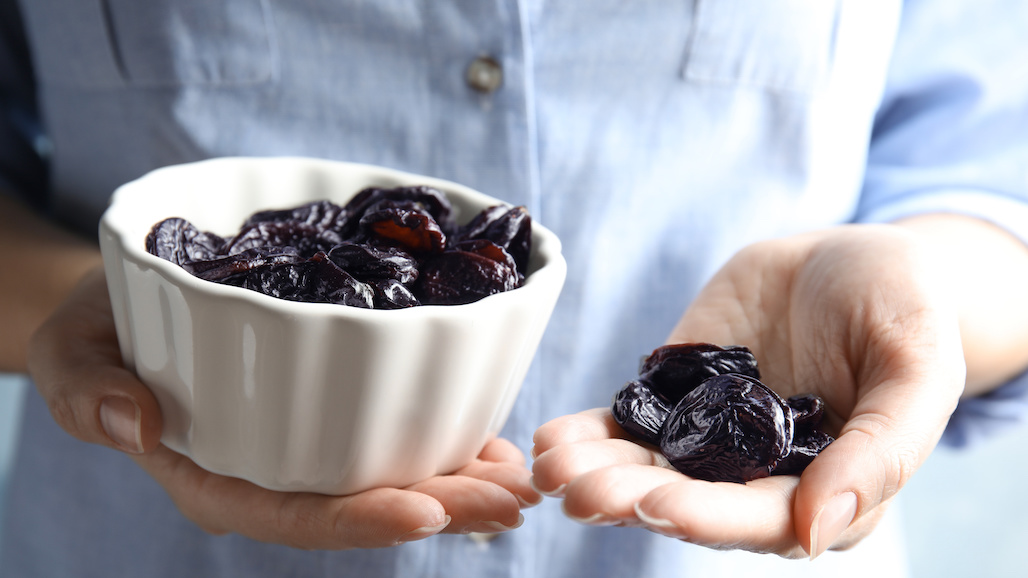
    In this randomized, controlled study, researchers found that eating 50 grams of prunes (about 5-6 prunes) each day for just 6 months resulted in improved CVD risk biomarkers – including raising the body’s “good” cholesterol, known as HDL, and lowering the ratio of total cholesterol to HDL. 

    Eating prunes daily also promoted higher antioxidant capacity and lowered levels of the inflammatory cytokines interleukin-6 and tumor necrosis factor-alpha associated with CVD risk. Notably, body mass index and weight of the study participants were maintained during the trial despite adding prunes to the usual diet.

    Researchers recruited 48 healthy, postmenopausal women who were divided into three groups – a control group who ate no prunes, and two treatment groups who consumed either 50 grams or 100 grams of prunes daily, throughout the six-month study. All other aspects of the women’s diets and lifestyles remained similar to before the study. Various biomarkers of CVD risk were collected at the beginning and conclusion of the study to determine if there were any improvements in those biomarkers among those who consumed prunes. Interestingly, there were some similar positive results among those who ate 50 grams of prunes and those consuming 100 grams – suggesting that adding 5-6 prunes or more into the daily diet may have a positive effect on CVD risk.

    “Reducing chronic inflammation and increasing antioxidant capacity in the body is associated with lower risk of CVD, along with many other diseases,” said Mark Kern, Ph.D., RD, CSSD Professor of Nutrition at the School of Exercise and Nutritional Sciences at San Diego State University. “Not only does this study show that prunes may be a good way to reduce inflammation and increase antioxidant capacity, it also suggests that eating prunes every day may improve cholesterol levels in postmenopausal women.”

    While the precise mechanisms and specific compounds that contribute to these beneficial effects have yet to be determined, naturally occurring antioxidant-powered phenolic compounds, fiber and other nutrients are thought to play a role. This study demonstrates that prunes may be a promising and convenient addition to the diet to reduce CVD risk and inflammation, while also improving antioxidant capacity. 

    The study adds to a growing body of evidence about the overall health and nutrition benefits of prunes, including bone health. Previous clinical research demonstrates a favorable bone response to prunes among postmenopausal women. Most recently, researchers reported that total bone mineral density increased in a postmenopausal woman with osteopenia after she consumed 50 grams of prunes daily for 16 months. This case study was published in the Bone Reports in May of this year.

    FUNDING 
    The Journal of Medicinal Food study was funded by the San Diego State University Grant Program, the California Prune Board (No. 57114A; ClinicalTrials.gov, No. NCT02325895), and the Kasch-Boyer Endowed Scholarship in Exercise and Nutritional Sciences in San Diego State University.

    The Bone Reports study was funded by the California Prune Board.

    REFERENCES
    Hong MY, Kern M, Nakamichi-Lee M, Abbaspour N, Ahouraei Far A, Hooshmand S. (2021) Dried Plum Consumption Improved Total Cholesterol and Antioxidant Capacity and Reduces Inflammation in Healthy Postmenopausal Women. J Med Food. 10.1089/jmf.2020.0142.

    Strock NCA, Koltun KJ, Weaver C, De Souza MJ. (2021) Dried Plum Consumption Improves Bone Mineral Density in Osteopenic Postmenopausal Woman: A Case Report. Bone Rep. doi: https://doi.org/10.1016/j.bonr.2021.101094.

    ABOUT THE CALIFORNIA PRUNE BOARD
    Created in 1952, The California Prune Board aims to amplify the premium positioning and top-of-mind awareness of California Prunes through advertising, public relations, promotion, nutrition research, crop management and sustainability research, and issues management. The California Prune Board represents approximately 800 prune growers and 28 prune, juice, and ingredient handlers under the authority of the California Secretary of Food and Agriculture.