Category: Non-Video

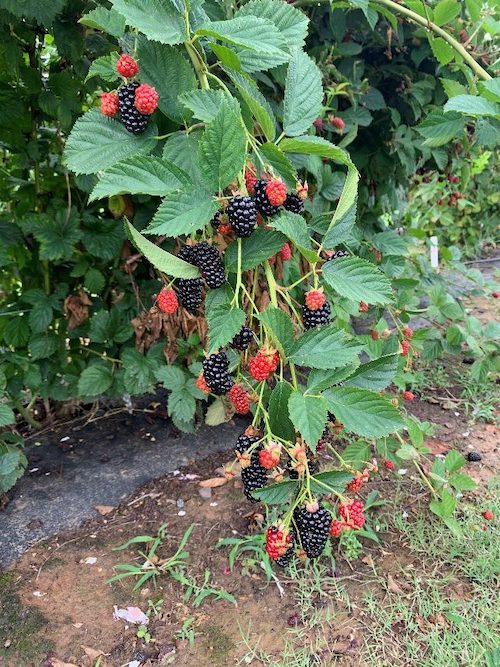
  • Demand for Imported Citrus Softens in China

    Demand for Imported Citrus Softens in China

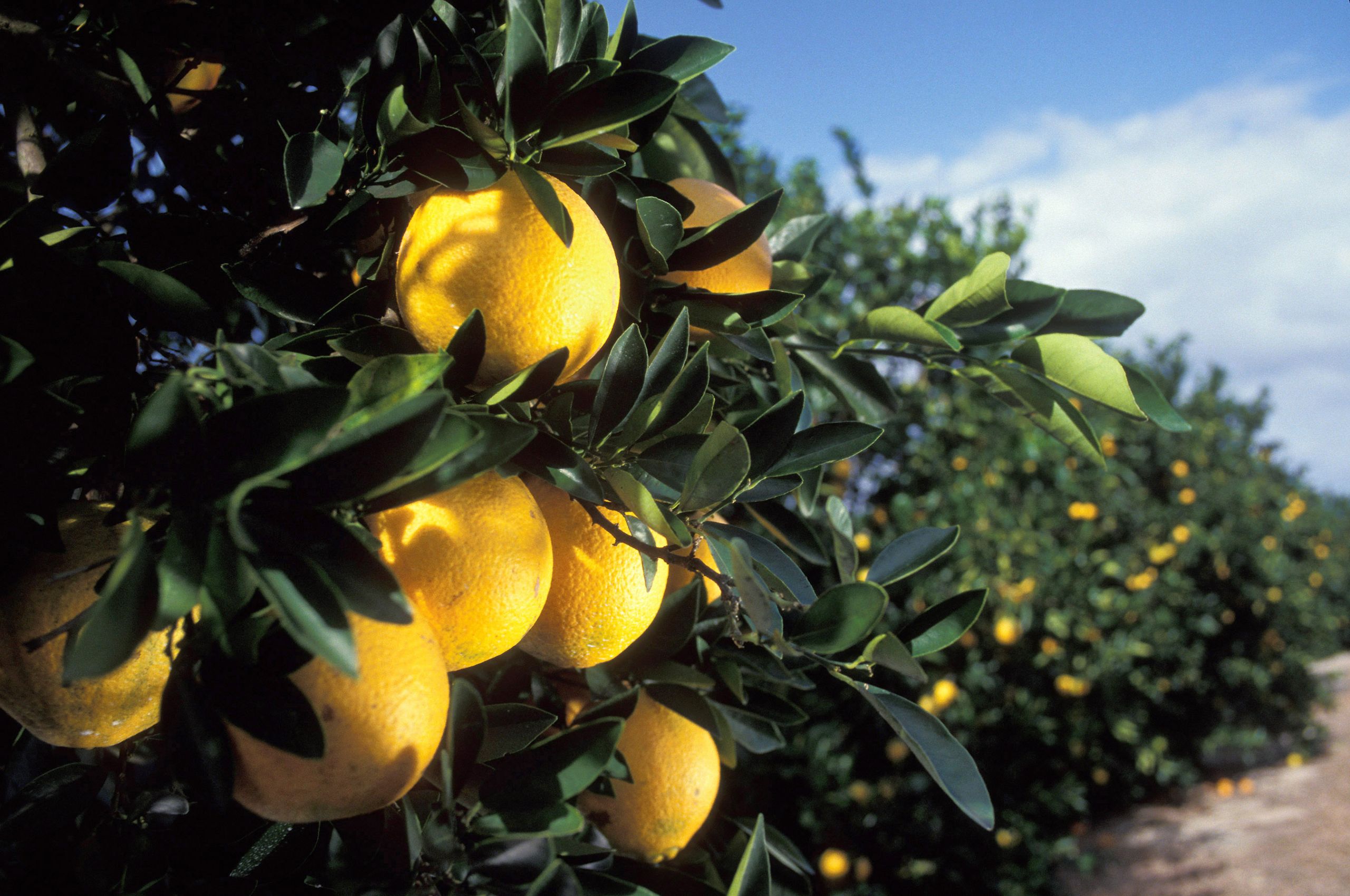
    In line with historical trends, fresh citrus production and consumption are forecast to continue upward in MY2020/21 to 35.6 MMT and 34 MMT, respectively. However, looking ahead, the rate of production growth is expected to slow as prices drop and consumer demand reaches its saturation point. Demand for imported citrus in MY2020/21 is expected to remain soft, down 25% overall from pre-COVID levels, though will return as the economy rebounds. Lower frozen concentrate orange juice imports and production show domestic industry challenges and signal consumers’ changing preferences to juices made from fresh fruits. Chinese countermeasures for COVID-19 will continue to add complication and cost to cold chain imports, including citrus. 

    Post forecasts total citrus production for marketing year (MY) 2020/21 will continue to grow because:

    • –  New trees planted 3-4 years ago start to produce more fruits.

    • –  New growing areas in various provinces.

    • –  New varieties are planted to replace the outdated ones.

    • –  Grafting and growing techniques shorten the time to bear fruits.

    • –  Increasing greenhouse planting for tangerines and mandarins.

      Despite the sustained growth, industry insiders speculate citrus production growth will slow in the next few years as the industry reaches what they believe to be the consumption saturation point.

      Prices: Overall citrus prices dropped in MY2019/20 with a larger crop. This downward pressure on prices will continue for MY2020/21 with an even larger crop forecasted. However, it is expected that the prices for premium fruits will remain high assuming the pandemic will be better controlled in MY2020/21 and Chinese consumers have stronger confidence in spending.

      The unprecedented surge and spread of COVID-19 in MY2019/20 had some key impacts on the Chinese citrus market:

    • –  The economic slowdown in 2020 made Chinese consumers more price sensitive and conservative in spending.

    • –  Major local citrus importers who purchased southern hemisphere products in early CY2020 encountered decreasing market demand and lost money, especially on imported oranges. As a result, for part of MY2019/20, they were hesitant to place further orders for imported fruits given the uncertainty of COVID-19 and challenges with trade.

    • –  Lockdowns and higher operational costs limited exports in MY2019/20, leaving more in the domestic market and creating downward pressure on prices.

    • –  Labor shortages and port backups in China and elsewhere had some negative impact on Chinese imports and exports in early CY2020.

    • –  Fewer imported fruits available in the wholesale market are leading some Chinese traders to put increasing attention on domestic fruit trade.

    • –  The disinfection measures required at Chinese ports for all cold chain food products starting in late MY2019/20 further raise the import costs.

    • –  Post believes consumers’ adoption of online and digital sales in the first half of 2020 will create lasting changes for offline retail stores.

    • –  Brand building, even in fruit, is becoming more important to attract high-end consumers.

    • –  The appreciation of the Chinese RMB in CY2019/20 will make it less expensive to import and more expensive to export possibly leaving more fruits in the domestic market. — Read the full report from the USDA Foreign Agricultural Service HERE.

  • Pandemic Conditions and Growing Vegetarian Population Increases Fresh Fruit Demand in India

    Pandemic Conditions and Growing Vegetarian Population Increases Fresh Fruit Demand in India

    India’s market year (MY) 2020/21 apple and pear production are estimated at 2.3 million metric tons (MMT) and 305,000 metric tons (MT), respectively, as unfavorable weather conditions during the flowering stage have led to reduced yields from MY 2019/20. Apple and pear imports for 2020/21 are forecast at 0.24 MMT and 22,500 MT, respectively. Table grape production is expected to marginally increase to 2.3 MMT, while Indian table grape exports are expected to decline, largely to meet domestic demand. Fresh deciduous fruit demand remains stable, and the COVID-19 pandemic that influenced consumer behavioral changes will continue to drive fruit consumption through both online and physical retail.

    Indian apple production is limited to the northern states of Jammu and Kashmir with a 70 percent market share, followed by Himachal Pradesh with 21.5-25 percent, and Uttarakhand with six percent share. The Northeastern hill states of Arunachal Pradesh, Nagaland, and Sikkim also produce small apple quantities. Read the full report from the USDA Foreign Agricultural Service HERE.

  • Argentina Lowers Export Taxes on Many Specialty Crops

    Argentina Lowers Export Taxes on Many Specialty Crops

    The Government of Argentina recently announced adjustments to export taxes on many specialty crops, including apples, pears, citrus fruits, blueberries, tomatoes, broccoli, cauliflower, nuts, and alfalfa intended to improve the international competiveness of these products.

    Argentine Government Seeks to Boost Exports of Specialty Crops:

    On Thursday, December 31, 2020 the Government of Argentina published Decree 1060/2020 which made adjustments to the export tax rates for many specialty crops as well as some manufactured goods. After several rounds of export tax changes in recent years the government is attempting to standardize export tax rates for many products at 0%, 3%, 4.5%, and 9% to avoid varying export tax rates among similar products. Previous export tax changes had given some products exchange-rate linked export taxes that had eroded in value as the Argentine peso devalued against the dollar.

    The stated rationale for the policy change is to encourage exports of added-value products and products whose increased production will result in higher levels of employment, and for which increasing exports won’t raise food costs. The government also hopes to encourage investment in these same sectors. Major structural issues such as high fixed operating costs, lack of investment, and currency controls have reduced Argentine competitiveness in many specialty crops over the years, so this measure will be limited in its capacity to boost exports in the short run. Most fruits and vegetables have had export tax rates lowered from 5% to a 0%.

    The list below, by HS Code Chapter, summarizes Annex 1 of Decree 1060/2020 where information on tax rates for specific products can be found. Export tax rates for most major field crops were unchanged, though the decree mentioned the need to adjust rates for certain commodities currently regulated by an expiring decree. Care should be taken to note if a specific HS code is listed in this decree or past decrees.

    Chapter 1 – Live Horses, Cattle, Primates, Dolphins, Pet Birds 9%;

    Chapter 2 Beef, Horse, Poultry Meat 9%; Sheep and Goat Meat 0%;

    Chapter 3 Various Fish – 9%; Tilapia, Trout, Carp 0%;

    Chapter 4 Fluid Milk 9%; Ultra High Temperature Milk, Yogurt, Butter, Cheese 4.5%; Honey 0%;

    Chapter 5 Semen & Embryos 4.5%;

    Chapter 6 Flowers and bulbs 4.5%;

    Chapter 7 Tomatoes, Cauliflower, Broccoli, Brussel Sprouts, Carrots, Cucumbers, Chickpeas, Beans, Asparagus, Eggplant, Celery, Peppers, Spinach, Artichokes, Olives, Pumpkins, Squash, Potatoes, Sweet Corn, Onions, Mushrooms, Garlic, Vegetable Seeds 0%;

    Chapter 8 Nuts, Plantains, Pineapples, Avocados, Mangos, Oranges, Mandarins, Clementines, Grapefruit, Lemons, Limes, Watermelon, Papayas, Apples, Pears, Quince, Sour Cherries, Peaches, Nectarines, Plums, Strawberries, Raspberries, Blueberries, Kiwis, Passionfruit, Persimmons 0%;

    Chapter 9 Coffee, Pepper, Vanilla, Cinnamon, Cloves, Nutmeg, Mace, Cardamom, Saffron, Turmeric 4.5%; Tea, Paprika, anise, cumin, coriander – -0%;

    Chapter 10 – “Other” Wheat, Rye, Barley, Corn, Oats, Sorghum – 12%; Grain seeds for planting, Buckwheat, Millet 4.5%; Quinoa 0 %

    Chapter 11 Malt 9%; Flaked Grains and Germs4.5%; Buckwheat flower 0%

    Chapter 12 Seeds of Soybeans, Peanuts, and Sunflowerseed for planting, Ginseng, Sugarbeets, Sugarcane 4.5%; Hops, Alfalfa pellets 0%

    Chapter 13 Various Gums, Saps, & Pectins 4.5%
    Chapter 14
    Bamboo, Vegetable Plaiting Materials 4.5%
    Chapter 15
    Glycerol 9%; Olive oil 0%;
    Chapter 16
    Sausages, Hams, Other Prepared & Preserved Meats, Sardines, Tuna 4.5%

    Chapter 17 Refined Beet & Cane Sugar, Glucose and Fructose Syrups, Non-Chocolate Confectionary 4.5%

    Chapter 18 Chocolate ingredients 4.5%
    Chapter 19
    Cereals, Pastas, Tapioca, Cuscus 4.5%

    Chapter 20 Pickled Cucumbers & Mushrooms, Preserved fruits and vegetables 4.5%; Preserved Peas, Olives, Tomatoes, Fruit Juices 0%

    Chapter 21 Coffee Extracts, Yeasts, Sauces, Food Preparations and Ingredients 4.5%; Tea & Yerba Mate Extracts 0%

    Chapter 22 Mineral Waters, Beer, Champagne, Wine, Liquor, Vinegar 4.5% Chapter 23 Livestock Feed 12%; Pet Food 4.5%
    Chapter 24
    Tobaccos 12%, Cigarettes & Cigars 4.5%
    Chapter 41
    Hides, skins, and leather 4.5%

    Chapter 51- Wool 4.5%, Yarn – 3.0%

    Chapter 52 Raw Cotton 12%; Carded Cotton and cotton waste 4.5%; Cotton thread and yarn 3.0%

    — By Benjamin Boroughs, USDA Foreign Agricultural Service

  • Argentina Lowers Export Taxes on Many Specialty Crops

    Argentina Lowers Export Taxes on Many Specialty Crops

    The Government of Argentina recently announced adjustments to export taxes on many specialty crops, including apples, pears, citrus fruits, blueberries, tomatoes, broccoli, cauliflower, nuts, and alfalfa intended to improve the international competiveness of these products.

    Argentine Government Seeks to Boost Exports of Specialty Crops:

    On Thursday, December 31, 2020 the Government of Argentina published Decree 1060/2020 which made adjustments to the export tax rates for many specialty crops as well as some manufactured goods. After several rounds of export tax changes in recent years the government is attempting to standardize export tax rates for many products at 0%, 3%, 4.5%, and 9% to avoid varying export tax rates among similar products. Previous export tax changes had given some products exchange-rate linked export taxes that had eroded in value as the Argentine peso devalued against the dollar.

    The stated rationale for the policy change is to encourage exports of added-value products and products whose increased production will result in higher levels of employment, and for which increasing exports won’t raise food costs. The government also hopes to encourage investment in these same sectors. Major structural issues such as high fixed operating costs, lack of investment, and currency controls have reduced Argentine competitiveness in many specialty crops over the years, so this measure will be limited in its capacity to boost exports in the short run. Most fruits and vegetables have had export tax rates lowered from 5% to a 0%.

    The list below, by HS Code Chapter, summarizes Annex 1 of Decree 1060/2020 where information on tax rates for specific products can be found. Export tax rates for most major field crops were unchanged, though the decree mentioned the need to adjust rates for certain commodities currently regulated by an expiring decree. Care should be taken to note if a specific HS code is listed in this decree or past decrees.

    Chapter 1 – Live Horses, Cattle, Primates, Dolphins, Pet Birds 9%;

    Chapter 2 Beef, Horse, Poultry Meat 9%; Sheep and Goat Meat 0%;

    Chapter 3 Various Fish – 9%; Tilapia, Trout, Carp 0%;

    Chapter 4 Fluid Milk 9%; Ultra High Temperature Milk, Yogurt, Butter, Cheese 4.5%; Honey 0%;

    Chapter 5 Semen & Embryos 4.5%;

    Chapter 6 Flowers and bulbs 4.5%;

    Chapter 7 Tomatoes, Cauliflower, Broccoli, Brussel Sprouts, Carrots, Cucumbers, Chickpeas, Beans, Asparagus, Eggplant, Celery, Peppers, Spinach, Artichokes, Olives, Pumpkins, Squash, Potatoes, Sweet Corn, Onions, Mushrooms, Garlic, Vegetable Seeds 0%;

    Chapter 8 Nuts, Plantains, Pineapples, Avocados, Mangos, Oranges, Mandarins, Clementines, Grapefruit, Lemons, Limes, Watermelon, Papayas, Apples, Pears, Quince, Sour Cherries, Peaches, Nectarines, Plums, Strawberries, Raspberries, Blueberries, Kiwis, Passionfruit, Persimmons 0%;

    Chapter 9 Coffee, Pepper, Vanilla, Cinnamon, Cloves, Nutmeg, Mace, Cardamom, Saffron, Turmeric 4.5%; Tea, Paprika, anise, cumin, coriander – -0%;

    Chapter 10 – “Other” Wheat, Rye, Barley, Corn, Oats, Sorghum – 12%; Grain seeds for planting, Buckwheat, Millet 4.5%; Quinoa 0 %

    Chapter 11 Malt 9%; Flaked Grains and Germs4.5%; Buckwheat flower 0%

    Chapter 12 Seeds of Soybeans, Peanuts, and Sunflowerseed for planting, Ginseng, Sugarbeets, Sugarcane 4.5%; Hops, Alfalfa pellets 0%

    Chapter 13 Various Gums, Saps, & Pectins 4.5%
    Chapter 14
    Bamboo, Vegetable Plaiting Materials 4.5%
    Chapter 15
    Glycerol 9%; Olive oil 0%;
    Chapter 16
    Sausages, Hams, Other Prepared & Preserved Meats, Sardines, Tuna 4.5%

    Chapter 17 Refined Beet & Cane Sugar, Glucose and Fructose Syrups, Non-Chocolate Confectionary 4.5%

    Chapter 18 Chocolate ingredients 4.5%
    Chapter 19
    Cereals, Pastas, Tapioca, Cuscus 4.5%

    Chapter 20 Pickled Cucumbers & Mushrooms, Preserved fruits and vegetables 4.5%; Preserved Peas, Olives, Tomatoes, Fruit Juices 0%

    Chapter 21 Coffee Extracts, Yeasts, Sauces, Food Preparations and Ingredients 4.5%; Tea & Yerba Mate Extracts 0%

    Chapter 22 Mineral Waters, Beer, Champagne, Wine, Liquor, Vinegar 4.5% Chapter 23 Livestock Feed 12%; Pet Food 4.5%
    Chapter 24
    Tobaccos 12%, Cigarettes & Cigars 4.5%
    Chapter 41
    Hides, skins, and leather 4.5%

    Chapter 51- Wool 4.5%, Yarn – 3.0%

    Chapter 52 Raw Cotton 12%; Carded Cotton and cotton waste 4.5%; Cotton thread and yarn 3.0%

    — By Benjamin Boroughs, USDA Foreign Agricultural Service

  • Costa Rican Orange Production Declines (Major Juice Importer)

    Costa Rican Orange Production Declines (Major Juice Importer)

    Costa Rica’s orange production is forecast to decline to 285,000 metric tons (MT) in Marketing Year (MY) 2020/2021. It is expected to reach 290,000 MT in MY2019/2020. Delays in the harvest caused by the COVID-19 pandemic resulted in loss of fruit at the time of harvest during MY2019/2020. The industry had to make considerable investments in the application of sanitary protocols and new infrastructure to limit the spread of the disease among workers. Most of these measures are now in place for the upcoming harvest. Many of the workers come from Nicaragua for the harvest. The industry has worked closely with the local authorities to allow workers to enter Costa Rica under strict sanitary protocols. The United States is Costa Rica’s main destination for its orange juice (purchasing 75 percent of total exports in 2019), followed by the European Union, and China. Costa Rican orange juice enters the United States duty free under the U.S.-Central American Free Trade Agreement. 

    COSTA RICA: ORANGE JUICE PRODUCTION AND TRADE

    Costa Rica’s orange production is concentrated in the northern part of the Alajuela province, around Los Chiles, Guatuso and Upala, and in the northern part of Guanacaste, near the border with Nicaragua in an area known as Santa Cecilia. Two companies, TicoFrut and Del Oro, control most of the production and processing of oranges in the country. TicoFrut is the largest company in the sector. TicoFrut’s plantations are located primarily in the province of Alajuela near the border with Nicaragua, and in Nicaragua. Del Oro’s plantations are in the province of Guanacaste, near the border with Nicaragua.

    Oranges are also grown in other regions of the country including Acosta, near the Central Valley, and Nandayure in Guanacaste. However, oranges from those areas are mostly sold as fresh fruit in the local market. In addition, there are some medium and small size independent producers. While the larger operations have been stable and plan their activities with a long-term horizon, the smaller independent producers tend to enter or exit the market in response to short term price fluctuations. The harvest takes place mainly from January to May, with peak production reached in March and April. The majority of the oranges produced in Costa Rica are processed for juice concentrate for the export market. A relatively small volume of fresh fruit is sold for local consumption, and the processing plants also sell small volumes of juice to local clients.

    One of the two processing companies has orange plantations in Nicaragua, near the border. Growing conditions are favorable in that area, and land prices and labor costs are generally lower. The local industry has partnered with Nicaraguan businesses to plant orange groves in Nicaragua. The area planted is not expected to grow significantly in Nicaragua or Costa Rica at this time, as the company prefers to improve its current operation through replanting and investments in irrigation. This company has a plan to increase area planted slowly. According to the plan, the company will increase area by 230 hectares next year. According to data from the Government of Costa Rica, the country imported 56,644 MT of fresh oranges from Nicaragua in 2019, compared to 71,907 MT during 2018. Imports from Nicaragua during 2020 reached 69,800 MT through October. Oranges from Nicaraguan plantations are trucked to Costa Rica for processing at TicoFrut’s plant located in Muelle, San Carlos.

    Local industry estimates area planted at around 21,000 hectares (ha) and 7.4 million orange trees, including the area planted on the Nicaraguan side of the border. The Government of Costa Rica estimate is slightly higher at 23,000 ha. However, there is unconfirmed information indicating that the Del Oro company may be reducing its area planted as a result of citrus greening disease. So, at this time, total area could be even lower than the 21,000 ha. estimate.

    The number of trees is gradually increasing as farmers are renovating their plantations with the “Flying Dragon” pattern, which allows for a higher number of trees per hectare, easier farm management and lower associated costs. The “Flying Dragon” pattern is planted at 830 to 900 trees/ha, as compared to a range of 312 to 444 trees/ha for other varieties. As this pattern takes hold, the number of trees should increase in the next few years, as producers replant or renovate their farms using this variety. The main producers are renovating older plantations with new trees, rather than increasing area planted. This process is expected to result in higher future production, without major changes in total area planted.

    The citrus greening disease, which was identified in 2011 in Costa Rica, remains a major concern for producers and has put a limit to the expansion of the industry because of the uncertainty it creates among growers. According to industry sources, the disease has now spread throughout most of the country’s growing areas. The disease is difficult to manage, as it increases production costs, which could result in losses. So far, the largest grower has been able to contain the disease by establishing strict controls including constant farm surveillance, inspection of all farms, and eradication of 100 percent of the affected plants. The local industry uses agrochemicals and biological controls (a wasp that feeds on the vector of the disease, called Tamarixia Radiata), as part of their preventive measures. Although the disease has not caused significant losses to the largest producer, one of the major companies has reportedly suffered more from the effects of the disease, which has resulted in reduced or abandoned areas. Small producers have suffered heavier losses from its effects as well.

    Total production is forecast to decrease by 5,000 MT in MY2020/2021, to 285,000 MT. The lower expected production is related to the strong rains that affected some of the production areas during the flowering period. Also, due to the lower availability of workers during the early stage of the COVID-19 pandemic, some of the agronomical activities normally conducted to assist the plantations during the flowering period, were not carried out on time. The COVID-19 pandemic has also complicated farm management. For instance, supervisory visits to the Nicaraguan plantations were suspended because of the closing of the border. Sick workers and their close contacts had to remain under quarantine when there were outbreaks at the farms.

    Costa Rica exports the majority of its orange production as frozen orange juice concentrate, but also exports non-frozen concentrate juice. According to information from the Costa Rican Trade Promotion Board (PROCOMER), during calendar year 2019 juice exports to all destinations amounted to 32,897 MT valued at $50 million. This compares to 36,936 MT valued at $68 million during 2018. Data available for January-October 2020 show a decline in volume and value, reaching 24,894 MT and $41.7 million, respectively.

    The United States continues to be Costa Rica’s main destination for orange juice exports. Exports to the United States reached 19,586 MT valued at $37.7 million during 2019. During the period January – October 2020, exports to the U.S. amounted to 17,449 MT valued at $34.8 million. The main destination in the European Union is the Netherlands. Exports to that country in 2018 were 7,954 MT, 6,774 MT in 2019, and 5,241 MT during January October 2020. Exports to China fell to 791 MT during January October of 2020, after reaching a record of 4,209 MT in 2019.

    Costa Rican orange juice enters the United States duty free under the Central American-Dominican Republic Free Trade Agreement. — By Victor Gonzalez, USDA-Foreign Agricultural Service
  • New ‘Prime-Ark® Horizon’ Blackberry

    New ‘Prime-Ark® Horizon’ Blackberry

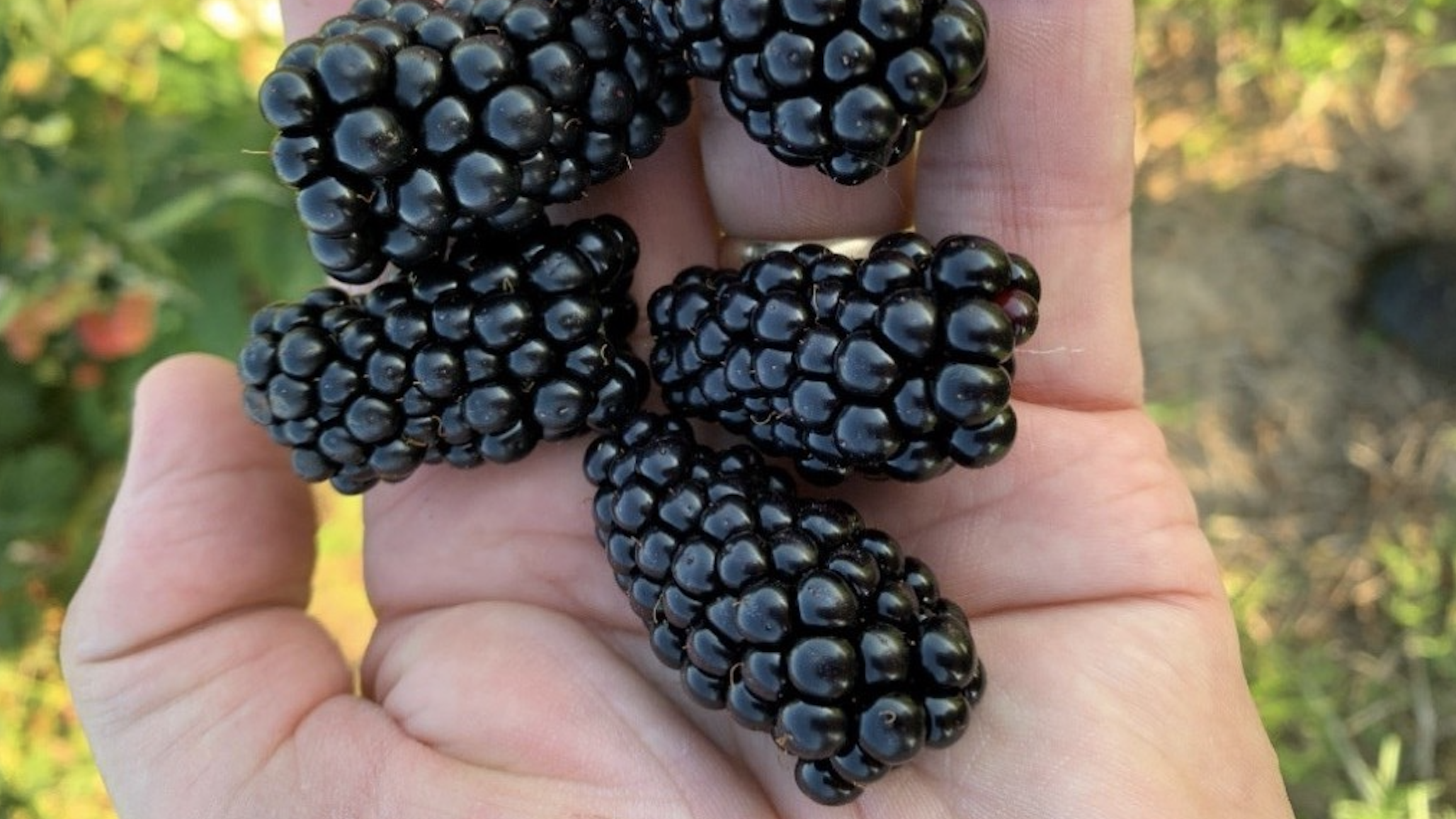
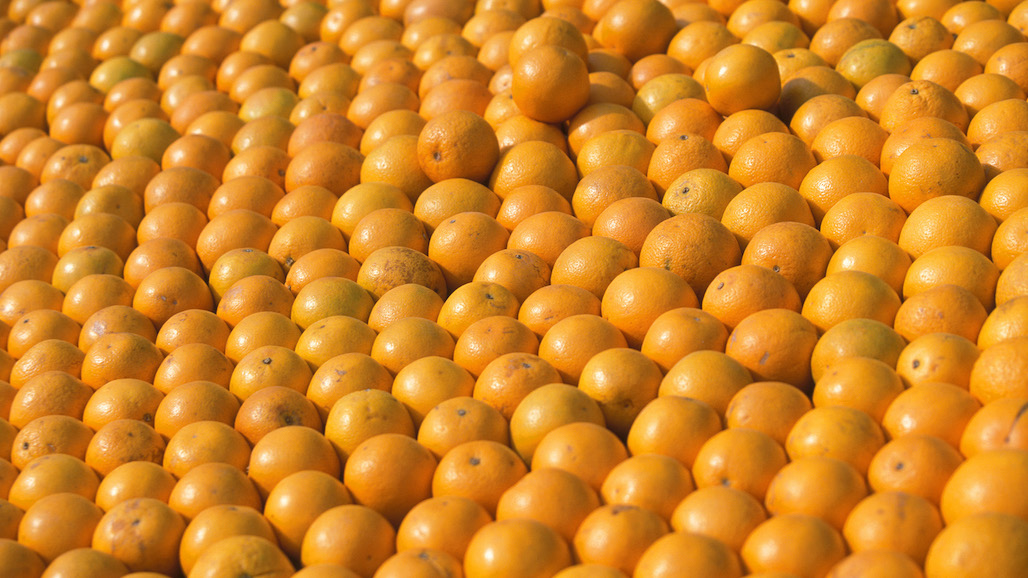
    A new blackberry has been released by the University of Arkansas System Division of Agriculture (UA), named Prime-Ark® Horizon. This is the sixth public primocane-fruiting variety from the UA breeding program.

     Key items to note about Prime-Ark® Horizon:

    • Primocane fruiting, thorny
    • A complement to Prime-Ark® 45 for commercial production for primocane fruit
    • High floricane crop potential
    • Primocane berries are large, with larger fruit size potential than other primocane-fruiting varieties in summer heat and potential primocane crop extension beyond the Prime-Ark® 45 season
    • Berries are very firm in storage, and otherwise comparable to Prime-Ark® 45 in postharvest potential
    • Soluble solids averaging 10% and titratable acidity 0.92%, providing good sugar/acid balance
    Prime-Ark® Horizon with extended fruiting on the primocane, late August, 2020, Arkansas.

    The majority of the testing of Prime-Ark® Horizon was done at the location of its development, the UA Fruit Research Station, Clarksville, AR, with data and observations collected from plants over 8+ years. The cross for Prime-Ark® Horizon was made in 2008, and it was selected in 2010.  Additional data and observations were collected by Josh Beam at a Dole Berry test site near Lincolnton, NC (six years), and Karen Blaedow, North Carolina State University Mountain Horticultural Crops Research and Extension Center in Mills River, NC (two years). I greatly appreciate the testing results attained by these colleagues. I have included comments from their findings in the following discussion.

    Ripening: Floricane first harvest is a few days later than Prime-Ark® 45 and near that of Ouachita (June 12). Floricane harvest period averaged 40 days. Primocane first harvest averaged August 4, just before Prime-Ark® 45. Primocane fruiting can potentially extend until mid-October, providing a fruiting period of over 60 days.

    Josh often found floricane harvest date to be similar to that observed in Arkansas. Primocane harvests began a little earlier than Arkansas, ranging from mid to late July. He harvested primocane fruit to late September or mid-October depending on the year.  Karen’s first harvest for primocane fruit was August 6 in 2019.

    Berry:  Prime-Ark® Horizon’s berry weight averaged 7.8 g overall for floricanes. Berries were often up to 10 g for floricanes. The primocane berries averaged 7.3 g. The floricane and primocane average weights are much closer than other primocane-fruiting varieties, suggesting more berry weight stability in summer heat during primocane flowering and fruiting.

    Josh found floricane berries to range from 9-11 g, and Karen’s planting averaged over 13 g in 2019. Josh found primocane berries to be 11-15 g, equally as large as floricane berries. This is unusual as primocane berry weight in southern locations is typically associated with smaller berries due to the impact of heat on fruit set and development.

    Berry shape was noted to vary with Prime-Ark® Horizon, and in some years curved berries were observed in most test locations. Primocane double berries were not seen, as is common with Prime-Ark® 45 in Arkansas, due to heat effects. This further suggests some heat tolerance for Prime-Ark® Horizon. However, temperatures above 90oF were observed to occasionally result in primocane flower death with Prime-Ark® Horizon, so full heat tolerance is not implied.

    Floricane berry along with primocane flower buds present, late June in Arkansas.

    Yield: Prime-Ark® Horizon has very high yield potential on floricanes, and exceeded yield of Natchez in some years. Floricane yields have exceeded 30,000 lb./acre in research plots usually in the year after planting.  Floricane yield is influenced by the degree of primocane fruiting the prior year. More primocane fruit production often equates to lower floricane yields the following season. Crop control with pruning is strongly advised to balance crop, particularly in the first year of floricane fruiting if no primocane crop is produced in the planting year.  Primocane yields ranged from 3,000-9,000 lb./acre depending on year and environment.

    Josh reported very high yields also, with over 2,500 flats/acre on floricanes, and then another 1,500 flats per acre on primocanes (a flat has 4.5 lb. weight). Cane management will likely be a key component to achieving full yield potential and consistency.

    Flavor:  Flavor has consistently been rated good with light aromatics over many years of evaluations. As with most blackberry varieties, Prime-Ark® Horizon can have variation in sweetness.  Berries were noted at times to be tart, particularly when very high floricane crop was experienced. The overall average soluble solid content was 10% (ranging from 9-11%). Titratable acidity averaged 0.9% (ranging from 0.8-1%), which is within the “reduced acidity” target of the UA breeding program.

    Josh consistently noted the fruit to be sweet over many years of observation, with soluble solids content of 10% or higher. Karen found fruit to have a pleasant flavor but at times variable.

    Postharvest: Storage for 7 days has been comparable to Prime-Ark® 45 in reddening/reversion. It has also shown potential for longer-term storage particularly in the retention of firmness. In addition to excellent firmness in storage, leakage and decay have been among the best measured in the Arkansas program.

    Plants:  Prime-Ark® Horizon plants have shown good health, except when excessive floricane yields were experienced that resulted in reduced floricane leaf size as well as upward leaf curling. No orange rust nor anthracnose were observed on Prime-Ark® Horizon.  Winter hardiness has been comparable to Ouachita, and has shown very limited winter injury to a low of 1oF. Spring freeze damage has not been observed. Chilling requirement is unknown, but is anticipated to be approximately 300 hours.

    Plant vigor can be high, and this can result in extended primocanes with long fruiting laterals. Overall, Prime-Ark® Horizon has reduced thorns compared to Prime-Ark® 45. Thorn density on canes is 45% lower than Prime-Ark® 45 but density is similar on laterals and leaf petioles. Josh noted high vigor and commented that primocane management would have to be worked out to attain maximum yield. Karen found Prime-Ark® Horizon to be one of the more vigorous varieties in her trial. — By John R. Clark, University of Arkansas

  • What Consumers Like about Fresh-Market Blackberries

    What Consumers Like about Fresh-Market Blackberries

    At the University of Arkansas System (UA System) Division of Agriculture, 80 consumers looked at and tasted fresh-market blackberries to help us determine attributes they liked. The consumers looked at individual blackberries and preferred oblong, large blackberries as opposed to round or small (see the figure below).

    Consumers also looked at blackberries in clamshells and preferred to purchase clamshells containing larger blackberries or clamshells without blackberries with red drupelet reversion (see the Figure below).

    Percent of consumers (n=81) that ranked clamshells of blackberries as most preferred for different size berries (A)z and different amounts of red drupelet reversion (B)y.
    z Clamshell ‘735’ had about 22 10-g to 12-g berries, and ‘916’ had about 50 4-g to 5-g berries.
    y Clamshell ‘942’ had 0% of the blackberries with red drupelet reversion, ‘516’ had about 25%, and ‘378’ had 65%.

    Consumers then tasted six UA system cultivars (Caddo, Natchez, Osage, Ouachita, Ponca, and Prime-Ark®Traveler) and liked Ponca, Osage, Caddo, and Natchez the most. Ponca (10% soluble solids and 0.8% titratable acidity) was highly rated for sweetness, overall flavor, and overall impression. Understanding what consumers like about fresh-market blackberries provides blackberry breeders and blackberry growers with information to advance retail sale. — By Renee Threlfall, Research Scientist, Dept of Food Science, University of Arkansas

  • Drink Your Peas, Please!

    USDA Agricultural Research Service (ARS) scientist and director of the Western Regional Research Center (Albany, CA), Tara McHugh and her team in the Healthy Processed Foods Research Unit are experts at solving food-manufacturing problems. Using cutting-edge processing technologies, they have helped numerous small businesses, such as Ripple Foods, turn ideas into products for the consumer.

    ARS is helping Ripple Foods optimize its current pea protein drying process to make it more efficient and to further improve its products. The company manufactures its own pea protein by processing yellow split peas into a liquid form and then isolating, purifying, and drying the protein. The pea protein is then made into non-dairy milks, protein shakes, half and half, ice cream, and other products.

    The drying step is necessary because producing this clean-tasting plant protein in a wet state comes with challenges: It’s difficult to transport, has a greater risk for microbial spoilage, and has handling issues, McHugh said.

    “It’s also expensive to ship all over the country, so we are working to optimize the drying process—looking at a way to dehydrate it so it can be rehydrated to save expenses,” she said. “The drying process also may even improve the quality and flavor of the final product.”

    Ripple Foods has a cooperative research and development agreement with ARS, which assists the company in data gathering and analysis on different aspects of its pea beverage. “Ripple’s mission is to make plant-based foods delicious,” said Aminah Johnston, a process engineer with the company. “We are always looking for ways to make our protein and products better. Our collaboration with ARS has been extremely helpful.”

    This kind of research not only supports small businesses and U.S. growers, but also reduces waste and increases consumption of healthy foods.—By Sandra Avant, formerly with USDA-ARS Office of Communications.

  • Exploring Alternatives to Plastic Mulch

    In my conversations with growers, plastic mulch has been a leading topic of both interest and concern. There are so many benefits to using it, including moisture retention, weed control, and soil warming, but the environmental impact is hard to ignore. It’s estimated that in the US alone, farmers use around 1 billion pounds of plastic annually. In this article, I’ll review some alternatives and share up-to-date research and grower feedback.

    Alternative Plastic Mulch-like Products

    1. Biodegradable plastic mulch

    If a grower wanted to swap black plastic mulch with something nearly identical, but more environmentally friendly, biodegradable plastic mulch may be the best option. These plastics perform similarly to regular plastic mulch, but rather than removing your mulch at the end of the season, it’s tilled into the soil where it decomposes.

    Many growers have questions about the soil health impacts of biodegradable mulches. Unfortunately at this point, the research is fairly unclear. Some studies show impacts to soil microbial communities, and others do not. There is also substantial variation between products. Overall, biodegradable mulch impacts the soil in two ways. 1. Just like regular plastic mulch, covering the soil surface with a relatively impermeable black plastic changes the dynamics of the soil underneath by reducing light infiltration, increasing heat, and reducing water infiltration, evaporation, and gas exchange. All of these changes impact microbial communities, root development, and nitrogen use efficiency. Impacts vary depending on the soil conditions and climate in which mulches are used. In cool climates, plastic mulches may increase microbial activity by warming the soil, whereas in warm climates, mulches may warm the soil beyond the optimal temperature range for many microbes. In general, the use of plastic mulches increases nitrogen use efficiency (Bandopadhyay et al., 2018). 2. Following incorporation, biodegradable mulches add carbon, microorganisms, and other materials such as adherent chemicals and dyes. While the breakdown products of biodegradable mulches are generally considered non-toxic, there is limited research on the long-term effects of using these materials.

    Since no current models of biodegradable mulch meet the criteria of the national organic program, these mulches can only be used in organic fields if they are removed at the end of the season.

    One of the main reasons growers have not quickly adopted the use of biodegradable mulch is that it can look quite messy when it begins to degrade, and pieces can stick to produce, especially produce that touches the ground such as melons. For growers who have customers on-site, the small pieces of black plastic scattered around the farm may be considered unsightly.

    It is worth noting that some initial research suggests that after tilling biomulch into the soil, the decomposition process may tie up nitrogen in the soil for a period of weeks. As such, it is likely advisable to avoid planting a second crop immediately after tilling your mulch under (just like you would wait a few weeks to plant after you’ve terminated a cover crop).

    Penn State Extension educators published a series of case studies with grower reviews and tips for using biodegradable plastic mulch.

    There are a wide array of biodegradable mulches on the market, and all perform a bit differently. Researchers in multiple states are actively trialing biomulches to compare their efficacy and assess soil impacts (Wortman Research Lab, Nebraska).

    2. Paper mulch

    Paper mulch (Image: Johnnys)

    Paper mulches are made of cellulose-based materials, whereas other biomulches tend to be made of vegetable starches and polymers. Paper mulches can be applied using the same methods (i.e. mulch layers), but there are some reports that the edges are more likely to tear during application if the disks are not set up at the right angle. Some researchers have opted to install paper mulch by hand due to the degree of tearing. Others recommend re-burying the edges at least once or twice during the season, as loose edges can catch in the wind or on equipment and tear. Paper mulches also tend to develop more tears and holes throughout the season than standard plastic mulch. There seem to be fewer studies on paper mulch than on other biodegradable mulches, but many show that it keeps soil consistently cooler than plastic mulch. This is likely in part due to the lighter color of plastic mulches, which tend to be tan to brown, but there are newer black paper mulches entering the market. As such, if you’re considering trying paper mulch, try it first on cooler season crops.

    3. Developments in new technologies

    Researchers in Morris have been working with AURI to develop a bio-based spray-on mulch made from agricultural residues. They are still refining and testing the product, but it’s something to look forward to in the years to come.

    Organic Mulches

    1. Straw

    Sprouting hay bale, a reminder to purchase weed free, high quality straw (Photo by NH)

    Straw is one of the most universally-used organic mulches, and for good reason. It achieves many of the same benefits as plastic mulch: weed suppression, reducing fertilizer leaching, and moisture retention. It also helps to reduce the incidence of splash-dispersed pathogens, and initial research shows that it can help to reduce Alternaria pressure in Brassicas. Straw mulch has also been cited as an Integrated Pest Management strategy for some pests including onion thrips and potato beetles, because it can interfere with pupation, and can support communities of beneficial insects.

    Straw does keep the soil cool, which for some crops, can have negative yield impacts (but for cool season crops is ideal). Fields mulched with straw can also cause problems in squash and pumpkins if a fall frost occurs; we tend to see more damage in straw mulched plots than bare soil.

    Make sure to purchase high quality, weed free straw, or you may end up with more weeds than you started with. Many growers prefer to run at least one cultivation pass before mulching to eliminate the first flush of weeds before laying the straw.

    2. Strip tilling or direct seeding into a rolled cover crop 

    Farmers seeding pumpkins into a terminated rye cover crop. In this case there was limited rye establishment, so the weed control benefit was limited (Photo by Annie Klodd).

    I’m seeing more and more vegetable growers experimenting with strip tilling, or direct planting into a field of rolled winter rye. There’s still a lot to figure out in these systems, but they are promising for a few main reasons. 1. Rather than importing straw and spreading it, you’re essentially creating straw in place with a cover crop. 2. With this system, you’re also able to keep living roots in the soil over the winter. Dr. Ajay Nair’s team is leading a lot of this research in Iowa, and you can read more about some of their trials here. In Minnesota, rolling and crimping a winter cereal often does not successfully terminate it. If conditions are too wet, rolling and crimping may not be sufficient to break the stems, and instead may simply push them over. Some growers who use this system first terminate their cover crop with an herbicide. Others use a mower to cut it down right before the cover crop flowers. There are pumpkin growers who direct seed into mowed or rolled rye – this works best for larger seeded crops. For smaller seeded crops, strip tillage, the practice of tilling the strips where you want to plant and leaving the rows in between untilled, is a good compromise. Read more about strip till trials from Dr. Nair’s lab in the link above. Keep in mind that soil covered in straw does not get as warm as soils covered in plastic; using row cover early in the year can help offset the cooler temperatures.

    3. Deep compost mulch

    Deep compost mulching is simply the practice of adding a thick layer weed-free compost on top of your soil, essentially burying weed seeds. Depending on how much compost you’re able to generate on-site, this system can be prohibitively expensive. This can work well for farmers who connect with local schools, hospitals, or other institutions who compost large quantities of food-waste. Keep in mind that it is possible to add too much compost, especially if it is high in phosphorous. Test your soil regularly to make sure you’re not over-applying certain nutrients.

    4. Woodchips

    Woodchips are an excellent source of organic matter, but they should only be used in rows. Wood chips are best suited to systems with fairly wide bed spacing to avoid ending up with woodchips under your beds. Woodchips have a very high C:N ratio, and so they will pull nitrogen away from your crops if placed too close to the rooting zone. Over time, woodchips can add a substantial amount of organic matter and are excellent for absorbing and retaining moisture. Many growers are able to obtain woodchips for free by working with local arborists. Check with your certifier before using woodchips if you are an organic grower, as you may not be able to trace the source.

    5. Wool mulch (woolch)

    Wool mulch was researched extensively in the early 2000’s. It is based on the byproduct wool from various industries in Minnesota, and showed great promise. Unfortunately, the product was never fully commercialized. You can read more about it here. While this is not a commercially available product at this time, I am mentioning it to spark ideas among growers who may have sheep farmer friends and neighbors.

    There are many other materials that can be used as mulch in small-scale systems – leaf litter, bark, etc. but these materials tend to be less abundantly available for larger-scale farms.  

    Living mulches

    1. Between rows

    White clover has been the go-to between-row cover crop for many growers. It establishes well, can provide habitat for beneficial insects, and fixes nitrogen. There are a few drawbacks to using it, primarily that it tends to spread quickly, and so keeping it out of beds can be a challenge. White clover responds well to mowing and should be mowed prior to flowering in order to keep a well-established stand. Make sure that your rows are wide enough to accommodate a mower if you go this route.

    Cornercopia student farm has been using white clover between rows for years (Photo from their blog)

    In addition to pure white clover stands, many growers choose to incorporate a grass such as winter rye or a fescue. There are many reasons to integrate grasses and legumes, including improved winter hardiness, improved soil coverage, and tolerance to disturbance. Seed when there is rain in the forecast, or provide irrigation for good establishment (frost seeding is also an option).

    While clover is the go-to for this purpose, there are many other options. Researchers in Morris, MN have been exploring alternative living row covers in recent years, with a focus on day neutral strawberries. While they are currently relying on white on black plastic for beds, they have explored a variety of living row covers as a substitute for landscape fabric (or herbicides / cultivation between rows). In 2019, they tested winter camelina, winter canola, and winter rye in both Morris (silty clay loam) and Farmington (sandy loam). Canola and rye both provided good weed suppression, though the canola needed to be mowed (canola is also a Brassica, which is important to consider for crop rotation purposes). All treatments yielded slightly less than plastic landscape fabric between rows. Read more about the trial here.

    2. Within rows

    One of the primary challenges to incorporating cover crops in vegetables is the short window of time between harvesting late summer and fall crops, and the first freeze. One approach to getting a cover crop in early while providing some weed control is to underseed your cover crop directly into your main crop. This practice is more commonly discussed in the context of field crops, but vegetable farmers are beginning to experiment with it more and more. There are a number of caveats to consider with this practice: you need to plant your cover crop late enough for your primary crop to become well established, or the cover crop can out-compete your primary crop. Typically seeding is recommended after your final cultivation pass, or right before the canopy begins to fill in. However, this means that your cover crop could become shaded-out by your primary crop if it forms a dense canopy. Therefore, this approach is likely best suited to upright crops with a fairly slim canopy such as peppers or staked tomatoes, which are less likely to shade out an understory crop than a crop like pumpkins or melons. Keep in mind that a cover crop growing underneath your primary crop will compete for nutrients, so it must be fertilized. This system can also increase the overall canopy humidity, which may impact disease management; if possible, choose a low-growing cover crop.

    While this type of system is attractive for many reasons, it takes trial and error to figure out the best approach for your farm. Projects like this are great candidates for on-farm research grants such as the MDA Sustainable Ag Demonstration Grant or the SARE Farmer Rancher Grant. Our team can provide support and feedback to farmers who want to apply to these programs.

    Plastic Mulch Recycling Services

    For growers who are sticking with plastic, there may be recycling opportunities available in your area. All of the farmers who have attended our farmer to farmer gatherings who also recycle their on-farm plastic use Revolution Plastics.  The Recycling Association of MN also lists a few sites that accept agricultural plastics. — By Natalie Hoidal, University of Minnesota Extension

    Resources

    In our farmer to farmer gatherings so far, we’ve highlighted Racing Heart Farm, Featherstone Farm, and Tiffany LaShae – all of whom are using innovative strategies for improving soil health in their vegetable farming practices. At each event, we’ve asked them to share some resources that have informed their practice. Here are the books they recommended:

    • The no-till organic vegetable farm by Daniel Mays
    • The organic no till farming revolution by Andrew Mefferd
    • No-till intensive vegetable culture by Bryan O’Hara
    • The new harvest by Calestous Juma
    • Original instructions: Indigenous teachings for a sustainable future by Melissa Nelson
    • Managing Cover Crops Profitably – SARE handbook (free online)
    • Google Group: Climate Resilient Vegetable Production. This is a listserv where growers post questions related to reduced tillage and other climate resilience practices. If you’d like to join, you can reach out to Rue Genger at rue.genger@wisc.edu
  • National Cucurbit Project Reupped for $7.1 Million

    The Cucurbit Coordinated Agricultural Project (CucCAP), a multi-institution, nationwide research and outreach initiative led by Michigan State University and dedicated to cucurbit crops — cucumbers, squashes, melons and watermelon — has been awarded $7.1 million from the U.S. Department of Agriculture’s (USDA) Specialty Crop Research Initiative.

    The new funding extends the project that began in 2015 for four years. The goals of CucCAP, which is led by Rebecca Grumet, a professor in the MSU Department of Horticulture, are to harness genomic resources for disease resistance and management in cucurbit crops.

    “Producers and processors of cucurbit crops throughout the country consistently identify diseases as one of their most serious and costly problems,” Grumet said. “The diseases cause severe reductions in yield and crop quality, sometime causing total crop loss.

    “Control measures are expensive due to chemical costs, time and labor. The most cost-effective and environmentally desirable solution is disease-resistant varieties in combination with effective integrated disease management strategies.”

    To address these problems, the CucCAP team, with members from 10 institutions around the country combines expertise in genomics, bioinformatics, plant breeding, genetics, plant pathology, outreach and economics.

    The partners are: Boyce-Thompson Institute, Clemson University, Cornell University, North Carolina State University, University of Florida, University of Georgia, University of Puerto Rico, USDA Agricultural Research Service, and West Virginia State University.

    The project’s new phase, CucCAP2, will focus on the development of advanced genomic, bioinformatic and breeding tools; disease resistant materials; disease management strategies and economic analyses for critical diseases threatening cucurbit production.

    Genomics, which helps researchers understand the genetic makeup of cucurbit species and breed disease-resistant varieties, is one CucCAP scientists’ most important approaches. Tools developed through the project have allowed identification of genetic regions associated with resistance to important diseases.

    Grumet has worked with Michigan specialty crop growers for decades on disease management issues. Her research has concentrated on reproductive development and disease resistance in cucurbits — particularly cucumbers.

    This research is especially relevant to Michigan, as the state is home to the nation’s largest pickling cucumber industry, valued at nearly $50 million per year.

    Through CucCAP, researchers have been addressing two devastating diseases threatening cucumbers — downy mildew and Phytophthora fruit rot, caused by a pathogen called Phytophthora capsici. Grumet said these diseases cost U.S. cucumber growers roughly $5 million annually.

    Mary Hausbeck, a University Distinguished Professor in the MSU Department of Plant, Soil and Microbial Sciences, is also a part of the CucCAP team. Her work for the project includes development of effective practices and timely extension resources for management of cucurbit diseases and resistance to Phytophthora fruit rot in processing squash. Additionally, researchers at partner institutions are working with a variety of fungal, oomycete and viral pathogens infecting the different cucurbit crops throughout the country.

    CucCAP projects are geared toward the entire production process, from breeding and pathology to economic analysis and outreach. Commodity organizations and seed industry representatives from around the world assist in setting research priorities.

    Getting information to growers about research findings is also a fundamental part of CucCAP. Outreach is conducted through meeting with growers and providing easily accessible online resources, such as disease control information on the CucCAP website. In addition, the team created a cucurbit genomics database website to serve as a central portal for genomics data and research.

    “Using modern genomic tools, we can more efficiently introduce and combine genes for different resistances while maintaining high yield and important fruit quality traits,” Grumet said. “This is critically needed given the tremendous losses that can be caused by these destructive diseases.” – By Cameron Rudolph, Michigan State University