Category: Industry News

  • UC Davis Researchers Target Spotted-Wing Drosophila and its Threat Against California Berries

    UC Davis Researchers Target Spotted-Wing Drosophila and its Threat Against California Berries

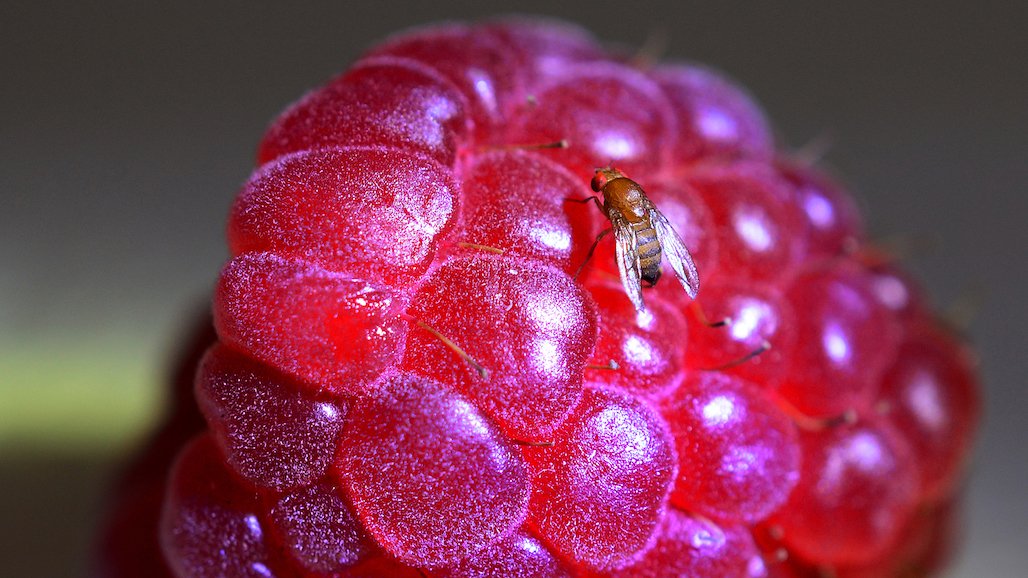
    Back in 2010, the UC Davis entomology labs of integrated pest management specialist Frank Zalom and molecular geneticist and physiologist Joanna Chiu  joined forces to target the spotted-wing drosophila (SWD), a serious threat to berry production in California.

    Drosophila suzukii, native to southeast Asia and first discovered in California in 2008, lays its eggs in such soft-skinned, ripening fruits as strawberries, raspberries, cherries, blueberries, peaches, nectarines, apricot and grape.

    It packs a powerful economic impact. The first year of its discovery in California, the economic loss amounted to $500 million. Latest statistics from 2015 indicate a $700 million national economic loss.

    The Zalom lab discovered the first SWD field populations with insecticide resistance in 2017. As the pest continues to spread throughout much of the country, anxious growers are worried about its increased resistance to pesticides.

    The team’s newly published research in Scientific Reports is the first to characterize the molecular mechanisms of insecticide resistance in D. suzukii and provide insights into how current management practices can be optimized.

    Lead author of the paper, “Transcriptome Analysis of Drosophila suzukii Reveals Molecular Mechanisms Conferring Pyrethroid and Spinosad Resistance,” is Christine Tabuloc, then a doctoral candidate and now a postdoctoral researcher working under the mentorship of Professors Chiu and Zalom.

    “In this work, we leveraged high throughput sequencing to identify biomarkers of insecticide resistance in D. suzukii,” Tabuloc explained. “We found that different genes are responsible for resistance to different chemicals. Specifically, we found that genes involved in metabolism are highly expressed in flies resistant to pyrethroid insecticides. We also observed evidence of two different mechanisms of resistance in 2 lines generated from a single spinosad-resistant population. We found an increased expression of metabolic genes in one line and increased expression of cuticular genes in the other.”

    “Therefore, we developed a diagnostic panel using these biomarker genes to differentiate between pyrethroid resistance and spinosad resistance,” Tabuloc related. “Not only can our assay now inform whether there is resistance, it can tell us which chemical the population is resistant to and how severe the resistance is. Additionally, this method is faster, enables for the testing of more populations, and is more comprehensive as compared to bioassays, the conventional way of testing for resistance.”

    Tabuloc added that “our work has enabled for the detection of resistance in California populations, and we are currently doing a nationwide screening to determine whether resistance is now present in other states. Currently, we are working with the Zalom lab to use the results of our assays to try and combat resistance. There are experiments in progress trying to increase the efficacy of insecticides by blocking some of the genes involved in resistance, such that the enzymes encoded by those genes have decreased function.”

    Zalom, a UC Davis distinguished professor emeritus who directed the UC Statewide Integrated Pest Management Program for 16 years, said he has been “working on spotted-wing drosophila with Dr. Chiu and her lab members since she joined the UC Davis faculty in 2010, and it has been an absolute pleasure.”

    Zalom, a past president of the 7000-member Entomological Society of America (ESA) and an elected Honorary Member, ESA’s highest honor, praised Chiu, a 2019-2024 Chancellor’s Fellow professor and now chair of the Department of Entomology and Nematology, as “one of the most collaborative researchers who I have ever worked with. When our lab found the first SWD field populations with insecticide resistance in 2017, it seemed obvious to ask Dr. Chiu about identifying the mechanism of resistance to different chemical classes and if it would be possible to develop a molecular diagnostic to confirm presence of  insecticide resistance in field populations without conducting the time consuming and labor-intensive bioassays that we were using.”

    “Dr. Chiu and her PhD student Christine Tabuloc took on this challenge and their work culminated in the description of genes associated with the resistance and the diagnostic assay presented in this paper,” Zalom said.

    The Zalom lab “selected the SWD isolines from California field populations displaying resistance to pyrethroids and spinosyns after conducting bioassays on many hundreds of SWD adults, then helped Dr. Tabuloc validate  results of the molecular assay,” he said.

    “This work not only represents good science; it has very practical implications,” Zalom said. “Dr. Tabuloc and I presented results of the work from both of our labs at a special berry grower seminar on insecticide resistance organized by UC Agriculture and Natural Resources (UC ANR) Farm Advisor Mark Bolda in Watsonville. The presentations were extremely well-received. The original program was targeted for about 1.5 hours, but the meeting extended to over three hours due to the extent of questions and great discussion that followed. Growers and their consultants are hungry for new information that they find interesting and potentially useful, and this work was clearly of interest to them.”

    Bolda, strawberry and caneberry farm advisor in Santa Cruz, Monterey and San Benito counties, “was the first person who found the insect and asked me to come down to look at it and the problem,” Zalom remembered. “That was 2008, and we weren’t able to get an actual species identification until 2009!”

    Bolda noted that the recent berry grower meeting targeted SWD resistance on the Central Coast, with the UC Davis entomologists presenting. “The research was top shelf and the need, of course, is very great,” Bolda said. “Some of the information that Frank and Christine presented has been put into immediate use in the industry.”

    “What made it really special was that since we were moving only a month or so later, and this was the last Extension meeting to be held at my UC Cooperative Extension Office,” Bolda said. “After 40 some years, that’s saying a lot and it was totally apropros that Frank, given his many, many years of service, was the very last to run a meeting there….and Christine presented also…she was really great and presented fabulous information.”

    Among the “iconic individuals of Central Coast strawberries” who attended, Bolda said, was retired entomologist Ed Show (Driscoll Strawberry Association, Inc.) “who has been a part of strawberries since the 1970s.”

    “It was nostalgic for me since it was the last meeting that was held there because they were moving to a new office,” Zalom said. “I must have done 80 presentations at that auditorium over the years, including some of the very first ones that I did when returning to California when I was doing research on brussels sprouts and apples in that area.”

    Fruitville Collaboration. Professor Chiu said the publication “culminated years of fruitful collaboration and hard work by our lab and Professor Zalom’s lab, primarily driven by Christine…This research could not have been accomplished without Christine who is uniquely qualified to successfully lead the project; she combines her knowledge in insect genomics and bioinformatics with Drosophila molecular genetics.”

    Chiu pointed out that “When the Zalom lab and my lab first started our collaboration in 2010, we were already worried about the potential development of insecticide resistance in D. suzukii given the primary method for management is insecticide application and the generation time of these flies are short. Unfortunately, this became a reality in 2017.”

    “We hope that our research in developing more efficient molecular diagnostics to identify resistant populations will help prevent the spread of resistance to other U.S. states by allowing them to be proactive; perhaps to adjust their management program as soon as low level of resistance is detected,” Chiu said. “We are continuing to perform research to determine if resistance, once found, can be ‘weakened’ and what are mechanisms that could drive it. We think this will be very beneficial for growers in California, who currently have to tackle D. suzukiiwith insecticide resistance.”

    Tabuloc, who joined the Chiu lab as an undergraduate research assistant in 2012, received her bachelor of science degree in biochemistry and molecular biology from UC Davis in 2015, and her doctorate from UC Davis in 2023.

    In addition to Chiu, Zalom and Tabuloc, the 12-member team of researchers and co-authors included Curtis Carlson, Kyle Lewald, Sergio Hidalgo, Cindy Truong and Ching-Hsuan Chen, all from the Chiu lab; Nicole Nicola and Fatemeh Ganjisaffar of the Zalom lab; and Cera Jones and Ashfaq Sial of the Department of Entomology, University of Georgia, Athens. At the time, Truong and Chen were undergraduates, and Ganjisaffar was a postdoctoral fellow, and now a senior environmental scientist with the California Department of Food and Agriculture.

    Federal and state grants awarded to Chiu and Zalom funded the project: a USDA National Institute of Food and Agriculture; and a California Department of Food and Agriculture Specialty Crop Block Grant. The team credits Bloomington Drosophila Stock Center for providing D. melanogaster stocks.
  • Ag Community Mourns Loss of Tim Gerdts

    Ag Community Mourns Loss of Tim Gerdts

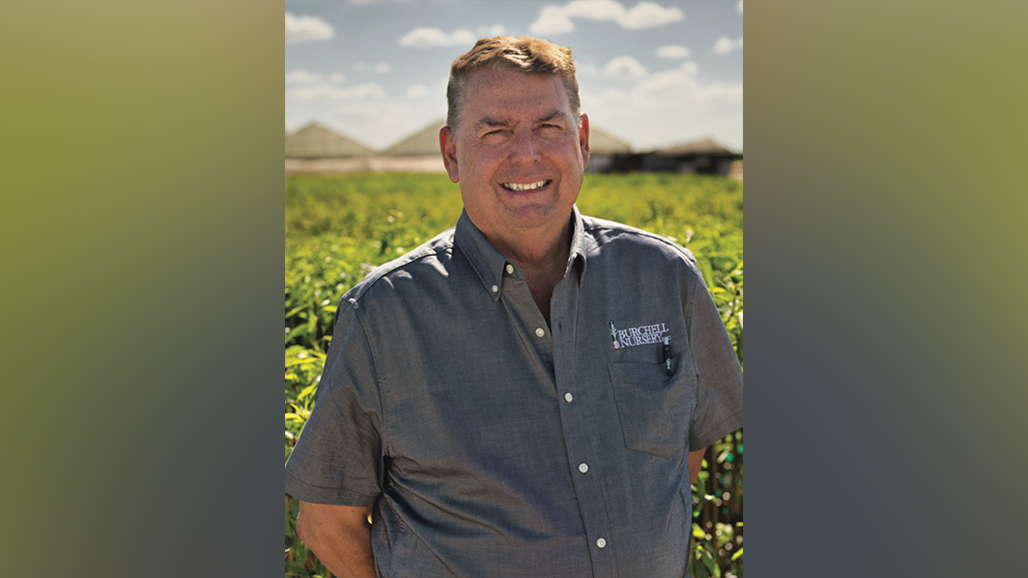
    The sudden passing of Tim Gerdts on August 26, 2024, marked a day of mourning for both the company he dedicated 38 years to and the fruit and nut community he supported.  Tim began his tenure at Burchell Nursery as a sales representative in 1986, after serving as a field supervisor and lead at Gerawan Farming. At the time, Burchell Nursery was expanding with a new branch in Fowler, CA, and required a sales representative for the Fresno area.  Residing in Kingsburg, a Fresno State alumnus, Tim was well-acquainted with the local growers and fruit packers.

    Raised in an agricultural environment, with his father serving as a UC Cooperative Extension Farm Advisor, Tim learned orchard management firsthand.  At Burchell Nursery, he leveraged this knowledge to offer growers guidance on pruning, planting, rootstock selection, and varietal recommendations.  Tim was often seen in peach or almond orchards, demonstrating proper pruning techniques to growers.

    Tim played a pivotal role in the Burchell Nursery Breeding Program, contributing to the introduction of over 70 peach and nectarine varieties, many of which, like the Autumn Flame peach, have become industry benchmarks.  He also collaborated with Bradford Farms to launch numerous new stone fruit varieties from their breeding program.  Tim’s relentless search for the ideal variety, whether new of established, always aimed to advance the grower’s success.

    Beyond his exemplary sales representation, Tim was a cornerstone during the winter delivery season, assisting in the distribution of trees.  He managed the Burchell Nursery Fowler sales yard, overseeing the coordination of tree shipments and deliveries to clients.  Working in tandem with truck drivers and office staff, he ensured seamless deliveries to meet customer readiness.  Tim’s commitment extended to operating a forklift for loading trucks or being present at a customer’s orchard early in the morning.

    His untimely passing is a loss that will resonate throughout the agricultural industry, as we have lost one of the most knowledgeable tree experts.  His presence will be profoundly missed by everyone that knew him.

    In lieu of flowers, the Gerdts family has asked that donations be made to the Fresno Rescue Mission.

  • UCCE Carrot Production and Pest Management Webinar, Oct. 9

    UCCE Carrot Production and Pest Management Webinar, Oct. 9

    As part of the UC Ag Experts Talk webinar series, Dr. Jaspreet K. Sidhu, Vegetable Crops Farm Advisor with the University of California Cooperative Extension, Kern County, will lead the next webinar on October 9, 2024 (3 – 4 p.m.).  She will discuss carrot production in California’s Central Valley, the biggest producer in the U.S. Dr. Sidhu will include major pest challenges and pest management with research findings for management especially for root knot nematodes, Alternaria leaf blight and cavity spot. One DPR CE unit (other) and one CCA CE unit (IPM) are pending. In order to qualify for credit, a final exam will be given and must be passed with a 70% or higher. Register to attend this free webinar HERE.

  • UCANR Fall Citrus Grower Meeting, Oct. 9

    UCANR Fall Citrus Grower Meeting, Oct. 9

    A group of UC experts are gathering for a “Fall Citrus Meeting” on October 9, 2024, (8 a.m. to 2 p.m.) at the Lindcove Conference Room at the Lindcove Research & Extension Center in Exeter, CA. This is a great opportunity for citrus pest control advisors and growers to learn about ongoing research efforts, and meet with UC experts, Ass. Ag Commissioner about current laws and regs, and hear about ongoing efforts to mitigate ACP/HLB on ground from grower liaisons. 4.5 Continuing Education Units pending approval.  Register to attend HERE. See the Agenda below:

  • UC ANR Publishes First-Ever Olive Production for Oil Manual

    UC ANR Publishes First-Ever Olive Production for Oil Manual

    Facing a deluge of lower-price products from Europe, the California olive oil industry is doubling down on its clear-cut competitive edge: the consistent and bona fide quality of its oil.

    “Olive Production Manual for Oil,” a new book published by University of California Agriculture and Natural Resources, aims to help California olive growers maximize that advantage.

    “It’s a tough market to compete in, but I think the way to win for California is to compete on quality,” said book co-editor Selina Wang, a UC Cooperative Extension specialist in the UC Davis Department of Food Science and Technology. “The quality of California olive oil is unmatched, but you can’t make good quality olive oil with bad fruit, so the goal is to get more fruit from the trees – and for the fruits to be high-quality fruit.”

    The 273-page manual, available for purchase online, is the first of its kind in the U.S. While some parts of the book are specific to California (which grows nearly all of the olives for domestically produced olive oil), most of the material would be useful to producers in other states, Wang noted.

    “Through our conversations with growers, it became clear to us that a manual like this – not a scientific publication but a manual that is easy to follow, written in language that is accessible, and with pictures and illustrations – would be really helpful to the growers,” she said.

    Growth of California olive oil industry necessitated creation of manual

    The new oil olive production manual, published by UC ANR, is the first of its kind in the U.S. Copyright UC Regents

    Aside from a book focused predominantly on table olives and another on organic olive production (by UCCE farm advisor emeritus Paul Vossen), there was no one-stop, comprehensive resource on the bookshelf for oil olive growers. The need for such a manual had become more acute as oil olives replaced table olives in California orchards during the last 20 years.

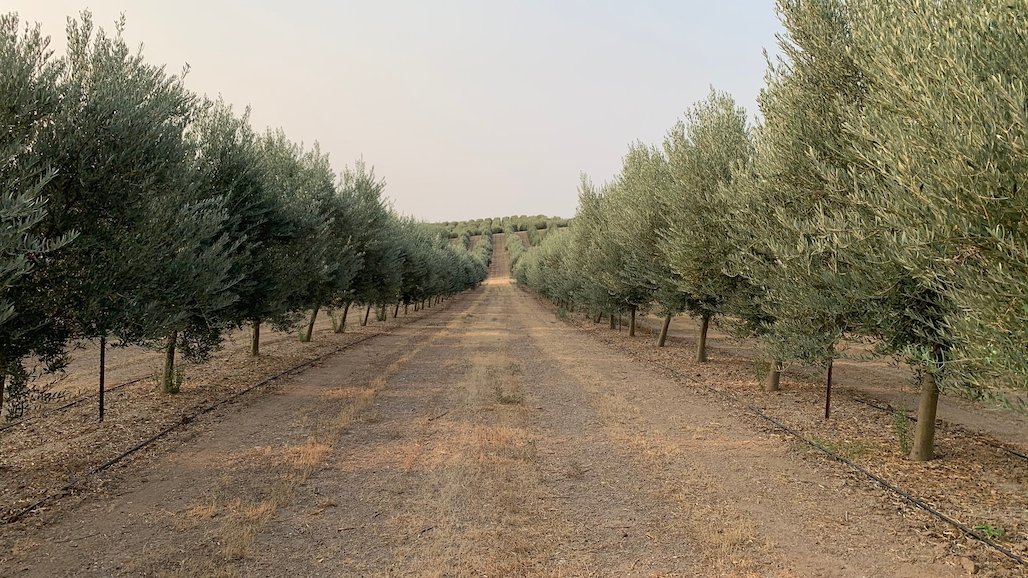
    Whereas harvesting by hand was historically cost-prohibitive, the introduction of super-high-density planting systems in 1999 made oil olive production more economically feasible. Mechanical pruning and harvesting of new cultivars (Arbequina, Arbosana and Koroneiki) – specifically bred for these densely planted orchards – led to the rapid expansion of oil olives in the state. According to a U.S. Department of Agriculture report, California olive oil production jumped from 2 million pounds in 2006 to an average of 21 million pounds in 2021–23.

    With about 37,000 acres of oil olives planted across California, the Olive Oil Commission of California saw the need to support the production of this manual. Championed by Dan Flynn, founder and executive director emeritus of the UC Davis Olive Center, Wang and co-editor Louise Fergusonoutlined the contents of the book. They then sought out a mix of growers and industry professionals and UCCE advisors and specialists to write its chapters.

    “Most of the information is data-based, from people who are working with the olives,” said Ferguson, a UC Cooperative Extension pomologist at UC Davis. “This is the first data-based olive oil production manual we’ve had.”

    Manual infused with firsthand insights, practical recommendations

    Of the three main varieties planted in super-high-density systems, Arbosana has the most consistent fruit yield. Photo by Dan Flynn; copyright UC Regents

    Hard-earned experience taught growers a valuable lesson that is conveyed in the book – the need to hand-prune. While mechanical pruning helps control the size of the trees, some hand-pruning is still required to allow light to filter to the leaves. Failing to do so leads to a dramatic decrease in yield.

    “That happened in many of the orchards that were inexperienced in these new cultivars and new super-high-density planting systems,” Ferguson said.

    She added that other key topics in the manual include irrigation management in a water-constrained state, nitrogen management, harvest timing and orchard site selection. Choosing a good spot for planting is crucial in this era of extreme climate volatility, Ferguson noted, as olive trees are significantly affected by temperature shocks in spring (fruit set) and fall (harvest).

    For Wang, another overarching theme in the manual is the importance of testing. Testing the soil, water and leaves provides critical data that growers can use to adjust their inputs and production practices for optimal profitability.

    “You may spend a couple hundred dollars on the lab work, but it will pay off, for sure – you’re going to increase the health and productivity of your trees,” Wang explained. “Oil olive growers are paid based on the oil content in their fruit; you not only want to have a lot of fruit on the trees, you want to make sure that your fruit are accumulating oil.”

    California oil olive growers, practices continue to evolve

    Wang and Ferguson hope their book will help California producers compete more effectively in the global marketplace. Currently, about 90% of the olive oil consumed in the U.S. is imported from Mediterranean countries, due primarily to the lower price point. In that region, producers tend to harvest riper olives that produce oil at a greater volume but lesser quality.

    In contrast, California growers harvest earlier and produce oil that is higher quality (with more flavor and more antioxidants) and far exceeds accepted standards for “extra virgin olive oil.”

    According to Wang, California olive oil mills have nearly maximized their efficiency, and the growth opportunity for the industry is in the orchards: to optimize practices to produce more fruit, and to plant more trees. Wang said the new manual can help on both fronts.

    “Just like for other crops, focusing on quality – while increasing efficiency and productivity, and therefore profitability – is the name of the game,” she said.

    Ferguson also stressed that knowledge continues to evolve and urged growers to reach out to the editors and chapter authors with their experiences.

    “Most of the authors are in California and they’re working,” she said. “So if you start to notice things that are different, or you want more information or something is not clear, the authors are available.”

    The manual can be purchased at https://anrcatalog.ucanr.edu/Details.aspx?itemNo=3559. — By Michael Hsu, UCANR

  • California Navel Orange Forecast Up from Last Year

    California Navel Orange Forecast Up from Last Year

    The initial 2024-25 California Navel orange forecast is 78.0 million cartons, up 2% from the previous year. These forecasts are based on the results of the 2024-25 Navel Orange Objective Measurement (O.M.) Survey, which was conducted from June 8 to August 25, 2024. Estimated fruit set per tree, fruit diameter, trees per acre, bearing acreage, and oranges per box were used in the statistical models estimating production.

    This forecast includes production of conventional, organic, and specialty Navel oranges (including Cara Cara and Blood orange varieties).

    Survey data indicated a fruit set per tree of 414, up 24% from the previous year. The average September 1 diameter was 2.063 inches, down 5% from last year. Bearing acreage is estimated at 110,000, which results in a forecasted yield of 709 cartons per acre.

    CARA CARA PRODUCTION FORECAST

    Cara Cara variety production is forecast at 9.0 million cartons. Survey data indicated a fruit set per tree of 301, up 10% from the previous year and 15% above the five-year average of 262. The average diameter on September 1 was 2.142 inches, 2% below the previous year and 2% below the five-year average of 2.180 inches.

    SURVEY SAMPLE

    A sample of 804 Navel orange groves was randomly selected proportional to county and variety bearing acreage, and 749 of the groves were utilized in this survey. Once a grove was randomly chosen and grower permission was granted, two trees were randomly selected.

    For each randomly selected tree, the trunk was measured along with all connected branches. A random number table was then used to select a branch, and then all connected branches from the randomly selected branch were measured.

    This process was repeated until a branch was reached with no significant limbs beyond this point. This randomly selected branch, called the terminal branch, was then closely inspected to count all fruit connected to this branch, as well as all of the fruit along the path from the trunk to the terminal branch. Since each selected path has a probability of selection associated with the path, a probability-based method was then applied to estimate a fruit count for the entire tree.

    In the last week of the survey period, fruit diameter measurements were made on the right quadrant of four trees surrounding the two trees of every third grove. These measurements were used to estimate an average fruit diameter per tree. Of the 749 utilized groves, 126 were in Fresno County, 425 were in Tulare County, 171 were in Kern County, and 27 were in the remaining counties.

    SURVEY HISTORY

    A Navel Orange Objective Measurement Survey has been conducted in the Central Valley every year since the 1984-85 crop year, except for the 1991-92 season due to a lack of funding. The data from the first two years were used for research purposes in developing crop-estimating models. The Cara Cara forecast was undertaken at the request of the California Citrus Advisory Committee starting with the 2018-19 crop year.

    Beginning in the 2023-24 crop year, only state level forecasts will be published, and the Central Valley forecasts will be discontinued.

  • Ag Processing Labor Contractor Thoughts on New Indoor Heat Illness Rule

    Ag Processing Labor Contractor Thoughts on New Indoor Heat Illness Rule

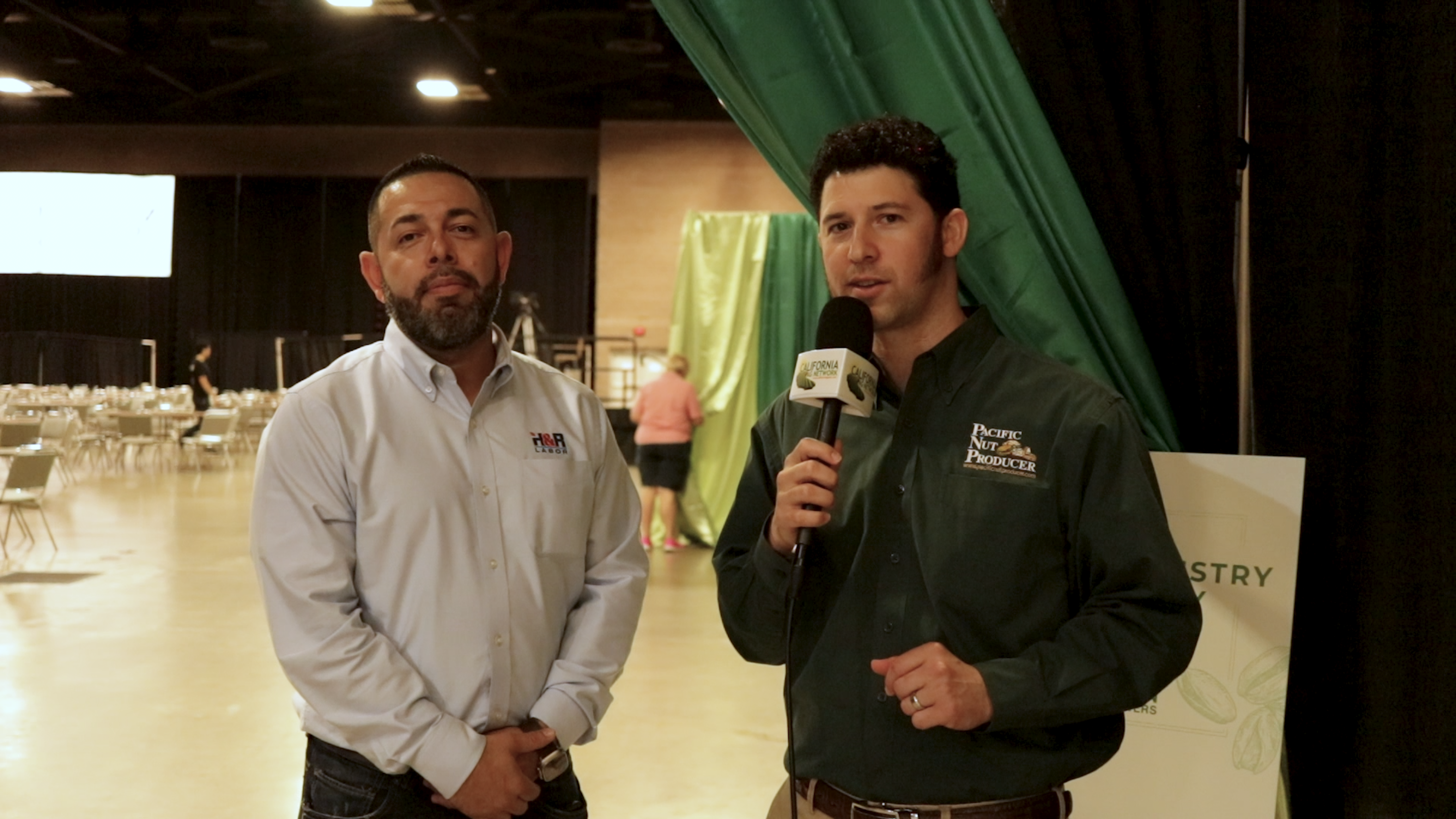
    California has experienced an unusually hot Summer this year, which may have had influence in Cal/OSHA’s recent approval of a new regulation “Heat Illness Prevention in Indoor Places of Employment” that went into effect immediately, which impacts indoor workplaces in ag such as nut hulling and processing facilities, wineries, dairies, packinghouses and more. Key indoor temperature/heat index thresholds of 82 & 87 degrees F will mandate certain procedures to ensure the health and safety of employees. Looking into the impact of the new regulation, Matthew Malcolm visited with labor contractor Robert Heredia of H&R Labor, who specializes in meeting the labor needs of food processing facilities in one of the hottest regions in the nation — the Central Valley of California. Watch this brief interview as Heredia shares his thoughts on the recent changes.

    Special thanks to American Pistachio Growers for sponsoring this video.

  • Extensive Heat Waves Influence Drop in 2024 California Processing Tomato Forecast

    Extensive Heat Waves Influence Drop in 2024 California Processing Tomato Forecast

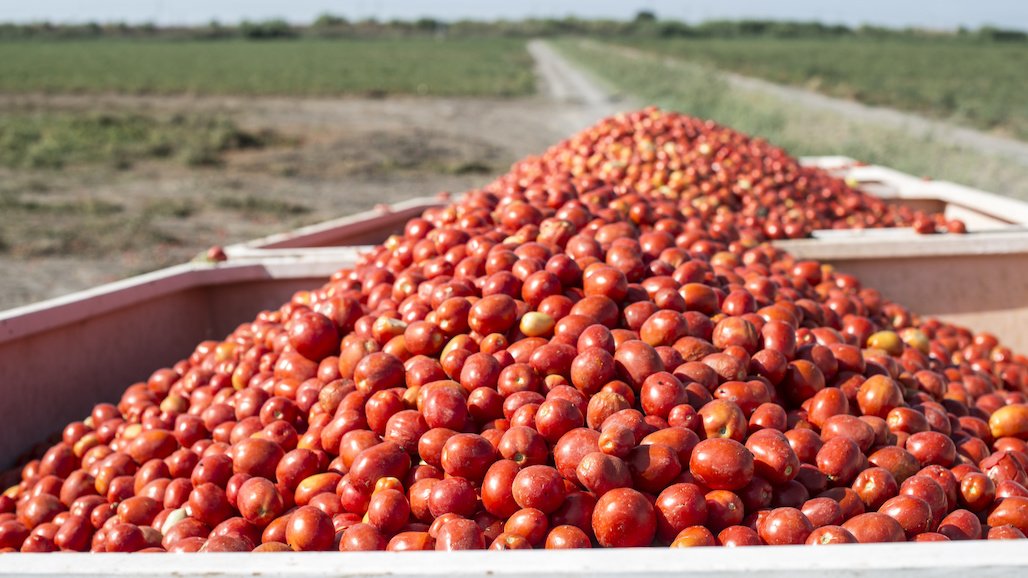
    Contracted production for California processing tomatoes is forecast at 11.3 million tons, averaging 50.0 tons per acre. The current production forecast is 12 percent below last year’s contracted production of 12.8 million tons, and 2 percent below the May forecast. The projected harvested acreage of tomatoes grown under contract is 226,000 acres, down 11 percent from 2023.

    Mild spring temperatures and adequate water provided tomato growers with favorable planting conditions and a good start to the developing crop. However, extremely high temperatures throughout the summer and into harvest has negatively affected yields. There were concerns regarding curly top virus detected in the San Joaquin Valley, but no significant damage was reported.

    The processing tomato harvest began the first week of July in the southern Central Valley and progressed to the northern counties by the middle of August. Harvest is expected to finish in October, significantly earlier than last year. Quality is reported to be fairly good for the early crop, but the impact of the heat waves on late season plantings is uncertain.

    The Processing Tomato Advisory Board published shipments through August 24, 2024, showing a 29% increase compared to this time last year. However, shipments were significantly behind schedule in 2023 because the crop was delayed. Current shipments compared to the halfway point of last year indicate a decrease of 12%.

    This processing tomato estimate is funded by the California League of Food Producers.

  • Tapping into Growing Market Opportunities for U.S. Blueberries

    Tapping into Growing Market Opportunities for U.S. Blueberries

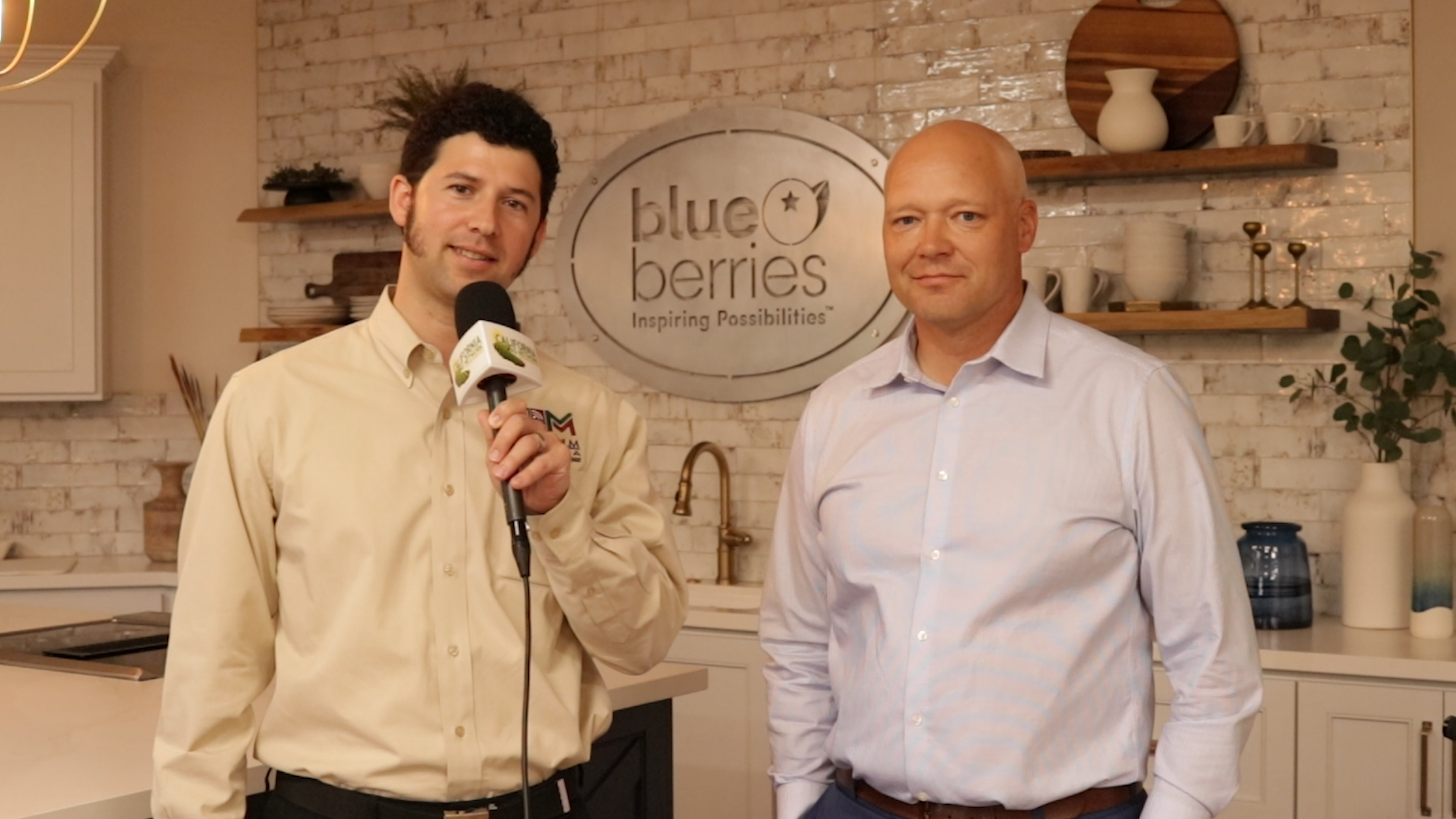
    According to Kasey Cronquist, President of the North American Blueberry Council and the U.S. Highbush Blueberry Council, the global market potential for U.S. blueberries has been largely untapped, considering the tremendous growth opportunities he sees for the industry. The U.S. may reach a new record this year in blueberry production, and the increased supply is poised to meet the growing global demand for this nutrient-dense product. Watch Cronquist’s brief interview with Matthew Malcolm at California Ag Network and read more in California Fruit & Vegetable Magazine.

    Please thank this video’s sponsor Southern California Gas Company for their industry support.

  • Congressman Duarte Addresses Water Issues & Solutions for California Ag

    Congressman Duarte Addresses Water Issues & Solutions for California Ag

    Despite the great rainfall and snowpack California has experienced in the last couple years, little of this abundance has been shared with agriculture or even saved for the inevitable times of drought that lay ahead.  Farmers are fed up with the state’s many years of mismanagement of our water resources and lack of practical investment in our water future.  This led a farmer to run for congress and bring some new, realistic solutions to the table.  Watch this brief interview with Representative John Duarte from the 13th Congressional District of California as he shares some of these priorities that offer relatively quick and longterm water availability benefits for farmers and all Californians.

    Special thanks to American Pistachio Growers for sponsoring this video.