Category: Industry News

  • Brendan O’Donnell Selected as President/CEO of DFA and Safe Food Alliance

    Brendan O’Donnell Selected as President/CEO of DFA and Safe Food Alliance

    DFA of California and Safe Food Alliance are pleased to announce the appointment of Brendan O’Donnell as their new President and CEO, effective August 1st, 2024. Brendan brings over two decades of extensive leadership experience in the food and agriculture industry, marked by his commitment to innovation, food safety, and sustainable practices.

    Prior to joining DFA and Safe Food Alliance, Brendan served as Global Segment Director, Nuts & Citrus at TOMRA Food, where he led global teams and spearheaded customer-focused product development initiatives. His tenure at TOMRA showcased his strategic acumen and ability to drive growth through effective leadership and market insights.

    “Looking ahead, we are very pleased with the appointment of Brendan O’Donnell to succeed Vaughn as President & CEO. Brendan has demonstrated extraordinary communication and leadership skills in his roles at TOMRA and Monte Vista Farming Company. These skills, along with his technical background, make him an excellent fit to lead the DFA/Safe Food Alliance organization,” said Brian Dunning, President & CEO
    of ShoEi Foods USA and current Chair of the DFA Board. “His vision aligns perfectly with our commitment to supporting the dried fruit, tree nut, and specialty crop industries, and I am confident in his ability to enhance our member services and strengthen our industry partnerships.”

    Throughout his career, Brendan has held pivotal roles at Monte Vista Farming Company and Sun Valley Rice, where he contributed significantly to business growth and market expansion. He holds an Executive Certificate in Negotiation from the University of Notre Dame’s Mendoza College of Business and a B.S. in Agricultural Systems and Environment from the University of California, Davis.

    “I am honored to join DFA and Safe Food Alliance at such an exciting time in our industry,” said Brendan O’Donnell. “I look forward to leveraging my experience to drive innovation, strengthen food safety standards, and support our members and partners as we navigate new opportunities and challenges ahead.”

    In addition to his professional achievements, Brendan is dedicated to his family and enjoys exploring the outdoors with his wife, Erin, and their two teenage children.

    About DFA of California

    Founded in 1908, DFA of California is a non-profit trade association dedicated to supporting the dried fruit, tree nut, and specialty crop industries. DFA supports processors through rigorous inspection services, member benefits, food safety training, and provides support on numerous export related matters. For more information, visit DFA of California.

    About Safe Food Alliance

    Safe Food Alliance provides a comprehensive range of food safety services designed specifically for food processors and manufacturers throughout California. As a full service food safety company, Safe Food Alliance provides third-party laboratory testing, complemented by extensive food safety training, consulting services, and third-party certification audits offered through a separate company, Safe Food Certifications.
  • Big DPR Licensing Changes for Pest Control Advisers and Invitation to Gather for 50th Anniversary CAPCA Conference

    Big DPR Licensing Changes for Pest Control Advisers and Invitation to Gather for 50th Anniversary CAPCA Conference

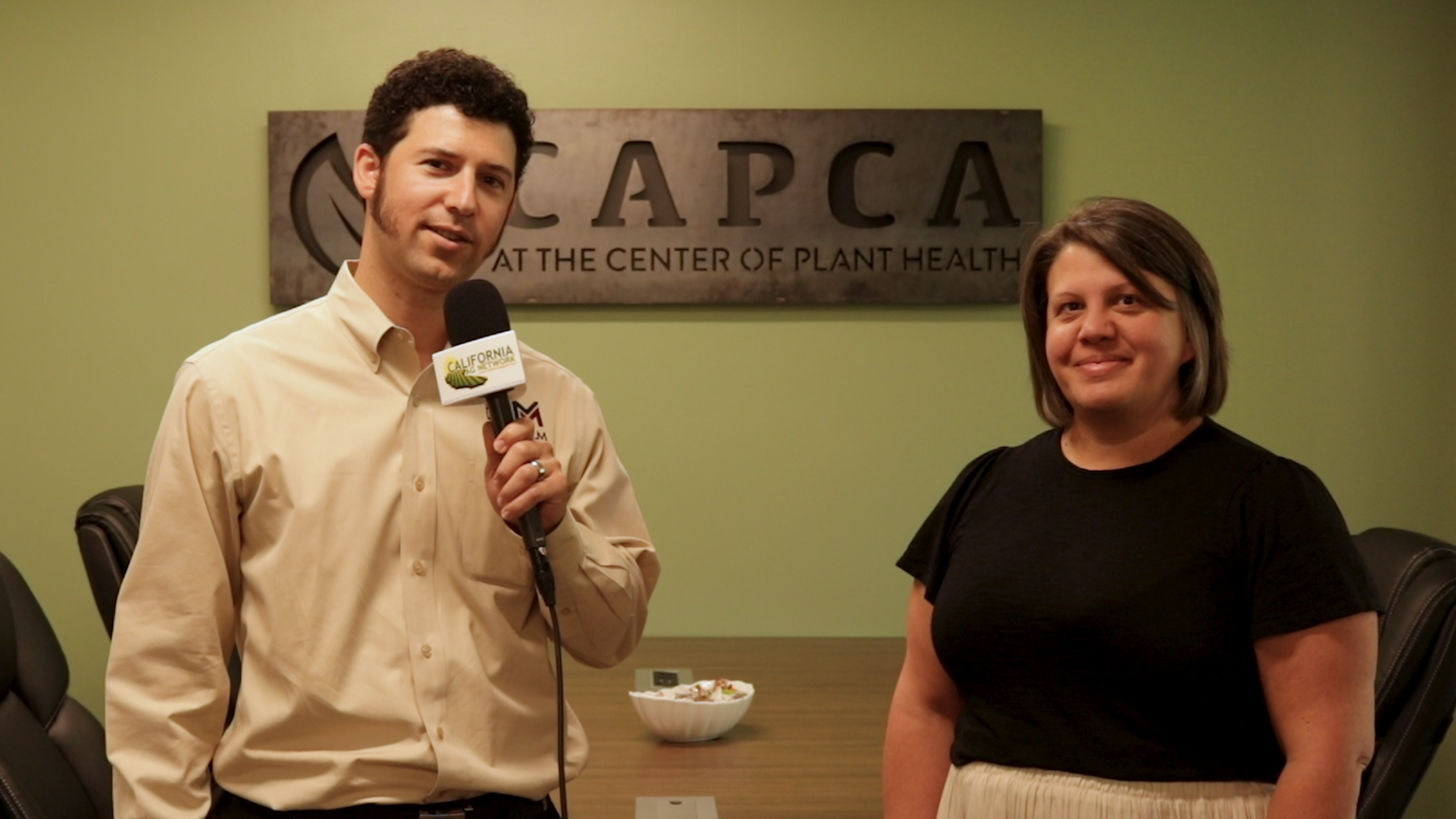
    To help California Pest Control Advisers and qualified/aerial pesticide applicators prepare for several changes to their license renewals with DPR, Ruthann Anderson, President/CEO of the California Association of Pest Control Advisers (CAPCA), met with Matthew Malcolm on California Ag Network on August 5th to explain the changes. Among them is a significant renewal fee increase. While increasing costs are never welcome news, Anderson calls upon DPR for transparency and accountability in the use of the increased funds to better serve licensees. She also points out that 2024 is a milestone year for CAPCA, as they will be holding their 50th annual Conference this fall. Watch this brief interview to learn more specifics on California DPR license renewal changes, and some exciting things to expect in attending CAPCA’s 50th Conference this October.

    Please thank this video’s sponsor Southern California Gas Company for their industry support.

  • Economic Analysis Reveals Significant Impacts of Pesticide Policies on California Lettuce Production

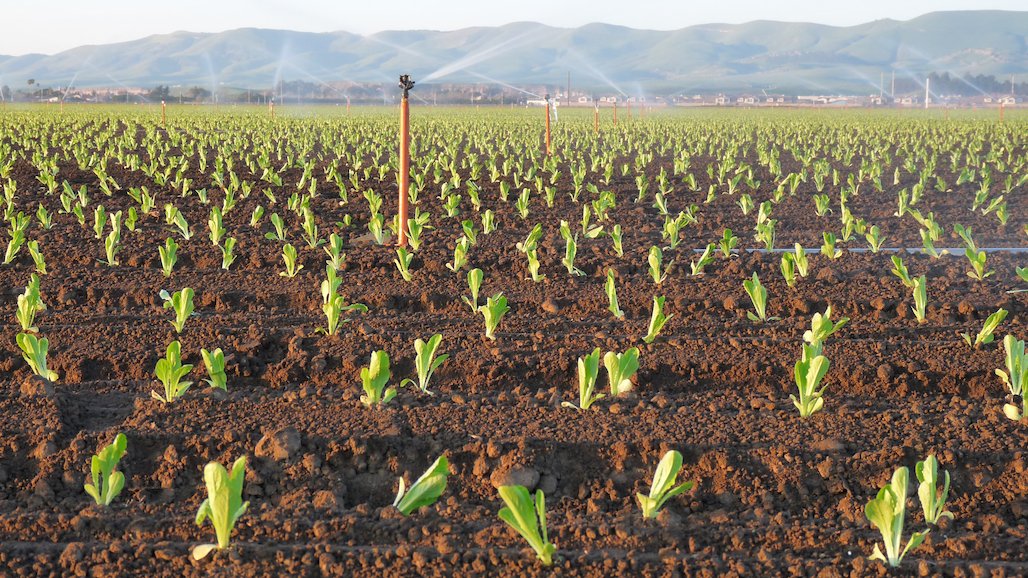
    Economic Analysis Reveals Significant Impacts of Pesticide Policies on California Lettuce Production

    Today, Californians for Smart Pesticide Policy (CSPP) released a comprehensive economic analysis highlighting possible implications of elements of California’s proposed Sustainable Pest Management (SPM) framework that would result in impacts on the state’s lettuce production industry. The study, conducted by economists Jarrett Hart, Duncan MacEwan, Jay Noel, and Amrith Gunasekara, underscores the critical need for effective and timely pest management solutions to safeguard the state’s agricultural productivity.
    The economic impact of pesticide restrictions is profound, with projections indicating a 7.3 percent decrease in California’s lettuce production due to restrictions on key pesticides such as neonicotinoids and pyrethroids. This would result in an annual loss of $160.3 million to producers and an additional cost of $694.28 million to consumers. Additionally, the shift in production from California to other regions like Arizona and Mexico would increase production costs and consumer prices, further straining the state’s agricultural economy.

    The consequences of delays in pesticide registration are equally concerning. The study reveals that California’s stringent and lengthy registration process leads to a reduction in lettuce production, with producers losing $42.8 million and costing consumers $139.3 million annually. The state’s process, which can extend 1-3 years following federal approvals, hinders innovation and delays the availability of new, effective pest management products to California growers.

    Market shifts and regulatory leakage are anticipated as a result of these proposed policies. The economic analysis predicts a modest short-run decrease in lettuce prices and a production shift from California to Arizona and Mexico. In the long run, more stringent pesticide policies would drive a significant portion of lettuce production out of California, resulting in increased prices throughout the supply chain, including for consumers.

    The implications of the proposed SPM framework are significant. While the SPM framework aims to phase out harmful pesticides, without viable alternatives, this policy could undermine California’s agricultural sector.

    CSPP is dedicated to balanced pesticide policies that protect California’s agriculture and economy while ensuring environmental sustainability and public health. We strive to promote informed decision-making through comprehensive research and economic analysis. For more information on this study and CSPP’s initiatives, please visit our website at https://ca4pestpolicy.org/.

  • Fig Harvest is Here – California Fresh Fig Industry Poised for Growth

    Fig Harvest is Here – California Fresh Fig Industry Poised for Growth

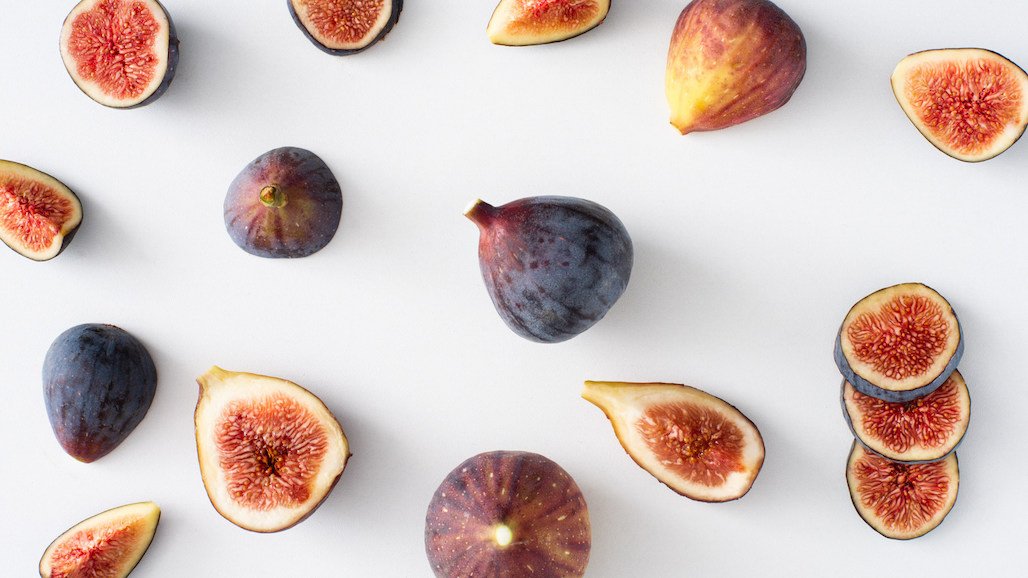
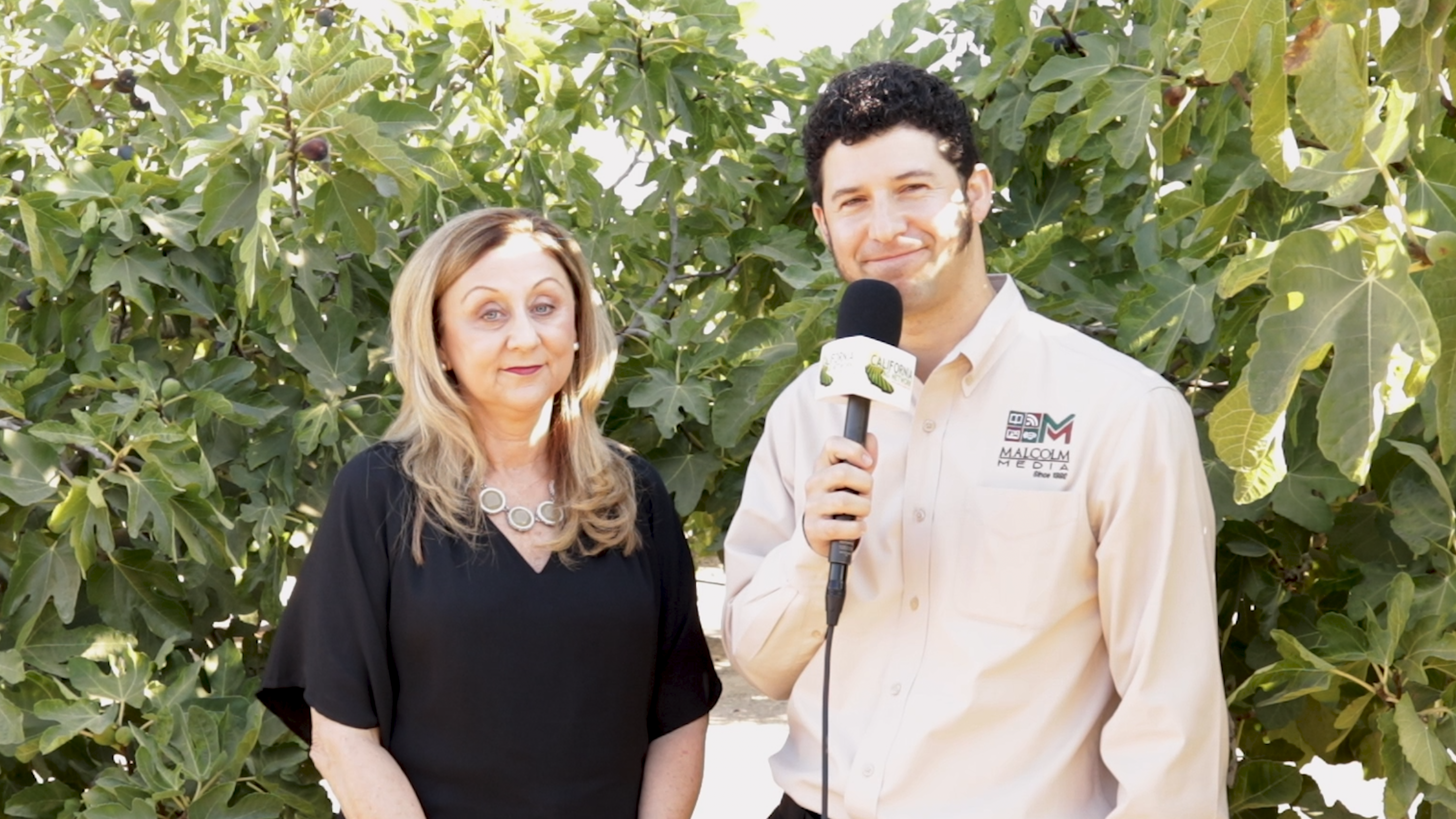
    Madera, California, is the nation’s capitol for fig production. Fresh fig harvest is well underway and growers are expecting the best crop they’ve had in years. Karla Stockli CEO of the California Fresh Fig Growers Association and California Fig Advisory Board met with Matthew Malcolm on California Ag Network to share an exciting outlook for the 2024 crop and bright future of the fig industry. Watch this brief interview and read more in California Fruit & Vegetable Magazine.

    Please thank this video’s sponsor Southern California Gas Company for their industry support.

  • Center for Land-Based Learning Fosters Rising Generation of CA Farmers & Ag Leaders

    Center for Land-Based Learning Fosters Rising Generation of CA Farmers & Ag Leaders

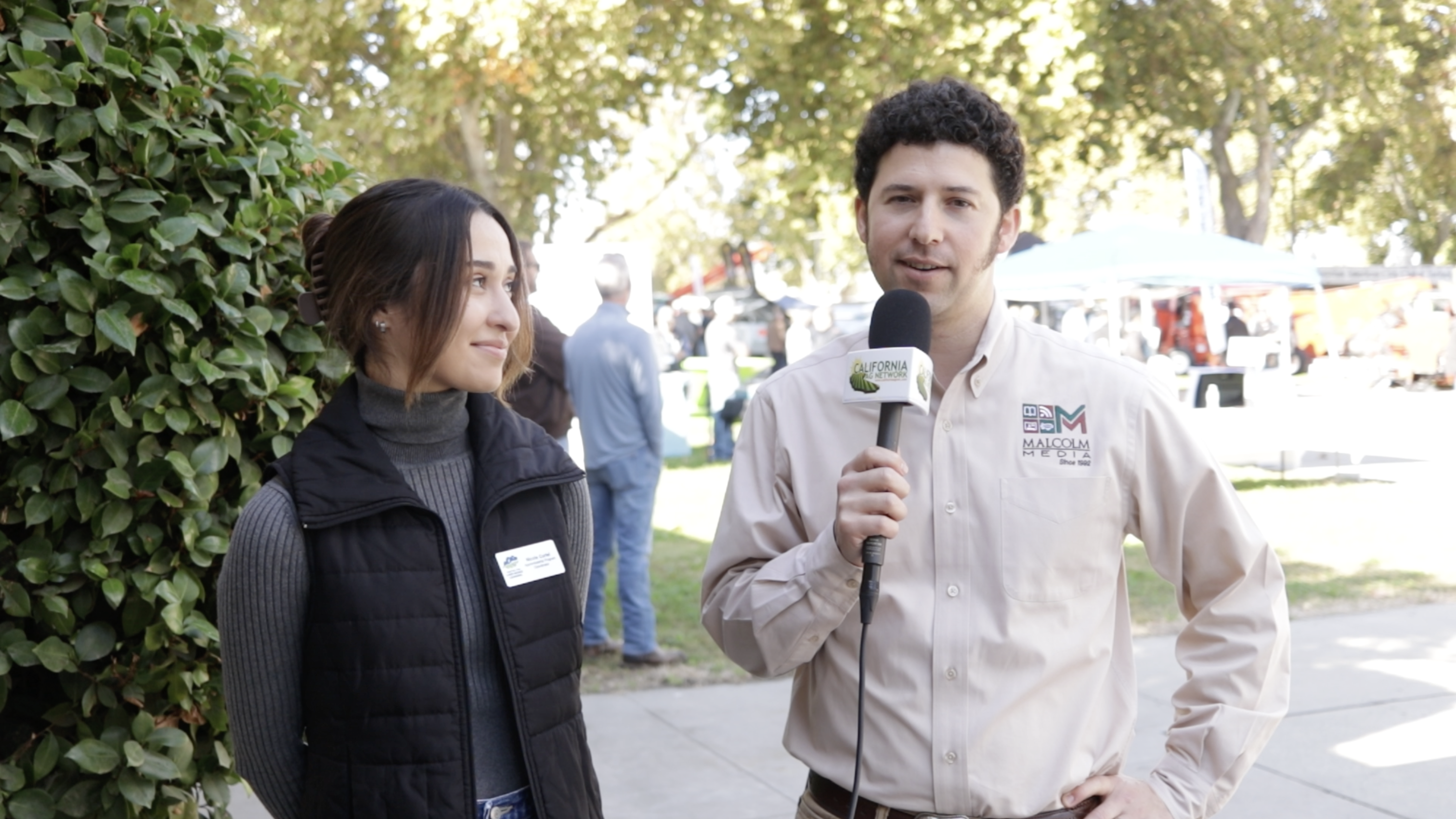
    Have you heard of the Center for Land-Based Learning? For over 30 years, this nonprofit organization has served California’s agricultural industries by inspiring and educating youth with an interest in food and ag — connecting them with resources and opportunities to pursue a career in farming.  Nicole Curiel, Apprenticeship Program Assistant Manager from the Center met with Matthew Malcolm on California Ag Network to share more about the program and how farmers can get involved. Watch this brief interview to learn more.

    Please thank this video’s sponsor Southern California Gas Company for their industry support.

  • Fruit Fly Quarantines Lifted in Contra Costa & Los Angeles Counties

    Fruit Fly Quarantines Lifted in Contra Costa & Los Angeles Counties

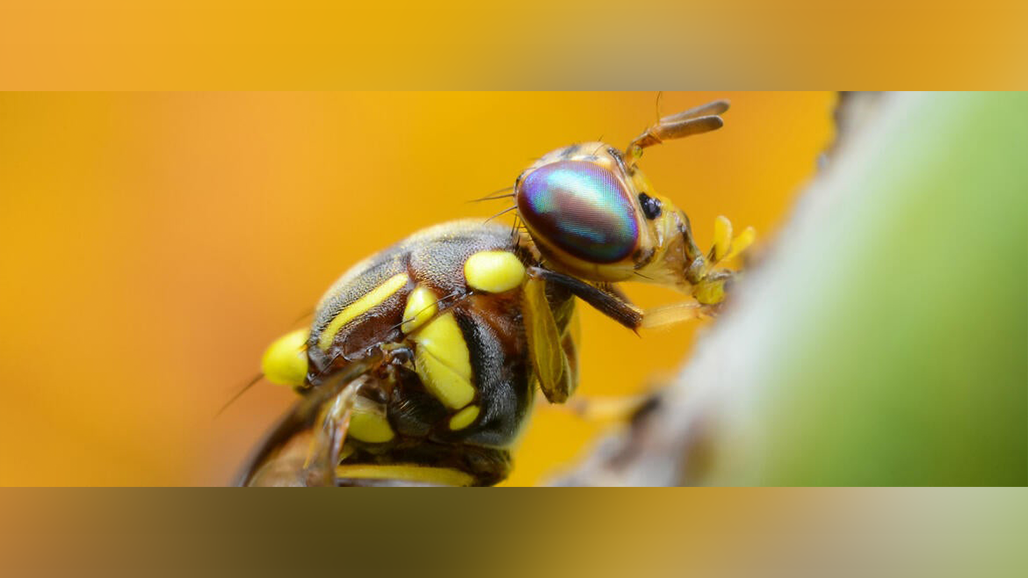
    California Citrus Pest & Disease Prevention Program — The California Department of Food and Agriculture (CDFA) has officially declared an end to the Tau fruit fly quarantine in Los Angeles County, and an end to the Oriental fruit fly quarantine in Contra Costa County following the successful eradication of the invasive pests.

    Tau Fruit Fly Quarantine

    The Tau fruit fly quarantine, which was established in the Santa Clarita area of Los Angeles County, was the first-ever quarantine for the Tau fruit fly in the Western Hemisphere. It encompassed the city of Santa Clarita and surrounding areas in parts of Stevenson Ranch, Newhall, Castaic Junction, Oat Mountain and Del Valle.

    Thanks to the diligent efforts of Santa Clarita area residents, local agricultural officials, the Los Angeles County Department of Agricultural Commissioner/Weights and Measures, and officials from CDFA and the United States Department of Agriculture, the invasive pest has been successfully eradicated from the area as of June 28.

    “Following one of the largest statewide invasive fruit fly populations we’ve seen in a number of years in California, we’re incredibly proud that we’ve been able to successfully achieve eradication of the Tau fruit fly,” said Victoria Hornbaker, director of CDFA’s Plant Health and Pest Prevention Services Division. “The lifting of this quarantine proves that our efforts are working, and the responsiveness and cooperation of residents across California and our partners is critical to that success.”

    During the quarantine, crops that are hosts for the fruit fly — which include more than 300 varieties, such as citrus and other fruits, nuts, vegetables and berries — were not allowed to be moved from the properties where they were grown. Commercial crops were required to meet stringent treatment or processing standards before being harvested or moved.

    Oriental Fruit Fly Quarantine

    The announcement comes 10 months after officials first detected populations of the Oriental fruit fly in the area. This destructive pest has been eliminated through the cooperation and diligence of Contra Costa County residents and local agricultural officials, the California Department of Food and Agriculture (CDFA), working in coordination with the United States Department of Agriculture (USDA) and the Contra Costa County Agricultural Commissioner.

    “We’re pleased to report this is the third Oriental fruit fly quarantine lifted in California this year,” said Victoria Hornbaker, director of CDFA’s Plant Health and Pest Prevention Services Division. “These recent successes prove that through the cooperation of residents across the state and our partners, eradication of invasive species is possible.”

    While several fruit fly quarantines have now been lifted in California, additional quarantines remain and still threaten the state’s natural environment, agriculture and economy. To review all active quarantine maps, please visit CAFruitFly.com.

    When at home, residents are encouraged to stay vigilant for signs of invasive pests. To help prevent any future introductions of invasive species, residents should follow these guidelines:

    • Cooperate with agricultural officials and allow them access to your garden to place traps, inspect plants, conduct necessary treatments or remove potentially infested produce.
    • Determine if your property is located within an active quarantine area by visiting CAFruitFly.com.
    • Buy fruit trees and vegetable plants from licensed California nurseries. Purchasing agricultural goods from uncertified sources can spread invasive pests. Source your plants locally and responsibly. To find a licensed nursery near you, visit CDFA’s Directory of Licensed Nurseries.
    • Inspect your garden for signs of invasive fruit flies or maggots and report any findings to CDFA at 1-800-491-1899 or your local county agricultural commissioner’s office.
    • When entering the United States from another country, avoid bringing agricultural products — including fruits or vegetables. Help us protect our agricultural and natural resources and California’s unique biodiversity from invasive fruit flies — please Don’t Pack a Pest (dontpackapest.com) when traveling or mailing/receiving packages.

    To learn more about invasive species and how to protect the county’s fruits and vegetables, visit CAFruitFly.com or contracosta.ca.gov.

  • 2024 California Fresh Fig Season Gets Early Start

    2024 California Fresh Fig Season Gets Early Start

    Hot summer temperatures means good news for fresh fig lovers. Due to the extreme heat, the main harvest of the California Fresh Fig started a couple weeks earlier than usual, according to the California Fresh Fig Growers Association, and the fruit will be beautiful and plentiful well into the fall.

    “After years of drought and fires, California fig orchards are the healthiest they’ve been in years,” says Karla Stockli, Chief Executive Officer of the California Fresh Fig Growers Association. “This promises to be one of the best California Fresh Fig seasons we’ve ever seen!”

    This year’s first crop, known as the breba crop, delivered the first Mission figs of the season May-June. The main crop, now underway, is delivering plump and delicious varieties, such as Brown Turkeys, Missions and Sierras. Additional varieties will continue to become available through November.

    In California, there are four primary varieties of fresh figs offering unique flavor notes:

    • Mission. Purple and black skin with deep earthy flavor.
    • Brown Turkey. Light purple to black skin with robust flavor.
    • Sierra. Light-colored skin with a fresh, sweet flavor.
    • Tiger. Light yellow color with unique dark green stripes and a bright red-purple interior fruit with fruity, raspberry, citrus flavor.

    California’s fig growers continue to plant additional acres to meet consumer demand. From increased menu offerings in the restaurant industry to sampling and displays at grocery retailers, a comparable size crop to last year’s nearly 10 million pounds will be harvested in 2024. This is good news following the pandemic and decline in foodservice sales.

    While California Fresh Figs are available seasonally, California Dried Figs are a year-round staple, offering the same nutrition and taste benefits. Substitute dried figs for fresh in salads, sandwiches, pizzas, sauces, and more, to enjoy California Figs throughout the year.

    For recipes and more information, visit CaliforniaFigs.com.

    About the California Fig Advisory Board and the California Fresh Fig Growers Association
    The California Fig Advisory Board and California Fresh Fig Growers Association promote awareness and the use of California-produced dried and fresh figs domestically and internationally. California fig growers, processors and marketers fund the activities of the industry.

  • California Avocado Acreage Increases, 2023 Report Available

    California Avocado Acreage Increases, 2023 Report Available

    Each year the California Avocado Commission partners with Land IQ to produce a Statewide Avocado Acreage and Condition Analysis report utilizing digital satellite imagery, aerial photography and analytical tools to survey California avocado groves. This data helps the Commission make informed budgeting and marketing decisions and provides industry members with spatial data concerning crop type, location, condition and density. See the full 2023 Report HERE.

    According to the report:

    • In 2023 there were 52,534 planted avocado acres
    • The majority of growing acreage is located in Ventura, San Diego, Santa Barbara, Riverside and San Luis Obispo Counties with a total of 50,818 planted acres
    • The five top-producing counties reported 1,059 new/young acres and 3,399 topped/stumped acres

    The report also provides acreage data by zip code, county, condition, year planted and density.

    The California Avocado Commission’s crop estimating team in conjunction with Land IQ uses the latest in remote sensing techniques to assess avocado acreage in production.  As technology continues to advance refinements in our fourth generation of remote sensing techniques were applied to satellite imagery collected during spring and summer months.  The imagery processing techniques include; segmentation into homogenous polygons, retention of tree crop polygons, calculation of average crop canopy moisture and vegetation indices, analysis of change maps from previous inventories, and classification of avocado groves into four categories; producing, topped/stumped, new/young, and abandoned.  Aerial imagery (for a real-world view), and satellite imagery (for spectral and temporal data) are integrated into previously classified avocado acreage and analyzed for current condition of California avocado acreage statewide.

  • Maintaining Microirrigation Systems

    Maintaining Microirrigation Systems

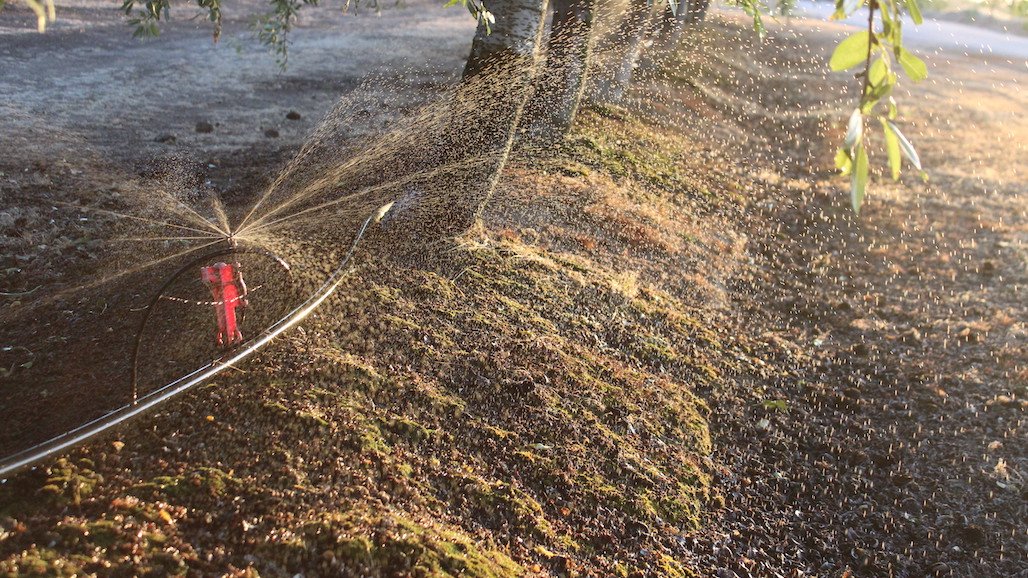
    Microirrigation systems — microsprinklers, drip emitters and drip tape — tend to provide better distribution/emission uniformity than other irrigation methods. However, the miniscule flow passages in these systems can become clogged and thus disrupt the uniformity of water applied to a crop. Clogging also decreases the amount of salt leaching around the lateral line.

    Late fall and winter are an ideal time to review irrigation systems for needed repairs or malfunctions. A great resource is the University of California’s Maintenance of Microirrigation Systems website that outlines various causes of microirrigation clogging and means of preventing or mitigating the problems.

    The first step in alleviating clogs is identifying the problem. Clogs can be caused by:

    • Particulates — sand, silt, clay — from surface water sources
    • Biological materials — algae, bacterial slimes — from surface water sources
    • Chemical precipitates — such as iron and calcium carbonate — from groundwater sources or fertigation

    To identify the issues, first flush water from the lateral lines through a nylon stocking or paint straining cloth and examining what material is collected. If you see mineral particles, you have identified your problem. If you notice that clogging tends to occur at the ends of the lines, this also tends to indicate particulate clogging.

    If you identify organic matter when flushing the line, then biological materials are the issue. You also can open the end of a lateral line and feel inside the tube to see if it is slimy. If so, biological materials are the source of your problem.

    If you note white, crusty materials or reddish staining of the soil near the emitters, this is indicative of chemical precipitates.

    Once you have identified the clogging source, you can take steps to address the issue.

    Particulate issues can be prevented by regular line flushing and the use of filters. The website provides a list of various filters and a table noting which filter to choose based on water source, particulates and irrigation system. To adequately flush the lines, water must flush at least 1 foot per second at the end of the drip line — 1 gallon/minute for 5/8” diameter and 2 gallons/minutes for 7/8” diameter drip lines.

    If organic matter is the source of the clogging, the best mode of treatment is a good filtration system combined with use of a biocide to remove the biological contaminants. Visit the UCANR site for a list of filters and the aforementioned “how to choose a filter” table.

    If calcium carbonate (lime) or iron is clogging your emitters, strong acid can make either disappear if emitters are left in it overnight. Lowering the pH (6 or below) of the water by injecting common acids — sulfuric acid, muriatic acid or hydrochloric acid — can help prevent clogging due to lime. UCANR provides specific formulas to help growers determine the injection rate needed to alter water pH.

    If high iron levels are the source of the clogging, aerating the water to oxidize the iron and then allowing the precipitates to settle before irrigating (a reservoir or settling basin is necessary) is the most practical option. Common acids also can be injected to decrease the pH of the water (4 or less).

    Other maintenance tasks include addressing leaks. For above ground systems, lines can be inspected routinely by using a motorized vehicles to drive along the lines when the irrigation system is running. Detecting leaks for subsurface drip systems is much more difficult, with many sources of the leaks being identified several feet from where the excessive water is detected. If the tail ends of your lateral lines are exposed, one of the best ways to test for leaks is to open just a few of the ends of the lines and note whether the waterflow is diminished.

    Because filters can clog frequently, many growers opt not to use screen washers in lateral lines and instead use primary and secondary filters to limit contaminants. Filter maintenance consists of occasionally backwashing them to remove collected matter. This can be done by removing and cleaning the screen or opening a valve and using the water pressure to remove buildup.

    As concerns pressure gauges, it is recommended these be installed upstream and downstream of filters and downstream from pressure-regulating valves. Liquid-filled pressure gauges are a preferred choice but tend to be more expensive. And remember to check the gauges, especially those exposed to the sun which may need to be replaced yearly. — By the California Avocado Commission

    For more information on routine microirrigation tasks, visit the UCANR website.

  • Transplanted Bees Help Blueberry Fields Flourish

    Transplanted Bees Help Blueberry Fields Flourish

    Pollinating bees are in decline, and those that remain may not be up to the task of pollinating all the crops needed to feed the nation. To help keep food on the table, researchers are looking to native wild bees to take up the slack, especially for blueberries and other fruit crops.

    “Honeybees are considered a universal crop pollinator worldwide, but their populations are in trouble, and they do not always pollinate certain crop plants efficiently,” said Blair Sampson, entomologist with the Agricultural Research Service’s Southern Horticultural Research Laboratory in Poplarville, MS. “Therefore, we [are turning] to wild native bees that share a much longer ecological history with our native North American crops.”

    Some of these native bees can be managed like the honeybee, which means beekeepers and farmers can relocate colonies from their home regions for deployment to where crops are blooming. Native bees are very docile when being handled and they take care of themselves with little need for human involvement. Sampson is studying such a native bee, the chimney bee (also known as the miner bee).

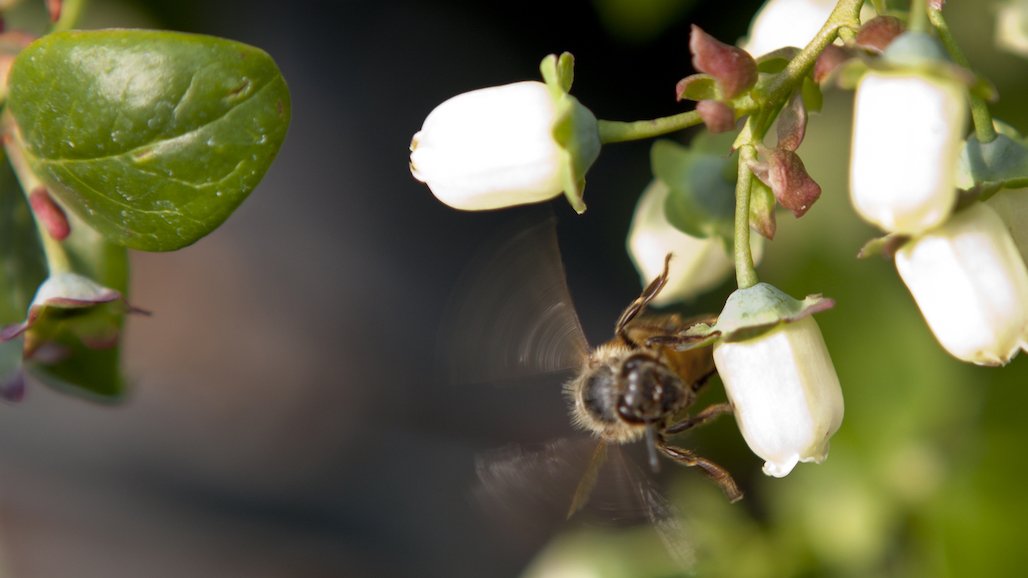
    Male chimney bee resting on a cluster of southern highbush blueberry flowers. (Photo by Blair Sampson, ARS)

    Chimney bees are turning out to be an important find for blueberry growers.

    In addition to the problem of declining populations, honeybees have difficulty pollinating blueberries due to their relatively short tongue and preference for other plants. Another wild bee, the southeastern blueberry bee, is an abundant and efficient specialist pollinator of blueberries throughout the Gulf Coast states. Unfortunately, many growers in lower-lying areas lack these bees or have too few of them in their fields. These blueberry bees cannot be managed, but the chimney bee, a close relative, can be actively managed and moved in to fill the pollinator void.

    While chimney bees are not yet commercially available, relocating them is fairly simple, Sampson said. Gathering chimney bee cocoons from nests in the soil that sticks to the roots of fallen trees or roadside clay outcrops requires careful excavation and skilled handlers, but nesting material can simply be sun-dried clay-rich mud gathered locally. Further, there is no need for specialized tools and costs are minimal.

    Chimney bees must be shipped while in a dormant state, then gently warmed to complete their development and emerge from their cocoons. Further, water and additional nesting material should be available to help them thrive.

    “These bees do not produce enough honey for us, just enough for themselves, hence, chimney bees’ principal role would be as fruit pollinators,” Sampson explained. “However, the chimney bee does show certain qualities that highlight their ideal candidacy for commercial management: they are flower generalists with a strong homing instinct, and hence will nest in the same location for many years. They also nest in dense aggregations and remain gentle around people near their nest sites.”

    Sampson said that adult chimney bees resemble small, fast-flying bumble bee workers, yet they nest and behave very differently.

    The bees get their name from their horizontal tubular nests that resemble tiny mine shafts in clay, which they harden into “adobe” with the help of water they collect. As they dig deeper into a clay bank, they use this excess clay to fashion a downward facing tube or “chimney” hanging off the nest entrance.

    Locating and relocating chimney bee nests is fairly easy, because they’re easy to find after construction projects or natural weather events disturb the land and give bees easy access to fresh-turned clay. After finding the nests, Sampson gathers earthen cocoons and moves them to where they are tested or released as fruit pollinators.

    “Since pollinator habitat is continually declining due to increasing urbanization and crop cultivation, managing wild native bees, such as chimney bees, can help conserve vital natural resources and help farmers increase their yields,” Sampson said. “And, for fruit, nuts, and vegetable crops, native bees will be an essential component for optimizing crop production per acre of land, which is vital for maintaining a stable global food supply.” – By Scott Elliott, USDA-ARS Office of Communications