Category: Industry News

  • California Avocado Commission Calls To Maintain Current USDA Inspections In Mexico

    California Avocado Commission Calls To Maintain Current USDA Inspections In Mexico

    On June 26, 2024, the California Avocado Commission released a statement regarding the U.S./Mexico Operational Work Plan allowing Hass avocados from the Mexican states of Michoacan and Jalisco to be exported to the U.S. Under the current OWP, the inspections are conducted by Mexican personnel employed by the U.S. Department of Agriculture.

    Commission staff was recently informed by the USDA from the U.S. Embassy in Mexico City that following the February 2022 security issue involving an avocado inspector, the USDA is recommending shifting the avocado inspection oversight from USDA-employed personnel to Mexico government personnel.

    On Monday, June 23, CAC was contacted by a major media outlet reporter who covered a press conference held by U.S. and Mexican officials announcing the reopening of the avocado inspections and shipments. According to this reporter, “the officials said that they would progressively start replacing APHIS inspectors with Mexican inspectors to avoid stopping exports whenever there’s a security concern.”

    Although there has been no official proposal from USDA to modify the OWP, the Commission is taking no chances and proactively stating our adamant opposition to such a change.

    The Commission’s release received good pickup (sample links below) and the Commission will continue to advocate against any such change to the OWP.

  • The Antimicrobial Benefits of Mushrooms

    The Antimicrobial Benefits of Mushrooms

    Scientists with the Agricultural Research Service (ARS) are examining the antimicrobial properties of mushroom extracts. Their goal: make food crops safer throughout the production process, from farm to fork – and beyond – including the ability to mitigate chronic human health conditions.

    Petri dish containing the fungus Aspergillus flavus. This common fungus is a concern because it produces carcinogenic aflatoxins that may contaminate certain foods and cause aspergillosis, an invasive fungal disease. (Photo by Peggy Greb)

    Mushrooms are a classic example of a two-sided coin. On one side, mushrooms are a valuable source of food and income around the world and are known to have pharmaceutical qualities. On the other, nearly 7,500 cases of mushroom poisoning (over 700 serious cases and 52 deaths) occur each year in the United States alone.

    Now, researchers are pitting the good properties of mushrooms against the bad.

    “Edible mushrooms [are] a source of bioactive compounds, and certain medicinal mushrooms have emerged as beneficial ingredients of dietary supplements,” said Jong H. Kim, molecular biologist at the ARS Foodborne Toxin Detection and Prevention Research unit in Albany, CA.

    Kim is the primary author of a paper on how medicinal mushrooms contribute to food safety.

    The role of mushrooms in food safety begins in the farmer’s field. According to Kim, pinecone cap mushrooms, which are a type of fungi, provide the main ingredient in the fight against a worldwide carcinogenic fungus – Aspergillus flavus.

    A. flavus produces aflatoxins, some of the most dangerous mycotoxins that widely contaminate many major crops, such as corn, tree nuts, and peanuts. People who eat a large amount of food contaminated with aflatoxins – or products derived from animals that have eaten it – are at higher risk for some adverse health conditions, including liver cancer and stunting in children.

    “Many antimicrobial agents have been developed from mushroom ingredients for crop protection, [including] the natural fungicide strobilurin,” Kim said. “Strobilurins [are] one of the most important classes of agricultural fungicide.”

    When farmers use strobilurins, the compound inhibits A. flavus growth by interrupting its ability to breathe. Stopping A. flavus in the field reduces the amount of aflatoxins that manufacturers must contend with during food processing and packaging.

    “[We] found that a component of the mushroom Taiwanofungus camphoratus (Tc) could be developed as a food ingredient having antimicrobial potential, thus inhibiting the growth of fungi and bacteria in foods,” Kim said. “Tc lowers the contamination rate of toxin-producing or heat-tolerant fungi that escape the food sanitation process. The application of Tc in the food industry will promote food safety, which is vital for the health of consumers.” – By Scott Elliott, USDA-ARS Office of Communications

  • ENZO & Olivaia’s OLA Win Big at San Joaquin Valley Olive Oil Competition

    ENZO & Olivaia’s OLA Win Big at San Joaquin Valley Olive Oil Competition

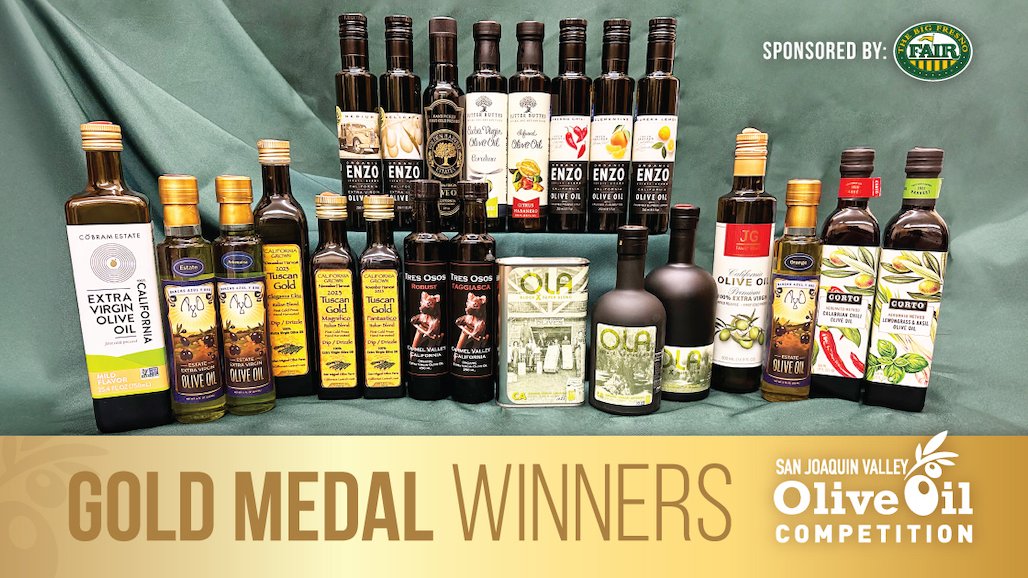
    After extensive judging of quality California-produced olive oils, The Big Fresno Fair is excited to reveal the 9th Annual San Joaquin Valley Olive Oil Competition (SJVOOC) winners. This competition, which is open to all olive oil producers in California with products made from their 2023 olive harvest, received a total of 54 entries from 20 different olive oil producers from throughout the State.

    Entries were received in two categories: Extra Virgin Olive Oil (EVOO) and Flavored Olive Oil, with 10 classes in total. Gold and Silver Medals were awarded, as well as an overall “Best of Show” and “Best of the Valley” selected from all of the highest scoring gold medal entries in both categories. In total, there were 41 EVOO and 13 Flavored Olive Oil entries that were entered for judging. The winners of the 9th Annual San Joaquin Valley Olive Oil Competition are as follows with the counties of ranch locations noted in parenthesis:

    Best of Show

    Olivaia’s OLA Block x Super Blend (Tulare County) – EVOO
    ENZO Olive Oil Company Organic Fresno Chili Crush (Fresno County) – Flavored Olive Oil
    Best of the Valley
    Olivaia’s OLA Block x Super Blend (Tulare County) – EVOO

    Extra Virgin Olive Oils

    • Gold Medal Winners
      • Spanish Blends: Joseph Gallo Farms JG Family Estate (Merced County), Olivaia’s OLA Block x Super Blend (Tulare County) – EVOO
      • Spanish Singles: Cobram Estates Everyday Essentials Mild (Yolo County), ENZO Olive Oil Company Extra Virgin Olive Oil – Delicate (Fresno County), ENZO Olive Oil Company Extra Virgin Olive Oil – Medium (Fresno County), Golden Harvest Estates Extra Virgin Olive Oil (Calaveras County), Olivaia’s OLA Estate Sevillano (Tulare County), Rancho Azul y Oro Olive Farm Arbequina (Monterey County)
      • Italian Blends: Rancho Azul y Oro Olive Farm Estate Blend (Monterey County), San Miguel Olive Farm Tuscan Gold Eleganza Elite (San Luis Obispo County), San Miguel Olive Farm Tuscan Gold Fantastico (San Luis Obispo County), San Miguel Olive Farm Tuscan Gold Magnifico (San Luis Obispo County), Tres Osos Olive Oil Robust (Monterey County)
      • Italian Singles: Sutter Buttes Natural Organic Coratina (Sutter County)
      • Other Blends: Olivaia’s OLA Block X Heirloom (Tulare County)Silver Medal Winners:
          • Spanish Blends: California Olive Ranch’s 100% CA EVOO (Glenn County), California Olive Ranch Miller’s Blend (Glenn County), Corto Olive Oil Truly (San Joaquin County)
          • Spanish Singles: California Olive Ranch Reserve Arbequina (Glenn County), California Olive Ranch Reserve Arbosana (Glenn County), Mangini Ranch Olive Oil Picual Reserve (Calaveras County), Olive Crush Farms Arbequina (Calaveras County)
          • Italian Blends: Regency Olive Ranch Robust (Santa Barbara County)
          • Italian Singles: La Torre Olive Oil Ascolano (Tulare County)
          • Other Singles: ENZO Olive Oil Company Extra Virgin Olive Oil – Bold (Fresno County)

        Flavored Olive Oils

        • Gold Medal Winners
          • Citrus: ENZO Olive Oil Organic Eureka Lemon Crush (Fresno County), ENZO Olive Oil Organic Clementine Crush Olive Oil (Fresno County), Rancho Azul y Oro Olive Farm Orange Infused Olive Oil (Monterey County)
          • Herbal: Corto Olive Co. Lemongrass & Basil Olive Oil (San Joaquin County)
          • Pepper: Corto Olive Co. Calabrian Chili (San Joaquin County), ENZO Olive Oil Company Organize Fresno Chili Crush (Fresno County), Sutter Buttes Citrus Habanero (Sutter County)
        • Silver Medal Winners
          • Citrus: Sutter Buttes Natural Meyer Lemon (Sutter County)
          • Herbal: ENZO Olive Oil Company Organic Basil Crush (Fresno County)
          • Other: Sutter Buttes Garlic Herb Olive Oil (Sutter County)

          All winners will be on display in the Agriculture Building with educational information on the art of making olive oil and its health benefits. Gold Medal, Best of Show and Best of the Valley winners will have the opportunity to have a booth in the Agriculture Building during the 2024 Big Fresno Fair.

          Participants in the 2024 SJVOOC were evaluated and scored on the following criteria:

        • Gold Medal: Awarded to an olive oil that demonstrated its type and/or varietal character, balance, structure and complexities to the highest standards. Gold Medals were awarded to those oils receiving scores between 86 – 100 points.
        • Silver Medal: Awarded to an olive oil reflecting the correct distribution of balance and character of its type or variety; an oil deemed to be well crafted and of excellent quality. Silver Medals were awarded to those oils receiving scores between 76 – 85 points.
        • Best of Show: Awarded to an olive oil recognized to possess special characteristics of the highest quality overall.
        • Best of the Valley: Awarded to the oil that scored the highest with the ranch or office located in the San Joaquin Valley. Medals were awarded for both EVOO and flavored oils. (Kern, Tulare, Kings, Fresno, Madera, Merced, Stanislaus and San Joaquin Counties eligible)

        Details and the 2025 SJVOOC entry application will be posted in February 2025.

        About The Big Fresno Fair:

        The Big Fresno Fair, founded in 1884, is the 5th largest fair in the state of California and represents the 21st District Agricultural Association. Over 500,000 people from throughout the state visit The Big Fresno Fair each year, making it the largest annual event in the Central Valley. Members of the Board of Directors include: Terry Gonsalves, President; Gary Chahil, Vice President; Frank Flores, Secretary/Treasurer; Linda Mae Balakian Hunsucker; Jerry Pacheco; Annalisa Perea, Chuck Riojas and Lawrence Salinas. The 2024 Big Fresno Fair will run October 2 – 14. For more details, please visit www.FresnoFair.com.

  • Managing Aphids in California Prune Orchards

    Managing Aphids in California Prune Orchards

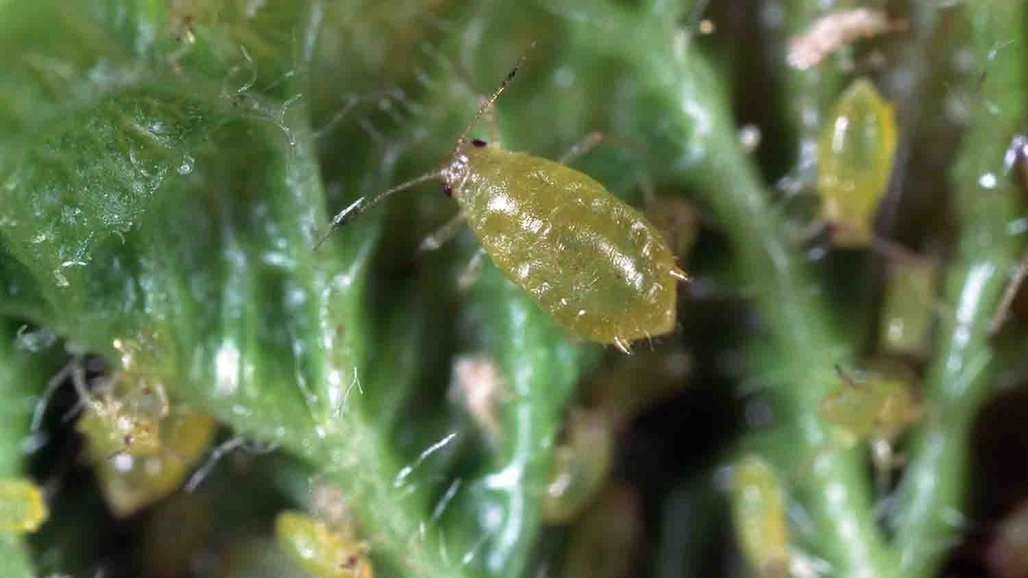
    By Sudan Gyawaly, UCCE Northern Sacramento Valley IPM Advisor — ‘Leaf curl plum aphid’ and ‘mealy plum aphid’ are the key pests of prune orchards in the northern Sacramento Valley. Both aphid species survive the winter in the orchard at egg stage near the base of buds. Once hatched, around bloom time, they vigorously feed on the young foliage and build up their population quickly. From May (leaf curl plum aphid) and June/July (mealy plum aphid), most aphids leave the prune trees and feed on alternate weed hosts outside the orchard.

    Mealy plum aphid

    Both aphid species infest growing leaves and stems in spring and summer, which can cause curling and stunting of the leaves. Serious aphid infestation can reduce tree growth, vigor, and potentially reduce fruit sugar content. Accumulation of honeydew, which these aphids excrete while feeding, results in the development of sooty mold which can potentially lead to fruit cracking.

    Damage caused by plum leaf curl aphid, Jack Kelly Clark, UC IPM

    Determining the need to spray for aphids and optimum spray timing.

    The decision to spray for aphids depends on the past and present orchard aphid pressure, which also helps determine the optimum spray timing. Also, the need to spray for other prune pests (such as scale or peach twig borer) can influence the selection of materials and application timings for aphids. Several pesticide options are available for aphid control for different application timings (see table, below). An effective aphid management program should always weigh the relative cost, efficacy, and impacts on natural enemies and surface water quality.

    If aphids are a consistent problem in an orchard, a late fall/early dormancy (Nov-early Dec) spray with a low label rate of a pyrethroid insecticide provides good control of aphids. Low label rates of these insecticides applied at this time are effective, yet the risk of surface water runoff is reduced. Oil spray during this period can seriously impact parasites (natural enemies) and is not recommended, especially if leaves are still on trees.

    Dormant sprays (late Dec-Jan) of pyrethroid or pyrethroid plus oil treatments are effective against aphids and other pests, such as scale and PTB. However, this application timing poses higher risks of surface water contamination.

    If a fall/dormant spray is not applied, dormant spur sampling can help decide the need for aphid sprays at bloom. Dormant spur sampling for aphids involves sampling for aphid eggs, and the treatment threshold for aphids is just 1 egg out of 100 spurs. However, aphid eggs can be hard to find on dormant spurs, and not finding eggs on spurs doesn’t mean none are present. Therefore, a spring/summer monitoring is necessary to complement the dormant spur sampling if no eggs were found on dormant spurs. Bloom time sprays of narrow-range oil are effective against aphids.

    If aphids are only an occasional problem in the orchard and sprays were not applied at fall/dormant or bloom time, the need to spray for aphids is based on spring/summer monitoring. Spring/summer aphid monitoring involves weekly monitoring (from petal fall until a treatment is applied or July 15) of 40 trees/block for aphid infestation and determining if those trees have significant (aphid covering >10% of tree leaf surface) aphid infestations. Treatment is warranted if a threshold (12 out of 40 trees monitored in a block) have significant aphid infestation. Click this link for details on spring/summer monitoring.

    The table below (adopted from Franz Niederholzer) provides a good summary of various prune aphid control materials, their application timings, efficacy against key prune pest and risks to water quality.

    Label is the law. Always read the label of the product being used.

    Disclaimer: Products listed in this table do not constitute a recommendation, and many of the active ingredients presented in this article can be purchased under multiple trade names.

  • U.S. Highbush Blueberry Council 2023 Impact Report

    U.S. Highbush Blueberry Council 2023 Impact Report

    Each year, the U.S. Highbush Blueberry Council (USHBC) provides an impact report that details the council’s efforts to keep blueberries front of mind (and top of cart!) with consumers and other key audiences. In 2023, USHBC’s mantra of “Inspiring Possibilities” was more powerful than ever as the USHBC focused on new and innovative ways to boost global passion for blueberries.

    Despite 2023’s challenges, the USHBC succeeded in conveying the blueberry industry’s critical messages, provided timely information and news about the market, and sustained consumer enthusiasm for the amazing blues.

    Shelly Hartmann from USHBC shared, “I encourage you to spend some time with the report to get a look at the committee members and staff who are leading the charge and learn about all of our efforts in 2023. I think you’ll be inspired when you check out the report – I know I was!”

    The report includes:

    Exciting consumer promotions and power periods.

    Outstanding media coverage.

    Health research promotions and partnerships.

    Retail marketing efforts.

    Foodservice events and activations.

    Food manufacturing product development efforts.

    Tactics for engaging blueberry industry stakeholders.

    Data and insights work.

    Global business development efforts.

    Read the Report HERE.

  • Dragon Fruit Grower Workshop, July 17-18

    Dragon Fruit Grower Workshop, July 17-18

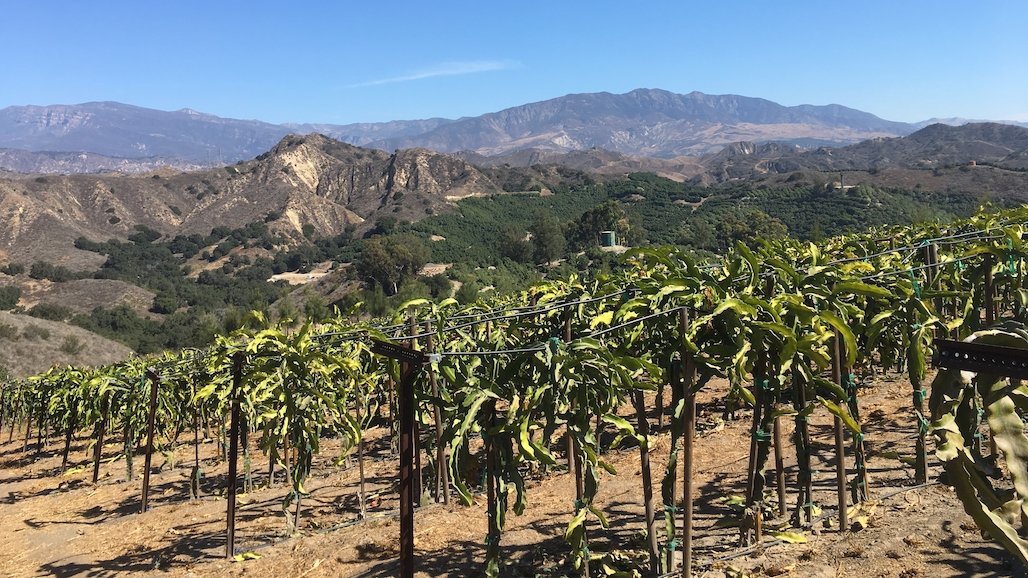
    UCANR is partnering with the University of Florida among other universities in putting on a Dragon Fruit Workshop to be held at the Miami-Dade County Extension Service (Homestead, FL) during July 17-18, 2024. This is a free event, where lunch and light refreshments will be provided. This meeting is part of the grant entitled “Evaluating the Potential Expansion and Diversification of the Dragon Fruit Industry in North America” (FLA-TRC-006408). At this workshop attendees will learn about Dragon fruit pollination, production and post-harvest practices, insect pests and diseases, and more.

    Attendees will also visit two Dragon fruit plantings. See the tentative agenda below. In order to attend in-person or online you MUST register (the link below).

    https://ufl.qualtrics.com/jfe/form/SV_0SpTDLWnPxRoRuJ

    If you have additional questions, please contact Dr. Romina Gazis (r.gazisseregina@ufl.edu) or Shelby Weber (shelby.weber1@ufl.edu)

    Tentative Agenda

    DAY 1 [July 17, 2024 / 8 am – 5 pm]

    8:00 – 9:00: Registration, coffee & snacks.
    9:00 – 9:15: Welcome words from the organizers. Housekeeping items.
    9:15 – 10:10: State Reports. Five States (FL, CA, TX, PR, HI).
    10:10 – 11:00: Growing dragon fruit in a changing climate.
    11:00 – 11:30: Dragon Fruit Diseases [general]
    11:30 – 12:00: Dragon fruit stem and fruit canker.

    12:00 – 1:00: LUNCH [included for all participants]

    1:00 – 1:30: Dragon Fruit Pests and Pollinators.
    1:30 – 2:00: Cultural practices related to crop health.
    2:00 – 3:00: Section industry perspective.
    3:00 – 4:00: Section economics.
    4:00 – 5:00: Section postharvest and consumer preferences.
    5:00 – 5:10: Wrap up / Housekeeping items for day 2.

     DAY 2 [July 18, 2024 / 8 am – 5 pm]

    8:00 – 9:00: Group meet up, coffee & snacks.
    9:00 – 12:00: Visit to two dragon fruit fields (two local plantings).

    12:00 – 1:00: LUNCH [included for all participants]

    1:00 – 2:00: Visit to TREC’s Dragon Fruit variety planting.
    2:00 – 3:00: Industry brainstorming session and research priorities selection.
    3:00 – 4:00: Closing Remarks and future efforts.

  • Hass Avocado Board Partners with Meyocks to Promote Health Benefits of Avocados

    Hass Avocado Board Partners with Meyocks to Promote Health Benefits of Avocados

    The Hass Avocado Board (HAB) names Meyocks, a marketing and branding firm, as its agency partner to lead research and nutrition-focused advertising and creative strategy promoting the benefits of avocados to health professionals.

    “For nearly 12 years, we have been communicating the growing body of avocado research, resources and usage ideas to health professionals as well as generating awareness of Avocados – Love One Today®,” says Gina Widjaja, senior director of marketing communications with HAB. “We are excited to collaborate with Meyocks ensuring that avocados remain top of mind for health professionals who advocate a food-as-medicine approach.”

    The collaboration between HAB and Meyocks will focus on four critical health pillars: supporting heart health, aiding in weight management, managing Type 2 diabetes and promoting healthy living at every age.

    “Meyocks helps food, agriculture and healthcare brands make a meaningful difference in the world,” says Kelly Ferguson, CEO of Meyocks. “We can’t imagine a better fit than helping the Hass Avocado Board tell the story of this superfruit’s health benefits.”

    HAB leverages its nutrition marketing program to effectively communicate with health professionals and consumers to build demand for avocados. Through its Avocados – Love One Today® initiative, the board provides a wealth of information on the health benefits and delicious ways to enjoy fresh avocados. This program serves as a leading resource, offering the healthiest reasons and tastiest ways for incorporating avocados into a healthy diet.

    About Meyocks®

    Meyocks is a branding, marketing and public relations agency that has been shaping marketplace meaning for foodagriculturehealth and mentor brands across the globe since 1984. Meyocks is a member of AMIN Worldwide, a global network of more than 50 independent marketing agencies.

    About The Hass Avocado Board
    The Hass Avocado Board (HAB) exists to help make avocados America’s most popular fruit. HAB is the only avocado organization that equips the entire global industry for success by collecting, focusing, and distributing investments to maintain and expand demand for avocados in the United States. HAB provides the industry with consolidated supply and market data, conducts nutrition research, educates health professionals, and brings people together from all corners of the industry to collectively work towards growth that benefits everyone. The organization also collects and reallocates funds to California and importer associations to benefit specific countries of origin in promoting their avocado brands to customers and consumers across the United States.

  • Watermelon Retail Merchandising Contest Now Open for Entries!

    Watermelon Retail Merchandising Contest Now Open for Entries!

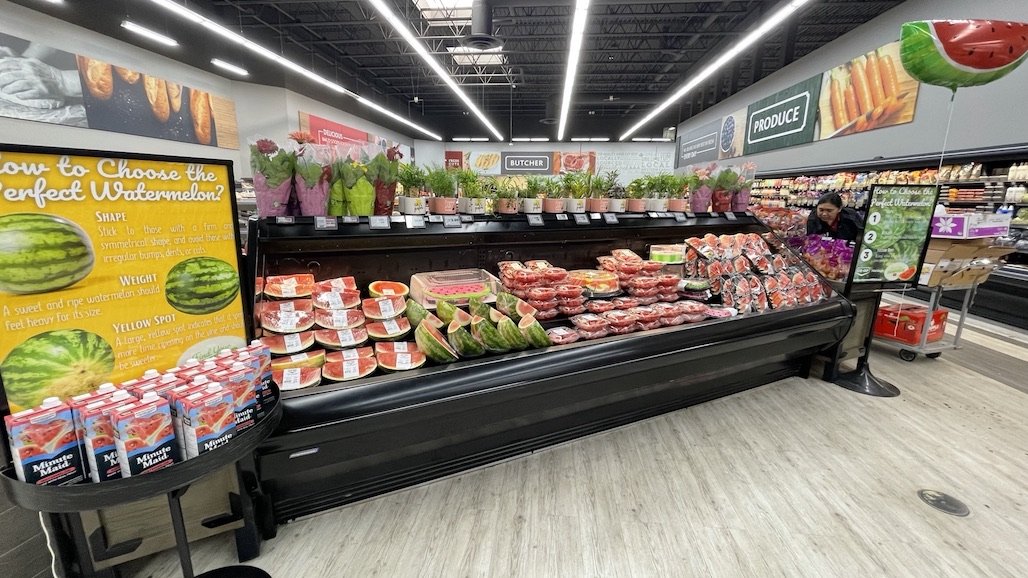
    The National Watermelon Promotion Board (NWPB) is excited to announce the call for entries for their 16th annual Watermelon Retail Merchandising Contest. Retail chains, independent retailers, and commissaries are invited to compete for over $10,000 in cash and prizes. The grand prize winner will receive $5,000, with $2,500 awarded to the second place, $1,000 for third place, and $500 each for three honorable mentions. In addition to starting the contest a month earlier in an effort to capture the early summer market when watermelon demand begins to soar, the first 25 entries will receive a $15 gift card as an early bird incentive.

    Thanks to a continued collaboration with Tajín® for the 2024 season, the first 100 entries featuring watermelon and Tajín® seasoning in their in-store displays or across social, digital, print, and web marketing efforts will each receive a $20 Amazon digital gift card. This partnership not only increases the contest’s appeal but also offers retailers a fantastic cross-merchandising opportunity. The combination of fresh watermelons and Tajín’s chili-lime seasoning provides a unique and flavorful experience for consumers.

    “We are excited to infuse our contest with an extra ‘zing’ through our partnership with Tajín,” stated Juliemar Rosado, Director of Retail and International Marketing. “Combining watermelons with Tajín enhances a variety of dishes and cuisines, offering a fantastic opportunity for cross-merchandising promotions to showcase the unique benefits of both products.”

    Eric Patrick, Partnership Brand Manager, remarked, “Our enduring collaboration with NWPB consistently delights consumers. We look forward to seeing the creative merchandising and marketing strategies from retailers of all sizes this year. The combination of watermelons and Tajín creates substantial interest in both products.”

    Retailers can enter by submitting their entries, including photos, links, screenshots, etc., online or via email. All entries must be received or postmarked by midnight Eastern on September 13, 2024. For more information, including official contest rules and entry forms, visit Watermelon Retail Contest or contact NWPB at retail@watermelon.org.

    About National Watermelon Promotion Board

    The National Watermelon Promotion Board (NWPB), based in Winter Springs, Florida, was established in 1989 as an agricultural promotion group to promote watermelon in the United States and in various markets abroad. Funded through a self-mandated industry assessment paid by more than 700 watermelon producers, handlers and importers, NWPB mission is to increase consumer demand for watermelon through promotion, research and education programs.

    A serving of nutrient-dense watermelon provides an excellent source of Vitamin C (25% DV), a source of Vitamin B6 (8% DV), and a delicious way to stay hydrated (92% water), with only 80 calories per 2-cup serving. Watermelon consumption per capita in the United States was nearly 16.9 pounds in 2023. Watermelon consumption in the United States was nearly 5.6 billion pounds in 2023. The United States exported an additional 377 million pounds of watermelon. For additional information, visit www.watermelon.org.

    About Tajín Seasonings 

    Industrias Tajín is a 100% Mexican company, leader in Mexico and United States markets in chili powder, and one of the most important in the production and commercialization of products derived from chili worldwide. It has presence in more than 65 countries around the world. It was founded in 1985, surprising consumers with the perfect blend of lime, chili, and sea salt. In 1993, Tajín exports to the United States for the first time and Tajin International Corporation is established in Houston, TX, from where all the commercial activity of the brand in the U.S. is managed. The brand arrived in the Central American and European markets in 2006.
  • Rely® 280 Herbicide Available for Use in California Avocado Groves

    Rely® 280 Herbicide Available for Use in California Avocado Groves

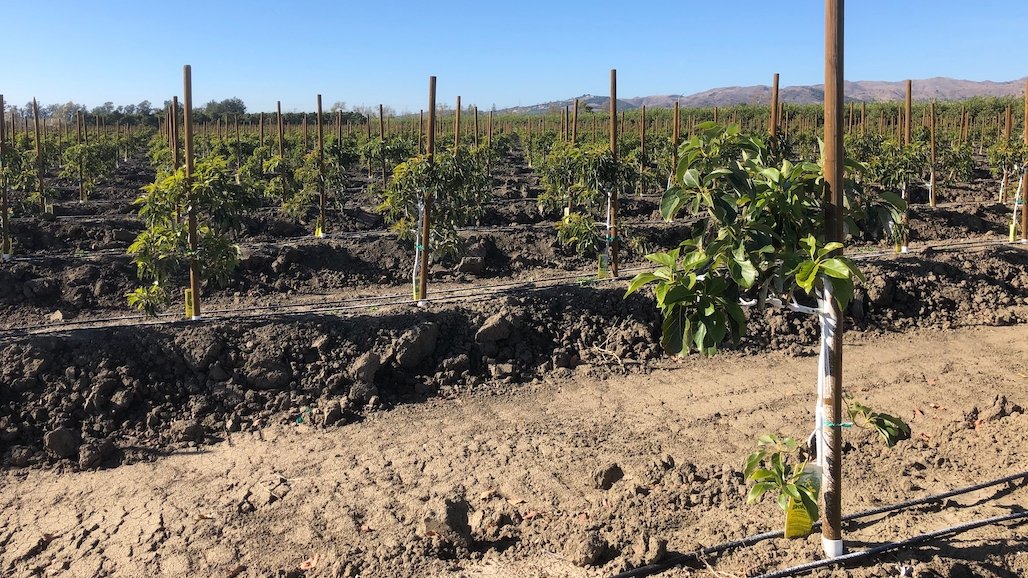
    The California Department of Pesticide Regulation (DPR) has approved the herbicide Rely® 280 (glufosinate-ammonium) for use in avocado groves in California. Rely® 280 is a post-emergence broad-spectrum herbicide for use against broadleaf and grassy weeds. Glufosinate-ammonium is an excellent alternative to glyphosate, especially for those weeds that have developed glyphosate resistance.

    The California Avocado Commission provided funding for Dr. Peggy Mauk, extension professor for subtropical horticulture at the University of California, Riverside, to conduct efficacy trials with glufosinate-ammonium and the IR-4 program provided funding for the required phytotoxicity (crop safety) trials. “Glufosinate-ammonium is an effective broad-spectrum herbicide,” said Mauk. “The weed that is the biggest problem here in Riverside is mare’s tail or hairy fleabane (Erigeron bonariensis). Glufosinate will kill it depending on the application timing and size of the plants. Treating for weeds is also going to be seasonal… the spring is usually worse because spring rains bring a lot of weeds, especially this past year.”

    Currently, growers must have a copy of the DPR approved supplemental label in their possession when using Rely® 280. The DPR-approved label has a stamp on it with the wording “LABELING ACCEPTABLE State of California Department of Pesticide Regulation Pesticide Registration” and can be downloaded here. This supplemental label expires on December 1, 2025, and BASF, Rely® 280’s manufacturer, anticipates that all old product will be used by that date and new product with avocado listed on the package label will be fully in the supply chain by that date.

    Dr. Mauk’s phytotoxicity trials found minimal damage, assuming sound application practices are followed. “Spray applications should not be made when there is a breeze,” Mauk emphasized. “If the wind carries the herbicide onto the plants, there can be some leaf discoloration. The discoloration appears as occasional purple spots on the leaves. There is not widespread damage. We also never saw any discoloration on the avocado fruit.”

    General questions about this registration can be directed to CAC’s Research Director Dr. Tim Spann at tim@spannag.com or (423) 609-3451. For specific questions regarding the use of Rely® 280, growers should contact their Pest Control Advisor. — By Ben Faber, UC Cooperative Extension

  • Victoria Hornbaker Moves from Director of Citrus Pest & Disease Prevention Division to Plant Health and Pest Prevention Services Division

    Victoria Hornbaker Moves from Director of Citrus Pest & Disease Prevention Division to Plant Health and Pest Prevention Services Division

    The California Department of Food and Agriculture’s (CDFA) Citrus Pest and Disease Prevention Division (CPDPD) has announced that as of May 14, 2024, Victoria Hornbaker, former director of the CPDPD, will transition to her new role as the director of the CDFA’s Plant Health and Pest Prevention Services (PHPPS) Division. David Gutierrez, branch chief of the CPDPD, will serve as interim director while a recruitment process is conducted to find a permanent hire for the role.

    During her tenure, Victoria played a pivotal role in the development of the CPDPD, which was officially declared a division of CDFA in 2019. For the past 11 years, Victoria has led efforts to develop and execute innovative strategies to manage various citrus pest and disease threats, including the Asian citrus psyllid and Huanglongbing.

    With Victoria’s transition to her new position as director of the PHPPS Division, David Gutierrez has been appointed as the interim director of the CPDPD, bringing his experience of serving as branch chief to the role, and will maintain the CPDPD’s various operations and activities during this transitional period.

    CDFA will be recruiting for a permanent director to lead the CPDPD in the coming months. For any questions regarding the CPDPD or this transition, please email cdfa.cpdpd@cdfa.ca.gov.