Category: Industry News

  • Opportunities to Export Fresh Fruit to Germany

    Opportunities to Export Fresh Fruit to Germany

    Germany is one of the largest markets for fruit in Europe. The relative affluence of its population of 83 million people makes it an attractive outlet for exporters from many countries. This product brief highlights certain aspects of the German fresh fruit market and provides marketing, trade, and regulatory information for U.S. exporters.

    Germany, with a population of 83.2 million (18 percent of the EU-27 total population), has the largest economy in Europe and is a leading European market for food and beverages. In 2021, food retail sales in Germany totaled 231.5 billion Euro (approx. USD $274 billion). In 2018 (latest available data), German households spent 28.45 Euro (approx. USD $33.57) per month on fruit.

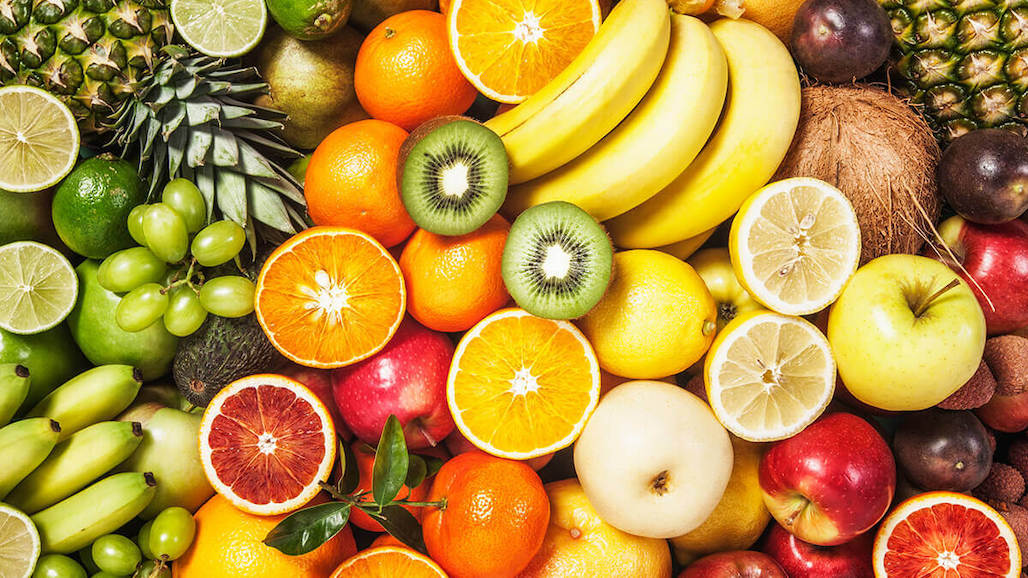
    In calendar year 2021, Germany was the 7th largest producer of fresh fruit in the EU-27 and the largest fruit consumer. In MY 2020/21, Germans consumed approximately 8.8 million MT of fruit, including frozen and canned fruit on a fresh weight basis. Germans show a preference for fresh fruit, but in MY2020/21 also consumed 67,529 MT of frozen fruit and 125,000 MT of dried fruit. In addition, Germans consume more fruit juices and nectars per capita than any other European country and the United States. The top five fruits consumed in Germany are apples, bananas, oranges, grapes, and clementines. However, Germans are also quite familiar with exotic fruits such as mangos, passion fruit, avocados, and lychees.

    Germany’s position as the largest EU-27 consumer of fruit results from the size of its population rather than high per capita consumption. Growing health consciousness and factors within the German socio- economic makeup, in particular its aging and increasingly foreign-born population, could favor an increase in per capita fruit consumption. At the end of 2021, 22 percent of the population was 65 years and older while only 13 percent were younger than 15 years of age. Moreover, Germany has a high number of immigrants from Turkey and other Mediterranean countries whose diets include a higher percentage of fruits than the traditional German diet. Immigrants in Germany also tend to spend a higher percentage of their income on food. At the end of 2021, more than 11.8 million citizens of other countries lived in Germany. Additionally, in 2020, 4.9 million German residents had a migrant background (i.e., either they or their parents were born with a citizenship other than German and acquired German citizenship later in life). Read the full report from the USDA Foreign Ag Service HERE.

  • World Avocado Congress Set For April 2-5 In New Zealand

    World Avocado Congress Set For April 2-5 In New Zealand

    The 10th World Avocado Congress will take place April 2 – 5, 2023 in Auckland, New Zealand. The event will bring together industry members from across the globe and include field day sessions, as well as in-person academic sessions. Those sessions will cover the following topics:

    • Sustainability
    • Production and productivity
    • Breeding and genomics
    • Pests and diseases
    • Grower education programs
    • Processing
    • Food safety
    • Agritech
    • Post-harvest supply chain
    • Nutrition in human health
    • Country reports
    • Consumers

    list of speakers is available on the World Avocado Congress website. The scientific and marketing committees are seeking abstracts from researchers and innovators. The deadline to submit abstracts for oral or poster presentations is October 10, 2022.

    Online registration for the event is now available. For those who wish to exhibit at the Congress, the online exhibition portal is now open.

  • Irrigation Stress and Early-Navel Orange Fruit Maturity

    Irrigation Stress and Early-Navel Orange Fruit Maturity

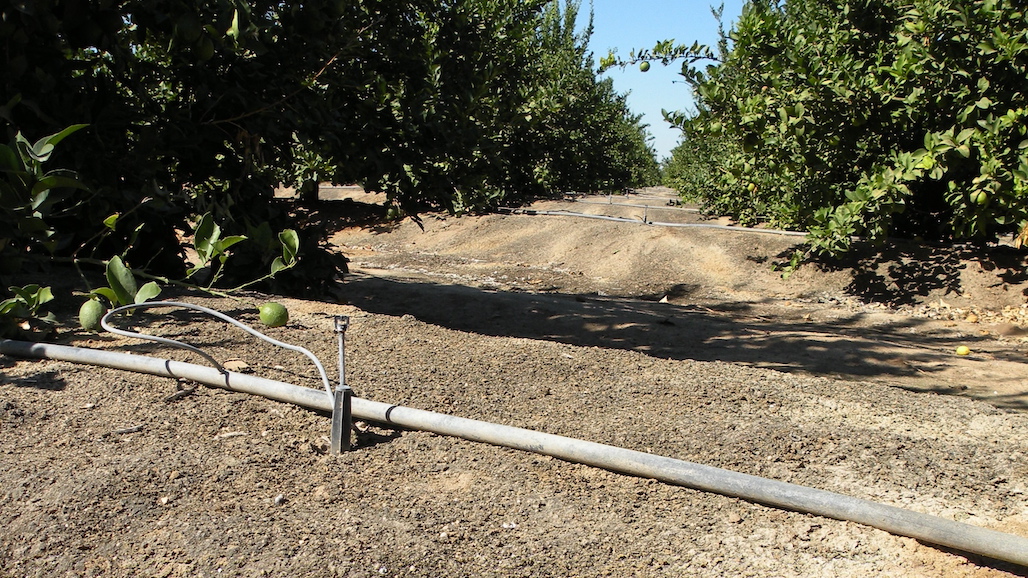
    To maximize profits in the early navel orange market, growers need to have large fruit size and sufficient yellow-orange color and a high enough sugar-acid ratio to meet or exceed the legal minimum harvesting standards. Growers of early-maturing navel oranges in Kern County use different strategies to produce these oranges. Some growers irrigate at full evapotranspiration rates nearly up to harvest with the belief this will maximize fruit size, while others begin deficit irrigating a month or two prior to harvest to maximize development of sugar and color to promote earlier maturity. Little information exists in the literature to assist growers in making decisions related to producing early maturing navels such as Beck, Fukumoto and Thompson Improved. To determine the effects of late season irrigation stress, I, along with two University of California co-researchers Blake Sanden and Dr. Mary Lu Arpaia, participated in an experiment to elucidate some of the trade-offs that relate to irrigation strategies and early navel fruit production. The research was conducted from 2006 through 2008 in a cooperating grower’s Beck orchard at the extreme southern end of the San Joaquin Valley. Our generous and patient cooperating growers were George and Colby Fry.

    Three different irrigation treatments, defined as low, mid and high, were developed based on the relative amounts of irrigation water applied to the test plots. Each plot consisted of 10 trees in a central row, bordered by ten similarly irrigated trees in the two adjacent rows. Each treatment was replicated five times. The same irrigation treatment was applied to the same plots for the first two years, while in the third year the low treatment was changed to the high treatment to provide information on how rapidly the trees would recover from stress. The different irrigation treatments were administered by using irrigation emitters with different flow rates and by differentially shutting off water to some treatments as needed to achieve desired stress levels. Between growing seasons, the top three feet of soil profile was refilled with water during the winter and differential irrigation began in early August. Measurable differences in tree shaded stem water potential among treatment usually were noted by early September. In the second year of the experiment (2007), the low and mid-irrigation treatments applied approximately 38 and 71 percent, respectively on average, of the water of the high treatment. Water potential measurements made mid-day on shaded, interior leaves demonstrated that good separation was achieved among the three differential treatments. In 2007, for example, shaded stem water potential measurement in early September were about -9, -12, and -18 bars for the high, mid and low irrigation treatments, respectively and at harvest in mid-October were -12, -18, -24, respectively. Neutron probe measurements also demonstrated that trees differentially depleted available water stored in the soil as the season progressed (data not shown). In 2007, differences in applied water among the treatments were large. Including the increased quantity of water applied to refill the soil profile in the winter, 3.55, 2.58 and 2.11 acre feet of water on a per acre basis, were applied to the high, mid and low irrigation treatments respectively, from October 30, 2006, to harvest, October 15, 2007. Rainfall was minimal.

    Again, using 2007 as an example, as the level of applied water decreased, soluble solids (i.e. sugars) and titratable acid, were greater at harvest, although the sugar acid ratio was not different (see Table 1).

    Rows in the experimental orchard were oriented east and west. Fruit on the south side of the tree had higher soluble solids concentration and sugar/acid ratio than fruit on the north side of the tree, regardless of irrigation treatment. Fruit juiciness, either measured as weight of juice to weight of fruit (see Table 1) or volume of juice per weight of fruit (results not shown) were not different among irrigation treatments, suggesting the increase in sugars and acid was the result of osmotic adjustment and not fruit dehydration. We were also interested in seeing if the differential irrigation treatments influenced eating quality of the fruit. To test this idea, we provided fruit from the highest and lowest irrigation treatments of 2007 and 2008 to volunteer panelists at the UC Kearney Ag Center and asked if they could detect any differences between the fruit. Results from both years showed that the panelists could not detect differences between the two irrigation treatments. This suggests that the increase in soluble solids in the low irrigation treatment was not sufficient to influence eating quality.

    In 2007, yield and grade decreased as the amount of applied water decreased (see Table 2).

    Fruit in the high and mid irrigation treatments peaked on size 56 per carton and on size 72 per carton in low treatment (data not shown). The decrease in fruit grade at pack-out appeared to be largely due to a more oblong shape. The negative yield, fruit size and grade effects measured in the low and mid treatments in 2007 were probably the cumulative result of deficit irrigation in Years 1 and 2 and not just Year 2 alone. Reduced rates of irrigation hastened development of fruit color compared to the high irrigation treatment (see Table 3) and this occurred every year.

    The deleterious effects on yield, and grade on the trees in the low-irrigation treatments suggested that not much would be gained by continuing this level of stress for a third season in the same plots. In 2008, the low irrigation treatment was replaced by a high irrigation treatment and, at harvest, yield by weight and fruit numbers were not different from the control high-irrigation treatment. This observation demonstrated that the Beck navels rebounded quickly from the low irrigation stress of 2006 and 2007. The mid-level irrigation stress of 2006 and 2008 was less severe than that of 2007, and yield and fruit quality was not as adversely affected as in 2007.

    This study provides information on some of the trade-offs that might be expected among fruit yield, size, grade, sugar and color in relation to reduced irrigation as harvest approaches. More detailed information from the trial can be found at the following link: https://doi.org/10.21273/HORTSCI.46.8.1163. How growers respond to this information will depend on their approach to profiting in the early navel market and how much water will be available for irrigation. If reducing water use is the primary goal of the grower, while minimizing effects on yield and fruit quality compared to fully irrigated orchards, work by Dr. Goldhamer, UC irrigation specialist, demonstrated that regulated deficit irrigation in the mid-May through mid-July time period would be the best strategy. The authors gratefully acknowledge the Citrus Research Board for its financial support of this project. — By Craig Kallsen, UC Cooperative Extension Farm Advisor, Subtropical Horticulture & Pistachio, Kern County

  • Grower-Shippers Asked to Bear Burden of Unsustainable Dilemma of Under-Compensation

    Grower-Shippers Asked to Bear Burden of Unsustainable Dilemma of Under-Compensation

    In the past two years, West Coast vegetables growers have been asked to absorb stratospheric aggregate inflationary input costs while at the same time trying to find a way to pass on 20%-30% inflationary costs, presenting them with an unsustainable dilemma. Without a long-term solution to this dilemma, we could all see fewer vegetables finding their way to grocers’ shelves.

    The recently published Bureau of Labor statistics Consumer Price Index (CPI) for August reported food prices increased 11.4% from 2020 to 2021, continuing a now-prolonged trend of the largest 12-month increase since May of 1979. The statistics also highlighted a 1.1% increase over June 2022 and was the seventh consecutive monthly increase of 0.9% or more.

    Moreover, since January 2022, the price of food consumed at home outpaced that of food consumed away from home, up 13.1% in July 2022 versus July 2021. In reviewing of the CPI-U data from the past 16 months when inflation began to rise to their current 40-year high, the CPI “Food” category has either been in alignment with or slightly higher than the “overall” monthly CPI category. And, as anyone who has purchased food staples such a poultry or beef or eggs can attest, they’re record prices over the past 18-plus months. In fact, the CPI’s food-at-home category continues to steadily increase, driving the CPI’s overall increases in the food category.

    As if circumstances in inability of cost pass-through was challenging enough, the growers in the “Salad Bowl of the World” have endured below break-even pricing on many commodities for the past two-plus years. Iceberg lettuce’s open market FOB pricing is a prime example. Against the backdrop of 20% to 30% production cost increases, the iceberg markets over the same timeline have been a losing enterprise.

    In reviewing the USDA agriculture marketing service dating back to calendar year 2020, open market carton iceberg lettuce pricing only experienced six months of pricing reflecting above break-even levels. The data for 2021 reflected far worse market pricing conditions as only three months out of the calendar year showed profitability in iceberg lettuce pricing.

    The 2022 iceberg lettuce open market conditions to-date are reflecting only three of the eight expired months at profitable levels, although it is widely accepted that over 60% of day-to-day iceberg lettuce is sold via contract pricing. However, the commodity portion of daily production represents a significant investment for both growers and shippers.

    Providing further context on how poor commodity lettuce open-pricing conditions have been the past two years in relation to the Bureau’s CPI, from January through June of this year, the monthly year-over-year lettuce CPI category reflected increases ranging from a low of 7.9% to a high of 12.7%. Five of the six months reported accounting for an aggregated approximately per-case price of $3.60, “below break-even!” Keep in mind that many commodity iceberg deals are structured where both grower and shipper have joint equity.

    However, there are some positive developments that should benefit growers. Earlier this summer, the shipper/processor community successfully renegotiated favorable finished-goods price increases in contracts with many big box retailers. Within all finished-goods pricing resides the cost of raw materials used in the production of the finished offering. This being the case, the year-over incremental input costs which have not been met, theoretically have been accounted for and the input cost pass-through negotiations should reflect the finished-goods contract price increases. Stay posted.

    On the surface, it might seems that these types of CPI increases would be a boon for growers. However, from the West Coast vegetable grower’s perspective, this data represents a disconnect from the reality of profitability. In analyzing the CPI data, the relevance of what the statistics bares is proof of what this blog has been highlighting for months.

    Beginning in January 2020 and continuing through today, the aggregate inflationary input costs which West Coast vegetables growers continue to primarily absorb has been in the stratospheric range of 20 to 30%. This data reinforces the unsustainable dilemma of under-compensation making its way “back to the ranch.” And, until there is a long-term solution that enables growers’ margins that will enable them to be sustainable, the likelihood grocery shelves stocked with fewer vegetables can be a reality. — By United Vegetable Growers Cooperative

  • 2021 Pacific Northwest Potato Production & Sales Announced

    Growers were happy to see potato prices rise overall in the Pacific Northwest last year. The final value of Idaho’s 2021 potato crop sold was $1.04 billion, up 14 percent from 2020. The marketing year average price for potatoes in Idaho was $8.46 per cwt, up $1.18 from last year. In Oregon, the 2021 potato crop sold was valued at $218 million, up 10 percent from last year. The potato price was $9.02 per cwt, up $1.02 from last year. Washington’s 2021 potato crop sold was valued at $666 million, down 5 percent from 2020. The marketing year average price for fall potatoes was $7.75 per cwt, up $0.19 from the previous year.

    In Idaho, potato production for 2021 totaled 132 million cwt, down 2 percent from 2020. In Oregon, production was 26.3 million cwt., down 3 percent from 2020. Production in Washington was 91.9 million cwt., down 8 percent from 2020. The combined production for the 3 states was 61 percent of U.S. potato production in 2021.

    Processors in Idaho and Malheur County Oregon used a total of 83,070 thousand cwt in 2021, down 8 percent from 2020. Washington and Oregon, excluding Malheur County, processors used 94,882 thousand cwt during 2021, up 6 percent from the previous year.

  • Texas A&M AgriLife Research to Improve Organic Spinach Production

    Despite the greatly increasing consumer interest for organic spinach in the U.S. and worldwide, production is not keeping pace with demand.

    Vijay Joshi, Ph.D., will lead research on a three-year project to improve organic spinach productivity. (Texas A&M AgriLife photo)

    To help overcome some of the challenges facing organic spinach production, Vijay Joshi, Ph.D., a Texas A&M AgriLife Research plant systems physiologist at the Texas A&M AgriLife Research and Extension Center in Uvalde, was recently awarded a grant from the U.S. Department of Agriculture’s National Institute of Food and Agriculture, NIFA.

    Joshi, also an associate professor in the Texas A&M Department of Horticultural Sciences, will lead the three-year research project, titled “Systems Approach to Maximize Organic Spinach Productivity.” The project is funded under NIFA’s Organic Agriculture Research and Extension Initiative. An initial first-year funding of more than $450,000 was provided for the project, with total funding to be about $1.5 million.

    Project collaborators include Ainong Shi, Ph.D., associate professor in the Department of Horticulture at University of Arkansas; Micaela Colley, program director for the Organic Seed Alliance, Port Townsend, Washington; and Alice Formiga, a professor of practice in the Oregon State University Department of Horticulture.

    Addressing Problems of Low-Input Organic Spinach Production

    Spinach, the most popular nutrient-rich staple vegetable, can have high pesticide residues when grown conventionally. Organic production eliminates the use of inorganic fertilizers and pesticides, but most spinach varieties used for low-input organic production are poorly adapted and cause substantial yield gaps as compared to conventional farming.

    “Organic spinach growers need varieties adapted to growing conditions and qualities demanded by consumers,” Joshi said.

    Nutrient acquisition, abiotic stresses like extreme temperature, nutritional attributes and limited seed availability are critical challenges in organic spinach production. To help with these challenges, the project will expand knowledge of potentially beneficial microbes.

    “This project will include developing varieties with an improved neutracitical profile and nitrogen-use efficiency,” Joshi said. “It will also seek to improve our understanding of the role of microbes in the soil and spinach roots and leaves, adapted exclusively to low-input organic production.”

    He said another challenge is how to enhance seed production and availability.

    “We will create a breeding model to develop varieties with higher organic seed productivity,” Joshi said. “We will also be investigating the use of natural variation in spinach germplasm. This will be accomplished through genome-wide association analysis and genomic prediction.”

    Project Expectations

    Joshi said the results of this project enhance efforts develop organic spinach varieties to enhance productivity and quality.

    “A productive research project is one that would ensure high-quality, nutritionally beneficial and safe food for society produced through sustainable agriculture,” Joshi said. “This new research will certainly be in keeping with that goal.”

    Project results will be disseminated nationally through eOrganic, Organic Seed Alliance and other university-initiated outreach programs, agricultural publications and field days.

  • Avocado Industry Leaders Recognized for “Making it Happen”

    Avocado Industry Leaders Recognized for “Making it Happen”

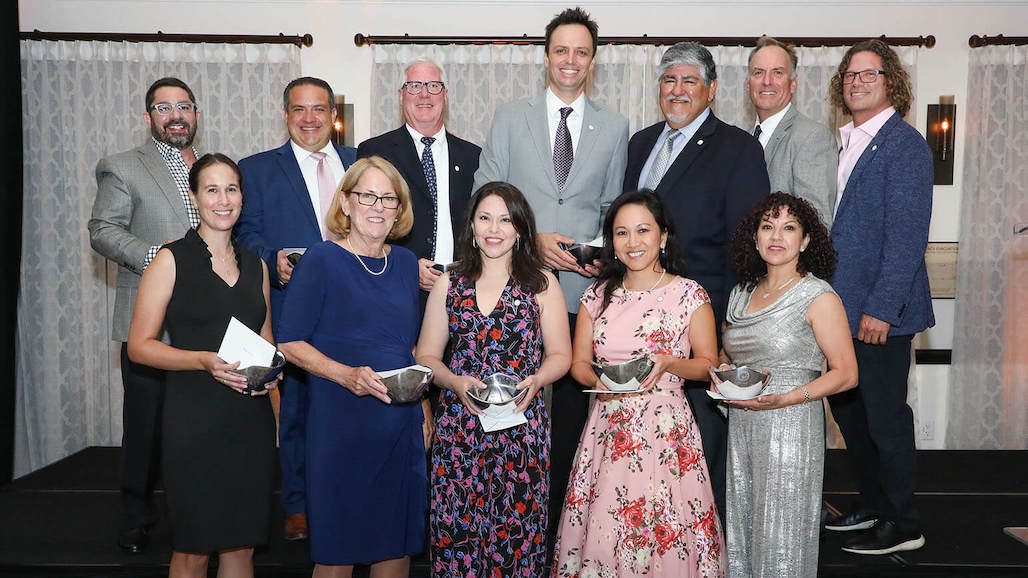
    Following an extensive call for nominations, the Hass Avocado Board (HAB) named the recipients of its 20th Anniversary Recognition awards at the September Board Meeting and commemorated their service with a presentation and award recognition ceremony. The accolades acknowledge individuals for their outstanding commitment and achievements in “Making it Happen” for HAB by establishing and building the organization over the past two decades.

    “Growing U.S. consumption of fresh avocados to more than 2 billion pounds per year since the establishment of the Hass Avocado Board in 2002 came thanks to the hard work of many talented, dedicated people from around the world,” said Salvador Dominguez, HAB Chairman. “Today, it is our honor to recognize several individuals for their prominent participation in our incredible success, for being relentless in their pursuit to “making it happen” for the benefit of the whole avocado industry in the United States.”

    The criteria for recognition included having served the Hass Avocado Board as a board member, committee member, special subcommittee member, being affiliated with HAB, the California Avocado Commission (CAC) and the Importer Associations or being HAB staff.

    After evaluating submissions, the 20th Anniversary Task Force of HAB , selected the following recipients:

    The contributions from these individuals stand out on their own merit as well as underscore the HAB Effect, the ability for avocado industry members to accomplish things they would not be able to do without the collective power of HAB. By leveraging resources, expertise and passions strategically pulled together by HAB, Making it Happen Award recipients delivered  strategic assets that propel growth such as world-class category data, industry-leading nutrition research and proven marketing campaigns.

    To learn more about HAB and its 20 years of “Making it Happen,” visit http://www.HassAvocadoBoard.com/Honorees.

  • Thirteen UC Davis Scientists Contribute to Special Journal Edition on Spotted-Wing Drosophila

    Thirteen UC Davis Scientists Contribute to Special Journal Edition on Spotted-Wing Drosophila

    Thirteen UC Davis scientists or former affiliates are among authors from eight countries who contributed to research articles for the Journal of Economic Entomology’s Special Collection: Research Advances in Spotted-Wing Drosophila suzukii Management.

    The recently published Special Collection showcases 14 articles.

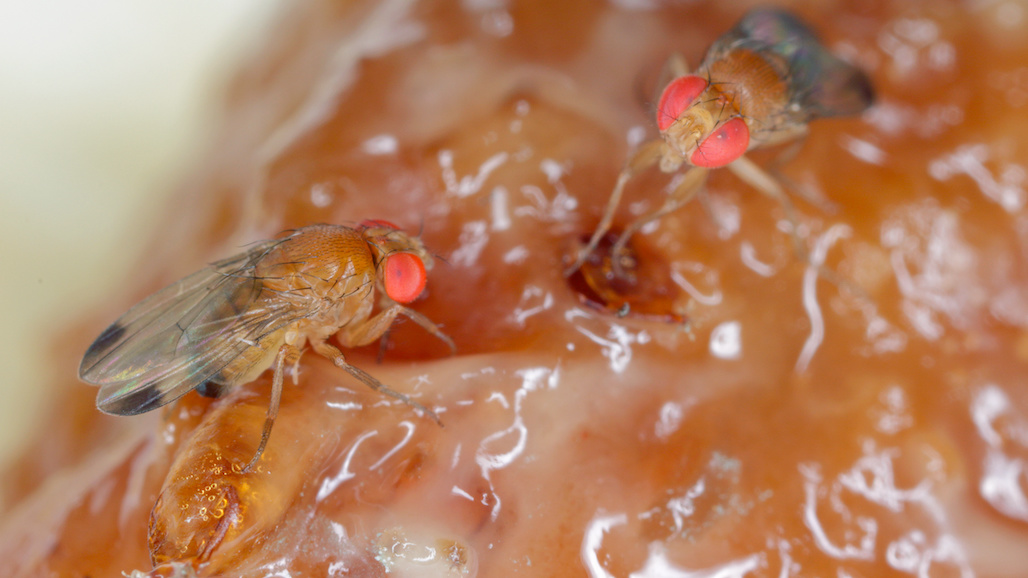
    Native to Asia, the agricultural pest is a worldwide threat to the berry production industry, which includes raspberries, blackberries, blueberries, strawberries, and cherries. The tiny insect, about 1/12 to 1/8 inch long, invaded the continental United States in 2008.

    “All of the papers were by invitation of the co-editors of the special collection—Jana Lee, Cesar Rodrigue-Saona, and me,” said journal editor-in-chief Frank Zalom, a UC Davis distinguished professor emeritus and recall professor in the Department of Entomology and Nematology. Zalom’s research includes the spotted-wing drosophila.

    Lee, formerly with the UC Davis laboratory of the late chemical ecologist Steve Seybold, is a research entomologist with the Horticultural Crops Research Unit,  U. S. Department of Agriculture, Agricultural Research Service, Corvallis. Rodriguez-Saona, who received his doctorate from UC Riverside, is an Extension entomologist with the Department of Entomology, Rutgers University, the State University of New Jersey.

    In addition to Zalom and Lee, the UC Davis-linked authors include Joanna Chiu and Antoine Abrieux (Joanna Chiu lab); Zain Syed and Kevin Cloonan (Walter Leal lab); Gregory Loeb (Rick Karban lab); and Kelly Hamby, Hannah Burrack, Fatemeh Ganjisaffar, Brian Gress, Nicole Nicola and Mark Demkovich (Zalom lab).

    Overall, the Special Collection includes authors from Austria, Brazil, Canada, Italy, Spain, Sweden, United Kingdom, and the United States that represent perspectives from universities, federal and state laboratories, growers, and pest product companies, according to the editors.

    One paper, Spatio-temporal Variation of Spinosad Susceptibility in Drosophila suzukii (Diptera: Drosophilidae), a Three-year Study in California’s Monterey Bay Region, is from the Zalom lab and includes co-author, molecular geneticist and physiologist Joanna Chiu, professor and vice chair of the Department of Entomology and Nematology.

    The work of molecular geneticist and physiologist Joanna Chiu, professor and vice chair of the UC Davis Department of Entomology and Nematology, is included in the Journal of Economic Entomology’s special collection targeting research on the spotted-wing drosophila. (Photo by Kathy Keatley Garvey)

    UC Davis Department of Entomology and Nematology communication specialist Kathy Keatley Garvey provided the cover photo of the spotted-wing drosophila feeding on a raspberry.

    Since 2008, “D. suzukii has become a key economical pest of raspberries, blackberries, blueberries, strawberries, and cherries in the United States and worldwide,” the editors wrote in their introductory remarks. “Not surprisingly, the number of publications has proliferated from 29 publications as of 2010 to 978 additional publications between 2011 and 2021 from a Web of Science search for ‘Drosophila suzukii.’ While many publications are available, this special collection will highlight advances in D. suzukii pest management since its U.S. invasion. We solicited papers by open call and received 66 abstracts, and selected 14 papers covering: 1) review, 2) monitoring and risk, 3) behavioral control, 4) biological control, 5) cultural control, and 6) chemical control.”

    The collection is meant to serve “as a key reference point for entomologists across many institutions (e.g., academia, government, and industry) on important advances in D. suzukii pest management,” according to the Entomological Society of America. “The articles in this collection will also provide scientists information on potential research gaps that will help guide future research directions on this important pest. The goal is to preserve and catalog articles on various aspects of D. suzukii pest management, i.e., monitoring, cultural control, chemical control, behavioral control, and biological control, that will be shared among entomologists.”

  • Survey Suggests Much Higher California Mandarin Crop Yield this Season

    Survey Suggests Much Higher California Mandarin Crop Yield this Season

    USDA’s National Agricultural Statistics Service, Pacific Regional Field Office recently completed the California Mandarin Objective Measurement Survey. A sample of 293 Tango and W. Murcott Afourer Mandarin varieties were randomly selected proportional to county and variety bearing acreage. Results show an average fruit set of 596 fruit per tree and an average fruit size of 1.344 inches in diameter for these varieties. This compares with the 2021 average fruit set of 290 fruit per tree with an average fruit size of 1.363 inches in diameter and the 2020 average fruit per tree of 945 with an average fruit size of 1.488 inches in diameter.  This survey was conducted for the first time in 2020.

    Fruit counts were made from two trees per orchard, and fruit diameter measurements were taken on the right quadrant of four trees surrounding the two sampled trees. 

  • Save the Date for the North American Raspberry & Blackberry Association’s 2023 Annual Conference

    Save the Date for the North American Raspberry & Blackberry Association’s 2023 Annual Conference

    The North American Raspberry & Blackberry Association (NARBA) will be gathering in person for their annual meeting to be held January 22-24, 2023, in Tampa, Florida. After two years of virtual conferences, the group will move the conference to the Sunshine State for the first time. The event will be held at the Hotel Alba Tampa. Visit the hotel website for more information on the hotel’s great amenities, including free wi-fi, outdoor pool, wellness center, and two in-house dining options as well as many walkable Tampa attractions and dining. Visit https://www.raspberryblackberry.com/2023-narba-conference/ for more information.

    Conference sessions will feature top experts and experienced growers. Topics include caneberry breeding and varieties, pest and disease management, production research, new technology and industry updates, new grower resources, and marketing.  Over 50 speakers from around the world are included in the multi-track format. Time for Q&A and networking will be part of all sessions.

    Attendees will have the opportunity to register for the conference tour which will include field and nursery visits for an up-close look at the emerging raspberry and blackberry industry in Florida and a visit to the University of Florida Gulf Coast Research Center to learn about advances in berry research. The tour will include refreshments, networking with speakers and views of the beauty of the Florida Gulf Coast.

    Registration for the conference, tour and the hotel block are OPEN NOW!  A detailed listing of speakers and courses will be posted in October 2022 on https://www.raspberryblackberry.com/2023-narba-conference/ Early registration is recommended to ensure attendees have first choice for desired room types and sessions.

    The North American Raspberry & Blackberry Association is a membership association of growers large and small, researchers, suppliers, and others in the caneberry industry.

    For further information and updates about the 2023 NARBA annual conference please contact Darcy Kochis at info@raspberryblackberry.com.