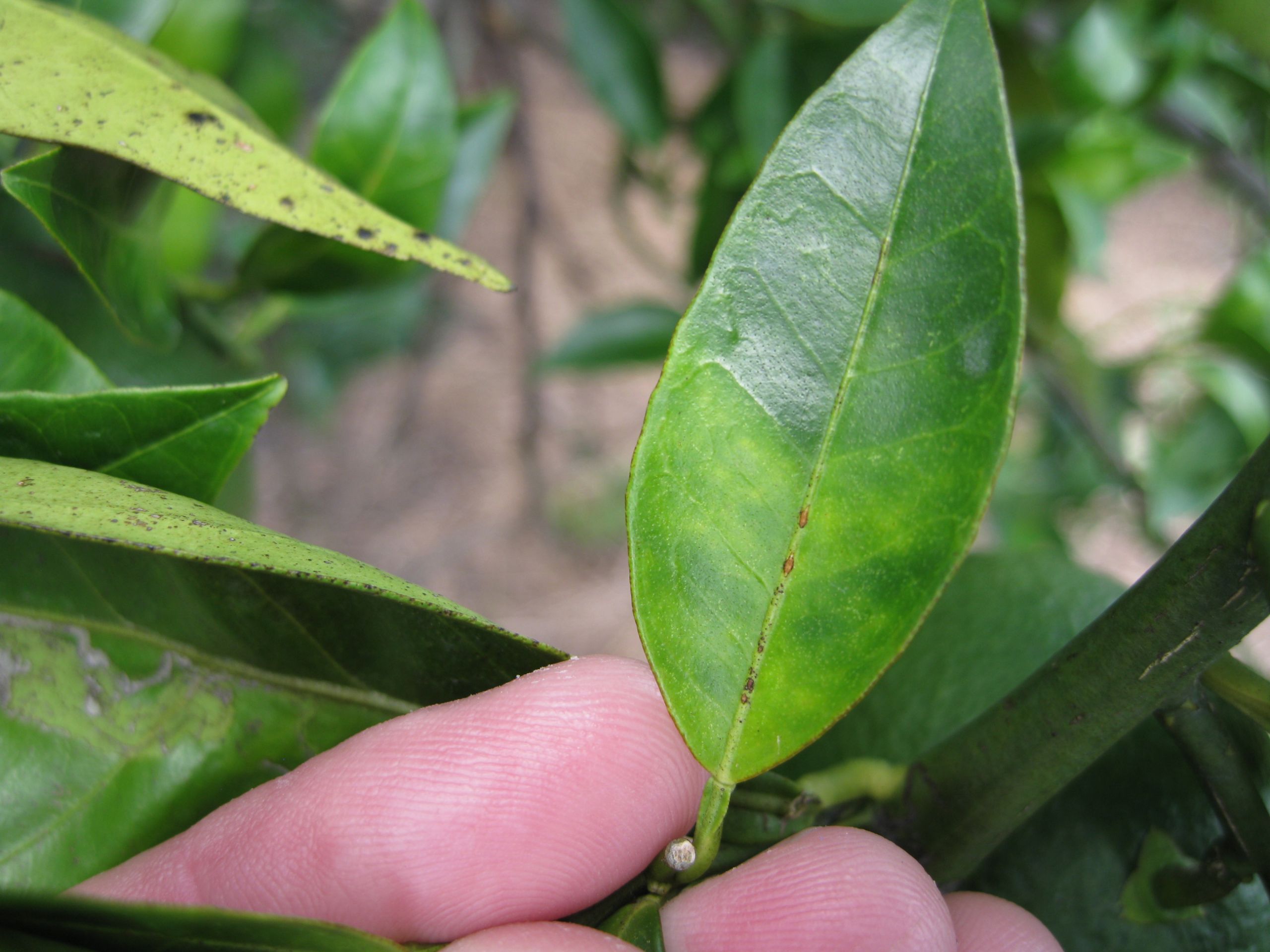
Category: Industry News

  • Watermelon Master Classes to Educate, Inform & Inspire

    The first of its kind, the Watermelon Virtual Master Classes were arguably one of the largest pivots of the Spring-Summer season for the communications program of the National Watermelon Promotion Board (NWPB). The challenge was to move an NYC-based freelance summertime media event to online: a virtual version for the at-home world of media and influencers to educate, inform and inspire watermelon content and coverage.

    The reinvention of the media event turned into three separate virtual events with three different topics, three different presenters with three sets of recipe ideas, sending out three different curated boxes of watermelon goodies for the media to enjoy and utilize for their Watermelon Master Classes. The strategies were tri-fold:

    • Lean on “Back to Basics” materials to educate at-home cooks on easy ways to get creative with watermelon
    • Leverage “Use the Whole Watermelon” messaging to encourage use of the rind and juice
    • Develop strong relationships with members of the media and influence their watermelon content for months to come

    NWPB spent weeks pitching media contacts from major publications, in a time when much of the country was in a “shelter in place” order, to offer an at-home, free event to create content and excitement about the sweet summer staple. Additionally NWPB provided education focused on a year-round message to extend the seasonal reach and amplify watermelon’s appeal.

    “We confirmed attendees across the country, rather than have to only host those based in the NYC-area. We sent out custom curated watermelon boxes with a mix of items related to each class and related to our brand: a logoed chef’s apron and a new kitchen knife, a cocktail shaker and food pun spatula, etc. The boxes generated excitement and enthusiasm for the classes, and each one was well attended… with the cameras turned ON!” said Stephanie Barlow, senior director of communications.

    Further, the timing of the classes gave many attendees the opportunity to create their own watermelon content this summer, in time for National Watermelon Day and beyond. Several attendees posted on their personal social pages, where media turn into influencers and endorse watermelon recipes, usage ideas and health benefits. In total, NWPB hosted 60 food editors, writers and media dietitians. Their enthusiasm and delight over the events ensures earned media attention for watermelon to come for months.

    “To date, we have nearly 40 social media posts and 15 articles covering these events, which wasn’t even one of the main strategies but it is additional earned content on their personal influencer networks. We look forward to building long lasting partnerships with writers and their publications in the coming year,” said Barlow.

    These were the Watermelon Master Classes:

    ·       Watermelon Wellness with Pam Smith, RDN featuring Salted Watermelon Woju, Watermelon Overnight Oats, Watermelon Poke Salad and a Watermelon Yogurt Smoothie

    ·       The Ultimate Watermelon Workshop with cookbook authors Mark Scarbrough and Bruce Weinstein, creating Thai-inspired Watermelon Rind Salad, Curried Wheatberry Watermelon Salad and Watermelon, and Prosciutto and Mozzarella Skewers

    ·       Summer Sips Watermelon Cocktails with Jordan Catapano from This Girls Walks into a Bar, mixing a Watermelon Rose Sangria, Watermelon Gimlet and a Summer into Fall Cocktail

    Each of the classes incorporated watermelon key messages of health, value, versatility and year-round availability, but also gave attendees the opportunities to ask questions to the hosts or the watermelon experts from NWPB.

    “The engaging questions were rampant throughout all the classes, asking everything from watermelon storage techniques to flavor pairings, or alternative ingredients when you couldn’t find elderflower liqueur or red wheat berries, which effectively made these events much richer than a plain recipe demonstration,” Barlow continued.

    About National Watermelon Promotion Board

    The National Watermelon Promotion Board (NWPB), based in Winter Springs, Florida, was established in 1989 as an agricultural promotion group to promote watermelon in the United States and in various markets abroad. Funded through a self-mandated industry assessment paid by more than 800 watermelon producers, handlers and importers, NWPB mission is to increase consumer demand for watermelon through promotion, research and education programs.

    Watermelon packs a nutritious punch, with each serving providing an excellent source of Vitamin C (25%), a source of Vitamins A ( 8%) and B6 (8%), and a delicious way to stay hydrated (92% water), with only 80 calories. For additional information, visit www.watermelon.org.

  • Fusarium Crown Rot in Watermelon

    In late June, I was contacted by a watermelon grower and visited his field near the border of Stanislaus and Merced County. In the field, 50% of the plants showed leaf and vine wilt and about 20% died (see the field image). When I made a closer examination, the color of leaf lesions were chocolate brown and stem appeared to be watery (see leaf and crown images). The grower told me that the field was just harvested once but symptoms were already present beforehand. The field was planted by a 45-ct and mini-watermelon cultivars.

    Vine-declined and wilted watermelon plants from the disease infection.

    An initial suspicion was a fusarium disease and/or a possible Gummy Stem Blight caused by Didymella bryoniae, though this is very uncommon for the watermelon in California. I sent leaf, runner, and stem samples to the UC Davis Fungal Pathogen Lab and the results came back with the Fusarium Crown Rot caused by F. solani f. sp. cucurbitae and possibility of F. falciforme. F. falciforme has not been described to infect watermelon but records showed that it could cause crown rot in muskmelon. Gummy stem blight (Didymella bryoniae) colonies were not recovered from the samples, which did not surprise me because this disease is mostly prevalent in the southeast and north area, such as Georgia, South/North Carolina, and Delaware.

    Unlike fusarium wilt caused by F. oxysporum f. sp. niveum, the vascular system of crown rot infected plants typically does not show discoloration far above soil line, instead, necrotic rot of crown and taproot can be seen. As the disease progresses, the rot on the crown develops from a light-colored, water-soaked area to be darker. Eventually, the entire plant wilts and dies. Evidence indicated that fusarium crown rot is more common on summer squash and pumpkin, however, all cucurbits can be infected.

    Water-soaked, necrotic rot of the crown

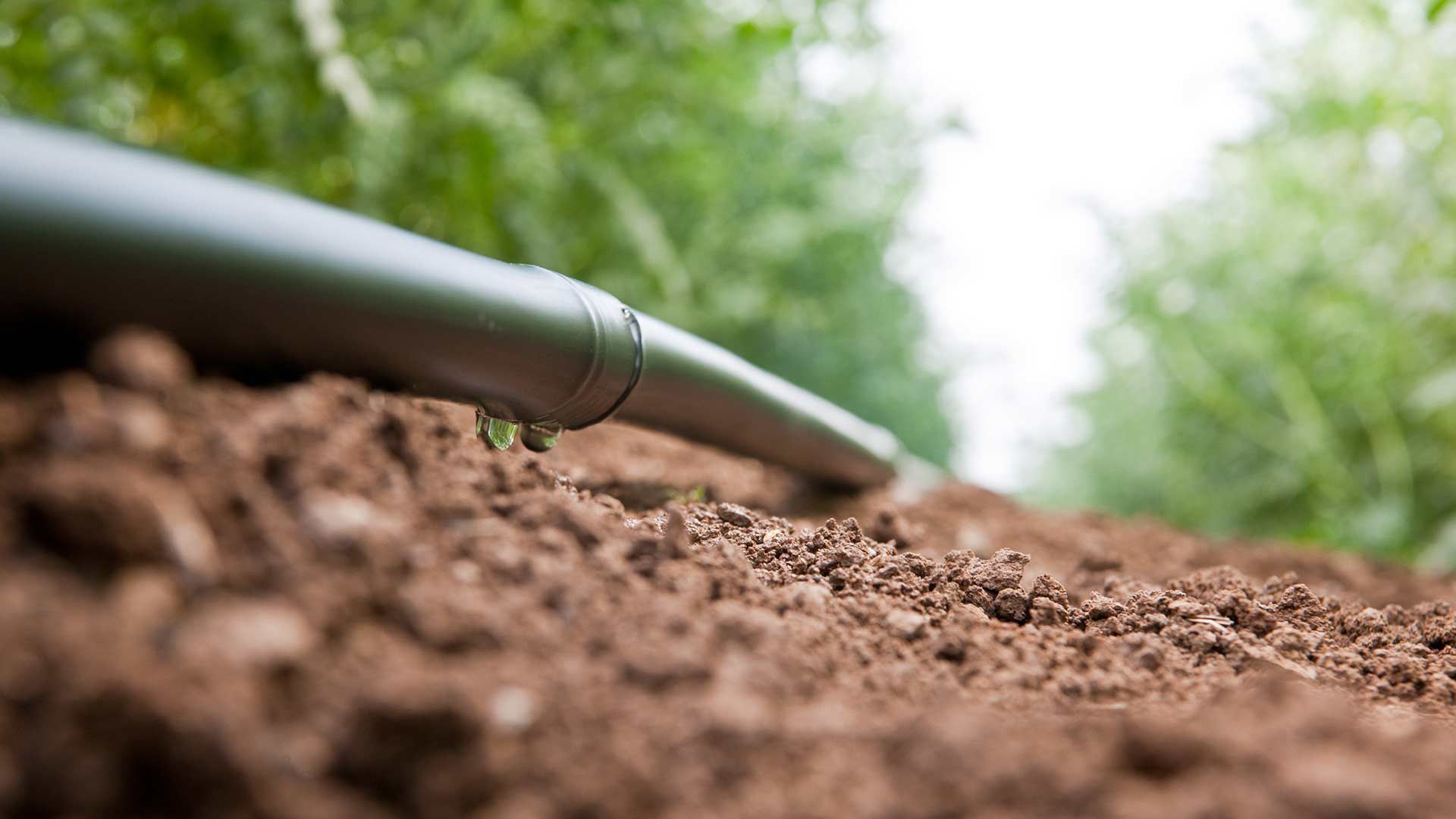
    Early planted fields can have a higher chance to be infected as disease is favorably developed under a cooler temperature. Soil moisture does affect the development of the disease. Extremely wet soil especially with drip tape breakage creates a favorable microclimate, which definitely accelerates the reproduction of spores and spread of the disease to other rows. Growers using surface drip irrigation should specifically pay more attention to the tape damage and fix the problem timely.

    Various types of information demonstrate that the pathogen (F. solani f. sp. cucurbitae) is seedborne and survives only for two to three years in soil. A four-year rotation of planting non-cucurbit species is usually chosen for the disease control. In addition, choosing clean seeds or fungicide-treated seeds can reduce disease initiation. More information about the Fusarium crown rot on cucurbits can be found at UC IPM: http://ipm.ucanr.edu/PMG/r116100911.html. – By Zheng Wang, UCCE Vegetable Crops Farm Advisor

  • Orange Peels Better Heart Health

    Orange Peels Better Heart Health

    You’ve heard an apple a day keeps the doctor away. Now orange peels may improve your heart health.

    Yu Wang, an assistant professor of food science and human nutrition at the University of Florida Institute of Food and Agricultural Sciences, has been awarded a $500,000 grant from the U.S. Agriculture and Food Research Initiative, part of the USDA. With the award, Wang plans to lead a research team to ensure extracts from orange peels improve the gut’s ability to stave off fatty linings in your arteries.

    Recent research has shown that gut bacteria help develop cardiovascular disease. When they feed on certain nutrients during digestion, gut bacteria produce trimethylamine N-oxide (TMAO) as a byproduct. TMAO levels are powerful predictors of future cardiovascular disease, according to researchers at the Cleveland Clinic.

    Wang and her colleagues want to work on that gut bacteria. They will study how orange peels promote gut health and, therefore, overall human health.

    Americans generate about 5 million tons of orange peels a year, Wang said. Right now, the peels are mostly treated as waste, she said. But the Food and Drug Administration considers natural orange peel extracts safe for human consumption. So, Wang wants to put those peels to better use.

    “This research could be critical to enhancing the cardiovascular health of millions of people worldwide,” said Wang, a faculty member at the UF/IFAS Citrus Research and Education Center in Lake Alfred, Florida. “In addition to improving consumers’ health, our research results could provide additional economic returns, benefiting U.S. agriculture and food systems.”

    For the new UF/IFAS-led project, researchers hypothesize that orange peels will modify gut microbiota and help prevent atherosclerosis, a disease characterized by fatty deposits on the inner walls of arteries.

    When gut microbiota break down chemicals called choline and carnitine, the process eventually produces trimethylamine (TMA). Enzymes can then convert TMA into TMAO, Wang said.

    But orange peels contain components that interfere with TMA enzymes, Wang said. Researchers believe that action will help prevent atherosclerosis.

    To test these hypotheses, the researchers will combine animal studies with enzyme tests to assess how orange peel extract consumption can prevent cardiovascular diseases.

    In her own preliminary work, Wang experimented with three groups of mice to see if she was going in the right direction with her research proposal. One group was fed a regular diet, the second was fed a regular diet plus carnitine, which induced TMAO. The third group was fed a regular diet, carnitine and orange peels.

    They found the orange peels altered the composition of bacteria in colon in the mice fed with regular diet, carnitine and orange peels.

    “Within three years, we expect to understand more about the mechanisms associated with orange peel consumption, TMAO formation and the prevention of atherosclerosis,” Wang said. “We hope this project can not only positively impact human cardiovascular health via the promotion of gut health, but will also provide a simple and effective usage of the orange peel.”— By Brad Buck, University of Florida Institute of Food & Ag Sciences

  • Fennimore Receives 2020 EurAgEng Outstanding Paper Award

    Steve Fennimore, UC Davis Cooperative Extension Weed Specialist

    Steve Fennimore, UC Davis Plant Sciences faculty member and UC Cooperative Extension weed specialist, and colleagues received the 2020 EurAgEng Outstanding Paper Award for the paper, “Crop Signalling: A Novel Crop Recognition Technique for Robotic Control,” which was published in Biosystems Engineering.

    The research represents a breakthrough in differentiating weeds from crops using machine vision systems. The technology could help California growers address challenges in managing weeds in in dozens of crops with limited herbicide options, and significant hand-weeding costs due to a growing labor shortage.

    “California growers would benefit from improved weeding technology,” said Fennimore. “This technology certainly has commercialization potential by improving the accuracy, speed and reliability of weed/crop differentiation by weeding machines.”

    Rekha Raja, a postdoctoral scholar in the UC Davis Department of Biological and Agricultural Engineering

    Field experiments were successfully conducted for real-time weed control in tomato and lettuce. The paper was a collaborative effort led by first author Rekha Raja, a postdoctoral scholar in the UC Davis Department of Biological and Agricultural Engineering, and included researchers from the UC Davis Departments of Plant Sciences and Plant Biology; UC Cooperative Extensions in Santa Cruz and Monterey Counties; and the Department of Biosystems Engineering at the University of Arizona.

    Awarded by the European Society of Agricultural Engineers, the EurAgEng Outstanding Paper Award is only awarded once every two years and is selected out of all the papers published in Biosystems Engineering. – By Kristin Burns, UCANR

  • Fresh Produce Veterans Reimagining the Procurement Experience

    Fresh produce industry veterans Doug Fisher and Joe Cimino — each with over 30 years of growing, buying and distribution experience — have teamed up to form Re Fresh, a new produce procurement company. Re Fresh combines break-through predictive analytics with the more personal old-school way of doing business, to enhance produce procurement for buyers and growers.

    “Buying and selling produce used to be a simple, trust-based business, where nothing mattered more than personal relationships and integrity” explained Joe Cimino, co-founder, “we believe this is still the best way to conduct business, especially when it is combined with sophisticated modeling and predictive analytics to provide insight into supply, demand and pricing trends.”

    In addition to a focus on personal connections and relationships to better integrate with customer needs, Re Fresh’s business model is based on a culture of accountability, transparency, and a passion for produce combined with deep market intelligence and insights.

    “We use sophisticated technology and predictive analytics to help us advise clients to make better data-driven business decisions and buying moves. However, we will not let our systems or technology get in the way of boots-on-the-ground experience or personal communication and insights,” added Doug Fisher, co-founder. “We will still be visiting with and picking up the phone to talk to our customers and suppliers on a regular basis, as nothing can replace personal connections.”

    With their long history and broad connections in the Salinas Valley, Fisher and Cimino are assembling a Re Fresh team of like-minded, experienced produce procurement experts with deep supplier relationships to join them. Fisher and Cimino are eager to continue utilizing their industry passion and expertise to enhance the produce procurement process.

    About Re Fresh:
    Re Fresh is reimagining the procurement experience, combining industry insights and extensive relationships to help retailers, food service operators and wholesalers across the USA and Canada to ensure a steady supply of transparently sourced and correctly priced fresh produce. To learn more, visit www.refreshproduce.com.

  • Why Aren’t my Blackeye Bean Pods Filling Out?

    Why Aren’t my Blackeye Bean Pods Filling Out?

    Recently, I received a call about a blackeye bean field in the San Joaquin Valley with a lot of bean pods that did not fill out at the tips (photo). I contacted the UC Riverside blackeye bean breeders Drs. Phil Roberts and Bao Lam Huynh and they shared that this problem is primarily caused by heat, which affects pollen viability and thus fertilization. Here’s their response:

    It [lack of pod fill] is the typical male-sterility symptom [lack of pollen viability] associated with extreme temperatures (heat or cold). Based on the planting date you gave, we just checked the temperature in Denair, CA [farm location] and noted that it was quite warm (~100) during the flowering time (40-50 days after planting) and recently during the pod filling stage, so heat must have been a main cause. The symptom could also be more severe if water is limiting.

    Always be prepared with good irrigation management practices for all crops going into heatwaves, like the one we’re having now.  The minimum seasonal irrigation needed to produce a blackeye bean crop being managed for full yield from one pod set is 16 to 18 inches. This estimate includes a pre-irrigation of 4-inches, and irrigations of 4-inches when floral buds first appear, and 8 to 10 inches during 5 to 6 weeks of flowering and pod filling. If additional irrigations are needed during the vegetative stage, one could increase the total irrigation requirement to 20 or more inches. Irrigating for a second flush of pods could require an additional 8 to 12 inches of water. Irrigation requirements are further increased by any water required to leach salts or to compensate for an inefficient irrigation system.

    Additional water may need to be applied during extreme heat events which drive plant transpiration rates to the limit. Make sure to check the soil moisture in the top 12 to 24 inches of the soil profile and apply additional water if the soil is dry. If in doubt about how much additional water is needed, check the reference evapotranspiration (ETo) and make sure to irrigate to replace at least 120% of your daily ETo in your area.  The current (mid to late August) daily ETo in the San Joaquin Valley ranges from 0.25 to 0.30 in/day; make sure your applied irrigation replaces 120% of these values.

    More information on growing blackeye beans can be found in the publication, UC ANR Blackeye bean production

    in California, http://beans.ucanr.edu/files/226601.pdf. – By Rachael Freeman Long, UCCE Farm Advisor

    Lack of pod fill in blackeye bean tips caused by heat, which affects pollen viability and fertilization; water stress can add to this problem, especially during heatwaves. San Joaquin Valley, 2020.
  • Extending the Shelf-Life of Strawberries

    Extending the Shelf-Life of Strawberries

    Advances in technology, automation, and remote sensing is a cross-cutting, macro movement in science impacting agriculture outlined in the USDA Science Blueprint (PDF, 2.6 MB). The Science Blueprint guides USDA’s science priorities for the next 5 years, building from past success. Relative to other crops, many specialty crops are more dependent on agricultural labor for production, harvesting, and processing. This is part of a blog series that highlights research investments to advance automation and mechanization for specialty crops.

    We’ve all enjoyed some delicious strawberries this summer, but a short-shelf life can limit that enjoyment. One of the biggest challenges in U.S. strawberry production is managing diseases and pests. The fungal pathogen Botrytis cinerea results in gray mold, or the unappetizing gray fuzz that can quickly appear on strawberries all too soon after we get them home. Growers typically apply fungicides on a weekly basis to control gray mold as well as other fungal diseases.

    Agricultural Research Service (ARS) researchers developed an alternative technology called PhylloLux, which combines Ultraviolet-C (UV-C) irradiation followed by a specific dark period. UV-C kills microbes by damaging their DNA, but doses required to kill fungal pathogens can also damage plant leaves and fruit. ARS researchers found that including a dark period after irradiation prevents activation of a daylight-induced mechanism that repairs DNA damage in microbes and allows for much shorter UV-C irradiation times. The resulting UV-C/dark (UV-C/d) treatment of strawberry plants twice per week, as suggested for commercial application, did not affect nutritional values of strawberry fruit.

    To move the technology to commercial use, ARS scientists first developed a self-propelled, fully automated and programable apparatus that was used for night-time irradiation of strawberries in a high tunnel culture. In 2019, a second robot was developed for autonomous application of UV-C/d in commercial strawberry fields. Preliminary results from two farms in Delaware indicate the UV-C/d application was as good as weekly fungicide sprays.

    The combination of innovation in approach to disease management and in application through new technology is a result of close collaboration between plant pathologists, horticulturists, entomologists and engineers. In fall 2020 larger California pilot tests are planned for targeted pests, including aphids, thrips, scale insects, and slugs.

    PhylloLux is a prime example of innovation in agriculture production as a solution for farmers, consumers, and the environment in support of the USDA Agriculture Innovation Agenda goal to increase U.S. agricultural production by 40 percent while cutting the environmental footprint of U.S. agriculture in half by 2050. Growers can benefit from the resulting drastic kill of fungal plant pathogens causing gray mold, powdery mildew, and anthracnose. The new method is also an effective control for spider mites, further reducing produce loss to growers. Reducing pesticide use improves environmental outcomes and has potential for organic as well as conventional production. And we’ll all benefit from enjoying those strawberries longer.

    This research supports the “value-added innovation” theme outlined in the USDA Science Blueprintand moves us closer to meeting the goals outlined in USDA’s Agriculture Innovation Agenda. By Dr. Fumiomi Takeda, Research Horticulturist, Dr. Wojciech Janisiewicz, Research Plant Pathologist (retired), Dr. Joseph E. Munyaneza, National Program Leader, Vegetable, Sugarbeet & Greenhouse Crops, USDA Agricultural Research Service

  • Foodservice Campaigns Find New Ways to Promote Watermelons

    Foodservice Campaigns Find New Ways to Promote Watermelons

    Watermelon continues to find its place on menus throughout the country despite the rapidly changing foodservice landscape. Partnering with both quick service and full service national chains in the spring and summer months, the National Watermelon Promotion Board (Board) focused on takeaway- and delivery-friendly options to not only include watermelon on the menu, but keep it top of mind with their customers.

    Juice and smoothies played a prominent role in all of these promotions, allowing operators to experiment with watermelon’s flavor profile, while understanding that away from home, consumers most enjoy watermelon raw, as a snack or with lunch.

    The Board worked with the following foodservice outlets:

    • Another Broken Egg – Chain wide usage in 74 outlets included a fruit side and

      Watermelon Cucumber Cooler. This year, the promotion started earlier in the year (March 17) and, for the first time, the chain tested a savory application, Tacos Verano with Watermelon Salsa.

    • First Watch – Running June 1 through the end of August in 380 locations, the Watermelon Wake Up juice scored a 96/100 for frequency of ordering desire on Datassentials SCORES, a monthly report that tracks and ranks new menu items tested with consumers. Promotions included in-store chalkboards, e-blast, blog post and social.

    • Nektar – Expanded social media promotional elements including Instagram Live and Stories with Nektar founder Alexis Schulze and Board beverage consultant Tony Pereyra, amplified on Board channels. Offerings in 165 units included a smoothie and juice, running from June 15 until Labor Day weekend.

    • Robeks – Custom graphics on Instagram and Facebook promoting the Wailea Watermelon Smoothie, a customer favorite, in 84 locations.

      “Adjusting to operators’ and consumers’ needs was a top priority this year,” said Megan McKenna, Senior Director of Marketing and Foodservice. “Additionally, leveraging

    existing relationships with past partners has made executing programming straightforward and incredibly successful.”

    “You know you have a hit when guests ask for more watermelon salsa on an already generous portion or my favorite, when a guests asked how much for a container to take home because they know a dozen other things that the bright, sweet, spicy, crunchy, salty goodness would go with!” said Jason Knoll, Vice President of Culinary, Another Broken Egg of America Franchising, LLC.

    Looking forward to fall/winter programming, the Board will continue to monitor foodservice needs and consumer trends. For more information about the Foodservice program including how NWPB can support watermelon usage in the foodservice sector, visit watermelon.org/foodservice or contact Megan McKenna at mmckenna@watermelon.org.

    About National Watermelon Promotion Board

    The National Watermelon Promotion Board (NWPB), based in Winter Springs, Florida, was established in 1989 as an agricultural promotion group to promote watermelon in the United States and in various markets abroad. Funded through a self-mandated industry assessment paid by more than 800 watermelon producers, handlers and importers, NWPB mission is to increase consumer demand for watermelon through promotion, research and education programs.

    Watermelon packs a nutritious punch, with each serving providing an excellent source of Vitamin C (25%), a source of Vitamin B6 (8%), and a delicious way to stay hydrated (92% water), with only 80 calories. Watermelon consumption per capita in the United States was an estimated 15.6 pounds in 2019. Watermelon consumption in the United States was approximately 5.1 billion pounds in 2019. The United States exported an additional 321.2 million pounds of watermelon. For additional information, visit www.watermelon.org.

  • Protecting Workers from Unhealthy Air Due to Wildfire Smoke

    Protecting Workers from Unhealthy Air Due to Wildfire Smoke

    Cal/OSHA is reminding employers that California’s protection from wildfire smoke standard is still in effect, and they must take steps to protect their workers from harmful exposure to unhealthy air due to wildfire smoke.

    “Employers are obligated to protect their outdoor workers and must evaluate the health hazards posed by wildfire smoke,” said Cal/OSHA Chief Doug Parker. “If employers cannot move operations indoors where air is adequately filtered and they do not have access to respiratory protection, they may need to halt operations until the outdoor air quality improves.”
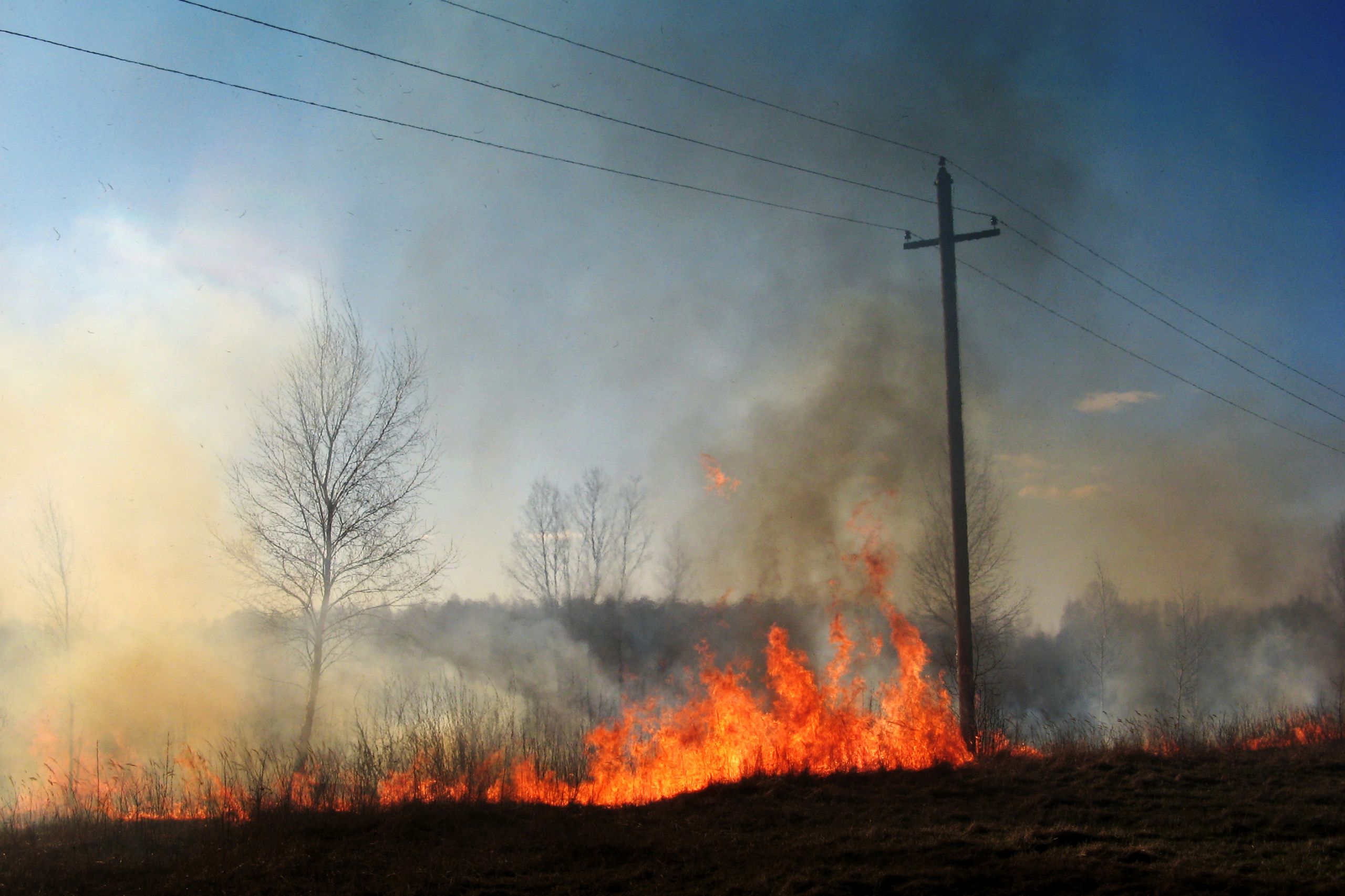
    Smoke from wildfires contains chemicals, gases and fine particles that can harm health. The greatest hazard comes from breathing fine particles in the air (called PM2.5), which can reduce lung function, worsen asthma or other existing heart and lung conditions, and cause coughing, wheezing and difficulty breathing. These types of respiratory conditions also make the effects of COVID-19 more severe.

    If employers move operations indoors or into enclosed spaces, they should be sure to follow guidelines for prevention of COVID-19 transmission in the workplace.

    When wildfire smoke affects a worksite, employers must monitor the air quality index (AQI) for PM2.5. Employers can monitor the AQI using the following websites:

    If the AQI for PM2.5 is 151 or greater, employers must take the following steps to protect employees:

    • Communication – Inform employees of the AQI for PM2.5 and the protective measures available to them.
    • Training and Instruction – Provide effective training and instruction to all employees on the information contained in section 5141.1 Appendix B.
    • Modifications – Implement modifications to the workplace, if feasible, to reduce exposure. Examples include providing enclosed structures or vehicles for employees to work in, where the air is filtered.
    • Changes – Implement practicable changes to work procedures or schedules. Examples include changing the location where employees work or reducing the amount of time they work outdoors or exposed to unfiltered outdoor air.
    • Respiratory protection – Provide proper respiratory protection equipment, such as disposable respirators, for voluntary use.
      • To filter out fine particles, respirators must be labeled N-95, N-99, N-100, R-95, P-95, P-99, or P-100, and must be labeled as approved by the US National Institute for Occupational Safety and Health (NIOSH).

    “Cal/OSHA is working diligently to identify viable available temporary alternatives that would provide workers with an acceptable alternative to a compliant respirator such as an N-95 mask,” added Chief Parker.

    CalOES and the California Department of Food and Agriculture are working in partnership to provide approximately one million N-95 masks to help protect farmworkers from wildfire smoke. County Agricultural Commissioners in affected counties will distribute the masks.

    If the AQI for PM2.5 exceeds 500, respirator use is required. Employers must ensure employees uses respirators and implement a respiratory protection program as required in California’s respiratory standard. For information or help on developing a respiratory protection program, see Cal/OSHA’s Respiratory Protection Fact Sheet.

    Guidance for employers and workers on working safely in conditions with smoke caused by the wildfires is available on Cal/OSHA’s web page, including information for protecting outdoor workers, details on how to protect indoor workers from outdoor air pollution, and frequently asked questions about N95 masks.

    Information on current wildfires is available from CalFire and the Incident Information System website.

    Cal/OSHA helps protect workers from health and safety hazards on the job in almost every workplace in California. Employers and workers who have questions or need assistance with workplace health and safety programs can call Cal/OSHA’s Consultation Services Branch at 800-963-9424.

    Complaints about workplace safety and health hazards can be filed confidentially with Cal/OSHA district offices. Employees with work-related questions or complaints may contact DIR’s Call Center in English or Spanish at 844-LABOR-DIR (844-522-6734).

  • Protecting Workers from Unhealthy Air Due to Wildfire Smoke

    Protecting Workers from Unhealthy Air Due to Wildfire Smoke

    Cal/OSHA is reminding employers that California’s protection from wildfire smoke standard is still in effect, and they must take steps to protect their workers from harmful exposure to unhealthy air due to wildfire smoke.

    “Employers are obligated to protect their outdoor workers and must evaluate the health hazards posed by wildfire smoke,” said Cal/OSHA Chief Doug Parker. “If employers cannot move operations indoors where air is adequately filtered and they do not have access to respiratory protection, they may need to halt operations until the outdoor air quality improves.”

    Smoke from wildfires contains chemicals, gases and fine particles that can harm health. The greatest hazard comes from breathing fine particles in the air (called PM2.5), which can reduce lung function, worsen asthma or other existing heart and lung conditions, and cause coughing, wheezing and difficulty breathing. These types of respiratory conditions also make the effects of COVID-19 more severe.

    If employers move operations indoors or into enclosed spaces, they should be sure to follow guidelines for prevention of COVID-19 transmission in the workplace.

    When wildfire smoke affects a worksite, employers must monitor the air quality index (AQI) for PM2.5. Employers can monitor the AQI using the following websites:

    If the AQI for PM2.5 is 151 or greater, employers must take the following steps to protect employees:

    • Communication – Inform employees of the AQI for PM2.5 and the protective measures available to them.
    • Training and Instruction – Provide effective training and instruction to all employees on the information contained in section 5141.1 Appendix B.
    • Modifications – Implement modifications to the workplace, if feasible, to reduce exposure. Examples include providing enclosed structures or vehicles for employees to work in, where the air is filtered.
    • Changes – Implement practicable changes to work procedures or schedules. Examples include changing the location where employees work or reducing the amount of time they work outdoors or exposed to unfiltered outdoor air.
    • Respiratory protection – Provide proper respiratory protection equipment, such as disposable respirators, for voluntary use.
      • To filter out fine particles, respirators must be labeled N-95, N-99, N-100, R-95, P-95, P-99, or P-100, and must be labeled as approved by the US National Institute for Occupational Safety and Health (NIOSH).

    “Cal/OSHA is working diligently to identify viable available temporary alternatives that would provide workers with an acceptable alternative to a compliant respirator such as an N-95 mask,” added Chief Parker.

    CalOES and the California Department of Food and Agriculture are working in partnership to provide approximately one million N-95 masks to help protect farmworkers from wildfire smoke. County Agricultural Commissioners in affected counties will distribute the masks.

    If the AQI for PM2.5 exceeds 500, respirator use is required. Employers must ensure employees uses respirators and implement a respiratory protection program as required in California’s respiratory standard. For information or help on developing a respiratory protection program, see Cal/OSHA’s Respiratory Protection Fact Sheet.

    Guidance for employers and workers on working safely in conditions with smoke caused by the wildfires is available on Cal/OSHA’s web page, including information for protecting outdoor workers, details on how to protect indoor workers from outdoor air pollution, and frequently asked questions about N95 masks.

    Information on current wildfires is available from CalFire and the Incident Information System website.

    Cal/OSHA helps protect workers from health and safety hazards on the job in almost every workplace in California. Employers and workers who have questions or need assistance with workplace health and safety programs can call Cal/OSHA’s Consultation Services Branch at 800-963-9424.

    Complaints about workplace safety and health hazards can be filed confidentially with Cal/OSHA district offices. Employees with work-related questions or complaints may contact DIR’s Call Center in English or Spanish at 844-LABOR-DIR (844-522-6734).