Category: Industry News

  • Regenerative Organic Certified™ (ROC™) Standard Is Open For Business

    The Regenerative Organic Alliance (ROA), a group of experts in farming, ranching, soil health, animal welfare, and fair trade, is proud to announce that the Regenerative Organic Certified(ROC) certification standard for food, fiber, and personal care products has completed its pilot phase and is now open for general certification. Additionally, the ROA is thrilled to announce the availability of the first ROC products in the marketplace.

    Before being eligible for ROC, farms must first hold USDA organic certification. ROC then adds further criteria to ensure soil health, animal welfare, and social fairness, making it the highest standard for organic agriculture in the world. By choosing an ROC product, consumers can know at a glance that their purchase supports farm workers, soil health and pasture-based animal welfare. The new certification also has three levels—bronze, silver, and gold. The levels require farms and businesses to phase in more rigorous regenerative organic practices over time.

    The Regenerative Organic Alliance was formed in 2018 to promote regenerative organic farming as the highest standard for agriculture around the world. ROA exists to heal a broken system, repair a damaged planet, and empower farmers and consumers to forge a brighter future through better farming. And the time is now: COVID-19 has quickly revealed the underlying risks and inequalities in the global food system. Many farmers, doctors, and scientists agree that fixing our broken food system and adhering to regenerative organic practices is one of the tools we have to improve human health, as shown in a new white paper recently released by Rodale Institute and The Plantrician Project.

    The ROA first established the Regenerative Organic Certified standard in 2018, then conducted a pilot program the following year to test the standard on real farming operations around the world. The intent of the pilot was to gather participants’ feedback in order to improve the process and the standard’s criteria. With the initial pilot program completed, the ROA will increase the number of approved certifiers and will begin certifying new brands, effective immediately in partnership with their program manager, NSF International.

    “The journey to become Regenerative Organic Certified has been unique for each of our pilot program participants, with significant learnings along the way,” said Elizabeth Whitlow, Executive Director of the Regenerative Organic Alliance. “The success that these leading, regenerative organic businesses have achieved in only one year is proof that ROC is not only a viable and attainable certification, but that indeed we are shaping the future of agriculture supply chains and consumer demand for truly regenerative organic products. I look forward to growing the certification in the years ahead with many more brands.”

    Consumers can now find the first group of Regenerative Organic Certified products wherever organic products are sold. In addition, PatagoniaProvisions.com has shifted their website to now serve as the definitive e-commerce source for ROC products, ROC pilot products, and products “on the road” to becoming certified, from many different brands and product categories.

    Several participants from the 2019 ROC Pilot Program have earned the first ROC designations, demonstrating their commitment to the environment, soil health, animal welfare and fair labor standards. The first brands and farms to display the Regenerative Organic Certified label include:

    • Apricot Lane Farms: Avocado Oil from Moorpark, CA
    • Dr. Bronner’s: Regenerative Organic Coconut Oil from Serendipol Ltd. in Sri Lanka
    • Nature’s Path: Oats from Legend Organic farm in Saskatchewan, Canada
    • Grain Place Foods: Popcorn and Cornmeal from Marquette, NE
    • Patagonia Provisions: Regenerative Organic Chile Mango from Sol Simple, Masaya, Nicaragua
    • Lotus Foods: Brown and White Basmati Rice from Rohini, India
    • Sol Simple: Banana from Masaya, Nicaragua
    • Other farms and businesses that received certification with products forthcoming:
      • Tablas Creek Vineyards: Paso Robles CA
      • Herb Pharm: Williams OR
      • Guayaki Yerba Mate: Misiones, Argentina
  • UnitedAg Celebrates 40 Years of Ag Healthcare

    UnitedAg Celebrates 40 Years of Ag Healthcare

    UnitedAg is celebrating the 40th anniversary of its founding in 1980. In celebration of its achievements, UnitedAg will host a series of virtual events throughout the year to share with its members the challenges and milestones of the last 40 years.

    UnitedAg’s CEO and its Board pictured with CDFA Secretary Karen Ross.

    “Reflecting on the past 40 years, we at UnitedAg are filled with a sense of pride and accomplishment. With the help of meaningful relationships, support, and feedback from our membership, we have made an instrumental impact in the Agricultural Healthcare industry in a powerful and meaningful way,” said Kirti Mutatkar, President and CEO of UnitedAg.

    In 1980, the members of UnitedAg intuitively knew they needed a unique health plan to meet the needs of the agricultural workforce within the state. They sought a health plan that would operate on a non-profit basis, offer a diversity of plan designs, and offer customer service designed to accommodate the needs of the ag employees. These employers created UnitedAg Benefit Trust (an ERISA multiple employer welfare arrangement) that grew from 6 small farms to more than 1,000 companies, associates, cooperatives, and partnering agricultural associations.

    The goal of UnitedAg is to be the most member-centric innovative health benefits provider for agriculture. They believe in always seeking creative ways to improve the healthcare experience of its members. Throughout the years, UnitedAg has developed an array of innovative benefits and services to meet the needs of the ever-changing agricultural industry. Today, UnitedAg proudly represents over 55,000 farmworkers and has grown to over $198 million in annual contributions.

    UnitedAg celebrates the grand opening of its second Health & Wellness Center in Santa Maria.

    “We would like to extend a heartfelt thank you to each member of our UnitedAg family for your steadfast support. Your individual and collective contributions have played an integral part in our on-going success and impact in the agricultural industry,” said Veronica Urzua-Alvero, Vice-Chair of UnitedAg.

    As UnitedAg kicks off its 40th year, the organization looks back at all that they have achieved for the agricultural industry and look forward to the new opportunities that await:

         •   The 40th Anniversary Virtual Happy Hour – UnitedAg hosted a series of virtual happy hour events as an opportunity for members to network, connect, and share memories.

         •   Anniversary Edition Quarterly Newsletter – This special edition of the Quarterly Newsletter will feature memorable moments throughout the 40 years. The newsletter will be available for members in late July.

         •   Memorable Moments – The anniversary video will look back at UnitedAg’s history as well as feature anniversary wishes from long-standing members.

         •   Annual Silent Auction – Benefiting UnitedAg’s Education Foundation, the virtual silent auction will take place on August 14 through August 20.

         •   The Annual Health Benefits Forum – The annual virtual health forum will take place Thursday, August 20, at 9:00 am. This year marks the 7th anniversary of this special event at which top health industry leaders will present the latest health trends.

         •   CFO Forum – Coming early October, the member-focused forum will feature a panel of financial experts. They will offer advice on what they are seeing, what employers can expect, and what the short and long-term impacts of COVID could be for employers.

    Josephine Goodrich, UnitedAg Founder William C. Goodrich & UnitedAg President/CEO Kirti Mutatkar

    A.J. Cisney, Chairman of UnitedAg said, “I have been so fortunate to be involved with United Ag for the last eight years. To witness such transformational growth while keeping the focus on our members has been fun to watch. The culture of service and innovation is second to none. Simply put, nobody in the industry does it better. The foundation that was laid 40 years ago was strong, and we’ve continued to build on it every year since. It has been my honor to serve as Chairman during such an exciting time. Happy Anniversary United Ag! I can’t wait to see what we accomplish next.”

    About UnitedAg

    UnitedAg, celebrating its 40th anniversary in 2020, is a multi-commodity member-owned agricultural trade association dedicated to providing innovative healthcare solutions for a strong and healthy agricultural industry. Headquartered in Irvine, Ca., UnitedAg is committed to bringing innovative solutions to agribusiness by meeting its member’s employee health benefits needs, advocating for ag with lawmakers, and helping members comply with regulations. For more information, visit www.unitedag.orgFacebook, and Twitter @UnitedAgOrg.

  • USDA Accepting Applications to Help Cover Costs for Organic Certification

    USDA’s Farm Service Agency (FSA) announced that organic producers and handlers can apply for federal funds to assist with the cost of receiving and maintaining organic certification through the Organic Certification Cost Share Program(OCCSP). Applications for eligible certification expenses paid between Oct. 1, 2019, and Sept. 30, 2020, are due Oct. 31, 2020.

    “For producers producing food with organic certification, this program helps cover a portion of those certification costs,” FSA Administrator Richard Fordyce said. “Contact your local FSA county office to learn more about this program and other valuable USDA resources, like farm loans and conservation assistance, that can help you succeed.”

    OCCSP provides cost-share assistance to producers and handlers of agricultural products for the costs of obtaining or maintaining organic certification under the USDA’s National Organic Program. Eligible producers include any certified producers or handlers who have paid organic certification fees to a USDA-accredited certifying agent. Eligible expenses for cost-share reimbursement include application fees, inspection costs, fees related to equivalency agreement and arrangement requirements, travel expenses for inspectors, user fees, sales assessments and postage.

    Changes in Reimbursement

    Due to expected participation levels and the limited funds available, FSA revised the reimbursement amount available through fiscal year 2023. Certified producers and handlers are now eligible to receive reimbursement for up to 50 percent of the certified organic operation’s eligible expenses, up to a maximum of $500 per scope.

    This change is will allow a larger number of certified organic operations to receive assistance.  If Congress authorizes additional funding, FSA may provide additional assistance to certified operations that have applied for OCCSP, not to exceed 75 percent of their eligible costs, up to $750 per scope.

    The changes to the payment calculation and maximum payment amount are applicable to all certified organic operations, regardless of whether they apply through an FSA county office or a participating state agency. State agencies that are interested in overseeing reimbursements to producers and handlers in their states must establish new agreements with FSA for fiscal 2020.

    Opportunities for State Agencies

    Today’s announcement also includes the opportunity for state agencies to apply for grant agreements to administer the OCCSP program in fiscal 2020. State agencies that establish agreements may be able to extend their agreements and receive additional funds to administer the program in future years.

    FSA has not yet determined whether an additional application period will be announced for state agencies that choose not to participate in fiscal 2020. States that would like to administer OCCSP for multiple years are encouraged to establish an agreement for fiscal 2020.

    FSA will accept applications from state agencies from Aug. 10, 2020 through Sept. 9, 2020.

    State Agencies must submit the Application for Federal Assistance (Standard Form 424 and 424B) electronically via Grants.gov, the Federal grants website, at http://www.grants.gov.

    More Information

    To learn more about organic certification cost share, please visit the OCCSP webpage, view the notice of funds availability on the Federal Register, or contact the FSA county office at your local USDA Service Center. All USDA Service Centers are open for business, including some that are open to visitors to conduct business in person by appointment only. All Service Center visitors wishing to conduct business with FSA, Natural Resources Conservation Service or any other Service Center agency should call ahead and schedule an appointment. Service Centers that are open for appointments will pre-screen visitors based on health concerns or recent travel, and visitors must adhere to social distancing guidelines. Visitors may also be required to wear a face covering during their appointment.

    To learn more about USDA support for organic agriculture, visit usda.gov/organic.

  • Barking Up the Right Tree: Canines Detect HLB

    Barking Up the Right Tree: Canines Detect HLB

    In September 2019, huanglongbing—also known as HLB or citrus greening—was detected in residential citrus trees located in Ventura County, in southern California (and just recently, the first HLB carrying Asian Citrus Psyllid was detected in a commercial CA citrus grove).

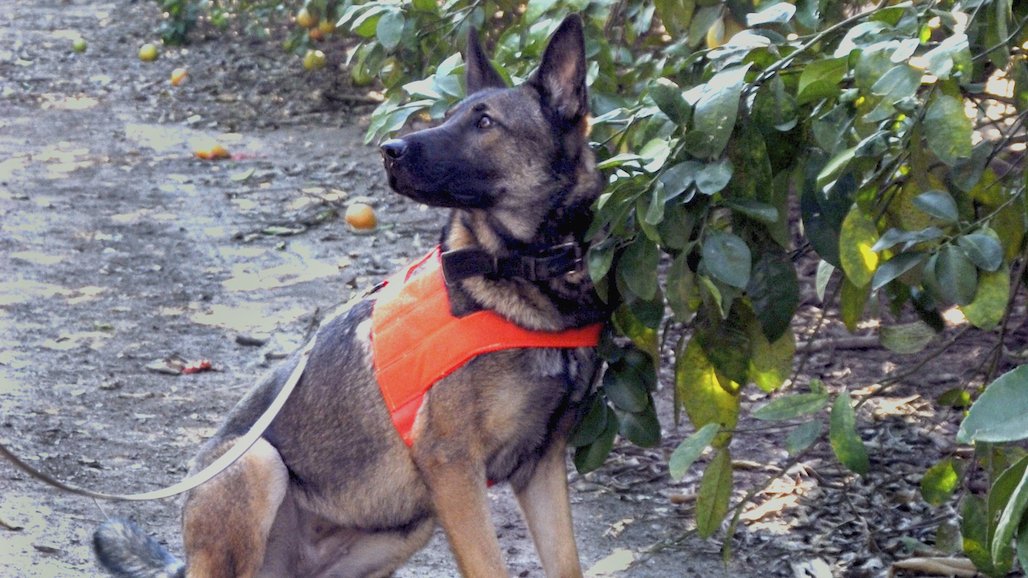
    During an orchard review in California, expert detector dog, Szaboles alerts his trainer by sitting next to a citrus tree infected with Huanglongbing (HLB).

    The disease, which has no known cure, is caused by a bacterium that devastates citrus plants and is transmitted by psyllids (small plant-eating insects resembling lice) that carry the bacteria from tree to tree or by the grafting of infected plant material. Common symptoms of infection include blotchy mottling of entire leaves, premature defoliation of the tree, and fruits that are usually small, with green peel at the bottom and a bitter taste. Unfortunately, these visible signs of HLB do not manifest until months or even years after the initial infection. By then, it is too late for citrus growers to save their crop from a mass infestation.

    However, the Farm Bureau of Ventura County found a rather unconventional way around this problem.

    To contain the infected trees and prevent a citrus epidemic, the Farm Bureau decided to hire a team of detector dogs specially trained to find HLB bacteria. The dogs are a result of a unique program funded by USDA and run by Agricultural Research Service (ARS) Research Leader and Plant Pathologist Timothy Gottwald (now retired) at the U.S. Horticultural Research Laboratoryin Fort Pierce, FL.

    First, the clever canines patrolled the perimeter because the edges of a grove are where the disease would first accumulate. Then, they trotted through the grove of trees to ultimately identify over 200 infected trees from a grove of 3,500.

    According to Gottwald’s research, the canine-detection method has an accuracy rate of 99 percent. While humans need several minutes to visually examine each tree and collect samples for laboratory testing (which requires considerable lab time and supplies), the dogs can travel through groves of trees in mere minutes, sensing HLB-infected trees by smell faster and far more easily. The time saved in finding the disease earlier gives citrus growers the opportunity to remove and destroy or quarantine HLB-infected trees, controlling what could’ve been a severe outbreak and loss of crop.
     

    However, there are still some considerations to keep in mind when deploying the canines as an early detection technology. Each dog team can only work 30 minutes at a time before they must rest, and a new team takes over. Teams can work for about 6 hours a day. In addition, much like any lab equipment, dogs are periodically calibrated to the HLB “scent signature” to remain finely honed optimized detectors.

    Still, the dogs are more sensitive and accurate than any other available technology in the field. The employment of detector dogs is still a voluntary program, which means fruit growers and farmers have the choice to either use dogs to find HLB early or continue using a USDA-approved DNA test called polymerase chain reaction (PCR).

    “While PCR is an effective way to detect infections, it isn’t efficient,” Gottwald explained. “It’s difficult to pinpoint incomplete infections—or infections that are only on one part of a plant (for example, a single leaf out of an entire tree with possibly thousands of leaves)—using PCR because it requires numerous samples from all over the suspect specimen.”

    “On the other hand,” Gottwald continued, “detector dogs identify pathogens ‘holistically,’ easily locating minute infections regardless of what small part of the tree they are infecting.” With this increased scope and accuracy rate, Gottwald and his colleagues believe that the canines’ abilities will revolutionize how growers protect their crops.

    “These specially trained canines may also be used to detect diseases and infections in other fruits and vegetables, such as grapes, peaches, plums, and tomatoes,” he said. “Our research has shown that they can sense pathogens like plum pox virus or squash vein yellowing virus, which both can cause severe economic losses to agriculture industries.”

    The canine-detection method was validated in blind tests by USDA ARS in collaboration with the California Department of Food and Agriculture, with results published in 2020.— By Georgia Jiang, USDA-ARS

  • Pollinator Partnership Announces Three New Designations for Bee Friendly Farming

    Pollinator Partnership Announces Three New Designations for Bee Friendly Farming

    Pollinator Partnership (P2) is proud to announce enhancements and improvements to its Bee Friendly Farming (BFF) program to better recognize engage and support BFF participants and pollinators everywhere. The new BFF program will have three categories that allow them to engage with all participants at a finer scale while addressing their goals: Bee Friendly Farming Certified, Bee Friendly Farming Partner and Bee Friendly Farming Garden.

    Bee Friendly Farming Certified designation will apply to large-scale commercial farms, ranches, wineries and other land-use businesses that grow food and other resources. This certification will require compliance at registration and every third year to be validated in the seven specific criteria required to qualify. “From habitat to cover crops to best management practices, the Bee Friendly Farming Certified mark will identify farms engaged in science-based Bee Friendly Farming practices,” said BFF Coordinator Miles Dakin. “This enables us to enhance grower and pollinator benefits through greater engagement in nutrition, habitat, biodiversity and other guidelines.”

    Bee Friendly Farming Partner includes sponsorship from individuals and companies, as well as apiarists, who do not actively manage their own landscapes but wish to support the BFF program. Multiple tiers of sponsorships are available to provide the resources necessary to build and maintain the BFF program.

    The third category of recognition, Bee Friendly Farming Garden, includes smaller landscapes, community gardens and homeowners who voluntarily adhere to the seven criteria of Bee Friendly Farming actions. By separating and reorganizing these distinct members, BFF can better recognize the different contributions by farmers, apiarists, home gardeners, community members and commercial sponsors to support vital pollinators.

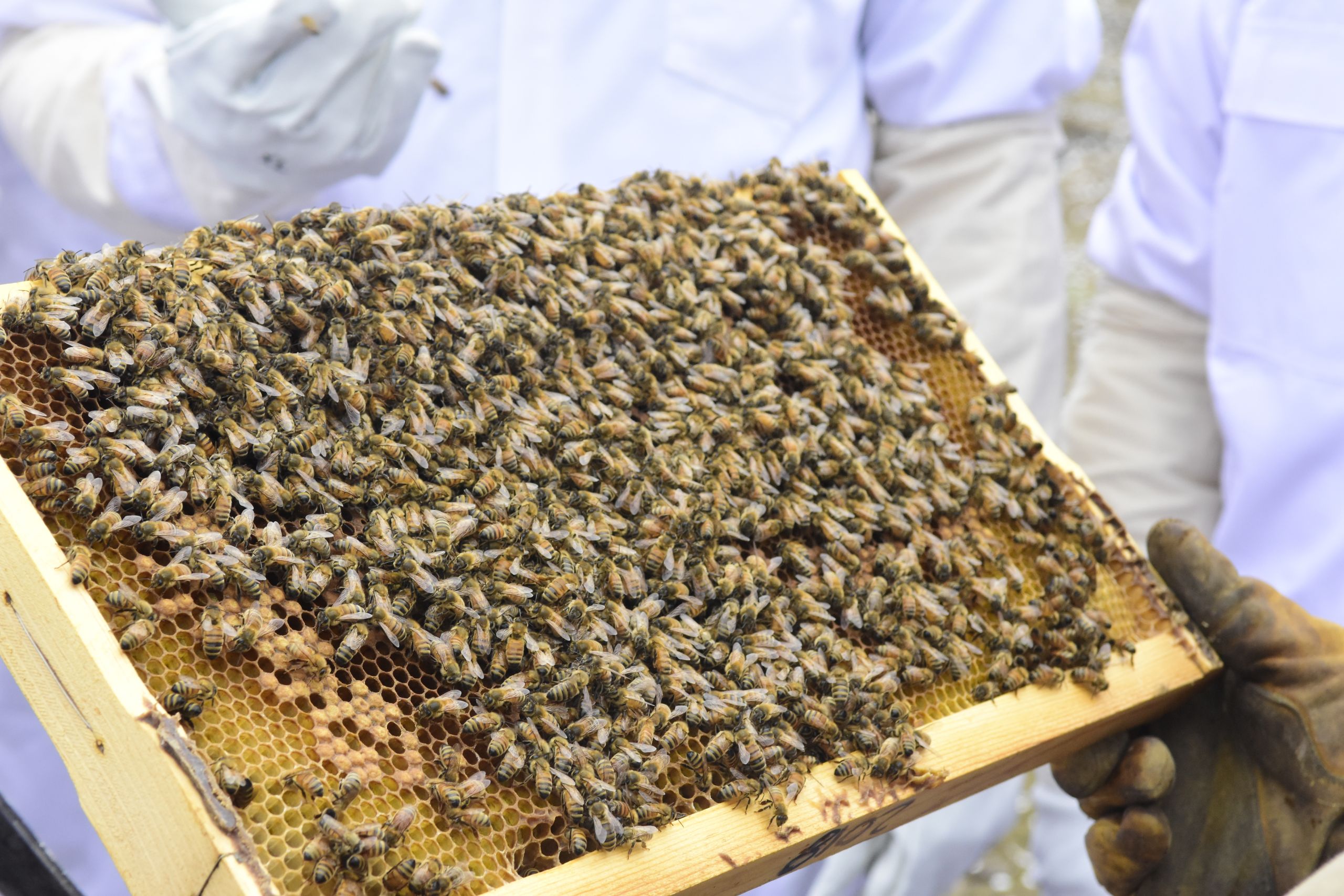
    Photos courtesy of Geoffrey Thurner, California State University Fresno

    “After conversations with long-standing participants, environmental groups, grower associations and sponsors, we saw a clear need to further refine the BFF experience and to add a level of scrutiny and permanence to the certification aspects of Bee Friendly Farming,” said Laurie Davies Adams, President of Pollinator Partnership, parent organization of Bee Friendly Farming. “This new tri-level approach will still recognize existing affiliates as BFF Partners, while taking a great step forward for the dedicated agricultural community that seeks rigorous and validated certification of its adherence to best practices for pollinators. In all instances, BFF will provide excellent guidelines for all levels of BFF practitioners.”

    The three categories have slightly different criteria and benefits. Some currently certified historic BFF participants may fall into a different category and will be contacted about the changes.

    Visit www.beefriendlyfarming.org for more information on Bee Friendly Farming and to learn how you can participate.

    ABOUT POLLINATOR PARTNERSHIP (P2) Established in 1997, the Pollinator Partnership is the largest 501(c) 3 non-profit organization dedicated exclusively to the health, protection, and conservation of all pollinating animals. P2’s actions for pollinators include education, conservation, restoration, policy, and research. P2’s financial support comes through grants, gifts, memberships and donations from any interested party. P2’s policies are science-based, set by its board of directors, and never influenced by any donor. To make a donation or for information on events during Pollinator Week visit www.pollinator.org.

  • CLas-positive Asian Citrus Psyllid Found in Riverside Commercial Grove

    CLas-positive Asian Citrus Psyllid Found in Riverside Commercial Grove

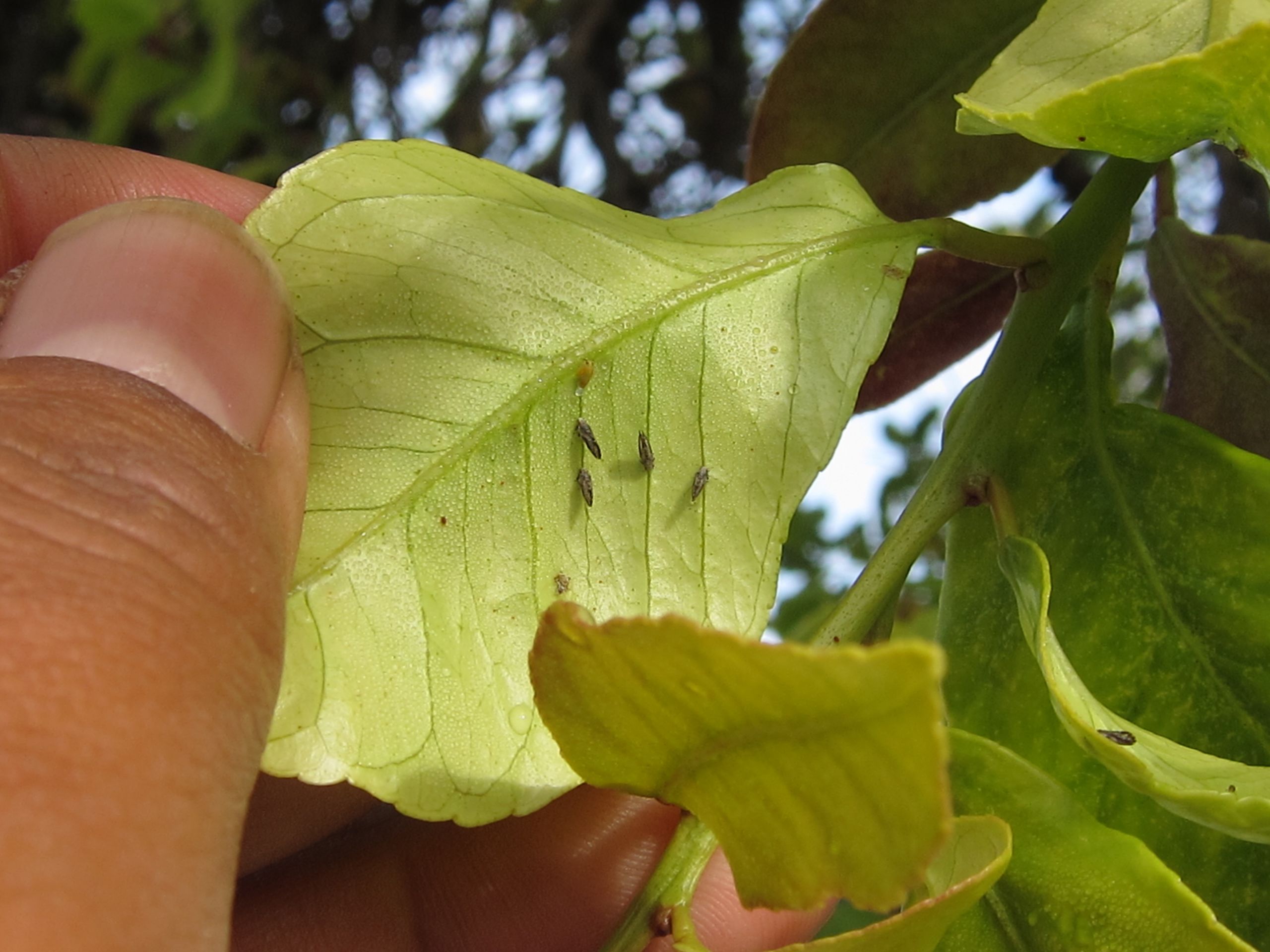
    An Asian citrus psyllid (ACP) sample – confirmed positive for Candidatus Liberibacter asiaticus (CLas) the bacteria that causes Huanglongbing (HLB) – was collected from a commercial citrus grove in the Woodcrest area of Riverside County. Confirmed by Citrus Research Board’s Jerry Dimitman Laboratory, this single adult psyllid is the first CLas-positive ACP found in a commercial citrus grove in California.

    While a positive ACP detection in a commercial grove is cause for serious concern, as of today, HLB has not been detected in any California commercial groves. That said, it is more crucial than ever that we stop the disease from spreading by eradicating the Asian citrus psyllid in commercial groves. The cost to manage the Asian citrus psyllid is far less than any potential costs or loss to the industry should HLB take hold throughout our state.

    An expansion of the HLB quarantine zone will not be established as a result of the CLas-positive ACP detection and CDFA staff is swiftly conducting surveys and collecting samples per the ACP/HLB Action Plan  from the perimeter of all commercial groves and all residential HLB host plants that are located within a 250-meter radius around the find.

    While treatment is not mandatory as a result of the detection, all growers within 250-meters of the find site will be notified to apply insecticides to all HLB host material within the designated area with materials recommended by the University of California (UC).

    Currently, the best way to stop the disease from spreading is to stop the ACP. To stop the ACP, we must restrict its movement and suppress existing psyllid populations. It is critical to follow best practices and review recommendations from the UC on how to protect commercial citrus groves from HLB. Regulations are in place to help prevent the spread of the pest and disease. All growers, packers and haulers must comply with all California Department of Food and Agriculture, county and federal regulations, including quarantines.

    Growers in Riverside County may contact the County Agricultural Commissioner’s office or the CDFA Pest Hotline at 800-491-1899 for additional information. If you see or suspect ACP or HLB symptoms in your grove, please notify the CDFA hotline. – By the Citrus Pest & Disease Prevention Program

  • Pollinator Partnership Announces Three New Designations for Bee Friendly Farming

    Pollinator Partnership Announces Three New Designations for Bee Friendly Farming

    Pollinator Partnership (P2) is proud to announce enhancements and improvements to its Bee Friendly Farming (BFF) program to better recognize engage and support BFF participants and pollinators everywhere. The new BFF program will have three categories that allow them to engage with all participants at a finer scale while addressing their goals: Bee Friendly Farming Certified, Bee Friendly Farming Partner and Bee Friendly Farming Garden.

    Bee Friendly Farming Certified designation will apply to large-scale commercial farms, ranches, wineries and other land-use businesses that grow food and other resources. This certification will require compliance at registration and every third year to be validated in the seven specific criteria required to qualify. “From habitat to cover crops to best management practices, the Bee Friendly Farming Certified mark will identify farms engaged in science-based Bee Friendly Farming practices,” said BFF Coordinator Miles Dakin. “This enables us to enhance grower and pollinator benefits through greater engagement in nutrition, habitat, biodiversity and other guidelines.”
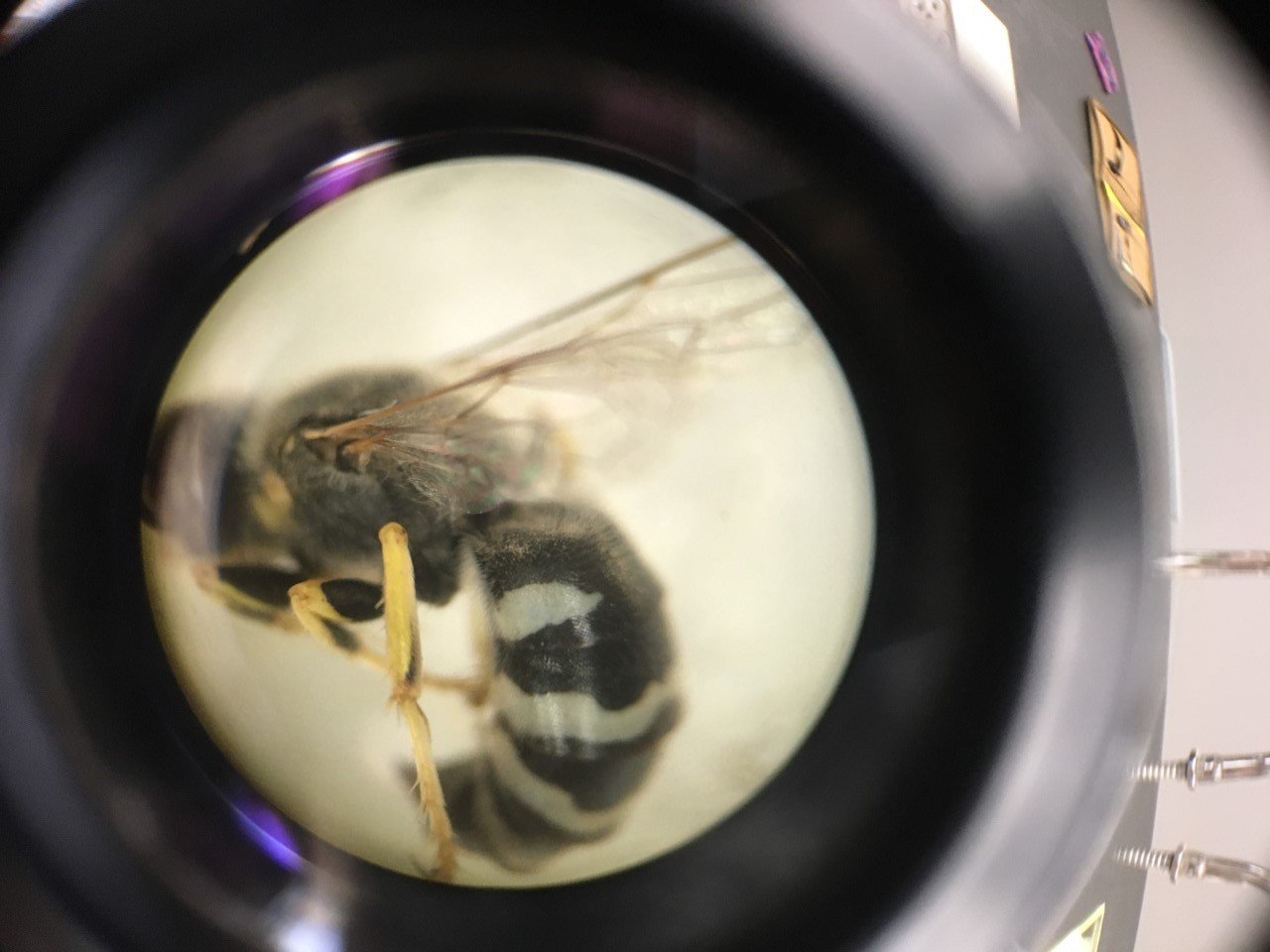
    Bee Friendly Farming Partner includes sponsorship from individuals and companies, as well as apiarists, who do not actively manage their own landscapes but wish to support the BFF program. Multiple tiers of sponsorships are available to provide the resources necessary to build and maintain the BFF program.

    The third category of recognition, Bee Friendly Farming Garden, includes smaller landscapes, community gardens and homeowners who voluntarily adhere to the seven criteria of Bee Friendly Farming actions. By separating and reorganizing these distinct members, BFF can better recognize the different contributions by farmers, apiarists, home gardeners, community members and commercial sponsors to support vital pollinators.

    Photos courtesy of Geoffrey Thurner, California State University Fresno

    “After conversations with long-standing participants, environmental groups, grower associations and sponsors, we saw a clear need to further refine the BFF experience and to add a level of scrutiny and permanence to the certification aspects of Bee Friendly Farming,” said Laurie Davies Adams, President of Pollinator Partnership, parent organization of Bee Friendly Farming. “This new tri-level approach will still recognize existing affiliates as BFF Partners, while taking a great step forward for the dedicated agricultural community that seeks rigorous and validated certification of its adherence to best practices for pollinators. In all instances, BFF will provide excellent guidelines for all levels of BFF practitioners.”

    The three categories have slightly different criteria and benefits. Some currently certified historic BFF participants may fall into a different category and will be contacted about the changes.

    Visit www.beefriendlyfarming.org for more information on Bee Friendly Farming and to learn how you can participate.

    ABOUT POLLINATOR PARTNERSHIP (P2) Established in 1997, the Pollinator Partnership is the largest 501(c) 3 non-profit organization dedicated exclusively to the health, protection, and conservation of all pollinating animals. P2’s actions for pollinators include education, conservation, restoration, policy, and research. P2’s financial support comes through grants, gifts, memberships and donations from any interested party. P2’s policies are science-based, set by its board of directors, and never influenced by any donor. To make a donation or for information on events during Pollinator Week visit www.pollinator.org.

  • Research Gives Possible Answers to Increase Pollinator Populations on Farms

    Research Gives Possible Answers to Increase Pollinator Populations on Farms

    Many living creatures live in soil. Though their sizes range from microscopic soil microbes to larger animals like gopher turtles, they all call soil their “home.” Included in these ground-dwelling species are bees – vital in the pollination cycle of about 90% of plant life.
    Rebecca Lybrand and her team at Oregon State University are studying the interaction between the bees and soil in agricultural settings.

    According to the recently-published paper, bees contribute $15 billion to crop value annually. They pollinate about three-quarters of the fruits, vegetables, and nuts within the United States alone. Declines in honeybee colonies are a critical threat to agriculture and the global food supply.

    “Growers who are interested in attracting alternative pollinators, such as wild bees, face a major challenge,” says Lybrand. “There are not many studies about what habitats are best for these wild bees.”

    Pollinators are widely affected by human land use. Creating buildings, parking lots and other “anthropogenic changes” disrupt the natural habitats of animals and plants. Agricultural disturbance also affects bee communities. Interestingly, above-ground bee species are nine times more affected by agricultural intensification than ground-dwelling species.

    In some cases, growers have been able to build “bee beds” in their farm setting. In the 1950s, they started to design moist, salty soil areas to attract ground-nesting bees that helped increase alfalfa yields in Washington state.

    Lybrand’s study looked at physical and chemical properties of soils collected from active bee and sand nest wasp sites in the Willamette Valley of western Oregon. They compared soil properties among seven farm sites to identify similarities and differences.

    The Willamette Valley has wet winters with warm, hot summers. The team first found agricultural sites that contained ground-nesting bees. They collaborated with farmers who observed ground-nesting bee activity around their fields.

    The nests are only identified by rather small holes (only 3-5mm). The team only collected data if they observed bees entering the nest. Nests and holes can remain even after the bees leave. At the study site, they specified the type of bee to the family level (i.e. “bee” versus “genus” and “species”.) But they also collected some bees to bring back to the lab for further identification.

    The data the team collected in the field included soil temperature, pH, and soil texture. They also collected soil samples to bring back to the lab for analysis.

    Findings from the study included that active nesting sites were present in locations with little to no rock cover and low vegetation. Nesting sites were found in areas with low organic matter coverage. The slope of the land didn’t seem to have any influence, nor did a north/south-facing aspect.

    “One of our observations confirmed that active emergence holes remained open throughout the year,” says Lybrand. “They didn’t swell shut during the wetter, cooler seasons – despite having clay in the soils that might cause shrinking and swelling.”

    An interesting finding from the research is that the team found lipids in the soil nest linings. The lipids may provide a type of waterproofing for the nests and their inhabitants.

    “Because the large majority of wild bee species nest in the soil, studies about how to best attract them to farms are important,” says Lybrand. “Soil scientists and entomologists can partner with growers to identify soil habitats that support and attract more of these pollinators to agricultural lands. Improving our understanding of the connections between agriculture and the soils that bees, crops, and living organisms rely on to survive is important. Our research also provided a framework for studying ground-nesting organisms – an area of soil science that is underrepresented.”

    Looking to the future, Lybrand says, “future research should also integrate methods that identify bees and/or wasps to the species level. That would allow for interpretations of the results from an ecological point of view. Another question to follow up on could be the nature and purpose of the lipids found in the soil nest linings, to confirm their actual role.”

    This research was published in Soil Science Society of America Journal. Funding for this project came from an Agricultural Research Foundation grant via Oregon State University.

    American Society of Agronomy, Soil Science Society of America, Crop Science Society of America: Collectively, these Societies represent more than 12,000 individual members around the world. The scientists’ memberships build collaborating partnerships in the agronomy, crops, and soils science fields for the advancement of knowledge.

  • New Study Reveals Blueberry Growers Strengthen U.S. Economy by the Billions

    New Study Reveals Blueberry Growers Strengthen U.S. Economy by the Billions

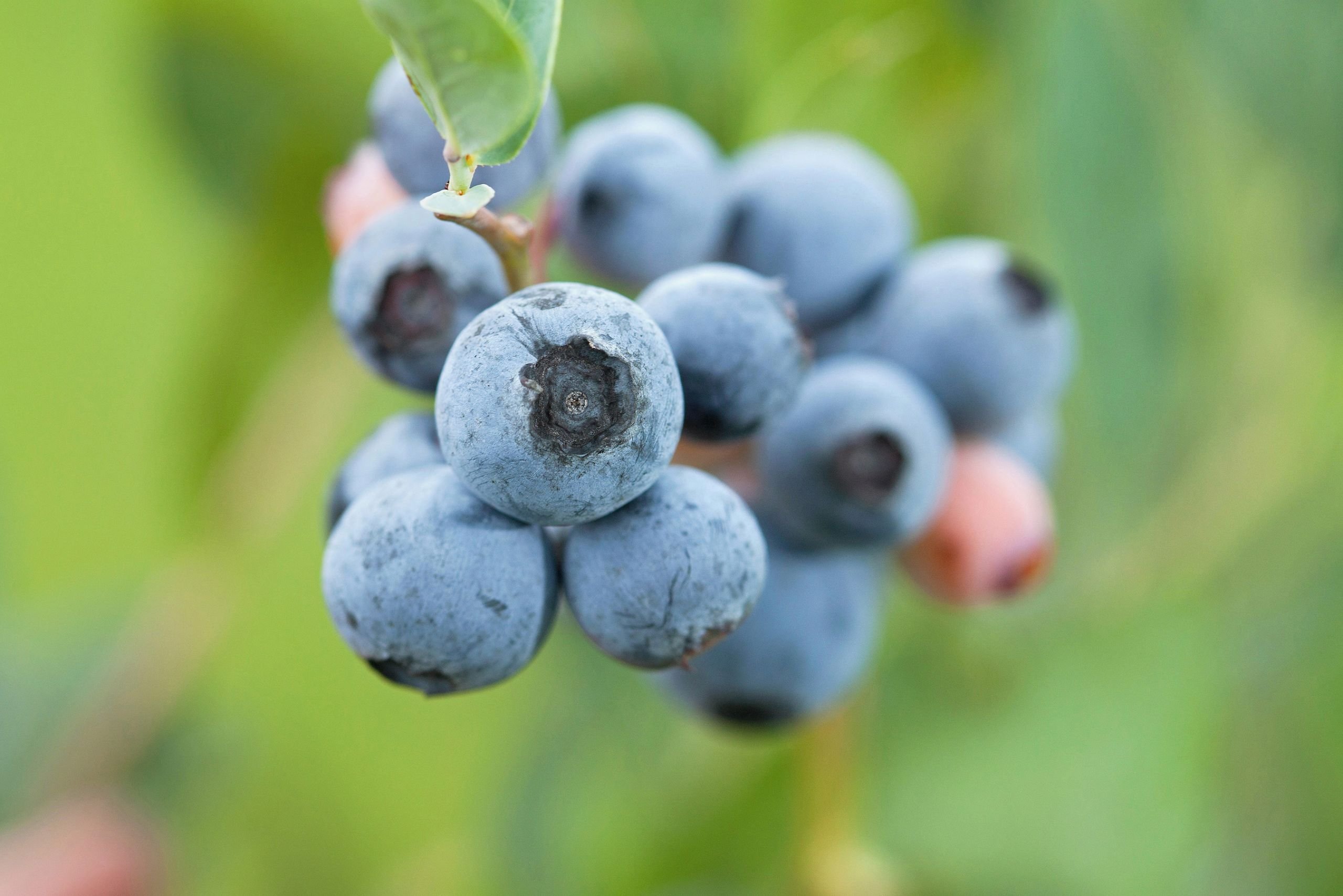
    Growers of U.S. highbush blueberries generate more than $4.7 billion in annual economic impact, translating to more than $12.7 million flowing into the U.S. economy every day of the year.

    “The U.S. highbush blueberry industry – including 12,739 blueberry farms – is a powerful financial force,” said Kasey Cronquist, president of the U.S. Highbush Blueberry Council (USHBC). “Behind every farm are growers who not only tend a truly remarkable superfruit, but also stimulate business activity, create thousands of jobs and contribute mightily to the economy.”

    In addition to the $4.7 billion in total economic impact, which includes several factors related to increased business activity as a result of growing blueberries, a new economic impact study commissioned by the USHBC further reveals:

    • Jobs: U.S. highbush blueberry growers alone create and sustain more than 44,535
      full-time equivalent jobs each year. These jobs are a result of the business activities of growers and the multiplier effect their purchases generate in a variety of farming and nonfarming sectors.It is important to note that this substantial job number does not include the jobs supported by blueberry processors or handlers. We would see even higher numbers if the full blueberry supply chain was considered, but for the purposes of this study, we focused exclusively on the economic impact of highbush blueberry growers, said Cronquist.
    • Labor Income: Nearly $1.8 billion in labor income is generated by the business activities of growers – equating to more than $4.9 million each day. These are dollars going to wages and salaries for new employment, as well as expanded incomes to those already in the labor force for activities such as overtime pay. These dollars are then diffused throughout the U.S. economy as the funds are spent on crucial goods and services such as food, housing, transportation and health care, Cronquist added.


    • Indirect Business Taxes: Each year, more than $145 million in indirect business taxes, not including income taxes, are generated by U.S. highbush blueberry growers. These collective indirect business taxes translate to nearly $400,000 per day. To put this in context, the annual tax revenue generated from U.S. highbush blueberry growers is more than the 2019 U.S. Department of Homeland Security’s Operations and Support budget ($129 million) or the 2019 U.S. Department of Energy’s Cyber Security, Energy Security and Emergency Resources budget ($96 million).

    “It is clear that blueberry growers play a significant role in strengthening the economic climate of the United States,” said Cronquist. “Their activities are diffused throughout the economy, touching nearly every aspect of life throughout the country.”

    U.S. Highbush Blueberry Growers Stimulate Major Economic Impact in Key Growing States

    In addition to the dramatic national economic influence of highbush blueberry growers, contributions are also significant at the state level in terms of financial influx and jobs created. A breakout of the grower impact in the top eight highbush blueberry states is included here:


    State Economic Impact
    (Millions/Annual)
    Jobs Created
    (Full-time Equivalent/Annual)
    Michigan $530.4 6,600
    Georgia $521.8 4,140
    California $458.6 4,240
    Washington $464.4 4,450
    Oregon $353.5 3,505
    Florida $295.3 2,540
    New Jersey $149.3 1,885
    North Carolina $125.9 990


    About the U.S. Highbush Blueberry Council
    Established in 2000, the U.S. Highbush Blueberry Council (USHBC) is a federal agriculture research and promotion program with independent oversight from the United States Department of Agriculture (USDA). USHBC represents blueberry growers and packers in North and South America who market their blueberries in the United States and overseas and works to promote the growth and well-being of the entire blueberry industry. USHBC was established by blueberry growers and currently has 2,500 growers, packers and importers. USHBC is committed to providing blueberries that are grown, harvested, packed and shipped in clean, safe environments. Learn more at ushbc.org.

  • Research Gives Possible Answers to Increase Pollinator Populations on Farms

    Research Gives Possible Answers to Increase Pollinator Populations on Farms

    Many living creatures live in soil. Though their sizes range from microscopic soil microbes to larger animals like gopher turtles, they all call soil their “home.” Included in these ground-dwelling species are bees – vital in the pollination cycle of about 90% of plant life.

    Rebecca Lybrand and her team at Oregon State University are studying the interaction between the bees and soil in agricultural settings.

    According to the recently-published paper, bees contribute $15 billion to crop value annually. They pollinate about three-quarters of the fruits, vegetables, and nuts within the United States alone. Declines in honeybee colonies are a critical threat to agriculture and the global food supply.

    “Growers who are interested in attracting alternative pollinators, such as wild bees, face a major challenge,” says Lybrand. “There are not many studies about what habitats are best for these wild bees.”

    Pollinators are widely affected by human land use. Creating buildings, parking lots and other “anthropogenic changes” disrupt the natural habitats of animals and plants. Agricultural disturbance also affects bee communities. Interestingly, above-ground bee species are nine times more affected by agricultural intensification than ground-dwelling species.

    In some cases, growers have been able to build “bee beds” in their farm setting. In the 1950s, they started to design moist, salty soil areas to attract ground-nesting bees that helped increase alfalfa yields in Washington state.

    Lybrand’s study looked at physical and chemical properties of soils collected from active bee and sand nest wasp sites in the Willamette Valley of western Oregon. They compared soil properties among seven farm sites to identify similarities and differences.

    The Willamette Valley has wet winters with warm, hot summers. The team first found agricultural sites that contained ground-nesting bees. They collaborated with farmers who observed ground-nesting bee activity around their fields.

    The nests are only identified by rather small holes (only 3-5mm). The team only collected data if they observed bees entering the nest. Nests and holes can remain even after the bees leave. At the study site, they specified the type of bee to the family level (i.e. “bee” versus “genus” and “species”.) But they also collected some bees to bring back to the lab for further identification.

    The data the team collected in the field included soil temperature, pH, and soil texture. They also collected soil samples to bring back to the lab for analysis.

    Findings from the study included that active nesting sites were present in locations with little to no rock cover and low vegetation. Nesting sites were found in areas with low organic matter coverage. The slope of the land didn’t seem to have any influence, nor did a north/south-facing aspect.

    “One of our observations confirmed that active emergence holes remained open throughout the year,” says Lybrand. “They didn’t swell shut during the wetter, cooler seasons – despite having clay in the soils that might cause shrinking and swelling.”

    An interesting finding from the research is that the team found lipids in the soil nest linings. The lipids may provide a type of waterproofing for the nests and their inhabitants.

    “Because the large majority of wild bee species nest in the soil, studies about how to best attract them to farms are important,” says Lybrand. “Soil scientists and entomologists can partner with growers to identify soil habitats that support and attract more of these pollinators to agricultural lands. Improving our understanding of the connections between agriculture and the soils that bees, crops, and living organisms rely on to survive is important. Our research also provided a framework for studying ground-nesting organisms – an area of soil science that is underrepresented.”

    Looking to the future, Lybrand says, “future research should also integrate methods that identify bees and/or wasps to the species level. That would allow for interpretations of the results from an ecological point of view. Another question to follow up on could be the nature and purpose of the lipids found in the soil nest linings, to confirm their actual role.”

    This research was published in Soil Science Society of America Journal. Funding for this project came from an Agricultural Research Foundation grant via Oregon State University.

    American Society of Agronomy, Soil Science Society of America, Crop Science Society of America: Collectively, these Societies represent more than 12,000 individual members around the world. The scientists’ memberships build collaborating partnerships in the agronomy, crops, and soils science fields for the advancement of knowledge.