Category: Economics

  • Citrus Canker in Nursery Stock Sold to CA, CDFA & USDA Take Action to Identify & Destroy Affected Plants

    Citrus Canker in Nursery Stock Sold to CA, CDFA & USDA Take Action to Identify & Destroy Affected Plants

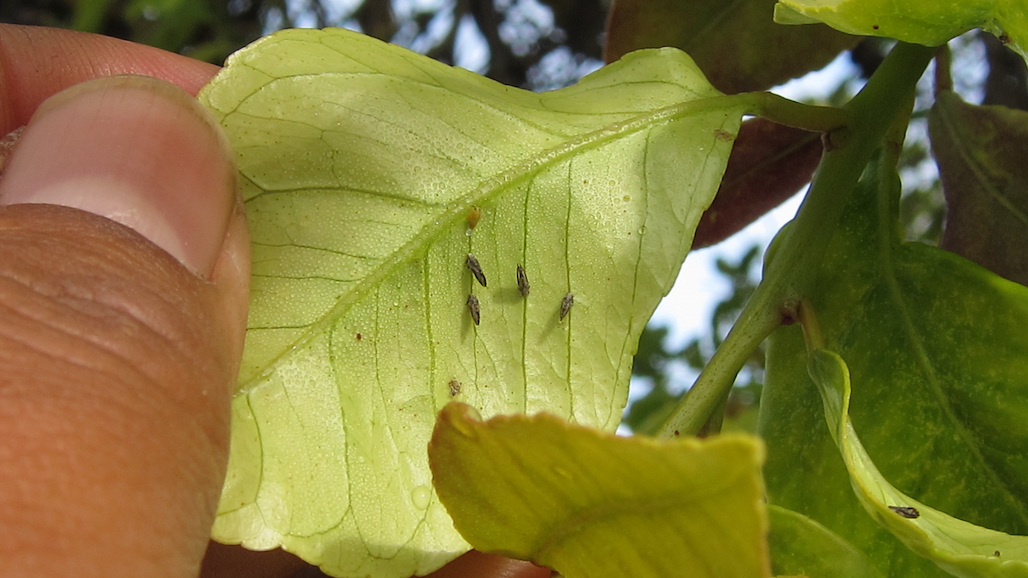
    Citrus Pest & Disease Prevention Program — The United States Department of Agriculture’s Animal and Plant Health Inspection Service (APHIS) has confirmed the presence of citrus canker disease in a nursery in South Carolina. The nursery sells plants to consumers through online sales, including four locations in California since August 2021. Retail nurseries did not receive these plants.

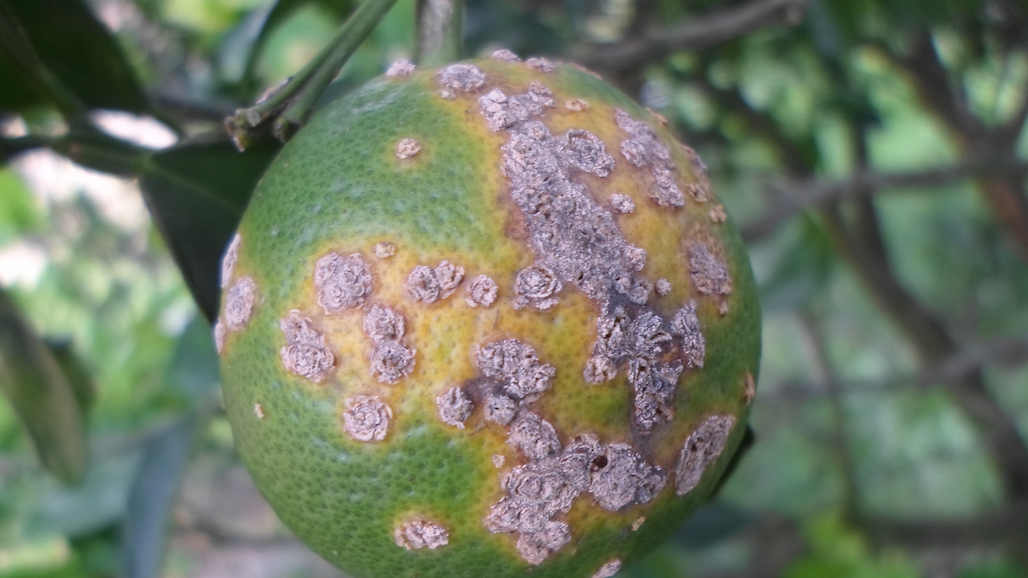
    Citrus canker causes citrus leaves and fruit to drop prematurely, and results in lesions on citrus leaves, stems and fruit. Fruit infected with the bacterium that causes citrus canker (Xanthomonas axonopodis) is safe to eat, but it may not be marketable because of the lesions. The disease affects all citrus varieties. Citrus canker is not harmful to people or animals.

    Together with state partners, APHIS is working to collect and destroy the plants shipped to consumers in 11 states and trace plants that were sold to determine additional locations of potentially infected plants. The states include Alabama, California, Florida, Georgia, Louisiana, Mississippi, Nevada, Oregon, South Carolina, Texas and Washington.

    The California Department of Food and Agriculture (CDFA) was notified that four residential properties throughout the state had ordered citrus nursery stock from the South Carolina nursery. Upon being notified of the recall, CDFA staff successfully verified that one order was not filled, removed and destroyed the recalled trees from two of the three remaining residential properties and is working to connect with the recipients of the final shipment (as of March 9). All additional host plants on these properties were surveyed and sampled for citrus canker disease and submitted for analysis, and delimitation surveys will also be conducted around these locations. These swift actions by APHIS and CDFA are focused on protecting the citrus industry as well as nurseries and other establishments that sell citrus plants wholesale and direct to consumers.

    Currently, citrus canker is found throughout Florida and in limited areas of Louisiana and Texas. APHIS is working with state partners to contain the disease, and federal and state quarantines exist in these states. Additionally, citrus canker was recently confirmed in Alabama, and APHIS is working with state partners to establish a federal quarantine to parallel the state quarantine.

    If you live in one of the 11 states and bought citrus plants online that came from South Carolina between Aug. 5, 2021 – Feb. 17, 2022, please keep your plants for now. If you purchased a plant or plants that might be infected, APHIS and/or state officials will contact you in the next several days to collect and properly dispose of any plants purchased from the nursery. You can also call your local USDA office with additional questions. Contact information can be found at www.aphis.usda.gov/planthealth/sphd.

    To learn more about APHIS’ regulations for citrus canker, please visit https://www.aphis.usda.gov/aphis/ourfocus/planthealth/plant-pest-and-disease-programs/pests-and-diseases/citrus/citrus-canker.

    For questions about citrus canker in California or other pests or diseases, please call CDFA’s toll-free Pest Hotline at 1-800-491-1899.

  • FDA Will Not Conduct Broad Sampling of Salinas Valley Leafy Greens in 2022

    The U.S. Food and Drug Administration will not conduct broad sampling of leafy greens grown in the Salinas Valley region of California for the 2022 growing season.

    The decision was made based on data from Western Growers, the California Leafy Greens Marketing Agreement, and the California Department of Food and Agriculture inspection activities.

    The FDA encouraged the organizations to continue to work with the agency to enhance the sharing of industry information on pre-harvest and post-harvest testing as all parties aim to assure the safety of leafy greens.

    “Western Growers is committed to developing and deploying data collection and analytic digital tools to further enhance the sharing of industry information,” said De Ann Davis, WG’s Senior Vice President of Science. “We think this is an encouraging development for our members as we strive to grow the safest produce possible.”

    The FDA notes they are considering risk-based surveillance sampling based on historical data and information from previous outbreaks of foodborne illness and reserves the right to reassess this approach if unforeseen events occur.

  • US Ag Exports to Mexico Shatter Records, Including Fresh Fruits, Vegetables & Dairy

    In 2021, U.S. agricultural and related product exports to Mexico shattered all-time records, helping to close the agricultural trade gap between the two trading partners. Mexico surpassed Canada as the number two market for U.S. agricultural product exports. The highly integrated and complimentary nature of U.S.Mexico food and agricultural supply chains ensured that record trade was observed across all product categories. A recovery from 2020 pandemic lockdowns and high global commodity prices helped values, as well as quantity, increase in 2021. This report highlights historical southbound (United States to Mexico) agricultural and related product trade records by value.

    Bilateral Agricultural Trade: U.S.Mexico bilateral trade in agricultural and related products is more robust than ever, reaching record levels in value and quantity across products and categories. In 2021, bilateral trade totaled $66 billion, with a notable 15 percent trade deficit decline to -$13 billion. U.S. agricultural and related product exports to Mexico increased 42 percent to a record high of $27 billion.

    Top Export Market: In 2021, Mexico became the number one market for U.S. dairy products, poultry meat and products, wheat, distillers’ grains, sugar and sweeteners, milled grains and products, animal fats, rice, eggs and products, and pulses. Mexico is the number two market for U.S. corn, soybeans, soybean meal, food preparations, fresh fruit, processed vegetables, “bakery goods, cereals, and pasta”, condiments and sauces, vegetable oils, chocolate and cocoa products, fresh vegetables, planting seeds, non-alcoholic beverages, processed fruit, live animals, dog and cat food, nursery products and cut flowers, and confectionery.

    Records in Southbound Agricultural Exports: As outlined in the following sections, U.S. exports of consumer oriented (section I), bulk commodities (section II), intermediate (section III), and agricultural related products (section IV) each reached all-time value,, with many subcategories and products attaining the same.

    I. Consumer Oriented ($10.8 billion)

    Dairy Products ($1.8 billion): The United States is Mexico’s number one supplier of most of its dairy commodity imports. Mexico consistently is a reliable, high-value trading partner for the U.S. dairy industry. In 2021, U.S. dairy exports to Mexico reached an all-time high by volume, which in the case of cheese, beat out the volume record previously set in 2020. U.S. cheese exports (usually of high quality; using 100 percent milk, for example) are crucial to Mexico’s retail, processing, and HRI sectors because domestic production can only meet 66 percent of national demand. In 2020, dairy commodities started to become more expensive and retained that increased value into 2021, helping to set notable value records for U.S. skim milk powder ($962 million), cheese ($262 million), ice cream ($58 million), and others.

    Pork and Pork Products ($1.7 billion): Pork exports to Mexico reached record values and volumes across fresh, chilled, and frozen cuts, including edible offal ($158 million). Hams and cuts ($465 million) for processing reached a record high in 2020, although slightly decreasing in 2021. Pork is the second most consumed source of animal protein in Mexico. Domestic production does not satisfy national demand, and imports are required to fill in the gap. Mexico’s pork consumption increased as people resumed activities outside the home, and also from learning ways to incorporate pork in home cooking. U.S. pork products offer diverse price points across incomes and socioeconomic strata. The hotel, restaurant, and institutional (HRI) sector, for example, draws from high quality cuts for use in premium dishes.

    Fresh and Processed Fruits and Vegetables ($1.7 billion): In 2021, U.S. exports of fresh fruit ($748 million) and fresh vegetables ($234 million) to Mexico reached record levels. Record processed vegetable trade was driven by quantity and value increases in frozen potato products ($261 million), reflective of a reopening of the HRI sector after a challenging 2020. Strong U.S. apple ($349 million) exports led growth in the fresh fruit sector. Orange and tangerine exports ($29 million), driven by high demand for products containing vitamin C during the COVID-19 pandemic. Small, but mighty, U.S. cherry ($16 million) exports to Mexico increased an impressive 235 percent from 2020.

    Processed Foods and Juices ($1.7 billion): Mexico’s food retailers and industrial food processors continue to see strong demand for retail-ready and processed products. The Mexican food processing sector continues to see exponential growth due to product affordability and high consumer demand for Mexican comfort foods. These market forces resulted in a record $770 million of U.S. food-preparation exports to Mexico’s food processors in 2021. Other notable U.S. record exports for U.S.-origin processed products included bakery goods, cereals, and pasta ($395 million), condiments and sauces ($321 million), non-alcoholic beverages ($212 million), and fruit and vegetable juices ($73 million).

    Poultry Meat and Products (excluding eggs) ($1.3 billion): Mexico depends heavily on poultry imports to satisfy domestic demand. In 2020 and 2021, the United States supplied close to 95 percent of Mexico’s poultry meat and product imports, achieving records in both quantity and value, with chicken cuts ($529 million) as a standout. In 2021, U.S. turkey ($32 million), geese ($49 thousand), and guinea fowl meat reached value records, even though those quantities were considerably smaller compared to chicken meat.

    Eggs and Products ($215 million): U.S. egg and product ($215 million) exports to Mexico reached their record due to elevated prices driven by worldwide demand. The United States is the main provider of chicken genetics and breeders to Mexico, achieving records during 20192021, culminating in $161 million in 2021. U.S. suppliers of shell eggs to Mexico satisfies demand along Mexican border states, while domestic production satisfies demand in the rest of the country.

    Organics ($200 million): Record growth in the category is driven by both retail and HRI demand for fresh organic fruit (apples, grapes, pears, peaches, and others), as well as lettuce and spinach. Baby food and other organic processed products also saw significant growth. Higher- income consumers in Mexico are willing to pay a premium for USDA organic products with the hopes of attaining higher health and food safety benefits a trend the pandemic has bolstered.

    Beef and Beef Products: In 2021, very few U.S. beef product exports to Mexico reached a record high either by volume or value. However, shipments of beef for ground meat and processing ($509 million) that could include edible offal ($57.5 million), trimmings, cheek meat, and other cuts were the most notable categories that reached record highs. The reopening of the HRI sector is helping to drive demand along with increased household consumption, which prefers more affordable cuts and products, such as ground beef or variety meats.

    II. Bulk Commodities ($9.8 billion)

    Corn ($4.7 billion): In 2021, record U.S. corn exports ($4.7 billion) to Mexico were composed mostly of no. 2 corn ($4.4 billion) and white corn ($226 million). However, 2017 volumes maintain the record, reaching 16.7 million metric tons (MMT) versus 16 MMT in 2021. The value record reflects skyrocketing international corn prices, which substantially increased in 2021 to the highest levels in 12 years.

    Soybeans ($2.7 billion): Record U.S. soybean exports to Mexico were seen in 2021, due to the substantial price increase registered through the second half of 2021. Volume growth was also due to pandemic-related lockups, which encouraged Mexican households to cook more at home and consume more soybean oil.

    Wheat ($1.3 billion): Record high U.S. wheat exports ($1.3 billion) to Mexico were achieved, led by U.S. non-durum wheat ($1.2 billion) exports. Volume trade was modest, reflecting higher international wheat prices that same year. Large volumes of U.S. wheat exports were driven by increased household consumption of bread, cookies, and cakes due to the pandemic-related lockups and partial shutdowns. Mexico remains a highly price sensitive market, including for wheat imports.

    Other Bulk Commodities ($157 million): This record is driven mostly by the higher value for peanuts, which went mostly toward consumption as snacks. The reopening of the HRI sector, retail sales, and food processing made this category and oilseeds (excluding soybean) reach record levels ($23 million).

    Rice: Milled rice ($16 million) reached a record due to more competitive prices compared with South American exporters, mainly from Uruguay.

    III. Intermediate ($4.9 billion)

    Distillers Grains ($634 million): In 2021, U.S. distillers grains exports to Mexico reached a record, in value and quantity due to the stronger demand of the robust animal feed and livestock industries in Mexico. Distillers grains are a co-product of corn-based ethanol production that are used mainly as an animal feed protein supplement. Distillers grains have been increasingly used as a substitute for oilseed meal (mainly soybean meal) in feed concentrate formulas.

    Milled Grains and Products: Mexican brewers’ purchases of U.S. malt ($230 million) drove U.S. exports to a record high on pent up demand after the industry shut down during 2020 pandemic-related lockdowns. U.S. corn starch ($51 million) exports for food processing (as an ingredient for mayonnaise and beers, for example) saw price increases, which drove this product to record highs.

    Animal Fats: In 2021, U.S. lard ($117 million) and edible tallow ($139 million) exports to Mexico reached record highs as Mexico’s food processing activities and agricultural sector recovers in the post-pandemic era. Demand for lard and edible tallow, especially from pork, has increased to satisfy domestic demand in household cooking, industrial foods processing, and informal mom-and-pop cooking. Meat processing and charcuterie depend on lard and edible tallow imports to satisfy domestic demand, as consumption increases and novelty products surge in the retail sector, high quality raw materials are needed for those processes.

    Live Animals ($188 million): In 2021, U.S. live animal exports to Mexico reached value records for bovine breeding purposes. Mexico greatly benefits from high-quality genetics from the United States, investing in male and female breeders, depending on the sector. The dairy sector tends to invest more in females, obtaining stronger and more productive calves. The beef sector tends to invest more in males, improving yields and carcass weights for slaughter. Later, the U.S. feedlots indirectly benefit from steers and heifers from Mexico that are exported back as healthy, well-adapted cattle that perform very well in feedlots. In 2021, U.S. live cattle exports to Mexico for immediate slaughter set a record high, breaking the previous record set in 2020.

    Essential Oils ($183 million): For use mainly in the perfume and cosmetics industry, food industry (i.e. food conservation or for cooking), in the pharmaceutical industry, and for individual consumption (aromatherapy and other uses at home). The Mexican states with the biggest purchases of essential oils are Mexico City, State of Mexico, Morelos, Baja California and Nuevo León.

    Hides & Skins: Exports to Mexico of some pre-tanned bovine raw hides and goat skins in value, specifically, whole cattle hides and skins (in quantity and value). Bolstering the Mexican automotive industry, which is the main destination for U.S. hides and skins to Mexico, strengthening the apparel sector, and diversifying the market to other clients (furniture and garments) have proven to be a smart strategy to allocate U.S. hides and skins in Mexico. — By the USDA Foreign Agricultural Service, Mexico

    IV. Agricultural Related Products ($1.1 billion)

  • US Ag Exports to Mexico Shatter Records, Including Fresh Fruits, Vegetables & Dairy

    US Ag Exports to Mexico Shatter Records, Including Fresh Fruits, Vegetables & Dairy

    In 2021, U.S. agricultural and related product exports to Mexico shattered all-time records, helping to close the agricultural trade gap between the two trading partners. Mexico surpassed Canada as the number two market for U.S. agricultural product exports. The highly integrated and complimentary nature of U.S.Mexico food and agricultural supply chains ensured that record trade was observed across all product categories. A recovery from 2020 pandemic lockdowns and high global commodity prices helped values, as well as quantity, increase in 2021. This report highlights historical southbound (United States to Mexico) agricultural and related product trade records by value.

    Bilateral Agricultural Trade: U.S.Mexico bilateral trade in agricultural and related products is more robust than ever, reaching record levels in value and quantity across products and categories. In 2021, bilateral trade totaled $66 billion, with a notable 15 percent trade deficit decline to -$13 billion. U.S. agricultural and related product exports to Mexico increased 42 percent to a record high of $27 billion.

    Top Export Market: In 2021, Mexico became the number one market for U.S. dairy products, poultry meat and products, wheat, distillers’ grains, sugar and sweeteners, milled grains and products, animal fats, rice, eggs and products, and pulses. Mexico is the number two market for U.S. corn, soybeans, soybean meal, food preparations, fresh fruit, processed vegetables, “bakery goods, cereals, and pasta”, condiments and sauces, vegetable oils, chocolate and cocoa products, fresh vegetables, planting seeds, non-alcoholic beverages, processed fruit, live animals, dog and cat food, nursery products and cut flowers, and confectionery.

    Records in Southbound Agricultural Exports: As outlined in the following sections, U.S. exports of consumer oriented (section I), bulk commodities (section II), intermediate (section III), and agricultural related products (section IV) each reached all-time value,, with many subcategories and products attaining the same.

    I. Consumer Oriented ($10.8 billion)

    Dairy Products ($1.8 billion): The United States is Mexico’s number one supplier of most of its dairy commodity imports. Mexico consistently is a reliable, high-value trading partner for the U.S. dairy industry. In 2021, U.S. dairy exports to Mexico reached an all-time high by volume, which in the case of cheese, beat out the volume record previously set in 2020. U.S. cheese exports (usually of high quality; using 100 percent milk, for example) are crucial to Mexico’s retail, processing, and HRI sectors because domestic production can only meet 66 percent of national demand. In 2020, dairy commodities started to become more expensive and retained that increased value into 2021, helping to set notable value records for U.S. skim milk powder ($962 million), cheese ($262 million), ice cream ($58 million), and others.

    Pork and Pork Products ($1.7 billion): Pork exports to Mexico reached record values and volumes across fresh, chilled, and frozen cuts, including edible offal ($158 million). Hams and cuts ($465 million) for processing reached a record high in 2020, although slightly decreasing in 2021. Pork is the second most consumed source of animal protein in Mexico. Domestic production does not satisfy national demand, and imports are required to fill in the gap. Mexico’s pork consumption increased as people resumed activities outside the home, and also from learning ways to incorporate pork in home cooking. U.S. pork products offer diverse price points across incomes and socioeconomic strata. The hotel, restaurant, and institutional (HRI) sector, for example, draws from high quality cuts for use in premium dishes.

    Fresh and Processed Fruits and Vegetables ($1.7 billion): In 2021, U.S. exports of fresh fruit ($748 million) and fresh vegetables ($234 million) to Mexico reached record levels. Record processed vegetable trade was driven by quantity and value increases in frozen potato products ($261 million), reflective of a reopening of the HRI sector after a challenging 2020. Strong U.S. apple ($349 million) exports led growth in the fresh fruit sector. Orange and tangerine exports ($29 million), driven by high demand for products containing vitamin C during the COVID-19 pandemic. Small, but mighty, U.S. cherry ($16 million) exports to Mexico increased an impressive 235 percent from 2020.

    Processed Foods and Juices ($1.7 billion): Mexico’s food retailers and industrial food processors continue to see strong demand for retail-ready and processed products. The Mexican food processing sector continues to see exponential growth due to product affordability and high consumer demand for Mexican comfort foods. These market forces resulted in a record $770 million of U.S. food-preparation exports to Mexico’s food processors in 2021. Other notable U.S. record exports for U.S.-origin processed products included bakery goods, cereals, and pasta ($395 million), condiments and sauces ($321 million), non-alcoholic beverages ($212 million), and fruit and vegetable juices ($73 million).

    Poultry Meat and Products (excluding eggs) ($1.3 billion): Mexico depends heavily on poultry imports to satisfy domestic demand. In 2020 and 2021, the United States supplied close to 95 percent of Mexico’s poultry meat and product imports, achieving records in both quantity and value, with chicken cuts ($529 million) as a standout. In 2021, U.S. turkey ($32 million), geese ($49 thousand), and guinea fowl meat reached value records, even though those quantities were considerably smaller compared to chicken meat.

    Eggs and Products ($215 million): U.S. egg and product ($215 million) exports to Mexico reached their record due to elevated prices driven by worldwide demand. The United States is the main provider of chicken genetics and breeders to Mexico, achieving records during 20192021, culminating in $161 million in 2021. U.S. suppliers of shell eggs to Mexico satisfies demand along Mexican border states, while domestic production satisfies demand in the rest of the country.

    Organics ($200 million): Record growth in the category is driven by both retail and HRI demand for fresh organic fruit (apples, grapes, pears, peaches, and others), as well as lettuce and spinach. Baby food and other organic processed products also saw significant growth. Higher- income consumers in Mexico are willing to pay a premium for USDA organic products with the hopes of attaining higher health and food safety benefits a trend the pandemic has bolstered.

    Beef and Beef Products: In 2021, very few U.S. beef product exports to Mexico reached a record high either by volume or value. However, shipments of beef for ground meat and processing ($509 million) that could include edible offal ($57.5 million), trimmings, cheek meat, and other cuts were the most notable categories that reached record highs. The reopening of the HRI sector is helping to drive demand along with increased household consumption, which prefers more affordable cuts and products, such as ground beef or variety meats.

    II. Bulk Commodities ($9.8 billion)

    Corn ($4.7 billion): In 2021, record U.S. corn exports ($4.7 billion) to Mexico were composed mostly of no. 2 corn ($4.4 billion) and white corn ($226 million). However, 2017 volumes maintain the record, reaching 16.7 million metric tons (MMT) versus 16 MMT in 2021. The value record reflects skyrocketing international corn prices, which substantially increased in 2021 to the highest levels in 12 years.

    Soybeans ($2.7 billion): Record U.S. soybean exports to Mexico were seen in 2021, due to the substantial price increase registered through the second half of 2021. Volume growth was also due to pandemic-related lockups, which encouraged Mexican households to cook more at home and consume more soybean oil.

    Wheat ($1.3 billion): Record high U.S. wheat exports ($1.3 billion) to Mexico were achieved, led by U.S. non-durum wheat ($1.2 billion) exports. Volume trade was modest, reflecting higher international wheat prices that same year. Large volumes of U.S. wheat exports were driven by increased household consumption of bread, cookies, and cakes due to the pandemic-related lockups and partial shutdowns. Mexico remains a highly price sensitive market, including for wheat imports.

    Other Bulk Commodities ($157 million): This record is driven mostly by the higher value for peanuts, which went mostly toward consumption as snacks. The reopening of the HRI sector, retail sales, and food processing made this category and oilseeds (excluding soybean) reach record levels ($23 million).

    Rice: Milled rice ($16 million) reached a record due to more competitive prices compared with South American exporters, mainly from Uruguay.

    III. Intermediate ($4.9 billion)

    Distillers Grains ($634 million): In 2021, U.S. distillers grains exports to Mexico reached a record, in value and quantity due to the stronger demand of the robust animal feed and livestock industries in Mexico. Distillers grains are a co-product of corn-based ethanol production that are used mainly as an animal feed protein supplement. Distillers grains have been increasingly used as a substitute for oilseed meal (mainly soybean meal) in feed concentrate formulas.

    Milled Grains and Products: Mexican brewers’ purchases of U.S. malt ($230 million) drove U.S. exports to a record high on pent up demand after the industry shut down during 2020 pandemic-related lockdowns. U.S. corn starch ($51 million) exports for food processing (as an ingredient for mayonnaise and beers, for example) saw price increases, which drove this product to record highs.

    Animal Fats: In 2021, U.S. lard ($117 million) and edible tallow ($139 million) exports to Mexico reached record highs as Mexico’s food processing activities and agricultural sector recovers in the post-pandemic era. Demand for lard and edible tallow, especially from pork, has increased to satisfy domestic demand in household cooking, industrial foods processing, and informal mom-and-pop cooking. Meat processing and charcuterie depend on lard and edible tallow imports to satisfy domestic demand, as consumption increases and novelty products surge in the retail sector, high quality raw materials are needed for those processes.

    Live Animals ($188 million): In 2021, U.S. live animal exports to Mexico reached value records for bovine breeding purposes. Mexico greatly benefits from high-quality genetics from the United States, investing in male and female breeders, depending on the sector. The dairy sector tends to invest more in females, obtaining stronger and more productive calves. The beef sector tends to invest more in males, improving yields and carcass weights for slaughter. Later, the U.S. feedlots indirectly benefit from steers and heifers from Mexico that are exported back as healthy, well-adapted cattle that perform very well in feedlots. In 2021, U.S. live cattle exports to Mexico for immediate slaughter set a record high, breaking the previous record set in 2020.

    Essential Oils ($183 million): For use mainly in the perfume and cosmetics industry, food industry (i.e. food conservation or for cooking), in the pharmaceutical industry, and for individual consumption (aromatherapy and other uses at home). The Mexican states with the biggest purchases of essential oils are Mexico City, State of Mexico, Morelos, Baja California and Nuevo León.

    Hides & Skins: Exports to Mexico of some pre-tanned bovine raw hides and goat skins in value, specifically, whole cattle hides and skins (in quantity and value). Bolstering the Mexican automotive industry, which is the main destination for U.S. hides and skins to Mexico, strengthening the apparel sector, and diversifying the market to other clients (furniture and garments) have proven to be a smart strategy to allocate U.S. hides and skins in Mexico. — By the USDA Foreign Agricultural Service, Mexico

    IV. Agricultural Related Products ($1.1 billion)

  • California Fresh Fruit Association Announces Strategic Food Safety Partnership

    California Fresh Fruit Association Announces Strategic Food Safety Partnership

    The California Fresh Fruit Association (CFFA) has announced a strategic partnership with George Nikolich Consulting, Inc. The agreement will focus on providing food safety services to Association members and their operations. George Nikolich has been a longtime partner of CFFA and has served the fresh fruit industry for over three decades. As determined by the CFFA Executive Committee in 2019, a focus in food safety has been a top priority area for the Association to take part in and this strategic partnership will provide an opportunity to engage with industry members in a way that has not been done before.

    CFFA President Ian LeMay stated “The Association is excited to partner with George and bring a service to our membership that is of great need. Our shippers and growers work tirelessly throughout the year to produce the freshest and healthiest fruits they can. Having George as a resource will allow them to continue to be proactive in bringing a safe product to markets and consumers homes.”

    George Nikolich of George Nikolich Consulting, Inc., added “I look forward to continuing my support of CFFA goals in translating the latest food safety science and information into effective, practical application for members. Thank you all for your commitment to this project.”

    As the Association’s new fiscal year kicks off, a series of roundtables and webinars have already been scheduled, and more will continue to be added as this strategic partnership continues to evolve. CFFA and George Nikolich Consulting look forward to engaging with the fresh fruit industry through this valuable joint venture.

    The California Fresh Fruit Association is voluntary public policy organization that represents growers, packers, and shippers of the California table grape, blueberry, kiwi, pomegranate, and deciduous tree fruit communities. CFFA serves as a representative for these growers, shippers, and packers, on issues at both the state and federal levels. More information on the Association can be found at www.cafreshfruit.com

  • Fresno County Vacancy on Citrus Pest & Disease Prevention Committee

    Fresno County Vacancy on Citrus Pest & Disease Prevention Committee

    The California Department of Food and Agriculture is announcing one vacancy on the Citrus Pest and Disease Prevention Committee. The Committee advises the CDFA Secretary on activities associated with the statewide citrus specific pest and disease work plan that includes, but is not limited to, outreach and education programs and programs for surveying, detecting, analyzing, and treating pests and diseases specific to citrus.

    The members receive no compensation but are entitled to payment of the necessary travel expenses in accordance with the rules of the Department of Personnel Administration.

    The Committee member vacancy exists for one grower representative from Fresno County, the member term expires on September 30, 2022. Applicants should have an interest in agriculture and citrus pest and disease prevention.

    Individuals interested in being considered for a committee appointment should send a brief resume by March 31, 2022 to the California Department of Food and Agriculture, Citrus Pest and Disease Prevention Division, 1220 N Street, Sacramento, California 95814, Attention: David Gutierrez.

    For additional information, contact: David Gutierrez, Branch Chief, Citrus Pest and Disease Prevention Division at (916) 274-6300, or e-mail David.Gutierrez@cdfa.ca.gov.

  • Fruit World Anticipates Strong Volumes of Organic Minneolas, Blood Oranges and Cara Caras Through April

    Fruit World Anticipates Strong Volumes of Organic Minneolas, Blood Oranges and Cara Caras Through April

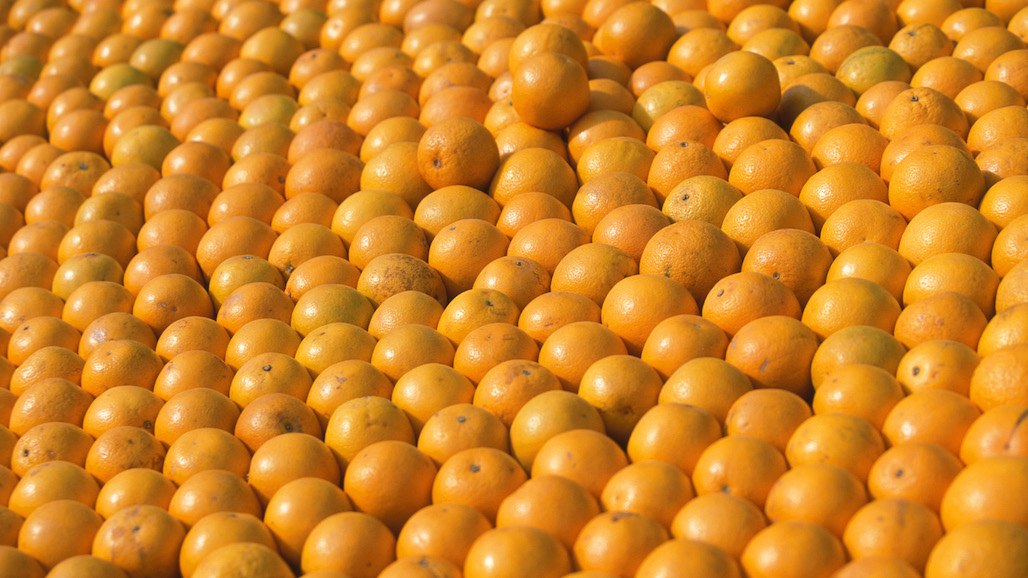
    Fruit World, a family-owned, flavor-focused grower-shipper of organic and conventional citrus and more, is reporting a strong season for their premium specialty citrus, including organic Minneola tangelos, Blood oranges and Cara Cara oranges. While California growers are experiencing shortened seasons of navel and mandarin oranges, Fruit World expects a gap-free and strong transition to Valencia season.

    “Between last year’s heavy crop and early summer heat, the state has lower production volumes of navels and mandarins, but we’re maintaining good quantities to ship through an early season end of late-March to early-April,” said Bianca Kaprielian, Fruit World co-founder and CEO. “Ending the season early ensures high quality and exceptional color throughout. And since citrus is an alternate bearing crop, we predict a return to steady volumes next season.”

    Fruit World expects a seamless transition from navels to Valencias by mid-April. The company anticipates consistent volumes of the summer variety, especially as the season ramps up in May, with availability through the beginning of October.

    We’re also seeing impressive volumes of quality fruit for our specialty citrus varieties, and expect to be shipping into April,” Kaprielian continued. “The overall quality is top notch, and supply is strong for our Minneolas, Blood oranges and Cara Caras, with peak flavor expected from now through the end of the season.”

    This is also shaping up to be a banner year for organic lemons from both the Desert (District 3) and Central Valley (District 1) regions, with load volumes available weekly and excellent ad opportunities into May.
    “Our emphasis on flavor and fun, bold packaging is paying off for our customers, and consumers are asking for the Fruit World brand,” added Kaprielian, “Our statewide growing regions provide us with year-round supply of lemons and orange varieties. In addition to coolers in the desert and Fillmore, we offer consolidated pickup—including desert production—at our cooler in Reedley. This gives our retail and wholesale partners the benefit of a convenient and consistent loading location for all products throughout the year.”

    Fruit World commemorated the Lunar New Year in February with ½ bushel, 10-pound cartons and 4-pound clamshells of stem-and-leaf mandarins in their new Lucky Tiger label. “Beyond Lunar New Year in early February, the stem-and-leaf mandarins are maintaining appeal,” noted CJ Buxman, co-founder of Fruit World and organic citrus grower. “Our stem-and-leaf production increases every year as consumers have confidence the fresh leaves are indicative of recent harvest and the freshest fruit. We’re one of the few companies offering organic stem-and-leaf mandarins as well, which are available to our partners upon request.”

    For more information or to place an order, call (559) 650-0334 or visit fruitworldco.com.

    About Fruit World:
    Fruit World is a fresh and creative produce company with generations of history. Fruit World grows and ships the most flavorful fruit in California—including organic and conventional citrus, organic grapes, organic stone fruit, and more—and works with customers who share a passion for quality and taste. They’re all about honoring their growers, staying true to their farming heritage, and keeping family farming thriving into future generations. Visit fruitworldco.com or find them on social media at linkedin.com/company/fruitworld, instagram.com/fruitworldco, and facebook.com/fruitworldcompany.

  • CA Valencia Orange Production Forecast At 17.2 Million Cartons

    CA Valencia Orange Production Forecast At 17.2 Million Cartons

    The March 2021-22 Valencia orange forecast is 17.2 million cartons, down from last years utilized production of 19 million. This forecast was based on the results of the 2021-22 Valencia Orange Objective Measurement (O.M.) Survey, which was conducted from January 11 to February 28, 2022. Estimated fruit set per tree, fruit diameter, trees per acre, bearing acreage, and oranges per carton were used in the statistical models estimating production. The season had experienced scattered precipitation in some areas but mainly warm and dry conditions in January and February. Survey data indicated an average fruit set per tree of 541, a 0.7% decrease from the previous year and slightly above the five-year average. The average March 1 diameter was 2.459 inches, down 3.6% from the previous year and slightly below the five-year average of 2.539.

    SURVEY HISTORY

    A Valencia Orange Objective Measurement Survey was conducted from the 1985-86 to 1993-94 seasons before suspension due to a lack of funding. The survey has been conducted since it was reinstated for the 1999-00 season, with the exception of the 2006-07 season due to a substantial freeze. The data from the first three years after the survey was reinstated were used for research purposes in developing crop- estimating models.

    SURVEY SAMPLE

    A sample of 381 Valencia orange groves were randomly selected proportional to acreage, county, and variety representation in the state, with 349 of these groves being utilized in this survey. Once a grove was randomly chosen and grower permission was granted, two trees were randomly selected for each grove. For each randomly selected tree, its trunk was measured along with all connected branches. A random number table was then used to select a branch, and then all connected branches from the randomly-selected branch were measured.

    This process was repeated until a branch was reached with no significant limbs beyond it. This randomly-selected branch, called the terminal branch, was then closely inspected to count all fruit connected to it, as well as all of the fruit along the path from the trunk to the terminal branch. Since each selected path has a probability of selection associated with it, a probability- based method was then applied to estimate a fruit count for the entire tree.

    In the last week of the survey period, fruit diameter measurements were collected on the right quadrant of four trees surrounding the two trees of every third sampled grove. These measurements were used to estimate an average fruit diameter per tree. The sampled groves were primarily in the top Valencia orange producing counties of Tulare, Kern, Fresno, Ventura, and San Diego.

  • California Prune Board Honors Women Across Industry

    California Prune Board Honors Women Across Industry

    In celebration of International Women’s Day on March 8, the California Prune Board reflected on the various women throughout the prune industry who drive continuous growth and improvement for the organization and the consumption of prunes. In critical roles including Growers, Chief Executive Officers, Researchers, and Directors, women across the prune business are shaping the decisions that define an industry.

    “Demand for California Prunes has steadily increased in the past two years and historically women have been the primary purchasers of prunes,” said Kiaran Locy, Director of Brand & Industry Communications. “The truth is prunes are enjoyed by everyone and the women in our industry are tenacious and their insights and expertise are keeping us relevant and moving us forward.”

    These 5 industry leaders within the California Prune industry, provide valuable direction and insight across a variety of professions:

    • LindaKay Abdulian is the President and CEO at National Raisin Company and has worked in the prune business for over 10 years.

    “Agriculture is a tough industry. The people involved are trenchant and as a woman in a dominant man’s world, you prepare for every encounter. The prune industry is no exception. The players are the best in the business, man, or women. You come prepared and you will succeed.”

    • Sandie Mitchell is a California Prune Grower who has been growing prunes for 44 years. She is also an Executive Committee Member for the California Prune Board

    “Women are very quality oriented. When it comes to our families, we only want the best. As a California Prune grower, we have dedicated our farming operation throughout the years to growing a premium product for the consumer.”

    • Sarah Bradley Castro is a Staff Research Associate at UC Davis and has led the prune breeding program since 2008.


    “I continue to be inspired by the growing number of women in agriculture and agricultural research. In my working with UC Davis, California Women in Agriculture, and the Prune Board it is clear the innovation and energy women bring to the industry will carry us forward to a successful future.”

    • Natalie Mariani Kling is the Marketing Manager for Mariani premium dried fruit and a Certified Clinical Nutritionist. As a 4th Generation Mariani, she has been working in the prune business since she could walk steadily through the orchards.

    “Working with real, whole food is an honor and a responsibility. Mother Nature is no joke, and we rely on the great women (and men) in our industry who sow their time, expertise, and commitment into growing food that families around the world can enjoy. As a nutritionist, prunes have a special place in my heart. They may be one of superfood’s best kept secrets. Watch out world!”

    • Esther Ritson-Elliott is the Director of International Marketing & Communications with the California Prune Board. She has worked with the organization for over 30 years.
    “Agriculture itself is often perceived as a ‘male’ career, yet figures published in 2017 reveal that more than one third of U.S. farmers are women, and over half of all farms have at least one female decision maker. That equates to 1.2 million female producers making a significant contribution to U.S. agricultural sales, including those working in the prune industry. I make it my mission to share the fruits of their labor, promoting the commitment, passion and contribution of our prune growers and championing their work – male and female alike.”

    Building awareness that drives consumption for California Prunes starts with a premium product and strategic approach. The California Prune industry invests in nutrition and crop research as well as building global markets for the promotion of prunes. California is the world’s largest producer of prunes and supplies over 90% of the prunes in the U.S. and 40% of the world’s production.

    The California Prune Board recognizes the extensive contributions of every woman across the industry and acknowledges the value each of them brings through their individual experiences and perspectives. These leading women in the prune industry will be featured on social media @CaliforniaPrunes on Instagram, Facebook, and Twitter and on the organization’s U.S. LinkedIn profile and European LinkedIn profile reaching consumers and the trade in honor of International Women’s Day this March.

    ABOUT THE CALIFORNIA PRUNE BOARD

    The California Prune Board was established in 1952 to represent growers and handlers under the authority of the California Secretary of Food and Agriculture. California is the world’s largest producer of prunes with orchards across 14 counties in the Sacramento and San Joaquin valleys. Promoting a lifetime of wellness through the enjoyment of California Prunes, the organization leads the premium prune category with generations of craftsmanship supported by California’s leading food safety and sustainability standards. California Prunes. Prunes. For life.

  • DPR Proposes Regulatory Restrictions on the Use of Neonicotinoids to Protect Bees

    DPR Proposes Regulatory Restrictions on the Use of Neonicotinoids to Protect Bees

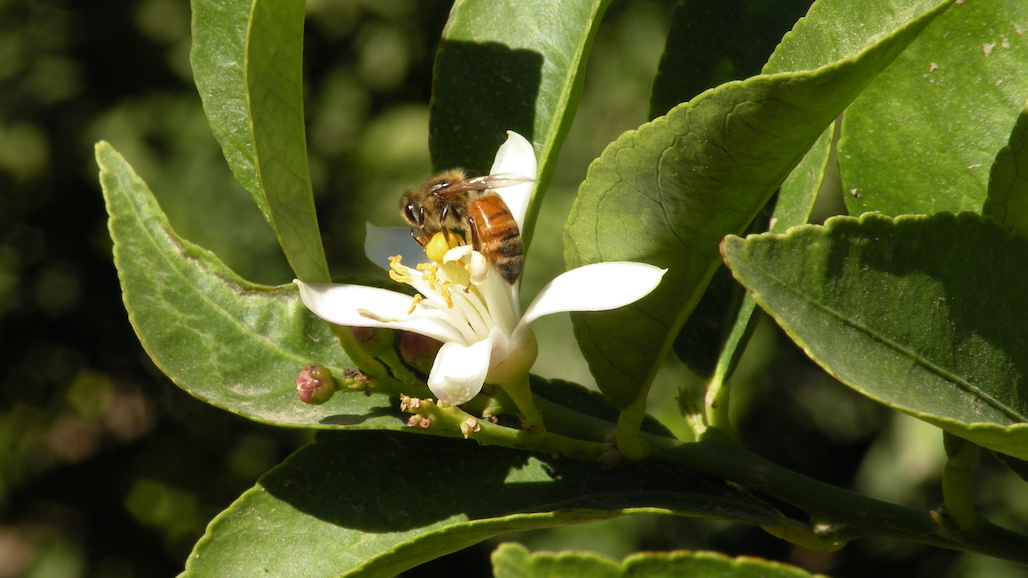
    In an effort to reduce risks to bees, the California Department of Pesticide Regulation filed an official notice of formal rulemaking as a first step in the regulatory process to limit how and when neonicotinoids can be used in agricultural settings.

    Neonicotinoids are a group of insecticides that are widely used as an alternative to chlorpyrifos, which DPR ended virtually all use of in 2020. At certain levels of exposure, neonicotinoids present risks to pollinators. DPR’s proposed regulations are based on extensive scientific studies and would create new requirements and restrictions for the use of neonicotinoid products containing any of four active ingredients: imidacloprid, thiamethoxam, clothianidin and dinotefuran. DPR estimates the regulations will impact 57 products currently registered in California and will reduce the amount of neonicotinoids applied across the state by approximately 45%.

    The regulations include tiered restrictions based on the chemical used, the type of crop and the time of year the neonicotinoid is applied in order to protect pollinator health. For example, applications to certain flowering plants that are attractive to bees would be prohibited when the plants are in bloom and when bees may be foraging. The regulations also set limits on applications of multiple neonicotinoids and what application methods may be used by growers. They also include an exemption for quarantine pests to provide the option, if necessary, to treat pests that can severely damage crops and food supply chains. The regulations address both risks to bees and ensures the protection of pollinators critical to growers and the agricultural sector.

    “DPR evaluates pesticides on an ongoing basis using the best available science and data to mitigate adverse impacts on ecosystems and the environment,” said DPR Director Julie Henderson. “Our neonicotinoid reevaluation led to the significant advance in pollinator protection reflected in our proposed regulation.”

    The department began re-evaluating imidacloprid and the related neonicotinoids, thiamethoxam, clothianidin and dinotefuran in 2009. DPR completed its scientific review in July 2018, publishing the California Neonicotinoid Risk Determination, and began development of control measures necessary to protect pollinator health. The department’s development of draft regulations included a pair of initial public webinars and a public comment period in 2020. The formal rulemaking process initiated by DPR today will include the opportunity for the public to submit written comments on the proposed regulations. For more information, see DPR’s Neonicotinoid Reevaluation webpage.

    “Our continuous evaluation of pesticides plays a critical role in accelerating a transition to safer, more sustainable pest management that protects the health of our communities, our pollinators and the environment as a whole,” said Henderson.

    As part of its regulatory mandate, DPR evaluates pesticide products for potential human health and environmental effects before they can be registered for legal sale and use in California. Prior to DPR review, pesticide products are evaluated and registered by the U.S. Environmental Protection Agency (U.S. EPA).  U.S. EPA’s and DPR’s registration review and required pesticide label instructions – including application instructions and personal protective equipment requirements – are designed to mitigate potential risks to human health and the environment.

    DPR’s registration process includes the review of extensive scientific studies on human health and environmental impacts, safety and efficacy. After pesticide products have gone through this process and are registered, DPR also carries out a continuous evaluation process for pesticides following registration to take into account evolving scientific understanding. This continuous evaluation process can include formal reevaluation of pesticides and mitigation measures, as in the case of the neonicotinoids that are the subject of the department’s proposed regulation, conducting exposure studies, conducting human health risk assessments, monitoring air and water for pesticides, and investigating information that indicates a pesticide may have caused an adverse effect on human health or the environment. Pesticides currently undergoing DPR’s re-evaluation process are listed on the department’s website and the results inform state-specific restrictions, mitigation measures or conditions for use.

    ABOUT THE DEPARTMENT OF PESTICIDE REGULATION

    The California Department of Pesticide Regulation’s mission is to protect human health and the environment by fostering safer and sustainable pest management practices and operating a robust regulatory system to monitor and regulate the sale and use of pesticides across the state.

    DPR’s work includes conducting scientific evaluation of pesticides to assess and mitigate potential harm to human health or the environment prior to and following registration, registering all pesticides prior to sale or use in California, monitoring for pesticides in the air and water, and enforcing pesticide laws and regulations in coordination with 55 County Agricultural Commissioners and their 400 field inspectors. DPR invests in innovative research to encourage the development and adoption of integrated pest management tools and practices and conducts outreach to ensure pesticide workers, farmworkers and local communities have access to pesticide safety information. More information about DPR can be found at www.cdpr.ca.gov.