Category: Non-Video

  • USDA Develops Cold-Hardiness Kiwifruit for Immediate Release to Public

    USDA Develops Cold-Hardiness Kiwifruit for Immediate Release to Public

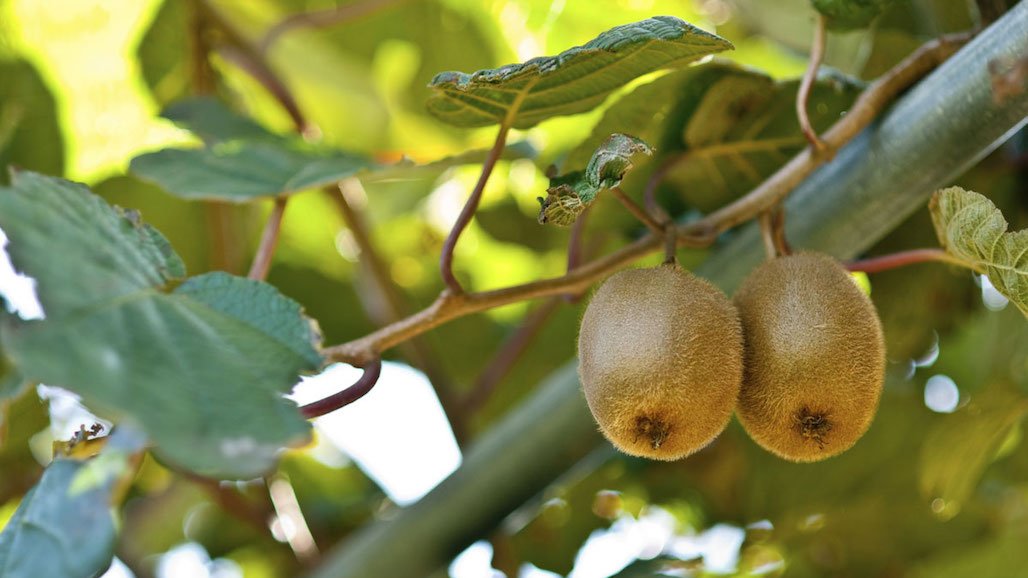
    Kiwis grown at the Appalachian Fruit Research Station. (Photo by Mark Demuth, ARS)

    Kiwifruit and their tangy green flesh are routinely purchased and devoured throughout the year by people across the nation. This is no surprise. Kiwis are high in Vitamin C, dietary fiber, and potassium. The subtropical fruit is also a favorite of many southern U.S. producers since the delicious fruit is traditionally grown in warmer climates. California produces the vast majority of kiwis that are sold in our local grocery stores, but due to recent research advancements from U.S. Department of Agriculture scientists, this may no longer be the case.

    This was not a snap decision. The research actually began in 1995 when scientists from the Agricultural Research Service’s Appalachian Fruit Research Service (AFRS) planted second-generation seedlings that originated in Rome, Italy. Only two vines survived the cold winter temperatures between 1995 and 2015, with a record low temperature during that period of –5.8 F. Of those two vines, ‘Tango’ (female) and ‘Hombre’ (male) were planted and evaluated in the AFRS’ orchards before a new crop proved that these particular cultivars could grow and thrive in traditional Mid-Atlantic and Northeastern winter climates.

    In a recently published study, researchers noted that both vines grew vigorously, and received little pruning before bearing fruit. There was also no need for supplemental irrigation, fertilizer, pesticides, or a warm climate for growth.

    “This cultivar isn’t currently found in the grocery store,” said Research Biologist Scientist Chris Dardick. “The flesh and texture are very similar to the kiwifruit that people already enjoy and so is the flavor. It’s easy to grow, extremely pest and disease resistant, and readily available for use by producers and nurseries in colder climate conditions.”

    Tango’s fruit yields high quality in terms of size and soluble solids and are comparable to the commercial A. deliciosa cultivar Hayward.  It can also remain in cold storage for extended periods of time.

    The male pollinizer ‘Hombre’ is not patented and can be publicly made available upon request. The female kiwi ‘Tango’ is patented by the USDA-ARS and can be distributed to nurseries or producers once they obtain a licensing agreement. Both plants (‘Hombre’ and ‘Tango’) are essential to produce the kiwifruit. Limited quantities of budwood and/or plants from ‘Tango’ and ‘Hombre’ are also available upon request for evaluation. For more information, please contact AFRS@usda.gov.

    The Agricultural Research Service is the U.S. Department of Agriculture’s chief scientific in-house research agency. Daily, ARS focuses on solutions to agricultural problems affecting America. Each dollar invested in U.S. agricultural research results in $20 of economic impact.

  • Ensuring Availability of High-Quality Potatoes All Year Round

    Ensuring Availability of High-Quality Potatoes All Year Round

    Tubers of four Russet potato cultivars (Russet Burbank, Umatilla Russet, Bannock Russet, Dakota Russet) are being monitored under controlled environmental conditions for dormancy progression and sprout growth patterns during postharvest storage. (Photo by Munevver Dogramaci, USDA-ARS, Fargo, ND.)

    Scientists at the USDA’s Agricultural Research Service (ARS) use innovative technology to study the lifecycle of potatoes (including development, production, and postharvest storage), ensuring a high-quality supply year-round for snack food processing facilities, restaurants, and grocery stores.

    Potatoes are one of the main crops grown in the U.S., with a production of approximately 22.5 million tons annually. Fall is the primary season for harvesting potatoes, accounting for 90 percent of the total production. Since many locations cannot support year-round potato cultivation, most potatoes intended for processing, such as frozen french fries or instant mashed potatoes, are harvested in the fall and safely stored until needed. Storing and maintaining potatoes at their top nutritional quality while meeting consumer and market demands is essential for the industry.

    Yet, potato producers face several critical challenges, including climate- and disease-related challenges during crop production and long-term storage. Maintenance of post-harvest quality is of prime concern to the potato industry because post-harvest crop losses through physiological and disease-related processes routinely reach 10-15 percent. These challenges include factors such as early sprouting, as well as slow wound-healing of potato tubers inadvertently damaged during the operational process.

    Have you opened your home pantry and found potatoes sprouting? Immediately after harvest and for an indeterminate period thereafter, potato tubers are physiologically dormant and will not sprout even when they are placed in growth promoting conditions. The length of tuber dormancy period is determined by the genetics of the potato cultivar, and environmental conditions during the crop production and post-harvest storage—including temperature, humidity, light, and air composition. Premature sprouting or incomplete wound-healing adversely affects potato processing quality and nutritional value, resulting in lower producer prices or even complete market rejection by the industry and fresh market.

    Munevver Dogramaci, a research plant physiologist and lead scientist of the Potato Research Program at the Edward T. Schafer Agricultural Research Center in Fargo, North Dakota, and Darrin Haagenson research plant physiologist at the Potato Research Worksite in East Grand Forks, Minnesota, collaborate with growers and universities to address  these post-harvest physiological challenges, as well as to evaluate advanced potato breeding material for postharvest storage, food quality, and safety characteristics.

    “Currently, there is no method that is 100 percent efficient to control the physical deterioration of the potato tubers during storage,” said Dogramaci. “Potato tubers are at their peak nutritional quality during harvest, but it is essential to store them under specific conditions to maintain this quality.”

    A better understanding of physiological processes will help scientists improve post-harvest storage methods, preserving nutritional value, processing quality, and the marketability of potatoes.

    Dogramaci also noted that unintended wounding of tubers, like cuts and bruises, can also occur during harvest and post-harvest operations. “This results in rapid quality loss that impacts the tuber’s texture, ability to retain water, and an increase in its susceptibility to diseases during storage,” Dogramaci explained.

    Paul J. Collins, a research geneticist for the ARS Eastern potato breeding program based in Orono and Presque Isle, Maine, is working to develop new varieties for chip processing and table markets with improved agronomic attributes, disease resistance, climate resiliency, and quality traits. Successful varieties developed by this program include Atlantic, a variety that is widely grown across the U.S. for potato chips and is within the top ten most popular potato varieties grown in the nation.

    “Potato breeding seeks to identify new potato varieties that can provide benefits throughout the value chain,” said Collins. “Farmers can benefit from disease resistance traits, resilience to climate variability, and improved yields. Processors and retailers are interested in maintaining quality and uniformity. Consumers are driven by improved nutrition and flavor. Within the breeding program, we see huge variability for all of these traits. The challenge and fun of potato breeding is finding a new variety which makes everyone in the value chain happy.”

    Want to learn more? Watch the latest episode of “Cooking with Science“! USDA-ARS scientists share exciting facts about their work while Chef Mark Mills demonstrates how to incorporate potatoes into safe and nutritious recipes!

    USDA-ARS scientists Charles Cantrell (Mississippi), Patricia Slininger (Illinois), and Tianbao Yang (Maryland) also do important work with potatoes.

    The Agricultural Research Service is the U.S. Department of Agriculture’s chief scientific in-house research agency. Daily, ARS focuses on solutions to agricultural problems affecting America. Each dollar invested in U.S. agricultural research results in $20 of economic impact.

  • The Secret to Happiness May be in Eating Your Vegetables

    The Secret to Happiness May be in Eating Your Vegetables

    For centuries, humans have sought the recipe for happiness: Money? Love? Fame? The answer, it turns out, may be none of the above, but rather: vegetables. New research by a team of ARS scientists at the Grand Forks Human Nutrition Research Center in Grand Forks, ND, reveals that increasing the quantity of vegetables in a person’s diet, even briefly, can improve their overall sense of wellbeing. In a recent study, the scientists provided 75 people with the U.S. Dietary Guidelines for Americans recommended number of servings of vegetables over 8 weeks, while a control group of study participants ate a diet with very little vegetable content. Study participants who ate the vegetables reported a statistically significant increase in their happiness; their counterparts did not. The effect also persisted for some time after the study ended, when the group eating vegetables had returned to a diet without many vegetables.

    Most Americans routinely eat less than the recommended quantity of vegetables, even though research shows that eating vegetables provides many health benefits. Part of the reason has to do with the brain’s reward circuits; some foods, including many that contain high levels of salt, fat, and other unhealthy ingredients, tend to be reinforcing — that is, the more of them that people eat, the more they want to eat. An earlier, related study that the ARS researchers conducted found that vegetables are not reinforcing, making it more challenging to motivate people to eat them. In response to that finding, the researchers decided to investigate whether there were ways they could make vegetables more reinforcing, to help people obtain the health benefits they offer. The researchers theorized that if they knew that vegetables made them feel better, people might be motivated to eat more of them.

    “We knew that vegetables were not going to make neurotransmitters fire in the brain like chocolate,” said Shanon Casperson, a research biologist at the Center, “but we thought, ‘Well, let’s see what we can do to help people think about vegetables differently.’”

    Consuming vegetables, like these organic heirloom tomatoes at the Jack London Square Farmers’ Market in Oakland, CA, can contribute to improved feelings of happiness. USDA photo by Lance Cheung.

    Using a popular 4-question survey called the Subjective Happiness Scale (SHS), Casperson and her colleagues asked study participants to rate their agreement with statements like, “In general, I consider myself a very happy person,” and “Compared to most of my peers, I consider myself very happy.” The participants were given the survey repeatedly over the course of the study to capture any changes in their responses. While previous studies had shown a correlation between vegetable consumption and wellbeing, this study helped establish that the vegetables actually caused the improvement, because rather than just observing existing eating patterns, it changed them and measured the effects.

    The results were intriguing enough that the researchers plan to perform a similar study with other foods, examining whether pulses also improve feelings of happiness. For now, though, they believe that their study gives people one more reason to eat their vegetables.

    “The take-home message for a study like this is so simple,” said Casperson. “If you increase your vegetables, it can have a positive impact on your mental wellbeing. That’s such a powerful message, and it’s something that is within people’s control.”

    Read ARS’s press release about the study. — By Kathryn Markham, USDA ARS Office of Communications

  • USDA Announces Intent to Renew Fruit and Vegetable Industry Advisory Committee Charter

    USDA Announces Intent to Renew Fruit and Vegetable Industry Advisory Committee Charter

    The U.S. Department of Agriculture (USDA) has announced it intends to renew the charter of the Fruit and Vegetable Industry Advisory Committee (FVIAC).

    USDA is set to renew the committee’s charter for two years as required by the Federal Advisory Committee Act. The current charter expires on May 23, 2024. USDA invites interested persons to submit comments on this notice. Comments are due by 11:59 p.m. ET on May 1, 2024, through regulations.gov: Document # AMS-SC-24-0006.

    Established in 2001, the FVIAC is administered by the USDA Agricultural Marketing Service (AMS). Committee members represent the entire spectrum of the fruit and vegetable industry including shippers, wholesalers, brokers, retailers, processors, fresh cut processors, foodservice suppliers, state agencies, state departments of agriculture and trade associations. The FVIAC meets in person at least twice a year to develop recommendations on issues affecting the U.S. produce industry.

    This notice was published in the Federal Register on March 26, 2024. Information about the committee is available on the AMS Fruit and Vegetable Industry Advisory Committee webpage.

    AMS policy is that diversity of the board should reflect the diversity of its industries in terms of the experience of members, methods of production and distribution, marketing strategies, and other distinguishing factors, including but not limited individuals from historically underserved communities, that will bring different perspectives and ideas to the table. Throughout the full nomination process, the industry must conduct extensive outreach, paying particular attention to reaching underserved communities, and consider the diversity of the population served and the knowledge, skills, and abilities of the members to serve a diverse population.

  • RNAi Technology: Another Biological Tool in the IPM Arsenal

    RNAi Technology: Another Biological Tool in the IPM Arsenal

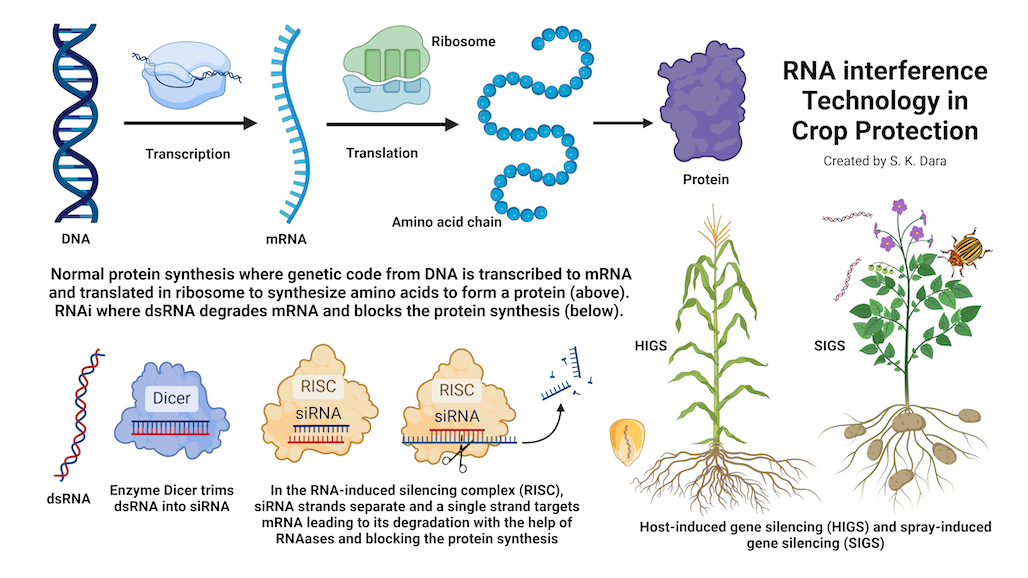
    As the food production faces the persistent threat of endemic and invasive pests, researchers continue to develop new technologies and strategies for protecting crops from these threats.  One such new technology is RNA interference (RNAi) with targeted mechanisms towards specific pests.  RNAi can be used as a trait in a crop or as a sprayable product against the target pest.  Before delving further into this here are a few basic details of this biological process that will help understand the RNAi mechanism.

    Deoxyribonucleic acid (DNA) in the chromosomes of most living organisms contains genetic code for making proteins that are essential for various biological processes.  Ribonucleic acid (RNA) carries the genetic code from DNA to the protein-making factories within the cell known as ribosomes.  DNA has two strands of nucleotides (sets of deoxyribose sugar with nitrogenous bases connected by a phosphate group) whereas RNA has only one strand of nucleotides.  RNA also differs from DNA in having ribose sugar, instead of deoxyribose, and a different kind of nitrogenous base.  The purpose of RNA is to transfer the genetic code from DNA as amino acids are made in ribosomes.  A chain of amino acids makes a specific protein.  Examples of proteins in insects include juvenile hormone responsible for development and reproductive maturation, ecdysone responsible for molting and metamorphosis, digestive enzymes like amylases, glycosidases, lipases, and proteases, and esterases that are important in metabolizing various compounds that regulate behavior, development, insecticidal resistance, and other processes.

    RNAi involves silencing the expression of a specific gene by double-stranded RNA (dsRNA) pieces (either small interfering RNA or microRNA each containing about 21-23 nucleotide pairs) attaching to messenger RNA (mRNA) carrying the code from DNA and thus interfering with the production of a specific protein.  RNAi is also known as post-transcriptional gene silencing because the silencing is done after the DNA code is transcribed to mRNA.  RNAi is a natural phenomenon that helps organisms to defend against infections or regulate gene expression.  For example, when there is a viral infection, cells activate RNAi to destroy virus particles.  RNAi-based therapies are currently used in the medical field to treat cancer and neurological issues and to regulate oxalic acid in urine or the low-density lipoprotein cholesterol in blood.

    RNAi can be used in agriculture for improving yield or quality, imparting abiotic stress tolerance or pest resistance, and incorporating other desirable traits or as biopesticides in crop protection (Bharathi et al., 2023; Chaudhary et al., 2024).  Many research studies have been exploring the RNAi potential in agriculture for decades (Fletcher et al., 2020).  Modifying plant height in apple (Zhao et al., 2016), rice (Qiao et al., 2007), and tomato (Cheng et al., 202); imparting drought, salt, and heat tolerance in cotton (Abdurakhmonov et al., 2014), abiotic stress tolerance in cereal crops (Dubrovna et al., 2023), and cold tolerance in tomato (Jiao et al., 2024); imparting resistance to blast (Magnaporthe grisea) and leaf blight (Xanthomonas oryzae pv. oryzae) in rice (Jiang et al., 2009), citrus canker (Xanthomonas citri subsp. citri) in citrus (Enrique et al., 2011), late blight (Phytophthora infestans) in potato (Eschen-Lippold et al., 2012), Fusarium head and seedling blight (Fusarium graminearum) in wheat (Cheng et al., 2015), soybean mosaic virus in soybean (Kim et al., 2016); imparting resistance to bollworm (Helicoverpa armigera) in cotton (Mao et al., 2007 and 2011) and resistance to brown planthopper (Nilaparvata lugens) in rice (Zha et al., 2011); and imparting resistance to root-knot nematode (Meloidogyne incognita) in tomato (Dutta et al., 2015) and soybean cyst nematode (Heterodera glycines) in soybean (Guo et al., 2015) are some of the examples of improving crop traits.

    The first RNAi crop in the United States is corn (SmartStax® PRO) against the western corn rootworm (Diabrotica virgifera virgifera) containing both Bacillus thuringiensis toxins and RNAi technology (Head et al., 2017).  With its ability to resist both below- and above-ground lepidopteran pests, this hybrid is an important IPM tool.  This hybrid is also available in Canada for cultivation, and grain and products from the hybrid are approved for consumption in the European Union.  RNAi-based crops are not considered genetically modified organisms (GMOs) because they do not contain a foreign gene to express a particular protein like GMOs but use a natural mechanism to silence a particular gene.

    In addition to adding desirable traits to crops, RNAi has also been explored or developed for treating plants against pests and diseases.  While RNAi crops use the host-induced gene silencing (HIGS) method, RNAi biopesticides use the spray-induced gene silencing (SIGS).  SIGS has been explored for controlling Fusarium graminearum in barley (Koch et al., 2016), sucking and/or stem-boring insects in multiple crops (Li et al. 2015; Hunter and Wintermantel, 2021; Jain et al., 2022), hawthorn spider mite (Amphitetranychus viennensis) in fruit trees and woody ornamentals (Yang et al., 2023).  The first sprayable formulation of RNAi-based biopesticide is CalanthaTM from GreenLight Biosciences against the Colorado potato beetle (CPB), Leptinotarsa decemlineata (Rodrigues et al., 2021).  The active ingredient is a dsRNA molecule known as Ledprona (Leptinotarsa decemlineata-specific recombinant double-stranded interfering Oligonucleotide GS2).  It belongs to a new class of insecticides under group 35 as an RNAi-mediated target suppressor.  Applied as a foliar spray, Ledprona suppresses the gene that produces proteasome subunit beta type-5 (PSBT5) in CPB and arrests insect feeding within 2-3 days after it is ingested leading to the death of the pest.  PSBT5 is an essential protein important in maintaining cellular protein quality by degrading damaged or misfolded proteins or proteins that are no longer needed.

    RNAi can also be used to protect honey bees from the Israeli Acute Paralysis Virus (Hunter et al., 2010) and the Varroa mite (Garbian et al., 2012).  In field studies, honey bee populations and honey production increased when bees were fed dsRNA for the virus in the presence of virus in the colonies (Hunter et al., 2010).  The ectoparasite Varroa mite is a major threat to the honey bee colony health and its management is a significant challenge.  When honey bees ingest the mite-specific dsRNA that silences the calcium ion-binding protein known as calmodulin, the dsRNA is transmitted to the Varroa mite feeding on the hemolymph of the bees resulting in mite mortality (Garbian et al., 2012).

    As with any new technology, it is important to consider the impact of RNAi on the environment and non-target organisms.  Environmental risks and regulatory aspects of RNAi-based products have been reviewed in various reports (Liu et al., 2021; De Schutter et al., 2022; Christiaens et al., 2022).  Microbial activity, UV radiation, and other environmental conditions degrade dsRNA and they are generally less stable in the environment, especially under the field conditions where they are used (Bachman et al., 2020).  Studies showed that dsRNA degraded within two days in soil and 1-3 days in the aquatic environment (Dubelman et al., 2014; Fishcer et al., 2017).  Chen et al. (2023) reported that while an RNAi-based biopesticide was highly effective against the 28-spotted ladybeetle (Henosepilachna vigintioctopunctata), a pest of solanaceous crops, it had no non-target effect on the predatory lady beetle Propylea japonica.  Similarly, studies showed that the dsRNA developed for controlling Varroa mite were safe for honey bees (Tan et al., 2016; Vélez et al., 2016) and the monarch butterfly (Danaus plexxippus) whose calmodulin mRNA has a slight match to the Varroa-active dsRNA (Krishnan et al., 2021).

    With regards to Ledprona, the US Environmental Protection Agency (EPA) found that it has minimal human and environmental risks due to low application rates, rapid microbial degradation in the environment, and physiological barriers and degradation mechanisms in mammals.  EPA also gave Ledprona a “No Effect” determination according to the Endangered Species Act.

    Environmental instability is one of the concerns for SIGS but formulation technology can address this problem.  Instead of spraying naked dsRNA, formulating it with layered double hydroxide clay nanoparticles known as BioClay significantly extended the stability of dsRNA.  Spraying dsRNA in BioClay provided protection against pepper mild mottle virus and cucumber mosaic virus at least for 20 days and dsRNA was detected on the leaves 30 days after application (Mitter et al., 2017).  Similarly, spraying BioClay-formulated dsRNA 5 days before exposing to virus-containing green peach aphids (Myzus persicae) offered protection against the bean common mosaic virus in cowpea and benth (Nicotiana benthamiana) (Worrall et al., 2019).  In a more recent study, BioClay-formulated dsRNA against gray mold (Botrytis cenerea) increased disease protection from 1 week to 3 weeks on leaves and 5 days to 10 days on fruit (Niño-Sánchez et al., 2022).

    Arthropod pests and pathogens are resilient and rapidly evolving organisms and can develop resistance to RANi technology just like they develop to pesticides or transgenic crops.  Whether it is HIGS or SIGS, avoiding heavy reliance on one tool and adopting integrated pest management (IPM) and resistance management strategies is crucial even when using RNAi.  An IPM strategy that takes advantage of multiple tools will minimize the risk of resistance development while achieving desired pest suppression. — By Surendra Dara, Oregon State University Extension Entomologist

    References

    Abdurakhmonov, I. Y., Z. T. Buriev, S. Saha, J. N. Jenkins, A. Abdukarimov and A. E. Pepper.  2014.  Phytochorme RNAi enhances major fibre quality and agronomic traits of the cotton Gossypium hirsutum L.  Nat. Comm. 5: 3062. https://doi.org/10.1038/ncomms4062.

    Backman, P., J. Fischer, Z. Song, E. Urbanczyk-Wochniak and G. Watson.  2020.  Environmental fate and dissipation of applied dsRNA in soil, aquatic systems, and plants.  Front. Plant Sci. 11: 508351. https://doi.org/10.3389/fpls.2020.00021.

    Bharathi, J. K., R. Anandan, L. K. Benjamin, S. Muneer, and M.A.S. Prakash.  2023.  Recent trends and advances of RNA interference (RNAi) to improve agricultural crops and enhance their resilience to biotic and abiotic stresses.  Plant Physiol. Biochem. 194: 600-618.

    Chaudhary, D., A. S. Jeena, S. Gaur, R. Raj, S. Mishra, O. P. Gupta, and M. R. Meena.  2024.  Advances in RNA interference for plant functional genomics: unveiling traits mechanisms, and future directions.  Appl. Biochem. Biotechnol. https://doi.org/10.1007/s12010-023-04850-x.

    Chen, S. X. Luo, S. Nanda, C. Yang, Z. Li, Y. Zhang, X. Zhou and H. Pan.  2023.  RNAi-based biopesticides against 28-spotted ladybeetle Henosepilachna vigintioctopunctata does not harm the insect predator Propylea japonica.  J. Agric. Food Chem. 71: 3373-3384.

    Cheng, W., S. Yin, Y. Tu, H. Mei, Y. Wang and Y. Yang.  2020.  SICAND1, encoding cullin-associated NEdd8-dissociated protein 1, regulates plant height, flowering time, seed germination, and root architecture in tomato.  Plant Mol. Biol. 102: 537-551. https://doi.org/10.1007/s11103-020-00963-7.

    Cheng, W., X.-S. Song, H.-P. Li, L.-H. Cao, K. Sun, X.-L. Qiu, Y.-B. Xu, P. Yang, T. Huang, J.-B. Zhang, B. Qu and Y.-C. Liao.  2015.  Host-induced gene silencing of an essential chitin synthase gene confers durable resistance to Fusarium head blight and seedling blight in wheat.  Plant Biotechnol. J. 13: 1335-1345. https://doi.org/10.1111/pbi.12352.

    Christiaens, O., J. Sweet, T. Dzhambazova, I. Urru, G. Smagghe, K. Kostov and S. Arpaia.  2022.  Implementation of RNAi-based arthropod pest control: environmental risks, potential for resistance and regulatory considerations.  J. Pest Sci. 95: 1-15. https://doi.org/10.1007/s10340-021-01439-3.

    De Schutter, K., C.N.T. Taning, L. Van Daele, E.J.M. Van Damme, P. Dubruel and G. Smagghe.  2022.  RNAi-based biocontrol products: market status, regulatory aspects, and risk assessment.  Front. Insect Sci. 1: 818037. https://doi.org/10.3389/finsc.2021.818037.

    Dubelman, S., J. Fischer, F. Zapata, K. Huizinga, C. Jiang, J. Uffman, S. Levine and D. Carson.  2014.  Environmental fate of double-stranded RNA in agricultural soils. PLoS One. https://doi.org/10.1371/journal.pone.0093155.

    Dubrovna, O. V., S. I Mykhalska, and A. G. Komisarenko.  2023.  Use of RNA interference technology for improving economically valuable traits of cereal crops.  Cytology and Genetics 57: 587-610.

    Dutta, T. K., P. K. Papolu, P. Banakar, D. Choudhary, A. Sirohi and U. Rao.  2015.  Tomato transgenic plants expressing hairpin construct of a nematode protease gene conferred enhanced resistance to root-knot nematodes.  Front. Microbiol. 6: 260. https://doi.org/10.3389/fmicb.2015.00260.

    Enrique, R., F. Siciliano, M. A. Favaro, N. Gerhardt, R. Roeschlin, L. Rigano and M. R. Marano.  2011.  Novel demonstration of RNAi in citrus reveals importance of citrus callose synthase in defence against Xanthomonas citri subsp. citri.  Plant Biotehnol. J. 9: 394-407. https://doi.org/10.1111/j.1467-7652.2010.00555.x.

    Eschen-Lippold, L., R. Ladgraf, U. Smolka, S. Schulze, M. Heilmann, I. Heilmann, G. Hause and S> ROsahl.  2012.  Activation of defense against Phytophthora infestans in potato by down-regulation of syntaxin gene expression.  The Ne Phytologist 193: 985-996. https://doi.org/10.1111/j.1469-8137.2011.04024.x.

    Fischer, J. R., F. Zapata, S. Dubelman, G. M. Mueller, J. P. Uffman, C. Jiang, P. D. Jensen and S. L. Levine.  2017.  Aquatic fate of a double-stranded RNA in a sediment-water system following an over-water application.  Environ. Toxicol. Chem. 36: 727-734. https://doi.org/10.1002/etc.3585.

    Fletcher, S. J., P. T. Reeves, B. T. Hoang, and N. Mitter.  2020. A perspective on RNAi-based biopesticides.  Frontiers in Plant Science 11: 51. https://doi.org/10.3389/fpls.2020.00051.

    Garbian, Y., E. Maori, H. Kalev, S. Shafir and I. Sela.  2012.  Bidirectional transfer of RNAi between honey bee and Varroa destructorVarroa gene silencing reduces Varroa population.  PLoS Pathogens 8: e1003035. https://doi.org/10.1371/journal.ppat.1003035.

    Guo, X., D. Chronis, C. M. De La Torre, J. Smeda, X. Wang and M. G. Mitchum.  2015.  Enhanced resistance to sybean cyst nematode Heterodera glycines in transgenic soybean by silencing putative CLE receptors.  Plant Biotechnol. J. 13: 801-810. https://doi.org/10.1111/pbi.12313.

    Head, G. P., M. W. Carroll, S. P. Evans, D. M. Rule, A. R. Willse, T. L. Clark, N. P. Storer, R. D. Flannagan, L. W. Samuel and L. J. Meinke.  2017.  Evaluation of SmartStax and SmartStax PRO maize against western corn rootworm and northern corn rootworm: efficacy and resistance management.  Pest Manag. Sci. 73: 1883-1899.  https://doi.org/10.1002/ps.4554.

    Hunter, W., J. Ellis, D. vanEngelsdorp, J. Hayes, D. Westervelt, E. Glick, M. Williams, I. Sela, E. Maori, J. Pettis, D. Cox-Foster and N. Paldi.  2010.  Large-scale field application of RNAi technology reducing Israili Acute Paralysis Virus disease in honey bees (Apis mellifera, Hymenoptera: Apidae). PLoS Pathogens 6: e1001160. https://doi.org/10.1371/journal.ppat.1001160.

    Hunter, W. B. and W. M. Wintermantel.  2021.  Optimizing efficient RNAi-mediated control of hemipteran pests (psyllids, leafhoppers, whitefly): modified pyrimidines in drRNA triggers.  Plants 10: 1782. https://doi.org/10.3390/plants10091782.

    Jain, R. G., S. J. Fletcher, N. Manzie, K. E. Robinson, P. Li, E. Lu, C. A. Brosnan, Z. P. Xu and N. Mitter.  2022. Foliar application of clay-delivered RNA interference for whitefly control.  Nature Plants 8: 535-548.

    Jiang, C.-J., M. Shimono, S. Maeda, H. Inoue, M. Mori, M. Hasegawa, S. Sugano and H. Takatsuji.  2009.  Suppression of the rice fatty-acid desaturase gene OsSSI2 enhances resistance to blast and leaf blight diseases in rice.  Mol. Reprod. Dev. 22: 820-829. https://doi.org/10.1094/MPMI-22-7-0820.

    Jiao, C., J. Sun. and Y. Wei.  2024.  SlWRKY31 enhances chilling tolerance by interacting with SlSIZ1 in tomato fruit.  Postharvest Biol. Technol. 207: 112631. https://doi.org/10.1016/j.postharvbio.2023.112631.

    Kim, H. J., M. J. Kim, J. H. Pak, H. H. Im, D. H. Lee, K. H. Ki, and Y. S. Chung.  2016.  RNAi-mediated soybean mosaic virus (SMV) resistance of a Korena soybean cultivar.  Plant Biotechnol. Reports 10: 257-267. https://doi.org/10.1007/s11816-016-0402-y.

    Koch, A., D. Biedenkopf, A. Furch, L. Weber, O. Rossbach, E. Abdellatef, L. Linicus, J. Johannsmeier, L. Jelonek, A. Goesmann, V. Cardoza, J. McMillan, T. Mentzel and K.-H. Kogel.  2016.  An RNAi-based control of Fusarium graminearum infections through spraying of long dsRNAs involves a plant passage and is controlled by the fungal silencing machinery.  PLoS Pathogens 12: e1005901. https://doi.org/10.1371/journal.ppat.1005901.

    Krishnan, N., M. J. Hall, R. L. Hellmich, J. R. Coats and S. P. Bradbury.  2021.  Evaluating toxicity of Varroa mite (Varroa destructor)-active dsRNA to monarch butterfly (Danaus Plexippus) larvae.  PLoS One 16: e0251884. https://doi.org/10.1371/journal.pone.0251884.

    Li, H. R. Guan, H. Guo and X. Miao.  2015.  New insights into an RNAi approach for plant defence against piercing-sucking and stem-borer insect pests.  Plant, Cell & Environment 38: 2277-2285. https://doi.org/10.1111/pce.12546.

    Liu, S., S. Geng, A. Li, Y. Mao and L. Mao.  2021.  RNAi technology for plant protection and its application in wheat.  aBIOTECH 2: 365-374. https://doi.org/10.1007/s42994-021-00036-3.

    Mao, Y. B., W. J. Cai, J. W. Wang, G. J. Hong, X. Y. Tao, L. J. Wang and X. Y. Chen.  2007.  Silencing a cotton bollworm P450 monooxygenase gene by plant-mediated RNAi impairs larval tolerance of gossypol.  Nat. Biotehnol. 25: 1307-1313. https://doi.org/10.1038/nbt1352.

    Mao, Y. B., X. Y. Tao, X. Y. Xue, L. J. Wang and X. Y. Chen.  2011.  Cotton plants expressing CYP6AE14 double-stranded RNA show enhanced resistance to bollworms.  Trans. Res. 20: 665-673. https://doi.org/10.1007/s11248-010-9450-1.

    Mitter, N., E. A. Worrall, K. E. Robinson, P. Li, R. G. Jain, C. Taochy, S. J. Fletcher, B. J. Carroll, G. Q. Lu and Z. P. Xu.  2017.  Clay nanosheets for topical delivery of RNAi for sustained protection against plant viruses.  Nat. Plants 3: 16207. https://doi.org/10.1038/nplants.2016.207.

    Niño-Sánchez, J., P. T. Sambasivam, A. Sawyer, R. Hamby, A. Chen, E. Czislowski, P. Li, N. Manzie, D. M. Gardiner, R. Ford, Z. P. Xu, N. Mitter and H. Jin.  BioClayTM prolongs RNA interference-mediated crop protection against Botrytis cinerea.  J. Integrative Pl. Biol. 64: 2187-2198. https://doi.org/10.1111/jipb.13353.

    Qiao, F., Q. Yang, C. L. Wang, Y. L. Fan, X. F. Wu, and K. J. Zhao. 2007. Modification of plant
    height via RNAi suppression of OsGA20ox2 gene in rice. Euphytica 158: 35–45.
    https://doi.org/10.1007./s10681-007-9422-6.

    Rodrigues, T., K. Sridharan, B. Manley, D. Cunningham and K. Narva.  2021.  Development of dsRNA as a sustainable bioinsecticide: from laboratory to field. In: Rauzan BM and Lorsbach BA, editors. Crop protection Products for Sustainable Agriculture, ACS Symposium Series. 1390. Washington, DC: ACS Publications, p. 65–82.

    Tan J., S. L. Levine, P. M. Bachman, P. D. Jensen, G. M. Mueller, J. P. Uffman, C. Meng, Z. Song, K. B. Richards and M. H. Beevers.  2016. No Impact of DvSnf7 RNA on Honey Bee (Apis Mellifera L.) Adults and Larvae in Dietary Feeding Tests. Environ. Toxicol. Chem. 35: 287–294. https://doi.org/10.1002/etc.3075.

    Vélez, A. M., J. Jurzenski, N. Matz, X. Zhou, H. Wang, M. Ellis and B. D. Siegfried. 2016.  Developing an in Vivo Toxicity Assay for RNAi Risk Assessment in Honey Bees, Apis Mellifera L. Chemosphere 144: 1083–1090. https://doi.org/10.1016/j.chemosphere.2015.09.068.

    Worrall, E. A., A. Bravo-Cazar, A. T. Nilon, S. J. Fletcher, K. E. Robinson, J. P. Carr and N. Mitter.  2019.  Exogenous application of RNAi-induced double-stranded RNA inhibits aphid-mediated transmission of a plant virus.  Front. Plant Sci. 10: 265. https://doi.org/10.3389/fpls.2019.00265.

    Yang, J., Y. Zhang, J. Zhao, Y. Gao, Z. Liu, P. Zhang, R. Fan, S. Xing and X. Zhou.  2023.  Target gene selection for RNAi-based biopesticides against the hawthorn spider mite, Amphitetranychus viennensis (Acari: Tetranychidae).  Pest Manag. Sci. 79: 2482-2492.

    Zha, W., X. Peng, R. Chen, B. Du, L. Zhu, and G. He.  2011.  Knockdown of midgut genes by dsRNA-transgenic plant-mediated RNA interference in the hemipteran insect Nilaparvata lugens.  PLoS One 6: e20504. https://doi.org/10.1371/journal.pone.0020504.

    Zhao, K., F. Zhang, Y. Yang, Y. Ma, Y. Liu, H. Li, and Z. Zhang.  2016.  Modification of plant height via RNAi suppression of MdGA20-ox gene expression in apple.  J. Am. Soc. Hort. Sci. 141: 242-248. https://doi.org/10.21273/JASHS.141.3.242.
  • Citrus Thrips Field Day at Lindcove on April 9

    Citrus Thrips Field Day at Lindcove on April 9

    As thrips season approaches, University of California Cooperative Extension Advisor Sandipa Gautam is organizing a field day focused on citrus thrips. This event will be organized at Lindcove Research Center on April 9, from 9:00 AM -11:00 AM.

    This objective of field day is to teach PCAs/field scouts about thrips biology and identification, differentiating flower thrips from citrus thrips, and best management approaches as we continue to address the challenges in managing citrus thrips.Continuing Education: 2.0 other units pending approval.

    For the full agenda, please click here. To register for the field day, please click here.

  • Update to ACP and HLB Bulk Citrus Movement Requirements

    Update to ACP and HLB Bulk Citrus Movement Requirements

    Effective March 12, 2024, the Citrus Pest and Disease Prevention Division (CPDPD) has updated the requirements for moving bulk citrus fruit from an Asian citrus psyllid (ACP) quarantine zone to a packer/processor in a Huanglongbing (HLB) quarantine area. Citrus fruit may now be moved from any ACP quarantine zone to an HLB quarantine area for packing or processing without a mitigation, such as a pre-harvest treatment or field cleaning. One mitigation was previously required.

    Listed below are some examples of potential bulk citrus movement that is now allowed without mitigation, per the CPDPD’s Citrus Grower/Grove Manager Information page:

    • Tulare County to HLB quarantine zone in Riverside County
    • Imperial County to HLB quarantine zone in Ventura County
    • Kern County to HLB quarantine zone in San Diego County

    Please note, safeguarding all fruit in transit is still required for all bulk citrus ACP/HLB quarantine movements, and all other quarantine requirements, such as those for invasive fruit fly quarantines, still apply. Trucks must be fully tarped or the vehicle must be fully enclosed.
    In the instance that HLB is detected in new areas, this regulatory update may be revisited and revised by CPDPD.

    For complete information regarding the mitigations required for fruit movement, please visit the CPDPD’s Citrus Grower/Grove Manager Information page.

    For questions regarding citrus fruit movement requirements, please contact your local County Agricultural Commissioner or contact Keith Okasaki at Keith.Okasaki@cdfa.ca.govor 916-274-6300.

  • New Study Reveals Key Strategies for Merchandising Watermelon

    New Study Reveals Key Strategies for Merchandising Watermelon

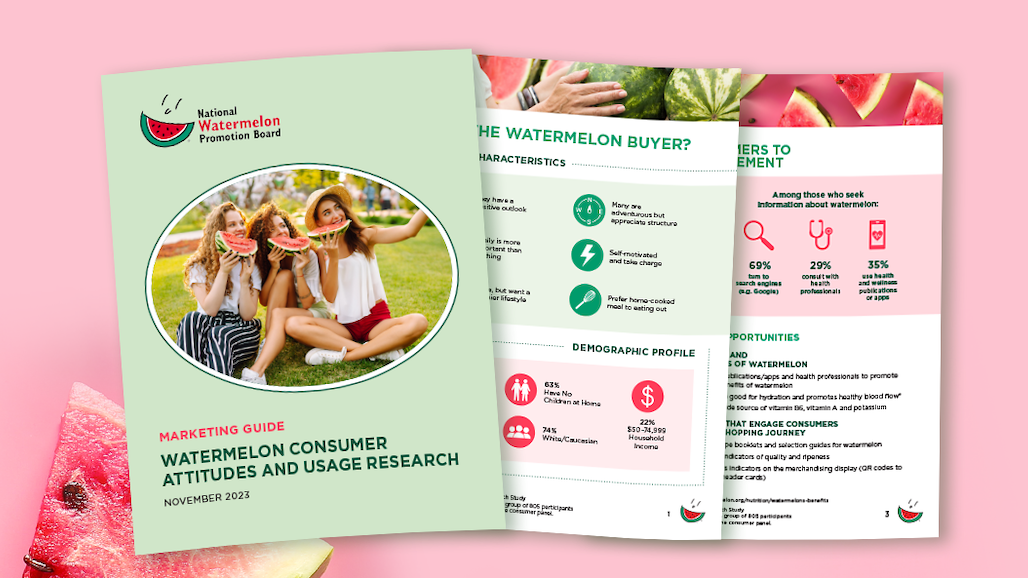
    The National Watermelon and Promotion Board (NWPB) announced the release of its latest consumer research and Marketing Guide designed to arm retailers and producers with information to make fact-based strategic decisions and build awareness of the opportunities within the watermelon category.

    The new consumer study, “Watermelon Attitudes and Usage Research,” delves into watermelon consumers’ ever evolving attitudes, usage, and awareness. Building upon learnings from previous studies, the research focuses on better understanding the watermelon buyer and uncovers opportunities to help build consumer demand. The study examines the demographic segments of watermelon shoppers and reveals the key characteristics and drivers behind their purchasing decisions and consumption patterns.

    Key Highlights from the study include:

    • Watermelon Purchase and Usage Dynamics- Important purchase drivers that influence the decision to buy watermelon and how consumers use it.

    o Watermelon is a planned purchase for most buyers. However, craving is the top reason for buying watermelon, whether the decision was made before or during the shopping trip.

    • Perceptions of Watermelon- Consumers’ attitudes about watermelon, its impact on their well- being, value, and nutritional knowledge.

    o The study showed watermelon makes people feel happy, boosts their mood, and evokes feelings of nostalgia and comfort.

    • Key takeaways of the watermelon buyer’s demographic profiles, including their characteristics and personality traits.

    o Generally, watermelon consumers have a positive outlook, value family, and enjoy being creative in the kitchen.

    In addition to the complete research study, the NWPB has also released an inclusive Marketing Guide designed to assist retailers and industry shareholders in effectively reaching and engaging with watermelon core consumers. The guide provides a concise description and demographic profile of watermelon consumers as well as actionable strategies tailored to capitalize on the findings of the study, such as engaging, educating, and stimulating consumers’ craving for watermelon. This marketing tool is a guide for successfully promoting and selling watermelon in today’s competitive market.
    “We are excited to share the results of our latest consumer research and its affiliated Marketing Guide with our industry partners,” said Megan McKenna, senior director of marketing and foodservice for the NWPB. “Understanding consumer preferences is crucial for success in the produce industry in today’s rapidly evolving landscape. We believe these resources will provide invaluable insights and opportunities to help retailers and producers thrive in the marketplace,” said Mark Arney, NWPB executive director.

    The NWPB invites all industry professionals, retailers, and stakeholders to explore the wealth of knowledge and actionable recommendations in the consumer study and Marketing Guide. For more information on accessing these invaluable resources or about the NWPB’s initiatives, please visit https://www.watermelon.org/audiences/industry/research/consumer-research/.

    About the National Watermelon Promotion Board

    The National Watermelon Promotion Board (NWPB), based in Winter Springs, Florida, was established in 1989 as an agricultural promotion group to promote watermelon in the United States and in various markets abroad. Funded through a self-mandated industry assessment paid by more than 700 watermelon producers, handlers and importers, NWPB mission is to increase consumer demand for watermelon through promotion, research and education programs.

    A serving of nutrient-dense watermelon provides an excellent source of Vitamin C (25% DV), a source of Vitamin B6 (8% DV), and a delicious way to stay hydrated (92% water), with only 80 calories per 2-cup serving. Watermelon consumption per capita in the United States was nearly 16.9 pounds in 2023. Watermelon consumption in the United States was nearly 5.6 billion pounds in 2023. The United States exported an additional 377 million pounds of watermelon. For additional information, visit www.watermelon.org.

  • Fungicide Evaluation for Alternaria Head Rot (Pin Rot) of Broccoli

    Fungicide Evaluation for Alternaria Head Rot (Pin Rot) of Broccoli

    Broccoli head rot, also known as pin rot, can cause significant problems, especially in fall broccoli production in Salinas Valley. Two types of head rot are affecting broccoli, including bacterial head rot and Alternaria head rot (Koike 2010). Differences between those two types can be seen at: https://ucanr.edu/blogs/blogcore/postdetail.cfm?postnum=3861. Here we focus on the Alternaria head rot, caused by the fungi Alternaria spp.

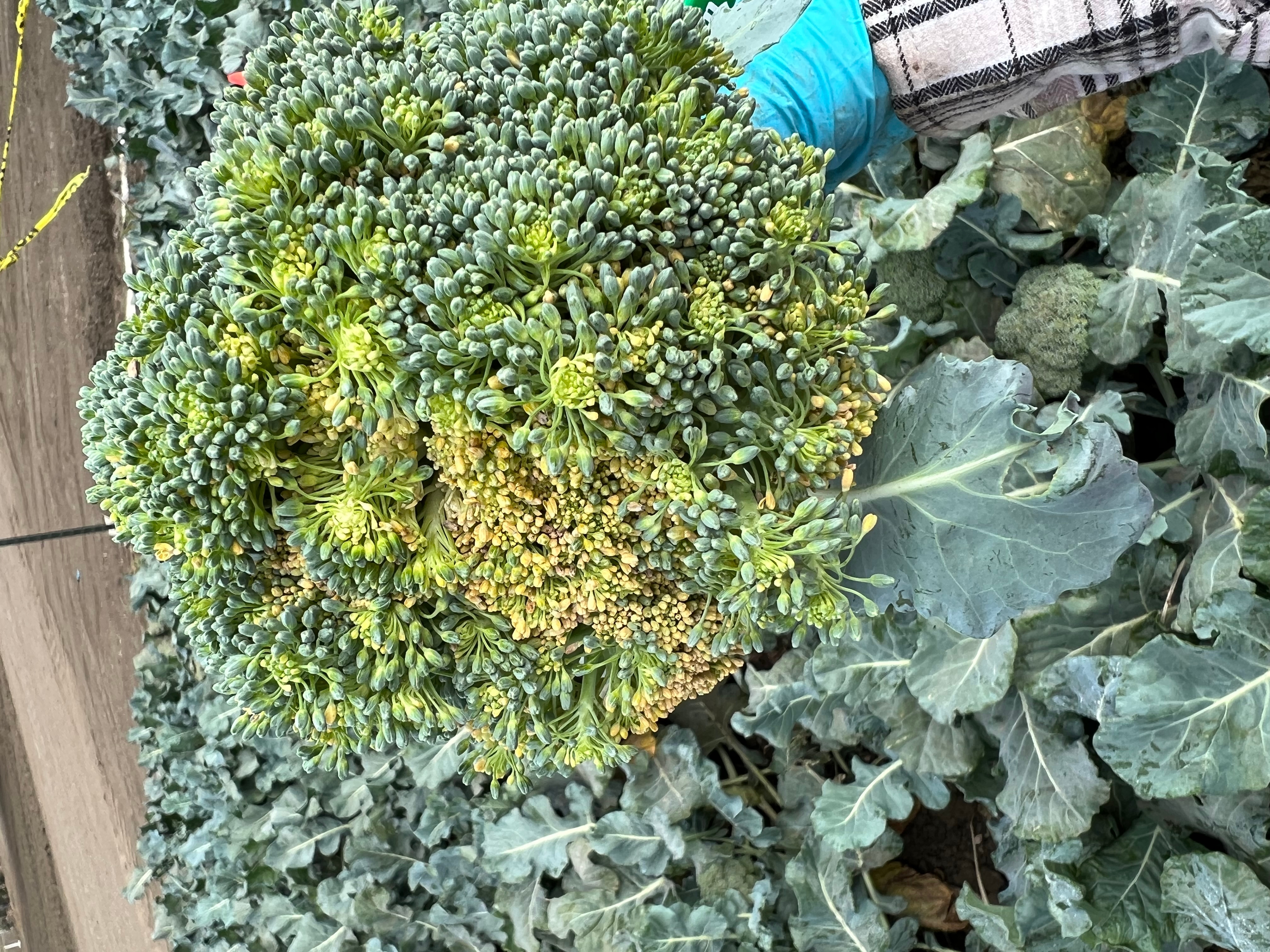
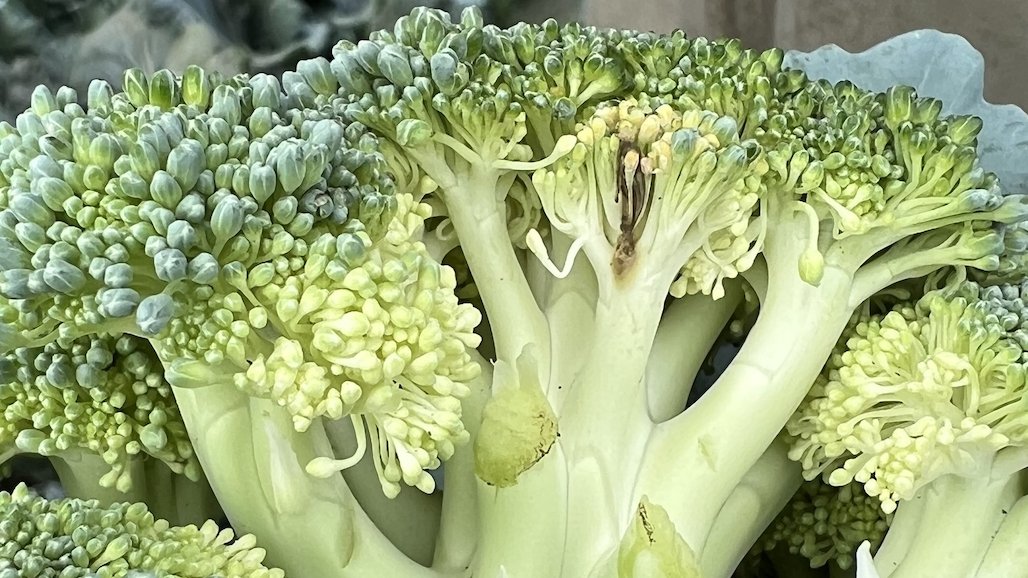
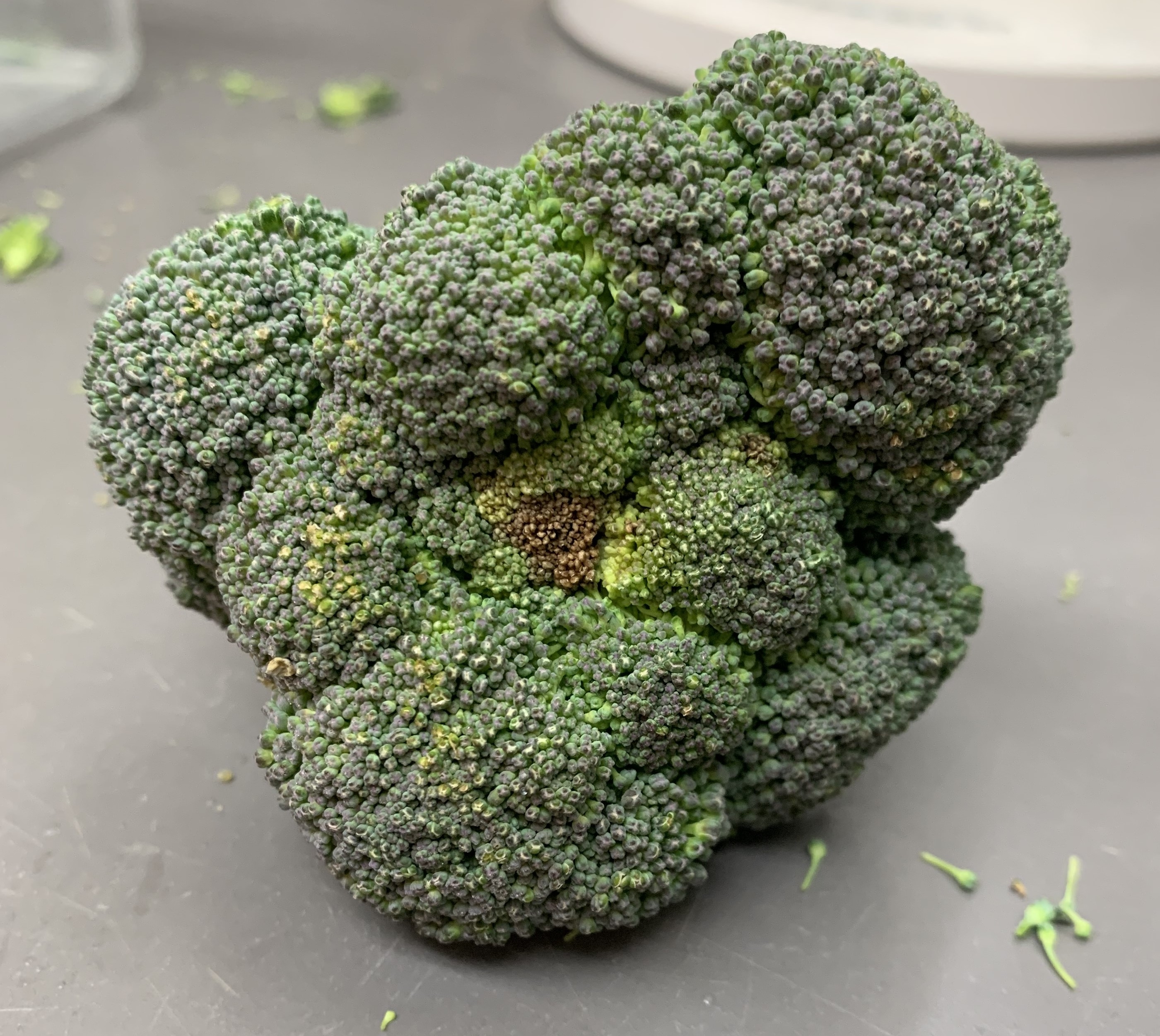
    Symptoms. All aboveground parts of broccoli are subject to infection including heads and leaves. Head rot symptoms start as yellow spots and then turn brown and black (photo 1). The infection can spread from buds to stems (photo 2). With secondary bacteria or fungi infection, further decay occurs.The initial yellow spots resemble brown bead (photo 3), a broccoli disorder that can potentially be caused by excessive temperature, poor growth, or nutrient and water deficiency. However, the brown bead doesn’t rot the stem, and no sign of fungi is presented on the buds. For uncertain cases, scraping the buds to see if the stem rot or fungi are presented is a useful technique. Leaf spot symptoms start as small yellow spots on the old leaves and then form dark, concentrical rings like a target (photo 4). The old spots may become brittle and split open or fall out as shot holes. The high number of leaf spots per plant indicates a higher disease pressure and could be a signal for fungicide application.

    Photo 1. Broccoli Alternaria head rot

    Photo 3. Broccoli brown bead

    Photo 4. Alternaria leaf spot on broccoli

    Management. The disease is favored by prolonged wetness from rain, dew, and fog. Fungal spores are spread by winds and splashing water. Cultural practices to promote leaf drying or prevent leaf wetness may reduce disease severity. Some growers have seen the benefits of using drip irrigation instead of overhead irrigation. An early harvest before rainfall could also reduce disease risk. Variety effects on disease tolerance might play a role. Lumpy broccoli heads tend to accumulate water which may further weaken the plant tissues and become a suitable target for the pathogens. Finally, there are a number of fungicides that have activity against the disease. More frequent fungicide applications should occur during wet weather which is favored by the disease.

    Research update: fungicide evaluation.

    Methods. One fungicide trial was conducted in a commercial broccoli field to test the efficacy of select fungicides for controlling broccoli head rot in 2023 fall. Broccoli ‘Centennial’ were direct seeded on 27 July, 2023. Seven fungicide treatments and a nontreated control were arranged in a randomized complete block design with four replications. Each plot consisted of two seedlines of broccoli that was 30-ft long on the 40-inch wide bed. On each side of the plot was a nontreated guard bed. Treatments were applied with a CO2-pressurized backpack sprayer calibrated to deliver 35 gpa at 30 psi using a double TeeJet 8004E flat fan nozzles. Fungicide applications were made on 4 October and 16 October. All treatments were applied with non-ionic surfactant Dyne-Amic 0.08% v/v. Alternaria head rot incidence was evaluated at harvest on 23 October, 2023. Disease incidence was expressed as the percentage of the number of plants with Alternaria head rot in the total number of plants within the middle 15 ft of the plot. Data were analyzed using analysis of variance (ANOVA) and the Tukey test to separate means at P<0.05. The total rainfall received one month before harvest was 0.57 inches. The average, minimum, and maximum temperatures were 62°F, 53°F, and 75°F, respectively.

    Results (Table 1). The disease pressure in this trial area was low with nontreated control having 14.0% head rot. However, significant differences occurred among treatments for the % Alternaria head rot. All treatments reduced % Alternaria head rot numerically, while Pydiflumetofen+Fludioxonil, Azoxystrobin, Fluxapyroxad+Pyraclostrobin, Fluopyram+Trifloxystrobin, and Pyraclostrobin had significantly lower % Alternaria head rot than nontreated control. And they had statistically similar % Alternaria head rot. These results also showed that single FRAC 11, premixes with FRAC 7 and 11, and premixes with FRAC 7 and 12 provided good control of Alternaria head rot; single FRAC 7 provided fair control of Alternaria head rot.

    Table 1. Disease incidence of Alternaria head rot at harvest

    zProduct and Rate/A in this trial: Boscalid (Endura 9 oz), Penthiopyrad (Fontelis 30 fl oz), Pydiflumetofen+ Fludioxonil (Miravis Prime 11.4 oz), Azoxystrobin (Quadris 15.5 fl oz), Fluxapyroxad+ Pyraclostrobin (Priaxor 8.2 fl oz), Fluopyram+ Trifloxystrobin (Luna Sensation 7.6 fl oz), Pyraclostrobin (Cabrio 16 oz). xNumbers in a column followed by the same letter are not significantly different based on Tukey’s significant difference test (P<0.05). yFRAC: Fungicide Resistance Action Committee. — By Yu-Chen Wang, Plant Pathology Farm Advisor, UC Cooperative Extension

    Thanks to the cooperating growers and PCAs for assisting the trial. Thanks for the technical assistance from Carlos Rodriguez.

  • Australia a Key Market for US Fresh Fruit

    Australia a Key Market for US Fresh Fruit

    Australia is a crucial market for U.S. fresh fruits because of the year-round demand for high-quality products. The U.S. has benefitted from a well-established reputation for producing quality and safe fruits. While demand for fresh fruit was low in Australia from 2018-2020, the fresh fruit industry has recovered, and demand will likely increase for the next five years.

    Strong Market for U.S. Fresh Fruit

    Australia is a well-developed market for fresh produce, including imports. The United States has a good reputation for supplying safe, high-quality produce. A major advantage for Northern Hemisphere growers looking to import into Australia is counter-seasonal growing (see Figure 1).

    Behind New Zealand, whose top exports are avocados and kiwi, the United States is the second largest supplier of fresh fruits to Australia – with 41% of the market in 2022 (see Figure 2).

    The leading fresh fruit imports into Australia from the United States include California table grapes, California stone fruit, citrus, California pomegranates, and California and Pacific Northwest cherries. In 2022, imports of California kiwifruit significantly increased due to Italian kiwifruit being shut out of the market.

    Fruit Consumption Expects to Grow

    Between 2018 and 2020, Australia saw a decrease in fruit consumption. This decrease was due to a drought in 2018 and 2019, limiting the supply. Prices for fresh fruit also increased while the supply was low, which deterred consumers from purchasing. When drought conditions ended in 2021, Australia saw an increase in consumption by 2%. Along with the supply returning, this increase was due to population growth, healthier eating, habits, and demand for convenience. Fresh fruit consumption increased from 2020 through 2022; however, in 2024 it will decrease while gradually increasing in 2025-26. (see Figure 5).

    The Australian Government has funded initiatives to promote healthy eating increasing profits for the fruit industry. Food experts predict that the fresh fruit industry will benefit from changing dietary trends emphasizing fresh fruit consumption. Major supermarkets throughout Australia have also driven the growth in fresh fruit consumption and imports by offering customers a range of fresh produce products throughout the year. Woolworths, one of Australia’s biggest supermarkets, started a “Free Fruit for Kids” campaign. This campaign offers kids free apples, bananas, pears, and mandarins at the grocery store to help build healthy eating habits from an early age. Since the start of the campaign in 2015, over 14,000 tons of free fruit have been consumed by children.

    Australian consumers have seen several trends change in the fresh fruit industry in the last few years. COVID-19 had a significant impact on consumer food purchasing behavior. One of the biggest trends to arise is the growth of online shopping, which wasn’t as prominent in Australia before the pandemic. Consumers are also choosing healthier options due to social influences and spending more time at home. Read the full report from the USDA Foreign Ag Service HERE.