Category: Non-Video

  • Weed Management Critical Needs for CA Processing Tomatoes

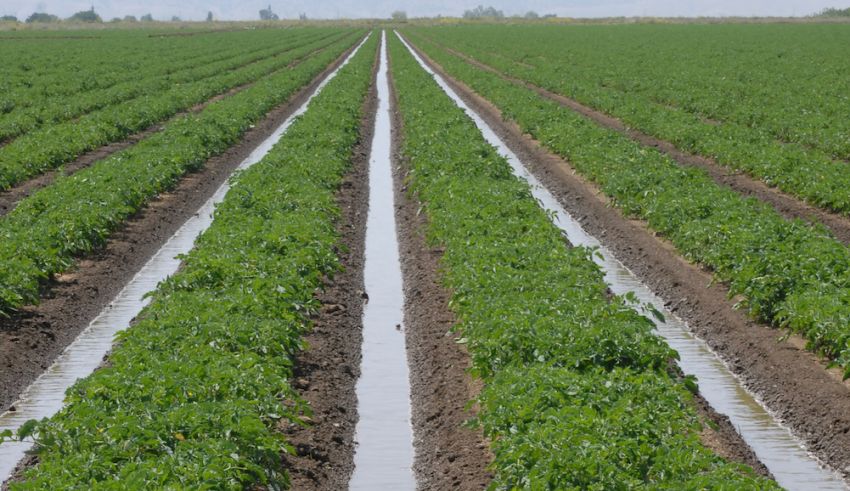
    Weed Management Critical Needs for CA Processing Tomatoes

    Amber Vinchesi-Vahl, UCCE — The Pest Management Strategic Plan for Processing Tomatoes in California (see attachment) was published in May 2021 and encompasses a wealth of information on pest issues and farming practices for processing tomatoes in California.

    Myself, Cooperative Extension Specialist Cassandra Swett, and UC IPM collaborated on creating this document directly from stakeholder input and funding from the Western IPM Center. Below I have highlighted the documented critical needs for managing weeds in processing tomato production in California (more detail on each can be found in the PMSP, cited below). These needs were prioritized by growers, PCAs, academics and industry for the state, the northern growing region and the southern growing region and include research, regulatory and education priorities.

    Statewide Critical Needs for Weeds

    Research

    1. Develop and identify management methods (including, but not limited to, herbicides) that work for difficult-to-control and perennial weeds, particularly nutsedge and field bindweed.
      1. Better understand weed biology and how to influence weed biology for the purposes of weed management, especially methods to break the dormancy of belowground structures (especially field bindweed and nutsedge).
    2. Develop effective, affordable methods to eradicate branched broomrape from processing tomato fields, prevent its spread, and manage infestations if it becomes well established in California (see Northern Region Critical Needs for Weeds for more information).
      1. Identify effective and practical sanitation methods, especially for eliminating broomrape seed on harvesting equipment (See Statewide General Critical Needs #3).
      2. Develop methods to detect branched broomrape and Egyptian broomrape in tomato fields more easily.” (p. 12).

    Northern Region Critical Needs for Weeds

    Research

    1. Develop integrated weed management methods (including herbicides) for difficult weeds such as fleabane, horseweed, groundcherries, velvetleaf, nightshades, and glyphosate-resistant ryegrass and sunflowers.
    2. Conduct necessary efficacy research to register herbicides as described in the Northern Region Critical Needs for Weeds, Regulatory Needs.
    3. Identify environmental conditions and production practices that produce different weed problems, including soil quality and water management, and the efficacy of cultural practices to manage such weeds.
    4. Determine effective management practices for broomrape infestations.Research management practices (including herbicides) that control nightshades and reduce reliance on the costly practice of hand weeding.Research management practices (including herbicides) that control nightshades and reduce reliance on the costly practice of hand weeding.
      1. Determine the efficacy of methyl bromide alternatives (e.g., metam sodium/metam potassium, solarization, conventional herbicides).
      2. Identify biological control agents that may attack broomrape and test potential options.
      3. Determine or confirm how broomrape spreads from field to field, and ways to prevent its spread.
    5. Test efficacy of more postemergence herbicides (particularly those that can be sprayed over the top of the crop) and herbicides available for fallow bed weed control.

    Regulatory

    1. Add or expand herbicide registrations.
      1. Register more fallow bed and preplant herbicides and increase application options (especially aerial and helicopter applications) to give growers weed control options to use in wet preplant conditions.
      2. Explicitly register herbicides for fallow bed management, not just preplant use.
      3. Identify and register herbicides that can be used near almond orchards.
      4. Register herbicides for difficult weeds such as fleabane, groundcherries, horseweed, nightshades, velvetleaf, and glyphosate-resistant ryegrass and sunflowers.
      5. Pursue 24(c) labels or Section 18 exemptions where necessary and possible.
      6. Register postemergence herbicides that are safe to apply over the top of the tomato crop to kill late-season weeds.

    Education

    1. Educate growers and pest control advisers on how to reduce herbicide drift. Many of the herbicides registered in processing tomato (e.g., carfentrazone) have drift issues.
    2. Conduct outreach to growers and pest control advisers about impacts of soil quality, water management, and other conditions that produce specific weed problems and how to avoid them via cultural practices.
    3. Educate growers and pest control advisers on how to reduce and manage glyphosate-resistant weeds (especially ryegrass, fleabane, and sunflower).” (p. 17).

    Southern Region Critical Needs for Weeds

    Research

    1. Develop effective alternatives to glyphosate, especially those that are systemically translocated.
    2. Enhance cultivation methods for removing weeds, such as via finger and torsion weeders or robotic technology.
    3. Increase efforts to find effective biological control agents for weeds (e.g., research the effectiveness of the herbivorous mite that attacks Russian thistle).

    Regulatory

    1. Register any effective and viable alternatives to glyphosate, especially systemically translocated herbicides.

    Education

    1. Educate growers on whether or how natural enemies can be used to manage Russian thistle and other relevant weeds.” (p. 17).

    Weeds come up frequently in other areas of the PMSP, especially in relation to insect pest management.

    You can also find descriptions of common weed problems on page 45 and weed management practices are included in the Farming and IPM Practices section starting on page 58. There is a weed occurrence table on page 75 in Appendix I, and efficacy tables for herbicides and nonchemical management starting on page 93 in Appendix II.

    Martin, T., C. Swett, A. Vinchesi-Vahl, and S. Parreira. 2021. Pest Management Strategic Plan for California Processing Tomato Production. https://ipmdata.ipmcenters.org/documents/pmsps/2021_07_22_Processing_Tomato_PMSP_final.pdf
  • Potato Breeding Research Grant Opportunity

    Potato Breeding Research Grant Opportunity

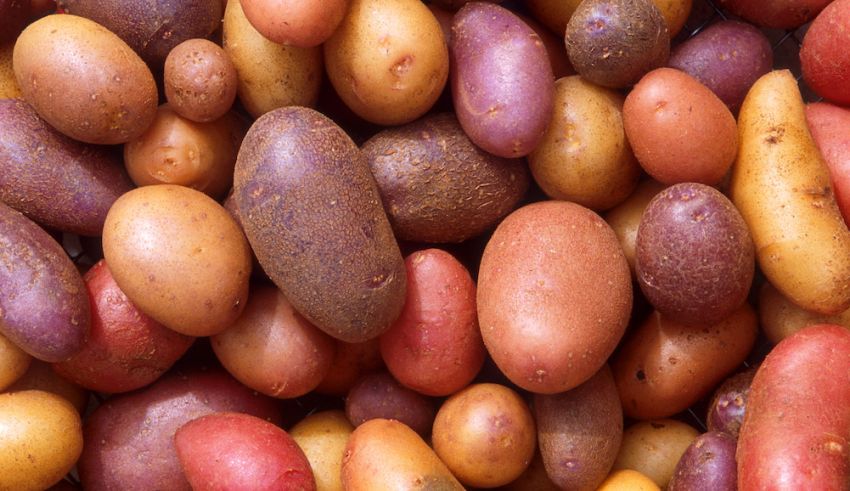
    The USDA Potato Breeding Research grant program supports potato (Solanum tuberosum L.) research and Extension programs that focus on varietal development and testing to create improved potato varieties for commercial production using conventional breeding and/or biotechnological genetics. Application deadline is May 18. For more information, read the Potato Breeding Research program funding opportunity.

  • Hass Avocado Board Introduces ‘BOLD’ New Class of Avocado Industry Leaders

    Hass Avocado Board Introduces ‘BOLD’ New Class of Avocado Industry Leaders

    A new generation of leaders has graduated from the Hass Avocado Board (HAB) Board Leadership Development (BOLD) program with specialized training and real-world experience that ensures a stronger future for the industry. The robust, year-long program exposes emerging leaders from across the supply chain to experts and resources essential to forming a well-rounded understanding of the business and being considered board-ready. Newly added experiential learning opportunities, like the two-day, in-person briefing with the United States Department of Agriculture (USDA) in D.C., exemplify how the program immerses participants into the complexities as well as opportunities to take the industry forward.

    “With the avocado industry booming at more than $7 billion in retail dollars, there is constant, dynamic change that requires leaders to have a big picture overview of all the relevant market forces influencing growth,” said John McGuigan, Director of Industry Affairs for the Hass Avocado Board. “The rising stars of BOLD Class 2 graduate with greater strategic vision, a stronger professional network and overall, more excitement and confidence to lead by serving on a board.”

    As supply strives to keep pace with avocado’s growing popularity, the strategic evolution of instruction and expansion of influential guest speakers is becoming one of the BOLD program’s signature qualities. The 2022-2023 curriculum kept its foundational deep dive into the rules of governance and financial and fiduciary responsibilities of board members at the University of California, Davis and added a trip to Washington D.C. to meet with USDA leadership. Through hands-on meetings with industry veterans, expert HAB staff and mentors with avocado board experience, participants take away from the program fresh insights and a broader perspective of what board service entails.

    Energized by their success in the program and ready to contribute more deeply within the avocado industry are the following graduates of BOLD Class 2:

    • Casey Evans Beltran, Producer/Importer, La Bonanza Avocados
    • Maureen Cottingham, Producer, Camlam Farms, Inc.
    • Caitlin Cunha, Producer/Importer, Del Rey Avocado
    • Hillary DeCarl, Producer/Importer, Del Rey Avocado
    • Elizabeth Flores, Producer/Importer, Mission Produce
    • Gwen Jackimek, Producer/Importer, Del Monte Fresh Produce N.A. Inc.
    • Osvaldo Magaña, Producer, Limoneira Company
    • Carlos Ignacio Valerio Medel, Producer, Fruitval S.A. de C.V.
    • Jeff Onstot, Producer/Importer, Westfalia Fruit Marketing USA
    • Jose Daniel Pardo, Producer/Importer, Westfalia Fruit Marketing USA
    • John Patrick, Producer/Importer, Eco Farms
    • LeighAnne Thomsen, Importer, Calavo Growers

    As the first and only professional development initiative for the Hass avocado industry, BOLD inspires fresh thinking and provides participants with a network of connections and resources to facilitate innovation, thought leadership and effective problem-solving.

    As Class 2 continues on their journey to make a difference in the industry, BOLD will welcome Class 3 in April. To learn more about the program and the benefits to the avocado industry, visit HassAvocadoBoard.com/bold-program.

    About The Hass Avocado Board

    The Hass Avocado Board (HAB) exists to help make avocados America’s most popular fruit. HAB is the only avocado organization that equips the entire global industry for success by collecting, focusing, and distributing investments to maintain and expand demand for avocados in the United States. HAB provides the industry with consolidated supply and market data, conducts nutrition research, educates health professionals, and brings people together from all corners of the industry to collectively work towards growth that benefits everyone. The organization also collects and reallocates funds to California and importer associations to benefit specific countries of origin in promoting their avocado brands to customers and consumers across the United States.

  • Blueberry Council Receives Foreign Registration in China

    Blueberry Council Receives Foreign Registration in China

    The U.S. Highbush Blueberry Council (USHBC) recently received approval from the Chinese government for its registration as a Foreign Nongovernmental Organization (FNGO).

    When USHBC initially launched its China program, we immediately began seeking this registration to comply with the “Law on Administration of Activities of Overseas Nongovernmental Organizations in the Mainland of China,” which was implemented by the Chinese government in 2017. USHBC’s registration approval comes after working with the U.S. State Department, the Embassy of the People’s Republic of China in Washington, D.C., and the Shanghai Public Security Bureau for more than a year-and-a-half to authenticate and submit all necessary documentation.

    By completing its FNGO registration, USHBC is now officially approved to conduct marketing activities in China. This milestone is an important step in USHBC’s China program development, and will allow us to ramp up promotional activities in the country. USHBC is excited about this next step in its China program and seeing how the market continues to develop for the industry. — U.S. Highbush Blueberry Council

  • Hass Avocado Board’s 2022 Year in Review

    Hass Avocado Board’s 2022 Year in Review

    Hass Avocado Board — The U.S. avocado industry faced several challenges in 2022, which kept markets, and marketers facing challenges with their customers and with consumers, that had not been seen in recent years. Despite increasing shipments from every source of supply, except one, the industry actually went backwards on supply directed to the U.S. market, and the ensuing shortage increased the pricing structure of the market in ways not seen in many years. In the end, producers certainly profited from the shortage of fruit, as grower returns were at the highest levels in history and were certainly a benefit to the producers, we all rely on. But the increased wholesale prices sent retail and foodservice prices into the stratosphere, and those pricing levels had impacts, both during the shortage, and subsequent to it. Let’s dig into the numbers.

    The big picture number, total volume in the U.S. dropped by almost 6% for 2022, compared to the volumes shipped in 2021.  Volume for the year came in at 2.677 billion pounds, compared to the historical mark hit in 2021 of 2.835 billion pounds. This shortage of volume was identified in early 2022 in the second half of the Mexican crop cycle that runs from July through June, and the recognition of the shortage sent markets skyrocketing in the early part of the year, and the pricing frenzy was on, and producers in all countries of origin scrambled to get fruit into this market. As stated above, every country of origin, with the exception of Mexico had higher volumes in 2022 vs 2021, California up almost 6%Chile up almost 80% from the previous short year, Peru up 46% for its highest shipment total to the U.S ever at 276 million pounds. And the newest player Colombia showed the largest percentage increase at over a 450% increase from 6.6 million to 36.8 million pounds in 2022. The Mexico shortage, coming on the heels of its largest crop ever in 2021, while not a total surprise caught many off guard. Mexico shipments were down, despite the fact that Jalisco was finally granted access to the U.S. marketplace by over 12%, from 2.378 billion pounds to 2.079 billion pounds, sending the market into the high price, lower volume scenario.

    The subsequent increase at retail shelf pricing was the result, as consumers faced an average increased fruit price at retail from $1.11 in 2021 to $1.30 in 2022 – an increase of 16.8%. Retail margins shrank, foodservice operators and distributors struggled to keep pricing in restaurants stable, and the market saw wholesale prices on 25 lb. boxes of fruit it had not seen in many seasons.

    All this in a market that was still shaking off the lingering effects of COVID, and the beginnings of inflation started to be felt by consumers, not just in avocado or food pricing, but across the board in most consumer goods. The whole industry felt the impact, some good for producers, and some bad for importers, sellers, and distributors. The industry made its way through the situation, but the market, and the increased retail shelf pricing was felt long after the new crops came on, and the slower velocity at retail was certainly impacted for longer than the shortage.

    This lower total volume backed per capita consumption backwards for the year, going from 8.6 PPC in 2021, down to 8.0 PCC in 2022. 

    These will certainly be the events that will be remembered for 2022. Not the increased visibility and emphasis on Sustainability. Not the increasing body of work we have in the nutrition space, and not the growing supply from the other countries outside of Mexico. No, it will be remembered as the “short year”, and all produce commodities have to deal with what Mother Nature gives us and play the market accordingly. But we will see what 2023 will bring, and keep our eye on the consumer, and see if we can put more volume through a system this industry has cultivated for the last 20 year.

  • Establishing Residue Decline Curves for Pesticides in Blueberries

    Establishing Residue Decline Curves for Pesticides in Blueberries

    The U.S. Highbush Blueberry Council (USHBC) has collaborated with Oregon State UniversityMichigan State UniversityAg Metrics Group and Synergistic Pesticide Laboratory, LLC to establish residue decline curves for pesticides that have no established Maximum Residue Limits (MRL) and MRLs that are lower than U.S. tolerances.

    The objective was to investigate the residual level of multiple pesticides at different consequential timings after application on blueberry, thus understanding their degradation ratio and speed for better application/harvesting strategies. These findings would in turn allow for the development of low residue programs that meet the low MRL standards.

    Specifically, research entities have applied 18 insecticides and 15 fungicides on highbush blueberries for three years in five growing sites (to account for variation in climate, varietals, and pest and disease vulnerability). Research entities sent samples to Synergistic Pesticide Laboratory LLC for chemical residue extraction and analysis over the span of three years.

    As a result of this research study, several insecticides and fungicides can be applied to blueberries for export markets that could not have been used previously. Read the full report and in-depth findings on each pesticide here. — By the U.S. Highbush Blueberry Council

  • New Appointments to U.S. Highbush Blueberry Council

    New Appointments to U.S. Highbush Blueberry Council

    The U.S. Department of Agriculture has announced the appointment of 28 members and alternate members to serve on the U.S. Highbush Blueberry Council (USHBC). Members and alternates will serve a three-year term ending Dec. 31, 2025. Four of the appointments are the exporter members and alternates whose terms will expire Dec. 31, 2024, to remain in the council’s nomination rotation.

    The 21-member council is composed of 12 producers, four importers, four exporters and one public member. Each member seat has a corresponding alternate seat. Members and alternates can serve up to two consecutive three-year terms.

    “The USHBC has an ambitious vision for the future of blueberries,” said USHBC President Kasey Cronquist, also president of the North American Blueberry Council (NABC). “With these newly appointed members of the council, we’ll be working together to inspire all the possibilities yet ahead for blueberries, while helping to ensure the future success and profitable returns back to our growers.”

    The newly appointed USHBC members are:

    California Producer: Doug LaCroix

    Florida Producer: Brittany Lee (formerly Florida Alternate)

    Georgia Producer: Tiffany Crosby

    Michigan Producer: Dennis Vander Kooi

    North Carolina Producer: Jimmy Horrell

    Importer #3: Ryan Lockman (formerly Importer #3 Alternate)

    Importer #4: Joe Barsi (formerly Importer #4 Alternate)

    Exporter #2 (CA): Mark Adams

    Exporter #3 (PE): Daniel Bustamante

    Exporter #4 (MX): Jose Luis Bustamante

    Newly appointed alternates are:

    California Producer: Bill Steed (formerly California Member)

    Florida Producer: Michael Hill

    Georgia Producer: Tammy Brannen

    Michigan Producer: George Fritz Jr. (formerly Michigan Member)

    New Jersey Producer: Chelsea Consalo

    North Carolina Producer: Kristen Johnson-Brinkley

    Oregon: Ellie Norris

    Washington Producer: Leif Olsen

    Importer #3: Andrew Maiman

    Importer #4: Bo Slack

    Exporter #2 (CA): Ray Biln (formerly Exporter #2 Alternate)

    Exporter #3 (PE): Jose Antonio Castro

    Exporter #4 (MX): Jose Guillermo Romo

    USHBC members who were reappointed are:

    New Jersey Producer: Paul Macrie III

    Oregon Producer: Doug Krahmer

    Washington Producer: Bryan Sakuma

    Importer #2: JC Clinard

    Reappointed alternates are: 

    Importer #2: Guy Cotton (formerly Handler member)

    Since 1966, Congress has authorized industry-funded research and promotion boards to provide a framework for agricultural industries to pool resources and combine efforts to develop new markets, strengthen existing markets and conduct important research and promotion activities. The USDA’s Agricultural Marketing Service (AMS) provides oversight to 22 boards. The oversight ensures fiscal accountability and program integrity and is paid for by industry assessments.

    About the U.S. Highbush Blueberry Council

    Established in 2000, The U.S. Highbush Blueberry Council (USHBC) is a federal agriculture research and promotion program with independent oversight from the United States Department of Agriculture (USDA). USHBC represents blueberry growers and packers in North and South America who market their blueberries in the United States and overseas, and works to promote the growth and well-being of the entire blueberry industry. USHBC was established by blueberry growers and currently has 2,500 growers, packers and importers. USHBC is committed to providing blueberries that are grown, harvested, packed and shipped in clean, safe environments. Learn more at ushbc.org.

  • Bringing Japanese Melon Varieties to the US

    Bringing Japanese Melon Varieties to the US

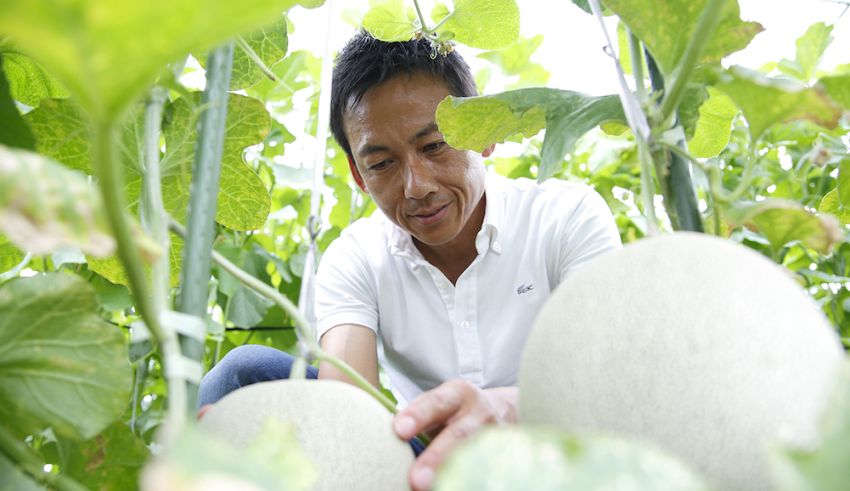
    The experimental fields of the Mount Vernon Northwestern Research & Extension Center are adorned this summer with Japanese melons that could one day fill the displays of grocery stores across the western United States.

    Eight varieties of Higo Green melon — a variation traditionally unique to Japan — are being evaluated at the Washington State University facility for their ability to grow in the Northwest as well as for their sweetness and texture compared to the market-standard variety of cantaloupe. This year’s melon trials follow up on experiments done last summer in which eight melon varieties were compared by size, texture, color and taste.

    After its flagship Higo Green melons came out on top in the eyes of tasters last summer, the Matsui Seed Co. Ltd. opted to further understand how long it would take for fruit of the new varieties to reach maturity in the northwest region of the U.S. and how they compare to other melons commonly found in grocery stores along the West Coast.

    The Matsui Seed Co. didn’t just stumble upon WSU as a partner for these trials. Its president, Kunihiko Matsui, is a WSU graduate who was passionate about working with his alma mater to help introduce new varieties to the U.S.

    “I really appreciate my time at Washington State University, as well as the experiences I had in Washington State and the United States,” Matsui said. “Without those experiences, I wouldn’t be here today.”

    From banker to melon breeder

    Matsui was born into a family with nine generations of agriculture experience in Japan’s Nara Prefecture. His grandfather, Kiichi Matsui, started the Matsui Seed Co. in 1952, driven by a passion for helping his country rebuild after World War II.

    While growing up, Matsui was often asked to review different varieties of melon being grown by his family, an experience that continues to pay dividends now as the president of the company, he said. It’s now Matsui’s children delivering their assessments of his company’s newest melon varieties.

    Prior to coming to the Palouse, Matsui graduated from Japan’s Chuo University with a degree in business. But after four years working at a major bank, he knew he wanted to do something different with his life.

    “When I was at the bank, some of my customers were fresh food delivery companies who distributed, watermelons and melons created by my father,” Matsui said. “I realized that this was my father’s product and our family’s business was producing the seeds for new varieties of melon. Just as my father transferred these new varieties through selling seeds to distributors, my father’s thoughts and philosophies were transferred to me, and I understand just what an amazing job this could be.”

    Matsui first traveled to Washington after joining an international program during his time as a university student, staying for one month with a host family in Snohomish County. Impressed by the weather and the people he encountered as well as WSU’s reputation as an agriculture school, Matsui left his job and traveled to the U.S.

    In the fall of 2002, Matsui enrolled at WSU’s Intensive American Language Center. He opted to study crop sciences and graduated with his bachelor’s degree in 2005. Steve Ullrich, an emeritus Crop and Soil Sciences faculty member, was instrumental in Matsui’s studies and path forward after graduation.

    “Just before I left the U.S., he told me that I should study from my father because even though I have the basic breeding knowledge, there is more to learn from my father,” Matsui said.

    The path back to Washington

    Upon returning to Japan, Matsui began working closely with his father as part of the seed company. The next several years were spent gaining insight on the complex and lengthy breeding process for different melon varieties. In Japan, melons are grown twice a year. Initially, Matsui said his knowledge of breeding better melons was lacking, and amounted to little more than growing and harvesting melons before cutting them up and tasting them.

    Eventually, Matsui’s father introduced him to a product development expert, who gave him clues on the key components to breeding better melons. Once he understood the balance of genetic and environmental factors, his eyes were opened to the possibilities.

    While in the United States, Matsui would often visit local farmer’s markets across the Palouse. The local farmer’s penchant for growing different kinds of crops not as commonly available in big grocery stores demonstrated that there was a wiliness among growers to try new things. Additionally, Matsui came to believe that American consumers are quite eager to try new things if they are available to them.

    These factors brought Matsui to pursue a path to bringing Japanese melon varieties to the United States. When it came to finding a partner to find out which types of melons grew best, he turned to his alma mater.

    “Washington is very close to the climate of northern japan, a similar climate,” Matsui said. “I know that there are places that are warmer and therefore better to grow, but I didn’t have connections in those places like I did in Washington and I wanted to use the connections I had to WSU.”

    Carol Miles, director of the WSU Mount Vernon Northwestern Washington Research and Extension Center (WSU NWREC), recalls telling Matsui about the challenges posed by doing melon trials at the Mount Vernon site.

    “The soil is quite a bit heavier here than eastern Washington, spring rains can cause planting delays, and soil and air temperatures are cooler, leading to melons taking much longer to reach maturity,” Miles said.

    Despite these challenges, Matsui wanted to press ahead, impressing Miles with his affinity toward the university.

    Srijana Shrestha is a Ph.D. gradate research assistant with Miles at WSU NWREC and leads the trials involving Matsui melons. On approximately a tenth of an acre, melon trials are conducted during the summer months, with last year being the first to include seeds provided by Matsui’s company.

    While Matsui’s melons took roughly 20% longer to reach maturity than Athena cantaloupe, a market standard, when they did, the resulting fruit were the highest rated by taste testers for their firmness and sweetness. To generate greater reliability in the results and drill down further into which type of melon is best for the western U.S., Shrestha is repeating the trials again this year with eight varieties of Higo Green melons, testing them against a new market standard variety, Infinite Gold.

    “Matsui  wants to test their best varieties for the U.S. because the plants perform very differently in Japan, and so it’s a matter of understanding how they grow here and how are they compare to varieties standard to American consumers,” Shrestha said.

    Once Americans taste the unique melon varieties of Japan, Matsui is confident they’ll come back for more.

    “Even though our varieties aren’t common commercially in the U.S., I believe the taste will be accepted in the U.S.,” Matsui said, “The taste will break through the market.” — 

  • Western Growers to Honor John D’Arrigo at the 2023 Annual Meeting

    Western Growers to Honor John D’Arrigo at the 2023 Annual Meeting

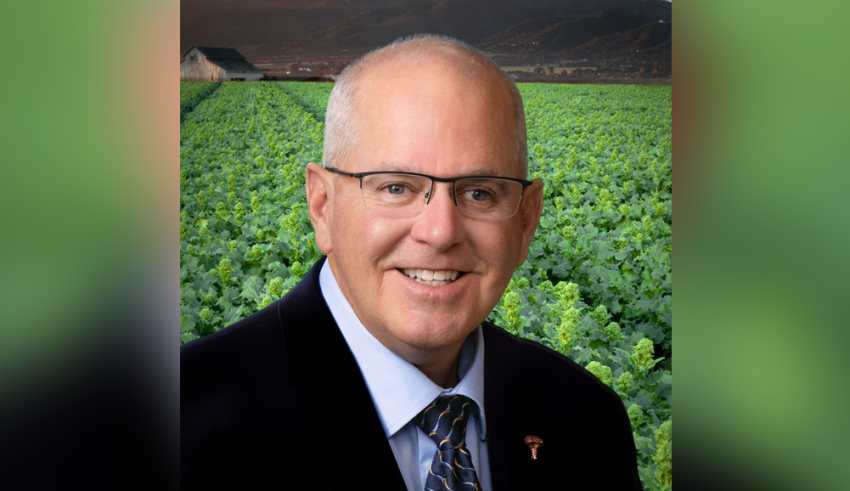
    During its quarterly Board Meeting, the Western Growers Executive Committee announced it will bestow D’Arrigo Bros. Co. of California CEO/President and Chairman of the Board John D’Arrigo with the 2023 Award of Honor. The Award of Honor is Western Growers’ highest recognition of achievement and is given to individuals who have contributed extensively to the agricultural community.

    D’Arrigo Bros. Co. of California is a vertically integrated grower, packer and shipper of fresh fruits and vegetables in California, Arizona and Mexico. John D’Arrigo, a third-generation farmer, began his farming career cutting and packing lettuce, loading celery and planting fields in the Salinas Valley during the 1970s.

    Under his leadership, D’Arrigo Bros. became pioneers in developing automated robotic harvesting equipment and drip irrigation systems.  In addition, the company is the largest, privately owned, net energy metered solar powered operator in Monterey County and recipient of the prestigious Clean Air Leader Climate Change Advocate Award from the Monterey Bay Air Resources District.

    “Some say that maintaining a family legacy is both a blessing and a curse, but in his years at the helm of D’Arrigo Bros., John D’Arrigo has opted not only to count his blessings but to also build upon them,” said Western Growers President and CEO Dave Puglia. “His pioneering innovations as a grower, packer and shipper are only matched by his dedication to lifting up those around him through his extensive charitable endeavors and advocacy to improve the lives and business opportunities for everyone in agriculture. John is widely admired for decades of support of his family, his company and his community. No less important to him and to our industry is John’s long and deeply engaged service on both the Western Growers Board of Directors and Western Growers Assurance Trust Board of Trustees. John D’Arrigo is among the most impactful leaders in our industry and is a natural selection to receive Western Growers’ highest honor at our annual meeting in November.”

    John served on the Western Growers Board of Directors for 28 years and as Chair in 2004. In addition, he served on the Western Growers Assurance Trust Board of Directors from 1997 – 2022.

    D’Arrigo was an inaugural appointee by the California Secretary of Agriculture to the board of the Leafy Greens Marketing Agreement (LGMA). He is a founding member and on the advisory council of the Yuma Center of Excellence for Desert Agriculture (YCEDA), an innovative public-private partnership with The University of Arizona to improve all aspects of desert crop production.

    He has been a supporter of the Breast Cancer Research Foundation; D’Arrigo California has donated over $2 million dollars to fund over 42,000 hours of breast cancer research. In 2010, John founded The Agricultural Leadership Council, known as TALC, which is dedicated to changing and saving lives of agricultural workers and their families at Natividad Medical Center.

    “Given my family’s three generations of involvement in Western Growers, this award is particularly meaningful for me,” D’Arrigo said. “I am humbled and honored to be joining my father, Andy, and the many legendary award recipients who have come before me. Together, we have built an industry we can be proud to leave to the next generation.”

    John and his wife Sandy have been married for 32 years; they have three sons: Christopher, Michael and Matthew.

    D’Arrigo’s achievements will be celebrated at the Award of Honor Dinner Gala at the Western Growers 2023 Annual Meeting at the Grand Hyatt Kauai Resort & Spa. The 2023 Annual Meeting will be held from Nov. 12-15, 2023. For more information about registration or to take advantage of sponsorship opportunities, please contact Assistant Vice President, Membership Kim Stuart at kstuart@wga.com.

    About Western Growers:

    Founded in 1926, Western Growers represents local and regional family farmers growing fresh produce in California, Arizona, Colorado and New Mexico. Western Growers’ members and their workers provide over half the nation’s fresh fruits, vegetables and tree nuts, including half of America’s fresh organic produce. Connect and learn more about Western Growers on Twitter and Facebook.

  • CA State Fair 2023 Extra Virgin Olive Oil Competition Winners

    CA State Fair 2023 Extra Virgin Olive Oil Competition Winners

    The California State Fair is pleased to announce the 2023 winners of the eighth annual California Commercial Extra Virgin Olive Oil Competition. A panel of 12 experienced sensory analyst judges gathered at the Cal Expo Fairgrounds in Sacramento on March 8 to swirl, sniff, sip, and analyze samples of olive oil from producers all over California. The annual competition celebrates the olive-growing and olive oil producing industries in California, and is open only to Extra Virgin and Flavored Olive Oils made from 100% olives which are grown, milled and packaged in California.

    This year 540 shining new bottles of extra virgin and flavored olive oils lined the cellar shelves at Cal Expo. Each of the 134 entries arrived with hope from their Producers that their care, expertise and hard work would result in a coveted Best of Show Golden Bear Trophy.

    California State Fair Extra Virgin Olive Oil Competition Head Judge Nancy Ash, an advocate for California’s olive oil industry since 1996, is the President of Strictly Olive Oil LLC. Ash enlisted the talents of an exceptional group of skilled and experienced judges, some with over 20 years of experience in the industry. Ash commented on the judging event, “The California State Fair Extra Virgin Olive Oil Competition is one of my favorite events of the year! It is an honor to work with this group of exceptional tasters. It is educational for us to taste the varied flavors produced from the many different varieties of olives grown in our great state. I appreciate that this competition supports California Agriculture, and the hardworking farmers and producers that contribute to our state’s olive oil industry.”

    Head Judge Nancy Ash

    The 2023 Best of Show Extra Virgin Olive Oil is a Coratina Olive Oil, by Olive Truck of San Francisco, CA. Olive Truck’s Coratina also won one of only 2 Double Gold Medals awarded this year. This is the second Best of Show award in a row for Sam Bayraktar, owner of Olive Truck. In 2022, he won the award for his Tuscan Blend. According to Bayraktar, “California has a number of olive oil producers that are working hard to put California on the world olive oil map by producing exceptional olive oils. I’m deeply happy to be a part of this effort. I am honored and grateful to have been named Best of Show at the California State Fair for the second year in a row.”

    The 2023 Best of Show Flavored Olive Oil is a Basil, co-milled, flavored oil by Sciabica’s California Olive Oil, of Modesto, CA. “My Family is honored to be awarded Best of Show! For me, the California State Fair Competition is the major league for California Olive Oil Producers,” said Jon Sciabica, owner of Sciabica’s California Olive Oil. “Winning here truly validates the hard work of our entire team!”

    This competition honors Olive Oil producers at all production levels. The Best California Extra Virgin Olive Oil by a Micro-producer Award (Less than 500 gallons annually) was awarded to a Picual by Rio Bravo Ranch of Bakersfield, CA. The Best of California Extra Virgin Olive Oil by an Artisan Producer Award (between 500 and 5,000 gallons annually) was awarded to a Coratina by Olive Truck of San Francisco, CA. The Best of California Extra Virgin Olive Oil by a Large Producer Award (more than 5,000 gallons annually), went to a Taggiasca by Séka Hills of Brooks, CA.

    During the 2023 California State Fair, July 14 – 30, fair guests will enjoy an exhibit featuring award-winning flavored and extra virgin olive oils, with free tastings, and the opportunity to purchase olive oil directly from award-winning California producers.

    A complete listing of award-winning California Olive Oils and competition information can be found on the California State Fair website at CalExpoStateFair.com/California-Commercial-Extra-Virgin-Olive-Oil

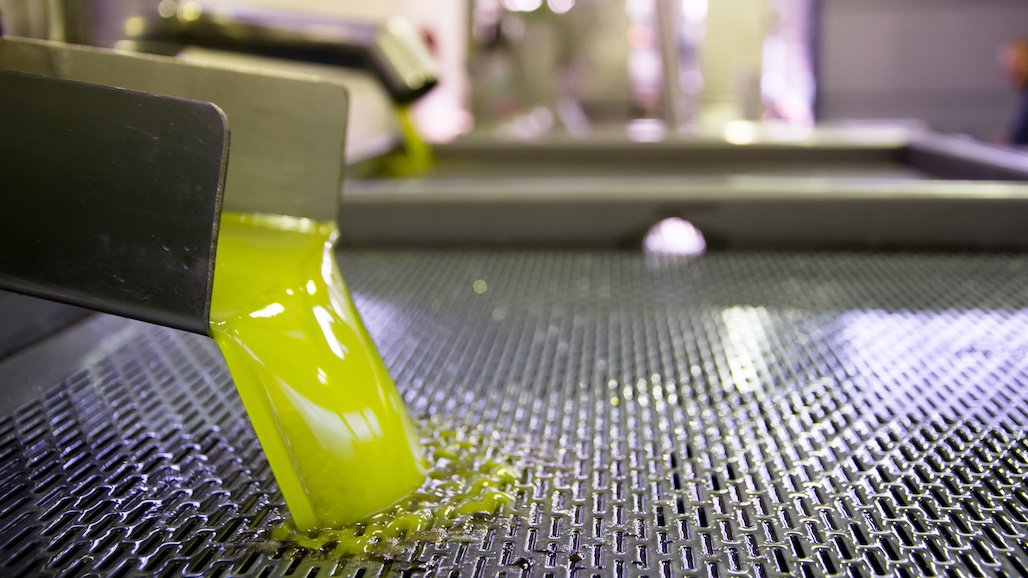
    Olive oil being poured


    About the California State Fair

    The California State Fair is an international award-winning fair, receiving top honors at the International Association of Fairs and Expositions out of more than 1,100 fairs world-wide. The California State Fair is dedicated as a place to celebrate the best the state has to offer in agriculture, technology, and the diversity of its people, traditions, and trends that shape the Golden State’s future. The 2023 State Fair will include a comprehensive set of competitions, including California’s best commercial wines, cheeses, craft beers, cannabis, olive oils, and fine arts, among others.