Growers are now spending an average of $500,000 a year on automation in response to the persistent ag labor shortage, according to the Specialty Crop Automation Report released today and commissioned by Western Growers.
This is the second year the Specialty Crop Automation Report has been released by WG in collaboration with consultants at Roland Berger. The report, which tracks and measures industry progress in harvest automation across the fresh produce industry, is part of WG’s Global Harvest Automation Initiative, which aims to accelerate ag automation by 50 percent in 10 years.
“This year’s report takes a deep dive into some new areas: The European market, Controlled Environment Agriculture, and the innovator’s side of automation,” said Walt Duflock, VP of Innovation at WG. “We found progress from a fundraising and traction perspective in key areas like weeding, spraying and harvest assist – and less progress in other key areas, notably harvest.”
Among the report’s findings:
Around 70 percent of participating growers indicated that they had invested in automation in 2022, with an average annual spend of $450,000-$500,000 per grower. This shows a considerable increase since last year when average investments in automation were around $350,000 to $400,000 per grower per year.
Most progress was made in the weeding and harvest assist segments; market-ready solutions are able to meet grower economic targets and alleviate key challenges, such as lack of labor availability. Growers reported ROIs for weeding solutions of less than one to two years depending on the type of crop and technology used.
Growers want more trained agtech personnel, with 50 percent indicating that they had internal employees who dedicated the majority of their time to the integration of automation investments. This suggests that the process of elevating and upskilling the agriculture workforce is well underway.
The time it takes to build automation solutions is getting shorter and the costs are getting smaller thanks to overall advances in robotics and nonagriculture fields that benefit agtech startups, as well as the increasing talent pool that agtech startups are able to add to their teams.The Specialty Crop Automation Report is available for download by clicking here.
About Western Growers:
Founded in 1926, Western Growers represents local and regional family farmers growing fresh produce in California, Arizona, Colorado and New Mexico. Western Growers’ members and their workers provide over half the nation’s fresh fruits, vegetables and tree nuts, including half of America’s fresh organic produce. Connect and learn more about Western Growers on Twitter and Facebook.
Nearly 500 people with a professional stake in the safety of fresh fruits and vegetables consumed worldwide will gather at Sherwood Hall in Salinas on May 3-4 for the 18th Annual Western Food Safety Conference.
The conference will be held at Sherwood Hall at 940 N. Main St., in Salinas, and will focus on the theme, “Food Safety: The State of the Industry” through speakers, intensive dialogue and education concerning how to keep consumers safe and maintain their confidence.
The conference will provide participants with current produce safety information, research, and regulatory developments in the fresh produce industry that they can apply to today’s environment. The event features industry-leading scientists, executives, and professionals for the latest science-based industry information and networking opportunities. Speakers and panelists include experts in water quality, data science, sustainable agriculture and state and federal regulation.
The May 3 keynote speaker will be William (Bill) Marler, attorney and national expert in food safety with Marler Clark, The Food Safety Law Firm. The May 4 keynote speaker will be Karen Ross, secretary of the California Department of Food and Agriculture.
Topics for the 2023 conference include:
FDA Field Sampling
Rethinking Recalls and Communication in the Supply Chain
Registration fees and sponsors’ support in 2022 helped raise $15,000 for scholarships for Hartnell College agricultural students, adding to more than $100,000 previously shared as a result of the conference.
The Western Food Safety Conference is committed to the inclusion of people with disabilities participating in the event. Online activities are designed to be accessible, meeting the Rehabilitation Act (Section 508). If a person with a disability is requesting reasonable accommodations due to a disability to participate in the event, requests need to be sent to Hartnell College Foundation, (831) 755-6702. Requests for disability accommodations received three business days in advance of the event will be given priority, although an attempt to fulfill all requests will occur.
Celebrating the theme “Thistle be Fun,” the 63rd annual Artichoke Festival takes place June 10-11 at the Monterey County Fair & Event Center, with online ticket sales now available.
The 2023 festival will feature a wide-ranging variety of entertainment, including the popular Chef’s Demo, a farmers market, live music, wine tasting, NEW this year a Saturday Night comedy show, and a quilting challenge.
Following is this year’s lineup, with information about tickets: who wish to sign up should contact joaquin@harmony-at-home.org.
Comedy show
A new event this year is a Saturday night-only standup program called “Thistle Be Funny Comedy Show.” It features comics K-Von at 6:30 p.m., and Jose Sarduy at 8 p.m. The festival offers a special Comedy Combo discount package (two festival tickets, two comedy show tickets, two Saturday wine tasting passes) for $170 plus processing fee. A standalone comedy ticket is $40 for adults only, must be 18 and over.
Doors open to all comedy show guests at 6 p.m., with the entry for festival attendees at the Monterey Room east entrance. Entry for non-festival guests is at the Monterey Room street entrance, on Fairground Road. Remember, children are not allowed inside the Monterey Room for this event. Participants must show a valid ID to enter.
K-Von could be the most famous half-Persian comedian in the world. Millions have seen his appearances on Netflix, NBC’s ‘Last Comic Standing’, and his popular TED Talk that introduced him to a global fanbase. He is the author of the book “Once You Go Persian,” a funny detailing of his upbringing and how he got into comedy.
Jose Sarduy takes audiences on the rollercoaster ride that’s been his life. Born in Cuba and deported because of his father’s political prisoner status, he came to the U.S. at a young age. Growing up with a hard working, and always quirky Cuban family brought loads of funny moments. A graduate of the U.S. Air Force Academy and former officer in the Air Force, Sarduy is also an accomplished aviator and war veterans.
Chef’s Demo
Currently five chefs have confirmed participation for the Chef’s Demo in the Seaside Room, including Chef Brandon Miller of Paella LLC, who will open the demos at 12:30 p.m. on Saturday and Sunday, June 10-11. He will offer recipe inspiration, tips and tricks for cooking artichokes, as well as samples and small bites to enjoy.
In addition, Kevin Fisher from Sea Root at Hyatt Regency Monterey Hotel & Spa will return to the stage at 1:30 p.m. Sunday, June 11. Chefs Ivan Guadarrama from Tarpy’s and Chef Luis Osorio from Rio Grill will also be back for a second year performing demos at 1:30 and 3 p.m., on Saturday, respectively. More chefs are expected to be announced by festival organizers.
Live on the Main Stage
Free with festival general admission, the festival’s lineup of live music Saturday June 10th features the John Michael Band at noon, followed by Wild at Heart at 2 p.m. and Mustache Harbor hardcore soft rock band at 4:30. Sunday June 11th The Chicano All-Stars will start at 12:30, with Shane Dwight appearing at 3 p.m. Also on the Main Stage will be volunteer awards at 11:30 a.m. Saturday, an artichoke-eating contest at 3:30 p.m. Saturday and 2 p.m. Sunday, and a canasta contest at 4 p.m. Saturday and 2:30 p.m. Sunday.
John Michael Band formed in 2010, and features the following: guitarists Dylan Rose, Markus Yamamoto, D.B Walker, Patrick Golden, Vinny Johnson and 17-year-old Becca Kachman; drummers John Brearton, Keith Wieland, Keith Graves (played with Starship, The Tubes and Quicksilver Messenger Service), Tim Burke, Ric Williams, Craig Underwood; bassists Tiran Porter (Doobie Brothers) David De Silva, Ryan Price, Avey Gonzalez, Chuck Pagano. An upbeat and versatile band playing rock, funk, soul, blues and reggae, they perform all over the Central Coast.
Wild at Heart holds a reputation as one of the Central Coast’s premier country/classic rock music, dance, party and show bands This dynamic band includes Lisa Kincad (lead vocals), Sam Nilsson (lead guitar and vocals), Jack Aiello (percussion), Eric Rowe (keyboards and vocals) and Jon McClean (bass guitar). They play everything from RnB and folk-Americana to electronica and synth-pop.
Shane Dwight is a critically acclaimed blues maverick best known for his hit song “No One Loves Me Better,” out on Red Parlor Records. He is known for blues, rock, soul, country and a little bit of hip-hop that shows his California roots. Shane grew up on a ranch in Morgan Hill. His musical roots were FM radio, Album Oriented Rock artists. He has performed over 3,500 shows over the past 20 years, headlining at some of music’s most significant events, including Beale Street Festival, Portland Waterfront, Reno Blues Festival and Legendary Rhythm and Blues Cruise.
Known as a Mustache Harbor hardcore soft rock band, has thrilled audiences across the country with their spot-on renditions of the smoothest music from the 1970s and ’80s. The group performs with the highest level of musicianship and state-of-the-art sound and lighting.
The Chicano All Stars, led by Sam Martinez (lead vocals, guitar and percussion), The Chicano All Stars have established themselves as one of Monterey’s local legends as a favorite dance band and has been quoted to be the top Latin Rock band in the area. The band was voted the Monterey County Herald Reader’s Choice “Best Local Band” Award for 2019. They have had the pleasure of performing and sharing the stage with such names as: Los Lobos, Tierra, Malo, Tower of Power, El Chicano, La Sonora Dinamita, Jorge Santana, Brenton Wood, Eddie Money, The Turtles, Ramon Ayala, Los Tucanes, Sista Monica, The Delfonics and The Intruders.
Wine tasting
Pouring of quality wines from around the state begins at 11 a.m. and ends at 5 p.m. Saturday, and 11 a.m. to 4 p.m., on Sunday. A raffle drawing for a barrel of wine takes place at 2 p.m., on both days.
A one-day Wine Tasting Pass for one adult (does not include general admission) costs $30 (plus $3.85 online fee), with onsite purchases $40. Pouring stops one hour before festival gates close.
Participants must show a valid ID to enter the wine tasting room, and no children are allowed.
Quilt Challenge
The fourth annual Artichoke Festival Quilt Challenge invites fabric artists to win prizes and show off their quilting talents in two categories. The Judge’s Choice winner gets a $250 cash prize.
With the help of the Valley Heritage Quilt Guild from King City, the Quilt Challenge has been a resounding, creative success.
Farmers Market
Some claim this to be the “crown jewel” of the Artichoke Festival. Where else can you shop for the best locally grown, hand-harvested fresh vegetables at amazingly low prices? The farmers market includes artichokes in a variety of sizes, lettuce, spinach, cauliflower, onions, berries, peaches, apricots, plums, and so much more. The market is open Saturday and Sunday in the Salinas Room, at the festival grounds.
Ticket information
The Artichoke Festival sells a variety of ticket packages available online here. The popular Family Pack includes general admission for two adults and two children, good for one day only, with the cost $50 (processing fees).
The special It’s A Date package costs $90 (processing fees.) and includes general admission for two adults (21-over), plus two wine tasting passes. The festival also offers special rates for seniors, children and military. Parking passes are available for $15 an $20. There are no refunds.
All guests will be required to comply with current CDC, California Dept of Public Health and Monterey County public health guidelines regarding safety protocols. A clear bag policy will be enforced, with clear bags available for sale on the website store and at the gates.
California’s artichoke history began in 1922 when the first artichoke shoots were planted in Castroville. Today, more than nine decades later, nearly 100 percent of America’s fresh artichoke supply is grown in California and nearly two-thirds is grown in the small town of Castroville. The first Artichoke Festival was held in 1959 under the sponsorship of the Marinovich Marching Units, with the assistance of the Castroville Rod and Gun Club. In 1961 it was a joint venture of the Marinovich Marching Units and the Castroville Chamber of Commerce to produce a larger festival, and Sally DeSante was chosen as the first Artichoke Queen. In 1963, 1964 and 1965 it was solely sponsored by the Castroville Chamber of Commerce under the direction of the Artichoke Festival Board with Bill Price, one of the originators of the festival idea. In 1994 the Artichoke Festival became a non-profit and became the sole producer of the Artichoke Festival. The festival is currently held at the Monterey County Fair & Event Center, 2004 Fairground Road, Monterey.
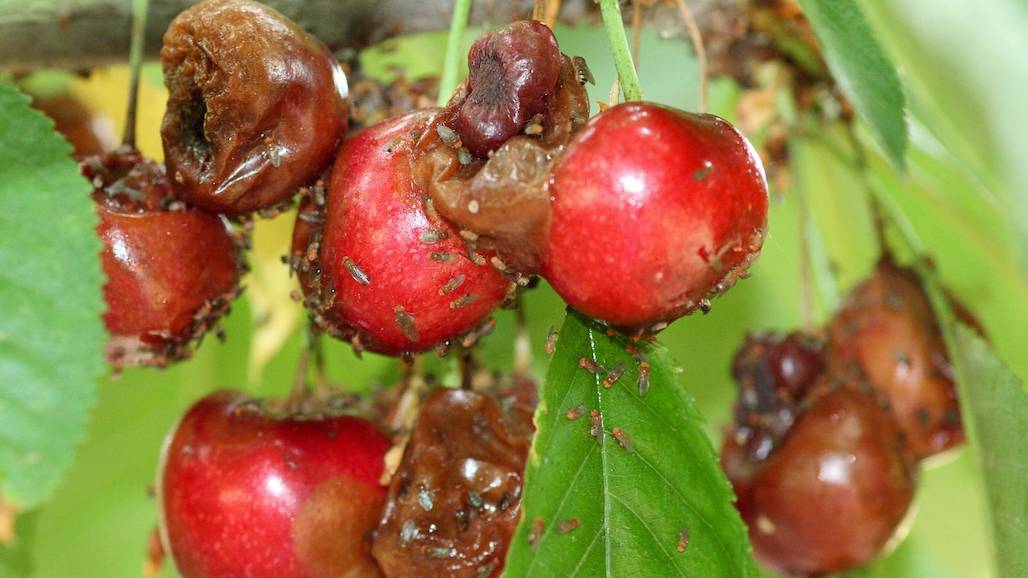
Spotted wing drosophila (SWD), a small fly native to Asia that first appeared in Michigan in 2010, isn’t like most pests. Populations of crop-damaging insects tend to have distinct generations. Not SWD. Several generations overlap and build through the year, attacking vulnerable agricultural crops and wild plants. The situation has created a major challenge for the Michigan berry and cherry industries.
Spotted wing drosophila in the lab.
Rufus Isaacs, a professor in the Michigan State University Department of Entomology, was one of the first to discover the pest in the state 13 years ago. While researchers didn’t know much about SWD then, they’ve had to get up to speed quickly.
Rufus Isaacs, professor of entomology at MSU.
“SWD is so destructive because it can insert eggs into ripening fruit,” said Isaacs, whose work is supported in part by MSU AgBioResearch. “Larvae can be present in harvested fruit, which can be a big problem for producers. It is also able to reproduce so quickly to build up the population, and it can infest wild fruit outside of farms, creating a reservoir population that continually invades crop fields after they’re treated.”
After hearing about SWD arriving in California in 2008 and then being detected in Florida in 2009, concerns began to mount.
“Shortly after SWD was found in Florida, I went to a conference in Oregon where we discussed measures we may need to take to get ready for the pest,” Isaacs said. “We expected it would be in Michigan before too long.”
Sure enough, Isaacs was right. He received a grant from Project GREEEN — a partnership among MSU AgBioResearch, MSU Extension and the plant agriculture industries of Michigan — in 2010 to monitor for SWD. Isaacs worked with members of the MSU Fruit Team to set small plastic traps with holes that were filled with a cider vinegar lure.
In late 2010, SWD was collected from a site in West Michigan. At that point, the difficult work began and persists today. Research in Isaacs’ lab has been performed in partnership with mostly blueberry and raspberry growers.
The team has tested already-registered pesticides to determine their efficacy, as well as non-chemical controls such as pruning, mulching and physical exclusion methods, where growers place netting around and on top of crops as they begin to ripen.
As a result of this research, online resources have been created to assist growers with SWD identification, pesticide timing and other management strategies.
“We want to ensure we’re responsive to grower needs, first and foremost,” Isaacs said. “That’s why the pairing of research and grower education programs through MSU Extension is so valuable to our team.”
Dennis Vander Kooi, a blueberry grower and owner of Woodland Enterprises Berry Farms in Zeeland, Michigan, and his family have been working with MSU researchers for many years. He is also a board member of the Michigan Blueberry Commission (MBC), helping to set research priorities for the industry.
“Rufus is one of the nation’s leading researchers on this issue, and we’ve worked with others at MSU as well,” Vander Kooi said. “He’s run several experiments on our farm, and we’ve learned a lot from them. The MBC has supported this work and will continue to in the future as we look for effective ways to manage this pest.”
Vander Kooi said the blueberry industry is undergoing a rejuvenation in Michigan, adopting newer genetics and planting varieties that meet the demands of today’s consumers. This, in conjunction with SWD, makes it a critical time for growers as they look to protect an industry that contributes nearly $132 million to the state’s economy, according to the Michigan Ag Council.
“With the creation of the MBC in 2017, we got the opportunity to start advocating for more dollars for research, and MSU has been instrumental in that,” he said. “To date, we’ve supported more than $390,000 worth of research, much of that going to MSU, and leveraged an additional $600,000 in other funding.”
In addition to the MBC, Project GREEEN has been a significant supporter of Isaacs’ SWD efforts, along with state funding through the Specialty Crop Block Grant program and national projects funded by the U.S. Department of Agriculture (USDA).
Assessing biological control options
One of the primary challenges for scientists is focusing on immediate grower needs while also investigating long-term management tactics. It’s a monumental task to balance both simultaneously.
Marianna Szucs, assistant professor of entomology at MSU.
Alongside Isaacs, Marianna Szucs, an assistant professor in the Department of Entomology, has been exploring biological control to reduce populations in the long run. As she noted, when SWD came to the U.S., its natural predators did not.
“Anytime there is introduction of an invasive pest, one of the main issues is that the new landscape doesn’t have natural enemies for it,” she said. “They don’t come with the pest, and the native insects in the new place aren’t equipped to deal with it right away. What we wanted to know is if we exposed parasitoid wasps native to Michigan to SWD, would they begin to see them as a food source?”
A parasitoid insect lays its eggs in or on a host insect, and the developing larvae consume the host until it eventually dies.
Szucs and her team chose two parasitoid wasp species commonly found throughout North America. Researchers initially saw that attack rates in the wild were quite low, and the ability of native species to rapidly adapt to a new food source was unknown. In the lab, the parasitoids were exposed to SWD and forced to prey on them.
Within three generations of selection from a small number of parasitoids — 30 wasps or fewer — successful parasitism improved by 259% for one species and 88% for the other.
“Obviously this is an artificial scenario because we only gave them one option, and in the wild they only attack something if they know to do it,” Szucs said. “But this was a novel way to show that there is some potential to raise native parasitoids and influence their fitness to attack SWD.”
Besides improving native species, the other biological control option is to introduce natural predators. That’s what an MSU team including Isaacs has done with the samba wasp, which is native to Asia. After years of testing and applying for permits, the USDA Animal Plant Health Inspection Service and Michigan Department of Agriculture and Rural Development (MDARD) approved the release of the samba wasp in SWD-threatened locations.
The samba wasp detects already-infested fruit and targets the smallest stages of SWD larvae. Laying its eggs inside its host, the growing samba wasp feeds and ultimately kills the larvae, emerging as a wasp in roughly a month.
The team will continue to evaluate the wasps’ success in the coming growing season, as well as assessing the ability to survive Michigan winters.
“Hopefully they’re able to survive the winter and the populations are robust enough to be successful next year,” Isaacs said. “We don’t expect results right away, but this is a long-term project for us to determine if this can help reduce the need for insecticides and other management strategies moving forward.”
‘Perfect conditions for SWD’
The northwest portion of Michigan’s Lower Peninsula is world renowned for its cherry production. Growers in the Great Lakes State are responsible for 70% of the U.S. supply of tart cherries, about 80% of which are grown in the northwest Lower Peninsula. But the industry is under siege from a variety of sources, from invasive pests and climate change to competition abroad.
SWD, however, has hit the industry particularly hard. Nikki Rothwell, the coordinator of the NWMHRC and fruit specialist with MSU Extension, said this challenge affects every Michigan cherry grower.
Nikki Rothwell, coordinator of the Northwest Michigan Horticulture Research Center.
“If an orchard starts with 100 flies in mid-June, and each female can lay 300 eggs each week, even the best growers with the best programs have a hard time controlling millions of flies,” she said. “Plus, cherries are so attractive that it’s hard to monitor the populations once the fruit get ripe, which makes it hard to make good management decisions based on traditional trapping and integrated pest management strategies we’ve successfully used with other pests.”
One of Rothwell’s initial studies showed that tart cherries create the optimal conditions for SWD. While the flies leave most cropping systems during the day to avoid the hot sun, tart cherry canopies provide a cool layer of protection for them to mate and infest fruit. She found that simply pruning the trees and keeping grass clipped helps immensely.
“We did a pruning study in which we removed different numbers of branches and found that if you remove six to 10 branches in a tart cherry canopy, you can reduce SWD infestation by 40% even without insecticides,” Rothwell said. “We also showed that mowing grass short between tree rows reduced infestation.”
Recent research includes modeling SWD in cherries. Rothwell hypothesized that flies seem to be in the orchard at all times during the summer and begin to lay eggs suddenly. She believed flies were present and waiting for the right time to infest ripening fruit.
To better understand this timing, Rothwell and her team have monitored tart cherries as they ripen over the course of the growing season and brought fruit back to the lab. There, they look at when flies begin infestation. Using this information, the team is producing a model for growers that will more precisely indicate ideal timing for pesticides and other management techniques.
“We’re refining the model now, but we’re hoping to have something soon that growers can use,” Rothwell said. “The industry really depends on MSU to help work through this problem.”
Rothwell’s work has been supported by the Michigan Cherry Committee, MDARD, Project GREEEN and the Foundation for Food and Agriculture Research. — By Cameron Rudolph, Michigan State University
Westfalia Fruit, the market leader in growing, ripening, handling, and distributing quality avocados, announces the start of its 2023 GEM® avocado season, expecting a strong supply of fruit from mid-April through mid-July.
Westfalia Fruit US is excited to present the GEM® avocado to the United States market. GEM is a gourmet avocado that Westfalia holds exclusive marketing rights in Africa, the EU, and many other regions of the world. GEM® is truly a unique avocado with gold-flecked skin and a creamy, buttery texture. It is a larger piece of fruit with a slightly nutty flavor. GEM® is a gourmet avocado that will elevate the avocado category.
“The GEM® avocado has an exceptional flavor profile and is the darling of chefs, home cooks, and foodie fanatics alike,” said Raina Nelson, President/CEO Westfalia Fruit Marketing USA LLC. “Westfalia Fruit has successfully and exclusively marketed the GEM® in key markets across the globe to create a best-in-category avocado that drives consumers to a new avocado destination. We are excited to launch similar programs here in the U.S. and build upon the global GEM® successes we’ve designed with world class retailers.”
Westfalia Fruit US’s GEM® program will be supplied with California fruit but the variety is abundantly grown in other areas of the world like South Africa. The GEM® avocado is a sustainable cultivar with its high yield of fruit on compact trees that are protected from harsh environmental elements under a plush tree canopy. The post-harvest fruit quality is tremendous, and the fruit is hand-plucked at peak ripeness to deliver delicious fruit to consumer’s plates.
“We anticipate a healthy season for the GEM® variety this year. We are enthusiastic to build dazzling customer programs to drive GEM® awareness with consumers through innovative and proven methodologies that make avocado programs shine,” shares Nelson.
Westfalia markets prime-quality, ready-to-eat avocados across the globe through its vertically integrated supply chain as well as its technical and commercial expertise. Westfalia is committed to producing safe, exceptional quality food, all while ensuring sustainable, ethical, and responsible management of its bio-resources and the communities and environments across the globe.
Established over 70 years ago, Westfalia Fruit Group is a global, vertically integrated company and market leader in growing, ripening, processing, shipping, and distributing the product. The company is committed to sustainability by developing a thorough strategy, which prioritizes the environment, local economies, and most importantly, their people. Westfalia Fruit Group is devoted to producing safe, high-quality food whilst ensuring the sustainable and responsible management of its bio-resources, communities and environment in which they operate. The company is the global leader in varietal and root stock development, protecting the produce industry, now and for the future. To learn more about Westfalia Fruit Group, visit www.westfaliafruit.com/.
Ocean Mist Farms, the leading grower and marketer of fresh artichokes in North America, announces the launch of its annual spring promotion conveying the health and nutrition benefits and accolades of their famous Gold Standard artichokes. The Gold Standard Giveaway will run from April 24 – June 1, giving participants the opportunity to win one Grand Prize VISA gift card valued at $1,000 or one of five VISA gift cards valued at $100.
With this promotion, Ocean Mist Farms is highlighting their artichoke expertise to ensure their trade partners are aware of all that goes into the Gold Standard distinction, as well as shine a light on the exceptional nutritional qualities of fresh artichokes.
“Throughout each year, we are proud to share our Gold Standard artichokes,” said Mark Munger, senior director of marketing at Ocean Mist Farms. “Ocean Mist Farms artichokes are THE Gold Standard for providing immune-boosting nutrition and a top source of fiber, with one whole cooked artichoke packing nearly 7 grams of fiber — about a third of the daily minimum target. Thissuperior nutrition profile, coupled with Ocean Mist Farms rich legacy and artichoke expertise, bring the Gold Standard to your produce department.”
For nearly 100 years, Ocean Mist Farms has cultivated premium quality artichokes – including many patented proprietary varieties – in the coveted microclimate and nutrient-rich soil of Castroville, CA. This is home to Ocean Mist Farms’ spring artichoke production, with the heaviest supply production being in April.
Decades of farming proficiency and excellence, coupled with their exceptional harvesting practices and land stewardship, further define this brand as worthy of the Gold Standard designation. Ocean Mist Farms is supporting retail sales for the Gold Standard promotion with a variety of marketing activations.
On-pack messaging will reinforce shopper awareness of Ocean Mist Farms branded artichokes and their Gold Standard commitment. The brand will also drive visitors to the artichoke nutrition webpage and encourage shoppers to purchase artichokes at their local grocery store with the help of their Destini locator tool found on www.oceanmist.com.
About Ocean Mist Farms
Ocean Mist Farms, a fourth-generation family-owned business located in Castroville, CA., and the largest grower of fresh artichokes in North America, is committed to delivering the highest standards in the industry for food safety, product quality, customer service, innovation, and sustainability. The company’s full line of over 30 fresh vegetables includes the award-winning Season & Steam line. To stay up to date on the 2023 artichoke season, follow Ocean Mist on Instagram. To learn more about Ocean Mist Farms, visit https://www.oceanmist.com/. For recipe inspiration and preparation tips, follow the brand on Facebook,Instagram,LinkedIn and Twitter.
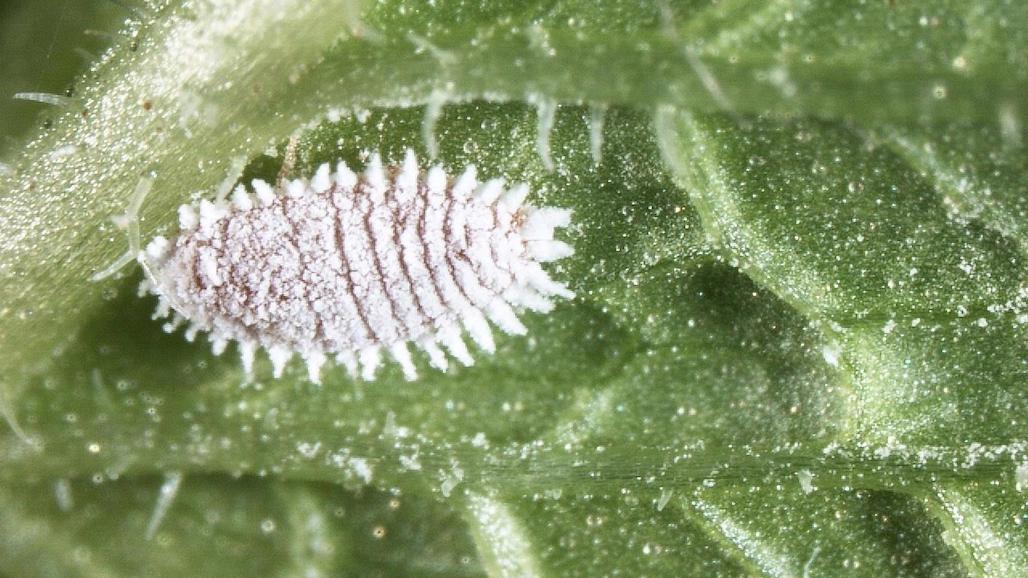
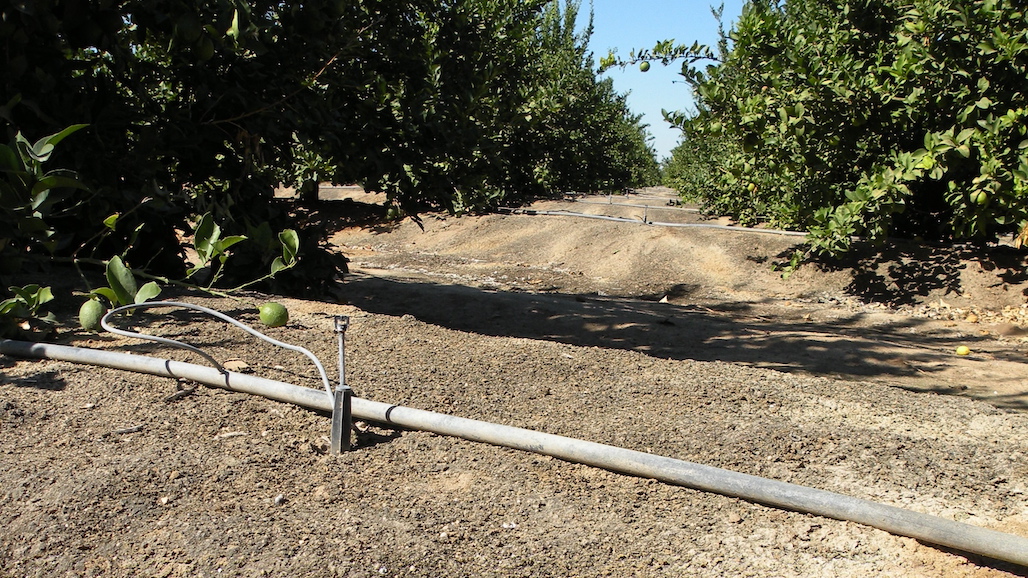
To teach PCAs about citrus mealybug (an emerging concern for citrus growers) this field day will focus on lectures on pest identification and biology, scouting/monitoring, and management, lecture on ant control. With this knowledge, PCAs can monitor the fields for mealybug infestation and develop informed management strategies. Attendees will receive instruction from Sandipa Gautam and David Haviland from the UC Cooperative Extension. The field day will take place in a citrus block in Ivanhoe, CA. Growers can register to attend by April 21 HERE, or by emailing sangautam@ucanr.edu. Attendees should bring a 10x hand lens. An email will be sent out with a location ping to registrants 1-week prior to the event. 3 hours of Other Continuing Education Units are pending approval with CDPR.
AGENDA
8:00 a.m. Registration: Ivanhoe citrus block
8:30-9:30 am
Introduction: The citrus mealybug problem and best management practices (chemical, biological).
Seasonal phenology and monitoring males using pheromone lure (Georgina Reyes)
9:30 am: Sugar-feeding ants and their management in orchard systems
10:15 am: Microscope time: Identification of mealybug stages, and parasitism.
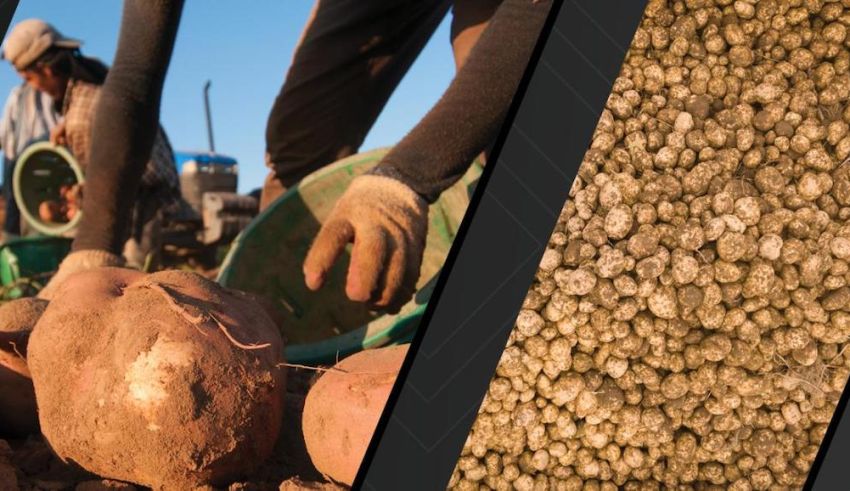
Potato chips are America’s classic snack: crunchy, salty, greasy and tasting of potato or flavored with sour cream, vinegar, BBQ, maple bacon or Cajun dill. It shouldn’t be a surprise that Americans eat more potato chips than any other nation; more than four pounds a person a year, according to Potatoes USA. About 22 percent of the U.S. potato crop—nearly 7,500 million pounds annually—are made into chips. Consumers spend more than $7 billion dollars buying potato chips at retailers. And USDA’s Agricultural Research Service helps ensure that the country always has the perfect potato for frying into chips.
ARS’ potato breeding program has already produced some major winners in the potato chip category. One is Atlantic, a variety ARS developed and released in 1976, that remains the number two chipping variety in the United States.
But potato producers have been ready for an Atlantic replacement for years. Atlantic is vulnerable to internal heat necrosis, where darker spots or flecks form in the flesh of the potato particularly in sandy soils during warm, dry seasons. It is also susceptible to Hollow Heart, a condition in which a hollow depression forms in the center of the potato when moisture levels are very uneven while the potatoes are growing.
Every year, scientists in the ARS potato breeding program make thousands of chipping potato crosses with an eye to improving not only disease and pest resistance, but also achieving perfect potato chip color and proper sugar levels, good storage ability and a whole host of superior agronomic traits such as yield, time to harvest and tuber size.
Novy has a very promising new chipping potato in the pipeline at Aberdeen, known right now as A13125-3C, which is showing much potential in Idaho and in the National Chip Processing Trial (NCPT). ARS participates alongside universities and industry in the NCPT, which is run through Potatoes USA, to test potatoes simultaneously at sites all over the country.
A13125-3C won’t get a catchy variety name until after it successfully completes several years of trials and then goes through a tissue culture process to remove any viruses and bacteria to allow the production of certified seed for producers.
“By sharing access to germplasm and testing nationally, you can more quickly identify candidates having variety potential for the chipping industry,” Novy said. “Such a program helps regional chip companies to identify promising new potato varieties for their production of chips.”
Across the country from the Aberdeen lab, ARS Plant Research Geneticist Paul Collins in Orono, Maine, is concentrating on breeding chipping potatoes with better disease resistance for eastern potato growers. One major focus is potatoes that can better withstand Late Blight, a fungal disease that causes an annual loss of $210 million.
“Most diseases we are working on can affect the farmer’s ability to produce a potato crop and they can have a staggering economic impact,” Collins said. “Potato Virus Y, for example, causes annual losses of $103 million in yield and tuber quality.
While ARS scientists are breeding potatoes to fight diseases, most consumers do not have to worry about their snack being affected by any of these viruses. The chipping varieties for the snack aisle, usually Atlantic, Snowden and Lamoka, are not found in the grocery store’s produce bins.
“Our goal is to breed potato varieties which are resistant to these diseases, and with other agronomic traits that are important to farmers while also having quality traits like color, shape and size that are important to consumers and processors,” Collins said.
The Agricultural Research Service is the U.S. Department of Agriculture’s chief scientific in-house research agency. Daily, ARS focuses on solutions to agricultural problems affecting America. Each dollar invested in U.S. agricultural research results in $20 of economic impact.
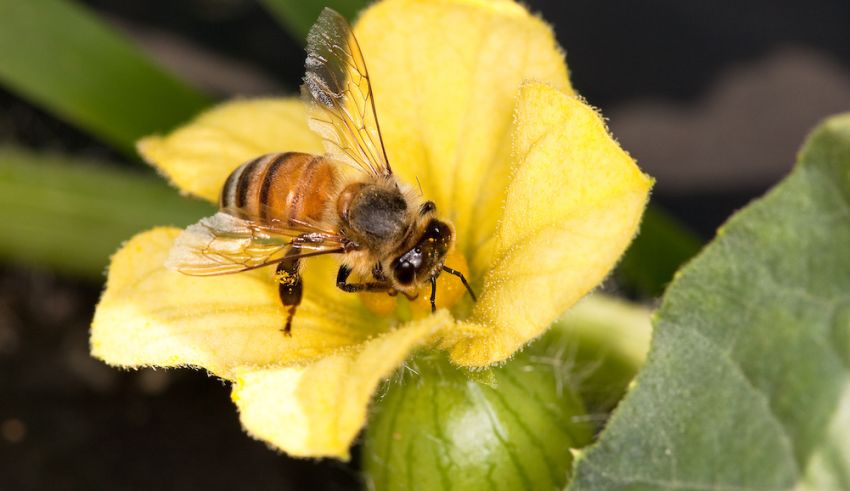
Pollination is vital for many plants, and nutrients present in the soil before these plants even sprout may affect how attractive they eventually are to pollinators, according to Penn State-led research.
In a study with cucumber plants, the researchers found that in general, higher amounts of nitrogen and phosphorus in the soil resulted in larger plants and floral display, including flower number and size, leading to increased attractiveness to pollinators and increased fruit production.
However, they also found that regardless of nitrogen and phosphorus levels, pollinator “rewards” such as sugar content in nectar, the amount of nectar in female flowers, and protein and lipid concentrations in pollen stayed the same.
Anthony Vaudo, a USDA Forest Service research biological scientist who led the research while a postdoctoral scholar in entomology in Penn State’s College of Agricultural Sciences, said these findings — recently published in Scientific Reports — suggest that plants may prioritize these rewards in all conditions to ensure that they attract pollinators.
“We found that a plant could become more attractive with the help of certain nutrients in the soil, while also keeping the quality of its rewards consistent, which is necessary for getting bees to visit,” Vaudo said. “This gives us clues for how we can best restore soil, for example, after disturbance from human activity or natural disasters.”
According to the researchers, previous studies have found an association between higher nitrogen and phosphorus in the soil and faster plant growth, as well as positive effects such as number and size of flowers and pollen number and size. However, little work had been done on how these nutrients affect pollinator attraction and, ultimately, plant reproduction.
Christina Grozinger, Publius Vergilius Maro Professor of Entomology at Penn State, said that because soil nutrient conditions can change as a result of land use, climate change and land management — such as fertilizers and grazing livestock — it is vital to learn more about how these nutrients affect plant growth.
“With three quarters of our food crops using pollinators to set fruit and seed, and more than 80% of flowering plants benefiting from pollinators,” Grozinger said, “it is incredibly important that we begin to understand and predict how these changes in soil conditions influence plant-pollinator interactions both in crops and in natural landscapes.”
For the study, the researchers raised cucumber plants in Penn State greenhouses. They treated the plants with one of five fertilizer solutions: a control that had no added nitrogen or phosphorus and four others with different nitrogen and phosphorus concentrations and ratios.
The researchers measured several characteristics of the plants, including height and above-ground biomass, the size of each plant’s male and female flowers, how many flowers each plant produced, how long it took the plants to start producing flowers after seeding, and how many cucumbers each plant produced. They also analyzed the flowers’ nectar and pollen, as well as how often the flowers were visited by bumblebees.
After analyzing the data, the researchers found that while more nitrogen and phosphorus generally was associated with increased growth, attractiveness to pollinators and fruit production, very high levels of nitrogen began to have negative effects on some of these traits. However, increasing phosphorus levels could then mitigate this.
Overall, they found that the ideal ratio of nitrogen to phosphorus that they tested was 4:1, which resulted in best overall growth, pollinator attraction and reproduction.
Junpeng Mu, a researcher at Mianyang Normal University who visited Penn State while working on this project, said he thought it was particularly interesting that certain traits of the male flowers — such as number and size of flowers per plant, nectar concentration and pollen number per flower — varied with soil nutrients, but traits of the female flowers did not.
“These findings give us a better understanding of the mechanisms that underlie interactions between plants and pollinators,” Mu said, “as well as agricultural ecosystem operations.”
Additionally, Vaudo said he expects the findings will also be useful in his current position, in which he’ll be part of an effort to rehabilitate areas of forests that have been logged. He said the soil is often very compact from the heavy machinery that has rolled through these areas, as well as lacking in nutrients.
“After loosening the soil, we’ll apply a material called biochar to increase the soil’s ability to hold water and bind nutrients,” Vaudo said. “Then, we can start reintroducing plants and pollinators to the area. I’m thankful to have the experience from this study, which gave me a good starting ground for actually doing some real-life applications.”
The China Scholarship Council, Wyman’s of Maine and the U.S. Department of Agriculture’s National Institute of Food and Agriculture helped support this research.
Harland Patch, assistant research professor in entomology at Penn State, and Emily Erickson, University of California, Davis, also participated in this work. — By Katie Bohn, Pennsylvania State University
Spring marks the return of fruit and vegetable harvest in the Salinas Valley region. With heavy rains, cold winter weather and our area recovering from flooding, that harvest has been delayed but consumers can be assured that they will enjoy leafy greens, vegetables and strawberries with the harvest continuing into November.
While we understand the importance of providing healthy produce to consumers, recovery remains the priority with major efforts undertaken to help communities recover from flooding. One small town in particular in Monterey County, Pajaro, has suffered from widespread damage due to a major breach of the Pajaro River levee on March 10. This breach left homes, businesses and farms flooded and crucial jobs lost.
This will be a long road to recovery for this largely farm worker community as federal disaster assistance was not immediately available and not approved until weeks after the flooding occurred. This delayed help with rent assistance, clean-up and repairs to homes and businesses. To offset and augment delayed federal assistance, many businesses and individuals contributed to local charities to help with immediate needs for residents including short-term housing, food, furniture, clothing and other essentials.
To fill a crucial gap in health care needs, the Grower Shipper Association of Central California (GSA) and Clinica de Salud del Valle de Salinas (Clinica) immediately stepped in to provide medical care, medication replacement and hygiene supplies in the aftermath of the flooding.
GSA and Clinica set up a mobile clinic at the main shelter for displaced Pajaro residents so services were readily accessible and then moved it to Pajaro once evacuation orders were lifted. The medical care was funded by a grant awarded to GSA therefore these services were provided free-of-charge to the community.
To date, 43% (1,500) of Pajaro residents have accessed the medical services and essential supplies provided by the GSA/Clinica partnership.
“While we were pleased that federal assistance was approved on April 4 to help residents, businesses and farms recover, the flooding occurred on March 10 so it was imperative to provide immediate assistance to this severely impacted community and address gaps,” says Christopher Valadez, GSA President. “As we did during the pandemic, GSA and Clinica worked quickly to provide crucial services for impacted residents to offset delays in government services.”
Long-term, the attention is on job recovery since individual farms in Pajaro employed hundreds and suffered severe losses and it could take local businesses weeks to reopen. But temporary housing is the most crucial need and unemployment compounds the problem.
GSA is committed to continue to help communities impacted by flooding. As we enter spring and we see the harvest begin, there is a seemingly reassuring component to a return to the business of providing food to consumers. But, we must keep our attention on those in long-term need of critical support. — Grower-Shipper Association of Central California