Category: Non-Video

  • Texas A&M AgriLife Research to Improve Organic Spinach Production

    Despite the greatly increasing consumer interest for organic spinach in the U.S. and worldwide, production is not keeping pace with demand.

    Vijay Joshi, Ph.D., will lead research on a three-year project to improve organic spinach productivity. (Texas A&M AgriLife photo)

    To help overcome some of the challenges facing organic spinach production, Vijay Joshi, Ph.D., a Texas A&M AgriLife Research plant systems physiologist at the Texas A&M AgriLife Research and Extension Center in Uvalde, was recently awarded a grant from the U.S. Department of Agriculture’s National Institute of Food and Agriculture, NIFA.

    Joshi, also an associate professor in the Texas A&M Department of Horticultural Sciences, will lead the three-year research project, titled “Systems Approach to Maximize Organic Spinach Productivity.” The project is funded under NIFA’s Organic Agriculture Research and Extension Initiative. An initial first-year funding of more than $450,000 was provided for the project, with total funding to be about $1.5 million.

    Project collaborators include Ainong Shi, Ph.D., associate professor in the Department of Horticulture at University of Arkansas; Micaela Colley, program director for the Organic Seed Alliance, Port Townsend, Washington; and Alice Formiga, a professor of practice in the Oregon State University Department of Horticulture.

    Addressing Problems of Low-Input Organic Spinach Production

    Spinach, the most popular nutrient-rich staple vegetable, can have high pesticide residues when grown conventionally. Organic production eliminates the use of inorganic fertilizers and pesticides, but most spinach varieties used for low-input organic production are poorly adapted and cause substantial yield gaps as compared to conventional farming.

    “Organic spinach growers need varieties adapted to growing conditions and qualities demanded by consumers,” Joshi said.

    Nutrient acquisition, abiotic stresses like extreme temperature, nutritional attributes and limited seed availability are critical challenges in organic spinach production. To help with these challenges, the project will expand knowledge of potentially beneficial microbes.

    “This project will include developing varieties with an improved neutracitical profile and nitrogen-use efficiency,” Joshi said. “It will also seek to improve our understanding of the role of microbes in the soil and spinach roots and leaves, adapted exclusively to low-input organic production.”

    He said another challenge is how to enhance seed production and availability.

    “We will create a breeding model to develop varieties with higher organic seed productivity,” Joshi said. “We will also be investigating the use of natural variation in spinach germplasm. This will be accomplished through genome-wide association analysis and genomic prediction.”

    Project Expectations

    Joshi said the results of this project enhance efforts develop organic spinach varieties to enhance productivity and quality.

    “A productive research project is one that would ensure high-quality, nutritionally beneficial and safe food for society produced through sustainable agriculture,” Joshi said. “This new research will certainly be in keeping with that goal.”

    Project results will be disseminated nationally through eOrganic, Organic Seed Alliance and other university-initiated outreach programs, agricultural publications and field days.
  • Avocado Industry Leaders Recognized for “Making it Happen”

    Avocado Industry Leaders Recognized for “Making it Happen”

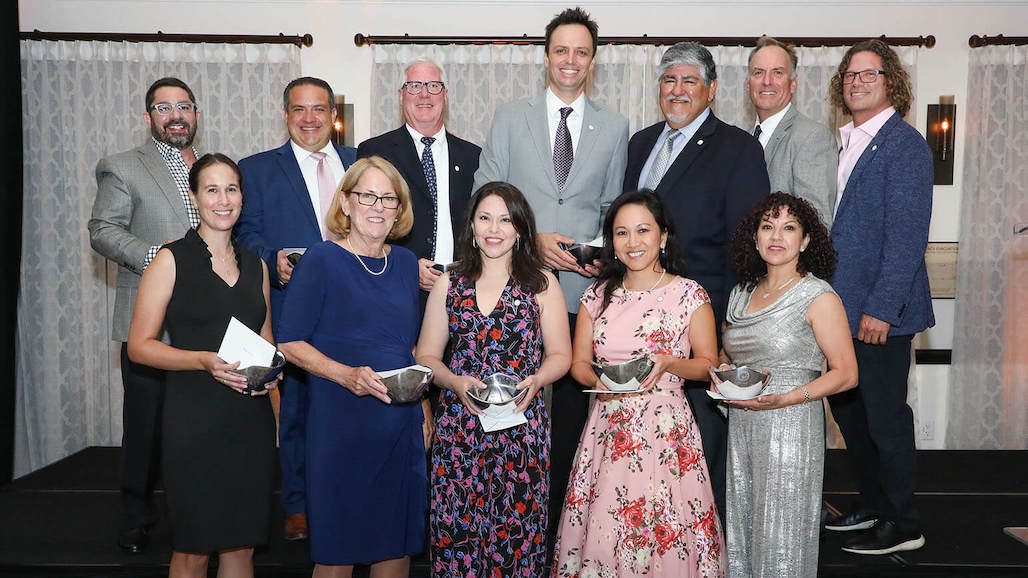
    Following an extensive call for nominations, the Hass Avocado Board (HAB) named the recipients of its 20th Anniversary Recognition awards at the September Board Meeting and commemorated their service with a presentation and award recognition ceremony. The accolades acknowledge individuals for their outstanding commitment and achievements in “Making it Happen” for HAB by establishing and building the organization over the past two decades.

    “Growing U.S. consumption of fresh avocados to more than 2 billion pounds per year since the establishment of the Hass Avocado Board in 2002 came thanks to the hard work of many talented, dedicated people from around the world,” said Salvador Dominguez, HAB Chairman. “Today, it is our honor to recognize several individuals for their prominent participation in our incredible success, for being relentless in their pursuit to “making it happen” for the benefit of the whole avocado industry in the United States.”

    The criteria for recognition included having served the Hass Avocado Board as a board member, committee member, special subcommittee member, being affiliated with HAB, the California Avocado Commission (CAC) and the Importer Associations or being HAB staff.

    After evaluating submissions, the 20th Anniversary Task Force of HAB , selected the following recipients:

    The contributions from these individuals stand out on their own merit as well as underscore the HAB Effect, the ability for avocado industry members to accomplish things they would not be able to do without the collective power of HAB. By leveraging resources, expertise and passions strategically pulled together by HAB, Making it Happen Award recipients delivered  strategic assets that propel growth such as world-class category data, industry-leading nutrition research and proven marketing campaigns.

    To learn more about HAB and its 20 years of “Making it Happen,” visit http://www.HassAvocadoBoard.com/Honorees.

  • Thirteen UC Davis Scientists Contribute to Special Journal Edition on Spotted-Wing Drosophila

    Thirteen UC Davis Scientists Contribute to Special Journal Edition on Spotted-Wing Drosophila

    Thirteen UC Davis scientists or former affiliates are among authors from eight countries who contributed to research articles for the Journal of Economic Entomology’s Special Collection: Research Advances in Spotted-Wing Drosophila suzukii Management.

    The recently published Special Collection showcases 14 articles.

    Native to Asia, the agricultural pest is a worldwide threat to the berry production industry, which includes raspberries, blackberries, blueberries, strawberries, and cherries. The tiny insect, about 1/12 to 1/8 inch long, invaded the continental United States in 2008.

    “All of the papers were by invitation of the co-editors of the special collection—Jana Lee, Cesar Rodrigue-Saona, and me,” said journal editor-in-chief Frank Zalom, a UC Davis distinguished professor emeritus and recall professor in the Department of Entomology and Nematology. Zalom’s research includes the spotted-wing drosophila.

    Lee, formerly with the UC Davis laboratory of the late chemical ecologist Steve Seybold, is a research entomologist with the Horticultural Crops Research Unit,  U. S. Department of Agriculture, Agricultural Research Service, Corvallis. Rodriguez-Saona, who received his doctorate from UC Riverside, is an Extension entomologist with the Department of Entomology, Rutgers University, the State University of New Jersey.

    In addition to Zalom and Lee, the UC Davis-linked authors include Joanna Chiu and Antoine Abrieux (Joanna Chiu lab); Zain Syed and Kevin Cloonan (Walter Leal lab); Gregory Loeb (Rick Karban lab); and Kelly Hamby, Hannah Burrack, Fatemeh Ganjisaffar, Brian Gress, Nicole Nicola and Mark Demkovich (Zalom lab).

    Overall, the Special Collection includes authors from Austria, Brazil, Canada, Italy, Spain, Sweden, United Kingdom, and the United States that represent perspectives from universities, federal and state laboratories, growers, and pest product companies, according to the editors.

    One paper, Spatio-temporal Variation of Spinosad Susceptibility in Drosophila suzukii (Diptera: Drosophilidae), a Three-year Study in California’s Monterey Bay Region, is from the Zalom lab and includes co-author, molecular geneticist and physiologist Joanna Chiu, professor and vice chair of the Department of Entomology and Nematology.

    The work of molecular geneticist and physiologist Joanna Chiu, professor and vice chair of the UC Davis Department of Entomology and Nematology, is included in the Journal of Economic Entomology’s special collection targeting research on the spotted-wing drosophila. (Photo by Kathy Keatley Garvey)

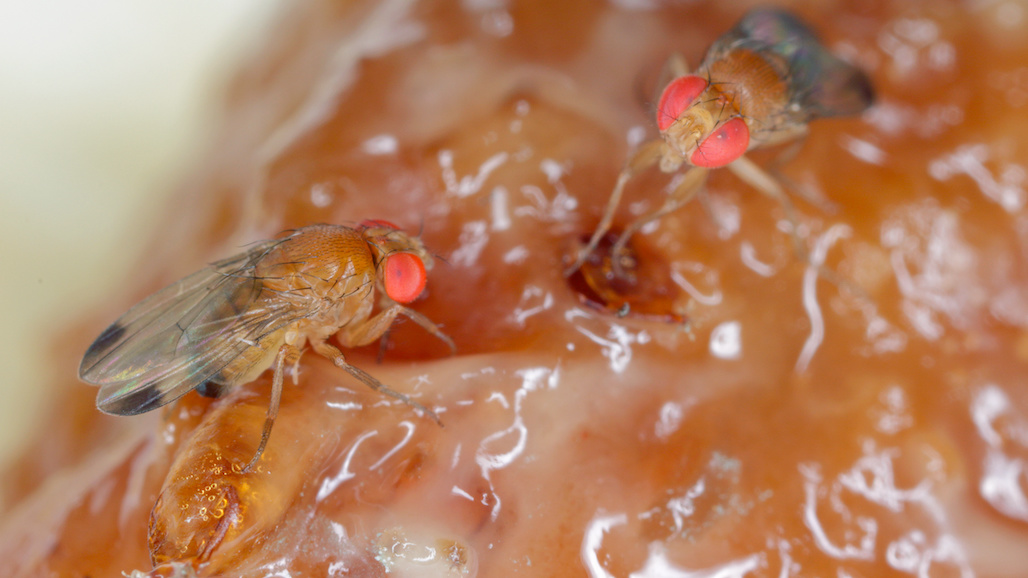
    UC Davis Department of Entomology and Nematology communication specialist Kathy Keatley Garvey provided the cover photo of the spotted-wing drosophila feeding on a raspberry.

    Since 2008, “D. suzukii has become a key economical pest of raspberries, blackberries, blueberries, strawberries, and cherries in the United States and worldwide,” the editors wrote in their introductory remarks. “Not surprisingly, the number of publications has proliferated from 29 publications as of 2010 to 978 additional publications between 2011 and 2021 from a Web of Science search for ‘Drosophila suzukii.’ While many publications are available, this special collection will highlight advances in D. suzukii pest management since its U.S. invasion. We solicited papers by open call and received 66 abstracts, and selected 14 papers covering: 1) review, 2) monitoring and risk, 3) behavioral control, 4) biological control, 5) cultural control, and 6) chemical control.”

    The collection is meant to serve “as a key reference point for entomologists across many institutions (e.g., academia, government, and industry) on important advances in D. suzukii pest management,” according to the Entomological Society of America. “The articles in this collection will also provide scientists information on potential research gaps that will help guide future research directions on this important pest. The goal is to preserve and catalog articles on various aspects of D. suzukii pest management, i.e., monitoring, cultural control, chemical control, behavioral control, and biological control, that will be shared among entomologists.”

  • Survey Suggests Much Higher California Mandarin Crop Yield this Season

    Survey Suggests Much Higher California Mandarin Crop Yield this Season

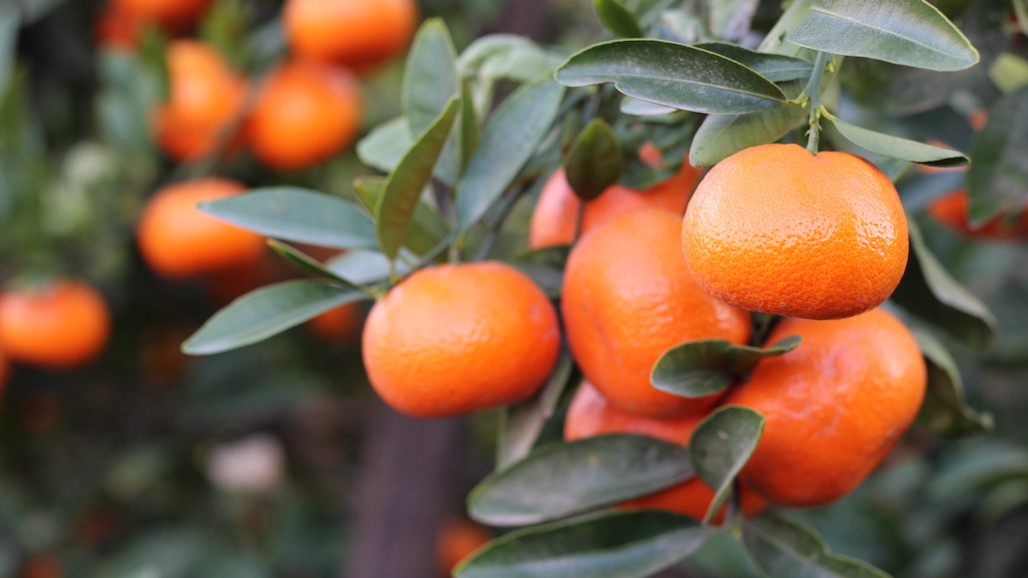
    USDA’s National Agricultural Statistics Service, Pacific Regional Field Office recently completed the California Mandarin Objective Measurement Survey. A sample of 293 Tango and W. Murcott Afourer Mandarin varieties were randomly selected proportional to county and variety bearing acreage. Results show an average fruit set of 596 fruit per tree and an average fruit size of 1.344 inches in diameter for these varieties. This compares with the 2021 average fruit set of 290 fruit per tree with an average fruit size of 1.363 inches in diameter and the 2020 average fruit per tree of 945 with an average fruit size of 1.488 inches in diameter.  This survey was conducted for the first time in 2020.

    Fruit counts were made from two trees per orchard, and fruit diameter measurements were taken on the right quadrant of four trees surrounding the two sampled trees. 

  • Save the Date for the North American Raspberry & Blackberry Association’s 2023 Annual Conference

    Save the Date for the North American Raspberry & Blackberry Association’s 2023 Annual Conference

    The North American Raspberry & Blackberry Association (NARBA) will be gathering in person for their annual meeting to be held January 22-24, 2023, in Tampa, Florida. After two years of virtual conferences, the group will move the conference to the Sunshine State for the first time. The event will be held at the Hotel Alba Tampa. Visit the hotel website for more information on the hotel’s great amenities, including free wi-fi, outdoor pool, wellness center, and two in-house dining options as well as many walkable Tampa attractions and dining. Visit https://www.raspberryblackberry.com/2023-narba-conference/ for more information.

    Conference sessions will feature top experts and experienced growers. Topics include caneberry breeding and varieties, pest and disease management, production research, new technology and industry updates, new grower resources, and marketing.  Over 50 speakers from around the world are included in the multi-track format. Time for Q&A and networking will be part of all sessions.

    Attendees will have the opportunity to register for the conference tour which will include field and nursery visits for an up-close look at the emerging raspberry and blackberry industry in Florida and a visit to the University of Florida Gulf Coast Research Center to learn about advances in berry research. The tour will include refreshments, networking with speakers and views of the beauty of the Florida Gulf Coast.

    Registration for the conference, tour and the hotel block are OPEN NOW!  A detailed listing of speakers and courses will be posted in October 2022 on https://www.raspberryblackberry.com/2023-narba-conference/ Early registration is recommended to ensure attendees have first choice for desired room types and sessions.
    The North American Raspberry & Blackberry Association is a membership association of growers large and small, researchers, suppliers, and others in the caneberry industry.

    For further information and updates about the 2023 NARBA annual conference please contact Darcy Kochis at info@raspberryblackberry.com.

  • California Navel Orange Production Forecast Up 19%

    California Navel Orange Production Forecast Up 19%

    The initial 2022-23 California Navel orange forecast is 76.0 million cartons, up 19% from the previous year, according to the USDA National Agricultural Statistics Service’s Objective Measurement Report.  Of the total Navel orange forecast, 73.0 million cartons are estimated to be in the Central Valley. Cara Cara variety Navel orange production in the Central Valley is forecast at 8.0 million cartons. These forecasts are based on the results of the 2022- 23 Navel Orange Objective Measurement (O.M.) Survey, which was conducted from June 17 to September 1, 2022. Estimated fruit set per tree, fruit diameter, trees per acre, bearing acreage, and oranges per box were used in the statistical models estimating production.

    This forecast includes production of conventional, organic, and specialty Navel oranges (including Cara Cara and Blood orange varieties).

    Survey data indicated a fruit set per tree of 351, up 47% from the previous year and w e l l a b o v e the five-year average of 315. The average September 1 diameter was 2.106 inches, below the five-year average of 2.194 inches. The Cara Cara orange set was 307 with a diameter of 2.147 inches.

    SURVEY SAMPLE

    A sample of 785 Navel orange groves was randomly selected proportional to county and variety bearing acreage, and 717 of the groves were utilized in this survey. Once a grove was randomly chosen and grower permission was granted, two trees were randomly selected. The Navel orange sample included conventional, organic, Cara Cara, and Blood orange groves.

    For each randomly selected tree, the trunk was measured along with all connected branches. A random number table was then used to select a branch, and then all connected branches from the randomly-selected branch were measured.

    This process was repeated until a branch was reached with no significant limbs beyond this point. This randomly-selected branch, called the terminal branch, was then closely inspected to count all fruit connected to this branch, as well as all of the fruit along the path from the trunk to the terminal branch. Since each selected path has a probability of selection associated with t h e p a t h , a probability-based method was then applied to estimate a fruit count for the entire tree.

    In the last week of the survey period, fruit diameter measurements were made on the right quadrant of four trees surrounding the two trees of every third grove. These measurements were used to estimate an average fruit diameter per tree. Of the 717 utilized groves, 8 were in Madera County, 109 were in Fresno County, 425 were in Tulare County, and 174 were in Kern County.

    SURVEY HISTORY

    A Navel Orange Objective Measurement Survey has been conducted in the Central Valley every year since the 1984-85 crop year, except for the 1991-92 season due to a lack of funding. The data from the first two years were used for research purposes in developing crop-estimating models. The Cara Cara forecast was undertaken at the request of the California Citrus Advisory Committee.

  • Results from New Citrus Rootstock, Scion Combination Experimental Grove on HLB Tolerance

    Results from New Citrus Rootstock, Scion Combination Experimental Grove on HLB Tolerance

    As citrus growers in the west dreadfully anticipate the arrival of the citrus killing disease Huanglongbing, researchers in the already severely impacted state of Florida are making significant strides in learning how to combat this disease.

    Early results from a groundbreaking, large-scale citrus trial looking for solutions to the devastating citrus greening disease have given early hope for growers in the Indian River District. The new UF/IFAS research shows tree size does not seem to affect citrus susceptibility to greening.

    In the trial, researchers are testing which citrus rootstock and scion combinations will tolerate citrus greening, a deadly global citrus disease that nearly decimated the Florida citrus industry.

    Martin Zapien on one of the Millennium Block citrus cultivar trial planting days in 2019.

    Martin Zapien, a graduate student at the University of Florida Institute of Food and Agricultural Sciences Indian River Research and Education Center (UF/IFAS-IRREC), presented data from the Millennium Block citrus cultivar trial in Fort Pierce, Florida. At his thesis defense, the information Zapien represented was research from a 20-acre grove with grapefruit, navel orange and mandarin cultivars on a wide range of newly released and commercial rootstocks. Planted in 2019, the trees grow in a region where citrus greening is now endemic.

    Lorenzo Rossi, UF/IFAS plant root biologist and Tom James, a local citrus industry veteran, supervised Zapien’s research. Advisors on the project were UF/IFAS plant improvement team faculty Fred Gmitter, Jude Grosser and William Castle.

    Nearly 80% of Florida’s grapefruit crop is produced by Indian River District growers, who export their crop to Europe and Asia. That’s why scientists study the fruit so closely, said Rossi.

    “One of our objectives is to evaluate and compare the early performance of several new grapefruit hybrids grown on three commercial rootstocks under citrus greening conditions,” said Zapien.

    In the first two years of growth, the researchers compared UF rootstocks and scions by measuring tree growth and the trees’ ability to tolerate citrus greening. They expect to collect yield and fruit data after the third year, Zapien said.

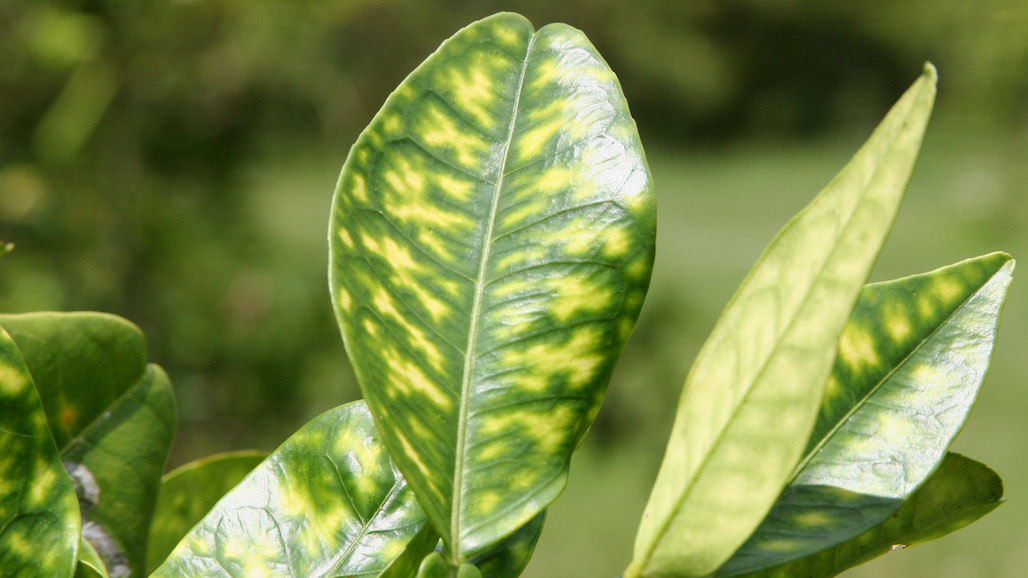
    Rossi said data sets were specific to tree size, bacteria amount, the severity of citrus greening symptoms such as irregular yellow patches in the leaves, and leaf and soil nutrient concentrations.

    “We have seen many rootstocks that promote large and small tree size, but we have not seen any correlation between tree size and susceptibility to citrus greening,” Zapien said.

    But so far, the research does not support a theory that tree size affects citrus greening susceptibility, but there is a trend in small trees showing less citrus greening symptoms, Zapien said.

    Zapien said published research findings prove that high-density plantings produce higher fruit yields by increasing yield efficiency — fruit number per green foliage. The researchers will evaluate if the trees correlate with the published work or if the larger trees in the test grove produce more fruit.

    ‘Ray Ruby’ grapefruit on UFR-15 rootstock promotes vigorous trees — the trees show the largest canopies and are already flowering. But for UF/IFAS researchers to recommend a particular rootstock and scion combination, more data are required. The experimental grove must be examined for up to four more years before UF/IFAS scientists can make reliable recommendations.

    “All trees in the Millennium Block are infected with citrus greening. However, some trees are thriving,” Zapien said. “Trees on sour orange have shown significantly fewer disease symptoms than trees on x-639 and US-942 rootstocks, but we have to consider that sour orange’s drawback is the susceptibility to citrus tristeza virus.”

    As to citrus greening severity, ‘Star Ruby’ grapefruit showed only 4% symptoms in the green foliage. In contrast, ‘US Seedless Surprise’ symptoms were 24%. The other varieties fall between the two.

    “The data we compiled is nascent as the trees were only two years old at the analysis,” said Zapien. “University researchers will continue to monitor the top performer combinations to determine if the early findings are consistent.”

    With research in the UF/IFAS-IRREC experimental grove, Zapien completed a master’s degree in horticultural sciences. Zapien recommends that researchers improve sampling methods to assess the bacteria as the trees mature to advance the research. Zapien and his colleagues will evaluate flowering patterns to determine when the fruit is ready to harvest and reveals market windows. A long-term goal is to measure the yield or the amount of marketable fruit each tree produces. — By Robin Koestoyo, University of Florida, Institute of Food & Agricultural Sciences

  • A New Way to Battle Powdery Mildew in Strawberry

    Strawberry farmers worldwide may get help from new University of Florida research that shows a way to battle one of the fruit’s fiercest foes.

    The key: combine genomic data with phenomics. The genome amounts to all the DNA in an organism. Phenomics is the study of plant growth, performance and composition. Through phenomics, scientists use DNA to measure plant traits. In a newly published study, UF/IFAS scientists found a new way to help strawberry growers battle powdery mildew.

    Ronald Tapia, a doctoral student at the Gulf Coast Research and Education Center (GCREC), led the research. Tapia worked under the supervision of Seonghee Lee, an assistant professor and Vance Whitaker, an associate professor, both in horticultural sciences.

    Ronald Tapia, a doctoral student in horticultural sciences, points a sensor at a strawberry plant at the UF/IFAS Gulf Coast Research and Education Center. Credit: Courtesy, Ronald Tapia, UF/IFAS.

    Prior research already showed this method detects diseases in other crops, Whitaker said.

    “We already have a lot of technology that helps us understand the genes in strawberries, but those genes still need to be connected to their actual effect on the plant – in this case how the plant resists powdery mildew disease,” said Whitaker. “That’s why we combined genomics and phenomics. Any technology that reduces the cost or increases the speed of evaluating any trait — like disease resistance — in our breeding trials can help us out.”

    Whitaker cautions this method is not guaranteed to work in all situations, but he’s hopeful.

    To reach their findings, Whitaker and his colleagues conducted a field trial of strawberry plants at GCREC. They took DNA from each strawberry and looked at its genes.

    Vance Whitaker, associate professor of horticultural sciences at the UF/IFAS Gulf Coast Research and Education Center. Credit: Tyler Jones, UF/IFAS photography.

    Then they rated the disease using two methods:

    • Their own eyes, which gives them a visual scale. The plants were evaluated the traditional way by eye, recording the severity of the disease, rated on a scale of 0 to 6 for each plant.
    • A handheld sensor. Whitaker and his colleagues used the device to detect wavelengths of light that you can’t see with your eyes. The wavelengths gave researchers data about the health and disease status of strawberry plants.

    “We showed that by combining the DNA information (genomics) and the spectroscopy information (phenomics), we can predict the visual rating of disease resistance surprisingly well,” Whitaker said. “In the future, we can eliminate the work of the visual rating.”

    The finding should help scientists assist strawberry growers globally as they look for powdery mildew in their crop. While Florida produces most of the nation’s domestic winter crop on about 11,000 acres, California produces strawberries nearly year-round. Nationwide, strawberries are valued at about $2.2 billion— By Brad Buck, University of Florida, Institute of Food & Agricultural Sciences

  • Wild Tomato Genome will Benefit Domesticated Cousins

    A team of researchers has assembled a reference genome for Solanum lycopersicoides, a wild relative of the cultivated tomato, and developed web-based tools to help plant researchers and breeders improve the crop.

    Solanum lycopersicoides (S. lycopersicoides) harbors a gene making the plant resistant to a particular strain of bacterial speck disease. The gene could be introduced into cultivated tomatoes to protect them from the pathogen.

    That discovery led Boyce Thompson Institute researchers to sequence the plant’s genome and create online resources to facilitate the discovery of more genes that could improve tomatoes.

    “There wasn’t even really a discussion about whether to sequence Solanum lycopersicoides, it was just obvious to do it,” said Susan Strickler, director of the BTI Computational Biology Center (BCBC). Strickler is co-corresponding author of the paper describing the S. lycopersicoides genome, which was published in The Plant Journal on May 18.

    Wild relatives of crops are becoming increasingly valuable to plant researchers and breeders. During the process of domestication, crops tend to lose many genes, but wild relatives often retain genes that could be useful – such as genes that confer resistance to drought and disease.

    In their study, the researchers demonstrated the value of the new genome by finding several candidate genes associated with compounds – phenolics and carotenoids – that contribute to the species’ color, flavor and nutrition, as well as other genes associated with disease resistance.

    Perhaps more importantly, a larger goal of the project was to make the S. lycopersicoides reference genome as widely accessible and useful to the scientific community as possible.

    “These kinds of data are added to the National Center for Biotechnology Information repository as a general requirement, and that’s important, but not everyone is a bioinformaticist or has access to bioinformatics resources to analyze the data,” said Adrian Powell, assistant director of BCBC and a first author on the paper.

    “To increase access and ease of exploring the genome, we developed web-based tools and components that researchers beyond our project team could use and add to,” he said.

    One tool is a S. lycopersicoides genome browser available on the Sol Genomics Network website, which serves as community resource and repository for tomatoes and other species in the Solanaceae family. Powell said the browser can aid early exploratory studies of the wild tomato species as well as more advanced studies.

    Another tool is an S. lycopersicoides expression atlas, which allows users to analyze RNA sequencing data and visualize which genes are expressed in different plant tissues and under different conditions. “The atlas is based on code first developed for the cultivated tomato, but now we have a version for the wild species,” Powell said.

    These tools, combined with the new reference genome, will help researchers analyze hybrids of the wild tomato and cultivated tomato more readily than they could before, and they will also help researchers who are studying the wild species for its own sake, he said.

    For example, the reference genome could facilitate genome-wide association studies (GWAS) on multiple S. lycopersicoides accessions, to assess genetic diversity of the species and identify candidate genes for the traits breeders might want to introduce into cultivated tomatoes, such as drought tolerance, Powell said.

    Co-authors of the paper include BTI professors Lukas MuellerGreg MartinZhangjun Fei and Jim Giovannoni. Martin is also a professor in the College of Agriculture and Life Sciences (CALS), and Mueller, Fei and Giovannoni are adjunct professors in CALS. Giovannoni is also a research molecular biologist with the U.S. Department of Agriculture Agricultural Research Service (USDA-ARS).

    The study was supported in part by grants from the joint ERA CAPS Regulatome project, the National Science Foundation, the Triad Foundation, the Max-Planck-Society and the European Union project PlantaSyst, and Germany’s Federal Ministry of Education and Research. — By Michael J. Haas, Boyce Thompson Institute, Cornell University

  • AI Helps Detect Watermelon Disease Quickly, Accurately

    If you savor a juicy watermelon in the scorching summer heat, farmers toil to meet your tastes. But, like all farmers, those who produce watermelons seek ways to control diseases, so they don’t lose all or part of their crops. The needs of growers drive Yiannis Ampatzidis to use artificial intelligence to detect pathogens early and accurately.

    One such disease, downy mildew, spreads like wildfire, said Ampatzidis, an Associate Professor of Ag & Biological Engineering at the University of Florida.

    For a new study, Ampatzidis used AI to help find downy mildew.

    In newly published research, Ampatzidis used spectral reflectance —  the energy a surface reflects at specific wavelengths — of plant canopies and machine learning to quickly and efficiently detect downy mildew in several stages of the disease.

    Hopefully, farmers can take advantage of this technology.

    “If left unchecked, downy mildew can destroy a farmer’s entire crop within days. That’s why it gets the nickname ‘wildfire.’ It spreads rapidly and scorches leaves,” said Ampatzidis, a faculty member at the Southwest Florida Research and Education Center.

    Ampatzidis and his research team successfully detected downy mildew in several stages of severity.

    “Our most important result was finding downy mildew in its earliest stage, which is critical to growers’ ability to manage this disease,” he said.

    Ampatzidis and his research team developed two methods, utilizing hyperspectral imaging and AI — one in the laboratory and the other using UAVs (drones) for field detection.

    Downy mildew does not affect stems or fruit directly. But it can defoliate the plants, leaving fruit exposed to sun damage, making it unmarketable.

    As long as consumers continue to buy watermelon — and those who grow the fruit want to reap a good harvest — Ampatzidis will continue to find ways to find pathogens that could damage the fruit.

    As next steps in his research, Ampatzidis wants to develop a simple and inexpensive drone-based sensor to improve detection of downy mildew in watermelon plants. — By Brad Buck, University of Florida, Institute of Food & Agricultural Sciences