Category: Industry News

  • Recurrent Selection with Glufosinate at Low Rates Reduces Italian Ryegrass Resistance

    Recurrent Selection with Glufosinate at Low Rates Reduces Italian Ryegrass Resistance

    Italian ryegrass is a major weed in orchards, vineyards, field crops, and fallow fields of California (Figure 1). Several different herbicides are used to control ryegrass and had been effective in reducing infestations until resistance evolved in many populations following repeated use of the herbicides. To date, resistance to glyphosate, paraquat, and some ACCase and ALS inhibitors has been confirmed in ryegrass infestations across the agricultural landscape of California. To make matters worse, resistance to multiple postemergence herbicides with different modes of action has been confirmed within the same orchard, vineyard, or field in some areas. Consequently, management of Italian ryegrass in California annual and perennial cropping systems has become a major challenge.

    Figure 1. High infestation of Italian ryegrass in a peach orchard (photo credit: Maor Matzrafi).

    Glufosinate is an alternative non-selective postemergence herbicide that can still be used to control herbicide-susceptible and most herbicide-resistant Italian ryegrass in California as only two populations with resistance to glufosinate have been documented to date. However, the higher cost of glufosinate relative to other herbicides may drive farmers to apply glufosinate at reduced rates as has occurred in other cropping systems, such as the Australian wheat belt, with other herbicides. The lower rates and other drivers such as herbicide applications at non-optimal weed size, inappropriate weather conditions, and insufficient spray coverage may result in sublethal rate selection of ryegrass by glufosinate.

    To evaluate the potential for low glufosinate rates to select for reduced susceptibility to the herbicide, and to determine if selected populations are cross-resistant to herbicides with other modes of action as has been observed in a few studies, we conducted a greenhouse study using a herbicide-susceptible parent population originally collected from a vineyard in Sonoma County. Plants were grown in the greenhouse to the 3-4 leaf stage and treated with low glufosinate rates for three generations. For the first round of selection, plants were treated with glufosinate at 1/8X, 1/4X, and 1/2X of the labelled field rate (984 g ai ha-1). Surviving plants were grown to reproductive maturity and allowed to cross-pollinate. Seeds were harvested from all plants, pooled, germinated, and plants grown in the greenhouse for the next round of selection at slightly higher rates (1/2X, 3/4X, and 1X). For the third round of selection, plants were treated at 3/4X, 1X, and 1.25X of the labelled field rate.

    Results showed that susceptibility to glufosinate was reduced in offspring in comparison with the susceptible parent population following only three generations of selection (Figure 2). Comparing the susceptible parent population with the offspring from the second and third selection cycle, the percentage of surviving plants increased to values of LD50 (1.31 and 1.16, respectively) and LD90 (1.36 and 1.26, respectively).

    Figure 2. Dose-response of the Italian ryegrass susceptible parent population (P0) and three successive generations (P1, P2, P3) of offspring following selection with low glufosinate rates in the greenhouse. Lines are the predicted values for percent survival. Red arrow indicates the labelled field rate (984 g ai h-1). Adapted from Matzrafi et al., 2020 (https://www.biorxiv.org/content/10.1101/2020.07.04.182733v1).

    When treated with alternative postemergence herbicides (glyphosate, paraquat, or sethoxydim), no plants of either the parental or successive offspring populations survived treatment with 0.75X or higher rates of these herbicides (see Matzrafi et al., 2020 (https://www.biorxiv.org/content/10.1101/2020.07.04.182733v1).

    The magnitude of increases in resistance levels over three generations of recurrent low-rate glufosinate selection observed is relatively low compared with higher levels of resistance observed in response to low-rate selection with other herbicides (three-fold and greater). However, under field conditions, even low levels of resistance within weed populations may reduce control. This study shows that repeated selection with glufosinate at low rates can reduce the susceptibility of Italian ryegrass populations to glufosinate, and points to the importance of incorporating a diversity of approaches, both chemical and non-chemical, in the management of ryegrass in annual and perennial cropping systems of California. – By Marie Jasieniuk & Maor Matzrafi, UC Weed Science



  • CA Specialty Crop Representatives Appointed as USDA/USTR Ag Trade Advisors

    CA Specialty Crop Representatives Appointed as USDA/USTR Ag Trade Advisors

    On July 17th, U.S. Secretary of Agriculture Sonny Perdue and U.S. Trade Representative Robert Lighthizer announced the appointment of 25 new members to serve on seven agricultural trade advisory committees, including some of our friends in California. This will bring a greater voice and trade opportunities for specialty crop growers in California.

    The Agricultural Policy Advisory Committee is comprised of senior representatives from across the U.S. agricultural community who provide advice to the U.S. Department of Agriculture and the Office of the U.S. Trade Representative on trade policy matters including the operation of existing trade agreements and the negotiation of new agreements. Members of the six Agricultural Technical Advisory Committees (ATACs) provide technical advice and guidance from the perspective of their specific product sectors.

    The newly appointed advisors will serve until 2024. Each committee will be supplemented by additional appointments over the next four years. Applications are encouraged at any time. A complete list of committee members and application information is available at www.fas.usda.gov/topics/trade-advisory-committees.

    Following is a list of the new advisors, by committee:

    Agricultural Policy Advisory Committee
    Constance Cullman, American Feed Industry Association
    David Puglia, Western Growers
    David Salmonsen, American Farm Bureau Federation

    ATAC for Trade in Animals and Animal Products
    Robert DeHaan, National Fisheries Institute
    Mallory Gaines, American Feed Industry Association
    David Herring, Hog Slat Inc./TDM Farms
    James Parnell, Alabama Farmers Federation
    Maria Zieba, National Pork Producers Council

    ATAC for Trade in Fruits and Vegetables
    William Callis, U.S. Apple Export Council
    Casey Creamer, California Citrus Mutual
    Jodi Devaurs, California Table Grape Commission 
    Jonathan Maberry, Washington Red Raspberry Commission
    Caroline Stringer, California Fresh Fruit Association

    ATAC for Trade in Grains, Feed, Oilseeds and Planting Seeds
    Peter Bachmann, USA Rice Federation
    William Gordon, American Soybean Association
    Derek Haigwood, D.I.D. Farms
    Patrick Hayden, North American Export Grain Association
    Dalton Henry, U.S. Wheat Associates
    Edward Hubbard, Renewable Fuels Association
    Tina Lyons, Double River Forwarding, LLC

    ATAC for Trade in Processed Foods
    Kevin Latner, National Industrial Hemp Council
    Richard (Denton) McLane, McLane Global Trading
    Max Moncaster, National Association of State Departments of Agriculture
    Bernadette Wiltz, Southern United States Trade Association

    ATAC for Trade in Sweeteners and Sweetener Products
    (No new members.)

    ATAC for Trade in Tobacco, Cotton and Peanuts
    Karl Zimmer, Premium Peanut

    Jodi Devaurs

    Regarding the news, Kathleen Nave from the California Table Grape Commission report, “The appointment of Jodi Devaurs, California Table Grape Commission trade policy director, to ATAC where she will serve as a trade advisor to USDA and USTR is important for the California table grape industry and represents an expansion of its direct involvement in trade matters of import.”

    Dave Puglia

    David Puglia from Western Growers shared, “I am honored to be appointed to the Agricultural Policy Advisory Committee. International markets are vital to the growth of the fresh produce industry, accounting for more than $23 billion in fruit, vegetable and tree nut sales in 2019. However, tariff and non-tariff barriers continue to restrict access to key export destinations. I look forward to working with USDA, USTR and my committee colleagues to help formulate durable trade policies that benefit our domestic growers.”

    Casey Creamer

    Casey Creamer from California Citrus Mutual stated, “I’m looking forward to continuing California Citrus Mutual’s service to this important advisory committee.  Trade issues have significantly impacted the citrus industry over the years and I’m glad to make sure our growers have a seat at this important table.”

    Caroline Stringer

    President of the California Fresh Fruit Association, Ian LeMay said, “We appreciate Secretary Perdue’s appointment of Caroline Stringer to the ATAC for fruits and vegetables and look forward to her continuing the long history of representation for CFFA and California agriculture on this important advisory group.”

    Congress established the advisory committee system in 1974 to ensure a private-sector voice in establishing U.S. agricultural trade policy objectives to reflect U.S. commercial and economic interests. The U.S. Department of Agriculture and Office of the U.S. Trade Representative jointly manage the committees. 

  • CA Specialty Crop Representatives Appointed as USDA/USTR Ag Trade Advisors

    CA Specialty Crop Representatives Appointed as USDA/USTR Ag Trade Advisors

    On July 17th, U.S. Secretary of Agriculture Sonny Perdue and U.S. Trade Representative Robert Lighthizer announced the appointment of 25 new members to serve on seven agricultural trade advisory committees, including some of our friends in California. This will bring a greater voice and trade opportunities for specialty crop growers in California.

    The Agricultural Policy Advisory Committee is comprised of senior representatives from across the U.S. agricultural community who provide advice to the U.S. Department of Agriculture and the Office of the U.S. Trade Representative on trade policy matters including the operation of existing trade agreements and the negotiation of new agreements. Members of the six Agricultural Technical Advisory Committees (ATACs) provide technical advice and guidance from the perspective of their specific product sectors.

    The newly appointed advisors will serve until 2024. Each committee will be supplemented by additional appointments over the next four years. Applications are encouraged at any time. A complete list of committee members and application information is available at www.fas.usda.gov/topics/trade-advisory-committees.

    Following is a list of the new advisors, by committee:

    Agricultural Policy Advisory Committee
    Constance Cullman, American Feed Industry Association
    David Puglia, Western Growers
    David Salmonsen, American Farm Bureau Federation

    ATAC for Trade in Animals and Animal Products
    Robert DeHaan, National Fisheries Institute
    Mallory Gaines, American Feed Industry Association
    David Herring, Hog Slat Inc./TDM Farms
    James Parnell, Alabama Farmers Federation
    Maria Zieba, National Pork Producers Council

    ATAC for Trade in Fruits and Vegetables
    William Callis, U.S. Apple Export Council
    Casey Creamer, California Citrus Mutual
    Jodi Devaurs, California Table Grape Commission 
    Jonathan Maberry, Washington Red Raspberry Commission
    Caroline Stringer, California Fresh Fruit Association

    ATAC for Trade in Grains, Feed, Oilseeds and Planting Seeds
    Peter Bachmann, USA Rice Federation
    William Gordon, American Soybean Association
    Derek Haigwood, D.I.D. Farms
    Patrick Hayden, North American Export Grain Association
    Dalton Henry, U.S. Wheat Associates
    Edward Hubbard, Renewable Fuels Association
    Tina Lyons, Double River Forwarding, LLC

    ATAC for Trade in Processed Foods
    Kevin Latner, National Industrial Hemp Council
    Richard (Denton) McLane, McLane Global Trading
    Max Moncaster, National Association of State Departments of Agriculture
    Bernadette Wiltz, Southern United States Trade Association

    ATAC for Trade in Sweeteners and Sweetener Products
    (No new members.)

    ATAC for Trade in Tobacco, Cotton and Peanuts
    Karl Zimmer, Premium Peanut

    Jodi Devaurs

    Regarding the news, Kathleen Nave from the California Table Grape Commission report, “The appointment of Jodi Devaurs, California Table Grape Commission trade policy director, to ATAC where she will serve as a trade advisor to USDA and USTR is important for the California table grape industry and represents an expansion of its direct involvement in trade matters of import.”

    Dave Puglia

    David Puglia from Western Growers shared, “I am honored to be appointed to the Agricultural Policy Advisory Committee. International markets are vital to the growth of the fresh produce industry, accounting for more than $23 billion in fruit, vegetable and tree nut sales in 2019. However, tariff and non-tariff barriers continue to restrict access to key export destinations. I look forward to working with USDA, USTR and my committee colleagues to help formulate durable trade policies that benefit our domestic growers.”

    Casey Creamer

    Casey Creamer from California Citrus Mutual stated, “I’m looking forward to continuing California Citrus Mutual’s service to this important advisory committee.  Trade issues have significantly impacted the citrus industry over the years and I’m glad to make sure our growers have a seat at this important table.”

    Caroline Stringer

    President of the California Fresh Fruit Association, Ian LeMay said, “We appreciate Secretary Perdue’s appointment of Caroline Stringer to the ATAC for fruits and vegetables and look forward to her continuing the long history of representation for CFFA and California agriculture on this important advisory group.”

    Congress established the advisory committee system in 1974 to ensure a private-sector voice in establishing U.S. agricultural trade policy objectives to reflect U.S. commercial and economic interests. The U.S. Department of Agriculture and Office of the U.S. Trade Representative jointly manage the committees. 

  • USDA Outlines Opportunities for US Fresh Blueberries in China

    USDA Outlines Opportunities for US Fresh Blueberries in China

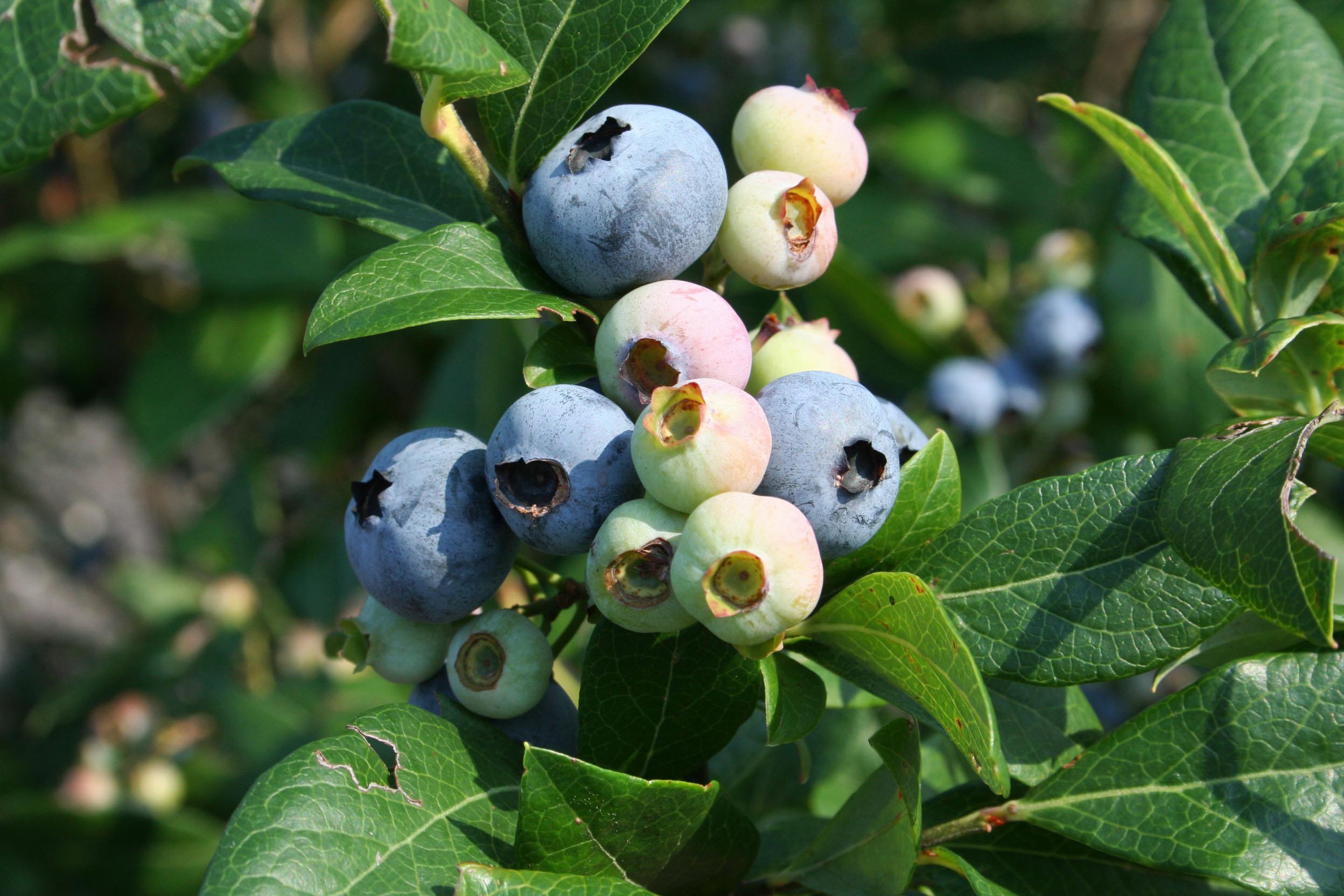
    U.S. fresh blueberries was one of several U.S. agricultural products that received new or expanded access under the U.S.-China Economic and Trade Agreement, which was signed on January 15, 2020. This report briefly outlines the market conditions, access regulations, and market entry recommendations for U.S. blueberry exporters. Since consumers have become much more familiar with blueberries recently, exporters are encouraged to take note of consumer expectations for size, color, and brix content. Smaller packages of about 125g are considered the most convenient to purchase, and appropriately sized, for Chinese consumers. 

    Product Description and Access Overview

    Blueberries are not a traditionally consumed fruit in China, however a higher standard of living and an increased awareness of the health benefits from consuming fruit, have led more consumers to seek out new fruits, such as blueberries. Consumers tend to consume blueberries fresh, however they are also consumed in dried snack foods, such as a snack mixture of other dried fruits and tree nuts, or as a standalone snack product. Blueberries are also increasingly being processed into purees and other concentrates for use in processed dairy products, beverages, and yogurts. Chile and Peru are the largest fresh blueberry exporters to China. Fresh blueberries for direct consumption are cultivated based on their brix level (sugar content) and skin composition. Chinese consumers tend to prefer larger blueberries with relatively higher brix levels; a good appearance, firm texture, and longer shelf-life.

    According to a May 21, 2020 U.S. Department of Agriculture, Animal Plant Health Inspection Service (APHIS) announcement, APHIS and China’s General Administration of Customs (GACC) signed a work plan in May 2020 outlining measures U.S. producers must undertake to export blueberries to China. Fresh blueberries from Florida, Georgia, Indiana, Louisiana, Michigan, Mississippi, New Jersey, and North Carolina may be exported to China after treatment. In addition, blueberries from California, Washington, and Oregon to China may be exported “using a systems approach.”

    Domestic Market Overview

    More than 70 percent of domestically produced blueberries in China are consumed fresh. Until 2011, blueberries were traditionally supplied to high-end markets due to lower domestic production and limited imports. As consumer awareness increased and domestic production grew, prices became more affordable for the middle-class. June and July are the peak harvest season for domestic blueberries. Retail prices of domestic blueberries were about $4.00/kg in June and July 2019 and reached a low of $2.00/kg in late July 2019.

    In 2012, China opened its market to imported blueberries from several countries, including Chile, Mexico, Uruguay, Canada, and Peru. Chile and Peru account for over 99 percent of the import market due to free trade agreements and opposite harvest seasons. Blueberries from these two countries are not assessed tariffs compared to the 30 percent most-favored nation (MFN) rate. All other exporters pay the MFN import tariff rate. The peak import sales season is January and February, because these months are the off-season for domestic production and there is strong demand for fresh fruit during China’s Spring Festival holiday period.

    Competitors to U.S. Fresh Blueberries in China

    Chile and Peru are the leading blueberry exporters to China. Because South American producers have a different harvest season for fresh blueberries, Chinese domestic blueberries primarily compete directly with U.S. blueberries due to having similar harvest seasons. In September and October, domestic blueberries are nearing the end of the season and quality drops sharply, while South American blueberry quality is also at the low end. Blueberries are also now being exported from British Colombia, Canada, but production is low and cannot satisfy market demand. The future market is moving toward higher quality imported blueberries with stable supply and a sweet taste.

    Growing blueberry consumption is driving expanded domestic cultivation with production increasing from 14,000 tons in 2012 to 180,000 in 2018. Shandong, Guizhou. and Liaoning provinces are the primary producing areas. Industry experts forecast domestic production could exceed one million tons by 2026, surpassing North America as the world’s top producer. Large fruit producers, including Driscoll’s, Costa, Hortifruit, and SA Berry Fruit have made considerable investments in China to cultivate blueberries and other berry fruits. Domestic producers have begun to invest in different varieties which offer improved aroma and a balance of sweet and tart flavors.

    Regulations

    Producers are expected to adhere to GACC’s phytosanitary import requirements. According to GACC’s May 13, 2020, Number 64, announcement, blueberries must come from packing houses or shippers registered and approved by USDA APHIS. All shipments must be accompanied by a phytosanitary certificate issued by USDA APHIS. Fresh blueberries from California, Florida, Georgia, Indiana, Louisiana, Michigan, Mississippi, New Jersey, North Carolina, Oregon, and Washington are eligible to export to China. All exports, except those from California, Oregon, and Washington will need to be fumigated prior to export to China. Specific import regulations are subject to change. Exporters are encouraged to check with their Chinese importer, and USDA APHIS by reviewing their Phytosanitary Export Database (PExD) to confirm the most current import-export regulations.

    Distribution Channels

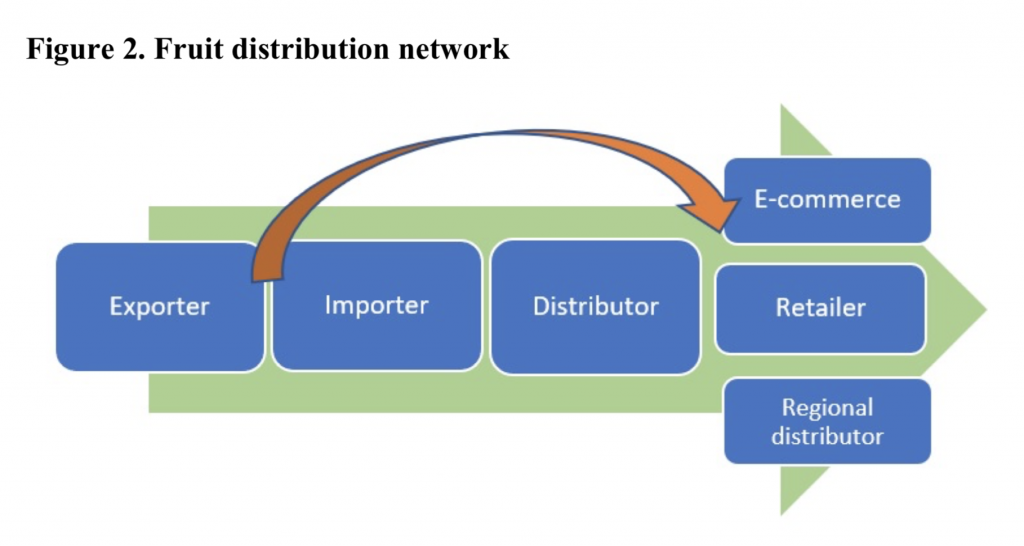
    Guangzhou and Shanghai are the predominant fresh fruit import destinations as they have the most efficient customs processes, are situated on popular ocean freight routes, and have well established domestic transport networks. Fresh fruit imports have traditionally been handled by importers and regional distributors, however large retail chains with advanced logistics and transport efficiencies are increasingly seeking to source directly from exporters and importers to eliminate distributor networks. Retail outlets typically use free tastings, gift boxes, colorful displays, and nutritional information to expand sales of fresh fruits.

    Fresh blueberry exporters should also pay attention to how e-commerce platforms are gaining market share and changing the traditional importer-distributor-retailer network. Beginning in 2014, e-commerce platforms started focusing on offering fresh food to consumers. E-commerce fresh product sales grew 42 percent, exceeding $2.9 billion in 2018. Major platforms, such as Tmall, JD, and MissFresh enjoy first- mover advantages on traffic and sales, but there are many other niche platforms, such as Benlai and Chunbo that focus less on volume and more on brand recognition and an improved customer experience. E-commerce contacts reported that the industry has been reluctant to directly import fresh berries due to logistical challenges and cost, although some have air shipped orders to fill the gap when the domestic harvest season ends and South American blueberries have not yet arrived by ocean freight. Most platforms still choose to work with importers or distributors to ensure that products are fresh and reduce their risk for loss of these highly perishable products. Contacts also reported that blueberries, if not cautiously handled in delivery, can result in a very high customer complaint rate, therefore they only seek to source products with a firm texture.

    Industry Outreach and Market Entry Recommendations

    Trade Shows

    Asia Fruit Logistica is the largest Asian fruit industry show. This year, it will be held in Singapore, September 16 to 18, 2020 (it is usually held in Hong Kong, however the organizers moved it to Singapore due to COVID-19). Each year the China Chamber of Commerce of Import & Export of Foodstuffs, Native Produce & Animal By-products (CFNA) organizes the International Fruit Conference, which focuses mainly on the China market. In 2020, it is expected to be held sometime in in September to December, pending COVID-19 developments. For more information about the conference, please contact chinafruit@cccfna.org.cn.

    Major Chinese Trade/Industry Associations

    China’s Chamber of Commerce of Import and Export of Foodstuffs, Native Produce ,and Animal By- Products (CFNA) is the primary food trade industry association in China. It was established in 1988 under the Ministry of Commerce and with a membership exceeding 6,500 companies. CFNA organizes fruit industry conferences and activities and publishes industry data. They also serve as the primary facilitator between the Chinese government (e.g., GACC) and importers. The key CFNA contact for fresh products is Mr. Lu Kun, lukun@cccfna.org.cn.

    The China Agricultural Wholesale Markets Association (CAWA) is a national association established in 1968 under the Ministry of Commerce. In China, more than 70 percent of agricultural products are distributed through wholesale markets. CAWA has China’s largest 300 wholesale markets as its members, and the largest five wholesale markets in each province. CAWA organizes conferences and national/regional trade shows. The key CAWA contact is Ms. Wang Lijuan at wanglijuan@cawa.org.cn or international@cawa.org.cn.

    Market Entry Recommendations

    Attractive size, packaging, and sweet flavored varieties will help U.S. products gain market share in China. To meet market demand, Chile and Peru have been able to provide appropriately sized blueberries, setting the standard for consumer expectations. U.S. blueberries are expected to be in highest demand after June when Chinese production drops and South American products have not yet arrived in the market. In China, blueberries are generally graded into three levels; 12 to 14 millimeters (mm), 14 to 16 mm, and 16 mm or more. Products are typically sold in 125 gram (g) packages. These smaller packages are convenient to purchase and appropriately sized for smaller Chinese families. Exporters may also highlight the size and high sugar content on the package (and to importers during sale discussions). Importers are expected to seek U.S. varieties which are over 12 degrees brix and larger than 16 mm.

    While this report focused on fresh blueberries, food processors are also seeking dried and frozen berry imports for use in dairy beverages, bakery products, and snack foods. Please refer to most recent USDA FAS GAIN China Food Processing Ingredient Report for more information about opportunities for frozen and processed blueberries.

    Additional Considerations

    According to the April 28, 2016 Foreign Non-governmental Organization (FNGO) Management Law, China requires all FNGOs, including agricultural trade and marketing associations, to register before undertaking certain marketing activities (e.g., public gatherings, promotions, trainings, conferences). The requirements include securing a Chinese sponsor organization, and registering a permanent office or filing for a temporary activity permit. This process typically takes up to six months to complete. Certain activities may exempt from this law, and it does not apply to for-profit businesses and governmental organizations. For more information about the Law, see the USDA GAIN report China’s Foreign NGO Management Law: A Review for U.S. Agricultural Trade Associations— By Christopher Bielecki, USDA Foreign Ag Service

    For more information about this report, please contact:

    Agricultural Trade Office in Beijing

    U.S. Embassy in Beijing
    Phone: (86-10) 8531-3950
    atobeijing@fas.usda.gov


  • New Traps Cut Off Citrus Greening Pests from Hiding Places

    New Traps Cut Off Citrus Greening Pests from Hiding Places

    Researchers across the nation are struggling to end the scourge of citrus greening disease, also known as huanglongbing. The disease renders citrus fruit inedible and eventually kills entire orchards. In Florida alone, from 2012-2016 the disease caused production losses of $4.4 billion and eliminated about 7,900 jobs.

    With economic impact like that, it’s no wonder that previous citrus greening research and mitigation efforts have mainly focused on commercial production. Now, researchers with the Agricultural Research Service’s (ARS) Horticultural Research Laboratory in Fort Pierce, FL, and their collaborators are bringing the citrus greening fight to the suburbs, where citrus trees are popular landscape plantings.

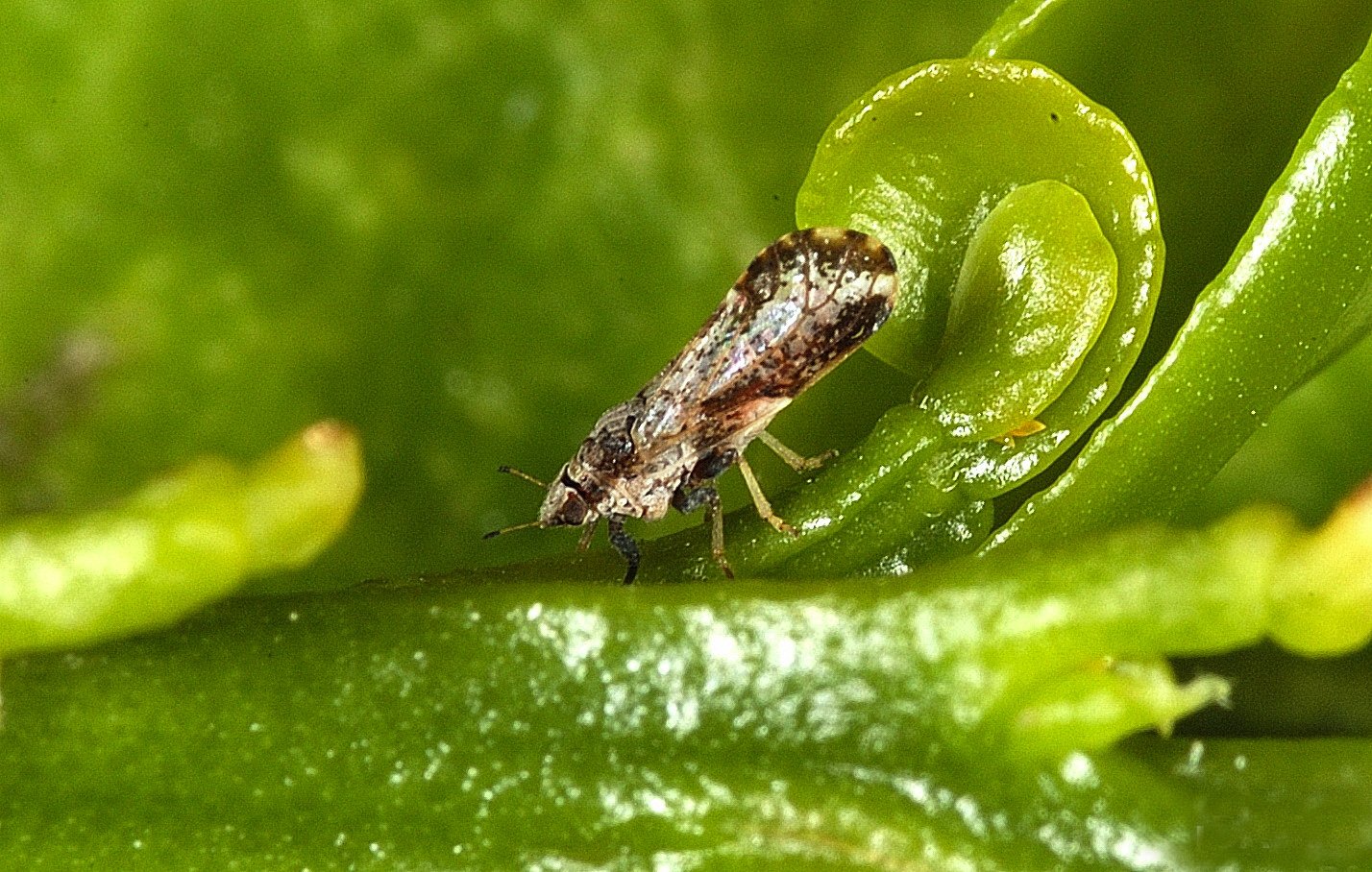
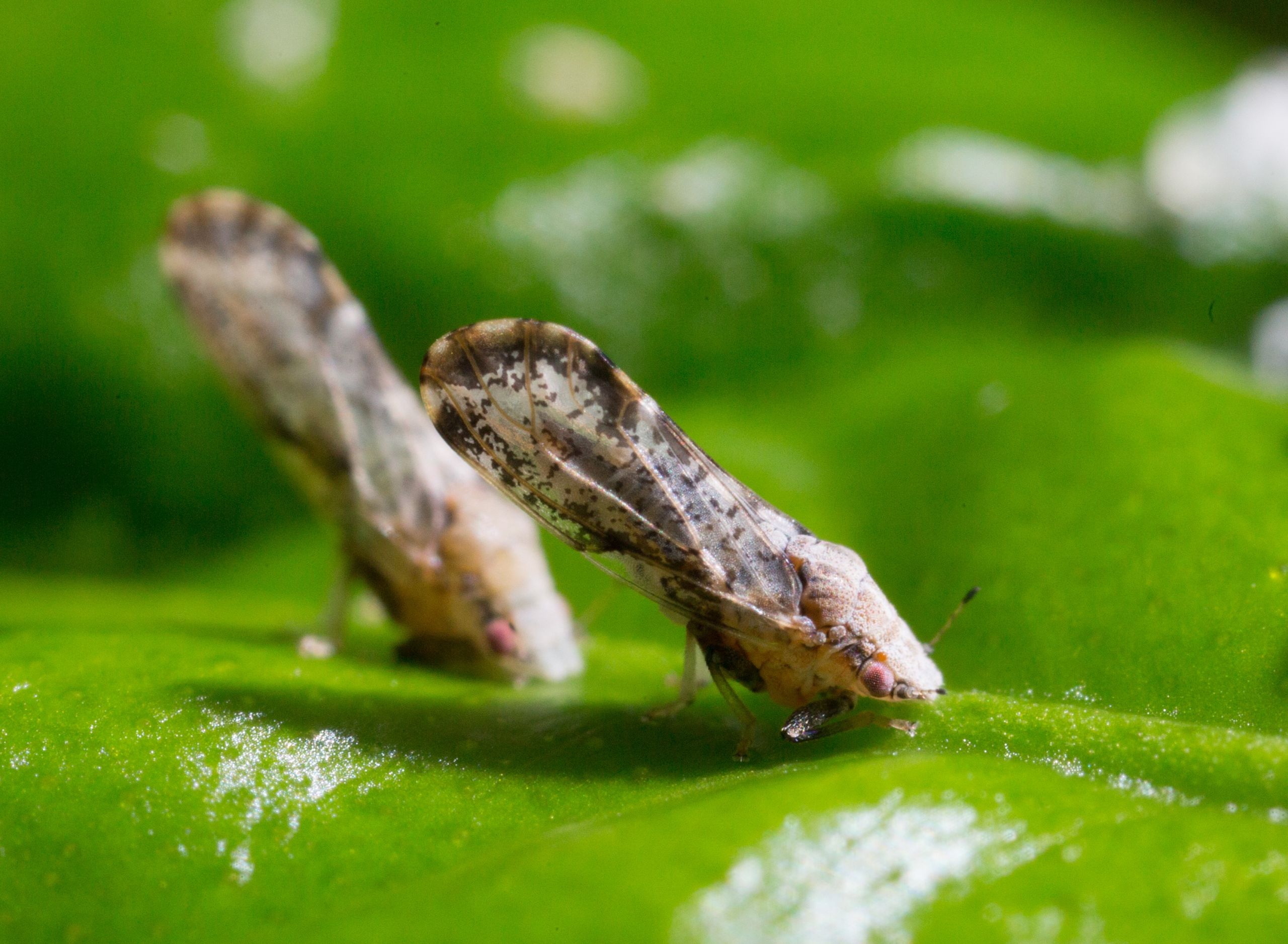
    The Asian citrus psyllid, an insect about the size of an aphid (roughly 1/8 of an inch), carries the bacterium Candidatus Liberibacter asiaticus in its salivary glands. As it feeds on citrus leaves, the psyllid transmits the bacterium to the tree. The bacterium then prevents sugars created through photosynthesis from traveling throughout the tree. The result is yellowed leaves, bitter fruit, and eventual tree death.

    Spraying insecticides is not really an option in residential areas because many homeowners either have concerns about insecticides or find it too difficult to adequately treat backyard trees, said ARS research entomologist Joseph Patt.

    “There are virtually no control measures being taken against psyllids in citrus trees growing in residential and commercial landscapes,” he said. “This is important because the psyllid can fly from residential areas to commercial citrus groves. In other words, residential areas provide a kind of refuge for the psyllids because homeowners haven’t had a way to control them in their backyard trees.”

    Leaves of an orange tree infected with Huanglongbing, or citrus greening. The blotchy mottling pattern seen here, along with thickening, are characteristic symptoms of infected leaves.

    Patt and Texas A&M-Kingsville entomologists Andrew Chow and Mamoudou Setamou developed “attract-and-kill” traps to prevent this hide-and-seek, back-and-forth migration of psyllids. The traps, which are hung from citrus trees, are the same color as young citrus foliage and contain a fast-acting insecticide that kills the psyllid. According to Patt, the traps provide an environmentally friendly way for homeowners to help control Asian citrus psyllid and citrus greening disease. The insecticide remains in the device and does not spread to the surrounding foliage. The active ingredient is not toxic to mammals or birds and does not persist in the environment.

    Initial testing was completed last year in the Rio Grande region of Texas. “The results are promising,” Patt said. “Deployment of 20 attract-and-kill devices per test tree resulted in a 90-percent decrease in psyllid eggs compared to unprotected test trees. We are currently working on a design for use in commercial citrus. Psyllids invade citrus groves by first landing in the trees growing along the edge of the grove, so we will run tests to determine if devices placed only on border trees are effective in controlling the psyllid throughout the grove.” – by Scott Elliott, USDA-ARS Office of Communications

  • UCCE Tulare County Dried Plum Program Assists Efforts for Detection of Invasive Beetle

    UCCE Tulare County Dried Plum Program Assists Efforts for Detection of Invasive Beetle

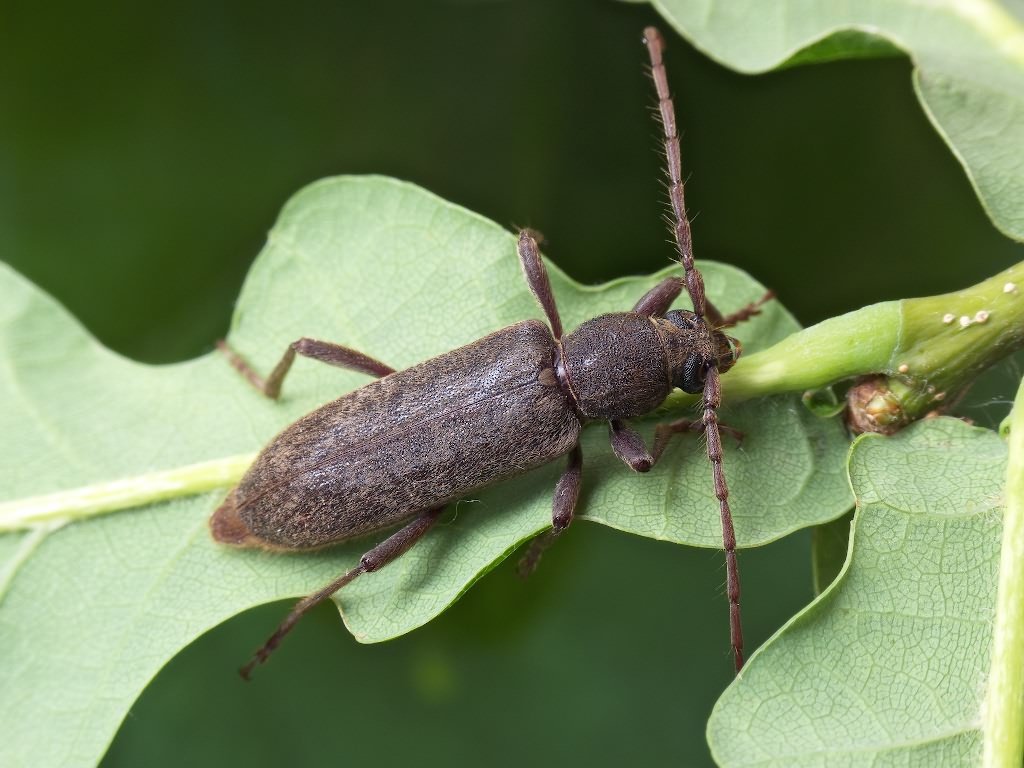
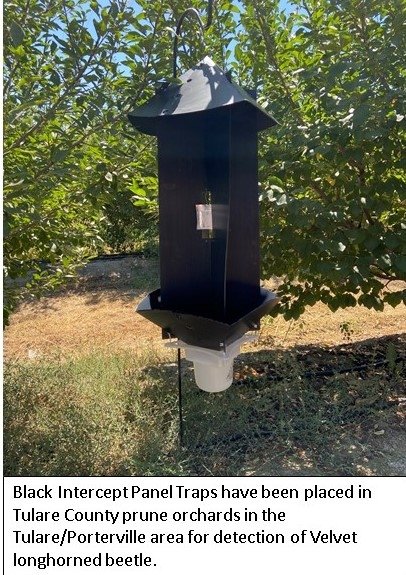
    Following a tip generated by citizen scientists in the Porterville/Tulare area, UC ANR researchers have installed traps to determine the potential for Velvet longhorned beetle, Trichoferus campestris (Coleoptera: Cerambycidae), introduction to the southern San Joaquin Valley. The beetle, also called Mulberry longhorn beetle, is native to Asia and Russia, but now has an extended geographic range across Europe and North America.  The pest is currently established in 4 counties in Utah, with cherries and peaches serving as hosts.

    The Velvet longhorned beetle is not a serious pest in Asia and has only had a low impact on European timber and orchard production.  The insect pest is of concern due to its potential to impact fruit yield and decrease tree longevity. It has been repeatedly intercepted at ports of entry in California; however, it is not known to be established in the state.  Because the pest has a wide host range, affecting over 40 genera of broadleaf and coniferous plants, and is tolerant of dry conditions, researchers and regulators have initiated monitoring efforts for the pest.  Locally, traps have been installed in dried plum and fresh prune orchards in Tulare County.

    The Velvet longhorned beetle may serve as a pest of forests and orchards, and it has been moved internationally on wood packing material and in furniture and home décor. The adult beetle is large (around 1-2 cm), brown, has long antennae, and is nocturnal. Its peak mating activity is in June/July in Utah.  Black Intercept Panel Traps were established in Tulare County in June and will be removed prior to prune harvest in September. — By Elizabeth Fichtner & Houston Wilson, UC Cooperative Extension
  • NEW NITROGEN MANAGEMENT RESOURCE AVAILABLE FOR CITRUS & AVOCADO

    NEW NITROGEN MANAGEMENT RESOURCE AVAILABLE FOR CITRUS & AVOCADO

    To address nitrate pollution of groundwater, the Central Valley Regional Water Quality Control Board has initiated a regulatory program requiring growers to utilize nitrogen management practices that mitigate nitrate loading. Because nitrogen plays such a critical role in in the growth and development of avocado trees — and because it can be difficult to ensure trees are receiving the optimal amount of nitrogen — the University of California Department of Agriculture and Natural Resources has created the Nitrogen Management in Citrus and Avocado publication.

    This document is designed to optimize growers’ application of nitrogen while reducing nitrogen leaching by focusing on applying nitrogen at the right rate, at the right time with the right placement and from the right source (otherwise known as the four R’s of nutrient management). The guide provides specific examples for the rate of application based on the age, alternate bearing status and vegetative state of the tree and discusses the optimal spring/fall application periods. In addition, the document provides guidance on how to conduct leaf analysis and what optimal concentration percentages to look for.

  • FIRE RECOVERY GRANTS AVAILABLE FOR SO CA GROWERS

    FIRE RECOVERY GRANTS AVAILABLE FOR SO CA GROWERS

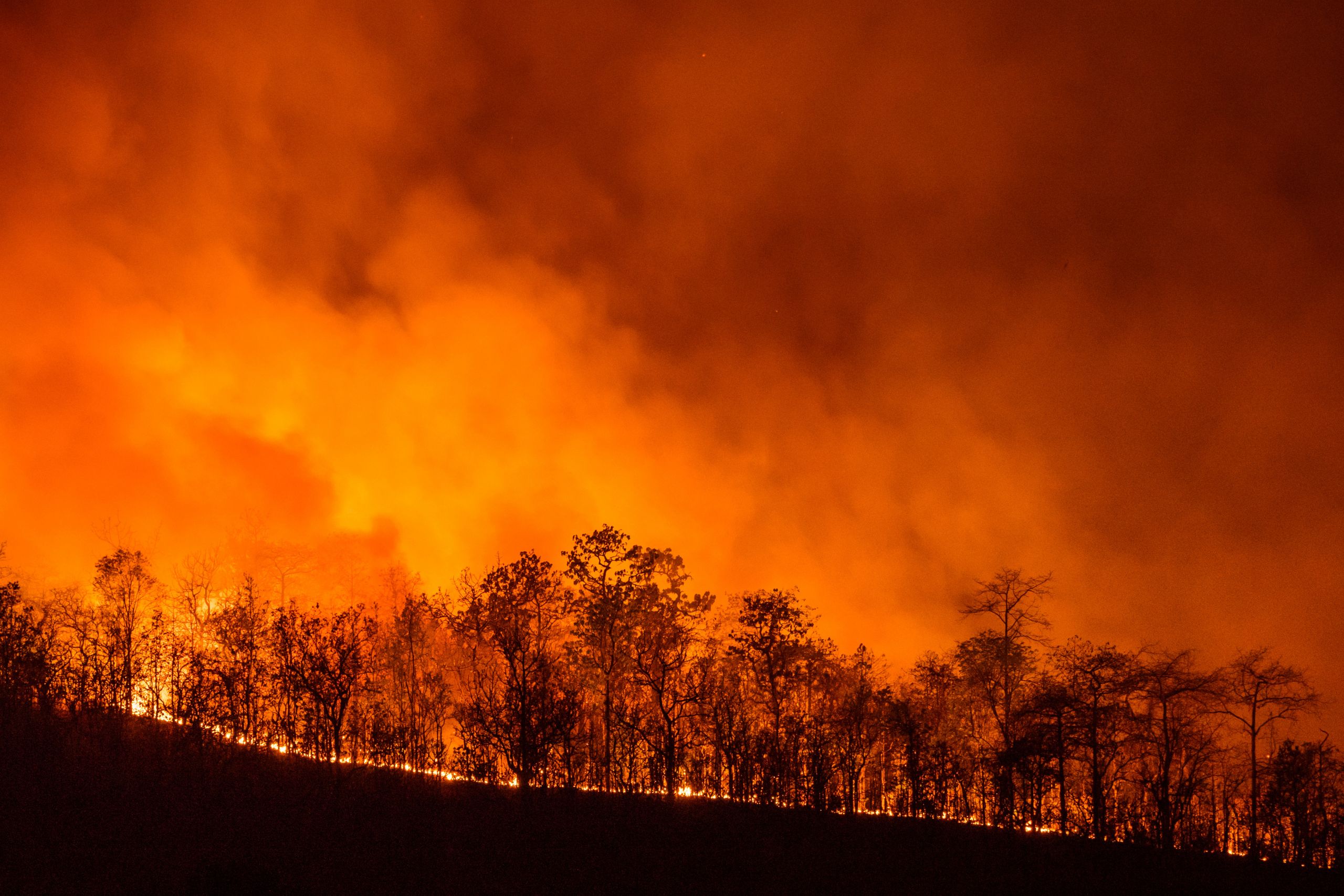
    Erosion damage caused by the 2018 – 2020 California wildfires can result in discharges of sediment, metals, nutrients and other pollutants that threaten streams, aquatic life and public health. In an effort to mitigate the effects of erosion caused by the fires in Ventura and Los Angeles Counties, the Post Fire Recovery Project will allocate $320,000 worth of reimbursable supplies to applicants for their erosion control best management practices. The grants can be used to obtain items such as silt fencing, jute netting, sandbags, native plantings, seeding, straw wattles and more.

    Grant funds will be distributed on a first-come, first-served basis. Interested growers can complete the application online.

    Online application assistance workshops will be held August 5 at 5:30 p.m. and December 8 at 5:30 p.m. For more information, contact Andy Spyrka, Resource Conservation Specialist at andyspyrka.vcrcd@gmail.com or 805.764.5135.

  • Certis USA Donates Another $20,000 to Help Citrus Industry Fight Its Greatest Threat

    Certis USA Donates Another $20,000 to Help Citrus Industry Fight Its Greatest Threat

    For the fourth consecutive year, Certis USA, the leader in biopesticides, has donated $20,000 to the Citrus Research and Development Foundation, Inc. (CRDF) to help fund the non-profit’s research aimed at finding a cure for Huanglongbing (HLB; citrus greening). The company’s successful “Certis for Citrus” program utilizes sales from their top citrus products to annually support CRDF’s mission.
     
    The donation came during the organization’s board meeting, held this year via teleconference on June 23, 2020. During the meeting, Certis USA product manager Jeremy Adamson expressed gratitude for the Florida citrus community and the work done by the CRDF to solve one of the biggest issues facing it.

    “The Florida citrus community trusts our Kocide® family of products for the effective control of bacterial and fungal diseases in their groves,” he said. “We are happy to show our gratitude for that support each year through the ‘Certis for Citrus’ donation to fund the amazing work being done by our friends at the CRDF.”

    Certis USA hails their Kocide® family of products as the most technologically advanced copper fungicide/bactericide products on the market, delivering maximum concentration of biologically-active copper ions while preserving the safety of the plant. Both Kocide® formulations (Kocide® 3000-O and Kocide® 2000-O) are NOP-Compliant and OMRI-Listed®.

    “Once again, Certis USA has demonstrated its commitment to the Florida citrus industry by providing financial support for the Citrus Research and Development Foundation, for which CRDF is grateful,” said COO Rick Dantzler. “It’s all-hands-on-deck as we work together to provide growers with products that help grow citrus in this HLB environment.”

    “As the industry leader in providing biopesticide solutions, we feel that it is imperative that we have the answers that growers need for the pests and diseases that threaten their crops and their operations,” said Mike Allan, Certis USA Vice-President, North America. “When we are unable to provide that solution directly through our broad portfolio of products, we are happy to provide the support needed for organizations like the CRDF to reach that solution and provide peace of mind for the community.”

    Growers who are interested in any of Certis USA’s portfolio of products should contact their local retailer or distributor, Certis USA sales representative or visit www.certisusa.com.

  • UC Riverside Discovers First Effective Treatment for Citrus-Destroying Disease

    UC Riverside Discovers First Effective Treatment for Citrus-Destroying Disease

    UC Riverside scientists have found the first substance capable of controlling Citrus Greening Disease, which has devastated citrus farms in Florida and also threatens California.

    The new treatment effectively kills the bacterium causing the disease with a naturally occurring molecule found in wild citrus relatives. This molecule, an antimicrobial peptide, offers numerous advantages over the antibiotics currently used to treat the disease.

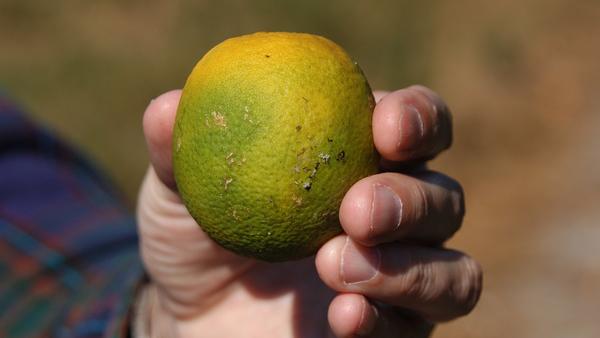
    Orange afflicted with Citrus Greening Disease. (UCR)

    UCR geneticist Hailing Jin, who discovered the cure after a five-year search, explained that unlike antibiotic sprays, the peptide is stable even when used outdoors in high heat, easy to manufacture, and safe for humans. 

    “This peptide is found in the fruit of greening-tolerant Australian finger limes, which has been consumed for hundreds of years,” Jin said. “It is much safer to use this natural plant product on agricultural crops than other synthetic chemicals.”

    Currently, some growers in Florida are spraying antibiotics and pesticides in an attempt to save trees from the CLas bacterium that causes citrus greening, also known as Huanglongbing or HLB. 

    “Most antibiotics are temperature sensitive, so their effects are largely reduced when applied in the hot weather,” Jin said. “By contrast, this peptide is stable even when used in 130-degree heat.”

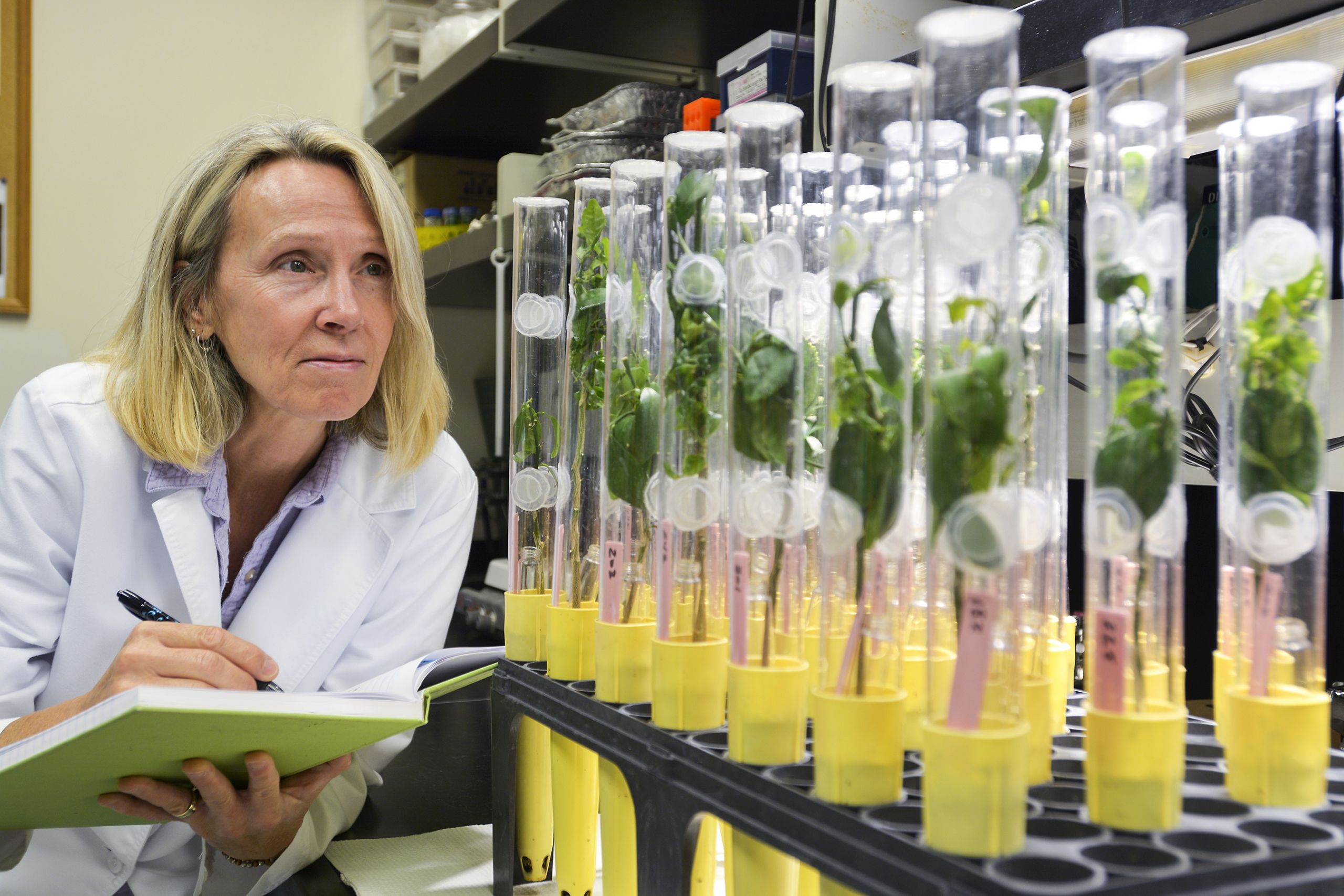
    Jin found the peptide by examining plants such as the Australian finger lime known to possess natural tolerance for the bacteria that causes Citrus Greening Disease, and she isolated the genes that contribute to this innate immunity. One of these genes produces the peptide, which she then tested over the course of two years. Improvement was soon visible. 

    “You can see the bacteria drastically reduced, and the leaves appear healthy again only a few months after treatment,” Jin said.

    Because the peptide only needs to be reapplied a few times per year, it is highly cost effective for growers. This peptide can also be developed into a vaccine-like solution to protect young healthy plants from infection, as it is able to induce the plant’s innate immunity to the bacteria.

    Jin’s peptide can be applied by injection or foliage spray, and it moves systemically through plants and remains stable, which makes the effect of the treatment stronger.

    The treatment will be further enhanced with proprietary injection technology made by Invaio Sciences. UC Riverside has entered into an exclusive, worldwide license agreement with Invaio, ensuring this new treatment goes exactly where it’s needed in plants. 

    “Invaio is enthusiastic to partner with UC Riverside and advance this innovative technology for combating the disease known as Citrus Greening or Huanglongbing,” said Invaio Chief Science Officer Gerardo Ramos. “The prospect of addressing this previously incurable and devastating crop disease, helping agricultural communities and improving the environmental impact of production is exciting and rewarding,” he said. “This is crop protection in harmony with nature.”

    Hailing Jin, Geneticist, UC Riverside

    The need for an HLB cure is a global problem, but hits especially close to home as California produces 80 percent of all the fresh citrus in the United States, said Brian Suh, director of technology commercialization in UCR’s Office of Technology Partnerships, which helps bring university technology to market for the benefit of society through licenses, partnerships, and startup companies. 

    “This license to Invaio opens up the opportunity for a product to get to market faster,” Suh said. “Cutting edge research from UCR, like the peptide identified by Dr. Jin, has a tremendous amount of commercial potential and can transform the trajectory of real-world problems with these innovative solutions.”

    While the long-term effectiveness of this research has not yet been confirmed or published in a scientific journal and the project is still in its early stages, Dr. Jin’s promising findings have resulted in a commercial licensing agreement between UCR and Invaio Sciences. It is not uncommon for researchers to team with commercial licensing partners during the early phases of their studies. In this case, more work still needs to be done to confirm the robustness and viability of this treatment. Additional greenhouse trials are being initiated by Dr. Jin and her team at the citrus-specific Bio-Safety Level-3 Laboratory in Riverside, California. It also is expected that field trials will be conducted to show the effectiveness of the treatment under commercial grove conditions. — By Jules Bernstein, UC Riverside

    Regarding the announcement, Marcy Martin from the California Citrus Research Board shared, “While the release was understandably enthusiastic about potentially promising research and we are heartened by the commercial interest in this peptide, we are looking forward to reviewing complete studies on the effectiveness of this therapy in greenhouse and field studies.

    Importantly, this is not the time to let down our guard.  It continues to be critical for all citrus growers in the state to remain extremely vigilant in protecting their groves against the Asian citrus psyllid and HLB. The psyllid arrived from Mexico in 2008 and is now firmly established in southern California. The first HLB-positive tree was found in residential Los Angeles County in 2012. As of July 3, 2020, 1,926 HLB-affected trees have been identified and removed to slow the spread of the disease in residential areas of Los Angeles, Orange, Riverside and San Bernardino counties. Unlike Florida, where HLB has decimated commercial citrus groves, California growers invested in research early through the CRB and have been diligent in applying best-management practices; therefore, the disease has not yet been detected in any commercial groves. The CRB will continue to focus intensive efforts on a variety of promising research to find a solution to HLB.

    Moving forward, we at the CRB are proud to work on behalf of the 3,300-plus California citrus growers to invest in key studies to find a solution to HLB. Citrus growers always have been resilient and resourceful. Together, we will look toward the horizon for a solution to HLB.

    Marcy Martin, President, California Citrus Research Board

    In the meantime, we continue to monitor and review progress in potential therapies, new HLB-resistant varieties, better psyllid control strategies and more. We are enthusiastic about the commercial interest in HLB therapies and look forward to being able to share a range of potential approaches for California citrus growers as research progresses and matures. If you have any questions or would like additional information about the status of this research, please contact CRB President Marcy Martin at 559.708.3791 or marcy@citrusresearch.org.”