Category: Industry News

  • Ouachita Blackberry Receives Outstanding Fruit Cultivar Award

    Ouachita Blackberry Receives Outstanding Fruit Cultivar Award

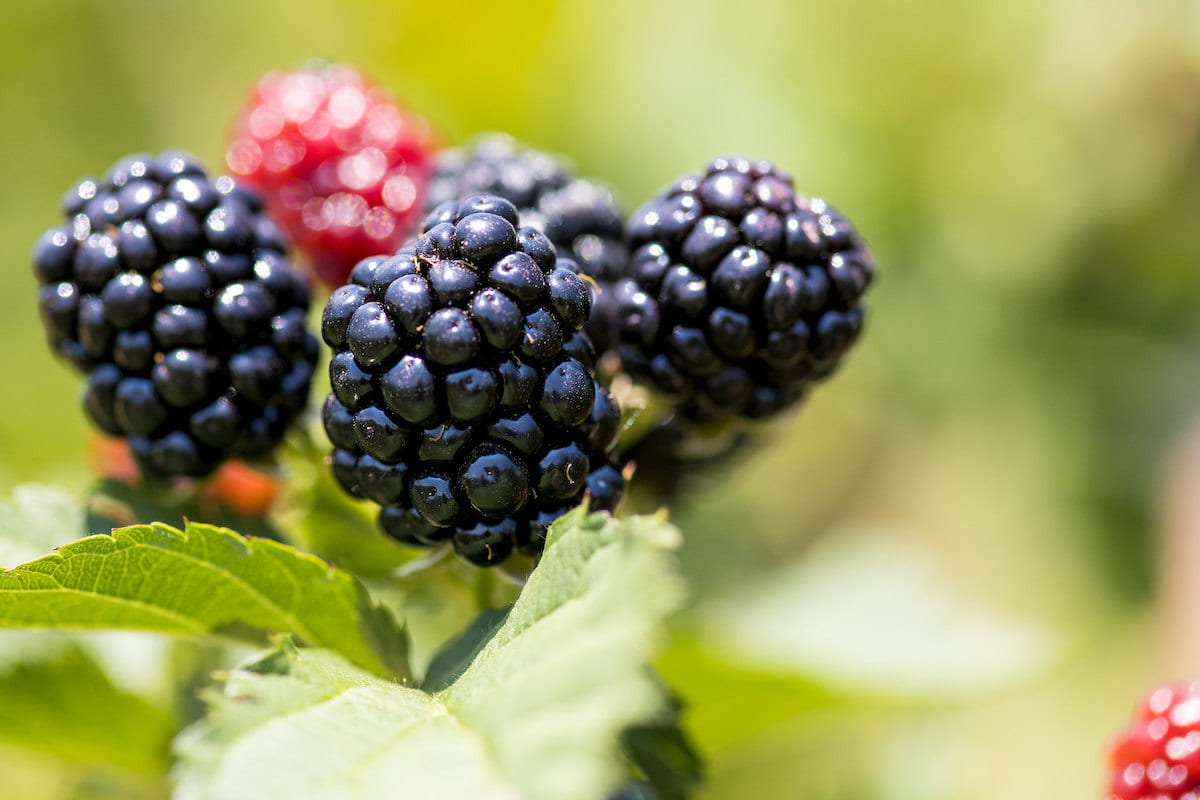
    Ouachita blackberry, a 2003 thornless variety from the University of Arkansas System Division of Agriculture, received the Outstanding Fruit Cultivar Award from the Fruit Breeding Professional Interest Group of the American Society of Horticultural Science.

    The Outstanding Fruit Cultivar Award recognizes noteworthy achievements in fruit breeding and highlights a modern fruit introduction that has a significant impact on the industry.

    Division of Agriculture fruit breeder John Clark shows Ouachita blackberries. The Fruit Breeding Professional Interest Group of the American Society of Horticultural Science presented the 2003 release from the Arkansas Agricultural Experiment Station their 2020 Outstanding Fruit Cultivar Award. (Photo courtesy of John R. Clark)

    The award was presented July 24 during the ASHS Fruit Breeding Professional Interest Group meeting, which was held virtually this year. The award has been presented since 1987 to noteworthy cultivars, according to information on the ASHS website.

    Top Seller

    “Ouachita has been the most important variety from our fruit breeding program,” said John Clark, Distinguished Professor of Horticulture for the Division of Agriculture, and fruit breeder for the Arkansas Agricultural Experiment Station, the division’s research arm.

    Clark said almost 5 million plants have been propagated and sold, based on reports from licensed propagators, who sell the plants to nurseries and commercial fruit farms. An earlier award winner, Navaho, had nearly 2 million plants sold.

    “Plant sales are the strongest reflection of its importance,” Clark said.

    Sales are a good indicator of popularity with growers and consumers, but Ouachita made significant impacts in other ways, particularly because of its good storage and shipping qualities.

    Expanding the Market

    “Ouachita contributed substantially to the establishment of a commercial shipping market blackberry industry in the eastern U.S., especially in the South, in the years following its release in 2003,” Clark said. “It has also been planted in other regions of the U.S., including western, midwestern and northeastern states.”

    “The idea of a shipping industry based largely on southern U.S. production developed because of an increase in imported Mexican blackberries in the 1990s to early 2000s,” Clark said. “Shippers wanted to continue marketing blackberries after the Mexican production season ended in late May.”

    Ouachita proved to be adapted to widely different growing conditions, allowing its use in many different states.

    The first major plantings of Ouachita began in southern Georgia and central Arkansas, Clark said, and expanded to North Carolina, the Midwest and other states as the shipping industry grew. Advances in production technologies, particularly the rotating cross-arm trellis, allowed expansion of blackberry production into regions where the new technologies allowed growers to protect the plants from winter cold in the upper Midwest.

    Ouachita has also been planted in western states, particularly in California, he said.

    This expansion of the U.S. blackberry shipping markets was possible because of Ouachita’s potential for long-distance shipping, Clark said. “The specific traits of importance were retention of berry firmness, low leakage of berries, and reduced reversion (reddening of drupelets after harvest) compared to other cultivar choices at the time,” he said.

    “Ouachita has also been very popular with local-market growers,” Clark said. “This is a substantial use for this variety, especially in Arkansas.”

    Another part of Ouachita’s appeal to growers is its proven resistance to double blossom/rosette, a devastating disease that once made commercial blackberry production virtually prohibitive in the South, Clark said.

    In its 17th year of production, Ouachita continues to be popular with growers, Clark said. Its third-strongest year for sales was the 2018-2019 planting season.

    Ouachita has also been licensed for sale in Japan, several South American countries, Australia, South Africa and Europe, bolstering the Division of Agriculture’s boast that its blackberries are grown on every continent but Antarctica.

    Fruitful Program

    The Division of Agriculture fruit breeding program has released 15 floricane-fruiting blackberry varieties and five primocane-fruiting varieties since the program’s inception in 1964. Clark said he and colleague Margaret Worthington, assistant professor and fruit breeder, continue to breed for improvements in sweetness, flavor and storage and shipping qualities.

    Worthington is leading genetic research to develop innovations in plant form, shape and size that may offer advantages to growers, Clark said.

    The latest variety from the blackberry breeding program was Ponca, released late last year and just entering the markets now, Clark said. “Ponca has superior flavor traits and good storage and shipping qualities,” Clark said.

    He describes Ponca’s unique qualities in a video: https://youtu.be/DJKLtYYBpIs

    Ouachita is the second blackberry and third fruit from the Arkansas fruit breeding program to receive the award, Clark said. The first Arkansas blackberry to receive the award was Navaho, released in 1989. Cardinal strawberry, released by the division in 1974, also received the ASHS award.

    To learn more about the Division of Agriculture Research, visit the Arkansas Agricultural Experiment Station website. Follow us on Twitter at @ArkAgResearch and Instagram at ArkAgResearch— By Fred Miller, University of Arkansas

    About the Division of Agriculture

    The University of Arkansas System Division of Agriculture’s mission is to strengthen agriculture, communities, and families by connecting trusted research to the adoption of best practices. Through the Agricultural Experiment Station and the Cooperative Extension Service, the Division of Agriculture conducts research and extension work within the nation’s historic land grant education system.

    The Division of Agriculture is one of 20 entities within the University of Arkansas System. It has offices in all 75 counties in Arkansas and faculty on five system campuses.

    The University of Arkansas System Division of Agriculture offers all its Extension and Research programs and services without regard to race, color, sex, gender identity, sexual orientation, national origin, religion, age, disability, marital or veteran status, genetic information, or any other legally protected status, and is an Affirmative Action/Equal Opportunity Employer.

  • Farmworker Pandemic Safety Campaign Launched

    Farmworker Pandemic Safety Campaign Launched

    The California Farmworker Foundation has launched a new campaign, La Seguridad Empieza con Usted, which translates to Safety Starts with You, to help the farmworker community stay safe through the pandemic by providing encouragement for best practices and information on additional resources. The campaign will reach farmworkers in the greater Bakersfield and Fresno growing regions.

    Advertisements on Spanish-language radio will encourage farmworkers to visit the foundation Facebook page for ways to stay safe during the pandemic. On the foundation Facebook page are messages that encourage safe practices during a pandemic, dispel myths about the pandemic, and provide tips for increased safety measures in daily life. These messages will continue throughout the campaign.

    “The health of farmworkers and their families is just as essential as their work to keep the world fed,” said Hernan Hernandez, California Farmworker Foundation executive director. “Farming operations have adopted safety procedures to keep workers safe on the job. This campaign provides our communities with more Spanish-language information and resources about the pandemic, including the dispelling of COVID-19 myths, to better educate everyone on the need to make safe choices in their personal lives.”

    This campaign is an expansion of work that the foundation has already been doing to keep the community safe during the pandemic, including distributing PPE, combatting food insecurity, and providing virtual medical consultations. The foundation has a free hotline for farmworkers to call seeking additional information on ways to stay safe during the pandemic. The number is 661-446-4077.

    The farmworker safety campaign is supported by the California Fresh Fruit Association and California Table Grape Commission.

  • Watermelon Board Launches 2020 Recipe & Carving Challenge

    Watermelon Board Launches 2020 Recipe & Carving Challenge

    National Watermelon Promotion Board (NWPB) kicked off its annual consumer recipe contest – but this time with a twist. Unlike in year’s past where consumers were asked to create and submit an original watermelon-focused recipe, in 2020 NWPB tasks fans with putting their own unique spin on existing recipes and carvings found on the newly relaunched watermelon.org website. The contest launched Memorial Day and closes August 21st.

    After visitors chose which recipe or carving they will personalize, home chefs can customize it by swapping out up to five ingredients, changing the way the dish is served or adding something new to the dish. Watermelon fans can then enter the contest two ways: by posting their recipe/carving image to their public profile on Instagram using #WatermelonRecipeContest or at watermelon.org.

    “Not only will this contest be more approachable to consumers who may have been intimidated to create a recipe, but they will have all summer long to experiment with the recipes and carvings from the Watermelon.org website and show us how they add their own unique flair,” says Stephanie Barlow. “Additionally, this time period, more than any other, is all about finding new stay-at-home activities for consumers and continuing to source the best products in health, value and versatility.”

    To help launch the contest on Instagram and gain exposure and momentum for the hashtag #WatermelonRecipeContest, NWPB recruited six influencer partners, all of whom have chosen their own recipe or carving to recreate and inspire their followers. Each partner is scheduled to post images and versatility messaging at different times throughout the summer in order to maintain a steady cadence of contest visibility.

    In addition to pushing fans to master watermelon carving techniques and recipes, the contest helps to drive traffic to the new website and capture user-generated content. Other benefits include:

    • Increase page views and engage with on-site with comments
    • Populates NWPB’s database of assets and editorial content with captured UGC and can use for promotion on owned channels
    • Crowd-sources recipe ranking by interest in entries, as well as tweaks for improvements
    • Incentivizes Instagram posts and tags during peak watermelon visibility showcasing versatility for the people, by the people
    •  Real-time feedback on watermelon techniques and recipe steps

    Prizes will be awarded in three categories including Food, Beverage and Carving. All winners will receive a watermelon prize pack of goodies, plus first place winners will receive a $250 gift card, second place a $100 gift card and third place a $50 gift card. Judging criteria will be a mix of the recipe or carving’s unique spin, visual presentation and appearance.

    For more information about the Recipe & Carving Challenge, including official contest rules and to submit an entry, visit watermelon.org/recipe-challenge prior to August 21, 2020.

    About National Watermelon Promotion Board
    The National Watermelon Promotion Board (NWPB), based in Winter Springs, Florida, was established in 1989 as an agricultural promotion group to promote watermelon in the United States and in various markets abroad. Funded through a self-mandated industry assessment paid by more than 800 watermelon producers, handlers and importers, NWPB mission is to increase consumer demand for watermelon through promotion, research and education programs.

    Watermelon packs a nutritious punch, with each serving providing an excellent source of Vitamin C (25%), a source of Vitamins A (8%) and B6 (8%), and a delicious way to stay hydrated (92% water), with only 80 calories. Watermelon consumption per capita in the United States was an estimated 15.6 pounds in 2019. Watermelon consumption in the United States was approximately 5.1 billion pounds in 2019. The United States exported an additional 321.2 million pounds of watermelon. For additional information, visit www.watermelon.org.

  • Fusarium Root Rot in Seedling Lima Beans

    Fusarium Root Rot in Seedling Lima Beans

    In May, I looked at a lima bean field in the Sacramento Valley that showed poor seedling emergence scattered throughout the field (photo 1). I sent samples to the UC Davis Plant Pathology lab and the main pathogen consistently recovered from the roots was Fusarium root rot, a fungal disease caused by Fusarium solani f. sp. phaseoli. This pathogen is specific to beans and field peas and will not infect other field crops. A few bean seedlings also had Rhizoctonia and Pythium (also fungal pathogens).

    Finding Fusarium root rot in a lima bean seedling field was a surprise because this disease is most commonly encountered in established fields during mid- to late season, where it is one of the causes of early maturity (“cut out”). Rhizoctonia and Pythium can cause seedling damping-off in dry beans. However, plants usually outgrow these pathogens, particularly if the seed is treated with a fungicide and conditions favor rapid emergence.

    Fusarium solani attacks underground stems and roots of plants. In established plants, early infection is characterized by elongated reddish streaks on the roots. As the disease progresses, these eventually form reddish-brown lesions that will surround the entire root, causing decay. The above ground plant symptoms of affected plants included yellowing, wilting, stunting, and dieback. On seedling plants in the affected field, I observed dieback of the growing point, stems that were a bit swollen, and roots that were brownish and not well developed (Photo 2, diseased roots on left, healthy on right).

    Fusarium root rot causes little damage to healthy plants, but under conditions of plant stress due to drought, poor nutrition, or oxygen-stressed, waterlogged soils, Fusarium root rot can cause plant dieback and yield losses, particularly in fields with a long history of bean production. In this particular lima bean field, soil moisture was lost, causing plants to be extremely water stressed. Crop rotation, use of seed treatments, and closely watching field conditions to ensure plants are not stressed will help manage Fusarium root rot. This disease tends to be a problem in fields with a long history of bean production. More information on diseases in dry beans can be found on the newly revised UC IPM guidelines for dry beans. — By Rachael Freeman Long, UC Cooperative Extension

    Photo 2. Lima bean seedlings infected with Fusarium root rot (4 left plants) compared to healthy roots (3 plants on right).
  • Freeze-Dried Strawberries & Ice Cream Make for a Very Stable Relationship

    ARS researchers have shown some freeze-dried berry powders—especially freeze-dried strawberry powdercan act as outstanding stabilizers in ice cream and other frozen dairy desserts.

    Freeze-dried strawberry powder is so effective a stabilizer that frozen dairy desserts with it included will maintain their shape even after reaching room temperature, according to Agricultural Research Service (ARS) research food technologist Cristina Bilbao-Sainz with the Healthy Processed Foods Research Unit in Albany, California.

    To be technically classified as ice cream, it must contain between 10 percent and 16 percent milkfat; everything else is called a frozen dairy dessert.

    Physical scientist Craig Carriere enjoys fat-free soft-serve ice cream produced with Fantesk (Photo by Keith Weller).

    Without a stabilizer, ice cream—home-made or commercial—can become unpleasantly crunchy with the growth of large ice crystals. It can happen in either or both the ice cream maker or the freezer, when temperatures change. Stabilizers also slow down melting, prevent wheying off (the leaking of a clear watery serum), help avoid shrinking during storage and increase your mouth’s perception of creaminess.

    Standard stabilizers such as sodium alginate, guar gum, iota carrageenan, xanthan gum and carboxymethyl cellulose are commonplace. But people tend to react negatively to these unfamiliar, chemical sounding names when they appear on an ice cream label, assuming these must be artificial ingredients.

    Actually, many do come from natural sources. For example, sodium alginate is extracted from brown seaweed.

    Bilbao-Sainz became intrigued with the idea of freeze-dried fruit powders as ice cream stabilizers when an all-natural dessert maker came looking for scientific facts about them. The possibilities of freeze-dried fruit powder have been previously known but not technically quantified.

    “We discovered that some of the freeze-dried fruit powders—especially strawberries—completely prevent the melt-down of dairy frozen desserts similar to ice cream made with whole milk, whole whipping cream, sugar and skim milk powder,” Bilbao-Sainz said. “Freeze-dried berry powder will absorb moisture from the premix base, improving its stability and texture to the point where the frozen dessert will keep its shape even after “melting” to room temperature.”

    This is probably due to the fiber in the berry powder becoming completely hydrated, which contributes to an increase in viscosity and resistance to melt-down, she explained.

    In Bilbao-Sainz’s testing, adding 3.5 percent of either strawberry, raspberry or blackberry freeze‐dried powder reduced the water available for ice crystal formation during stirring and freezing, preventing crystal growth and slowing melting. That translates to adding about 0.7 ounces for a 1-quart home ice cream maker.

    Strawberry powder was the best stabilizer, completely preventing melt‐down, followed closely by raspberry. While blackberry powder prevented the frozen dessert from wheying off the foam structure still collapsed so it lost its original shape.

    Blueberry powder, on the other hand, did not prevent melt-down or ice crystal formation during refreezing, and the frozen dessert showed a little wheying off.

    Of course, using freeze-dried strawberry powder as a stabilizer in frozen dairy desserts such as ice creams also means accounting for the added strawberry flavoring—a plus if you are making strawberry balsamic vinegar ice cream, more difficult in a brown butter bourbon ice cream recipe. — By Kim Kaplan, USDA-ARS

    This research was published in the Journal of Food Processing and PreservationThe Agricultural Research Service is the U.S. Department of Agriculture’s chief scientific in-house research agency. Daily, ARS focuses on solutions to agricultural problems affecting America. Each dollar invested in agricultural research results in $20 of economic impact.

  • Keeping Pinto Beans Away from the Dark Side

    Pinto beans are good for us. They are nutritious, packed with protein and fiber. They also contain a host of micronutrients like B vitamins and folate.

    But being good isn’t enough for pinto beans. They also need to look good.

    A new variety of slow-darkening pinto beans shows benefits for the entire value chain (Photo by Juan Osorno).

    Typically, pinto beans have a striking mottled pattern of dark and light brown. However, the beans can darken after harvesting.

    Consumers perceive pinto beans with darker colors to be older, harder to cook, and less nutritious than lighter beans.

    “We eat with our eyes,” says Juan Osorno. Osorno is a researcher at North Dakota State University.

    And it’s not only consumers who are skeptical about dark pinto beans. “Farmers see darker pinto bean seeds as being of poorer quality,” says Osorno. “And when farmers try to sell darker beans, they often have to accept discounted prices.”

    That’s a big deal because pinto beans are the most common type of dry bean grown and consumed in the United States.

    In the recent study, Osorno and colleagues describe the process of developing a promising new variety of slow-darkening pinto bean. “The study found no major differences in the agronomic performance of regular versus the slow-darkening pintos,” says Osorno.

    He believes these slow-darkening pinto beans can be a good alternative for the existing pinto bean value chain. “Both farmers and consumers will benefit from it in many ways,” he says.

    For example, the slow-darkening beans cooked faster than regular beans. Needing less time to cook can be a great benefit in areas where cooking fuel is scarce.

    The key advancement has been improving agronomic performance – such as yield and bean size – of the slow-darkening beans. That’s huge progress, because past plants with the slow darkening gene have had many issues associated with agronomic performance.

    For example, one older variety of slow-darkening pinto beans has low yields. Another won’t flower under farming conditions in the United States. Yet another grows in such a way that it makes mechanical harvesting of the beans difficult.

    At the root of these difficulties lies pinto bean genetics. Physical characteristics, such as yield, bean size, or rate of darkening, are all affected by one or more genes.

    Turns out, a single gene – aptly named slow darkening or SD – controls how quickly pinto beans darken after harvesting. Researchers can breed this gene into new pinto bean varieties fairly easily without creating a genetically modified organism (GMO).

    But whenever they incorporated this gene in the past, other genes responsible for lower yields or smaller beans would come along with the slow darkening gene.

    Osorno and colleagues tested several varieties of slow-darkening and regular pinto beans over the past decade. The tests were carried out in research plots in Washington and North Dakota.

    The researchers compared traits such as seed weight, yield, and cooking time between slow-darkening and regular pinto beans.

    The initial tests – from 2010 to 2012 – did not yield encouraging results. The slow-darkening beans performed poorly compared to regular pinto beans.

    But the latest round of field trials using slow-darkening pinto beans was more promising. According to the 2018 tests, the newer slow-darkening pinto bean varieties are catching up to regular varieties in yield and bean size.

    In fact, a second generation of slow-darkening pinto beans is already showing higher yields compared to the previous generation.

    Osorno is encouraged but says there’s still work to be done. “Remember that breeding yields gains in a stepwise manner rather than through big jumps,” he says.

    Read more about this research in Crop Science. This work was funded by Northarvest Bean Growers Association, United States Department of Agriculture National Institute of Food and Agriculture, United States Department of Agriculture Agricultural Marketing Service, and the North Dakota Department of Agriculture.

  • CA Squash Delights Meals All Year

    Summer Squash Harvest at Frontyard Farms

    Whether you grow it, grind it into other forms or just enjoy it at mealtime your choice of squash from California is almost without limits.  Florida is the only state that produces more squash than California, but a half dozen other states produce it commercially.

    Production in Mexico has increased steadily, competing primarily with growers in the Coachella Valley for the early spring market.  The Central San Joaquin Valley is a major producer, mostly of the spring and summer varieties, with large volumes coming from the Stockton area and from the Salinas Valley as summer progresses.

    As any backyard gardener knows, seed packets of dozens of squash varieties are at your fingertips, and squash plants grow heartily and produce generously in about 60 days after planting.  Along with radishes squash plants are about as sure a bet as home gardeners can make in early summer, practically guaranteed to produce enough to share with a neighbor.

    But even a small backyard planting attracts hungry, and sometimes large and ugly, insects, that demand control measures if the vegetable is to grow to tasty maturity. Probably more than any other vegetable, squashes provide home gardeners an experience closer to those of experienced professional producers than any other food commodity.  Weather, irrigation demands, insect attacks and harvest determinations are comparable at whatever level or volume the vegetable is grown. In a 12-foot row of squash behind the house a homeowner will perform about the same duties as a commercial grower tending acres of squash, and at about the same time.

    Ratatouille made with Summer Squash from Frontyard Farms in Fresno, CA

    For those who appreciate squashes only for meal preparation and enhancement the passing parade of varieties at their supermarkets or vegetable stands is an assuring feature.  Part of the delight is in the variety of colors and shapes that squashes present, from crisp green to deep reds and purples, and shapes that stretch from banana-like to circular and bulbous.

    To isolate on just one of the many squash varieties, butternut, provides ample interest and intrigue.  A colorful winter variety, butternut squash is technically not a vegetable, but a fruit. It is not only tasty, but heavily endowed with vitamins, minerals, fiber and antioxidants, but low in calories.  Preparation commonly involves roasting or baking.

    Research has shown that diets high in certain antioxidants such as those found in butternut squash can reduce the risk of certain cancers. Studies have demonstrated that a higher dietary intake of beta-carotene and vitamin C may reduce lung cancer risk.  Butternut squash contains high levels of both.

    Mixed Summer Squash at Frontyard Farms’ Produce Stand in Fresno, CA

    Those thinking about weight loss – and that seems to include almost everybody these days – can be encouraged that a cup of cooked butternut has only 83 calories, and provides seven grams of filling fiber, making it an excellent choice for those concentrating on losing excess weight and body fat.

    Aside from all the appeal to health and weight-loss enthusiasts most of the squashes grown commercially are relatively easy to pack and ship.  They are not easily bruised or otherwise damaged in the harvest and packing mode, and commonly arrive at their commercial destinations undamaged and ready to display.  Their color and freshness seem to appeal to shoppers without their being dressed up or polished.

    Don Curlee

    One Central California grower and shipper of a large volume of squash for most of every year said he expects recent virus and health concerns to not be focused on the popular vegetable.  Rather, the health benefits of those in the squash family might receive increased attention in the months ahead.  Quick! Get those seeds in the ground. – By Don Curlee, Ag at Large

  • China Market Opportunities for California Nectarines

    China Market Opportunities for California Nectarines

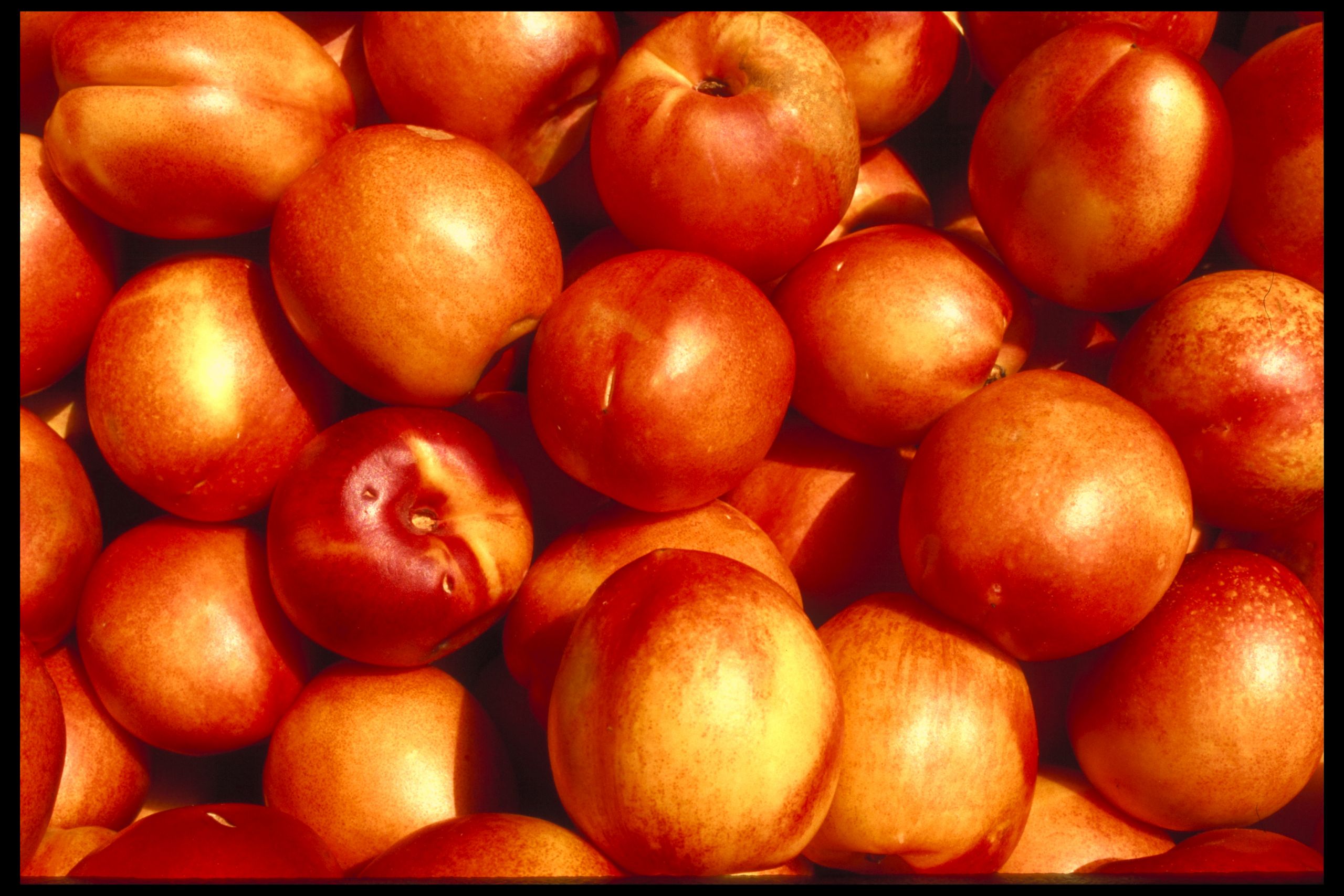
    On March 4, 2020, China announced market access for fresh U.S. nectarines as part of the U.S.-China Economic and Trade Agreement (ETA). This report briefly mentions the market access conditions for U.S. nectarines, discusses several key factors of China’s nectarine market (including import competition), and offers market-entry recommendations to consider when exporting fresh U.S. nectarines to China.

    Product Description & Access Overview

    On March 4, 2020, in accordance with the U.S.-China Economic and Trade Agreement (ETA), China granted official market access for U.S. fresh nectarines from designated counties in California (specifically Fresno, Tulare, Kern, Kings and Madera counties). California nectarines account for 95 percent of U.S. production. The harvest season for U.S. nectarines runs from mid-summer to mid-autumn, partially overlapping with Chinese domestic supply, which runs from May to October. Read the full report from the USDA Foreign Agricultural Service HERE

  • California Prune Growers Suffer the Brunt

    California Prune Growers Suffer the Brunt

    California prune growers forced economically to make a 23% reduction in crop deliveries have also suffered a 28% reduction in price. This hardship comes in spite of a number of positive factors for the industry including $50 million in USDA purchases of prunes and positive results from trade mitigation offsets and industry promotion efforts in Japan and elsewhere. Growers reviewed the daunting double hit to grower returns from a number of factors including the disruption to trade caused by the coronavirus pandemic at the 52nd annual membership meeting of the Prune Bargaining Association (PBA) held on Thursday last week by conference call/video conference.

    Average grower returns for a number of growers will fall by more than $500 per ton from the previous crop year according to data presented by PBA General Manager Greg Thompson. “Growers are to be commended for the tremendous efforts they have made to match production with demand,” explained Thompson. “Growers were told they would be paid little or nothing for smaller prunes, so they increased their efforts to prune, thin, and then screen out fruit at harvest, bringing the crop down from an estimated 110,000 tons to 85,000 tons.” As background, according to the University of California, growers have an investment of nearly $18,000 per acre (not including land) to establish a prune orchard. Growers spend an additional $4,194 per acre each year to produce and deliver the crop. “The extra effort made this past year by growers increases expenses and reduces yields,” explains Thompson. “It is truly a double whammy to have grower prices fall so precipitously.”

    The brutal cut to grower prices comes in the face of many positives for the industry. Imports of cheaper but poorer quality prunes are down 76% for the first 5 months of year, while domestic shipments of California prunes are up 13%. USDA programs in response to unfair and retaliatory tariffs and trade barriers, and needy family feeding programs, have helped offset losses in overseas markets and gain back market share. Shipments to Japan, a key market for California prunes, are up 14% over the previous year. Over the past 3 years, the USDA has purchased nearly $50 million of prunes for needy families, school lunch, and other feeding programs.

    One of the biggest positives for the California prune growers comes from a united industry working together to promote health and wellness through nutrition research. “Everbody wants to make a health claim these days,” explains Ranvir Singh, PBA President. “But prunes are the tried and true healthy and completely natural food. There is so much more to the health benefits of eating prunes than anyone first imagined.” Scientific research is revealing more and more about the importance of gut health to overall health. Prunes have been shown to have a positive impact on both gut health and bone health, among other bonuses. “The benefits of micro-nutrients, boron, potassium, fiber and an apparent anti- inflammation benefit in gut make prunes a truly remarkable food,” remarks Singh.

    The Prune Bargaining Association was formed in 1968 as a grower-owned cooperative to improve the economy of the California prune industry, encourage the production of a quality product and provide a forum for growers to exchange ideas regarding the industry. The PBA establishes the industry’s raw product price for prunes. 

  • Recurrent Selection with Glufosinate at Low Rates Reduces Italian Ryegrass Resistance

    Recurrent Selection with Glufosinate at Low Rates Reduces Italian Ryegrass Resistance

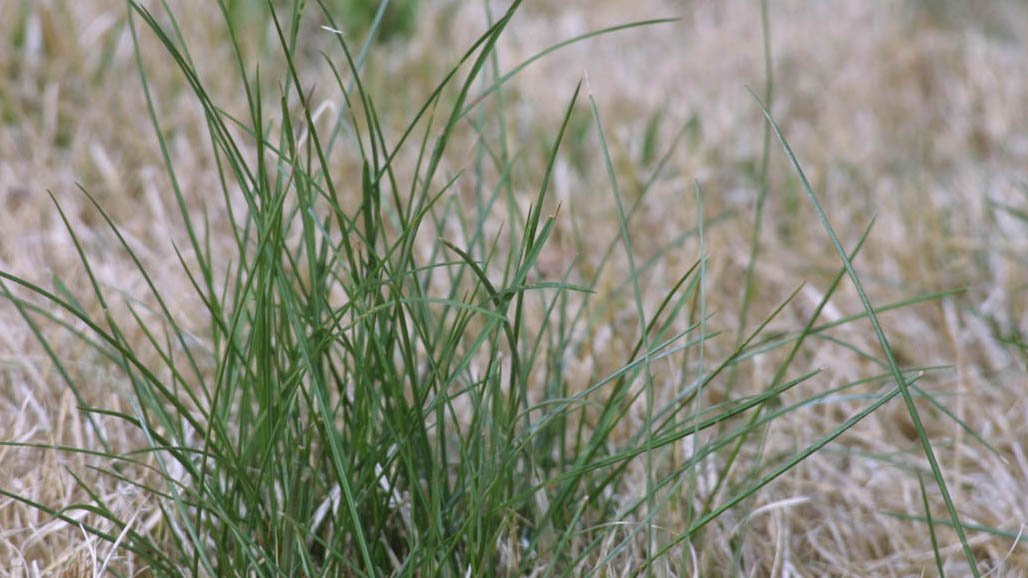
    Italian ryegrass is a major weed in orchards, vineyards, field crops, and fallow fields of California (Figure 1). Several different herbicides are used to control ryegrass and had been effective in reducing infestations until resistance evolved in many populations following repeated use of the herbicides. To date, resistance to glyphosate, paraquat, and some ACCase and ALS inhibitors has been confirmed in ryegrass infestations across the agricultural landscape of California. To make matters worse, resistance to multiple postemergence herbicides with different modes of action has been confirmed within the same orchard, vineyard, or field in some areas. Consequently, management of Italian ryegrass in California annual and perennial cropping systems has become a major challenge.

    Figure 1. High infestation of Italian ryegrass in a peach orchard (photo credit: Maor Matzrafi).

    Glufosinate is an alternative non-selective postemergence herbicide that can still be used to control herbicide-susceptible and most herbicide-resistant Italian ryegrass in California as only two populations with resistance to glufosinate have been documented to date. However, the higher cost of glufosinate relative to other herbicides may drive farmers to apply glufosinate at reduced rates as has occurred in other cropping systems, such as the Australian wheat belt, with other herbicides. The lower rates and other drivers such as herbicide applications at non-optimal weed size, inappropriate weather conditions, and insufficient spray coverage may result in sublethal rate selection of ryegrass by glufosinate.

    To evaluate the potential for low glufosinate rates to select for reduced susceptibility to the herbicide, and to determine if selected populations are cross-resistant to herbicides with other modes of action as has been observed in a few studies, we conducted a greenhouse study using a herbicide-susceptible parent population originally collected from a vineyard in Sonoma County. Plants were grown in the greenhouse to the 3-4 leaf stage and treated with low glufosinate rates for three generations. For the first round of selection, plants were treated with glufosinate at 1/8X, 1/4X, and 1/2X of the labelled field rate (984 g ai ha-1). Surviving plants were grown to reproductive maturity and allowed to cross-pollinate. Seeds were harvested from all plants, pooled, germinated, and plants grown in the greenhouse for the next round of selection at slightly higher rates (1/2X, 3/4X, and 1X). For the third round of selection, plants were treated at 3/4X, 1X, and 1.25X of the labelled field rate.

    Results showed that susceptibility to glufosinate was reduced in offspring in comparison with the susceptible parent population following only three generations of selection (Figure 2). Comparing the susceptible parent population with the offspring from the second and third selection cycle, the percentage of surviving plants increased to values of LD50 (1.31 and 1.16, respectively) and LD90 (1.36 and 1.26, respectively).

    Figure 2. Dose-response of the Italian ryegrass susceptible parent population (P0) and three successive generations (P1, P2, P3) of offspring following selection with low glufosinate rates in the greenhouse. Lines are the predicted values for percent survival. Red arrow indicates the labelled field rate (984 g ai h-1). Adapted from Matzrafi et al., 2020 (https://www.biorxiv.org/content/10.1101/2020.07.04.182733v1).

    When treated with alternative postemergence herbicides (glyphosate, paraquat, or sethoxydim), no plants of either the parental or successive offspring populations survived treatment with 0.75X or higher rates of these herbicides (see Matzrafi et al., 2020 (https://www.biorxiv.org/content/10.1101/2020.07.04.182733v1).

    The magnitude of increases in resistance levels over three generations of recurrent low-rate glufosinate selection observed is relatively low compared with higher levels of resistance observed in response to low-rate selection with other herbicides (three-fold and greater). However, under field conditions, even low levels of resistance within weed populations may reduce control. This study shows that repeated selection with glufosinate at low rates can reduce the susceptibility of Italian ryegrass populations to glufosinate, and points to the importance of incorporating a diversity of approaches, both chemical and non-chemical, in the management of ryegrass in annual and perennial cropping systems of California. – By Marie Jasieniuk & Maor Matzrafi, UC Weed Science