Category: Non-Video

  • CA Dry Bean Advisory Board Accepting Research Proposals for 2024

    CA Dry Bean Advisory Board Accepting Research Proposals for 2024

    The California Dry Bean Advisory Board (CDBAB) is requesting applied research proposals for 2024. This commodity-based research request is sponsored by the California Dry Bean Marketing Order, under the guidance of CDFA (CA Dept Food & Ag). The Board has supported applied research by university programs for many years.

    Please find the grant application as well as a list of the 2024 applied research priorities developed by the CDBAB. The Board is particularly interested in pest management projects to address weeds and insects. Funding is for one year. Proposals for projects extending beyond one year must be re-submitted each year.

    Due to limited research funding, proposals that demonstrate cost sharing are encouraged. Although, there is some flexibility in the budget below, the total amount of funding available for 2024 is as follows:

    Board: $55,000

    Baby lima council: $7,500

    Blackeye council: $10,480

    Garbanzo council: $7,500

    Large lima council: $0

    Common bean council: $0

    Total: $80,480

    For current information on dry bean production in California as well as past reports funded by the board, see the Dry Bean webpage on the Agronomy Research and Information Center. You can search and view previously funded research reports from the online database.

    Please share this call for proposals with colleagues and others who might be interested in dry bean research. Proposals are due by Friday, February 10, 2023. Progress reports for projects funded by the CDBAB in 2022 will also be due Friday, February 10, 2023. See an example progress report.

    Those who submit proposals should be prepared to give a brief presentation to the Board at their first meeting of the year, which usually occurs in early March. Funding decisions are communicated shortly thereafter by Board Manager, Nathan Sano.

    To submit 2024 proposals and 2023 final reports electronically, please email Nick Clark (neclark@ucanr.edu). With questions about this funding opportunity, email either Nick Clark or Michelle Leinfelder-Miles (mmleinfeldermiles@ucanr.edu). Nick and Michelle are UC ANR co-liaisons to the CDBAB.
  • ‘Delightful’ Yellow Tomato to be Released in 2024

    ‘Delightful’ Yellow Tomato to be Released in 2024

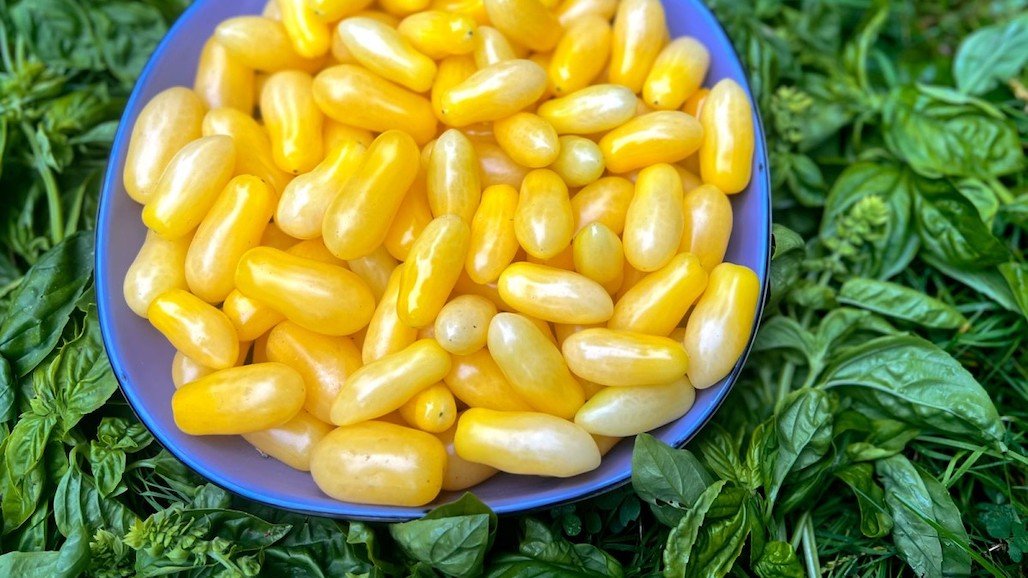
    A Cornell plant breeder has developed an unusual tomato – with yellow flesh and an oblong shape that prompted its fans to name it “Yellow Submarine.”

    Developed by Phillip Griffiths, associate professor in the School of Integrative Plant Science, Horticulture Section, in the College of Agriculture and Life Sciences (CALS), the tomato – known as WRSTCP2 during development – has clear skin with an ethereal, semitranslucent look and is resistant to cracking on the vine.

    Fruition Seeds, based in Naples, New York, is bringing the variety to market in 2024.

    “People were just unanimously delighted by the flavor and by the shape,” said Petra Page-Mann, Fruition’s co-founder. The company spent the last two years growing and taste-testing it with its customers, after Cornell approached them with the variety.

    Griffiths, who specializes primarily in brassica vegetables, characterized his tomato breeding efforts as starting as a “freedom project” – something fun to do on Friday afternoons – that got much bigger. Previous years’ tomato breeding yielded the colorful Galaxy Suite of grape tomatoes, available from High Mowing Organic Seeds.

    He crossbreeds many different types of small-fruited tomatoes, which can add to a whole new level of biodiversity. “This enables us to generate all types of colors and shapes,” he said. “And then we evaluate them, we demonstrate them to people, we try and identify the types that people like the look of, like the taste of, that perform well for production in the Northeast.”

    Breeding, development and cultivation of this tomato variety happened both at Cornell AgriTech in Geneva, New York, and at Cornell Agricultural Experiment Station’s Homer C. Thompson Vegetable Research Farm in Freeville, New York.

    After identifying the tomato as different and interesting, Griffiths and his team approached Fruition Seeds about commercializing the variety.

    Page-Mann said they “jumped up and down” at the chance to try it out. “It’s unbelievable to have Cornell as a partner and co-visionary in what we are eating and why,” she said.

    Fruition took the tomato to their customers and social media followers to find a more creative name. People suggested more than 80 ideas and then voted on the winner: Yellow Submarine. “We are a very community-oriented seed company,” Page-Mann said, “and so this name very much reflects the humor and delight of our community.”

    While the seeds will be available to home gardeners, Yellow Submarine is unlikely to be sold at grocery stores. Rather, the intent of the partnership between Fruition and Cornell is to bring different, fun and engaging products to the market, Griffiths said.

    “A lot of exciting products get killed because they don’t have those mainstream, maximum profit angles,” Griffiths said. “It’s very easy for the economic world in which we live to cut out a lot of the exciting products that exist in the natural world. People never see them just because they’re not perceived as having as high an economic return.”

    But many of Cornell’s open-pollinated varieties, including the Yellow Submarine, have the potential to become future heirloom varieties, bringing delight to future generations, Page-Mann said.

    “It’s not a hybrid,” she said. “And that means we save the seed so we can share it with you, and it will grow true to type, exactly like its parent. And so can our great-great-great-great grandchildren.” — By Holly Hartigan, Cornell University

  • Citrus Research and Field Trials (CA-CRaFT) Program Now Accepting Cycle 2 Grower Applications

    Citrus Research and Field Trials (CA-CRaFT) Program Now Accepting Cycle 2 Grower Applications

    California’s Citrus Research and Field Trials (CA-CRaFT) program is now accepting Cycle 2 applications from commercial growers. This initiative aims to showcase the efficacy of additional control measures against the Asian citrus psyllid (ACP), the carrier of the Candidatus Liberibacter asiaticus (CLas) bacterium causing Huanglongbing (HLB) disease in citrus.

    Commercial citrus producers in California are invited to apply for the program, and eligibility is open to all.

    For Cycle 2, applications will be accepted until program capacity is reached with priority given to those applications received by March 15, 2024. Applications can be found at  https://citrusresearch.org/growers-application

    CRB’s CA-CRaFT initiative seeks participation from commercially managed citrus groves in California, subject to the implementation of specified mitigations and adherence to the overall experimental design. We encourage both organic and conventional citrus growers to submit applications.

    Grove selection criteria will consider existing management practices, with a preference for those actively utilizing ACP management in accordance with the University of California’s Integrated Pest Management (UC IPM) guidelines. Priority consideration will be accorded to California citrus groves facing sustained psyllid pressures or located in close proximity to significant psyllid risk factors, such as transportation corridors and residential areas. Citrus producers can apply without any limitations on the total acreage, and we welcome applications for multiple blocks or groves.

    Project support is currently being offered for the following mitigations:

    Preventative Mitigations

    • Implementing barrier mesh fencing along grove borders to hinder ACP entry.
    • Creating natural windbreaks using living vegetation along grove borders to mitigate psyllid movement.
    • Cultivating trap crops like the curry leaf tree, to attract and control psyllidpopulations.

    Threshold-based Mitigations 

    • Introducing specific biological control agents as a whole grove treatment to suppress ACP populations, regularly assessing their impact and effectiveness, and encouraging conservation and the release of generalist predators like syrphid flies, lacewings, and lady beetles.
    • Implementing targeted insecticide treatments, such as border sprays for ACP control or whole grove treatments with insecticide-based ant baits for ant control, or utilizing border treatments with psyllid repellents like kaolin clay or diatomaceous earth to make the crop unappealing to psyllids.

    Compensation is exclusively provided to growers implementing endorsed additional preventative or threshold-based mitigations, such as barrier mesh fencing, living windbreaks, trap crops, biological control releases, border sprays, psyllid repellents, or ant control, as outlined above.

    Control plots must refrain from receiving any additional mitigations, be they preventative or threshold-based, recommended by the program, as outlined above.

    Participants will receive annual assistance on a per-acre basis to cover expenses related to data collection and field access for scouts. This applies to both control plots and all plots receiving additional CRaFT-endorsed mitigations as part of the program.

    Growers are allowed to conduct regular scheduled plot maintenance and apply various treatments for pests, including ACP, in all plots, including control plots. However, they will not receive compensation for these routine treatments that fall outside of program priorities endorsed by CA-CRaFT.

    The CRB will be hosting webinars on the CA-CRaFT program and its application process on:

    • February 13 at 2:00 PM – Click HERE to register
    • March 7 at 2:00 PM – Click HERE to register

    For details about the California-focused CRaFT Project, program requirements, and webinar schedule, visit the CRB website at www.citrusresearch.org or contact Ariana Gehrig at craft@citrusresearch.org.

    The CRB administers the California Citrus Research Program, the grower-funded and grower directed program established in 1968 under the California Marketing Act as the mechanism enabling the State’s citrus producers to sponsor and support needed research. More information about the Citrus Research Board may be found at www.citrusresearch.org.

  • Grower-Shipper Association Appoints 2024 Board Members

    Grower-Shipper Association Appoints 2024 Board Members

    As recently ratified by its regular (i.e., grower, shipper, processor, landowner, harvester) membership, the Grower-Shipper Association of Central California (GSA) elected four new members to its Board of Directors: Kiana Amaral, Chief Operating Officer, BlazerWilkinsonGee, Chris Drew, President & CEO, Ocean Mist Farms, Carmen Ponce, Vice President and General Counsel of Labor, Tanimura and Antle, and Matt Rogers, Co-Founder and General Manager of AgSocio.

    “We welcome Kiana, Chris, Carmen and Matt and look forward to their input and contributions to the dynamic Board discussions that help GSA define our strategic directions, programs and policies that support our members and our region,” says Christopher Valadez, GSA President.

    “We also thank our outgoing Board members for their years of service and leadership throughout the challenges we have faced, including the pandemic, wildfires, and floods, as well as labor and water issues and the INSV disease complex impacting our region,” Valadez says. Those outgoing members include Colby Pereira, Chief Operating Officer, Braga Fresh, Jason Smith, President, Smith Family Wines and John Wilkinson, Founder, BlazerWilkinsonGee.

    About the new GSA Board members:

    Amaral began her produce career at Misionero Vegetables before switching industries when she moved to the HSBC Credit Card division where she worked in the Marketing Department for nearly ten years. While working at HSBC, Amaral got her Master’s in Business Administration from the University of Phoenix. Amaral joined the family-owned berry business, BlazerWilkinsonGee, LLC, in 2000 where she worked in every office position imaginable on her way to becoming the company’s Chief Operating Officer. Amaral is a graduate of the University of California, Davis with a Bachelor’s of Science degree.

    Drew has been with Ocean Mist for over two decades. Prior to becoming President & CEO, Drew was the company’s Chief Operating Officer and collaborated with teams to streamline strategies and processes in addition to overseeing the operational departments and facilities across the organization. Drew earned his Bachelor’s of Science in Crop Science from Cal-Poly University, San Luis Obispo, followed by his Master’s degree in Business Administration from the University of Phoenix.

    Ponce serves in a crucial role for Tanimura & Antle (T&A), a family and employee-owned company, which employs over 7,000 people annually. She is in her 25th year with T&A. Ponce graduated from Georgetown University Law Center with a dual degree – A Master’s of Science in Foreign Service and Juris Doctor.

    Prior to starting AgSocio, Rogers spent many years working on strategic purchasing initiatives and social, environmental, and food safety issues in the produce supply chain for Whole Foods Market. Rogers serves on the standards committee of the Equitable Food Initiative and on the board of directors of CIERTO. He is a member of the National Agricultural Worker Advisory Council of the National Center for Farmworker Health.

    The new Board members were elected to serve a three-year term. For more information, visit www.growershipper.com.

    2024 Board of Directors (effective January 2024)

    Victor Ramirez, Chair, NorCal Harvesting
    Tony Alameda, Past-Chair, Top Flavor Farms
    Greg Beach, Vice-Chair, Huntington Farms
    Steve Ish, Secretary, Taylor Farms
    Chad Amaral, D’Arrigo Bros. of California
    Kristina Nunes, The Nunes Company
    Carmen Ponce, Tanimura & Antle
    Melissa Duflock, Landowner
    Chris Drew, Ocean Mist Farms
    Jay Iverson, GreenGate Fresh
    Matt Rogers, AgSocio

    Kiana Amaral, Blazer Wilkinson Gee

  • Unlocking a Long-Hidden Mystery of a Virus That Attacks Ag Crops

    Unlocking a Long-Hidden Mystery of a Virus That Attacks Ag Crops

    When UC Davis distinguished professor Diane Ullman of the Department of Entomology and Nematology headed to France on a 2018-19 Fulbright grant to conduct research on tomato spotted wilt virus (TSWV) with her colleagues, she hoped it would lead to important discoveries to help combat plant viruses that attack agricultural crops.

    It did: their research revealed how TSWV (family Tospoviridae, order Bunyavirales) packages its RNA genome, a crucial step in virus infection.

    Their newly published research, “The Genome of a Bunyavirus Cannot be Defined at the Level of the Viral Particle But Only at the Scale of the Viral Population,” appears in the current edition of the Proceedings of the National Academy of Sciences (PNAS).

    The 18-member research team included scientists primarily from the French National Research Institute for Agriculture, Food and Environment (INRAE) at the Campus International de Baillarguet, Montpellier; Department of Entomology, University of Wisconsin; and the Department of Entomology and Nematology, University of California, Davis.

    “Our work showed the genome of TSWV can only be defined at the population level, pointing at emerging properties when viral particles infect plants in groups,” said a key author Stéphane Blanc, research director of INRAE’s Biology and Genetics of Plant-Pathogen Interactions. “As most virions contain an incomplete genome, TSWV is a multi-component viral system, where co-infection and complementation are key in the life cycle. These findings open a myriad of possibly distinct properties depending on the genetic composition of the group of virions co-infecting a cell.”

    “The most challenging part of this work was to create a protocol reliably quantifying the two polarities of each segment,” said lead author Michel Yvon of INRAE. “The next important advance will be to demonstrate that co-infection of cells by a group of particles is key to the spread of infection.”

    Ullman, an international authority on orthotospoviruses and one of the four main authors, took a sabbatical to work on the project. “My interest was in understanding how TSWV packaged its RNA genome,” she said. “While this sounds like a simple goal, it is quite complex because TSWV has negative sense and ambisense viral strands and many research tools common to studying other viruses, such as infectious clones were not available.”

    TSWV is transmitted by thrips, tiny insects with fringed wings. “Orthotospoviruses cause serious damage to many important crops, including tomatoes, lettuce, peppers, peanuts, and many others,” Ullman said. “The orthotospoviruses are enveloped negative or ambisense single stranded RNA viruses with a genome divided into several segments. For many years, graphical views of viral particles have shown a virion packaging one copy of each genomic segment in a polarity named the viral strand. Various observations suggested this scenario may not represent reality, but these studies were often focused on other questions or did not use accurate quantitative methods.”

    “It was a delight to work with the fantastic team of scientists that Stéphane assembled, all very talented with skills in virology, cryoelectron microscopy and nanopore PCR,” Ullman commented. “I cannot imagine a more talented and diverse group of people to conduct this difficult work. I learned a great deal about virus purification from Michel Yvon, whose leadership, skills in virology, and patient teaching really moved our project forward.”

    “The intellectual and research contributions of our colleague, the late Thomas German of the University of Wisconsin (second author) were too numerous to recount,” Ullman said. “His cloning of the six possible RNA segments made reliable quantification of the two polarities of each segment, key to this research, possible. In addition, his enthusiasm for science motivated the entire research team and propelled us all forward. The outcomes of our collaboration challenge dogma around how these viruses infect plants and insects, how their populations evolve, and even the terminology describing their biology.”

    German, professor emeritus and former chair of both the Departments of Plant Pathology and  Entomology at the University of Wisconsin, died Aug. 27, 2023 at age 82.

    See more at https://tinyurl.com/yeyuxy5b

    See PNAS paper at https://tinyurl.com/5hj5a2tv

  • New Trade Advisory Committee Members Needed to Represent Fruits and Vegetables

    New Trade Advisory Committee Members Needed to Represent Fruits and Vegetables

    The U.S. Department of Agriculture and the Office of the U.S. Trade Representative are accepting applications for new members to serve on agricultural trade advisory committees.

    Members of the Agricultural Policy Advisory Committee provide advice to the administration on the implementation and enforcement of existing U.S. trade agreements, negotiation of new agreements, and other trade policy matters.

    Members of the six Agricultural Technical Advisory Committees, or ATACs, provide technical advice and recommendations on international trade issues that affect specific agricultural commodity sectors. The ATACs focus on trade in:

    • Animals and animal products
    • Fruits and vegetables
    • Grains, feed, oilseeds, and planting seeds
    • Processed foods
    • Sweeteners and sweetener products
    • Tobacco, cotton, peanuts and hemp

    Applicants must have expertise in U.S. agriculture and experience in international trade to be considered for committee membership. Committee members serve four-year terms and represent a cross-section of U.S. food and agricultural stakeholders. Committee members must be U.S. citizens, qualify for a security clearance, and be willing to serve without compensation for time, travel, or expenses. The committees hold frequent video or teleconference calls and generally meet in Washington, D.C., twice a year.

    Application instructions are available at https://www.fas.usda.gov/trade-advisory-committees-applying-membership. Applications must be received by 5 p.m. ET on January 31, 2024. Any applications received after the deadline will be considered for future appointments, as appropriate.

    In support of the Administration’s priority to improve equity and representation across the Federal Government, USDA and USTR intend for the advisory committees to be broadly representative of agricultural sectors and groups with expertise and experience in agricultural trade and policy issues. Applications are open to all individuals without regard to race, color, national origin, religion, sex, sexual orientation, disability, age, marital status, familial status, parental status, income derived from a public assistance program, political beliefs, or gender identity. For more information, visit https://www.fas.usda.gov/topics/trade-advisory-committees or e-mail ATACs@usda.gov.

  • Citrus Industry Guide to Fruit Fly Quarantines

    Citrus Industry Guide to Fruit Fly Quarantines

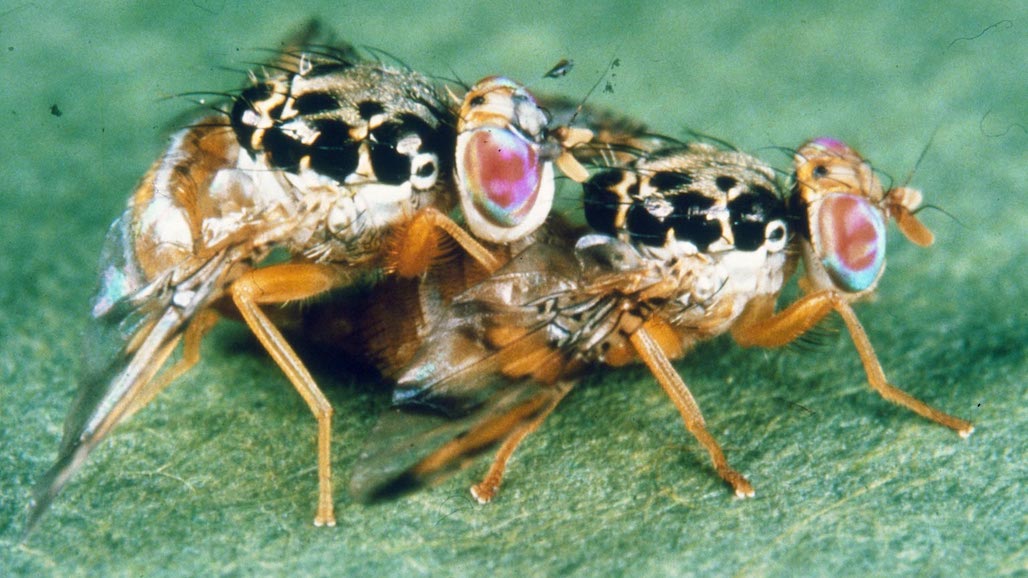
    Over the last several months, a variety of invasive fruit fly detections have triggered quarantines across numerous counties in California. These fruit fly species – including Mediterranean fruit fly, Mexican fruit fly, Oriental fruit fly, Tau fruit fly and Queensland fruit fly – are considered not established in California. Quarantines and their associated regulatory actions are implemented to stop the artificial spread of these pests and thus avoid additional negative impacts to growers and the state’s agriculture and natural resources.

    The Citrus Pest and Disease Prevention Division is working to provide boots-on-the-ground assistance to the California Department of Food and Agriculture’s Plant Health and Pest Prevention Services Division as they lead efforts in eradicating the fruit flies by conducting larval surveys, host fruit removal, delimitation trapping, treatment activities and regulatory actions across the state.

    Fruit fly quarantines are established after a certain number of adult flies are captured within three miles of one another and within one life cycle. Fruit fly quarantines are also established when detections of reproductive populations such as larva, pupae or mated flies are found in an area. These thresholds have already been met in certain areas of the state, including the following areas:

    Counties Currently Impacted by Fruit Fly Quarantines:

    • Oriental fruit fly: Contra Costa, Riverside, Sacramento, San Bernardino and Santa Clara Counties
    • Mediterranean fruit fly: Los Angeles County
    • Tau fruit fly: Los Angeles County
    • Queensland fruit fly: Los Angeles and Ventura Counties

    To review the quarantine maps, regulatory information, pest profile information for various fruit flies and additional resources, please visit https://www.cdfa.ca.gov/plant/PDEP/treatment/index.html

    FAQ: Bulk Citrus Movement Requirements in Fruit Fly Quarantine Zones

    Treatment information & maps can be found here:https://www.cdfa.ca.gov/plant/PDEP/treatment/treatment_maps.html

    Quarantine information on fruit fly species and other invasive pests can be found here: https://www.cdfa.ca.gov/plant/pe/InteriorExclusion/quarantine.html

    Frequently Asked Questions:

    How is a fruit fly quarantine triggered?
    A quarantine is triggered by the number of adult flies captured within three miles of each other and in one life cycle:

    • Mediterranean, Melon, Caribbean Fruit Fly – 2
    • Mexican Fruit Fly – 5
    • Oriental, Guava, Peach Fruit Fly – 6 Rural or 8 Urban
    • All other adult invasive fruit flies (e.g., Queensland Fruit Fly) – 2

    OR

    • SINGLE detection of larva, mated female, or pupae indicating a breeding population.

    How large is the fruit fly quarantine zone(s)?

    There are three main areas to consider within the fruit fly quarantine zone, and each has different requirements for harvest/bulk citrus movement:

    1. The property where the detection occurred
    2. Core Area: A one-half mile radius around the detection
    3. Quarantine Area: A 4.5-mile radius around the detection.

    What steps must growers in these three areas of the quarantine zone follow in order to harvest/move their bulk citrus?
    For properties where the detection occurred and properties within the core area (0.5-mile radius around the detection site), this citrus is not eligible for packing, but may be stored, processed and consumed on the growing site. If properties within the core areas have no fruit fly or life stages detected on the growing grounds, fruit can only be moved for juicing, processing, freezing, etc. under compliance and safeguarding with approval of the receiving county ag commissioner.

    Growers in the quarantine zone, but outside of the core area, may receive regular pre-harvest treatments with approved insecticides, applied at recommended intervals, starting a sufficient time before harvest (but not less than 30 days before harvest and a minimum of 4 treatments) to allow for development of fruit fly egg and larvae. Determination of the pre-harvest treatment window is based on the degree day model for the specific fruit fly. Once treatment has begun, it must continue through the harvest period.

    Have additional questions? Please reach out to your local County Agricultural Commissioner. — California Citrus Pest & Disease Prevention Program

  • International Research Conference on Huanglongbing VII Coming March 2024

    International Research Conference on Huanglongbing VII Coming March 2024

    The California Citrus Research Board (CRB) and the Conference Steering Committee are pleased to share the International Research Conference on Huanglongbing VII (IRCHLB VII) will return March 26-29, 2024, to Riverside, California.
    The Conference is being produced by the CRB with the support of California’s citrus industry partners and guidance of the international Steering Committee. The California citrus industry is excited to welcome researchers, regulators, and citrus industry members from around the world to the Golden State. The Conference was previously held in Riverside in 2019 and welcomed more than 500 attendees, representing over 22 countries.

    The IRCHLB VII will feature presentations and poster sessions detailing the global status of Huanglongbing (HLB), highlight ongoing research efforts, and share how research can move toward field solutions. A select group of keynote speakers will provide insight on innovative HLB research with a variety of perspectives and methodologies, including both domestic and international approaches.

    HLB has affected hundreds of thousands of citrus trees in Florida and around the world and continues to be one of the biggest threats facing California’s citrus industry.

    “It has been nearly four years since the HLB research community has met to discuss their findings on strategies to manage the devastating effects of citrus greening disease,” said MaryLou Polek, Ph.D., Chair of the IRCHLB Steering Committee. “I am looking forward to the IRCHLB VII to hear about research progress made by scientists from around the world.”

    Registration for the conference is now open and additional information can be found at www.irchlb.com. The early bird registration rate of $425 is available through December 31, 2023 and will increase to the regular registration rate of $550 on January 1, 2024.

    About the IRCHLB VII Conference

    The International Research Conference on Huanglongbing VII is organized by the Citrus Research Board in collaboration with numerous citrus industry, state and federal government, and university partners. Learn more at www.irchlb.com.

    About the Citrus Research Board

    The Citrus Research Board administers the California Citrus Research Program, the grower-funded and grower-directed program established in 1968 enabling the state’s citrus producers to sponsor and support needed research. More information about the Citrus Research Board may be found at www.citrusresearch.org.

  • Grant Aims for Smarter Apple Harvesting

    Grant Aims for Smarter Apple Harvesting

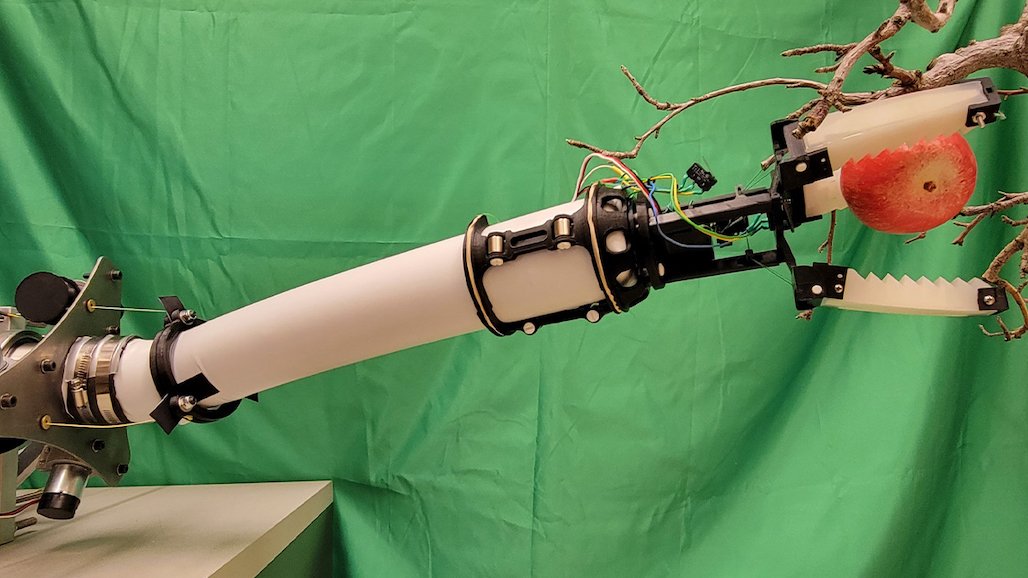
    Researchers have been awarded a $1.2 million National Science Foundation grant to improve the efficiency of automated apple harvesting robotics. Led by Ming Luo, Flaherty assistant professor in the School of Mechanical and Materials Engineering at Washington State University (WSU), the interdisciplinary team of researchers will develop a cyber-physical system that aims to integrate human intelligence and machine learning, enhance decision-making and actuation, and improve picking efficiency. The team includes Yan Yan from computer science, Manoj Karkee from biological systems engineering, Matthew Whiting from horticulture and landscape architecture, and graduate students Ryan Dorosh and Christopher Ninatanta.

    Agricultural robotic technologies currently are inefficient for orchard operations because of the unpredictable environment there as compared to industrial settings, said Luo.

    As part of the 3-year project, the researchers will create a network for human-robot interaction. The network will enable robots to function effectively in farm fields, allowing users to remotely monitor and guide the robots in addressing challenging tasks through teleoperation. Additionally, the robots will learn from the user’s input to enhance their harvesting efficiency.

    The researchers are developing a simple, low-cost robot system with a soft body and a fabric arm. The design is intended to delicately harvest apples without causing damage to the trees, while also allowing the robot to respond quickly.

    “Safety is a concern because the robot might accidentally collide with the tree,” said Luo. “Rigid robots require time to calculate the optimal path for apple picking with minimal damage, which is time-consuming. Therefore, we designed a soft robot that ensures safety in human-robot interactions and is also gentler on the trees. This reduces the computation time required for obstacle avoidance.”

    The robot will eventually automatically help with other operations, like flower thinning, pollination, and pruning as well. — By Tina Hilding, Washington State University

  • North American Strawberry Growers Association 2024 Conference

    North American Strawberry Growers Association 2024 Conference

    Join the 2024 NASGA Annual Meeting and Conference on January 29-31, 2024, in Hershey, PA in conjunction with the Mid Atlantic Fruit and Vegetable Convention.

    The convention will begin with a full day workshop on strawberry production.  The workshop will include presentations and discussion on soil health, site selection, varieties, fertility and nutrient management. Matted row production will be discussed but there will also be discussion on substrate production as well as other alternative production methods.  Time will also be spent discussing insect, disease and weed management.

    Day 2 and 3 will be filled with informative presentations as well as a number of panel discussions. There will also be the popular grower and nursery profiles. Presentation Topics include: Cyclamen mite management, new diseases, Anthracnose updates, variations between high tunnel and greenhouse production, weed management, runner management, plastic options, new strawberry varieties and more.

    Book accommodations early

    Be sure to book your accommodations early to ensure a room at Hershey Lodge. A special discounted Mid Atlantic Convention room rate of $169.00 plus 11% taxes is available to attendees.

    If you wish to make your reservation by phone, call the Hershey Lodge Reservation office at  855-729-3108, and ask for the room block for the Mid Atlantic Fruit and Vegetable Conference,  January 28 – February 02, 2024.

    Learn more and register

    Visit the North American Strawberry Grower’s Association website for more information about this annual meeting that brings together strawberry researchers, growers and agribusiness from around the world and will feature two and a half days of meetings and a tour of the Hershey, PA growing area. Registration information will be listed on the NASGA website as available.