Category: Non-Video

  • Plant Pathologist Awarded $3.95M USDA Grant to Examine Fruit Rot in Blueberries

    Plant Pathologist Awarded $3.95M USDA Grant to Examine Fruit Rot in Blueberries

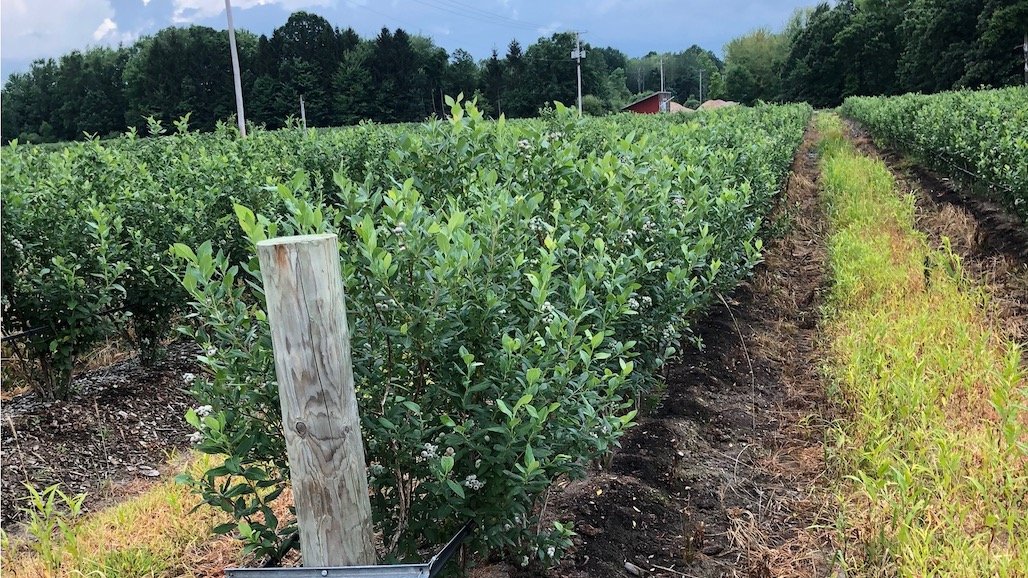
    Timothy Miles, an assistant professor in Michigan State University’s Department of Plant, Soil and Microbial Sciences, is teaming up with researchers across the U.S. to further study management of Anthracnose and Botrytis fruit rot in blueberries.

    A scientist at Michigan State University has received a $3.95 million grant from the U.S. Department of Agriculture (USDA) National Institute of Food and Agriculture (NIFA) to develop strategies for implementing and maintaining effective management practices for blueberry fruit rot.

    Timothy Miles, an assistant professor in MSU’s Department of Plant, Soil and Microbial Sciences, is leading a multi-institutional team of researchers in addressing ways to improve the quality of blueberries while limiting their loss before, during and after harvest.

    The USDA-funded project, part of the USDA’s Specialty Crop Research Initiative (SCRI), is called: “BLUE-DYNAMO: An Interactive Platform to Deliver Blueberry Disease and Horticultural Management Strategies for Fruit Rots.”

    Blueberries are sometimes referred to as “little blue dynamos” due to their health benefits. In this case, “BLUE-DYNAMO” is an acronym that stands for, “Building the Latest Understanding in Extension — Disease Management that Yields New and Meaningful Outputs.”

    Two of the most common fruit rot diseases that alter the quality and yield of blueberry crops in the U.S. are Anthracnose fruit rot (AFR) and Botrytis fruit rot (BFR). AFR, also known as “ripe rot,” shows itself by wilting blueberries and producing spore masses that appear as orange speckles. BFR typically occurs in cooler temperatures and presents as gray mold on blueberries and other crops.

    While much is already known about these diseases through previously conducted studies, Miles said advances in technology and joint action among scientists from across the country will propel current knowledge forward and address stakeholder needs.

    “What makes this research unique is that it’s a coordinated effort (from multiple institutions) to study fruit rot across the U.S., and in blueberries that hasn’t happened before on this large of a scale,” Miles said.

    Objectives of the project include:

    • Learning how management techniques impact the onset of fruit rot.
    • Applying molecular tools to accelerate the time it takes to detect fungicide resistance in pathogens.
    • Generating cultivar-specific fruit quality models to predict fruit vulnerability to rots, and using optical-imaging technology to filter and sort blueberries vulnerable to fruit rot.
    • Providing efficient ways growers and field specialists can access information drawn from the conducted research.

    To make findings and recommendations easily and widely available, a BLUE-DYNAMO website is being designed that’ll allow for materials to be uploaded for educational and outreach purposes.

    “Anything we find using this grant — grower information, important publications and other resources related to fruit rot — will be in here,” Miles said. “We may also build this into more than just information about fruit rot because it’s supposed to be a portal growers can use to gain knowledge on how to manage blueberry diseases.”

    Other MSU researchers included in the grant are Josh Vander Weide, an assistant professor in MSU’s Department of Horticulture; Yuzhen Lu, an assistant professor in MSU’s Department of Biosystems and Agricultural Engineering (BAE); and Cheyenne Sloan, a blueberry and small fruit educator with MSU Extension.

    Along with studying pathogens and ways to manage them, scientists will create more refined models for pinpointing the ripeness in blueberries to prevent fruit rot from occurring in harvested berries. New imaging technology will also be tested to noninvasively screen blueberries for disease as they’re sorted.

    Josh Vander Weide, an assistant professor in MSU’s Department of Horticulture.

    Vander Weide said examining horticultural strategies to control fruit rot could lessen fungicide use, which is critical because fruit rot pathogens can become resistant to fungicides over time.

    “Fruit rots tend to develop near harvest, so there are some practices we can employ to minimize disease pressure,” Vander Weide said. “This not only involves better defining which cultivars are more resistant (to these pathogens), but also what kind of harvest scenarios prolong disease development.”

    Vander Weide said the team will be observing how pathogens develop in relation to the weather conditions blueberries are grown in and the maturity at which they’re picked. He also noted that collaborating with researchers from across the country grants opportunities to track an array of environments blueberries are farmed in.

    “A greater percentage of fruit rot development occurs in the cartons you’re buying from the grocery store than on the plant,” Vander Weide said. “That’s why sometimes when we buy blueberries from the store, they’re moldy within a few days. The likelihood that this occurs depends on the cultivar, as well as when they’re harvested and how far they’re shipped.”

    After harvest, Vander Weide said they’ll use cutting-edge technology to sort blueberries, separating ones that’ve been infected or are more likely to become infected with fruit rot based off certain qualities of the fruit, like firmness.

    The grant provides funding for four years. Miles said he’s excited to lead this project on a broad scale because it was also his project while earning his doctoral degree from MSU in 2011 studying fruit rot in blueberries. — By Jack Falinski, Michigan State University

    Michigan State University AgBioResearch scientists discover dynamic solutions for food systems and the environment. More than 300 MSU faculty conduct leading-edge research on a variety of topics, from health and climate to agriculture and natural resources. Originally formed in 1888 as the Michigan Agricultural Experiment Station, MSU AgBioResearch oversees numerous on-campus research facilities, as well as 15 outlying centers throughout Michigan. To learn more, visit agbioresearch.msu.edu.

  • Ken Melban and Terry Splane To Serve as Co-Executive Leaders of California Avocado Commission

    Ken Melban and Terry Splane To Serve as Co-Executive Leaders of California Avocado Commission

    At its Fall Board meeting, the newly-elected California Avocado Commission Board of Directors named current CAC Vice President of Industry Affairs and Operations, Ken Melban, and Vice President of Marketing Terry Splane as co-executive leaders of the organization, effective immediately. During the same meeting the Board elected its new slate of officers, including California avocado growers Jason Cole, chair; Rachael Laenen, vice chair; Daryn Miller, secretary; and Maureen Lamb Cottingham, treasurer.

    “Since the departure of CAC’s former president, Ken and Terry have been managing the Commission together very effectively,” said Jason Cole. “Our Board of Directors has utmost confidence in their leadership and the strength of their combined expertise to oversee CAC’s staff, programs and finances.”

    Ken Melban joined the Commission in 2011 as director, issues management. He was promoted to vice president of industry affairs in 2015, and to vice president of industry affairs and operations in 2022. He spearheaded the expansion of the California avocado export program, persisting to secure market access to China in 2020 after nine years of process and negotiation. Other highlights of Ken’s tenure with CAC include working with government organizations for the benefit of California avocado growers, sustainability initiatives, development of Good Agricultural Practices (GAP) for the California avocado industry, training and widespread adoption of the program.

    Food industry veteran Terry Splane was hired in March 2023 to be the organization’s new vice president of marketing. Since joining the Commission Terry developed a new strategic plan and approach to marketing communications, led the search for a new agency of record and reorganized the marketing staff. He has more than 30 years of sales and marketing experience in the foodservice and retail channels, most recently as head of partner success & strategy for Impossible Foods. Before working at Impossible Foods, for more than a decade Terry was Vice President of Marketing for Ventura Foods, LLC.

  • Crown Rot and Red Stele Root Rot in Strawberries: Silent Soilborne Threats

    Crown Rot and Red Stele Root Rot in Strawberries: Silent Soilborne Threats

    – SPONSORED CONTENT –

    Strawberries can fall victim to various fungal and bacterial diseases, with crown rot and red stele root rot being 2 of the most common. As soilborne pathogens, these diseases can destroy your strawberries from the ground up and are often difficult to identify until it’s too late to properly manage the disease.

    These diseases thrive in various environmental conditions, meaning strawberries are susceptible throughout different phases of the growing season. However, with the correct preventive measures you can protect your crop health and quality.

    Crown Rot Signs and Symptoms in Strawberry Crops

    According to University of California IPM, initially, symptoms usually include plant stunting and small leaves. As the season progresses, plants may collapse slowly or rapidly. Cutting open infected plants, reveals a brown discoloration that can be seen in or throughout the crown tissue. Infection of the roots causes a brown to black root rot.

    Red Stele Root Rot Signs and Symptoms in Strawberry Crops

    According to University of California IPM, symptoms of red stele root rot first appear on plants that are located in low and poorly drained parts of fields. Strawberry plants infected with red stele root rot often become stunted as affected leaves die and are replaced by younger, smaller leaves. Young roots often become rotted with red coloration at the core. Infection is mostly limited to winter and early spring when the soil is oversaturated during cool weather.

    Strawberry Disease Control Recommendations

    Recognizing crown rot and red stele root rot in strawberries is crucial, yet often, visible symptoms may indicate that disease has already progressed significantly. That’s why it’s important to implement proper preventive measures to stay 1 step ahead of disease.

    Avoid soilborne diseases like crown rot and red stele root rot in your strawberry crops with these recommendations:

    • Select Proper Planting Site: Your first line of defense from disease is selecting the correct planting location. Choose a well-drained field without a history of disease.
    • Use Raised Beds: Plant seedlings in raised beds, avoiding low wet spots as excess moisture creates an ideal environment for fungal disease.
    • Choose Disease-resistant Varieties: Consider planting strawberry varieties known for resistance to crown rot and red stele root rot.
    • Ensure Proper Irrigation: Avoid overwatering and the use of runoff for irrigation due to potential inoculum spread
    • Implement Fungicide Spray Program: Consider applying a systemic fungicide such as Orondis® Gold for ongoing protection against key Oomycete diseases like crown rot and red stele root rot.

    Orondis Gold fungicide combines 2 powerful active ingredients to deliver preventive, residual and systemic activity that helps you control soilborne strawberry diseases during the season. A combination of mefenoxam and oxathiapiprolin, Orondis Gold provides built-in resistance management. In addition to offering crown rot and red stele root rot disease prevention, Orondis Gold helps secure early strawberry crop establishment and promotes root health.

    For more insight into strawberry disease management, contact your Syngenta representative.

    Sign up for the Know More, Grow More Digest to receive twice-monthly agronomic email updates pertinent to your area.

    All photos are either the property of Syngenta or are used with permission.

    Syngenta hereby disclaims any liability for third party websites referenced herein.

  • Updates to Bulk Citrus HLB Quarantine Requirements

    Updates to Bulk Citrus HLB Quarantine Requirements

    Effective Nov. 22, 2023, the Citrus Pest and Disease Prevention Division (CPDPD) has officially updated the requirements for moving bulk citrus fruit within and from a Huanglongbing (HLB) quarantine area to a packer/processor.

    Listed below is an overview of the newly updated requirements, per the CPDPD’s Citrus Grower/Grove Manager Information page:

    • If you are moving bulk citrus within a contiguous HLB quarantine zone, there is now no mitigation required.
      • If you are moving bulk citrus within a contiguous HLB quarantine area, but out of the original ACP regional quarantine zone (i.e., Orange County to Riverside County), one HLB mitigation is required.
    • If you are moving bulk citrus between two non-contiguous HLB quarantine zones (i.e., Riverside County to Ventura County), there is now one HLB mitigation required.
    • If you are moving bulk citrus outside of an HLB quarantine area, but within the same county (i.e., San Diego HLB quarantine zone to San Diego ACP regional quarantine zone), there is one HLB mitigation required.
    • If you are moving bulk citrus fruit to an area outside of the HLB quarantine zone and outside of the origin county (i.e., Ventura HLB quarantine Zone to Kern County), two HLB mitigations or a wet wash are required.All fruit, no matter of its origin or destination, must be completely safeguarded with a tarp or enclosed vehicle while in transit per requirements listed in the compliance agreement. The CPDPD will be signing revised compliance agreements with growers within an HLB quarantine, as well as packers/processors receiving fruit from a quarantined area.For complete information and details regarding the mitigations required for fruit movement, please visit the CPDPD’s Citrus Grower/Grove Manager Information page.For questions regarding citrus fruit movement requirements, please contact your local agricultural commissioner, email Keith Okasaki at Keith.Okasaki@cdfa.ca.gov or call 916-274-6300. — By the California Citrus Pest & Disease Prevention Program
  • California Fresh Fruit Association Names Daniel Hartwig New President

    California Fresh Fruit Association Names Daniel Hartwig New President

    Today, Wayde Kirschenman, the Chairman of the California Fresh Fruit Association (CFFA) Board of Directors announced that Daniel Hartwig has been selected to serve as the Association’s new president. Hartwig will succeed Ian LeMay, who has held the position since 2019 and will depart CFFA to assume the role of President/CEO of the California Table Grape Commission.

    Chairman Kirschenman stated, “We are excited to welcome Daniel to the CFFA team and look forward to him continuing the long legacy of strong leadership on behalf of the California fresh fruit industry.” He continued, “Our Board engaged in a thorough search process to fill this important role and we are confident that Daniel’s experience in both association management and within the private agriculture sector have prepared him to serve our membership well. I’d also like to take this opportunity to thank Ian for his leadership and the positive impact he has made over the nine years as a CFFA team member. Ian’s service is greatly appreciated by our entire membership, and we are glad to know that he will remain within the fresh fruit family while he serves at the Commission.”

    Hartwig has extensive experience in both the private sector and within agriculture associations. Since 2014, Hartwig has been employed by Woolf Enterprises, first as a Procurement Manager and most recently as their Director of Sustainability. From 2008 to 2014, Hartwig served as the Vice President of Grower Relations for the Nisei Farmers League. Beyond work, he has also served on the Board of the Fresno County Farm Bureau, most recently as the organization’s Board President from 2020-2022. Additionally, Hartwig is a recent graduate of the California Agricultural Leadership Program (Class 49).

    “I could not be more thrilled to join the great team at CFFA,” said Hartwig. “I have always had a deep admiration for the work done by the Association’s staff and the leadership of the board. I also look forward to working with our partners in the industry to continue to protect agriculture from the many threats before us.”

    Hartwig will begin his tenure as CFFA President on December 4. Daniel and his wife Jennifer reside in Fresno with their two children, Brooke, and Colby.

    ABOUT THE ASSOCIATION
    For more than 87 years the California Fresh Fruit Association has been the primary government relations organization serving the fresh fruit industry. It is a voluntary public policy organization that works on behalf of our members – growers, shippers, marketers, and associates – on issues that specifically affect member commodities: fresh grapes, kiwis, pomegranates, cherries, blueberries, peaches, pears, apricots, nectarines, interspecific varieties, plums, apples and persimmons. It is the Association’s responsibility to serve as a liaison between regulatory and legislative authorities by acting as the unified voice of our members. The challenges are countless for growers, shippers and marketers as they strive to remain viable in an ever-changing market. Increasing regulatory requirements make it difficult to flourish, regardless of the size of the operation.

  • U.S. Avocado Industry Steps Forward On Sustainability Journey

    U.S. Avocado Industry Steps Forward On Sustainability Journey

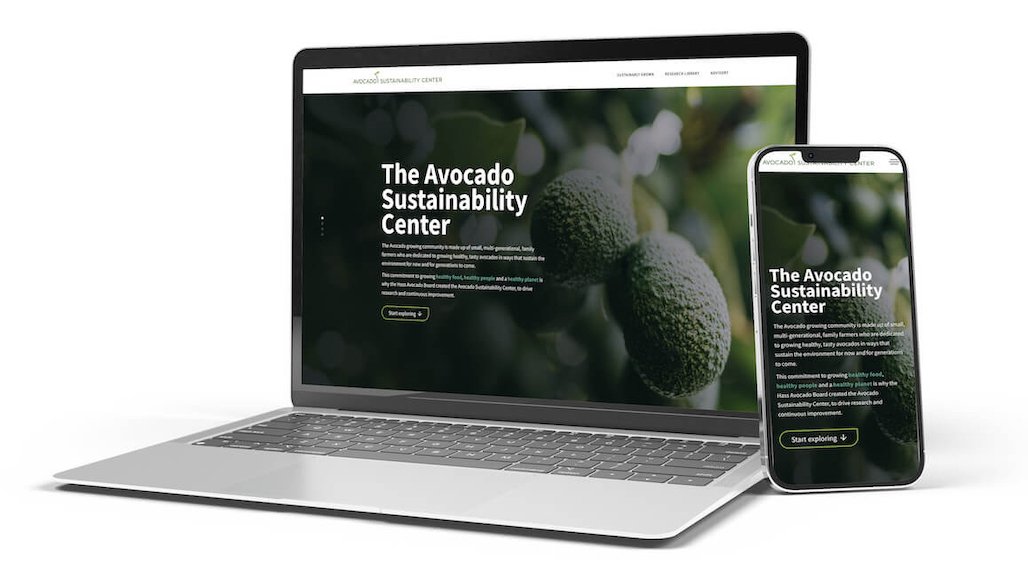
    Recognizing nearly all avocado purchasers (96%) are aware, engaged and concerned about environmental and social issues,1 the Hass Avocado Board (HAB) is advancing on telling the industry’s sustainability story. Beginning on November 1st, stakeholders are invited to access The Avocado Sustainability Commitment. Healthy Food, Healthy People, Healthy Planet webinar at HassAvocadoBoard.com/webinar for a timely update on consumer research conducted to date and how key findings are giving shape to the Avocado Sustainability Center, a newly launched resource with a vision to become the premier provider of sustainability research, data and information for the industry.

    “Thanks to a decade of building a compelling value proposition based on avocado’s strong nutrition benefits, the industry starts from a position of strength as it embarks on addressing a complex issue like sustainability,” remarked John McGuigan, Director of Industry Affairs, Hass Avocado Board. “We have initiated the process of building our knowledge base, and identifying gaps that will inform further research, drive thought leadership and support continuous improvement of best practices for a stronger future for the global industry.”

    The webinar discussion, available conveniently on-demand, reviews the important groundwork guiding the creation and evolving role of the Avocado Sustainability Center including insights on significant upsides and downsides facing the industry related to sustainability issues. McGuigan will cover why it is vital for the industry to stay informed and collaborative, unveiling strategic online resources at HassAvocadoBoard.com/sustainability such as message points, a library of published research and the team leading the Avocado Sustainability Advisory. Members of the industry are invited to learn how the Avocado Sustainability Center will focus on building a central source of information that can empower stakeholders to better understand the challenges as well as opportunities to leave a lasting, positive impact on people and planet for generations to come.

    This is the final installment of HAB’s 2023 webinar series. The full line-up of episodes from this year is easy to access and available on-demand to support members in making better business decisions and driving category growth more effectively. Subscribe to any of HAB’s monthly newsletters at HassAvocadoBoard.com/newsletter to receive an email update on the 2024 webinar schedule.

    About The Hass Avocado Board 

    The Hass Avocado Board (HAB) exists to help make avocados America’s most popular fruit. HAB is the only avocado organization that equips the entire global industry for success by collecting, focusing, and distributing investments to maintain and expand demand for avocados in the United States. HAB provides the industry with consolidated supply and market data, conducts and compiles research on nutrition and sustainability, educates health professionals, and brings people together from all corners of the industry to collectively work toward growth that benefits everyone for now and generations to come. HAB also enables programs run by California and importer associations that benefit specific countries of origin.

    Source: Hass Avocado Board, Sustainability Research, 2020-2021 In-depth Consumer Research on Sustainability and Avocados in the U.S. Market

  • Six New Farmers Join the San Joaquin County Agricultural Hall of Fame

    Six New Farmers Join the San Joaquin County Agricultural Hall of Fame

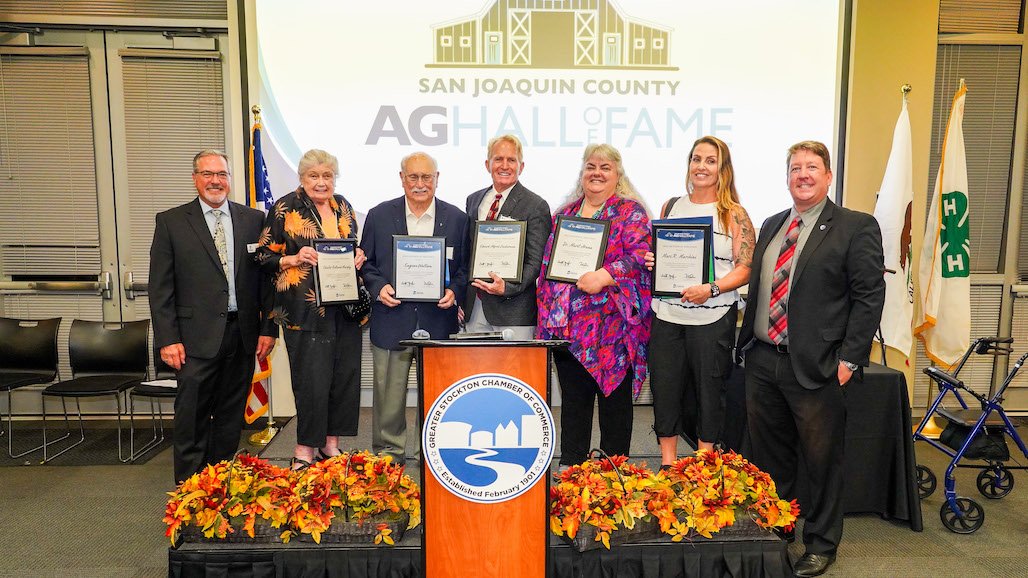
    On Thursday, October 19, 2023 at a dinner at the Robert Cabral Ag Center, 6 new members were inducted into the San Joaquin County Agricultural Hall of Fame.  The 2023 San Joaquin Agricultural Hall of Fame Inductees were:

    Dr. Marit Arana, A.L. Gilbert Company

    Eugene “Gene” Wallom, Lodi Farming Inc.
    Marden Wilbur, Lane Ranches
    Edward “Eddie” Alfred Zuckerman, Zuckerman Family Farms
    Marc R. Marchini (Posthumous)
    Chester “Bud” Rolland Murphy (Posthumous)

    The San Joaquin County Ag Hall of Fame honors those who have contributed so much to a great part of our heritage.  Our Agricultural Hall of Fame marks the efforts and history of those who have gone before, those who have graced our homes and enriched our hearts and those who in the days past laid the foundation upon which we build for today and tomorrow.  The agricultural community is a wonderful example of people working together and continuing a tradition that has been handed down throughout the years from people who had to sacrifice a great deal, both personally and physically, to nurture our land and our community.

    Honoree Bios:

    Dr. Marit Arana

    Dr. Marit Arana’s journey into agriculture exemplifies dedication and passion. Despite a non-agricultural background, her love for horses ignited at an early age. Determined to own a horse, she saved $200 by age 8, a promise her parents honored, marking the beginning of her lifelong agricultural involvement.

    Her academic path led her to Cal Poly, San Luis Obispo, where she ultimately, earned a Bachelor of Science in Animal Sciences. She had a short detour while at Cal Poly and earned an AA degree in Animal Health Technology from Hartnell College in Salinas.  Her educational journey continued at California State University, Fresno, where she achieved a Master of Science in Animal Sciences, specializing in equine nutrition and exercise physiology.

    Marit’s educational pursuit culminated in a Ph.D. in Animal Nutrition from the University of Arizona. Post-graduation, she returned to California, working for the University of California Cooperative Extension as the Dairy Farm Advisor for San Joaquin, Sacramento, Yolo, Solano and Contra Costa Counties.

    Marit joined the A.L. Gilbert Company as a nutritionist, and swiftly rose to Head of the Nutrition Department. Her expertise in animal nutrition extended to serving as the National President for the American Registry of Professional Animal Scientists (ARPAS) in 2008-2009. She also has played a pivotal role as Chairman of the California Department of Food and Agriculture’s Feed Inspection Advisory Board since September 2013.

    Marit’s contributions aren’t limited to agriculture. She’s been an active member of the Agricultural Awareness and Literacy Foundation (AAL), supporting consumer education through initiatives like Farmology, which educates children about the origins of their food, particularly those with little agricultural knowledge.

    Her involvement in activities such as the San Joaquin Chapter of California Women for Agriculture, participation in scholarship committees, mentoring students, and engagement with legislators, showcases her extensive impact on agricultural and non-agricultural communities. Her leadership and commitment to mentoring have inspired countless individuals, encouraging the next generation.

    Eugene “Gene” Wallom

    Eugene “Gene” Wallom, born in 1936 in New Glarus, Wisconsin, where he grew up helping his father on his farms from a very young age. Through his hard work and dedication, Gene landed a job and formed a partnership with Dino Cortopassi to from Donco Farm Equipment. This was the beginning of a fifty-five year partnership.

    In 1988, Gene and Cortopassi founded Lodi Farming Inc., a vineyard and orchard operation. They made significant innovations in agriculture, such as double cropping of wheat and kidney beans, no-till farming practices, center pivots, and the invention of a tomato vine trainer. They also built over-the-row equipment for vineyards, allowing two rows to be sprayed, dusted, or trimmed with one pass. Gene was one of the first to plant apples in San Joaquin County, planting the first orchard of Fuji in 1987.

    Soon Lodi Farming Inc. transformed into the largest apple grower in California. Gene was also one of the first to plant cover crops in orchards and vineyards, improving water penetration, soil tilth, and increasing organic matter in the soil. Gene has been a member of the San Joaquin Farm Bureau for over 60 years, serving as a volunteer project leader for the Alpine Victor 4-H Club. He has been a strong supporter of the San Joaquin County Junior Livestock Auction and has been a charter member of the Early Days Gas Engines and Tractors Association. Gene is also a member of the Mid-Valley Apple Association, the Lodi District Grape Growers Association, and the San Joaquin Valley Swiss Club. Gene served in the US Army from 1956-1960 and volunteered as a Lost Wax jewelry making instructor. Gene and his late wife Karen enjoyed traveling, especially on river cruises and he enjoys spending time with family and friends. His innovation, perseverance and devotion to his work has make him an important part of the San Joaquin community.

    Marden Wilber

    Marden Wilber, a graduate of University of California, Davis, has found success by embracing new ideas, working with others, and giving back to his community. In the 1960’s and 1970’s, Marden owned and operated the El Mar Angus herd of purebred Angus cattle. In 1969, he was awarded the American Angus Association’s “Picture Bull of the Breed” and was named California’s Outstanding Young Farmer.

    In 1978, he established a partnership with his father-in-law Kenneth Lane. They started Lane Ranches, a successful cow-calf and stocker operation. In 2003, Marden was honored as the California Livestock Man of the Year at the 59th Grand National Rodeo, Horse, and Stock Show. Marden is a leader in environmental stewardship. He originated and directed flood control projects, and implemented an Agricultural Water Conservation Program.

    In 1999 he established the Fitzgerald Ranch Conservation Bank, to protect and help vulnerable animal species in the area. Throughout his lifetime, Marden served as a leader in the cattle and agriculture industry, serving multiple committees such as the Cal Expo Blue Ribbon Advisory Committee, California Cattlemen’s Association, the San Joaquin County Valley Hay Growers Association and other organizations. He was an original founding member of the California Beef Cattle Improvement Association and the Northern California Angus Association. Marden was involved with the San Joaquin County Multi Species Habitat Conservation and Open Space Plan, the San Joaquin County Board of Supervisors, the State Department of Fish and Game, and the Army Corps of Engineers on various projects to maintain a rural environment in the Clements area.

    Marden has volunteered and worked tirelessly, whether lobbying in Washington D.C., locally, or at the state level, on issues that he feels are critical to the agriculture industry. Marden was a Rotary member for over 25 years and is a Past President. He has served on countless committees involving the Clements community and is a University of California, Davis Alumni Association Member. Today, at the age of 87, Marden is still serving his community for the betterment of agriculture and the environment.

    Edward “Eddie” Alfred Zuckerman

    Edward Alfred Zuckerman, known as “Eddie”, is a third-generation farmer from the San Joaquin County Delta. His journey in agriculture began after earning a bachelor’s in business, when he joined his father in cultivating potatoes on McDonald Island. In 1978, Eddie’s vision diversified the family business as he introduced turf grass, founding the Delta Bluegrass Company.

    Since then, Eddie’s farming enterprise has thrived, expanding to around 8,000 acres with diverse crops such as sod, potatoes, corn, rice, almonds, wine grapes, wheat, barley, alfalfa, and sunflowers. Zuckerman Farms is now one of California’s largest potato growers and packers, serving local, national, and international markets. Delta Bluegrass Company, which he nurtured, is the largest sod grower in Northern California, acclaimed for its premium products. Eddie employs nearly 700 people annually, primarily in San Joaquin County.

    Eddie’s agricultural innovations shine, with Delta Bluegrass Company pioneering drought tolerant Kurapia and introducing native, eco-friendly grasses. His embrace of technology is evident in modern farming practices, utilizing advanced equipment, mobile app-driven irrigation, and robotics.

    Beyond farming, Eddie’s leadership extends to co-founding Delta Growers and serving as President of Turf Producers International. Eddie has served on the board for Central Delta Water Agency for more than 20 years and is very much involved in the ag and urban water matters for the San Joaquin Delta and California. Throughout the years Eddie has also served as a board member of various agricultural organizations, making a significant impact in the ag industry.

    In non-agricultural domains, Eddie’s service is admirable. He’s a National Ski Champion and a generous supporter of charitable organizations like St. Mary’s Dining Hall, Stockton’s Gospel Center Rescue Mission, Bread of Life, Red Rhino, and Uplift Foundation, to name a few.

    Marc R. Marchini

    Marc R. Marchini was born on December 15, 1941 in San Francisco, California and passed away August 7, 2018. Marc had a lasting impact on his brother, daughter, grandchildren, countless students and the community. Throughout high school Marc was involved with FFA and later attended Modesto Junior College. After some time at Fresno State Marc returned to Union Island to work in the family farming operation headed by his father and uncle.

    In 1983, Marc, his brother Paul, and father Angelo formed A. Marchini & Sons (later becoming A.M. Farms) where they predominantly grew asparagus and wine grapes. Throughout his career he participated in numerous research initiatives with the University of California Cooperative Extension (UCCE) helping to improve asparagus cultivation practices, varietal development, pest and disease eradication, and mechanization.

    Marc was a recognized leader in the Delta as well as at the state and national level. Locally, he was active in the San Joaquin Farm Bureau and the Robert Union Farm Center. He also found time to be a trustee on the school boards of Delta Island and Tracy Unified School District. He even played an instrumental part in the planning and building of Merrill F. West High School. Marc sat on the board for the Stockton Asparagus Festival where he took pride in the festival’s famous Asparagus Alley. On the state level, he was involved in the California Asparagus Growers Association and creation of the California Asparagus Commission where he served as Chairman. Nationally, he represented the California asparagus industry by serving as a member of the National Asparagus Council.

    Agriculture was more than a vocation for Marc, it was an advocation. The impact he has made not only on his family but the community will live on.

    Chester “Bud” Rolland Murphy

    Chester “Bud” Rolland Murphy, grew up in Telegraph City on his family cattle ranch and passed away on February 22, 1991. Growing up Bud worked on the family Cow Calf operation while attending Bret Harte High School in Angels Camp, California.

    Soon after graduation, he attended Stockton College, where he studied and obtained a degree in math and engineering. Bud was drafted into the United States Army after college, where he completed four years of service. When Bud returned home, he helped run his family’s beef cattle ranches.

    In the early 1940’s, the family expanded their cattle operation to San Joaquin County. This move gave Bud the opportunity to use his engineering degree to develop the grasslands around Farmington into irrigated farmland that is still used today. Bud also used his engineering education to build over twenty reservoirs and stock ponds with the cooperation of the California Department of Water Resources. These stock ponds were not only used on his own ranches, but also for neighboring ranchers in his community. Bud understood the importance of water storage in this state and served as a longtime, founding member of the Central San Joaquin Water Conservation District.

    At heart, Bud was a cattle rancher, and in the 1970’s-1980’s, he developed a purebred polled Hereford herd. He was one of the first breeders to improve his herd using embryo transplants which won him many champions at major shows throughout California and all over the United States.

    Through all of this he saw the benefits to raising children within the agricultural community. With his wife Erna and their four children, he was a generous supporter of both the Farmington 4-H Club and the Escalon FFA Chapter. He encouraged his own children to be active members in both organizations and he continued to support them well after his family was aged out of the programs and into his late years.
     
    About the Greater Stockton Chamber of Commerce     
    Founded on February 21, 1901, the Greater Stockton Chamber of Commerce speaks for thousands of local businesspeople. For these 122 years, the Chamber has been the authoritative voice in all business matters throughout the Central Valley.  The mission of the Greater Stockton Chamber of Commerce is to aggressively develop and promote an economically vibrant business community.    
  • Watermelon Board Announces Winners of Retail Merchandising Contest

    Watermelon Board Announces Winners of Retail Merchandising Contest

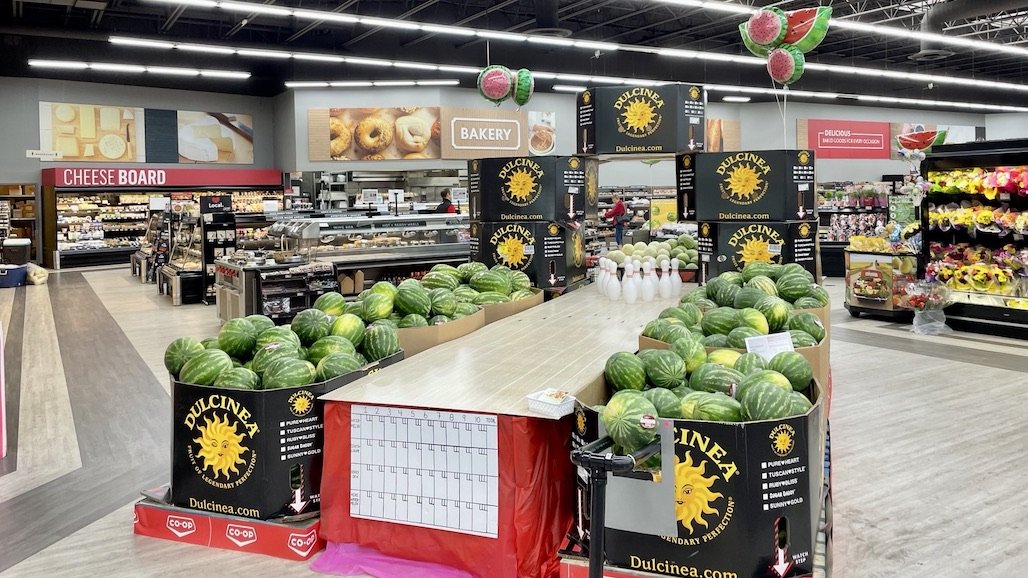
    The National Watermelon Promotion Board (NWPB), has named winners in its annual Retail Merchandising Contest which garnered over 115 entries from various retail chains, independent retailers and commissaries throughout the U.S. and Canada. This year’s contest – the 15th since its’ inception – continued to utilize mixed media marketing efforts in addition to in-store displays. The contest started in July to honor National Watermelon Month and ran throughout the month of August to encourage and identify retailers who are showcasing watermelon’s benefits including health, value and versatility.

    Marketing efforts considered in judging included category visibility, point-of-sale materials, good visual merchandising, messaging nutritional benefits, recipes and/or selection education and use of print, online and/or digital platforms. This year’s winners used mixed marketing tactics ranging from eye-catching in-store displays and take-home materials for store customers to social posts that shared watermelon nutrition, fun facts and recipe ideas.

    This year’s winners included:

    Grand Prize: Heritage Co-Op – Brandon, Manitoba, Canada

    Second Place: Greer’s Hurley Market – Hurley, MS

    Third Place: KJ’s Market – Hephziba, GA

    Grand Prize-winning display – Heritage Co-Op – Brandon, Manitoba, Canada

    Honorable Mentions: Gelson’s Market #23 – La Canada, CA; Port Hueneme Commissary – Port Hueneme, CA; United Grocery Outlet– Shelbyville, TN

    “This year’s entries were all incredibly creative, showcasing watermelon’s health and versatility through point-of-sale materials,” said Juliemar Rosado, Director of Retail and International Marketing at NWPB. “The winners this year emphasized consumer education, highlighting selection and recipes. In addition, whole and fresh cut watermelons were merchandised to reach more consumer archetypes.”

    “Members of the Co-operative Retailing System have participated in the NWPB contest for many years, and we are excited that Heritage Co-op in Brandon Manitoba is a recipient of the Grand Prize this year,” said Joshua Hubert, Produce Retail Operations Manager at Federated Co-operatives Limited. “Each year, FCL and its Member Co-ops highlight watermelon through flyer and in-store features, and we encourage participation in the NWPB contest each year. We recognize that exciting and engaging displays continue to delight guests and drive in store experience. The NWPB display contest is an excellent opportunity for CRS Members to highlight their merchandising skills and highlight our focus on seasonal produce favorites. We are so proud of the Heritage Co-op team and their display, a big congratulations to them!”

    More than $10,000 in cash and prizes will be awarded to winners, including $5,000 for Heritage Co-Op as the grand prize winner. As second place winner, Greer’s Hurley Market will receive $2,500; KJ’s Market as third place will receive $1,000 and each of the three honorable mentions listed above will receive $500.

    Second Place Winner – Greer’s Hurley Market – Hurley, MS
    Third Place winner – KJ’s Market – Hephziba, GA
    Honorable Mention – Port Hueneme Commissary – Port Hueneme, CA

    About National Watermelon Promotion Board

    The National Watermelon Promotion Board (NWPB), based in Winter Springs, Florida, was established in 1989 as an agricultural promotion group to promote watermelon in the United States and in various markets abroad. Funded through a self-mandated industry assessment paid by more than 700 watermelon producers, handlers and importers, NWPB mission is to increase consumer demand for watermelon through promotion, research and education programs.

    A serving of nutrient-dense watermelon provides an excellent source of Vitamin C (25% DV), a source of Vitamin B6 (8% DV), and a delicious way to stay hydrated (92% water), with only 80 calories per 2-cup serving. Watermelon consumption per capita in the United States was nearly 15.5 pounds in 2022. Watermelon consumption in the United States was nearly 5.2 billion pounds in 2022. The United States exported an additional 328 million pounds of watermelon. For additional information, visit www.watermelon.org.

  • Get Ready To Go ‘Nuts’ At Madera’s Pomegranate Fruit & Nut Festival

    Get Ready To Go ‘Nuts’ At Madera’s Pomegranate Fruit & Nut Festival

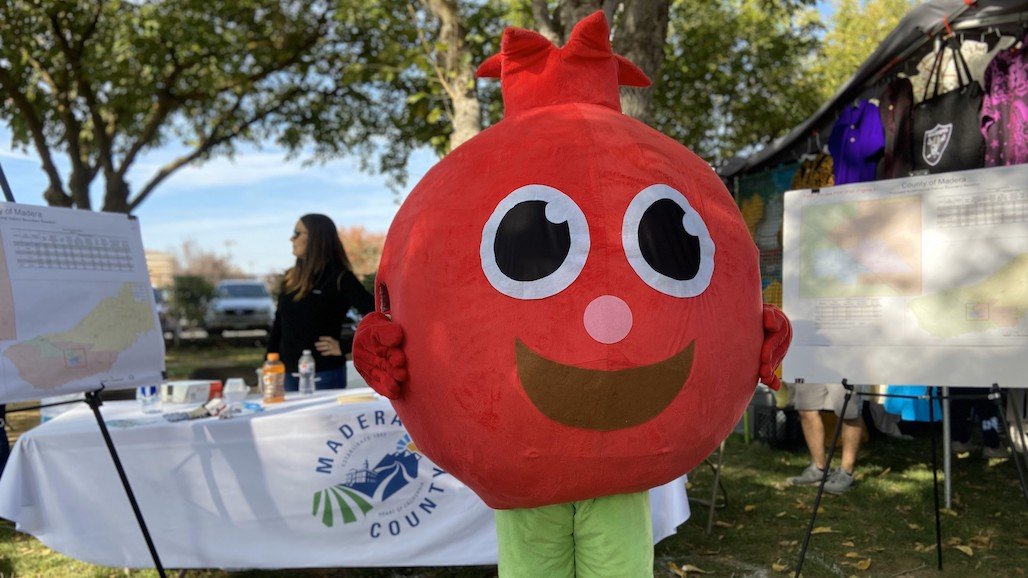
    The vibrant agricultural spirit of Madera is once again in the spotlight as we gear up for the 12th Annual Madera Pomegranate, Fruit & Nut Festival. Mark your calendars for this family-friendly extravaganza, scheduled for Saturday, November 4, from 10:00 A.M. to 5:00 P.M. at the Madera District Fairgrounds. The best part? Admission and parking are entirely free!

    Excited about this year’s event, Debi Bray, President and CEO of the Madera Chamber of Commerce, stated, “We are thrilled to honor Madera’s finest – from agriculture to live music, local products and delectable cuisine. Let’s remember that November is National Pomegranate Month, making this the perfect time to celebrate the pomegranate’s legacy in our beloved region.”

    Attendees can look forward to a delightful day brimming with pomegranate food and drink along with other fruit and nut goodies. The festival offers good music and entertainment with over 100 vendors and exhibitors as well as chef-led cooking demonstrations that are always a hit.

    The excitement does not stop there! Alongside the delectable pomegranate and nut-inspired treats, the festival boasts an array of thrilling extras:

    Ohana Comic Con: Comic book and pop culture enthusiasts are in for a treat as the Ohana Comic Con returns with an epic costume contest, keeping attendees entertained all day. Come in costume to compete! (No admission fee!)

    Live Music by Jaded: Get ready to groove with live music from 1:00 P.M. to 5:00 P.M.

    Classic Car Show: Feast your eyes on a dazzling array of classic cars, a spectacle that is free for all. (No admission fee!)

    The Kids’ Zone: Keeping the little ones entertained is a priority, with inflatable fun, games, pony rides, and camel rides for the children to enjoy throughout the day. (No admission fee!)

    MadTown Robotics: Championship-winning students will demonstrate their creative abilities and competitive expertise in robotics. The MadTown Robotics team are two-time world champions; they won first in 2019 and again in 2023 at the FIRST Charged Up Robotics Competition. (No admission fee!)

    Muay Thai Boxing Competition: Witness the intense action of Muay Thai, a martial art/combat sport originating in Thailand. Participants of all ages from across the region will be competing. (Admission fee applies.)

    ValleyStealz Streetwear & Thrift Expo: Streetwear enthusiasts are in for a treat as ValleyStealz hosts an event featuring a range of streetwear from shoes to jerseys and vintage finds.

    In addition to these attractions, over 100 vendors will be at the event, offering a treasure trove of artisanal arts, crafts and so much more!

    Join us at the 12th Annual Pomegranate, Fruit & Nut Festival on November 4th for a day filled with flavor, fun and festivities. Admission is free, so make sure to bring your family and friends for an unforgettable day celebrating the heart of Madera’s agricultural heritage.

    For more information, please visit www.pomegranatefestival.com or contact the Madera Chamber of Commerce at (559) 673-3563.

    About the Madera Pomegranate, Fruit & Nut Festival

    The Madera Pomegranate, Fruit & Nut Festival is an annual celebration of Madera’s rich agricultural heritage, highlighting the pomegranate and local nut production. The festival brings the community together for a day of entertainment, education and culinary delights, all in the heart of California’s Central Valley.

    About Visit Yosemite | Madera County

    Formed in 1985, Visit Yosemite | Madera County’s mission is to draw the millions of Yosemite National Park visitors to its gateway’s many businesses and attractions. We invite visitors to take a journey from the Fossil Discovery Center to the Madera Wine Trail and onward to the High Sierra. Discover incredible dining, talented tradespersons, four seasons of water sports at Bass Lake, the Yosemite Mountain Sugar Pine Railroad and mighty adventures right up to the massive Giant Sequoia trees. Madera County is the gateway to so much more.

  • Outbreak Investigation of Salmonella in California Onions

    Outbreak Investigation of Salmonella in California Onions

    The U.S. Food and Drug Administration (FDA) and Centers for Disease Control and Prevention (CDC), in collaboration with state and local partners, are investigating an outbreak of Salmonella Thompson infections linked to fresh diced onions from Gills Onions of Oxnard, California.

    Based on epidemiological data collected by CDC, 14 of 19 cases with information available reported exposure to fresh diced onions before becoming ill. Additionally, based on traceback data collected by FDA, FDA determined that onions processed at Gills Onions were available at points of service where people ate prior to becoming ill.

    In response to this investigation, Gills Onions has voluntarily recalled diced yellow onion, diced onions & celery, diced mirepoix, and diced red onions.

    The investigation is ongoing to determine the source of contamination and whether additional products are linked to illnesses. FDA will update this advisory should additional consumer safety information become available.

    Read the full update