Category: Non-Video

  • GSA Honors Miles & Garland Reiter, and Luis & Lucille Scattini with E.E ‘Gene’ Harden Lifetime Achievement Award

    GSA Honors Miles & Garland Reiter, and Luis & Lucille Scattini with E.E ‘Gene’ Harden Lifetime Achievement Award

    At its Fall Recognition Event held on Friday, October 6, the Grower Shipper Association of Central California (GSA) awarded Miles and Garland Reiter and posthumously Luis and Lucille Scattini with the E.E. ‘Gene’ Harden Lifetime Achievement Award. The award is given to individuals who made an extraordinary contribution and created a lasting legacy benefitting Central Coast agriculture.

    Proceeds from the event, including both a silent and a live auction, will go to causes selected by the Reiter and Scattini Families, including the Sustainable Conservation and Special Olympics-Monterey County.

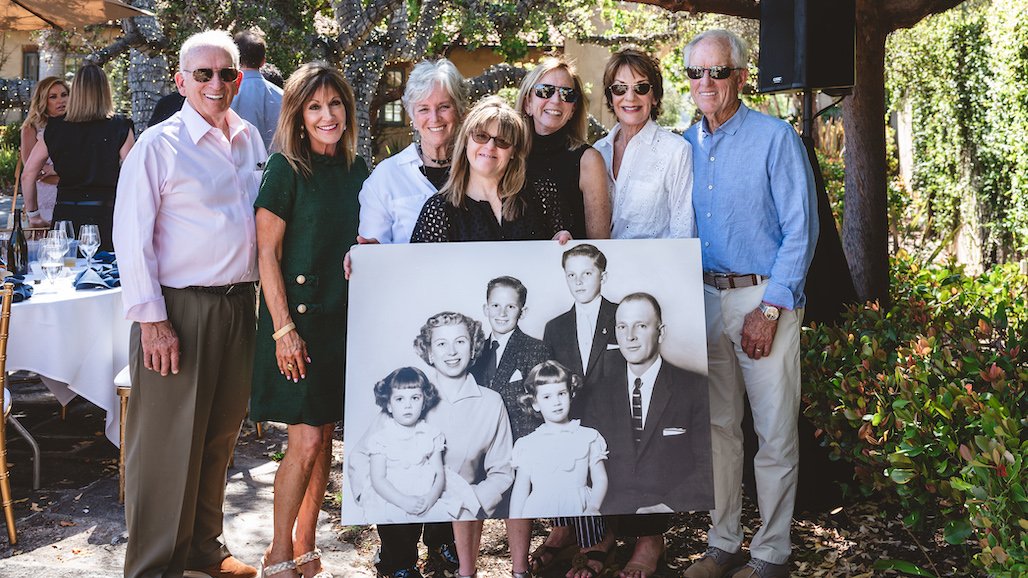
    Miles and Garland Reiter were also honored with the E.E ‘Gene’ Harden Lifetime Achievement Award (photo courtesy of Letty Sloma Photography).

    The Reiter’s:

    Miles’ and Garland’s father was one of the founding members of Driscoll’s, a company with a mission to continually delight berry consumers through alignment with its customers and its berry growers.

    Under Miles’ guidance, Driscoll’s has become a leader in all four berry categories with year-round supply and a global expansion effort that includes the Americas, Europe, Middle East and Africa, China, and Australia. The Driscoll’s model emphasizes the success of its growers as it provides fresh and nutritious fruit for consumers.

    Under Garland’s leadership, Reiter Affiliated Companies (RAC) expanded global berry production operations and partnerships with Driscoll’s, grew its farming operations and pioneered new varieties.

    Garland set an example with RAC’s philanthropy efforts, including a landmark diabetes and obesity intervention program for farm worker communities in the U.S. and Mexico, as well as being the first agricultural company in the nation to provide private, primary and preventative health clinics for their farm employees.

    “The positive impact that Miles and Garland have had on the berry industry in California has been tremendous and generational,” says Christopher Valadez, GSA president. “That impact has extended to benefit Central Coast communities as an economic driver from both companies and through their significant philanthropic efforts. GSA is proud to honor Miles and Garland with this award for their numerous professional and philanthropic accomplishments.”

    The Scattini’s:

    The Scattini family’s farming history dates back over a century with a legacy started by Lucille’s parents, Jimmy and Marie King of Castroville. Together, Luis and Lucille grew Luis Scattini & Sons into a premium grower of cool-season vegetables, most notably artichokes. Today, their grandchildren operate the family farming company as well as serve in leading roles for other agricultural operations. The fourth and fifth Scattini generations continue to embody their grandparents’ values of integrity, respect and pride.

    “We honor our region’s past by posthumously acknowledging the legacy of Luis and Lucille Scattini with the Harden Award,” Valadez says. “The hard work and resilience of local families, like the Scattini’s, is why the Salinas Valley continues to thrive today and reflects the importance of remembering their contributions to agriculture and their community.” — Grower-Shipper Association of Central California

  • Detection of Deadly Citrus Disease Triggers Quarantine in Ventura County; First HLB Detection in County

    Detection of Deadly Citrus Disease Triggers Quarantine in Ventura County; First HLB Detection in County

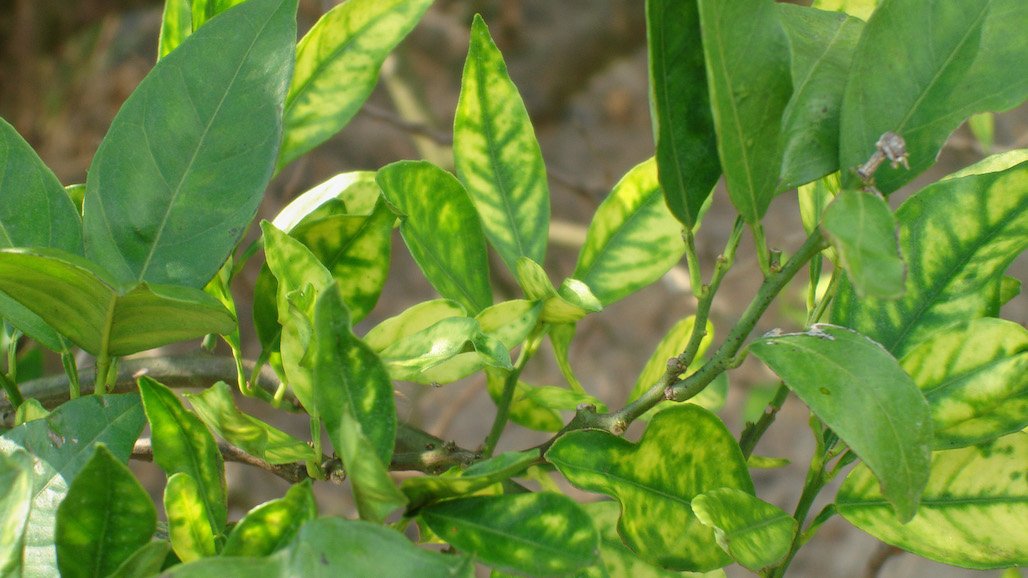
    The California Department of Food and Agriculture (CDFA) has declared a quarantine in Ventura County following the detection of the citrus disease Huanglongbing (HLB), or citrus greening, in two citrus trees on one residential property in the city of Santa Paula. These detections are the first HLB-positive trees in Ventura County. CDFA is working with the United States Department of Agriculture and the Ventura County Agricultural Commissioner on this cooperative project.

    The disease was detected in plant material taken from one orange and one lime tree in a residential neighborhood in the Santa Paula area of Ventura County. These detections follow the confirmation of a Candidatus Liberibacter asiaticus (CLas)-positive Asian citrus psyllid (ACP) sample taken from the find site.

    CDFA crews will be working to remove and dispose of the infected trees and are conducting a mandatory survey of every property within 250 meters of the detection site. After the survey is complete, all host plants in the 250-meter area around the detection site will be treated to suppress the disease vector, the ACP. By taking these steps, a critical reservoir of the disease and its vectors will be removed, which is essential to protect the surrounding citrus from this deadly disease.

    These detections establish a mandatory five-mile citrus HLB quarantine area around the find site. The quarantine area is bordered on the north by Ojai Road; on the south by E Los Angeles Avenue; on the west by Wells Road; and on the east by Balcom Canyon Road. The quarantine prohibits the sale of all host nursery stock and the movement of all host plants or plant parts within a five-mile radius of the finds. The quarantine applies to residents and commercial operations alike. These detections will also place parts of Ventura County into Bulk Citrus Regional Quarantine Zone 6, which will require any commercial citrus growers to apply an additional mitigation step(s) to move fruit within or from this zone. Production and retail nurseries within the five-mile quarantine are being contacted by CDFA and will be issued a hold notice preventing the sale of nursery stock host plants. Visit CDFA’s Map and Quarantines page for more details.

    Growers in Ventura County should contact Grower Liaisons Sandra Zwaal at szwaal2@gmail.com or Cressida Silvers at cressidasb@gmail.com for additional information about these detections. In response to the HLB detections in Santa Paula, a grower meeting was held on Wednesday, Oct. 4. Stay tuned to Citrus Insider for details or reach out to the Grower Liaisons for more information.

    An HLB quarantine area currently exists in parts of Los Angeles, Orange, Riverside, San Bernardino and San Diego counties, where more than 6,300 residential trees have tested positive for the disease and have been removed. — California Citrus Pest & Disease Prevention Program

  • 51st Half Moon Bay Art & Pumpkin Festival Marks 51 Epic Years

    51st Half Moon Bay Art & Pumpkin Festival Marks 51 Epic Years

    No matter what’s happening around us, one lovely constant remains at this time of year—the coastal communities wondrous and highly-anticipated autumn season is upon us and, on the picturesque coast around the World Pumpkin Capital of Half Moon Bay, it’s always stunningly spectacular. The dazzling journey is its own reward … the breathtaking views of seaside farm country dotted with vast, rolling fields of orange, scarecrows, barns and pick-your-own pumpkin patches. It’s the perfect time of year and the perfect place to celebrate the simple beauty and bounty of the fall season, and Half Moon Bay does it like nobody else. The world-famous Half Moon Bay Art & Pumpkin Festival is the season’s signature event, drawing hordes of visitors to the “World Pumpkin Capital” for an epic festival on historic Main Street. This year’s 51st annual festival will be held on October 14-15 from 9 a.m. to 5 p.m. Admission is free.

    Massive, mind-boggling, Volkswagen-sized weigh-off champion pumpkins on display, the mesmerizing and remarkably talented “Picasso of pumpkin carvers” sculpting and shaping monster pumpkins into one-of-a-kind masterpieces, harvest-inspired crafts by America’s top artists, the Sunday-only “Made on the Coast” Locals’ Block featuring fine art and live music, delicious seasonal food and drinks, the richest/creamiest/tastiest pumpkin pie on the planet, four stages of blockbuster entertainment, everyone’s favorite home-spun parade, the Xfinity Take 5 Lounge with giant screen TV, ultra-thrilling bungee jumping and waterballerz, enchanting events and contests for the whole family, selfies and fun with the delightfully rotund, playful and mischievous Pumpkin Festival mascot “Gourdy”, the never-ending search for the Great Pumpkin, and a bumper crop of 3,000+ tons of the beloved orange orb waiting to be picked from one of the many rustic pumpkin patches around town are among the extraordinary, not-to-be forgotten attractions.

    SAFEWAY WORLD CHAMPIONSHIP PUMPKIN WEIGH-OFF KICKS THINGS OFF, OCTOBER 9: COVETED TITLE AND $30K WORLD RECORD MEGA-PRIZE AT STAKE

    The Big Week starts off with the World’s Greatest Gourd Growers and their massive orbs doing battle in the SAFEWAY WORLD CHAMPIONSHIP PUMPKIN WEIGH-OFF, the Super Bowl of weigh-offs, on Monday, October 9 (7 a.m., on the IDES Grounds, 735 Main Street, Half Moon Bay). Organizers, in association with title sponsor Safeway, will celebrate the world’s greatest gourd growers with the world’s biggest prize money pool. Using a pay-by-the-pound system, the ginormous top prize of $9/pound will be awarded to the 2023 weigh-off champion. Also at stake are thousands of dollars in super hefty prize money doled out to the top 20 plus the big carrot: a $30,000 total mega-prize for a new world record pumpkin entered at Half Moon Bay (the current world record is 2,702.8 pounds set at a 2021 weigh-off in Italy). Two-time champion Travis Gienger of Anoka MN took home the top prize and set a new North American record with his rhinoceros-sized 2,560-pound mega-gourd that obliterated a formidable field of heavyweight contenders in winning the 2022 Safeway World Championship Pumpkin Weigh-Off. Gienger and a host of accomplished veteran growers are expected to contend for the coveted title. The Goliath grand champion mega-gourd, along with the top four heaviest weigh-off pumpkins, will be displayed at the Pumpkin Festival, October 14-15.

    THE GREAT PUMPKIN PARADE

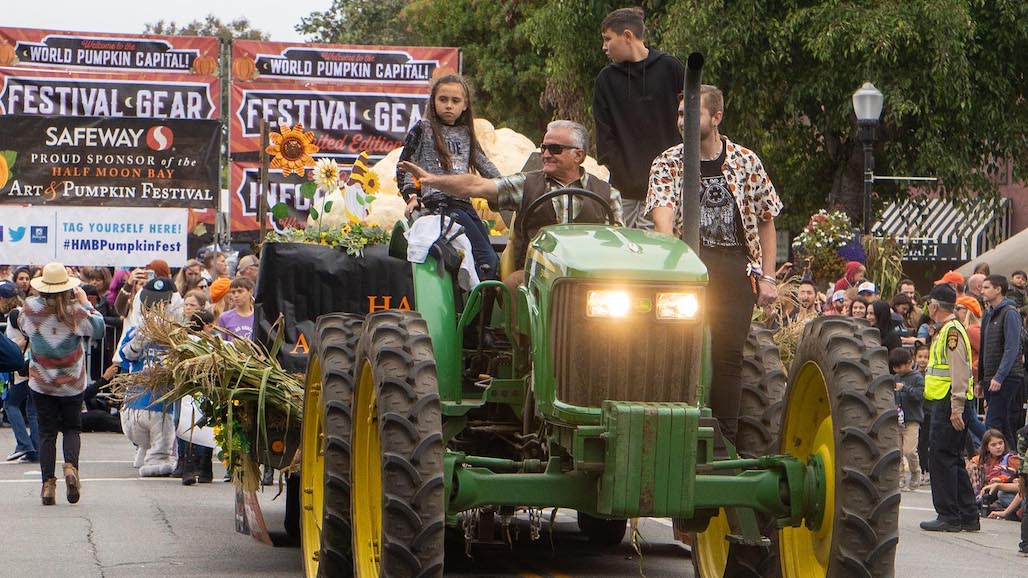
    A longtime festival favorite, the Great Pumpkin Parade (Sat. 12 noon) is the ultimate old-fashioned, home-spun parade featuring the mighty weigh-off champion pumpkin and grower, marching bands, classic cars, fantastic floats, and a Mardi Gras-style procession of costumed ghouls, gargoyles, goblins, ghosts and assorted surprises. Saturday, 12 noon on Main Street.

    FINE ART, HARVEST-INSPIRED CRAFTS

    Buyers and browsers will find thousands of handcrafted items in well-stocked booths covering several city blocks. It’s an ideal opportunity to meet 250 of America’s top artists and craft makers who will be offering their latest creations with great variety and price points to satisfy every budget. Featuring original work in sculpture, paintings, photography, glass, ceramics, textiles, jewelry, leather, wood, metal and mixed media, the festival is considered among the top art shows in the country. Hand-blown glass pumpkins, beautiful vases, flatware, clocks, dishes, wall and table decorations, paperweights, stained and beveled glass, etchings, sculptures, photography, oil and watercolor paintings, beadwork, gold and silver jewelry, vests, handbags, hats, wallets, footwear, windchimes, and waterfalls will be among the thousands of one-of-a-kind items available.

    ENTERTAINMENT EVERYWHERE

    Four stages of sensational entertainment for all ages will transform Half Moon Bay into the Bay Area’s entertainment hotspot for a weekend during the city’s monster Pumpkinpalooza. Performing on the IDES Main Stage are Terri Hiatt, Terrie Odabi, Steely Dead, Three On The Tree, Sean Carscadden, Pardon The Interruption, and Jim Stevens & Friends. The Ritz-Carlton South Stage at the Gazebo will feature Casual Coaltion, the Jacob Benning Trio, John Elliot and the Band of Supervisors, Maestro Vaughan’s Campfire Quartet, and Clay Eagle Bell. The Made on the Coast Music Stage at Mac Dutra Park features John Lester, Walter Anderson and the Half Moon Bay High School Marching Band, Midnight Flyer, David Walker & Moxoa, Michelle Lambert, and The Aguilar Blumenfeld Project. Street musician Bob Culbertson will mesmerize listeners with his 10-string acoustic Chapman Stick. The Safeway Family Stage features the amazing, three-wheeling comic explosion known as Bob at Large, House of Samba Kids, Martin & The Green Guitar, award-winning children’s singer-songwriter Megan Schoenbohm, sensational bluegrass band West Coast Ramblers, and tons of kid-friendly fun and games.

    FABULOUSLY FESTIVE FOOD

    Dig in! And, while you do, help fatten the coffers of community groups while savoring mouthwatering pumpkin-infused treats like pumpkin pancakes, pumpkin pie, pumpkin bread, pumpkin muffins, pumpkin cake rolls, pumpkin cheesecake, pumpkin cookies, pumpkin ice cream, pumpkin milkshake smoothies, chicken pumpkin sausages, pumpkin ravioli, pumpkin spiced cotton candy, macaroni and cheese with pumpkin seeds and spice, chicken and pork tamales with pumpkin mole sauce, and nachos with pumpkin salsa. Then, move onto the next course with coastal favorites like Brussels sprouts steeped in a zesty marinara sauce, and artichoke hearts steamed with an aromatic blend of garlic, olive oil, and herbs. Plus traditional favorites like Portuguese linguisa, bratwurst and Italian sausage sandwiches, hot beef sandwiches, corn dogs, garlic fries, steamy clam chowder in sour dough bread bowls, hamburgers, veggie burgers, grilled corn on the cob, garlic fries, root beer floats, kettle corn, and caramel apples!

    DELECTABLY DELICIOUS CRAFT BEER, PREMIUM WINE AND CRAFT COCKTAILS

    Enjoy tasty varietals from Half Moon Bay Winery including Rosé of Dolcetto and this year’s limited-edition festival-label Monterey Red Blend, and world-class seasonal craft brews like Pumpkin Harvest Ale, refreshing Kolsch pale ale and delicious hop-happy Full Swing IPA from Half Moon Bay Brewing Company plus Elysian Night Owl Pumpkin Ale, Elysian Space Dust IPA, Stella Artois, Golden Road Mango Cart, and Big Wave Golden Ale.

    For another refreshing alternative, festivalgoers can enjoy refreshing, low-carb, gluten-free Nutrl Vodka Seltzers – watermelon and pineapple. On the spirits side, enjoy delicious craft cocktails from 10 Barrel – Classic Margaritas and Moscow Mules. Hydrate with a bottle of PathWater, 100% responsibly and locally sourced water in an aluminum reusable bottle. Sip your favorite beverage in a beautiful, collector-item wine glass or beer mug adorned with the classic festival logo.

    FARMER MIKE, THE PICASSO OF PUMPKIN CARVERS

    Farmer Mike, the “Picasso of Pumpkin Carvers”, has been a top draw and the Pumpkin Festival’s official carving expert for over 35 years. On his Pumpkin Festival stage, Farmer Mike has created whimsical faces, movie characters like MEGAMIND, a Wells Fargo stage coach, Puff the Magic Dragon, and even enshrined Pigeon Point Light House into the shell of a pumpkin. The Atlantic Giant variety of pumpkins he carves range in size from 300 pounds to more than 1,500 pounds. Most of his incredible detail work is done using a folding buck knife and a variety of simple chisels. He loves to interact with his audience, providing carving tips and answering questions. Be sure to stop by to see Farmer Mike carving one of his masterpieces.

    GIANT PUMPKIN PHOTOS

    How often do you get to see and touch a staggeringly-massive, hard-to-believe, larger-than-life 1-ton pumpkin let alone get to have your photo taken alongside something so extraordinary? Thanks to the festival’s partnership with Silicon Valley Community Foundation, photos with the grand champion gourd will be available. Your awesome one-of-a-kind photo will be snapped and instantly printed for a special take-home keepsake. The cost is $20 per 4×6 print, with discounts for multiple copies or poses. All proceeds benefit the Cabrillo Education Foundation (CEF), a non-profit for the sole benefit of the students attending our seven local Coastside public schools. The photo booth is at the corner of Main and Miramontes Streets.

    COSTUME CONTEST

    Hundreds of ghosts, goblins, ghouls and more model their ingeniously creative Halloween attire in the Costume Contest, a popular time-honored festival tradition before walking in the big parade. The costume contest is open to all ages with individual and group divisions. Saturday, 10 a.m. in front of Half Moon Bay Library, at Church and Correas Streets.

    PIE-EATING CONTESTS

    Get up close and personal for this hilarious test of unbridled power-eating. Huge, gasping audiences gather to witness this stunning spectacle with each participant devouring and “wearing” a delicious 8” Safeway pumpkin pie heaped high with whipped cream. Aside from power-eating, panache and style go a long way with audience judges. “To me, the pie eating contest embodies the essence of Pumpkin Festival,” said Wilbur Collins, the spiritual and emotional leader of the contest organizing team for many years. “It encourages participation, it’s loads of fun, and it’s open to everyone. Seeing kids with face and hair full of gooey pumpkin pie, whipped cream and a big smile, it’s a truly sight to behold.” On both Saturday and Sunday, age 11 and under at 2 p.m, age 12 and over at 2:15 p.m. in the Family Fun Zone in the Bank of America parking lot, 620 Main Street.

    PUMPKIN CARVING

    Non-competitive Pumpkin Carving will be available on Sunday in the Family Fun Zone at Bank of America, 620 Main Street. It is not a contest, there’s no judging or awards … it’s simply for fun. Pumpkins and carving knives are provided. Create your very own masterpiece Sunday between 10 a.m. and 1 p.m.

    XFINITY TAKE 5 LOUNGE

    Sports fans have a place to kick back and catch NFL and NCAA football and MLB playoff games on a giant LED screen in the Xfinity Take 5 Lounge. It’s the perfect spot to take a break. Couch potatoes and sports fans will find the comfort and enjoyment of their own living room without ever leaving the event. The Xfinity Take 5 Lounge is a place where festivalgoers can escape the teeming crowds, relax and hang out with friends while watching their favorite sporting events on a giant LED TV, a 9′ x 12′ screen with picture-perfect quality. Top that off with a tasty Pumpkin Harvest Ale, refreshing Kolsch or hoppy Full Swing IPA from Half Moon Bay Brewing Company and an Italian sausage or bratwurst sandwich with zesty marinara sauce fired up by the Coastside Adult Day Health Center and you’ve got a flat-out winner.

    ADDITIONAL ATTRACTIONS

    Up and down the street, festivalgoers will be captivated by an array of amazing attractions. See the spectacular display of the top 4 pumpkins from the weigh-off. Catch massive air on the ultra-thrilling bungee jump. Splish, splash, run, jump, bounce and slide around on the super fun waterballerz. Express yourself with creative body art at the High School Art Department’s face painting booth. Enter the Wilkinson School Sensory Fun Zone and play around with kinetic sand tables, a playdough station, a bead blow-up sensory pool with floating boats, express yourself chalk art zone, and spin-the-wheel game.

    “MADE ON THE COAST”, LOCAL ARTISTS BLOCK 

    The coastal area is brimming with exceptional artistic talent. “Made On The Coast” (MOTC), a group of local artists and a sub-committee of the Pumpkin Festival, returns with their popular one-day pop-up show, Sunday, October 15th. The centerpiece of the “Made on the Coast” Locals’ Block will once again be the artists’ booths, showcasing top-quality arts and crafts from local painters, photographers, potters, jewelers, fabric artists, glassblowers, furniture-makers, and more—as well as live demonstrations.

    PANCAKE BREAKFAST BOTH DAYS

    To launch your memorable day with a super-tasty carbo-load, the High School Varsity Boys Basketball Team will fire up the griddle to host the traditional Pancake Breakfast complete with unlimited buttermilk or pumpkin pancakes, gobs of butter and maple syrup, three grilled sausage links, and a choice of fresh orange juice, hot coffee or tea. Cost is $15 per person. Advance tickets are available on Eventbrite. Advance ticketholders will have their own line and less waiting time. Saturday and Sunday morning from 7 to 11 a.m. in the City Hall parking lot, Main Street at Kelly Avenue. Get Pancake Breakfast tickets in advance and skip the long line!

    PUMPKIN RUN PRESENTED BY SENIOR COASTSIDERS

    The Pumpkin Run will be held on Sunday (various starting times from 7:15-8:20 a.m.) at Hatch School (490 Miramontes Avenue). The Pumpkin Run features a Half Marathon plus a 5k, 10k, and Kid’s Fun Run, all to benefit Senior Coastsiders. The Virtual Pumpkin Run will be available from October 1-14. Pumpkin Run Info-line: 650-712-7322. Run info and registration

    THE HALF MOON BAY BEAUTIFICATION COMMITTEE

    The Pumpkin Festival was created by the newly formed Main Street Beautification Committee in 1971 as a means for restoring historic downtown Half Moon Bay. That first year, buildings were painted, trees were planted and a legend was born. Since then, the festival has helped raise several million dollars for civic projects and community service organizations throughout the coast.

    VEHICLE PARKING

    There will be parking at the south end of Main Street at Metzgar, Half Moon Bay High School (Main St. just north of Hwy. 92), Our Lady of the Pillar Church and the Community Center/Shoreline Station complex, both located on Kelly Avenue just east of Highway 1. Many parking lots are operated by local non-profit groups who charge a nominal parking fee. There is also very limited free parking on several side streets.

    KICKSTAND BICYCLE PARKING 

    Bicycle parking is available in the Straight Wheel Cycling parking lot, at the corner of Kelly and Purissima from 9 a.m. to 5 p.m. both days. Suggested donation is $5 per bicycle. Sea Hugger is managing the “Kickstand” Bicycle Parking as a fundraiser. Sea Hugger is a Half Moon Bay-based nonprofit working to protect and heal the marine environment from plastic pollution through education and action. From sponsoring monthly beach cleanups to promoting conservation laws, Sea Hugger works tirelessly to keep our beautiful ocean and Coastside clean and healthy. Special thanks to Straight Wheel Cycling and The Coastside Mountain Bikers. Get bicycle parking details

    PUBLIC TRANSIT

    Ride SamTrans bus service to the festival – you’re dropped off just steps from the festival! Get public transit details

    RIDE SHARING AND DROP OFFS

    The festival’s designated Ride Sharing and Para Transit drop-off/pick-up location is in the Shoreline Station lot at Highway 1 and Kelly Avenue.

    ACCESSIBLE PARKING

    There will be specially marked accessible parking on Purissima Street between Correas Street and Kelly Avenue.

    STREET CLOSURES

    Main Street will be closed to traffic from Mill Street south to Monte Vista Lane throughout festival weekend. Southbound Main Street will not be accessible from Highway 92 beginning at approximately 7 AM on Saturday. Main Street will re-open at approximately 10 PM on Sunday. Departing the festival, Highway 92 eastbound will not be accessible from Main Street (either from the north or the south). The only way to go eastbound on Highway 92 is from Highway 1.

    DATES/HOURS/LOCATION/DIRECTIONS

    The free-admission festival will be held on October 14-15 from 9 a.m. to 5 p.m. on Main Street between Miramontes and Spruce Streets in Half Moon Bay. To get to Half Moon Bay, take 101 or 280 to Highways 92 or 84 west. You can also get to Half Moon Bay via Highway 1 from both north and south. Get directions from your location.
  • California Avocados Showcased At Flavor Experience Conference

    California Avocados Showcased At Flavor Experience Conference

    California Avocado Commission — More than 230 operators from 129+ restaurant brands joined the California Avocado Commission at the Flavor Experience Conference 2023 hosted in San Diego, California from August 20 – 22. The three-day event, hosted in California avocado growing territory, provided CAC with the opportunity to showcase the local terroir, California difference and seasonal availability of the fruit with a targeted audience of west-coast-based multi-unit operators.

    At the event, sponsoring companies presented flavor-forward dishes tapping into current trends to share creative menu concepts with R&D/product innovation, corporate executive chefs, culinary directors, purchasing/supply chain and marketing executives representing national and regional foodservice chains.

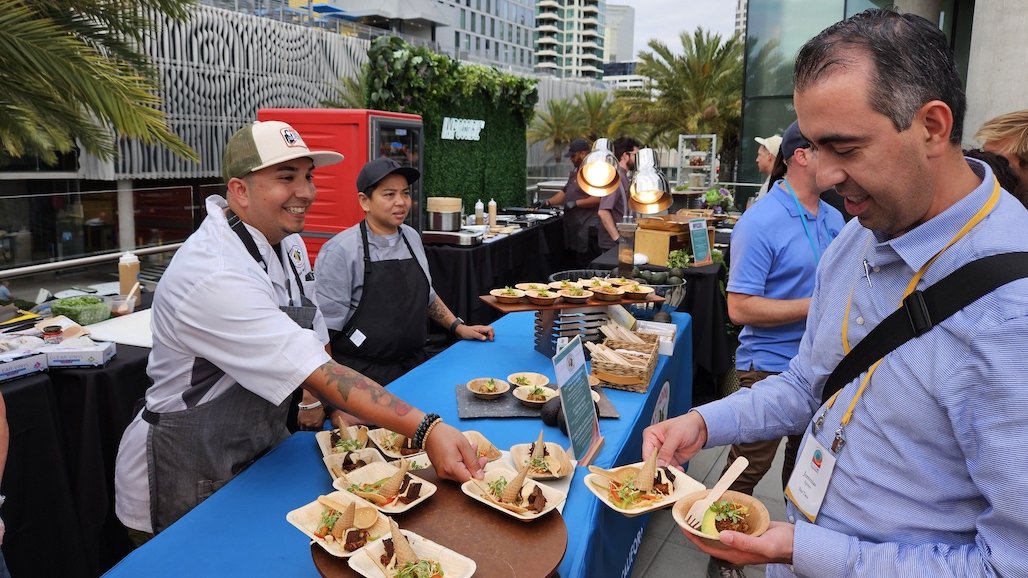
    Connecting California avocados to emerging flavor trends being discussed at the conference was a top priority for the Commission’s team. To demonstrate how to add “California” into trend-forward dishes, Chef Jason Hernandez served three California avocado centric meals during the Sunday evening reception. The California Avocado Middle Eastern Black Bean Torta on Bolillo — featuring herb-braised lamb, California avocado crema, vegetables and sliced California avocados — melded Middle Eastern and the untapped mash-up trends. To showcase the Gen Z and familiar/surprising trends, Chef Hernandez created a California Avocado Sesame Caesar Salad that included shredded kale and romaine, California avocado “sesame croutons,” shaved parmesan cheese and a California avocado sesame Caesar dressing. The Avo-CA-bonara was a big hit with attendees. This dish featured California avocado carbonara miso cream sauce, confit bacon, capers and California avocado pieces atop bucatini pasta.

    During the Monday morning grab-and-go breakfast session attendees enjoyed Chef Hernandez’s modified dessert concept — the California Avocado East-Meets-West Key Lime Granola that consisted of California avocado key lime pie topped with granola and fresh avocado.

    During the Sunday evening reception, a crowd gathered around the California Avocado Commission (CAC) table to reach the featured avocado menu items and speak with the CAC team.

    At the Monday reception, the Commission served three on-trend menu applications. The California Avocado Korean Short Rib Parfait showcased the Gen Z, fermentation and mustard trends with California avocado wasabi-mashed potato, white California avocado barbecue sauce, pickled avocado and kimchi slaw served in a waffle cone. To demonstrate the Gen Z, fermentation and MSG trends CAC served a California Avocado Fried Rice Salad featuring pickled avocado, chili crunch, microgreens, kimchi vinaigrette and MSG mixed with California avocado fried rice. As a fat replacement consideration, the Commission served Double Fudge California Avocado Bone Marrow Brownie Bites topped with fresh California avocado and bone marrow whip. This dessert demonstrated the Gen Z and familiar/surprising trends discussed at the conference.

    The Commission also was one of 18 sponsors selected to conduct a 12-minute demo and testing during the conference. Chef Hernandez and CAC Vice President of Marketing Terry Splane spoke to an audience of more than 60 operators about the benefits of in-season California avocados sourced from local growers while walking the attendees through a flavor-pairing exercise that demonstrated how to maximize the flavors of the fruit in a variety of dishes.

    The conference, which reported a 15% increase in operator attendees over the prior year, allowed the Commission to expand its target base of chain contacts for future promotion opportunities and cement existing relationships. To encourage demand for and loyalty to the California Avocados brand, CAC staff also engaged and networked with chain decision makers discussing the California avocado season and opportunities to promote fresh California avocados in 2024.

  • Confirmed CLas-positive Asian Citrus Psyllid Found in Ventura County

    Confirmed CLas-positive Asian Citrus Psyllid Found in Ventura County

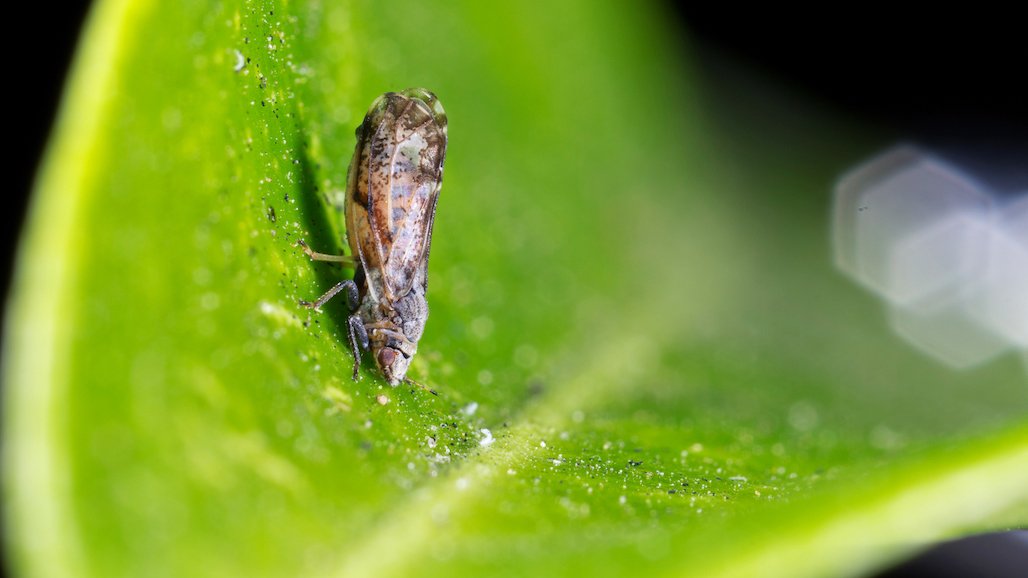
    Citrus Pest & Disease Prevention Program —Candidatus Liberibacter asiaticus (CLas)-positive Asian citrus psyllid (ACP) sample has been collected from a residential property in Ventura County in the Santa Paula area and has been confirmed by the Citrus Research Board’s Jerry Dimitman Laboratory. The positive sample – comprised of 12 adult psyllids from a residential citrus tree in the Southwest area of Santa Paula – was collected on Sept. 6 as part of the Multi-Pest Risk Survey and confirmed positive for CLas on Sept. 19. This is the first confirmed CLas-positive ACP found in Ventura County.

    A Huanglongbing (HLB) quarantine zone will not be established as a result of this CLas-positive ACP detection and California Department of Food and Agriculture (CDFA) staff are swiftly conducting surveys and collecting samples from the property and all HLB host plants that are located within a 250-meter radius around the find, per the ACP/HLB Action Plan.

    While the first confirmation of a CLas-positive ACP in Ventura County is concerning, as of today, HLB has not been detected in any Ventura County citrus trees. However, it is more crucial than ever that populations of the ACP continue to be controlled properly in order to stop the disease from spreading, as oftentimes a CLas-positive ACP precedes the detection of an HLB-positive tree. Additionally, there were no nymphs observed at the time of collection on Sept. 6., however, during resampling efforts this week, CDFA collected 15 nymphs from the find site property but on a different host plant. CDFA crews will be surveying for any additional adult or nymph psyllids as part of the 250-meter survey being conducted this week.

    This CLas-positive ACP detection is not associated with the research that was conducted last year in Southern California – including Ventura County – as a part of a program funded by the HLB Multi Agency Coordination Group by researchers from UC Agriculture and Natural Resources, UC Davis, UC Riverside and the University of Arizona, Tucson. These studies’ laboratory tests vary from the federally approved testing methods and procedures required by CDFA labs that would allow the state to take any regulatory action. Therefore, this is the first CLas-positive ACP detection recognized by CDFA.

    While treatment is not mandatory for area commercial growers as a result of the detection, Ventura County commercial growers who wish to take proactive steps to protecting their groves or who have additional questions can contact Ventura County Grower Liaisons Sandra Zwaal or Cressida Silvers.

  • Video Released on Nitrogen Management in California Processing Tomatoes

    Video Released on Nitrogen Management in California Processing Tomatoes

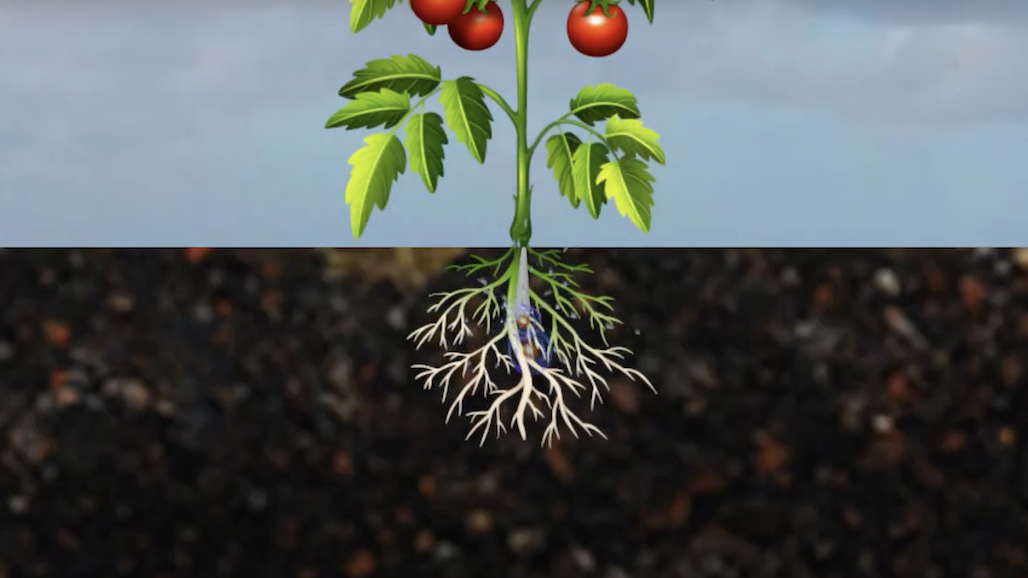
    Efficient nitrogen fertilization management for all irrigated crops is gaining much attention as the Irrigated Lands Programs in the Central Valley and Central Coast begin efforts to minimize nitrate movement past the root zone of fruits, nuts and vegetables. The first in a series of seven educational videos on nitrogen fertilizer management is now available online. The video series is funded through a grant to CURES by the Fertilizer Research and Education Program (FREP) at the California Department of Food and Agriculture.

    “The 4Rs of Nitrogen Management in Processing Tomatoes” features Zheng Wang, Vegetable Crops Advisor with the University of California Cooperative Extension (UCCE). Dr. Wang explains in the 30-minute video the current knowledge about efficient management of nitrogen in processing tomatoes by following the 4Rs: Right Rate, Time, Place and Product.

    UCCE research supported by the California Tomato Research Institute shows that each ton of tomatoes requires approximately 4.6 pounds of nitrogen for efficient production. Nitrogen fertilizer injections into drip systems are best scheduled in the latter half of an irrigation set. Commercial and organic nitrogen fertilizers have varying levels of potential to move past the crop root zone. These and other agronomic and irrigation pointers are covered in the video, available in both English and Spanish. For those who want “just the facts,” 5-minute condensed versions of the video are also available.

    Visit the BMP section of https://www.curesworks.org/nitrogen-management/ ; see Nitrogen Fertilizer 4R videos on canning tomatoes as well as walnuts. Coming soon in the CURES video series on the “4Rs of Nitrogen Management”: pistachios, almonds, citrus, high tonnage wine grapes, strawberries and lettuce. Sign up to be notified for all new video releases at www.curesworks.org “Contact Us.”

    CURES was founded in 1997 to support educational efforts for agricultural and urban communities focusing on the proper and judicious use of pesticides and plant nutrients. Since its formation, the organization has focused its efforts on pesticide and nitrogen fertilizer stewardship and research projects, including studies on the effectiveness of management practices to minimize movement of farm inputs and sediment into surface and groundwater. A key goal is to implement educational programs, coordinate research and provide information and professional expertise to users and applicators of pesticides and nutrients to enhance and protect the environment, as well as public and worker health and safety. All its projects are implemented either by CURES staff or through partnerships with organizations such as commodity groups, water quality coalitions, private companies and the University of California.

    For more information, contact Parry Klassen at 559-288-8125 or klassenparry@gmail.com or visit CURES website at www.curesworks.org.

  • Farmers Save Money, Water by Adopting Climate-Smart Ag Practices

    Farmers Save Money, Water by Adopting Climate-Smart Ag Practices

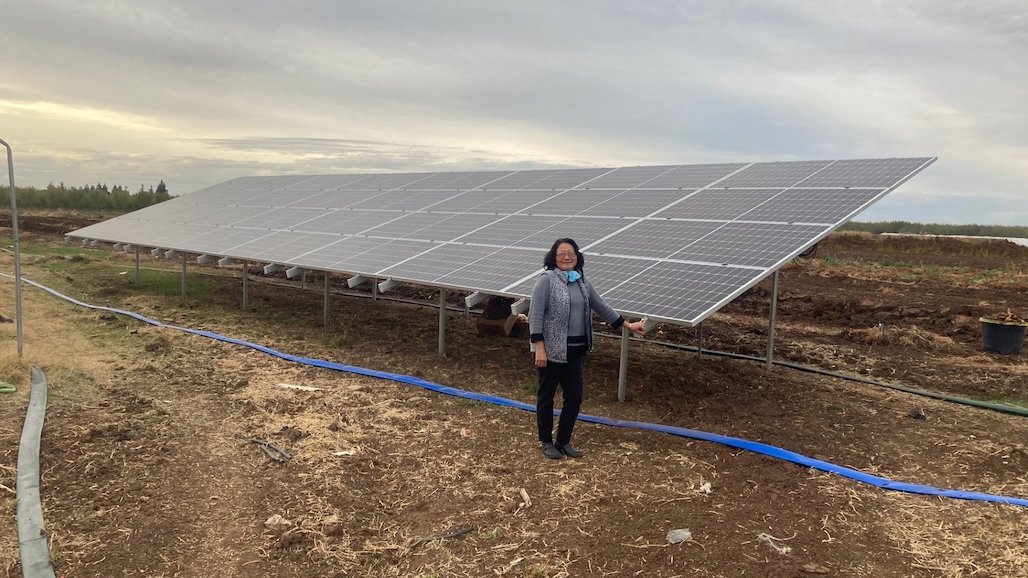
    A Hmong small-scale farmer in Merced County has saved about 14.4 acre-inches of water annually and reduced greenhouse gas emissions by 12.406 MTCO2e per year (equivalent to the greenhouse gas emissions produced from burning 1,396 gallons of gasoline) after upgrading her farm. Rosie Lee – who sells Asian greens, green beans, corn, strawberries and other produce at her farm stand and to Asian markets – is one of hundreds of growers benefiting from California Department of Food and Agriculture incentives and funds with the assistance of Climate Smart Agriculture community education specialists.

    “She is one grower who would not have access to those funds without my bringing my computer out to the field,” said Caddie Bergren, a Climate Smart Agriculture community education specialist who has been working with growers in Merced County since the program’s launch.

    To make it easier for farmers to adopt new practices, CDFA and UC Agriculture and Natural Resources partnered to create the Climate Smart Agriculture program.

    Drip irrigation has saved Lee about 14.4 acre-inches of water annually.

    “Since 2019, UC ANR’s Climate Smart Agriculture Team has provided in-depth technical assistance to more than 1,300 farmers and ranchers in 24 counties,” said Hope Zabronsky, academic coordinator for UC ANR’s Climate Smart Agriculture team. “Through their strong relationships with diverse farming communities, they support the implementation of soil health, water efficiency, and manure management practices that optimize climate benefits for all growers and Californians.”

    The program’s community educators work with farmers and ranchers in 24 California counties to get CDFA-funded grants and implement Climate Smart Agriculture projects. These efforts, which emphasize outreach to underserved farmers and ranchers, have resulted in a total of $36.5 million invested from the State Water Efficiency and Enhancement Program or SWEEP, the Healthy Soils Program, and the Alternative Manure Management Program.

    “Agriculture is an important part of the climate solution,” said CDFA Secretary Karen Ross. “This funding enables CDFA and UC ANR to partner with farmers and ranchers to scale up climate-smart agricultural practices. This is essential as we contend with our hotter, drier future.”

    Lee, the Hmong grower, had been growing 18 acres of vegetables by flood irrigating with groundwater. To save water and reduce pumping costs, she asked Bergren to help her apply for SWEEP funds to convert to drip irrigation and install solar panels. Bergren brought her laptop to the field to help Lee pull together the necessary information for the application. After Lee received funds for the project, Bergren assisted her with the technical logistics of installing the irrigation and solar equipment.

    “I called vendors and we were able to complete the project on time,” Bergren said.

    Through the Climate Smart Agriculture program, Lee, shown holding a soil moisture sensor, received help to apply for grants and complete the energy and water-saving project.

    CDFA and UC ANR have published an impact report highlighting the results of the multi-year partnership focused on increasing adoption of climate-smart agriculture practices to reduce water and energy use.

    The investments have funded more than 420 projects, so far. The projects are expected to save an estimated 8.3 billion gallons of water during their lifetime, enough to supply over 75,000 typical homes in California with water for a year. Additionally, there are projected reductions of more than 355,000 metric tons of carbon dioxide-equivalent, as much as would be achieved by removing 79,110 gas-powered vehicles from roads.

    The report highlights the importance of providing tailored outreach, education and technical assistance to small-scale, non-English speaking, and otherwise underserved farmers and ranchers. — By Pam Kan-Rice and Josh Staab

    To find the full details of the report, please visit https://ucanr.edu/climatesmartag2023.

    UC Agriculture and Natural Resources brings the power of UC to all 58 California counties. Through research and Cooperative Extension in agriculture, natural resources, nutrition, economic and youth development, our mission is to improve the lives of all Californians. Learn more at ucanr.edu and support our work at donate.ucanr.edu.

  • Largest CA Processing Tomato Crop Forecasted Since 2015

    Largest CA Processing Tomato Crop Forecasted Since 2015

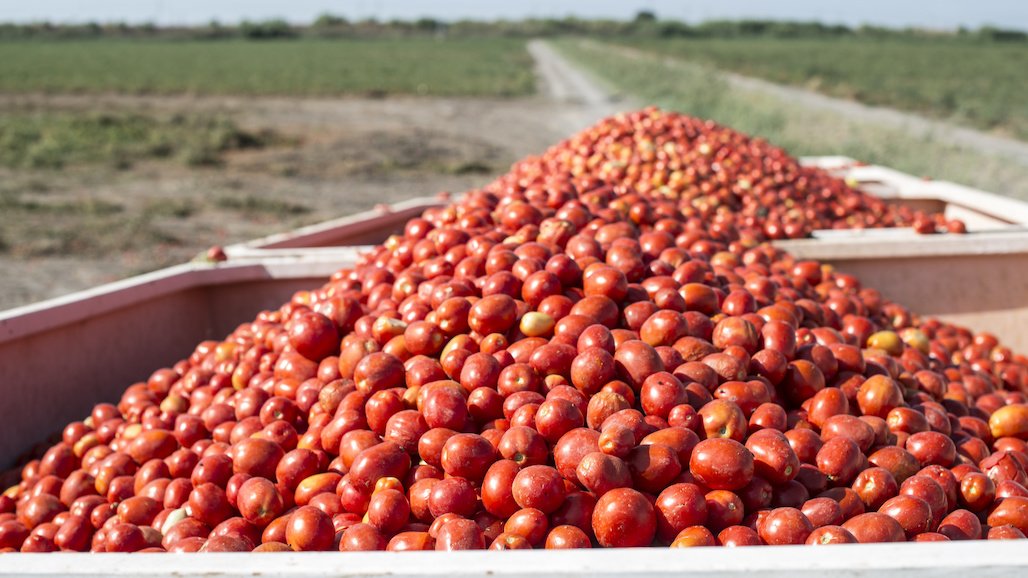
    The USDA National Agricultural Statistics Service has forecasted contracted production for California processing tomatoes at 12.9 million tons for 2023, averaging 50.8 tons per acre. The current production forecast is 23% above last year’s contracted production of 10.5 million tons, and 2% above the May forecast. The projected harvested acreage of tomatoes grown under contract is 254,000 acres, up 13% from 2022.

    Unseasonably wet weather through winter and spring delayed planting by weeks, but with record-high prices and ample water, contracted acreage increased significantly. Harvest began with a slow start in mid-July, a couple weeks behind average, and is expected to continue well through October if the weather stays dry. Now entering peak harvest, canneries are busy managing the logistics of consistently delivering ripe tomatoes to the plant.

    The Processing Tomato Advisory Board published shipments through August 26, 2023, showing a 16% decrease compared to the end of August 2022. However, due to the late crop, shipments are expected to catch up and exceed the past 5 years.

    This processing tomato estimate is funded by the California League of Food Producers.

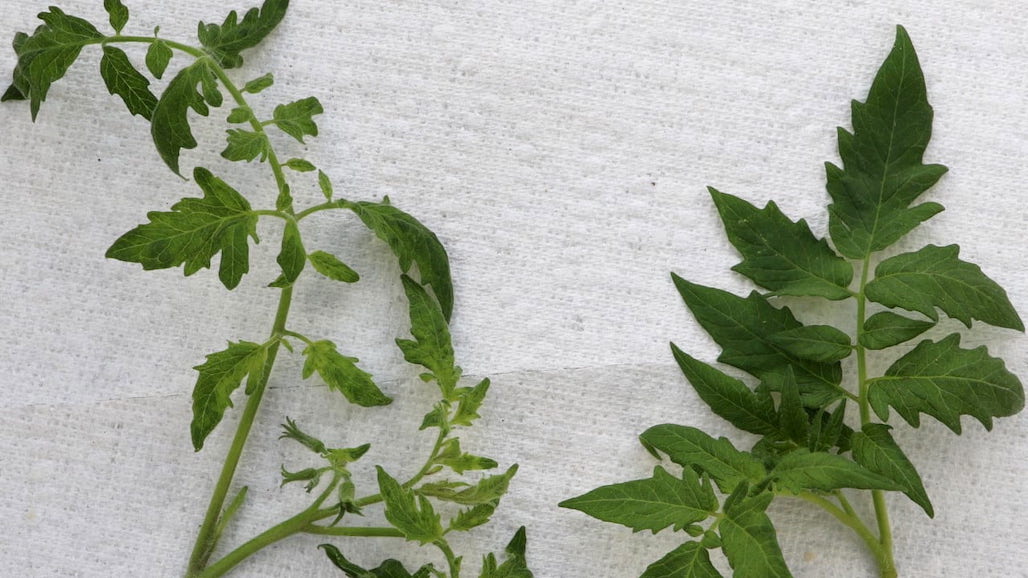
  • USDA Extends Comment Period on Regulatory Status of Tomato Brown Rugose Fruit Virus (ToBRFV)

    USDA Extends Comment Period on Regulatory Status of Tomato Brown Rugose Fruit Virus (ToBRFV)

    USDA’s Animal and Plant Health Inspection Service (APHIS) is issuing a Stakeholder Registry announcement extending the public comment on two pathway risk assessments and three potential regulatory policy options for Tomato brown rugose fruit virus (ToBRFV) in fresh tomato and pepper fruit for consumption and plant propagative material (including seeds). The public will have an extra 30 days to provide comments to the documents in response to requests to extend the comment period beyond August 30, 2023.  APHIS will now consider all comments received by September 29, 2023.

    To safeguard U.S. agriculture against the introduction of the virus into the United States, APHIS issued a Federal Order effective on November 22, 2019, to restrict the importation of tomato and pepper fruit and plant propagative material, such as plants intended for planting, plant parts and cuttings, and seeds. On June 3, 2020, APHIS amended the Federal Order to clarify the requirements for fruit, specifically requiring an additional declaration for tomatoes and/or pepper fruit from countries that already must provide a phytosanitary certificate for these commodities. All other requirements remained unchanged.

    The distribution of ToBRFV is rapidly changing across the world and given numerous detections of the virus in the United States over the past several years, APHIS is reevaluating the Agency’s policies for regulating fresh tomato and pepper fruit for consumption and plant propagative material (including seeds) for ToBRFV.

    APHIS developed pathway risk assessments to update and inform its policy decisions related to the virus. APHIS drafted the following documents: (1) a tomato and pepper fruit for consumption pathway risk assessment, (2) a propagative plant materials pathway risk assessment, and (3) a document that describes three potential regulatory responses considering the pathway risk assessments.

    APHIS is seeking scientific information that would provide a greater understanding of the distribution of ToBRFV in the United States and of best management practices, including the development of resistant tomato varieties for this virus. APHIS is also seeking information about the economic impacts of the potential regulatory options.

    APHIS is considering three regulatory policy options:

    1. Continue to regulate Tomato brown rugose fruit virus as a quarantine pest but remove those import restrictions for tomato and pepper fruit for consumption. APHIS would continue to regulate propagative materials, including plants and seed, as described in the existing import Federal Order. APHIS would continue to take action on domestic detections of the virus in seeds and other propagative material.
    2. Categorize Tomato brown rugose fruit virus as a non-quarantine pest and rescind the import Federal Order. This action would remove all import restrictions for this virus for fruit for consumption and for propagative materials. APHIS would no longer take action on domestic detections of the virus.
    3. Continue to regulate Tomato brown rugose fruit virus as a quarantine pest and implement the requirements in the existing import Federal Order without change. APHIS would continue to take action on domestic detections of the virus in fruit, seeds and other propagative material for consumption.

    APHIS will accept public feedback of the documents on the Stakeholder Risk Assessment Consultation web page: https://www.aphis.usda.gov/plant-health/risk-assessment-consultation.

    The current ToBRFV Federal Order is available on APHIS’ website here: https://www.aphis.usda.gov/aphis/ourfocus/planthealth/import-information/federal-import-orders/. If you have any questions, please direct them to PPQPRAComments@usda.gov; please indicate ToBRFV in the subject line.

  • New Sensor Chip Advances Rapid, Cost-Effective Disease Diagnostics

    New Sensor Chip Advances Rapid, Cost-Effective Disease Diagnostics

    Texas A&M AgriLife Research scientists and collaborators at Iowa State University have developed a sensor chip that can detect many disease pathogens with 10 times the sensitivity of currently available methods.

    The chip also eliminates the need for chemical dye reagents typically used in the diagnostic process. The new technology shows promise for rapid, low-cost point-of-care diagnostic capabilities in plants, foods, animals and humans, including detecting foodborne pathogens, bird flu and COVID-19.

    An abstract diagram showing the basic configuration of the LAMP reaction chamber and nanopore film sensor containing immobilized LAMP products (Texas A&M AgriLife Illustration)

    Results from the new sensor are available in about 30 minutes.

    In their research, published in ASC Sensors, scientists used the new sensor to detect Phytophthora infestansThe pathogen causes globally devastating late blight disease — a particular threat to potato and tomato crops.

    The research was co-led by Jinping Zhao, Ph.D., AgriLife Research postdoctoral research scientist in Dallas, and Subin Mao, a Ph.D. candidate in electrical and computer engineering at Iowa State University. Serving as corresponding authors were collaborators Junqi Song, Ph.D., associate professor and plant immunity research lead with AgriLife Research in Dallas, and Long Que, Ph.D., professor of electrical engineering at Iowa State University. Seed grants from each university funded the research.

    “This research advances technologies that have emerged as some of our greatest opportunities for improving agriculture, food safety and human health,” Song said. “Our publication represents a step toward realizing these powerful tools against diseases.”

    Building on existing technologies

    The new sensor improves upon a technique known as loop-mediated isothermal amplification, or LAMP, which is widely used to detect pathogens by amplifying their DNA.

    Detection of LAMP products amplified from templates, such as pathogen DNA, often requires that the products be “labeled” by using fluorescence dyes — a costly process with low sensitivity. The new sensor diagnoses pathogens without such reagents and at high sensitivity. It also eliminates a lengthy DNA purification process that creates challenges for point-of-care use.

    The new chip consists of a nanopore thin-film sensor inside a special reaction chamber. Primers are uniquely designed to be immobilized on the nanofilm, causing amplified LAMP products to become bound to the sensor, which produces signals that can be directly and easily measured with a portable spectrometer.

    What’s next

    The LAMP chip offers a new portable platform to detect pathogens using label-free sensors with ultrasensitivity. The research team will now work to further enhance sensitivity to a subattomolar or even lower level.

    The team aims to offset current challenges to detecting and distinguishing pathogen species and strains with high-sequence similarities. They will also work to improve the specificity of detections and establish quantitative detection by integrating artificial intelligence and CRISPR gene-editing technologies.

    Their goal is to achieve a viable product for broad adoption in plant, animal and human health point-of-care applications.