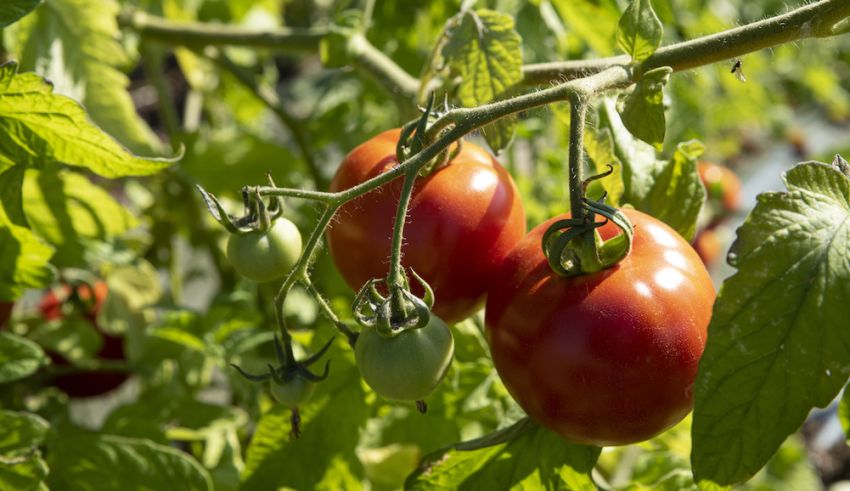
In recent years, there has been an increase in crown rot/vine decline problems in processing tomatoes. Many tolerant, as well as several susceptible tomato cultivars, have been identified from previous efforts funded by CTRI. The number of fields in the Sacramento Valley with confirmed Fusarium falciforme vine decline has been increasing each year. In 2022, eight new tomato fields were diagnosed in Sutter and Colusa counties, for a total of 20 fields since 2019. In 2021 and 2022, we worked with AgSeeds and evaluated processing tomato varieties in field trials for their tolerance or susceptibility to Fusarium falciforme by rating disease severity and sending diagnostic samples to the Swett lab at UC Davis for confirmations. Unfortunately, in 2021, we were unable to confirm F. falciforme in the particular fields we evaluated, however, in 2022, all three fields in Sutter County where we evaluated trials were positive for F. falciforme, along with Fusarium crown and root rot in 2/3 fields. We evaluated fields for advanced decline and whole plant collapse. Yield data was provided by AgSeeds. Below is a table with the average number of declined plants at our three field sites in Sutter County. The table also includes percent decline and yield for two of the fields. Also worth noting, field #2 was evaluated the day before harvest, whereas field #1 was evaluated a couple weeks before harvest and field # 3 was not harvested due to September rain events in 2022.
The varieties with the highest decline are similar to results we have seen at other sites over the years and a more comprehensive table (developed by UCCE Vegetable Crops Advisor, Brenna Aegerter, in San Joaquin County) which can be found in my December 2022 newsletter. If you are interested in more results and information from other regions of the state, you can see Brenna’s article on pages 4-5 in the UCCE San Joaquin County Field Notes newsletter from February 2023. — By Brenna Aegerter, UCCE San Joaquin; Co-PIs: Tom Turini, UCCE Fresno; Amber Vinchesi-Vahl, UCCE Colusa/Sutter/Yuba; Cassandra Swett, UC Davis Extension Pathology Specialist; Collaborators: AgSeeds (Funded by California Tomato Research Institute)
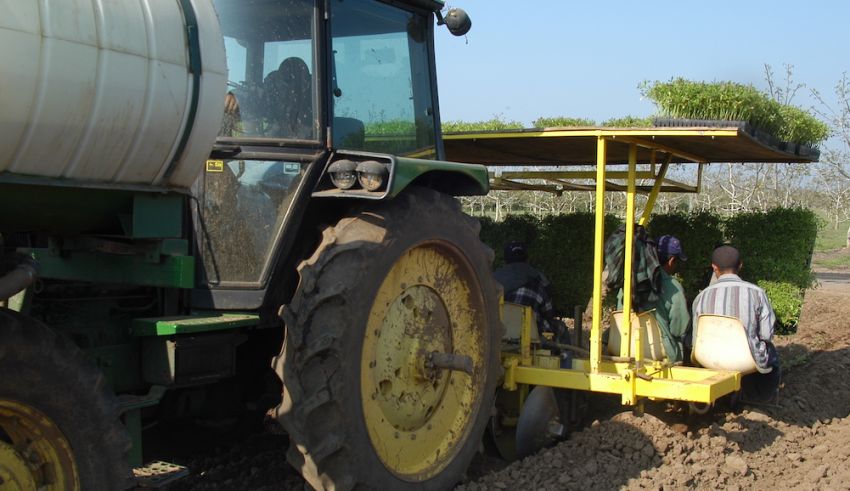
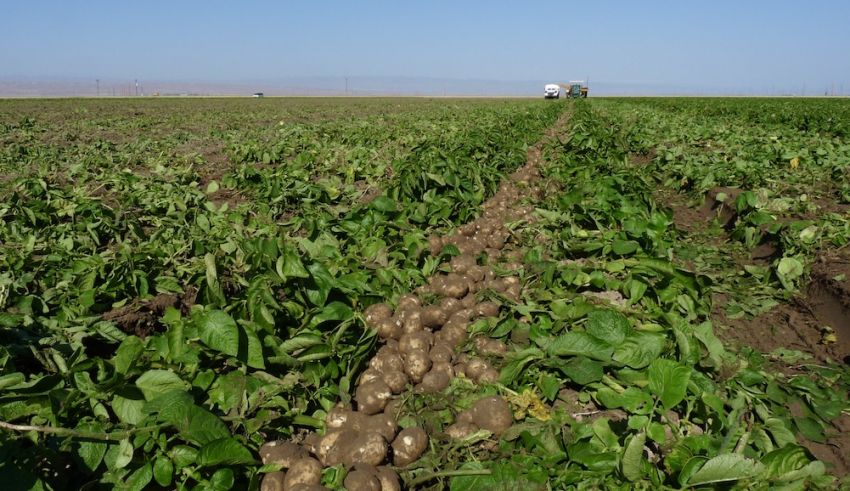
The Annual UC Cooperative Extension and California Potato Research Advisory Board (CPRAB) Variety Trial Field Day is an opportunity to see tubers of potentially new varieties, how they performed this year, and how they performed compared to standard varieties. The event will take place on Wednesday, June 21 from 10 a.m. to 12:30 p.m. at Hart Memorial Park (8 miles northeast of downtown Bakersfield via Hwy 178 and Alfred Harrell Hwy). Entries include varieties from numerous USDA, state, and private breeding programs. This year’s entries include Russets, chippers, reds, yellows, and specialty types. Tubers will be shown as how they look straight from the field after being washed.
This is an opportunity to express your evaluations and recommendations about these varieties to University researchers, breeders, seed growers, and fellow growers.
LOCATION! The Potato Field Day will be held in the shade near the bank of the Kern River at HART PARK. It will be located on the east end of the park in Section 2, just off Alfred Harrell Highway. Please see map on back for directions to Hart Park. Snacks and refreshments will be available.
Potato Grower Meeting: You should be receiving a notice from the CPRAB for the annual potato grower’s dinner and informal meeting to be held the evening of the field day.
For further information contact:
Jaspreet Sidhu, Kern County Cooperative Extension, 661-304-8870 Nathan Sano, California Potato Research Advisory Board, 559-591-0436
Duda Farm Fresh Foods, a leading grower of fresh vegetables and citrus,launches the “Sizzling Sweet Summer Sweepstakes.” The seasonal contest aims to encourage consumers to get a little corny this summer, with a promotion centered around Dandy® sweet corn and positioning the company as the premier brand when grocery shopping this season.
Dandy seeks to elevate the consumption of fresh U.S. grown sweet corn among shoppers with corn inspired recipes, cooking tips, nutrition information, super corny facts, and by giving consumers the chance to win the ultimate summer prize pack.
“We’ve seen corn become synonymous with the summer season, especially on the grill and in fresh salads or dips,” said Nichole Towell, senior director of marketing and packaging procurement at Duda Farm Fresh Foods. “Though we are known for our celery products, we are excited to showcase our Dandy sweet corn throughout this promotion and to offer our shoppers more insight on cooking and enjoying the vegetable!”
Now through July 7th, consumers can enter the “Sizzling Sweet Summer Sweepstakes” for a chance to win one grand prize pack featuring a brand name 20-piece stainless steel grill set, a seasoned cast iron grill pan, a denim cooking apron, spiral corn holders, a heavy duty oven mitt, and a $500 gift card to stock up on additional grilling needs. Duda will also be choosing one winner every week during the promotion to take home Dandy sweet corn and a $100 gift card.
Duda Farm Fresh Foods will utilize a 360-degree marketing strategy that includes a regional TV segment, public relations efforts, influencer support, corn use and application inspiration, online advertising, as well as email and social media campaigns to increase sweepstakes entries and drive demand for the product in stores.
Dandy sweet corn is available in bulk as well as a pre-shucked and pre-cut tray pack options to help reduce meal prep time and offer a bit more convenience to cater to shoppers’ busy lifestyles. The brand takes care to grow and harvest the best sweet corn of the season from farms in Florida, Georgia, and Michigan.
For additional information, please visit www.dudafresh.com or follow Dandy Fresh Produce social media platforms for daily inspiration at Facebook, Twitter, and Instagram.
About Dandy® Celery
For nearly 100 years, Duda Farm Fresh Foods has been a leading grower, shipper, processor and marketer of fresh vegetables and citrus. Known for their superior celery, the company has expanded their facilities over the years to accommodate recent developments such as celery juicing and other health and wellness trends in order to provide consumers with the freshest celery possible. With primary locations in Florida, California, Arizona, Georgia and Michigan, Duda Farm Fresh Foods carries a commitment to innovation and sustainability and believes in growing a healthy future for generations to come. The company is a wholly owned subsidiary of A. Duda & Sons, Inc., a family-owned, diversified land company headquartered in Oviedo, Fla. For more information, please visit www.dudafresh.com.
Ocean Mist Farms, the leading grower and marketer of fresh artichokes in North America, is pleased to announce veteran agricultural industry marketer Lori Bigrashas joined Ocean Mist Farms as Communications Manager. With this hiring, Ocean Mist Farms has brought on an experienced professional with over twenty years in the produce industry.
In her new role, Bigras will be responsible for leading the day-to-day management of Ocean Mist Farms social media marketing initiatives. She will also manage all trade and consumer public relations activities, develop, write, and manage the company’s bi-weekly fresh produce blog, and create comprehensive marketing plans to boost brand image, increase customer engagement and improve conversions.
“I’m so excited to join the marketing team at this almost 100-year-old legacy company and industry giant,” said Bigras. “This role will allow me to use my experience to help elevate both consumer and trade brand awareness for Ocean Mist Farms.”
Prior to accepting the position, Bigras has worked for industry-leading agriculture companies in the fresh segment for much of her career. She studied business and marketing at Vermont College (Montpelier, VT) and UCSC (University of California, Santa Cruz) where she studied design. A native New Englander, Bigras has called Santa Cruz, Calif. home since the 80’s.
“The experience Lori brings to this position is unmatched,” said Mark Munger, Director of Sales & Marketing at Ocean Mist Farms. “With her proven track record and experience in produce marketing and the agricultural industry at large, Lori will bring immediate value to Ocean Mist Farms and the marketing department.”
About Ocean Mist Farms
Ocean Mist Farms, a fourth-generation family-owned business in Castroville, CA, the largest grower of fresh artichokes in North America, is committed to delivering the highest standards in the industry for food safety, product quality, customer service, innovation, and sustainability. The company’s full line of 30+ fresh vegetables include their award-winning green and purple artichokes, as well as their Season & Steam value-added line of products. To stay up to date on the 2023 artichoke season, follow Ocean Mist on Instagram. To learn more about Ocean Mist Farms, visit www.oceanmist.com. For great recipe inspiration and preparation tips, consumers can follow the brand on Pinterest, Facebook,Instagram,LinkedIn and Twitter.
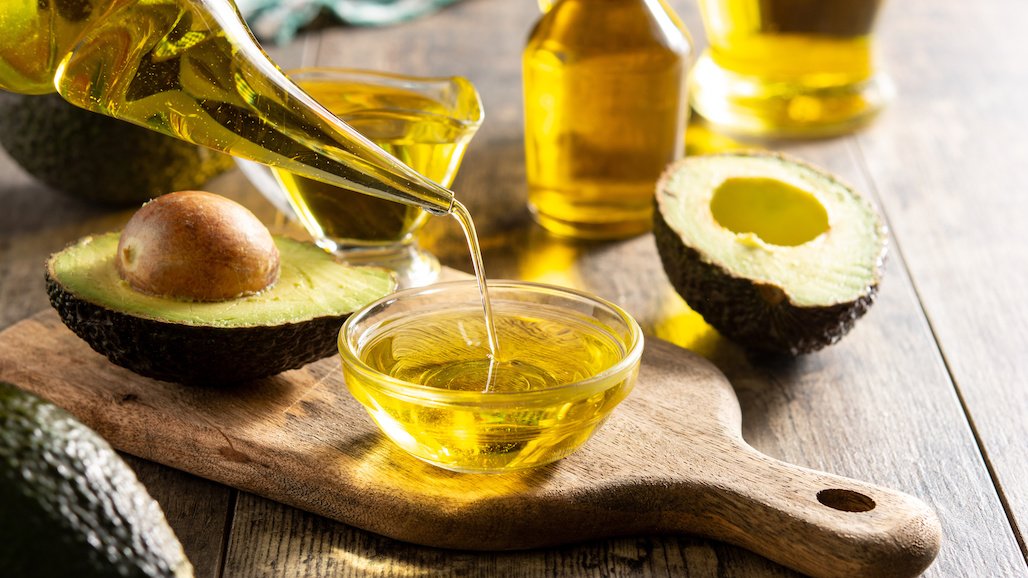
Avocado oil has become a popular choice for many people in recent years because of its heart-healthy benefits and versatility in cooking. However, not all avocado oil products on store shelves are created equal. Some products are labeled as “pure” avocado oil when they contain other oils or additives. No enforceable standards defining the chemical and physical characteristics of avocado oil exist yet.
Researchers at the University of California, Davis, analyzed samples of 36 private label avocado oil products and graded them based on quality and purity. Private label products are made by a third-party processor and sold under a grocery store or retailer brand label. Their findings, published in the journal Food Control, show that 31% of the samples tested were pure, and 36% were of advertised quality. Quality refers to whether the oil is fresh or has gone bad due to aging, heat or light exposure. For purity, researchers measured fatty acids, sterols and other components that differentiate avocado oil from other oils.
The study included oils purchased from 19 retailers in the U.S. and Canada with various price points. They found that lower-priced oils were more likely to be tainted with other oils.
“We found that low-cost products indicate a higher probability for adulteration, but high cost didn’t guarantee purity or quality,” said Selina Wang, associate professor of Cooperative Extension in the Department of Food Science and Technology. She and Hilary Green, a postdoctoral researcher at UC Davis, co-authored the paper.
Researchers also identified certain chemical markers in avocado oil that professional retail buyers can use to make more informed decisions when it comes to choosing suppliers. This way, consumers can feel confident about the products they buy.
This is the second comprehensive study conducted by UC Davis researchers on the quality of avocado oil sold in the U.S. The first study released in 2020 found that many of the test samples were of poor quality, mislabeled or adulterated with other oils.
“This study demonstrates that although progress is being made in standard development since our first market study in 2020, there are still issues with purity in avocado oil and these issues extend significantly into private label oils,” Wang said.
Avocado oil standards
Since the release of the first UC Davis study, Wang said there’s been a coordinated effort by researchers, industry leaders and government agencies to establish enforceable standards. The Avocado Oil Expert Group was formed in collaboration with the American Oil Chemists’ Society to discuss potential standards and future research projects.
Wang’s research group has been studying how natural factors like different types of avocados, harvest times, geographic origins and processing methods could affect the chemical composition of avocado oil. They want to create standards that will accommodate natural variations while detecting any adulterations.
Wang hopes that the study’s findings will contribute to the establishment of standards that benefit both consumers and avocado oil producers who want to compete in a fair market.
“I’m very optimistic for the future of the avocado oil industry,” Wang said. “It’s a high-value product with high consumer demand, similar to what I saw with olive oil 10 years ago. Olive oil quality and purity have improved significantly, which is where I see avocado oil going, if we can establish fair standards and eliminate fraudulent products.” — By Tiffany Dobbyn, UC Davis
Farmers know that heat stress and drought are hard on plants. But what, exactly, is happening to the plants under these conditions, and what can we do about it? These questions are becoming ever more urgent as we move toward a future with more carbon dioxide (CO2) in the air, more heat, and more erratic weather.
At ARS, researchers set out to understand in detail how plants respond to these stresses, using tomatoes as their first test subject. Tomato plants are often grown in greenhouses because they are viewed as a high-cost, high-value crop. Jennifer Boldt is a research horticulturist at the Application Technology Research Unit in Wooster and Toledo, OH, who specializes in studying crops grown in controlled environments, such as high tunnels, greenhouses, indoor vertical farms in warehouses, or shipping containers.
“The idea behind this research is that we are asking, ‘How do different environmental conditions potentially affect how nutrients are taken up by the roots of the plant, and what implication does that have for plant growth or the quality of the plants that are being grown?’” she said.
In response to elevated temperature and carbon dioxide (right), tomato leaves shift to a more vertical orientation and soybean leaves exhibit increased leaf cupping. (Photo courtesy of Dileepa Jayawardena, University of Toledo)
Previous research showed that conditions like heat, elevated CO2, and drought change the ways that plants function, but there was little research on how the combination of those conditions affects them.
“Under my purview, we were able to say, ‘let’s not look at one factor individually, but what happens when we have multiple factors that are changing at the same time – high temperature and high CO2, or drought and high CO2,’” explained Boldt. “Under that combination of drought and CO2, the plants weren’t able to take up nutrients as much, so we had lower levels of nitrogen and phosphorus in the leaves. Nitrogen is a key component in proteins, and so if you have less nitrogen, then the plant is not going to be as green, and it’s going to grow more slowly, and any edible portion of the plant is going to be less nutritious.’”
The reasons for that reaction are a function of the plant’s response to changed conditions. Boldt explained that, under current CO2 conditions, plants grow and take up nitrogen at a certain rate, creating a balance. However, under high CO2, the plants grow more, but they’re not necessarily taking up more nitrogen at that same elevated rate, so the end result is a higher ratio of carbon to nitrogen in the plant.
Tomato plants await the start of a research study that will examine plant responses to elevated temperature and carbon dioxide. (Photo courtesy of Dileepa Jayawardena, University of Toledo)
“It appears that the nitrogen concentration has gone down, but it’s just because the plant has put on more bulk more quickly,” she said, “because it’s taken that CO2 and turned it into sugars and structural components in the plant.”
To perform the research, Boldt collaborated with colleagues from the University of Toledo. The team wanted to understand more about why they were seeing lower rates of nitrogen uptake. They knew that nutrients in the plant tissues could be affected by environmental conditions, but didn’t know whether it was because the plants were taking up fewer nutrients from soil, or because there were things going on within the plant that prevented the nutrients from moving up to the top part of the plant where they could be utilized.
They found that under the combination of elevated CO2 and heat, the leaves of their tomato plants were oriented much more vertically than under current conditions. Typically, the horizontal leaf position helps plants capture sunlight well. When, in response to stress, the leaves turn up vertically, they capture less light, and ultimately, said Boldt, “aren’t able to utilize all of their systems as efficiently.” One result of that decreased efficiency: relatively less nitrogen.
Measuring the rate of photosynthesis in a tomato leaf. (Photo courtesy of Dileepa Jayawardena, University of Toledo).
A natural next question was whether or how these results might translate to other plants, especially commodity crop plants. To find out, Boldt decided to look at plants that are typically grown as field-based crops. She examined the effects of changed conditions on barley, corn, and big bluestem (a type of prairie grass). In all cases, she found that the combination of conditions inhibited nutrient uptake, with some variation by type of plant.
Given these findings, what can farmers do to support their crop plants? Boldt’s research showed that the problem was not in the plant’s ability to take nutrients up from the soil, so adding more fertilizer is unlikely to help. Instead, the issue is what the plant does with nutrients as it captures them. To address that, farmers would need plants that operate differently; Boldt suggests that looking to breeders may be the best approach. The ultimate goal, then, is that her research could lead to the development of plants that are better able to manage the distribution of nutrients as plants face hotter growing conditions with more CO2 and drought. — By Kathryn Markham, USDA-ARS Office of Communications
Former Defense Secretary Leon Panetta, the Chairman of the Panetta Institute of Public Policy, will deliver the keynote address at the Salinas Biological Summit, speaking on the topic of food security and innovation. Registration is now open to attend the event, which will be held June 20-21, 2023 at CSU Monterey Bay’s Salinas City Center.
Co-presented by Western Growers and New Zealand-based agrifood tech consultancy Wharf42, the 2023 Salinas Biological Summit will provide an opportunity for growers to increase their awareness of available biological solutions to address their soil and plant needs, as well as a chance for agricultural businesses to learn about the disruptive science and start-up activity led by innovators in the crop protection space.
“We are honored and pleased that Secretary Panetta will be joining us as the keynote speaker for the Salinas Biological Summit,” said Dennis Donohue, Executive Director of the Western Growers Center for Innovation and Technology. “His focus on food security, innovation and the value of global collaboration by the ag sector underscores the importance of the WG biological initiative.”
Unanimously confirmed in 2011 by the U.S. Senate as the 23rd Secretary of Defense, Panetta has had a 50-year career in public service at the highest levels of government. As Secretary of Defense, he established a new defense strategy and expanded service opportunities for women and others regardless of race, creed, color or gender. As Director of the CIA, he successfully led the operation that brought Osama bin Laden to justice.
Panetta began his public service career in 1964 as a First Lieutenant in the U.S. Army, receiving the Army Commendation Medal, and then served as a legislative assistant to U.S. Senator Tom Kuchel. In 1969, he was appointed Director of the Office for Civil Rights at the Department of Health, Education and Welfare, where he was responsible for enforcing equal education laws.
Elected to Congress in 1976, Panetta represented the California Central Coast district for 16 years and created the Monterey Bay National Marine Sanctuary. In 1993, he was sworn in as Director of the U.S. Office of Management and Budget for the Clinton administration and later was appointed White House chief of staff, working to achieve a balanced federal budget.
In 1997, Panetta returned to his home town of Monterey to establish and co-direct The Panetta Institute for Public Policy, a non-partisan, not-for-profit study center that seeks to inspire men and women to lives of public service.
Additional speakers at the Salinas Biological Summit include Dave Puglia, President & CEO of Western Growers; Karen Ross, Secretary of the California Department of Food and Agriculture; Julie Henderson, Director, California Department of Pesticide Regulation; Don Cameron, Vice President and General Manager of Terranova Ranch; Pam Marrone, CEO and Founder, Chestnut Bio Advisors; and Scott Kumar, SVP of Global R&D at Driscoll’s.
Hotel accommodations and the agenda for the Salinas Biological Summit can be found here. Accredited members of the press can register for free by clicking here.
About Western Growers:
Founded in 1926, Western Growers represents local and regional family farmers growing fresh produce in California, Arizona, Colorado and New Mexico. Western Growers’ members and their workers provide over half the nation’s fresh fruits, vegetables and tree nuts, including half of America’s fresh organic produce. Connect and learn more about Western Growers on Twitter and Facebook.
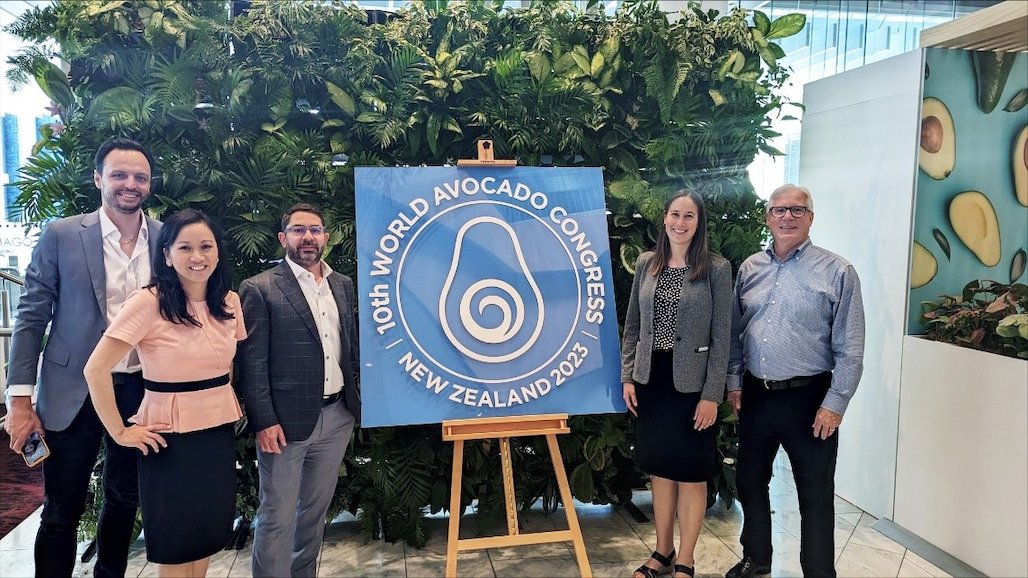
Leadership from the Hass Avocado Board (HAB) recently presented to an international audience of over 1,160 delegates from 33 countries on U.S. strategic priorities at the 10th World Avocado Congress (WAC) in New Zealand. With the global avocado market tracking to nearly double in value by 2026, industry members are invited to access Global Trends Fresh from World Avocado Congress: Discover the Top Areas of Focus, a webinar on-demand for key takeaways and resulting opportunities for the U.S. avocado industry at www.HassAvocadoBoard.com/webinars beginning on May 18.
“U.S. Hass avocado producers and marketers can take pride in knowing the Hass Avocado Board and our results over the past decade are a model for accelerating demand growth around the world,” commented Emiliano Escobedo, Executive Director of the Hass Avocado Board, and a World Avocado Congress chair. “Delegates from around the world expressed enthusiasm for our approach to market development, especially our focus on the avocado’s nutrition story, because our work is unique, advanced, and proven to be effective. The webinar looks at how we shared HAB’s programs with the global community, why our investments stand out, and the take-home insights relevant to the entire industry.”
Across four days, WAC delegates explored opportunities for greater global collaboration and heard from over 130 presenters on a variety of topics impacting supply and demand. In keeping with HAB’s mission to exchange knowledge that can strengthen the collective power of the avocado industry, HAB staff presented the following:
The Avocado’s Sustainability Story in the U.S. presented by John McGuigan, Director of Industry Affairs
The Science of Why Avocados are So Healthy presented by Dr. Nikki Ford, Sr. Director of Nutrition
Leveraging Nutrition Science and Communications to Promote Avocado Consumption in the U.S. presented by Gina Widjaja, Sr. Director of Marketing and Communications
The Hass Avocado Board’s Role in Growing Avocado Demand in the U.S. presented by Alejandro Gavito, Sr. Business Insights and Data Services Manager
HAB’s 2023 webinar series, now available on-demand to fit every schedule, continues throughout the year to support members in making better business decisions and driving category growth more effectively. Subscribe to any of HAB’s monthly newsletters at www.HassAvocadoBoard.com/newsletter to receive email updates as new webinars are released.
About The Hass Avocado Board
The Hass Avocado Board (HAB) exists to help make avocados America’s most popular fruit. HAB is the only avocado organization that equips the entire global industry for success by collecting, focusing, and distributing investments to maintain and expand demand for avocados in the United States. HAB provides the industry with consolidated supply and market data, conducts nutrition research, educates health professionals, and brings people together from all corners of the industry to collectively work towards growth that benefits everyone. The organization also collects and reallocates funds to California and importer associations to benefit specific countries of origin in promoting their avocado brands to customers and consumers across the United States.
Grower-Shipper Association of Central California – Possibly due to colder winter and spring weather conditions as well as mitigation strategies taken by farmers, pest and disease pressure associated with the Thrips-Vectored Impatiens Necrotic Spot Virus (INSV) have lessened in leafy greens fields as compared to 2022. As observed and reported by the Grower Shipper Association’s (GSA) INSV Task Force, this reduced pressure in the early growing season has resulted in dramatically fewer infections and, so far, lower pest populations as we move into the spring leafy greens harvest.
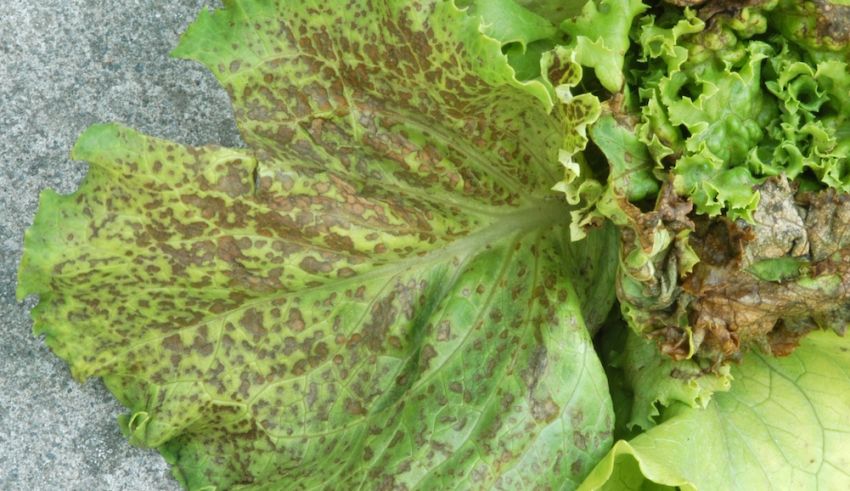
What is INSV? Lettuce fields are infected by INSV via thrips migrating from infected host plants. Plants infected by INSV can have dark spotting and yellowing, which resembles the effects of sunburn on the leaves. Another plant disease, Pythium wilt (PW), often accompanies INSV infections and causes the plant to wilt or collapse making this truly a complicated pest/disease issue for farmers.
In 2022, INSV infections in the Salinas Valley resulted in yield reductions in many fields resulting in consumers experiencing limited product availability in some areas.
To identify and respond to INSV pressure as well as accelerate research mitigation strategies to control INSV, GSA launched its INSV Task Force in 2021. The Task Force is a collaborative effort between industry and the academic/research communities. In addition to funding provided directly by GSA, the organization helped to secure a one-million-dollar grant from the California Department of Food and Agriculture (CDFA) for INSV and soil-borne disease research priorities. And in April 2023, GSA helped obtain a supplemental $200,000 grant through CDFA to further critical efforts.
“One of our major initiatives was tracking thrips and corresponding disease pressure to identify infection trends that have helped guide research strategies,” explains Christopher Valadez, GSA President. “We found that an important mitigation strategy to lower pest pressure is weed abatement since weeds are good hosts for thrips. By encouraging increased weed control on farms as well as working with the state and county agricultural commissioners’ offices on abatement efforts along roadways, businesses, and open spaces, we’re reducing the opportunity for thrips to find spots to over-winter and lay eggs in spring.”
Valadez adds that in 2022, disease pressure was exacerbated by unseasonably warm weather stretches which caused prolonged stress on the plant making the lettuce more susceptible to disease impacts. “The unseasonably cold weather we’re experiencing this year is positively impacting early-season INSV infections,” he says.
In addition, GSA’s Task Force continues to assess varietal resistance, examine treatment efficacy trials and conduct grower education and outreach programs specific to these diseases.
“Our thanks to Mary Zischke who heads up GSA’s task force as well as the farm advisors, scientists, and industry members for their diligent work on this very complex issue,” Valadez says. “Their efforts are crucial to prevent significant impacts from INSV infections, which can affect many in our communities including farmers, farm workers, processors, and facility employees.
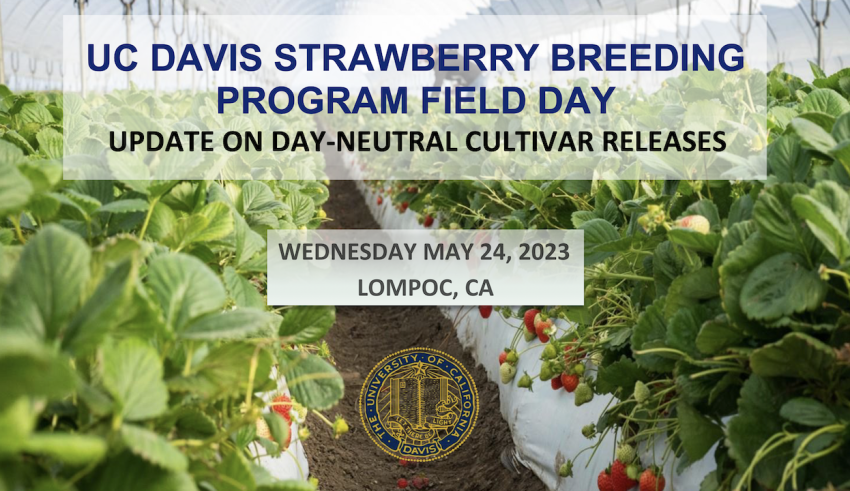
The UC Davis Strawberry Breeding Program is having two field days coming up. The first, on May 24, will be held in Lompoc and the second will be held on June 14 at Meridien Road in Prunedale. Both field days will feature the program’s day-neutral varieties.
More details about each meeting are on the pdf fliers attached below.








 Grower-Shipper Association of Central California – Possibly due to colder winter and spring weather conditions as well as mitigation strategies taken by farmers, pest and disease pressure associated with the Thrips-Vectored Impatiens Necrotic Spot Virus (INSV) have lessened in leafy greens fields as compared to 2022. As observed and reported by the Grower Shipper Association’s (GSA) INSV Task Force, this reduced pressure in the early growing season has resulted in dramatically fewer infections and, so far, lower pest populations as we move into the spring leafy greens harvest.