What is arguably the foundational ingredient in salad? Lettuce! USDA’s National Institute of Food & Agriculture (NIFA) supports research that is leading to stronger, healthier, more disease-resistant lettuce cultivars. See what NIFA is doing to keep healthy, safe salads on the menu for consumers everywhere.
Current funded projects in California and Illinois include the following:
The USDA Agricultural Research Service, Pacific West Area, in Albany, California, is working to improve the safety and survival of lettuce during fresh-cut processing and cold storage. Mechanical damage of processed leaf tissue offers new opportunities for the proliferation of E. coli, the main bacterial agent that causes lettuce-linked foodborne outbreaks. Researchers are working to identify lettuce cultivars that effectively reduce population sizes of E. coli upon shredding and cold storage and characterize defense responses on cut tissue.
The USDA Agricultural Research Service in Berkeley, California, is studying the prevention of pathogen contamination in agriculture water in lettuce production. Researchers are developing and implementing a screening tool to test the effectiveness of sanitizer, antimicrobial resistance and tolerance to oxidizing compounds, and provide recommendations on keeping resistant strains from developing.
The University of California – Davis is enhancing the use of resources to increase sustainable lettuce production in changing climates. This research project seeks to improve water, nitrogen and phosphate use in lettuce, and determine heat/cold/saline tolerance, to improve lettuce’s resilience. The research findings will be shared with breeders and students.
The University of Chicago is modifying lettuce by altering its genetic makeup without introducing genetically modified genes. Researchers are using tiny fibers to inject substances that will enable changing the gene content of lettuce.
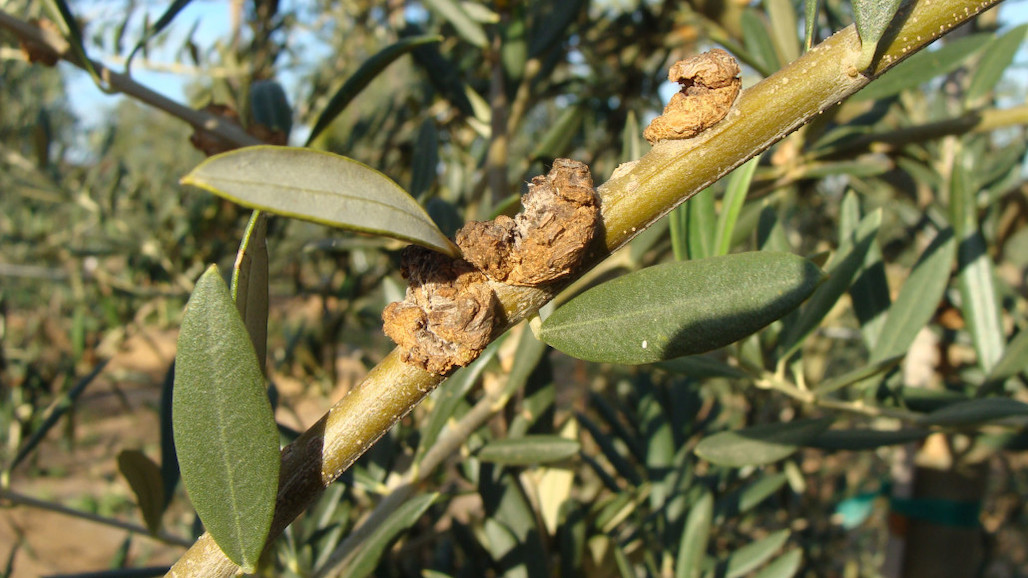
 UC Cooperative Experts shared their latest research findings in olive disease management at the recent Olive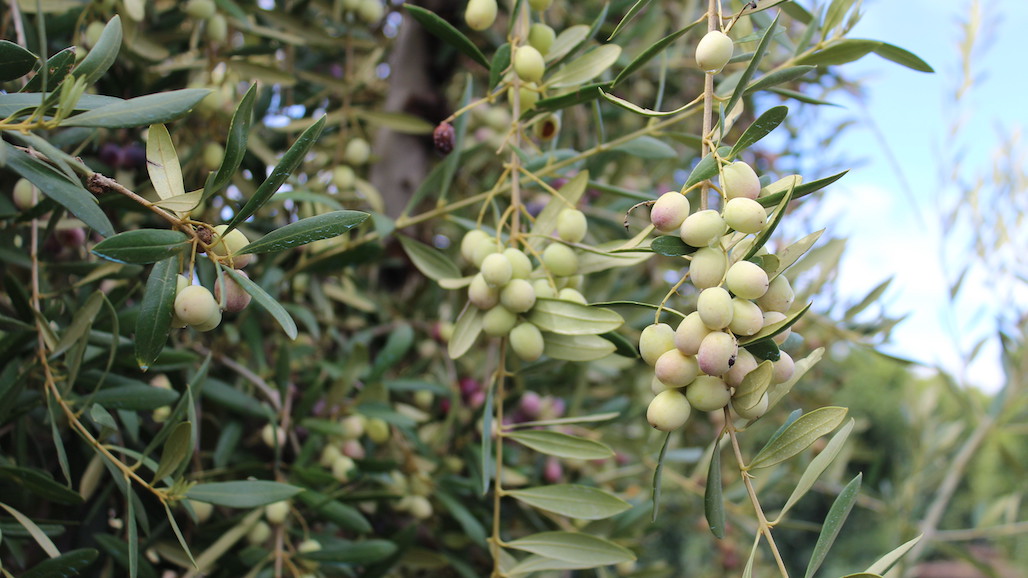
 Pumpkins (Cucurbita pepo) are a common vegetable crop sold at local pumpkin patches and farmers markets, in addition to commercial production. In 2019, the value of harvested pumpkin was worth $180 million.




 Pre-Season ground prep work was completed in late-2021, first-turn plantings have been well under way since November, and harvesting of early Cole crops have begun in earnest.

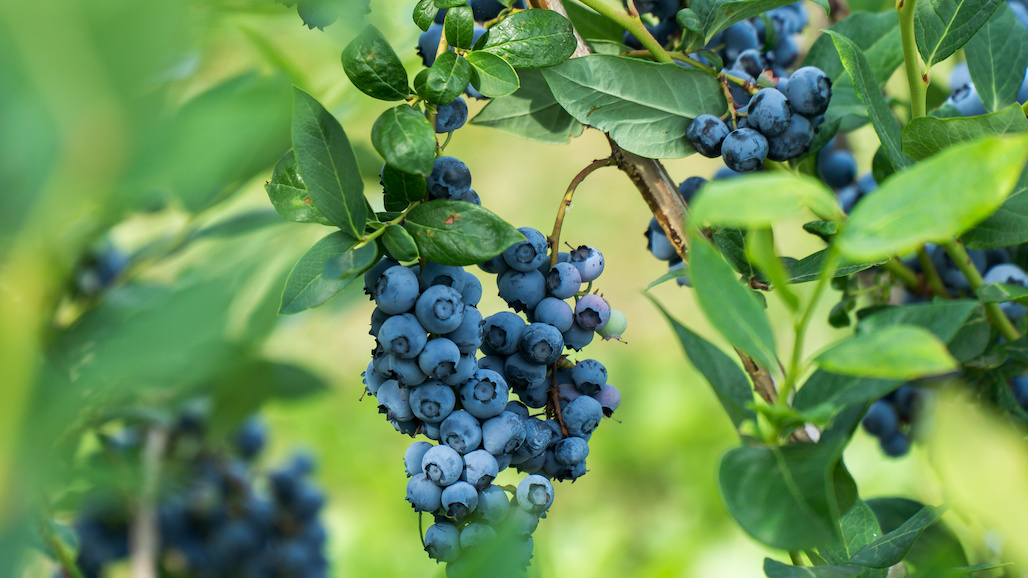
 The USHBC Industry Relations Committee is seeking nominees to be considered for USHBC Importer #2, #3, & #4, Exporter #2 (Canada), Exporter #3 (Peru), and Exporter #4 (Mexico) positions on the Council. Nominees are being sought for the three-year term, except for Exporter #3 & #4 whose initial term is 2 years, that begins January 1, 2023.