Category: Non-Video

  • Fruit World Anticipates Strong Volumes of Organic Minneolas, Blood Oranges and Cara Caras Through April

    Fruit World Anticipates Strong Volumes of Organic Minneolas, Blood Oranges and Cara Caras Through April

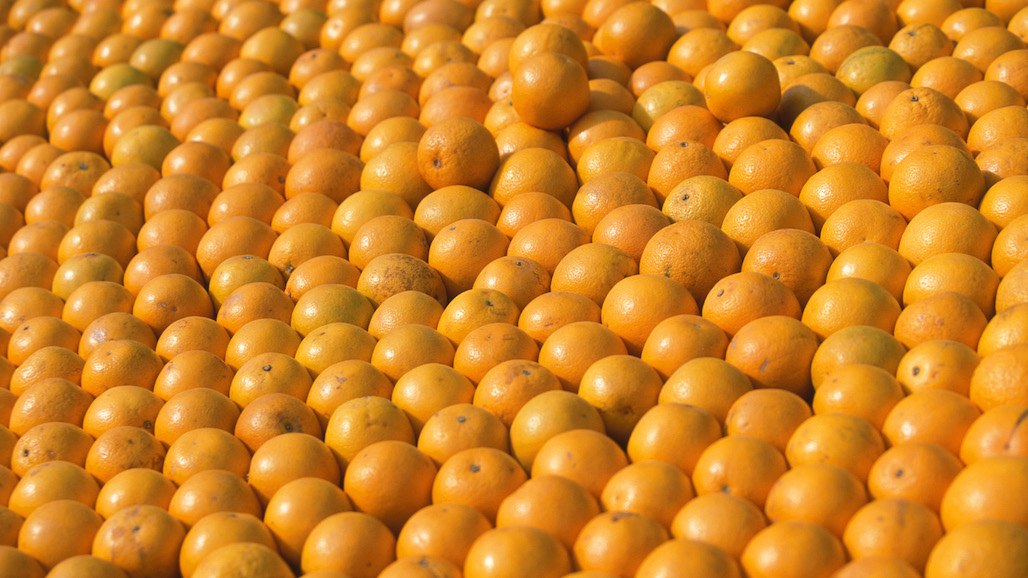
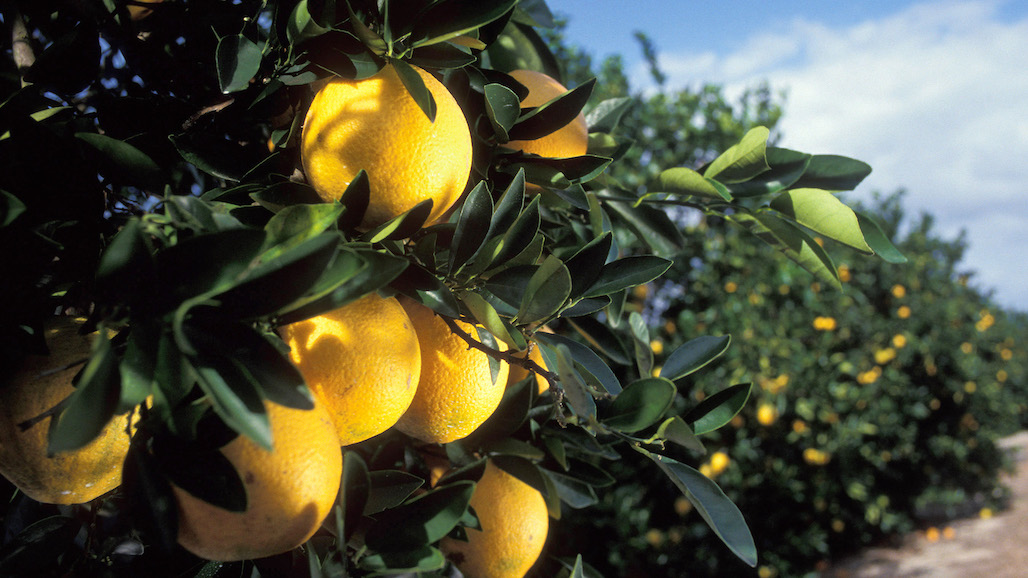
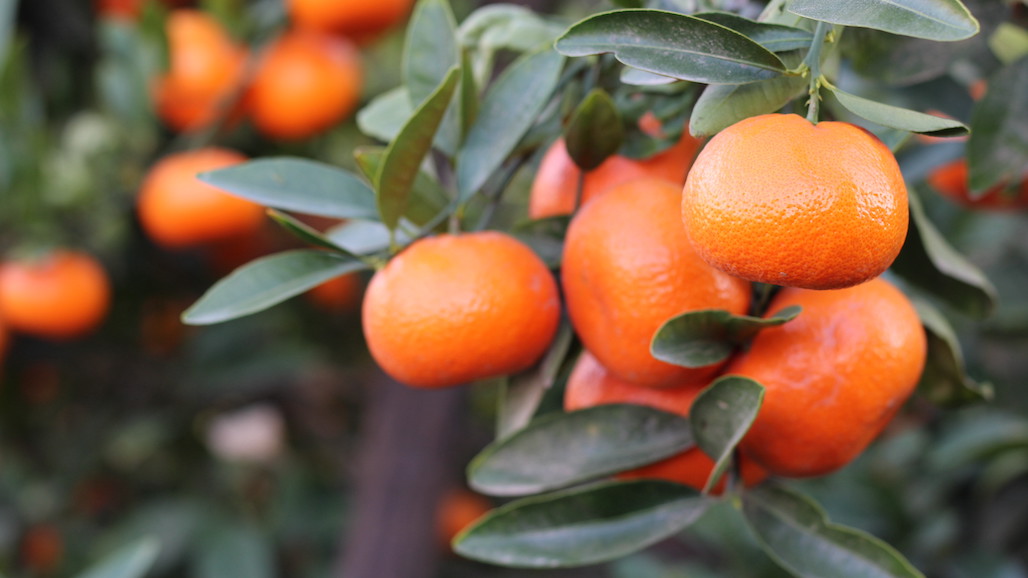
    Fruit World, a family-owned, flavor-focused grower-shipper of organic and conventional citrus and more, is reporting a strong season for their premium specialty citrus, including organic Minneola tangelos, Blood oranges and Cara Cara oranges. While California growers are experiencing shortened seasons of navel and mandarin oranges, Fruit World expects a gap-free and strong transition to Valencia season.

    “Between last year’s heavy crop and early summer heat, the state has lower production volumes of navels and mandarins, but we’re maintaining good quantities to ship through an early season end of late-March to early-April,” said Bianca Kaprielian, Fruit World co-founder and CEO. “Ending the season early ensures high quality and exceptional color throughout. And since citrus is an alternate bearing crop, we predict a return to steady volumes next season.”

    Fruit World expects a seamless transition from navels to Valencias by mid-April. The company anticipates consistent volumes of the summer variety, especially as the season ramps up in May, with availability through the beginning of October.

    We’re also seeing impressive volumes of quality fruit for our specialty citrus varieties, and expect to be shipping into April,” Kaprielian continued. “The overall quality is top notch, and supply is strong for our Minneolas, Blood oranges and Cara Caras, with peak flavor expected from now through the end of the season.”

    This is also shaping up to be a banner year for organic lemons from both the Desert (District 3) and Central Valley (District 1) regions, with load volumes available weekly and excellent ad opportunities into May.

    “Our emphasis on flavor and fun, bold packaging is paying off for our customers, and consumers are asking for the Fruit World brand,” added Kaprielian, “Our statewide growing regions provide us with year-round supply of lemons and orange varieties. In addition to coolers in the desert and Fillmore, we offer consolidated pickup—including desert production—at our cooler in Reedley. This gives our retail and wholesale partners the benefit of a convenient and consistent loading location for all products throughout the year.”

    Fruit World commemorated the Lunar New Year in February with ½ bushel, 10-pound cartons and 4-pound clamshells of stem-and-leaf mandarins in their new Lucky Tiger label. “Beyond Lunar New Year in early February, the stem-and-leaf mandarins are maintaining appeal,” noted CJ Buxman, co-founder of Fruit World and organic citrus grower. “Our stem-and-leaf production increases every year as consumers have confidence the fresh leaves are indicative of recent harvest and the freshest fruit. We’re one of the few companies offering organic stem-and-leaf mandarins as well, which are available to our partners upon request.”

    For more information or to place an order, call (559) 650-0334 or visit fruitworldco.com.

    About Fruit World:
    Fruit World is a fresh and creative produce company with generations of history. Fruit World grows and ships the most flavorful fruit in California—including organic and conventional citrus, organic grapes, organic stone fruit, and more—and works with customers who share a passion for quality and taste. They’re all about honoring their growers, staying true to their farming heritage, and keeping family farming thriving into future generations. Visit fruitworldco.com or find them on social media at linkedin.com/company/fruitworld, instagram.com/fruitworldco, and facebook.com/fruitworldcompany.

  • CA Valencia Orange Production Forecast At 17.2 Million Cartons

    CA Valencia Orange Production Forecast At 17.2 Million Cartons

    The March 2021-22 Valencia orange forecast is 17.2 million cartons, down from last years utilized production of 19 million. This forecast was based on the results of the 2021-22 Valencia Orange Objective Measurement (O.M.) Survey, which was conducted from January 11 to February 28, 2022. Estimated fruit set per tree, fruit diameter, trees per acre, bearing acreage, and oranges per carton were used in the statistical models estimating production. The season had experienced scattered precipitation in some areas but mainly warm and dry conditions in January and February. Survey data indicated an average fruit set per tree of 541, a 0.7% decrease from the previous year and slightly above the five-year average. The average March 1 diameter was 2.459 inches, down 3.6% from the previous year and slightly below the five-year average of 2.539.

    SURVEY HISTORY

    A Valencia Orange Objective Measurement Survey was conducted from the 1985-86 to 1993-94 seasons before suspension due to a lack of funding. The survey has been conducted since it was reinstated for the 1999-00 season, with the exception of the 2006-07 season due to a substantial freeze. The data from the first three years after the survey was reinstated were used for research purposes in developing crop- estimating models.

    SURVEY SAMPLE

    A sample of 381 Valencia orange groves were randomly selected proportional to acreage, county, and variety representation in the state, with 349 of these groves being utilized in this survey. Once a grove was randomly chosen and grower permission was granted, two trees were randomly selected for each grove. For each randomly selected tree, its trunk was measured along with all connected branches. A random number table was then used to select a branch, and then all connected branches from the randomly-selected branch were measured.

    This process was repeated until a branch was reached with no significant limbs beyond it. This randomly-selected branch, called the terminal branch, was then closely inspected to count all fruit connected to it, as well as all of the fruit along the path from the trunk to the terminal branch. Since each selected path has a probability of selection associated with it, a probability- based method was then applied to estimate a fruit count for the entire tree.

    In the last week of the survey period, fruit diameter measurements were collected on the right quadrant of four trees surrounding the two trees of every third sampled grove. These measurements were used to estimate an average fruit diameter per tree. The sampled groves were primarily in the top Valencia orange producing counties of Tulare, Kern, Fresno, Ventura, and San Diego.

  • California Prune Board Honors Women Across Industry

    California Prune Board Honors Women Across Industry

    In celebration of International Women’s Day on March 8, the California Prune Board reflected on the various women throughout the prune industry who drive continuous growth and improvement for the organization and the consumption of prunes. In critical roles including Growers, Chief Executive Officers, Researchers, and Directors, women across the prune business are shaping the decisions that define an industry.

    “Demand for California Prunes has steadily increased in the past two years and historically women have been the primary purchasers of prunes,” said Kiaran Locy, Director of Brand & Industry Communications. “The truth is prunes are enjoyed by everyone and the women in our industry are tenacious and their insights and expertise are keeping us relevant and moving us forward.”

    These 5 industry leaders within the California Prune industry, provide valuable direction and insight across a variety of professions:

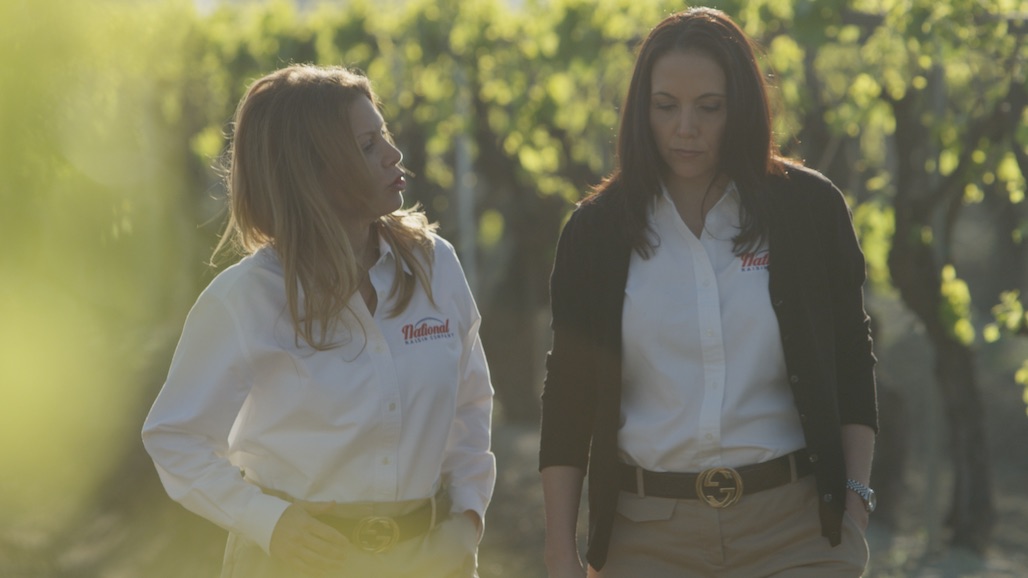
    • LindaKay Abdulian is the President and CEO at National Raisin Company and has worked in the prune business for over 10 years.

    “Agriculture is a tough industry. The people involved are trenchant and as a woman in a dominant man’s world, you prepare for every encounter. The prune industry is no exception. The players are the best in the business, man, or women. You come prepared and you will succeed.”

    • Sandie Mitchell is a California Prune Grower who has been growing prunes for 44 years. She is also an Executive Committee Member for the California Prune Board

    “Women are very quality oriented. When it comes to our families, we only want the best. As a California Prune grower, we have dedicated our farming operation throughout the years to growing a premium product for the consumer.”

    • Sarah Bradley Castro is a Staff Research Associate at UC Davis and has led the prune breeding program since 2008.


    “I continue to be inspired by the growing number of women in agriculture and agricultural research. In my working with UC Davis, California Women in Agriculture, and the Prune Board it is clear the innovation and energy women bring to the industry will carry us forward to a successful future.”

    • Natalie Mariani Kling is the Marketing Manager for Mariani premium dried fruit and a Certified Clinical Nutritionist. As a 4th Generation Mariani, she has been working in the prune business since she could walk steadily through the orchards.

    “Working with real, whole food is an honor and a responsibility. Mother Nature is no joke, and we rely on the great women (and men) in our industry who sow their time, expertise, and commitment into growing food that families around the world can enjoy. As a nutritionist, prunes have a special place in my heart. They may be one of superfood’s best kept secrets. Watch out world!”

    • Esther Ritson-Elliott is the Director of International Marketing & Communications with the California Prune Board. She has worked with the organization for over 30 years.

    “Agriculture itself is often perceived as a ‘male’ career, yet figures published in 2017 reveal that more than one third of U.S. farmers are women, and over half of all farms have at least one female decision maker. That equates to 1.2 million female producers making a significant contribution to U.S. agricultural sales, including those working in the prune industry. I make it my mission to share the fruits of their labor, promoting the commitment, passion and contribution of our prune growers and championing their work – male and female alike.”

    Building awareness that drives consumption for California Prunes starts with a premium product and strategic approach. The California Prune industry invests in nutrition and crop research as well as building global markets for the promotion of prunes. California is the world’s largest producer of prunes and supplies over 90% of the prunes in the U.S. and 40% of the world’s production.

    The California Prune Board recognizes the extensive contributions of every woman across the industry and acknowledges the value each of them brings through their individual experiences and perspectives. These leading women in the prune industry will be featured on social media @CaliforniaPrunes on Instagram, Facebook, and Twitter and on the organization’s U.S. LinkedIn profile and European LinkedIn profile reaching consumers and the trade in honor of International Women’s Day this March.

    ABOUT THE CALIFORNIA PRUNE BOARD

    The California Prune Board was established in 1952 to represent growers and handlers under the authority of the California Secretary of Food and Agriculture. California is the world’s largest producer of prunes with orchards across 14 counties in the Sacramento and San Joaquin valleys. Promoting a lifetime of wellness through the enjoyment of California Prunes, the organization leads the premium prune category with generations of craftsmanship supported by California’s leading food safety and sustainability standards. California Prunes. Prunes. For life.
  • DPR Proposes Regulatory Restrictions on the Use of Neonicotinoids to Protect Bees

    DPR Proposes Regulatory Restrictions on the Use of Neonicotinoids to Protect Bees

    In an effort to reduce risks to bees, the California Department of Pesticide Regulation filed an official notice of formal rulemaking as a first step in the regulatory process to limit how and when neonicotinoids can be used in agricultural settings.

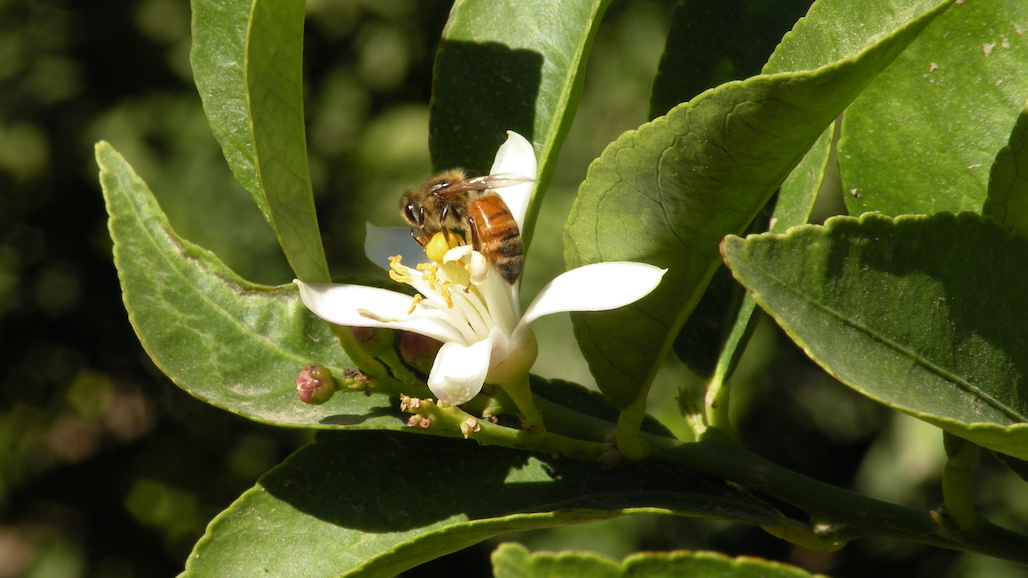
    Neonicotinoids are a group of insecticides that are widely used as an alternative to chlorpyrifos, which DPR ended virtually all use of in 2020. At certain levels of exposure, neonicotinoids present risks to pollinators. DPR’s proposed regulations are based on extensive scientific studies and would create new requirements and restrictions for the use of neonicotinoid products containing any of four active ingredients: imidacloprid, thiamethoxam, clothianidin and dinotefuran. DPR estimates the regulations will impact 57 products currently registered in California and will reduce the amount of neonicotinoids applied across the state by approximately 45%.

    The regulations include tiered restrictions based on the chemical used, the type of crop and the time of year the neonicotinoid is applied in order to protect pollinator health. For example, applications to certain flowering plants that are attractive to bees would be prohibited when the plants are in bloom and when bees may be foraging. The regulations also set limits on applications of multiple neonicotinoids and what application methods may be used by growers. They also include an exemption for quarantine pests to provide the option, if necessary, to treat pests that can severely damage crops and food supply chains. The regulations address both risks to bees and ensures the protection of pollinators critical to growers and the agricultural sector.

    “DPR evaluates pesticides on an ongoing basis using the best available science and data to mitigate adverse impacts on ecosystems and the environment,” said DPR Director Julie Henderson. “Our neonicotinoid reevaluation led to the significant advance in pollinator protection reflected in our proposed regulation.”

    The department began re-evaluating imidacloprid and the related neonicotinoids, thiamethoxam, clothianidin and dinotefuran in 2009. DPR completed its scientific review in July 2018, publishing the California Neonicotinoid Risk Determination, and began development of control measures necessary to protect pollinator health. The department’s development of draft regulations included a pair of initial public webinars and a public comment period in 2020. The formal rulemaking process initiated by DPR today will include the opportunity for the public to submit written comments on the proposed regulations. For more information, see DPR’s Neonicotinoid Reevaluation webpage.

    “Our continuous evaluation of pesticides plays a critical role in accelerating a transition to safer, more sustainable pest management that protects the health of our communities, our pollinators and the environment as a whole,” said Henderson.

    As part of its regulatory mandate, DPR evaluates pesticide products for potential human health and environmental effects before they can be registered for legal sale and use in California. Prior to DPR review, pesticide products are evaluated and registered by the U.S. Environmental Protection Agency (U.S. EPA).  U.S. EPA’s and DPR’s registration review and required pesticide label instructions – including application instructions and personal protective equipment requirements – are designed to mitigate potential risks to human health and the environment.

    DPR’s registration process includes the review of extensive scientific studies on human health and environmental impacts, safety and efficacy. After pesticide products have gone through this process and are registered, DPR also carries out a continuous evaluation process for pesticides following registration to take into account evolving scientific understanding. This continuous evaluation process can include formal reevaluation of pesticides and mitigation measures, as in the case of the neonicotinoids that are the subject of the department’s proposed regulation, conducting exposure studies, conducting human health risk assessments, monitoring air and water for pesticides, and investigating information that indicates a pesticide may have caused an adverse effect on human health or the environment. Pesticides currently undergoing DPR’s re-evaluation process are listed on the department’s website and the results inform state-specific restrictions, mitigation measures or conditions for use.

    ABOUT THE DEPARTMENT OF PESTICIDE REGULATION

    The California Department of Pesticide Regulation’s mission is to protect human health and the environment by fostering safer and sustainable pest management practices and operating a robust regulatory system to monitor and regulate the sale and use of pesticides across the state.

    DPR’s work includes conducting scientific evaluation of pesticides to assess and mitigate potential harm to human health or the environment prior to and following registration, registering all pesticides prior to sale or use in California, monitoring for pesticides in the air and water, and enforcing pesticide laws and regulations in coordination with 55 County Agricultural Commissioners and their 400 field inspectors. DPR invests in innovative research to encourage the development and adoption of integrated pest management tools and practices and conducts outreach to ensure pesticide workers, farmworkers and local communities have access to pesticide safety information. More information about DPR can be found at www.cdpr.ca.gov.

  • Big Fresno Fair’s Seventh Annual San Joaquin Valley Olive Oil Competition Is Now Underway

    Big Fresno Fair’s Seventh Annual San Joaquin Valley Olive Oil Competition Is Now Underway

    Entries are now being accepted for the 7th annual San Joaquin Valley Olive Oil Competition (SJVOOC); Extra Virgin Olive Oil and Flavored Olive Oil entries from commercial producers in the State of California are eligible and olive oil must be made from producers’ most recent olive harvest. Deadline for entries is March 25, 2022.

    “The San Joaquin Valley Olive Oil Competition continues to draw in the best of olive oil producers from throughout California – and we are honored to continue to showcase and recognize them – especially those from the Valley with our special ‘Best of the Valley’ award,” said Stacy Rianda, Deputy Manager of The Big Fresno Fair.

    Participating producers must enter their harvest into one of two different classes: Extra Virgin Olive Oil and Flavored Olive Oil. Competition categories in the Extra Virgin Olive Oil class include: Spanish Blends (arbequina, arbosana, etc.); Spanish Singles; Italian Blends (ascolano, etc.); Italian Singles; Other Blends (picholine, barouni, etc.); Other Singles. Competition categories in the Flavored Olive Oil class include: Citrus; Herbal (rosemary; basil, etc.); Pepper (chile, jalapeno, habanero, etc.); and Other Flavors (garlic, truffle etc.).

    Awards will be given out for Gold and Silver medals in each category, as well as one overall “Best of Show” in both the Extra Virgin Olive Oil category, Flavored Oil category and the “Best of the Valley” award. Judging will be evaluated and scored as follows:

    • Gold Medal: Awarded to an olive oil that demonstrates its type and/or varietal character, balance, structure and complexities to the highest standards. Gold Medals will be awarded to those oils receiving scores between 86 – 100 points.
    • Silver Medal: Awarded to an olive oil reflecting the correct distribution of balance and character of its type or variety; an oil deemed to be well crafted and of excellent quality. Silver Medals will be awarded to those oils receiving scores between 76- 85.99 points.
    • Best of Show: Awarded to an olive oil recognized to possess special characteristics of the highest quality overall. All Gold Medal winners are eligible to compete for Best of Show in their division.
    • Best of the Valley: Awarded to the oil that scored the highest with the ranch or office located in the San Joaquin Valley. Medals will be awarded for both EVOO and flavored oils. (Kern, Tulare, Kings, Fresno, Madera, Merced, Stanislaus and San Joaquin Counties eligible)

    Producers may submit multiple entries under one category but may not submit a particular entry to more than one category. All entries must be available for commercial sale at the time of entry. Entries are due by March 25, 2022. Judging will be held on April 6, 2022 and winners will be announced on April 14, 2022 by 5:00 p.m.

    Gold Medal, Best of the Valley and Best of Show winners will all have the opportunity to have a booth in the Wells Fargo Agricultural Building on one day during the 2022 Big Fresno Fair where they can taste, display and sell their award-winning product. Additionally, educational information will be set up so that Fairgoers can learn more about the art of making olive oil, its health benefits and more.

    Each submission must include an entry form, at least two 250 ml bottles of the olive oil with retail labels attached and a $60 non-refundable fee per entry. Each entry must also contain a third-party chemical analysis in order to verify extra virgin status. Entries can be dropped off at The Big Fresno Fair Administration Office or can be shipped to SJVOOC – The Big Fresno Fair, 1121 S. Chance Ave. Fresno, CA 93702 no later than 4:30 p.m. on March 25, 2022. Any entry delivered by mail, freight or express must be prepaid. The Administration Office is open Monday through Friday from 8 a.m. to 4:30 p.m. for drop offs.

    Last year, 55 entries from all throughout California were received. Below is a list of the Gold Medal Winners and Best of Show. For a complete 2021 winners list, go to: www.FresnoFair.com/SJVOOC.

    Best Of Show

    The Olive Press Sevillano (Sonoma and Yolo County)


    Best of Show Flavored

    Calivirgin Serrano (San Joaquin County)


    Best of the Valley

    Olivaia’s OLA Block X Heirloom (Tulare County)


    Extra Virgin Olive Oils (EVOO)
    Gold Medal Winners

    • Spanish Blends
      Barton Olive Oil Co. EVOO (San Luis Obispo County)
    • Spanish Singles
      Olive Crush Farms Arbequina (Calaveras County), Rosenthal Ranches Arbosana (Madera County), California Olive Ranch Arbosana (Glenn County), The Olive Press Sevillano (Sonoma and Yolo County), The Olive Press Picual (Sonoma and Yolo County), The Olive Press Arbosana (Sonoma and Yolo County), Organic Roots Arbequina (Glenn County), Calivirgin Premium EVOO (San Joaquin County), Mountain Springs Olive Ranch Arbequina (San Luis Obispo County), Corto Olive Co. Truly Arbosana (San Joaquin County)
    • Italian Blends
      Tres Osos Robust (Monterey County), San Miguel Olive Farm Tuscan Gold Eleganza Elite (San Luis Obispo)
    • Italian Singles:

    Tres Osos Taggiasca (Monterey County)

    • Other Blends:

    Rancho Azul y Oro Estate (Monterey County), Olivaia’s OLA Block X Heirloom (Tulare County)

    • Other Singles
      Mangini Ranch Mission (Calaveras County), Mountain Springs Olive Ranch Koroneiki (San Luis Obispo County)


    Flavored Olive Oils
    Gold Medal Winners

    • Pepper:

    Calivirgin Serrano (San Joaquin County), Calivirgin Habanero (San Joaquin County)

    • Citrus:

    Enzo Organic Eureka Lemon Crush (Madera County), ENZO Organic Clementine Crush (Madera County)

    • Herbal:

    Calivirgin Bountiful Basil (San Joaquin County)

    For more information about the San Joaquin Valley Olive Oil Competition (SJVOOC), including downloadable entry forms and deadlines, please visit www.FresnoFair.com/SJVOOC, email questions to srianda@fresnofair.com or call The Big Fresno Fair office at (559) 650-FAIR.

    About The Big Fresno Fair:

    The Big Fresno Fair, founded in 1884, is the fourth largest fair in the state of California and represents the 21st District Agricultural Association. More than 600,000 people from throughout the State visit The Big Fresno Fair each year making it the largest annual event in the Central Valley. Members of the Board of Directors include: Chuck Riojas, President; Terry Gonsalves, Vice President; Gary Chahil, Secretary/Treasurer; Linda Mae Balakian Hunsucker; Frank Flores; Jerry Pacheco; Annalisa Perea; Larry Serpa; and Lawrence Salinas. Deputy Managers, Stacy Rianda and Lauri King oversee the daily operations of the Fair. The 2022 Big Fresno Fair will run October 5-16. For more information about The Big Fresno Fair, please visit www.FresnoFair.com.

  • CA Prune Board Advances Study of Prunes and Bone Health

    CA Prune Board Advances Study of Prunes and Bone Health

    The California Prune Board (CPB) is leading the way in investigating a connection between prunes and favorable bone through a growing body of evidence spanning two decades. Building on this remarkable and extensive research, the organization is announcing recently published scientific data supporting the role prunes may play in optimal bone health, while previewing a pipeline of clinical trials currently underway.

    “The science has shown us that something unique is going on with prunes, as we’ve uncovered some remarkable connections to bone health,” said Donn Zea, Executive Director, California Prune Board. “With every study we learn something more compelling further piquing our curiosity. Our research program has more to explore, and we’re excited to see where this takes us in terms of learning more about the benefits of prunes for bone health.”

    RECENTLY PUBLISHED HIGHLIGHTS

    In a recent review paper published in Advances in Nutrition titled, “The Role of Prunes in Modulating Inflammatory Pathways to Improve Bone Health in Postmenopausal Women,” researchers from Pennsylvania State University examined the relationship between prune consumption, oxidative stress, inflammation, and favorable bone health outcomes, summarizing the results of preclinical and clinical trials. They reported that the bone-protective effects of prunes found in postmenopausal women appear to be connected to the antioxidant and anti-inflammatory activity that prunes stimulate within the body. Moreover, the authors also suggested that prunes’ favorable effect on bone may be partially explained by changes in the gut microbiota that can come from regular prune consumption.

    Additionally, in a USDA-funded clinical trial recently published in Nutrients, titled “The Short-term Effects of Prunes in Improving Bone in Men,” investigators from Florida State University sought to test the effect of daily prune consumption on bone metabolism in 35 men over the age of 50 who had some bone loss. The early findings showed a reduction in osteocalcin, a biomarker of bone turnover, and an increase in what’s known as the OPG:RANKL ratio, indicating prunes may have a positive effect on bone status after just three months of eating this whole fruit daily. These preliminary findings are a subset of a larger study with results that have not yet been published but are anticipated in the next 12-18 months.

    “As a researcher it’s exciting to see a positive change in bone turnover in these men from prune consumption after a relatively short period of time. We anticipate even more favorable results in bone status once the men have completed a full year of eating prunes every day,” said Principal Investigator Bahram Arjmandi, PhD, RDN, Professor and Director, Center for Advancing Exercise and Nutrition Research on Aging, Florida State University.

    RESEARCH UNDERWAY

    In addition to this recently published data, the following nutrition studies from highly credentialed research institutions are currently in progress and working toward completion or journal publication:

    Randomized Controlled Trial of Dietary Supplementation with Prunes on Bone Density, Bone Geometry, and Bone Strength in Postmenopausal Women

    Principal Investigator: Mary Jane De Souza, PhD – Pennsylvania State University

    With a cohort of over 200 postmenopausal women, this is the largest clinical trial to date to investigate the effect of prunes on bone status as a non-pharmaceutical plant-based strategy to combat bone breakdown.

    The Effects of 12-months of Prune Consumption on Bone Mineral Density and Bone Turnover Markers in Korean Postmenopausal Women with Osteopenia

    Principal Investigator: Peter Clifton, PhD – University of South Australia

    Co- Principal Investigator: Yoona Kim, PhD, RD, Gyeongsang National University, Korea

    This clinical trial in South Korea is the first study outside of the United States to investigate the bone protective benefits of daily consumption of prunes in Korean osteopenic postmenopausal women.

    The Impact of Consuming California Prunes on Bone Health of Young Women Using Hormonal Contraceptives

    Principal Investigator: Shirin Hooshmand, PhD, RD – San Diego State University

    The study is investigating the impact of prune consumption on bone formation and in preventing or slowing bone loss in young women 18-25 years old taking hormonal contraceptives.

    “Bone health, whether optimizing bone formation early in life or preventing bone loss in adulthood, is critical at all life stages given that the human skeleton is dynamic, undergoing a continuous cycle of building and breaking down bone,” said Andrea N. Giancoli, MPH, RD, Nutrition Advisor, California Prune Board. “We are aiming to better understand the role of prunes in this cycle that is strongly correlated to gut health, inflammation, and oxidative states within the body.”

    While it remains unclear what bioactive compounds in prunes are responsible for the beneficial effects on bone, the prune-positive bone health story may be partially due to the array of vitamins and minerals in California Prunes known to influence bone status, namely boron, potassium, copper and vitamin K. Prunes are also rich in phenolic compounds, which research suggests may inhibit bone breakdown and stimulate bone formation. Key future directions to bridge the gap in the areas of bone and the gut-bone axis are on the research horizon.

    CREATING A VISION FOR THE FUTURE 

    Advancing bone-focused nutrition research and expanding the connection to the gut-bone axis, while also exploring clinical trials in various life stages and international populations is at the heart of the California Prune Board’s strategic vision for continued research into the next decade.

    The integrity of the California Prune Board’s nutrition research program is demonstrated by the renowned research and academic institutions with whom it has partnered and the rigorous process that ensures credible research decisions.

    A top-caliber nutrition research advisory panel, led by Mary Jo Feeney, MS, RDN, FADA, FAND, helps to guide these California Prune nutrition research efforts. The panel is comprised of highly experienced researchers and nutrition experts from academic institutions, including Tufts University, Cleveland Clinic, Pennsylvania State University, University of Minnesota, and San Diego State University. This independent advisory panel provides vision and oversight of the nutrition research program and ensures scientific rigor for every project that explores the nutritional and health benefits of California Prunes.

    The California Prune Board is deeply committed to the scientific rigor of nutrition research. For more details on previously published research, visit: https://californiaprunes.org/healthy-living/benefits-of-prunes/additional-research/

    REFERENCES

    Damani JJ, De Souza MJ, VanEvery HL, Strock NCA, Rogers CJ. The Role of Prunes in Modulating Inflammatory Pathways to Improve Bone Health in Postmenopausal Women. Adv Nutr. 2022 Jan 3:nmab162. Epub ahead of print.

    George KS, Munoz J, Ormsbee LT, Akhavan NS, Foley EM, Siebert SC, Kim JS, Hickner RC, Arjmandi BH. The Short-Term Effect of Prunes in Improving Bone in Men. Nutrients. 2022 Jan 10;14(2):276.

    ABOUT THE CALIFORNIA PRUNE BOARD

    The California Prune Board was established in 1952 to represent growers and handlers under the authority of the California Secretary of Food and Agriculture. California is the world’s largest producer of prunes with orchards across 14 counties in the Sacramento and San Joaquin valleys. Promoting a lifetime of wellness through the enjoyment of California Prunes, the organization leads the premium prune category with generations of craftsmanship supported by California’s leading food safety and sustainability standards.

    California Prunes. Prunes. For life.

  • Despite Production Challenges, Egypt to Continue as World’s Largest Fresh Orange Exporter

    Despite Production Challenges, Egypt to Continue as World’s Largest Fresh Orange Exporter

    The USDA Foreign Agricultural Service (FAS) in Cairo anticipates Egypt to maintain its position as the number one orange exporter in MY 2021/22 despite production challenges. In marketing year (MY) 2021/22, FAS Cairo forecasts fresh orange exports to reach 1.45 million metric tons (MMT) down from 1.67 MMT in MY 2020/21. Post attributes the decrease in exports to lower production amid unfavorable climate conditions. Russia, Saudi Arabia, Netherlands, India, Bangladesh, United Arab Emirates, China, United Kingdom, Ukraine, and Oman are likely to remain Egypt’s top ten export destinations for fresh oranges. 

    Planted Area:

    In MY 2021/22, FAS Cairo forecasts total planted area in oranges at 168,000 hectares (ha), similar to the previous marketing year. MY 2020/21 planted area at 168,000 ha remains unchanged from the USDA official estimate. Most of the area planted with oranges is located in desert reclaimed lands which account for 70 percent of the total area. Plantations in the Nile Delta region account for 30 percent of the total orange planted area.

    Post estimates MY 2021/22 total harvested area at 135,000 ha, a 6.9 percent decrease from last year. The decrease in area harvested is attributed to an approximately 7.2 percent decrease in the number of bearing trees from the previous year due to unfavorable weather conditions during flowering time that negatively impacted fruit set, and hence the harvest as a result.

    Production:

    In MY 2021/22, FAS Cairo forecasts orange production to decrease by almost 16 percent, or 570,000 MT to 3 MMT. The decrease in production is attributed to severe weather conditions and fluctuating temperatures during flowering of the trees which impacted fruit set and production. Orange production in the Nile Delta was also impacted by a 25-30 percent increase in fertilizer prices due to higher costs of production and larger exports by the fertilizer industry to capture higher prices in the global market. Typical land ownership in the Nile Delta is an acre or less.

    Post is also revising the MY 2020/21 estimate upwards by 170,000 MT to 3.57 MMT from the USDA official projection of 3.4 MMT. We attribute the increase in production to higher yields and favorable weather conditions last season during the flowering time that positively impacted fruit set and hence the production as a result.

    Most of Egypt’s orange production come from commercial farms on reclaimed desert land established during the last three decades, rather than the Nile Valley where land ownership is fragmented and farmers cannot afford the necessary level of investment for sustainable orange production. Despite these challenges, replacing old orchards with newer trees, improving on-farm irrigation techniques, adopting up-to date nutrient management programs, and reducing post-harvest losses are ongoing efforts by growers associations and the government.

    Orange is the major citrus crop in Egypt, representing about 80 percent of the total cultivated citrus area. Egypt’s main orange varieties include the following:

    Washington Navel Orange: Washington Navel is the key cultivar navel orange grown in Egypt and the best-known naval orange being exported. There are other lesser known navel orange cultivars such as Navelate, Cara Cara, New Hall, Navelina, Fisher, Leng, Fukumoto and Lane late. Fruit color break starts in late September and ripening fruit dates extend from November to March. The fruit is seedless, medium to large-sized, with relatively rough skin in some cultivar and soft skin in others. It has a sweet flavor with a fruit taste. The rind is orange with dark pulp.

    Valencia Orange: Valencia ranks second after Navel oranges as far as area cultivated. Nubaria district is considered the largest production area for Valencia oranges in Egypt. Valencias have a long ripening season from March to July. The fruit pulp is juicy and it is medium to large-sized with a round to oval shape. The skin is soft and easily peeled, the seeds are small, and the rind and flesh are orange.

    Other Varieties: There are other orange varieties like Baladi orange, Blood orange, Khalily orange, Yafawy oranges and Sweet orange. Cultivated areas of these varieties are small compared to Navel and Valencia orange, and they’re mainly consumed fresh or as juice.

    Consumption:

    In MY 2021/22, FAS Cairo forecasts that fresh oranges domestic consumption will decrease by 19.3 percent to reach 1.25 MMT. Decrease in local consumption is attributed to lower production and more growers directing their produce towards exports as worldwide orange demand is on the rise. Globally, consumers have increased their utilization of fresh oranges amid the COVID-19 pandemic due to its high vitamin C content.

    In MY 2021/22, utilization of oranges by the processing sector is forecast to decrease by approximately 14.3 percent from the previous marketing year as a result of the anticipated lower fresh orange production and higher costs of the processing sector production and transportation which is reflected in consumer prices. MY 2020/21 fresh domestic consumption and processing estimates remains unchanged from the USDA official estimate.

    Trade:

    In MY 2021/22, FAS Cairo forecasts orange exports to decrease by approximately 13.2 percent to reach 1.45 MMT. We attribute this decrease to anticipated lower production which will affect the export volume. FAS Cairo anticipates Egypt to maintain its position as the number one orange exporter in MY 2021/22, despite production challenges due to severe climate conditions.

    Post is revising upward the estimates of fresh orange exports in MY 2020/21 to 1.67 MMT from the USDA official estimate of 1.5 MMT.

    Post attributes this increase in exports to higher production, more growers linked to international markets and a rise in global prices amid increased consumer demand.

    The majority of orange exporters are producers and own packing facilities that are approved for export by the government. They also buy from local farmers if their production is not sufficient to meet their export obligations. Other exporters own packing facilities but do not produce oranges, and thus rely on local farmers. In these cases, the exporters are responsible for transporting the crop to their packing facilities.

    The Central Administration for Plant Quarantine (CAPQ) of the Ministry of Agriculture and Land Reclamation (MALR) and the Agricultural Export Council (AEC) have agreed to start the orange export season on December 15, 2021 for the MY 2021/22. The export season for oranges usually starts with shipments to the Arabian Gulf followed by Russia, Ukraine, and then to the European Union and East Asia.

    In MY 2020/21, Egyptian orange exports reached 111 countries compared to 104 countries in MY 2019/20 with Russia, Saudi Arabia, Netherlands, India, Bangladesh, United Arab Emirates, China, United Kingdom, Ukraine, and Oman as Egypt’s top ten export destinations for oranges. Post expects that the top ten export destinations in MY 2021/22 will remain unchanged from MY 2020/21 (Figure 1).

    Figure 1: Top Ten Markets for Egypt’s Fresh Orange Exports

    Successful joint efforts by the Egyptian government and the private sector to open new markets such as New Zealand, Brazil, and Japan and other markets over the last few years will increase orange exports. These joint efforts have also contributed to the application of a modernized tracking systems for oranges exports during the stages of cultivation, production, packaging and export.

    The success of Egypt’s export policy in opening new markets and establishing a traceability system have contributed to Egypt being the top orange exporter in the world during the past 5 years with a total volume of 8.32 MMT. All of these developments support a positive outlook for Egyptian orange exports as well as encouraging agribusinesses to invest in establishing new facilities or expanding capacity.

    Egypt’s exports of fresh oranges to its top ten destinations in MY 2020/21 amounted to 1.27 MMT compared to 1.06 MMT in MY 2019/20, an increase of almost 20.5 percent. In MY 2020/21, Egypt’s fresh orange exports to the top ten destinations constituted 75 percent of total exports compared to 77 percent of total exports in MY 2019/20.

    Metric Tons

    This drop is due to a smaller overall export volume in MY 2019/20 (1.37 MMT) compared to 1.67 MMT of fresh orange exports in MY 2020/21. It is also reflected in higher export volumes to key markets as well as exploring new export ones.

    In MY 2020/21, the most significant increase in Egypt’s fresh orange exports were to India with a more than threefold increase compared to the previous marketing year due to higher demand by Indian consumers amid the COVID-19 pandemic. Exports to Bangladesh have also increased a great deal, by 75 percent. Exports to Russia increased by 15 percent and Egyptian orange exports to Saudi Arabia have also increased, by 6 percent. Exports to the Netherlands increased by 11 percent in MY 2020/21 compared to MY 2019/20.

    In contrast, Egyptian orange exports to the Chinese market dropped by roughly 32 percent in MY 2020/21 compared to the previous marketing year due to inflated freight prices.

    Marketing:

    Russia: Turkey and South Africa are Egypt’s main competitors in the Russian market. However, Egypt’s total exports to Russia in CY 2021 (Jan-Sep) was at 238,560 MT exceeding both origins by a wide margin South Africa at 36,929 MT and Turkey shipped 34,822 MT. Egypt’s total exports to Russia in CY 2020 was at 211,113 MT, also exceeding both origins by a wide margin Turkey at 112,353 MT and South Africa shipped 77,045 MT. (Source: Trade Data Monitor, LLC)

    Saudi Arabia: Egypt’s main competitors in the Saudi Arabian market are traditionally South Africa, Spain, and Lebanon. In CY 2021 (Jan-Sep), Egypt’s exports of fresh oranges to the Saudi Arabian market amounted to 245,569 MT exceeding the three origins by wide margins. South African exports amounted to 61,740 MT, Spain’s exports at 10,788 MT, followed by Lebanese fresh orange exports at 8,380 MT. In CY 2020, Egypt was also the leading exporter to Saudi Arabia with a total of 254,486 MT versus 89,373 MT exported by South Africa. followed by Lebanon at 24,358 MT, and Spain at 15,348 MT. (Source: Trade Data Monitor, LLC)

    EU- 28: Egypt’s main competitors in the European Union are South Africa and Morocco. In CY 2020, South Africa exported 453,745 MT versus 211,697 MT exported by Egypt followed by Morocco at 74,864 MT. In CY 2021 (Jan-Aug), Egypt’s exports of fresh oranges to the European Union have increased by 22 percent compared to the same period in CY 2020 amounting to 308,384 MT, and exceeding South Africa which shipped 158,932 followed by Morocco at 45,454 MT. (Source: Trade Data Monitor, LLC)

    India: South Africa is Egypt’s competitor in this market. In CY 2020, Egyptian exports amounted to 26,665 MT while South Africa supplied 11,000 MT to the Indian Market. In CY 2021 (Jan-Sep), Egypt’s exports of fresh oranges to India amounted to 126,271 MT exceeding the South African origin by wide margins. In CY 2021 (Jan-Sep), South Africa shipped only 12,179 MT to India. (Source: Trade Data Monitor, LLC).

    Bangladesh: Egypt’s main competitor in the Bangladeshi market are mainly India and South Africa. In CY 2021 (Jan-Sep), Egypt’s exports of fresh oranges to Bangladesh amounted to 107,000 MT, India at 62,531 MT and South African exports amounted to 40,127 MT. In CY 2020, India was the leading

    exporter to Bangladesh with a total of 127,914 MT versus 66,000 MT exported by South Africa and another 66,000 MT exported by Egypt. (Source: Trade Data Monitor, LLC)

    China: South Africa is Egypt’s main competitor in this market. In CY 2020, Egyptian exports to the Chinese market amounted to 112,373 MT while South Africa supplied 105,000 MT. In CY 2021 (Jan- Sep), Egypt’s exports of fresh oranges to the Chinese market amounted to 86,130 MT, and South African exports amounted to 66,861 MT. (Source: Trade Data Monitor, LLC)

    United Arab Emirates: In CY 2020, South Africa exported 89,527 MT versus 138,611 MT exported by Egypt. In CY 2021 (Jan-Aug), Egypt’s exports of fresh oranges to the UAE market amounted to 49,432 MT, and South African exports amounted to 76,420 MT (Source: Trade Data Monitor, LLC).

    United Kingdom: Egypt’s competitors in the UK market are mainly Spain and South Africa. In CY 2021 (Jan-Sep), Egypt’s exports of fresh oranges to the United Kingdom amounted to 64,000 MT, Spain at 66,000 MT, and South African exports amounted to 45,386 MT. In CY 2020, Spain was the leading exporter to the United Kingdom with a total of 93,500 MT versus 67,800 MT exported by South Africa, followed by Egypt which shipped 55,217 MT to the UK market. (Source: Trade Data Monitor, LLC)

    Ukraine: In CY 2020, Egyptian exports to Ukraine amounted to 41,600 MT while Turkey supplied 30,639 MT. In CY 2021 (Jan-Sep), Egypt’s exports of fresh oranges to the Ukrainian market amounted to 48,192 MT and Turkish exports amounted to 5,291 MT, a 70 percent decline compared to the same period in CY 2020. (Source: Trade Data Monitor, LLC)

    Oman: In CY 2020, Egypt exported 35,770 MT to Oman versus 13,171 MT exported by South Africa. In CY 2021 (Jan-Sep), Egypt’s exports of fresh oranges to Oman amounted to 35,000 MT, and South African exports amounted to 10,000 MT (Source: Trade Data Monitor, LLC). — By Ahmed Wally, USDA Foreign Agricultural Service

  • Challenges for the Japanese Citrus Market

    Challenges for the Japanese Citrus Market

    Japan’s mandarin production continues to decline amidst labor shortages and reduced consumption. Shipping challenges and rising prices are projected to reduce the consumption of largely imported oranges and grapefruit. FAS/Tokyo anticipates that the resumption of hotel and restaurant operations following 2020-2021 COVID-19-related states of emergency will support the recovery of the Japanese demand for fresh lemons.

    Production

    Japan’s domestic tangerine/mandarin production primarily focuses on Satsuma mandarins, also known as “Unshu mikan” or “Unshu orange” (referred to as “unshu” hereafter). After reaching peak production of 3.7 million metric tons (MT) and a corresponding price drop in 1975, Japan’s unshu production has been steadily declining in line with production plans by Japan’s Ministry of Agriculture, Forestry and Fisheries (MAFF). In response, some citrus farmers have transitioned to producing non-unshu varieties (e.g., Natsu-Mikan (Citrus natsudaidai) and Iyokan (Citrus Iyo)). Although this transition had partially offset falling unshu production, non-unshu production has also been declining since 1987 due to the overarching challenge in Japanese agriculture of aging farmers and a lack of successors.

    In marketing year (MY: October September) 2021/22, FAS/Tokyo forecasts area harvested for tangerines/mandarins in Japan will shrink by 1,300 hectares (ha) to 50,400 ha from MY 2020/21. The unshu varieties will represent approximately 80 percent of Japan’s total tangerine/mandarin production, and the remainder will be non-unshu varieties.

    Japan’s tangerine/mandarin season runs generally between October and May, where unshu production occurs primarily between October to February, followed by non-unshu varieties. According to MAFF statistics, five western prefectures (Wakayama, Ehime, Shizuoka, Kumamoto, and Nagasaki) produce nearly 70 percent of Japan’s unshu. These five prefectures are also major producers of non-unshu varieties. Until MY 2019/20, MAFF had set an “appropriate production/distribution quantity” target to control production, but recent unshu production fell short of the targets. Therefore, MAFF decided to shift away from government-driven production control. For MY 2021/22, MAFF announced a tangerine/mandarin demand estimate in an effort to balance production with market demand. 

    MAFF’s MY 2021/22 demand estimate for unshu is 760,000 MT, 6,000 MT down from MY 2020/21. However, based on industry sources, FAS/Tokyo forecasts Japan’s MY 2021/22 production will fall short of meeting that demand. According to Wakayama unshu farmers, MY 2021/22 will be an “offyear” for the alternatively bearing unshu in Wakayama and Shizuoka prefectures. Furthermore, long rains in May and August negatively impacted production due to increased incidence of Botrytis cinerea and citrus black spot disease. FAS/Tokyo forecasts MY 2021/22 tangerine/mandarin production at 924,000 MT, down 5.3 percent from MY 2020/21 level, of which 720,000 MT will be unshu.

    Consumption

    Approximately 90 percent of domestically produced tangerines/mandarins are consumed fresh in Japan. The remainder is processed, mostly for juice. According to surveys carried out by the Japan Fruit Association (JFA) and the Japan Co-operative Alliance (JCA), price is increasingly the key consideration for Japanese consumers in purchasing fresh fruit. For example, the 2020 JFA survey found that approximately 55 percent of Japanese consumers eat fresh fruit less than once a week due to cost. Although at-home food consumption, where tangerines/mandarins are typically eaten, has increased during the COVID-19 pandemic, this trend has not led to an increase in fresh fruit consumption. Consequently and in light of the expected decline in domestic tangerine/mandarin production, FAS/Tokyo forecasts Japan’s total tangerine/mandarin consumption will decrease by 5.0 percent from MY 2020/21 to 949,000 MT in MY 2021/22.

    Imports

    In MY 2020/21, Japan’s imports of fresh tangerines/mandarins rose by 9.9 percent to 23,103 MT, primarily due to summer tangerine imports from Peru (Table 1), which gained market access to Japan for tangerines/mandarins in 2018. Although Peruvian tangerines are typically more price-competitive than U.S. or Australian products, there is minimal overlap or direct competition in the Japanese market between tangerine/mandarin imports from the United States and southern hemisphere. Nevertheless, despite remaining the top fresh tangerine/mandarin supplier to Japan, the U.S. import share has been declining in the last few years due to changing production patterns and export priorities in the United States, as well as increasing price (Table 1).

    FAS/Japan forecasts Japan’s imports of tangerines/mandarins to increase to 25,000 MT in MY 2021/22 or by 8.2 percent from MY 2020/21 levels, largely due to growing consumption in the summer months driven by the availability of Australian and Peruvian products.

    Exports

    Despite COVID-19-related restrictions on travel and promotional activities, Japan’s fresh tangerine/mandarin exports increased to 1,416 MT or by 34.4 percent from MY 2019/20 to MY 2020/21 largely due to greater demand from established customers in Hong Kong. Given the Government of Japan’s focus on boosting agricultural exports, including unshu (see JA2021-0103 titled “Japan Releases Details on Agricultural Export Expansion Plan”), FAS/Tokyo forecasts MY 2021/22 Japan’s tangerine/mandarin exports will grow to 1,800 MT or by 27 percent from MY 2020/21 levels.

    Policy

    U.S. tangerine/mandarin exports (Harmonized System Code (HS) 0805.21, clementines (HS 0805.22) and similar varieties (HS 0805.29)) continue to face a tariff disadvantage compared to tangerines/mandarins from member countries, including Australia and Peru, of the Comprehensive and Progressive Agreement for Trans-Pacific Partnership (CPTPP). The import tariff rate for CPTPP tangerines/mandarins is 5.6 percent, while U.S. products face a 17 percent tariff. Read the full report from the USDA Foreign Agricultural Service HERE.

  • Grant to Support Affordable Testing to Fight Little Cherry Disease

    Grant to Support Affordable Testing to Fight Little Cherry Disease

    Washington State University (WSU) will help cherry growers test more trees for the damaging Little Cherry Disease thanks to a Washington State Department of Agriculture Specialty Crop Block Grant received by the Washington State Tree Fruit Association.

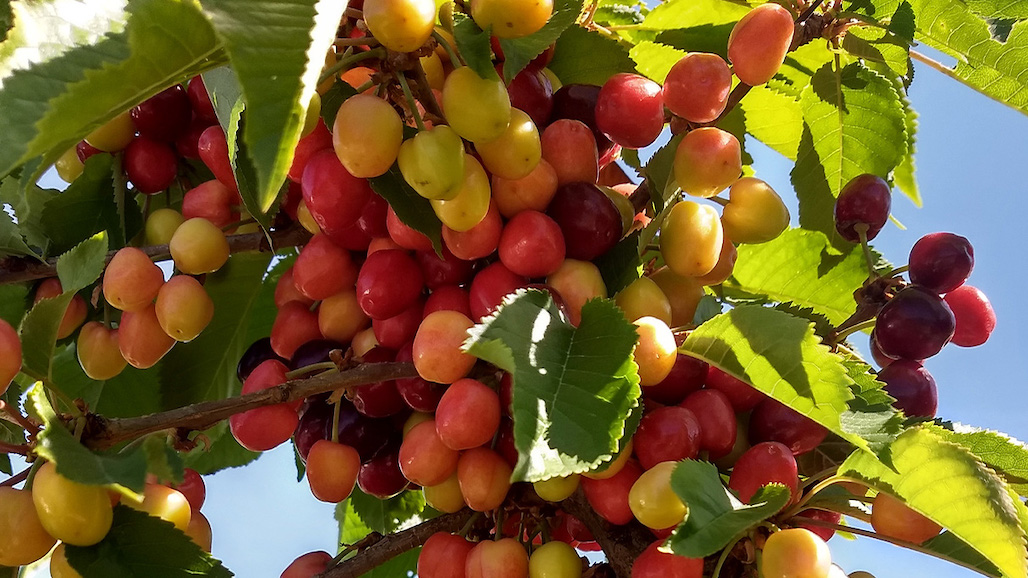
    Named for its most distinct symptom—small, colorless fruit—what growers call ‘Little Cherry’ is a simultaneous outbreak of Little Cherry virus-2 and the X-disease phytoplasma, both of which produce similar symptoms on infected cherry trees and are difficult to tell apart, even by experts. This is more difficult because symptoms are usually noticed only a few weeks before harvest.

    The pathogens are spread in orchards by small insects: the virus by mealybugs, and the phytoplasma by leafhoppers.

    Tests are available for growers to learn if a tree is infected, but they can be expensive. The new three-year, $530,000 grant will help to expand testing capacity at WSU’s Plant Disease Diagnostic Lab in Pullman with more equipment and supplies. This support will reduce testing fees by approximately 50%, to $50 per test.

    “Affordable and available testing is a key element of our industry’s response to Little Cherry Disease” said Jon DeVaney, WSTFA President. “Washington’s cherry growers appreciate the support of the WSDA Specialty Crop Block Grant Program and WSU’s Plant Disease Diagnostic Lab in this effort.”

    “Active, aggressive tree removal is the best way to suppress this outbreak and prevent further spread, and testing is an essential tool to identify trees in the early stages of infection,” said Scott Harper, WSU virologist and director of the Clean Plant Center Northwest. “It will help growers make informed management decisions for their orchards.”

    Harper’s lab supported the initial wave of testing in 2018-2019, and commercial labs took over testing in 2020, but few growers could afford to test every tree that they suspected might be infected.

    “WSU and collaborating laboratories are working hard to provide growers with Little Cherry testing services,” said Tianna DuPont, a WSU Tree Fruit Extension Specialist. “Additional support for the WSU Plant diagnostic lab is essential to provide sustainable robust public diagnostics so growers can identify and quickly manage the multiple problems that attack their trees.”

    Removing infected trees quickly is the best way to fight the disease, as there is no treatment and early removal can limit spread of the virus to nearby trees in an orchard, Harper said. Testing also helps avoid removing a tree exhibiting symptoms that look like the disease, but isn’t infected with little cherry pathogens. — 

  • CA Avocado Merchandise Orders Increase By Triple Digits Near Holiday Season

    CA Avocado Merchandise Orders Increase By Triple Digits Near Holiday Season

    California avocado merchandise, available on Shop.CaliforniaAvocado.com, is a very visible and effective means of driving brand awareness year-round. The online merch shop, which was launched in fall 2020, was updated in fall 2021 with new merchandise designed to pique consumer interest prior to the holiday shopping season. The new California avocado merchandise included a “Best Friends Sweatshirt” perfect for cozy moments, the “Avo Head” hat suited for athletic and outdoor events and the “Tasteful Apron” that can be worn for any avo-casion. To drive consumer awareness of the new items, which primarily showcased the 2021 take on “the best avocados have California in them” campaign, the California Avocado Commission launched integrated social media and digital promotions leading to a 500+% increase in November and December orders as compared to the preceding two months.

    Interacting with consumers on social media requires a delicate balance — providing fresh content and merchandise promotions that engage your audience without causing burnout or oversaturation that leads them to tune out. The Commission crafted social media posts showcasing people wearing the newly released California avocado merchandise while engaging in a variety of activities that evoke the California lifestyle. These everyday-lifestyle posts, which are some of CAC’s most successful social media content in terms of engagement and driving traffic to the site, complemented those created by CAC’s influencer partners. In the off-season, the posts also were tied to cultural moments — like Black Friday or Cyber Monday — to drive increased buzz and engagement for the holidays. In addition, the Commission also used paid support for select social media posts on Instagram and Facebook to boost views and engagement beyond CAC’s main followers during key shopping moments. To make it easy for consumers to purchase the items, many of the social media posts included direct links to the merch shop item featured in the post. The social content shared in November and December to support the launch of new merch reached nearly 339,000 consumers and yielded nearly 5,100 engagements, including nearly 4,000 link clicks to merchandise items.

    The CaliforniaAvocado.com website is popular with people looking for California avocado recipes and serving tips and tricks. Therefore, to catch the eye of site visitors the Commission featured some of the new merchandise on the landing page’s header. During the holiday shopping season, the “Free Shipping on Orders over $60” messaging was extended through December 31.

    In the near future, the Commission will feature these merchandise items in specialized collections inspired by different regions of the state, drawing even greater attention to and a connection with California avocados and the West Coast lifestyle embodied throughout the state. — By the California Avocado Commission