 Calls have come in – “What is the browning on the avocado leaves? Thrips damage? Salt damage? Dothiorella?” Nope, Frost Damage. From the end of February to the first week of March, Santa Paula had one night of 30 deg F, and 3 nights of 33 and a few nights around 35.. It wasn’t cold cold, but cold enough that there was damage to the avocados there and more so the further east and up toward Ojai.It wasn’t enough to defoliate the trees, although many were under stress from the flowering that is going on and a lot of the leaves were dropping from the flowering stress. The damage to the leaves is a darkening of the leaf both of the bottom surfaces. In many cases, the flower panicles got scorched. This is just the start of a big flower push and it looks like there’s a lot of flowers that have not pushed that will be fine. It could still be a good avocado year. The coffee really got roasted. — By Ben Faber, UC Cooperative Extension
Category: Non-Video
-

Growers Experience Minor Frost Damage on SO CAL Avocados
-
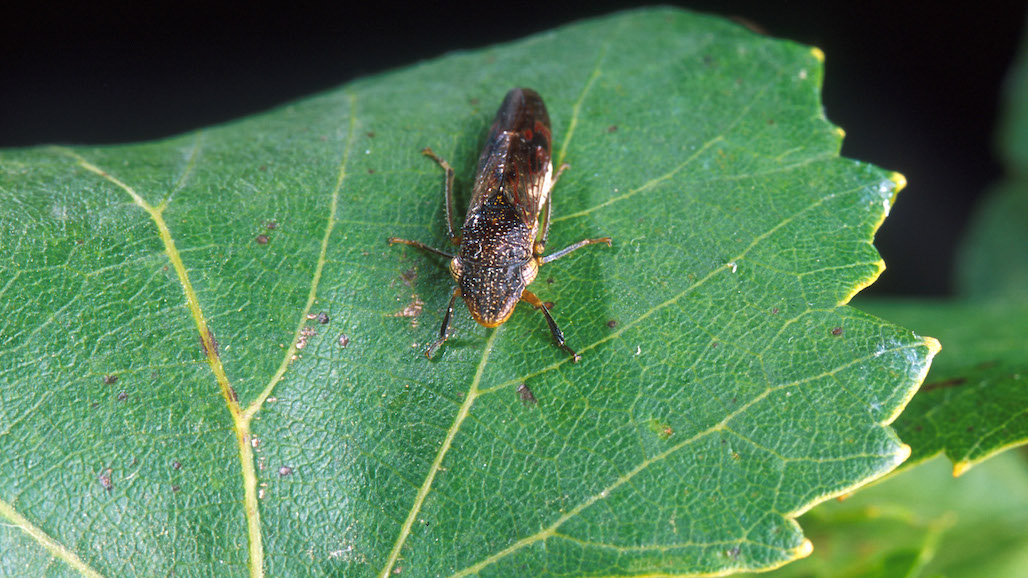
Aphid ‘honeydew’ May Promote Bacteria that Kill Them
The word ‘honeydew’ sounds benign, but the sugary waste product of aphids can promote growth of bacteria that are highly virulent to the pests, according to a new study.
The research takes a step towards understanding how some strains of the bacteria Pseudomonas syringae that live on leaves and are pathogenic to aphids might one day be used to control the pests. Aphids transmit plant viruses when they feed on sap, costing billions of dollars in annual crop damage around the world.
The paper, “Context Dependent Benefits of Aphids for Bacteria in the Phyllosphere,” published Jan. 12 in The American Naturalist, assessed the virulence of different strains of P. syringae to aphids. The researchers also investigated how well the bacteria survive on leaf surfaces without aphids, and whether bacteria benefited from the presence of aphids.
“For one of the experiments, we actually took the aphids out of the picture entirely,” said Melanie Smee, the paper’s first author and a postdoctoral researcher in the lab of co-author Tory Hendry, assistant professor of microbiology in the College of Agriculture and Life Sciences.
“We literally just sprayed fake honeydew on to leaves, and we still saw the same increase for the bacteria [as when aphids were present], so it’s really just the honeydew that’s helping the bacteria,” Smee said.
In the study, Smee and Hendry identified 21 strains of varying virulence to aphids. They then chose eight of those strains. For each strain, they sprayed bacteria onto plants with aphids and other plants without aphids, to see if the bacteria benefited from the aphids presence. They measured bacterial growth on leaves and found that half of the strains benefited significantly.
The next step was to try to understand the source of that benefit. They knew the bacteria are consumed and then grow within aphids and then are excreted out, so they wanted to see if passage through the aphids helped bacterial populations thrive. They set up a new experiment, with the aphids suspended above leaves that had been sprayed with bacteria. They fed one set of aphids an artificial diet with bacteria, and another set without bacteria, and the aphids then excreted honeydew onto the leaves below.
They found it didn’t matter whether aphids were fed bacteria; all the bacteria on the leaves did better in the presence of aphids. It turned out that the honeydew was the only factor that boosted bacterial populations.
They also found that benefits from honeydew to bacteria were not correlated to strain traits, but they were affected by the initial population densities, such that smaller populations increased more with honeydew, compared with large populations, which increased less.
More work is needed to determine which P. syringae strains are pathogenic to plants, an important consideration if bacteria are used for pest control. The researchers are also interested in investigating the role of the interaction of bacterial communities.
The study was funded by the U.S. Department of Agriculture’s National Institute of Food and Agriculture and by Cornell. — By Krishna Ramanujan, Cornell College of Agriculture & Life Sciences
-
Researchers Harness the Sun’s Rays to Fight Strawberry Disease
While not exactly the stuff of sci-fi movies, scientists have developed a “ray gun” that emits a light hazardous to a pestilence that devastates many types of crops. Fumiomi Takeda, a research horticulturalist, and Wojciech Janisiewicz, retired research plant pathologist, from the Agricultural Research Service (ARS) Innovative Fruit Production, Improvement, and Protection unit in Kearneysville, WV, led a team that used shortwave ultraviolent light (UV-C) to kill powdery mildew fungus.
UV-C is a very specific part of the ultraviolet light spectrum. UV-C is produced by the sun but does not reach Earth’s surface because it is absorbed by the ozone layer in the upper atmosphere. That’s a good thing, because UV-C is harmful to humans and plants when exposed to excessive amounts or for a long time.
“We conducted research to administer UV-C on powdery mildew-infected strawberry plants without causing harmful effects on the plant, such as leaf burn, fruit softening, or color darkening to determine whether it would be a good alternative to controlling powdery mildew with pesticides,” Takeda said.
On strawberry plants, powdery mildew appears as white powdery spots or fuzzy growth on both sides of leaves and on stems. Moderate to severe infection reduces the ability of leaves to employ photosynthesis – the process that plants use to synthesize foods from carbon dioxide and water. Powdery mildew can kill flowers, harden immature fruit, and reduce fruit quality and marketable yields.
If not controlled, the disease can cause a significant economic loss, especially to plants grown in greenhouses or high tunnels. In Japan and western Europe, where over 90% of strawberry production is in the greenhouse and under high tunnels, powdery mildew is the primary cause of fruit quality loss.
UV-C light kills microorganisms (fungi, bacteria, and viruses) and even arthropod pests by damaging their DNA.
According to Takeda and Janisiewicz, UV-C application is most effective at night because microbes and mites have a natural, light-activated special mechanism for repairing their damaged DNA. When UV-C is used during the day, high doses are needed to kill microbes, but those high doses are damaging to plants. To avoid this problem, they irradiated microbes with UV-C at night.
“Night-time application of 30-60 seconds allowed for control of powdery mildew, botrytis gray mold, and anthracnose fruit rot causing fungal pathogens at much lower doses for an effective kill and, more importantly, below the threshold that causes damage to the strawberry plants,” Takeda said.

A severe case of powdery mildew on a zinnia (Photo by Stephen Ausmus). In addition to strawberries, USDA scientists have used UV-C light on tomato plants and ornamental crops to control fungal pathogens and arthropod pests, such as greenhouse whitefly, flower thrips, and two-spotted spider mite.
ARS collaborated with TRIC Robotics in Newark, DE, to design and test the UV-C application robots at multiple locations, including California, where they have been field tested for over 10 months. The UV-C, non-chemical approach for fungal and pest control has shown so much success that it is on the brink of widespread commercial application.
“With the development of our autonomous UV-C application in the field, it is not so much a question of whether UV-C light treatments can be applied effectively, but how soon commercial platforms for UV-C application will be available to large and small strawberry growers across the country,” Takeda said. – By Scott Elliott, USDA ARS
-
A Different Way of Celebrating National Nutrition Month
 March is National Nutrition Month. And while we understand that the purpose is to promote enhanced nutrition and improve diets, for the Grower Shipper Association (GSA) this month is about celebrating our food supply and the farmers and farm workers who grow, nurture and harvest the nation’s fruits and vegetables.
Farming is hard. There are many challenges. But farmers will tell you it is a rewarding profession and they love what they do. Farmers will also acknowledge that it takes many hands. It requires collaboration among farm workers, foreman, irrigators, pest control advisors, food safety experts, among others.
At GSA, we see our role as providing crucial support and finding solutions on a broader basis to benefit our farmers and farming companies to make their jobs a little easier. Our work with ag employers throughout the pandemic to access masks, rapid tests, quarantined housing for their employees as well as help vaccinate 90% of the farm workers in our region is one example.
GSA efforts to battle the pest/disease complex commonly referred to as INSV, which causes stunting, wilting and eventual death for leafy greens, is another solution-driving initiative. We created a task force to examine treatment strategies and develop treatment efficacy trials. Lettuce fields are infected by INSV via thrips migrating in from infected host plants in the early spring, which is why GSA is also working with local agencies and communities on weed suppression strategies. Our association remains committed to securing additional funding and resources as well to aid our search for solutions.
As we navigate uncertainties in our current world, the hard work of farmers and farm workers has provided a sustained and consistent supply of fruits and vegetables to consumers. We have watched with significant pride how our region’s farming community has risen to unforeseen challenges because they understand the importance of what they do.
So while many will mark National Nutrition Month in more traditional ways, GSA takes a different approach which is to reflect on how lucky we are to have such dedicated farmers and farm workers growing our food. We celebrate you and thank you for every meal.
-
Citrus Canker in Nursery Stock Sold to CA, CDFA & USDA Take Action to Identify & Destroy Affected Plants
Citrus Pest & Disease Prevention Program — The United States Department of Agriculture’s Animal and Plant Health Inspection Service (APHIS) has confirmed the presence of citrus canker disease in a nursery in South Carolina. The nursery sells plants to consumers through online sales, including four locations in California since August 2021. Retail nurseries did not receive these plants.
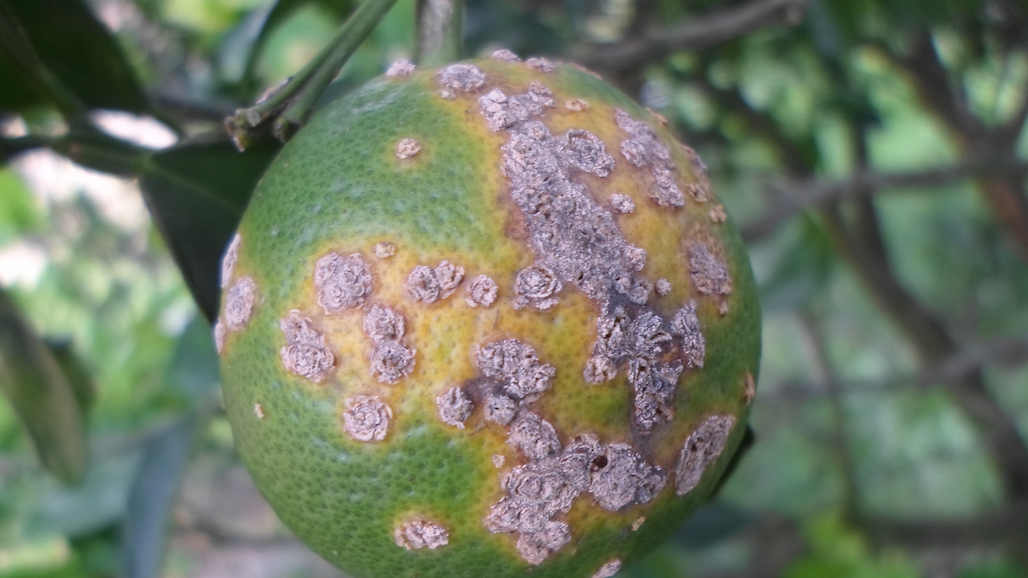
Citrus canker causes citrus leaves and fruit to drop prematurely, and results in lesions on citrus leaves, stems and fruit. Fruit infected with the bacterium that causes citrus canker (Xanthomonas axonopodis) is safe to eat, but it may not be marketable because of the lesions. The disease affects all citrus varieties. Citrus canker is not harmful to people or animals.
Together with state partners, APHIS is working to collect and destroy the plants shipped to consumers in 11 states and trace plants that were sold to determine additional locations of potentially infected plants. The states include Alabama, California, Florida, Georgia, Louisiana, Mississippi, Nevada, Oregon, South Carolina, Texas and Washington.
The California Department of Food and Agriculture (CDFA) was notified that four residential properties throughout the state had ordered citrus nursery stock from the South Carolina nursery. Upon being notified of the recall, CDFA staff successfully verified that one order was not filled, removed and destroyed the recalled trees from two of the three remaining residential properties and is working to connect with the recipients of the final shipment (as of March 9). All additional host plants on these properties were surveyed and sampled for citrus canker disease and submitted for analysis, and delimitation surveys will also be conducted around these locations. These swift actions by APHIS and CDFA are focused on protecting the citrus industry as well as nurseries and other establishments that sell citrus plants wholesale and direct to consumers.
Currently, citrus canker is found throughout Florida and in limited areas of Louisiana and Texas. APHIS is working with state partners to contain the disease, and federal and state quarantines exist in these states. Additionally, citrus canker was recently confirmed in Alabama, and APHIS is working with state partners to establish a federal quarantine to parallel the state quarantine.
If you live in one of the 11 states and bought citrus plants online that came from South Carolina between Aug. 5, 2021 – Feb. 17, 2022, please keep your plants for now. If you purchased a plant or plants that might be infected, APHIS and/or state officials will contact you in the next several days to collect and properly dispose of any plants purchased from the nursery. You can also call your local USDA office with additional questions. Contact information can be found at www.aphis.usda.gov/planthealth/sphd.
To learn more about APHIS’ regulations for citrus canker, please visit https://www.aphis.usda.gov/aphis/ourfocus/planthealth/plant-pest-and-disease-programs/pests-and-diseases/citrus/citrus-canker.
For questions about citrus canker in California or other pests or diseases, please call CDFA’s toll-free Pest Hotline at 1-800-491-1899.
-
FDA Will Not Conduct Broad Sampling of Salinas Valley Leafy Greens in 2022
 The U.S. Food and Drug Administration will not conduct broad sampling of leafy greens grown in the Salinas Valley region of California for the 2022 growing season.
The decision was made based on data from Western Growers, the California Leafy Greens Marketing Agreement, and the California Department of Food and Agriculture inspection activities.
The FDA encouraged the organizations to continue to work with the agency to enhance the sharing of industry information on pre-harvest and post-harvest testing as all parties aim to assure the safety of leafy greens.
“Western Growers is committed to developing and deploying data collection and analytic digital tools to further enhance the sharing of industry information,” said De Ann Davis, WG’s Senior Vice President of Science. “We think this is an encouraging development for our members as we strive to grow the safest produce possible.”
The FDA notes they are considering risk-based surveillance sampling based on historical data and information from previous outbreaks of foodborne illness and reserves the right to reassess this approach if unforeseen events occur.
-
US Ag Exports to Mexico Shatter Records, Including Fresh Fruits, Vegetables & Dairy
In 2021, U.S. agricultural and related product exports to Mexico shattered all-time records, helping to close the agricultural trade gap between the two trading partners. Mexico surpassed Canada as the number two market for U.S. agricultural product exports. The highly integrated and complimentary nature of U.S.–Mexico food and agricultural supply chains ensured that record trade was observed across all product categories. A recovery from 2020 pandemic lockdowns and high global commodity prices helped values, as well as quantity, increase in 2021. This report highlights historical southbound (United States to Mexico) agricultural and related product trade records by value.
Bilateral Agricultural Trade: U.S.–Mexico bilateral trade in agricultural and related products is more robust than ever, reaching record levels in value and quantity across products and categories. In 2021, bilateral trade totaled $66 billion, with a notable 15 percent trade deficit decline to -$13 billion. U.S. agricultural and related product exports to Mexico increased 42 percent to a record high of $27 billion.

Top Export Market: In 2021, Mexico became the number one market for U.S. dairy products, poultry meat and products, wheat, distillers’ grains, sugar and sweeteners, milled grains and products, animal fats, rice, eggs and products, and pulses. Mexico is the number two market for U.S. corn, soybeans, soybean meal, food preparations, fresh fruit, processed vegetables, “bakery goods, cereals, and pasta”, condiments and sauces, vegetable oils, chocolate and cocoa products, fresh vegetables, planting seeds, non-alcoholic beverages, processed fruit, live animals, dog and cat food, nursery products and cut flowers, and confectionery.
Records in Southbound Agricultural Exports: As outlined in the following sections, U.S. exports of consumer oriented (section I), bulk commodities (section II), intermediate (section III), and agricultural related products (section IV) each reached all-time value,, with many subcategories and products attaining the same.
I. Consumer Oriented ($10.8 billion)

Dairy Products ($1.8 billion): The United States is Mexico’s number one supplier of most of its dairy commodity imports. Mexico consistently is a reliable, high-value trading partner for the U.S. dairy industry. In 2021, U.S. dairy exports to Mexico reached an all-time high by volume, which in the case of cheese, beat out the volume record previously set in 2020. U.S. cheese exports (usually of high quality; using 100 percent milk, for example) are crucial to Mexico’s retail, processing, and HRI sectors because domestic production can only meet 66 percent of national demand. In 2020, dairy commodities started to become more expensive and retained that increased value into 2021, helping to set notable value records for U.S. skim milk powder ($962 million), cheese ($262 million), ice cream ($58 million), and others.
Pork and Pork Products ($1.7 billion): Pork exports to Mexico reached record values and volumes across fresh, chilled, and frozen cuts, including edible offal ($158 million). Hams and cuts ($465 million) for processing reached a record high in 2020, although slightly decreasing in 2021. Pork is the second most consumed source of animal protein in Mexico. Domestic production does not satisfy national demand, and imports are required to fill in the gap. Mexico’s pork consumption increased as people resumed activities outside the home, and also from learning ways to incorporate pork in home cooking. U.S. pork products offer diverse price points across incomes and socioeconomic strata. The hotel, restaurant, and institutional (HRI) sector, for example, draws from high quality cuts for use in premium dishes.
Fresh and Processed Fruits and Vegetables ($1.7 billion): In 2021, U.S. exports of fresh fruit ($748 million) and fresh vegetables ($234 million) to Mexico reached record levels. Record processed vegetable trade was driven by quantity and value increases in frozen potato products ($261 million), reflective of a reopening of the HRI sector after a challenging 2020. Strong U.S. apple ($349 million) exports led growth in the fresh fruit sector. Orange and tangerine exports ($29 million), driven by high demand for products containing vitamin C during the COVID-19 pandemic. Small, but mighty, U.S. cherry ($16 million) exports to Mexico increased an impressive 235 percent from 2020.
Processed Foods and Juices ($1.7 billion): Mexico’s food retailers and industrial food processors continue to see strong demand for retail-ready and processed products. The Mexican food processing sector continues to see exponential growth due to product affordability and high consumer demand for Mexican comfort foods. These market forces resulted in a record $770 million of U.S. food-preparation exports to Mexico’s food processors in 2021. Other notable U.S. record exports for U.S.-origin processed products included bakery goods, cereals, and pasta ($395 million), condiments and sauces ($321 million), non-alcoholic beverages ($212 million), and fruit and vegetable juices ($73 million).
Poultry Meat and Products (excluding eggs) ($1.3 billion): Mexico depends heavily on poultry imports to satisfy domestic demand. In 2020 and 2021, the United States supplied close to 95 percent of Mexico’s poultry meat and product imports, achieving records in both quantity and value, with chicken cuts ($529 million) as a standout. In 2021, U.S. turkey ($32 million), geese ($49 thousand), and guinea fowl meat reached value records, even though those quantities were considerably smaller compared to chicken meat.
Eggs and Products ($215 million): U.S. egg and product ($215 million) exports to Mexico reached their record due to elevated prices driven by worldwide demand. The United States is the main provider of chicken genetics and breeders to Mexico, achieving records during 2019–2021, culminating in $161 million in 2021. U.S. suppliers of shell eggs to Mexico satisfies demand along Mexican border states, while domestic production satisfies demand in the rest of the country.
Organics ($200 million): Record growth in the category is driven by both retail and HRI demand for fresh organic fruit (apples, grapes, pears, peaches, and others), as well as lettuce and spinach. Baby food and other organic processed products also saw significant growth. Higher- income consumers in Mexico are willing to pay a premium for USDA organic products with the hopes of attaining higher health and food safety benefits – a trend the pandemic has bolstered.
Beef and Beef Products: In 2021, very few U.S. beef product exports to Mexico reached a record high either by volume or value. However, shipments of beef for ground meat and processing ($509 million) that could include edible offal ($57.5 million), trimmings, cheek meat, and other cuts were the most notable categories that reached record highs. The reopening of the HRI sector is helping to drive demand along with increased household consumption, which prefers more affordable cuts and products, such as ground beef or variety meats.
II. Bulk Commodities ($9.8 billion)

Corn ($4.7 billion): In 2021, record U.S. corn exports ($4.7 billion) to Mexico were composed mostly of no. 2 corn ($4.4 billion) and white corn ($226 million). However, 2017 volumes maintain the record, reaching 16.7 million metric tons (MMT) versus 16 MMT in 2021. The value record reflects skyrocketing international corn prices, which substantially increased in 2021 to the highest levels in 12 years.
Soybeans ($2.7 billion): Record U.S. soybean exports to Mexico were seen in 2021, due to the substantial price increase registered through the second half of 2021. Volume growth was also due to pandemic-related lockups, which encouraged Mexican households to cook more at home and consume more soybean oil.
Wheat ($1.3 billion): Record high U.S. wheat exports ($1.3 billion) to Mexico were achieved, led by U.S. non-durum wheat ($1.2 billion) exports. Volume trade was modest, reflecting higher international wheat prices that same year. Large volumes of U.S. wheat exports were driven by increased household consumption of bread, cookies, and cakes due to the pandemic-related lockups and partial shutdowns. Mexico remains a highly price sensitive market, including for wheat imports.
Other Bulk Commodities ($157 million): This record is driven mostly by the higher value for peanuts, which went mostly toward consumption as snacks. The reopening of the HRI sector, retail sales, and food processing made this category and oilseeds (excluding soybean) reach record levels ($23 million).
Rice: Milled rice ($16 million) reached a record due to more competitive prices compared with South American exporters, mainly from Uruguay.
III. Intermediate ($4.9 billion)

Distillers Grains ($634 million): In 2021, U.S. distillers grains exports to Mexico reached a record, in value and quantity due to the stronger demand of the robust animal feed and livestock industries in Mexico. Distillers grains are a co-product of corn-based ethanol production that are used mainly as an animal feed protein supplement. Distillers grains have been increasingly used as a substitute for oilseed meal (mainly soybean meal) in feed concentrate formulas.
Milled Grains and Products: Mexican brewers’ purchases of U.S. malt ($230 million) drove U.S. exports to a record high on pent up demand after the industry shut down during 2020 pandemic-related lockdowns. U.S. corn starch ($51 million) exports for food processing (as an ingredient for mayonnaise and beers, for example) saw price increases, which drove this product to record highs.
Animal Fats: In 2021, U.S. lard ($117 million) and edible tallow ($139 million) exports to Mexico reached record highs as Mexico’s food processing activities and agricultural sector recovers in the post-pandemic era. Demand for lard and edible tallow, especially from pork, has increased to satisfy domestic demand in household cooking, industrial foods processing, and informal mom-and-pop cooking. Meat processing and charcuterie depend on lard and edible tallow imports to satisfy domestic demand, as consumption increases and novelty products surge in the retail sector, high quality raw materials are needed for those processes.
Live Animals ($188 million): In 2021, U.S. live animal exports to Mexico reached value records for bovine breeding purposes. Mexico greatly benefits from high-quality genetics from the United States, investing in male and female breeders, depending on the sector. The dairy sector tends to invest more in females, obtaining stronger and more productive calves. The beef sector tends to invest more in males, improving yields and carcass weights for slaughter. Later, the U.S. feedlots indirectly benefit from steers and heifers from Mexico that are exported back as healthy, well-adapted cattle that perform very well in feedlots. In 2021, U.S. live cattle exports to Mexico for immediate slaughter set a record high, breaking the previous record set in 2020.
Essential Oils ($183 million): For use mainly in the perfume and cosmetics industry, food industry (i.e. food conservation or for cooking), in the pharmaceutical industry, and for individual consumption (aromatherapy and other uses at home). The Mexican states with the biggest purchases of essential oils are Mexico City, State of Mexico, Morelos, Baja California and Nuevo León.
Hides & Skins: Exports to Mexico of some pre-tanned bovine raw hides and goat skins in value, specifically, whole cattle hides and skins (in quantity and value). Bolstering the Mexican automotive industry, which is the main destination for U.S. hides and skins to Mexico, strengthening the apparel sector, and diversifying the market to other clients (furniture and garments) have proven to be a smart strategy to allocate U.S. hides and skins in Mexico. — By the USDA Foreign Agricultural Service, Mexico
IV. Agricultural Related Products ($1.1 billion)

-

US Ag Exports to Mexico Shatter Records, Including Fresh Fruits, Vegetables & Dairy
In 2021, U.S. agricultural and related product exports to Mexico shattered all-time records, helping to close the agricultural trade gap between the two trading partners. Mexico surpassed Canada as the number two market for U.S. agricultural product exports. The highly integrated and complimentary nature of U.S.–Mexico food and agricultural supply chains ensured that record trade was observed across all product categories. A recovery from 2020 pandemic lockdowns and high global commodity prices helped values, as well as quantity, increase in 2021. This report highlights historical southbound (United States to Mexico) agricultural and related product trade records by value.
Bilateral Agricultural Trade: U.S.–Mexico bilateral trade in agricultural and related products is more robust than ever, reaching record levels in value and quantity across products and categories. In 2021, bilateral trade totaled $66 billion, with a notable 15 percent trade deficit decline to -$13 billion. U.S. agricultural and related product exports to Mexico increased 42 percent to a record high of $27 billion.
Top Export Market: In 2021, Mexico became the number one market for U.S. dairy products, poultry meat and products, wheat, distillers’ grains, sugar and sweeteners, milled grains and products, animal fats, rice, eggs and products, and pulses. Mexico is the number two market for U.S. corn, soybeans, soybean meal, food preparations, fresh fruit, processed vegetables, “bakery goods, cereals, and pasta”, condiments and sauces, vegetable oils, chocolate and cocoa products, fresh vegetables, planting seeds, non-alcoholic beverages, processed fruit, live animals, dog and cat food, nursery products and cut flowers, and confectionery.
Records in Southbound Agricultural Exports: As outlined in the following sections, U.S. exports of consumer oriented (section I), bulk commodities (section II), intermediate (section III), and agricultural related products (section IV) each reached all-time value,, with many subcategories and products attaining the same.
I. Consumer Oriented ($10.8 billion)
Dairy Products ($1.8 billion): The United States is Mexico’s number one supplier of most of its dairy commodity imports. Mexico consistently is a reliable, high-value trading partner for the U.S. dairy industry. In 2021, U.S. dairy exports to Mexico reached an all-time high by volume, which in the case of cheese, beat out the volume record previously set in 2020. U.S. cheese exports (usually of high quality; using 100 percent milk, for example) are crucial to Mexico’s retail, processing, and HRI sectors because domestic production can only meet 66 percent of national demand. In 2020, dairy commodities started to become more expensive and retained that increased value into 2021, helping to set notable value records for U.S. skim milk powder ($962 million), cheese ($262 million), ice cream ($58 million), and others.
Pork and Pork Products ($1.7 billion): Pork exports to Mexico reached record values and volumes across fresh, chilled, and frozen cuts, including edible offal ($158 million). Hams and cuts ($465 million) for processing reached a record high in 2020, although slightly decreasing in 2021. Pork is the second most consumed source of animal protein in Mexico. Domestic production does not satisfy national demand, and imports are required to fill in the gap. Mexico’s pork consumption increased as people resumed activities outside the home, and also from learning ways to incorporate pork in home cooking. U.S. pork products offer diverse price points across incomes and socioeconomic strata. The hotel, restaurant, and institutional (HRI) sector, for example, draws from high quality cuts for use in premium dishes.
Fresh and Processed Fruits and Vegetables ($1.7 billion): In 2021, U.S. exports of fresh fruit ($748 million) and fresh vegetables ($234 million) to Mexico reached record levels. Record processed vegetable trade was driven by quantity and value increases in frozen potato products ($261 million), reflective of a reopening of the HRI sector after a challenging 2020. Strong U.S. apple ($349 million) exports led growth in the fresh fruit sector. Orange and tangerine exports ($29 million), driven by high demand for products containing vitamin C during the COVID-19 pandemic. Small, but mighty, U.S. cherry ($16 million) exports to Mexico increased an impressive 235 percent from 2020.
Processed Foods and Juices ($1.7 billion): Mexico’s food retailers and industrial food processors continue to see strong demand for retail-ready and processed products. The Mexican food processing sector continues to see exponential growth due to product affordability and high consumer demand for Mexican comfort foods. These market forces resulted in a record $770 million of U.S. food-preparation exports to Mexico’s food processors in 2021. Other notable U.S. record exports for U.S.-origin processed products included bakery goods, cereals, and pasta ($395 million), condiments and sauces ($321 million), non-alcoholic beverages ($212 million), and fruit and vegetable juices ($73 million).
Poultry Meat and Products (excluding eggs) ($1.3 billion): Mexico depends heavily on poultry imports to satisfy domestic demand. In 2020 and 2021, the United States supplied close to 95 percent of Mexico’s poultry meat and product imports, achieving records in both quantity and value, with chicken cuts ($529 million) as a standout. In 2021, U.S. turkey ($32 million), geese ($49 thousand), and guinea fowl meat reached value records, even though those quantities were considerably smaller compared to chicken meat.
Eggs and Products ($215 million): U.S. egg and product ($215 million) exports to Mexico reached their record due to elevated prices driven by worldwide demand. The United States is the main provider of chicken genetics and breeders to Mexico, achieving records during 2019–2021, culminating in $161 million in 2021. U.S. suppliers of shell eggs to Mexico satisfies demand along Mexican border states, while domestic production satisfies demand in the rest of the country.
Organics ($200 million): Record growth in the category is driven by both retail and HRI demand for fresh organic fruit (apples, grapes, pears, peaches, and others), as well as lettuce and spinach. Baby food and other organic processed products also saw significant growth. Higher- income consumers in Mexico are willing to pay a premium for USDA organic products with the hopes of attaining higher health and food safety benefits – a trend the pandemic has bolstered.
Beef and Beef Products: In 2021, very few U.S. beef product exports to Mexico reached a record high either by volume or value. However, shipments of beef for ground meat and processing ($509 million) that could include edible offal ($57.5 million), trimmings, cheek meat, and other cuts were the most notable categories that reached record highs. The reopening of the HRI sector is helping to drive demand along with increased household consumption, which prefers more affordable cuts and products, such as ground beef or variety meats.
II. Bulk Commodities ($9.8 billion)
Corn ($4.7 billion): In 2021, record U.S. corn exports ($4.7 billion) to Mexico were composed mostly of no. 2 corn ($4.4 billion) and white corn ($226 million). However, 2017 volumes maintain the record, reaching 16.7 million metric tons (MMT) versus 16 MMT in 2021. The value record reflects skyrocketing international corn prices, which substantially increased in 2021 to the highest levels in 12 years.
Soybeans ($2.7 billion): Record U.S. soybean exports to Mexico were seen in 2021, due to the substantial price increase registered through the second half of 2021. Volume growth was also due to pandemic-related lockups, which encouraged Mexican households to cook more at home and consume more soybean oil.
Wheat ($1.3 billion): Record high U.S. wheat exports ($1.3 billion) to Mexico were achieved, led by U.S. non-durum wheat ($1.2 billion) exports. Volume trade was modest, reflecting higher international wheat prices that same year. Large volumes of U.S. wheat exports were driven by increased household consumption of bread, cookies, and cakes due to the pandemic-related lockups and partial shutdowns. Mexico remains a highly price sensitive market, including for wheat imports.
Other Bulk Commodities ($157 million): This record is driven mostly by the higher value for peanuts, which went mostly toward consumption as snacks. The reopening of the HRI sector, retail sales, and food processing made this category and oilseeds (excluding soybean) reach record levels ($23 million).
Rice: Milled rice ($16 million) reached a record due to more competitive prices compared with South American exporters, mainly from Uruguay.
III. Intermediate ($4.9 billion)
Distillers Grains ($634 million): In 2021, U.S. distillers grains exports to Mexico reached a record, in value and quantity due to the stronger demand of the robust animal feed and livestock industries in Mexico. Distillers grains are a co-product of corn-based ethanol production that are used mainly as an animal feed protein supplement. Distillers grains have been increasingly used as a substitute for oilseed meal (mainly soybean meal) in feed concentrate formulas.
Milled Grains and Products: Mexican brewers’ purchases of U.S. malt ($230 million) drove U.S. exports to a record high on pent up demand after the industry shut down during 2020 pandemic-related lockdowns. U.S. corn starch ($51 million) exports for food processing (as an ingredient for mayonnaise and beers, for example) saw price increases, which drove this product to record highs.
Animal Fats: In 2021, U.S. lard ($117 million) and edible tallow ($139 million) exports to Mexico reached record highs as Mexico’s food processing activities and agricultural sector recovers in the post-pandemic era. Demand for lard and edible tallow, especially from pork, has increased to satisfy domestic demand in household cooking, industrial foods processing, and informal mom-and-pop cooking. Meat processing and charcuterie depend on lard and edible tallow imports to satisfy domestic demand, as consumption increases and novelty products surge in the retail sector, high quality raw materials are needed for those processes.
Live Animals ($188 million): In 2021, U.S. live animal exports to Mexico reached value records for bovine breeding purposes. Mexico greatly benefits from high-quality genetics from the United States, investing in male and female breeders, depending on the sector. The dairy sector tends to invest more in females, obtaining stronger and more productive calves. The beef sector tends to invest more in males, improving yields and carcass weights for slaughter. Later, the U.S. feedlots indirectly benefit from steers and heifers from Mexico that are exported back as healthy, well-adapted cattle that perform very well in feedlots. In 2021, U.S. live cattle exports to Mexico for immediate slaughter set a record high, breaking the previous record set in 2020.
Essential Oils ($183 million): For use mainly in the perfume and cosmetics industry, food industry (i.e. food conservation or for cooking), in the pharmaceutical industry, and for individual consumption (aromatherapy and other uses at home). The Mexican states with the biggest purchases of essential oils are Mexico City, State of Mexico, Morelos, Baja California and Nuevo León.
Hides & Skins: Exports to Mexico of some pre-tanned bovine raw hides and goat skins in value, specifically, whole cattle hides and skins (in quantity and value). Bolstering the Mexican automotive industry, which is the main destination for U.S. hides and skins to Mexico, strengthening the apparel sector, and diversifying the market to other clients (furniture and garments) have proven to be a smart strategy to allocate U.S. hides and skins in Mexico. — By the USDA Foreign Agricultural Service, Mexico
IV. Agricultural Related Products ($1.1 billion)
-

California Fresh Fruit Association Announces Strategic Food Safety Partnership
The California Fresh Fruit Association (CFFA) has announced a strategic partnership with George Nikolich Consulting, Inc. The agreement will focus on providing food safety services to Association members and their operations. George Nikolich has been a longtime partner of CFFA and has served the fresh fruit industry for over three decades. As determined by the CFFA Executive Committee in 2019, a focus in food safety has been a top priority area for the Association to take part in and this strategic partnership will provide an opportunity to engage with industry members in a way that has not been done before.
CFFA President Ian LeMay stated “The Association is excited to partner with George and bring a service to our membership that is of great need. Our shippers and growers work tirelessly throughout the year to produce the freshest and healthiest fruits they can. Having George as a resource will allow them to continue to be proactive in bringing a safe product to markets and consumers homes.”
George Nikolich of George Nikolich Consulting, Inc., added “I look forward to continuing my support of CFFA goals in translating the latest food safety science and information into effective, practical application for members. Thank you all for your commitment to this project.”
As the Association’s new fiscal year kicks off, a series of roundtables and webinars have already been scheduled, and more will continue to be added as this strategic partnership continues to evolve. CFFA and George Nikolich Consulting look forward to engaging with the fresh fruit industry through this valuable joint venture.
The California Fresh Fruit Association is voluntary public policy organization that represents growers, packers, and shippers of the California table grape, blueberry, kiwi, pomegranate, and deciduous tree fruit communities. CFFA serves as a representative for these growers, shippers, and packers, on issues at both the state and federal levels. More information on the Association can be found at www.cafreshfruit.com .
-
Fresno County Vacancy on Citrus Pest & Disease Prevention Committee
The California Department of Food and Agriculture is announcing one vacancy on the Citrus Pest and Disease Prevention Committee. The Committee advises the CDFA Secretary on activities associated with the statewide citrus specific pest and disease work plan that includes, but is not limited to, outreach and education programs and programs for surveying, detecting, analyzing, and treating pests and diseases specific to citrus.
The members receive no compensation but are entitled to payment of the necessary travel expenses in accordance with the rules of the Department of Personnel Administration.
The Committee member vacancy exists for one grower representative from Fresno County, the member term expires on September 30, 2022. Applicants should have an interest in agriculture and citrus pest and disease prevention.
Individuals interested in being considered for a committee appointment should send a brief resume by March 31, 2022 to the California Department of Food and Agriculture, Citrus Pest and Disease Prevention Division, 1220 N Street, Sacramento, California 95814, Attention: David Gutierrez.
For additional information, contact: David Gutierrez, Branch Chief, Citrus Pest and Disease Prevention Division at (916) 274-6300, or e-mail David.Gutierrez@cdfa.ca.gov.