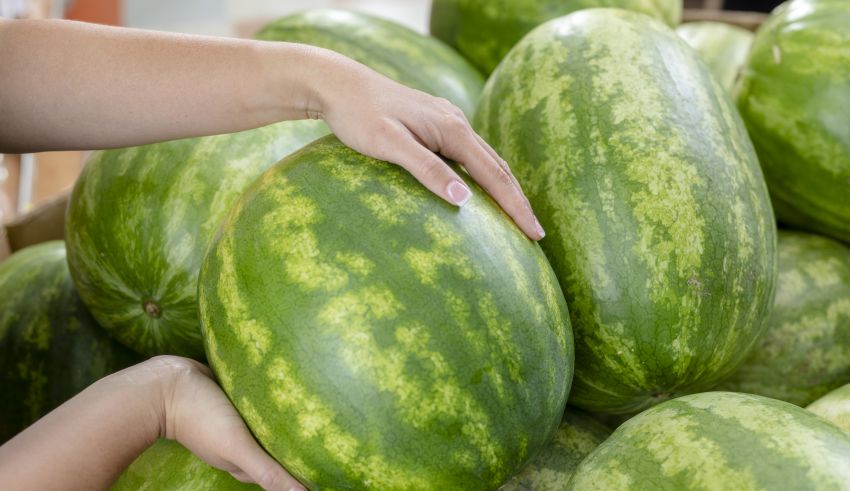
The new National Watermelon Promotion Board (NWPB) Watermelon Supplier Database is the perfect platform to connect retail and foodservice buyers with suppliers as the summer season takes off for America’s favorite melon.
Each year the NWPB staff promote watermelon to retail and foodservice audiences, both in-person and digitally. When a contact asks where they can get watermelon, this new database with help connect the dots. The new Watermelon Supplier Database is based on the new watermelon.org in the Industry, Retail and Foodservice sections and at watermelon.org/supplierdatabase, so all interested groups can easily access the database.
The Board is still working to populate the database so if a member of the watermelon industry is interested, please visit watermelon.org/supplierdatabase. Multiple roles in the industry are encouraged to be a part of the database including wholesalers, growers, importers, brokers, processors, seed, transportation companies and more.
The National Watermelon Promotion Board (NWPB), based in Winter Springs, Florida, was established in 1989 as an agricultural promotion group to promote watermelon in the United States and in various markets abroad. Funded through a self-mandated industry assessment paid by more than 800 watermelon producers, handlers and importers, NWPB mission is to increase consumer demand for watermelon through promotion, research and education programs.
Watermelon packs a nutritious punch, with each serving providing an excellent source of Vitamin C (25%), a source of Vitamin B6 (8%), and a delicious way to stay hydrated (92% water), with only 80 calories. Watermelon consumption per capita in the United States was an estimated 15.6 pounds in 2019. Watermelon consumption in the United States was approximately 5.1 billion pounds in 2019. The United States exported an additional 321.2 million pounds of watermelon. For additional information, visit www.watermelon.org.
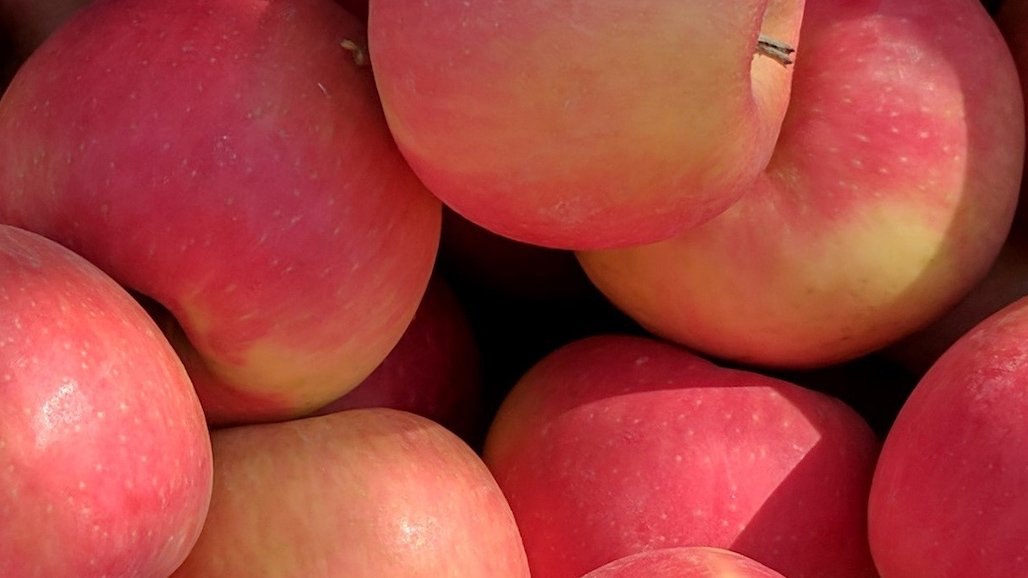
Washington State University’s newest apple variety, WA 64, is a sweet, tart, firmly crisp hybrid of Honeycrisp and Cripps Pink, a variety that includes the well-known Pink Lady®.
Officially released for commercial licensing this summer, WA 64 is expected to reach stores in 2029. WSU will select a partner in the coming weeks to make trees available to growers, and the college will choose a brand name for the new apple in 2024.
“With WA 64, we’re hoping to fill a useful space in the apple market,” said Jeremy Tamsen, director of innovation and commercialization for WSU’s College of Agricultural, Human, and Natural Resource Sciences.
Jeremy Tamsen
Crossed in 1998, WA 64 was chosen for its outstanding eating and storing qualities. Featuring a pink blush over a yellow background, it is slightly less hard but crisper and juicier than its Cripps Pink parent.
“In its bite, it’s more akin to Cripps Pink than Honeycrisp,” said Kate Evans, professor and WSU apple breeder. “In consumer taste-tests, people have preferred its texture to Cripps. It’s crisper than Cripps Pink.”
WA 64 maintains that crisp texture after months in cold storage. Like WSU’s successful WA 38 variety, also known as Cosmic Crisp®, it’s self-thinning, meaning growers don’t have to invest as much labor in thinning fruit. It also has high packout, ensuring that apples aren’t tossed for bruising or punctures before they reach the grocery store. WA 64 is harvested at about the same time as Golden Delicious, giving growers of that apple a fresh alternative.
Kate Evans
“The main focus of our breeding program is to provide new and improved apples that appeal to consumers and work for the Washington apple industry,” Evans said.
The timing of harvesting should also appeal to growers, Tamsen said.
“It makes sense for the industry to have an apple that falls within the Golden Delicious harvest window, with qualities that consumers want right now,” he said. “We think apple buyers will love it.”
WA 64’s number comes from the fact that it’s the WSU breeding program’s 64th apple to move into the second phase of a three-phase process of selection.
In the first phase, a single new hybrid is evaluated for fruit quality alongside as many as 15,000 other unique individuals. By the second phase, that large group has been winnowed down to about 50 different individuals, compared in groups of five trees. By the third phase, only a handful of finalists are left, compared in groups of 50 trees.
“With more and more trees, we get more fruit to fully evaluate,” Evans said.
Each phase takes several years to complete, so it can take decades for a new hybrid to emerge as a release candidate. The decision on how to move forward is made by a committee of growers and scientists, who weigh whether a new apple can find a useful place in the Washington fruit industry.
Each WA 64 tree is a clone, reproduced through cuttings, with fruit-bearing budwood, or scions, grafted onto different rootstocks. Each scion is genetically identical to the original mother tree seedling.
With specialty crop funding from the Washington State Department of Agriculture, WSU scientists have been studying how WA 64 performs on different rootstocks and orchard systems. Plantings were made in 2022 at WSU’s Roza Orchard at Prosser and the Sunrise Research Orchard near Wenatchee. Some Washington nurseries have already begun growing WA 64 budwood to support future expansion.
“We’re starting with a small amount of budwood,” Tamsen said. “Part of what we’re looking for in a licensee is someone who can scale that up at nurseries so that commercial growers can buy trees. That supply doesn’t exist today, and it can take years to scale it up.”
WA 64 is the fourth WSU apple to be officially released. WA 38, branded as Cosmic Crisp®, was released in 2013, reaching consumers in 2019. WA 2, a cross of Splendour and Gala, branded as Sunrise Magic®, was released in 2010. WA 5, a cross of Splendour and a variety called Co‑op 15, was released in 2009.
WA 64’s debut likely won’t be in the same scale as Cosmic Crisp®, which was one of the largest and fastest commercial plant releases ever. Last fall, Cosmic Crisp® joined the ranks of the top ten best-selling U.S. apple varieties by sales and volume.
Sliced WA 64 apples show the newly released variety’s yellow-pink skin and white interior.
Tamsen expects fresh, creative ideas to flow from the new apple’s naming process, which could involve WSU community input as well as focus-group sessions. “Apples aren’t one-size-fits-all,” Evans said. “Different consumers have different preferences. Isn’t it wonderful that we can release WSU varieties that meet more of those different preferences?” — By Seth Truscott, College of Agricultural, Human & Natural Resource Sciences, Washington State University
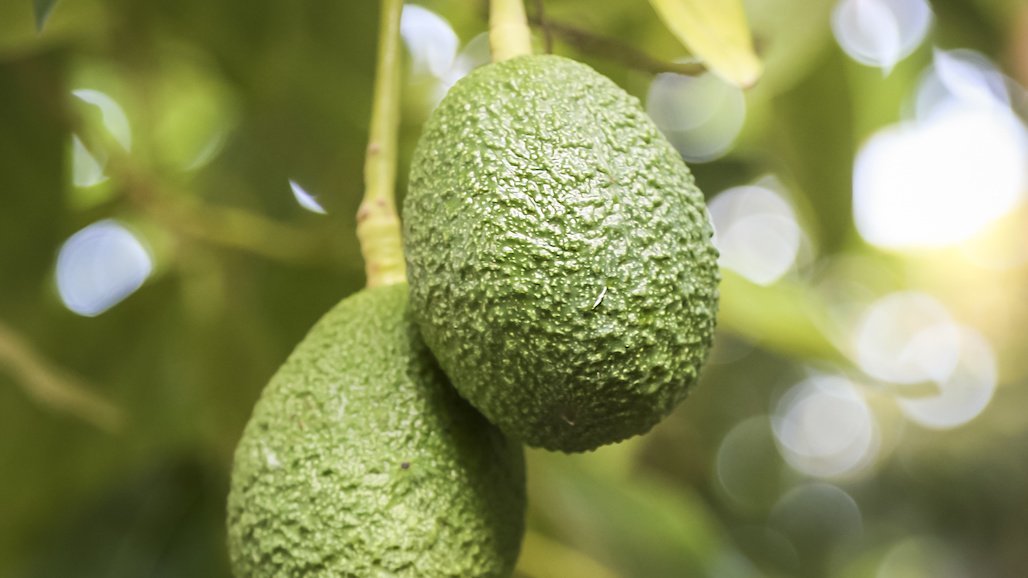
Updated findings froma forecast study by CIRAD, the French Agricultural Research Center for International Development, point to a surplus of fresh avocados in the global market by 2030 unless action is taken to create demand. Proactive strategies through promotion similar to the model of the Hass Avocado Board (HAB) are discussed in the Avocado World Market Projection Up to 2030, Version 2.0 webinar available on-demand at HassAvocadoBoard.com/webinars beginning on August 17.
The findings, presented by lead CIRAD researcher Eric Imbert, are an update to data first presented in 2021. As global models suggest an oversupply of avocados in the coming years, HAB invited CIRAD to present to the Hass avocado industry the latest overview through this webinar to help equip stakeholders with knowledge and solutions.
“The global avocado supply has been growing faster than global demand over the past several years,” said Emiliano Escobedo, Executive Director of the Hass Avocado Board (HAB). “HAB is successfully doing its job of increasing consumption in the United States, but the insights from analysts at CIRAD who looked holistically at all the economic pressures around the world provide clear warning signs as well as opportunities for our industry to restore balance in the years ahead.”
To mobilize the global avocado industry for a more sustainable future, the webinar begins with a robust overview of market developments and closes with guidance on three action steps designed to help industry leaders get ahead of the forecasted excess in supply. Increasing investment in being greener and stimulating demand growth through promotion are among the “doors to open” suggested by Imbert. HAB’s approach to market growth by developing the avocado’s nutrition story is noted as a good model to follow.
“There are some large opportunities in the avocado market,” remarked Imbert as he spoke optimistically about the future. “But we have to build this consumption and invest in promotion.”
HAB’s 2023 webinar series, now available on-demand to fit every schedule, continues throughout the year to support members in making better business decisions and driving category growth more effectively. Subscribe to any of HAB’s monthly newsletters at HassAvocadoBoard.com/newsletter to receive email updates as new webinars are released.
About The Hass Avocado Board
The Hass Avocado Board (HAB) exists to help make avocados America’s most popular fruit. HAB is the only avocado organization that equips the entire global industry for success by collecting, focusing, and distributing investments to maintain and expand demand for avocados in the United States. HAB provides the industry with consolidated supply and market data, conducts nutrition research, educates health professionals, and brings people together from all corners of the industry to collectively work towards growth that benefits everyone. The organization also collects and reallocates funds to California and importer associations to benefit specific countries of origin in promoting their avocado brands to customers and consumers across the United States.
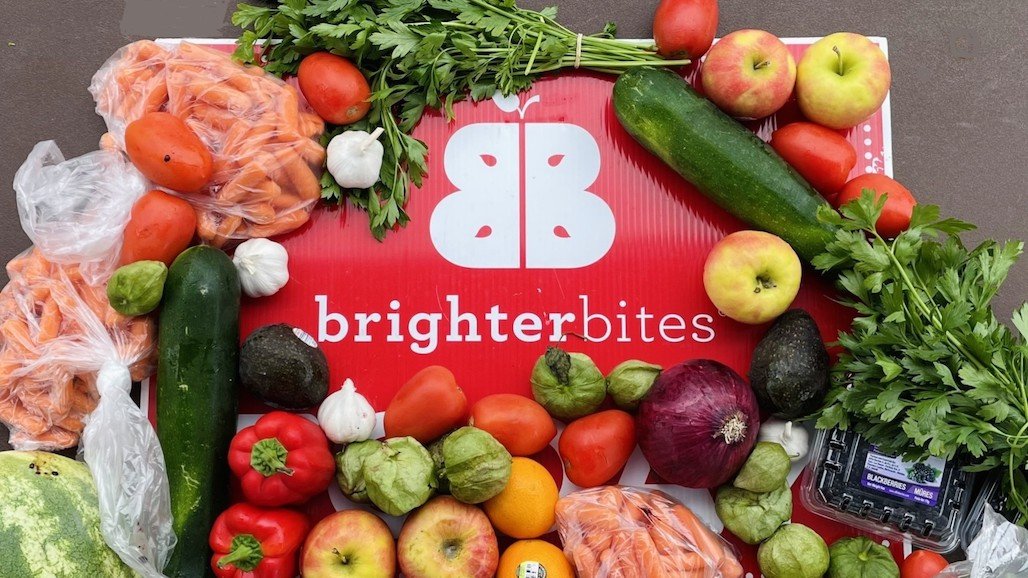
Brighter Bites, a national nonprofit that delivers fresh fruits and vegetables directly into families’ hands, announces its upcoming three-part webinar series which will provide more insight and information on the program impact with its followers, supporters, and potential friends.
Brighter Bites’ first ever webinar series entitled, “Brighter Bites: Our Not-So-Secret Formula”, aims to educate its audience on the Brighter Bites mission, organization’s impact, the ways you can join the movement, and much more. Over the course of the three-part series, attendees will hear a word from the Brighter Bites Founder, Lisa Helfman, testimonials from partners, research and data from Co-Founder, Dr. Shreela Sharma, and stories from inside the schools from a panel of educators.
“We’re so excited to spread the word and educate our audience about our life behind-the-scenes at Brighter Bites through our first-ever webinar series,” said Melissa McDonald, Director of Development at Brighter Bites. “We’re grateful for our team, donors, and volunteers for making this possible and to be able to share exciting announcements about our future initiatives in the communities we serve.”
Brighter Bites: Our Not-So-Secret Formula
Tuesday, August 22 11:30am-12:00pm CST: Fill the Plate
“This webinar allows us to provide our followers, supporters, and potential new friends with insight into the impact of this program,” said Rich Dachman, CEO of Brighter Bites. “You’ll hear more about how the program operates through strong partnerships, how the formula really works in creating healthy change in families, and how the program is changing nutrition education in schools. Brighter Bites works, and we are excited to give you a closer look into the change we’re making in lives across the country.”
To learn more about becoming a corporate sponsor through product or financial donations contact Director of Strategy and Partnerships, Amy Priebe, at amy.priebe@brighterbites.org.
About Brighter Bites:
Brighter Bites is a nonprofit that creates communities of health through fresh food with the goal of changing behavior among children and their families to achieve long-term health. Brighter Bites is an evidence-based, multi-component elementary school, preschool, and summer camp program that utilizes reliable access to fruits and vegetables, nutrition education, and consistent exposure to recipes and messages that feature fresh food. Since 2012, Brighter Bites has provided over 50 million pounds of produce and millions of nutrition education materials to more than 500,000 individuals (including teachers) in Houston, Dallas, Austin, New York City, the Washington, D.C. Metropolitan area, Southwest Florida, Salinas, Los Angeles, Bakersfield, and San Antonio. To learn more about Brighter Bites visit www.brighterbites.org.
Brighter Bites, a national nonprofit that delivers fresh fruits and vegetables directly into families’ hands, announces its upcoming three-part webinar series which will provide more insight and information on the program impact with its followers, supporters, and potential friends.
Brighter Bites’ first ever webinar series entitled, “Brighter Bites: Our Not-So-Secret Formula”, aims to educate its audience on the Brighter Bites mission, organization’s impact, the ways you can join the movement, and much more. Over the course of the three-part series, attendees will hear a word from the Brighter Bites Founder, Lisa Helfman, testimonials from partners, research and data from Co-Founder, Dr. Shreela Sharma, and stories from inside the schools from a panel of educators.
“We’re so excited to spread the word and educate our audience about our life behind-the-scenes at Brighter Bites through our first-ever webinar series,” said Melissa McDonald, Director of Development at Brighter Bites. “We’re grateful for our team, donors, and volunteers for making this possible and to be able to share exciting announcements about our future initiatives in the communities we serve.”
Brighter Bites: Our Not-So-Secret Formula
Tuesday, August 22 11:30am-12:00pm CST: Fill the Plate
“This webinar allows us to provide our followers, supporters, and potential new friends with insight into the impact of this program,” said Rich Dachman, CEO of Brighter Bites. “You’ll hear more about how the program operates through strong partnerships, how the formula really works in creating healthy change in families, and how the program is changing nutrition education in schools. Brighter Bites works, and we are excited to give you a closer look into the change we’re making in lives across the country.”
To learn more about becoming a corporate sponsor through product or financial donations contact Director of Strategy and Partnerships, Amy Priebe, at amy.priebe@brighterbites.org.
About Brighter Bites:
Brighter Bites is a nonprofit that creates communities of health through fresh food with the goal of changing behavior among children and their families to achieve long-term health. Brighter Bites is an evidence-based, multi-component elementary school, preschool, and summer camp program that utilizes reliable access to fruits and vegetables, nutrition education, and consistent exposure to recipes and messages that feature fresh food. Since 2012, Brighter Bites has provided over 50 million pounds of produce and millions of nutrition education materials to more than 500,000 individuals (including teachers) in Houston, Dallas, Austin, New York City, the Washington, D.C. Metropolitan area, Southwest Florida, Salinas, Los Angeles, Bakersfield, and San Antonio. To learn more about Brighter Bites visit www.brighterbites.org.
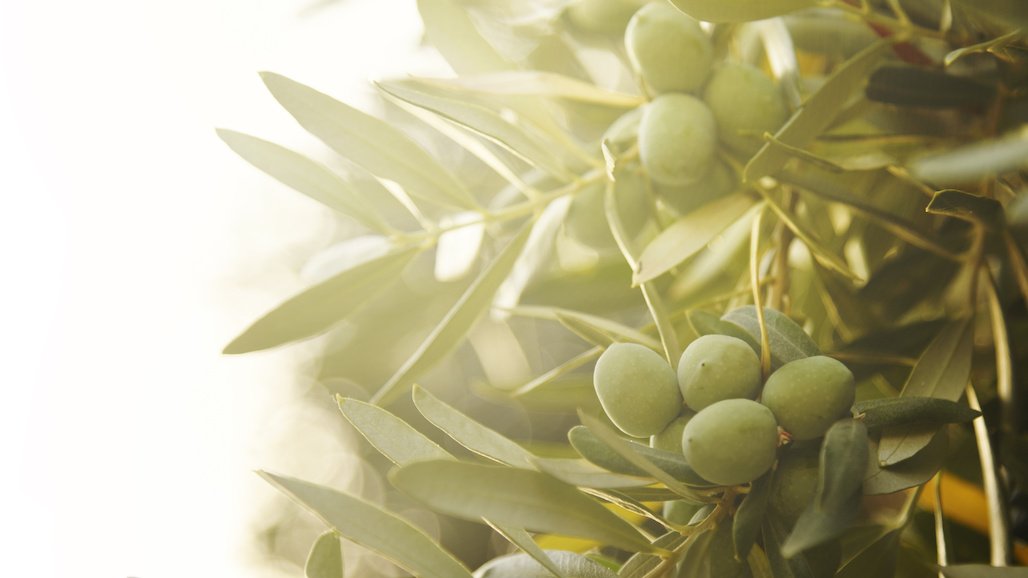
The IX International Olive Symposium grants a golden opportunity for researchers and industry stakeholders to once again share research findings and industry development, at the University of California, Davis, September 10-14th. This is not an annual event, so take advantage of this rare occasion and visit some of the best places that California has to offer!
This 5-day Symposium, hosted by ISHS, will include all aspects of basic and applied research, including: and will include all aspects of basic and applied research, including: breeding & genetics, crop physiology & biology, orchard design, propagation, planting systems, canopy management, soil management, crop protection, harvest, irrigation & fertilization, climate change and sustainable orchard management, precision management and new technologies, table olive & olive oil processing, quality and safety, olive oil health benefits, adulteration, by-products, marketing including, economics, certification and rural policy. For more information and to register to attend, click HERE.
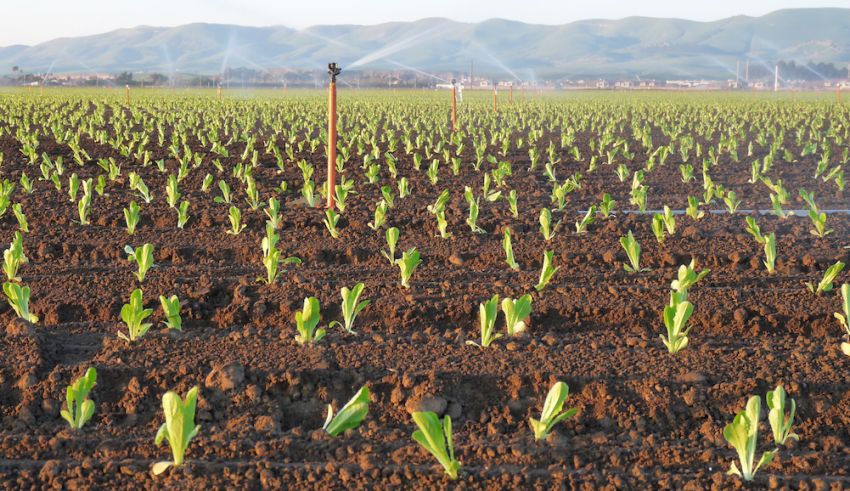
Canada will once again implement additional temporary import requirements for U.S. origin romaine lettuce for Fall 2023. The additional requirements will be in effect from September 28, 2023 to December 20, 2023. As with previous years’ requirements, Canada will require imported romaine lettuce and/or salad mixes containing romaine lettuce originating from the Salinas Valley counties of Santa Clara, Santa Cruz, Monterey, or San Benito to have a negative test for E. coli O157:H7 or a Proof of Origin for romaine and/or salad mixes from other U.S. growing regions.
Since 2019, the Canadian Food Inspection Agency (CFIA) has implemented additional import requirements during the Fall period for U.S. romaine lettuce. Specific testing requirements for E. coli O157:H7 have been implemented since 2020 for romaine lettuce originating from the Salinas Valley counties of Santa Clara, Santa Cruz, Monterey, and San Benito. CFIA is once again implementing requirements for Fall 2023 during the time period of September 28, 2023 to December 20, 2023.
Market Impact
Since 2019, the implementation of additional import requirements for U.S. romaine lettuce during the final quarter of the year has acted as a market disruptor, with Canadian importers and U.S. exporters challenged to implement the new requirements. In November 2019, CFIA issued a notice that imports of romaine lettuce from the United States must not come from lettuce harvested from the counties of Santa Clara, Santa Cruz, Monterey, and San Benito. In October 2020, CFIA’s import requirements permitted imports from the counties of Santa Clara, Santa Cruz, Monterey, and San Benito with the completion of a negative E. coli O157:H7 test. These additional import requirements resulted in logistical challenges around sampling and diagnostic capacity, consumers and wholesalers reported higher prices, and were periodically challenged to source product. With potential threats to a consistent supply, wholesalers began seeking out additional suppliers.
Prior to 2019, the five-year average of fresh lettuce imports into Canada in Q4 was 51,640 MT, with the U.S. market share reaching 99 percent, 62 percent of which came from California. During the past four years, when additional import requirements were in effect, the average Q4 imports were 47,350 MT. During this time, the U.S. market share was down slightly averaging 94 percent with California dropping to 53 percent market share. The average Q4 volume from Mexico almost quadrupled in the 2019-2022 compared to 2014-2018, increasing from one to five percent. Imports of Mexican romaine to Canada in Q4 may be particularly advantaged if additional import requirements for U.S. origin romaine lettuce continue to be burdensome for importers.
Fall 2023 Requirements
During this time, imports to Canada of U.S. romaine lettuce are required to be accompanied by a Proof of Origin confirming that any romaine lettuce and/or salad mixes containing romaine lettuce do not originate from the Salinas Valley counties of Santa Clara, Santa Cruz, Monterey, or San Benito. Should the romaine lettuce and/or salad mixes containing romaine lettuce originating from the Salinas Valley counties of Santa Clara, Santa Cruz, Monterey, or San Benito then CFIA requires testing for E. coli O157:H7 to confirm it is not detected in order for product to be import eligible. Importers will have a temporary condition on their Safe Food for Canadians (SFC) license for these requirements.
The requirements remain similar to the 2022 requirements. For imports originating from the counties of Santa Clara, Santa Cruz, Monterey, or San Benito, importers must provide for a protocol in their preventive control plan outlining how they will implement the required sampling and testing. Each shipment must also have the completed attestation declaring that the appropriate sampling and testing was completed and E. coli O157:H7 was not detected in the shipment (Form CFIA/ACIA 5961). The official Certificate of Analysis for testing must also be included with each shipment.
CFIA provides for two approaches to fulfill the sampling requirements:
1) Finished-product sampling: sampling and testing is to be conducted before product is imported to Canada but is completed after all post-processing and handling steps are finished. A sampling lot is defined as 1 type or product of a size no larger than 1 truckload (maximum 20,400 kg/45,000 lbs). Each sampling lot must have a total sample weight of 1,500 g comprised of 60 randomized individual sample units of 25 g.
2) Pre-harvest sampling: field sampling may be completed no more than 7 d prior to harvest. A sampling lot is defined as a 2 acre field or less. CFIA requires the field to be a homogenous romaine lettuce crop subjected to homogenous agricultural conditions. A total sample weight of 1,500 g comprised of 60 randomized individual sample units of 25 g must be taken from each sample lot. This option is primarily designed to accommodate field-packed product.
The CFIA website provides for additional details on sampling requirements and testing requirements, including accepted methodologies and laboratory accreditation requirements, which are required. — By Alexandrea Watters, USDA Foreign Ag Service
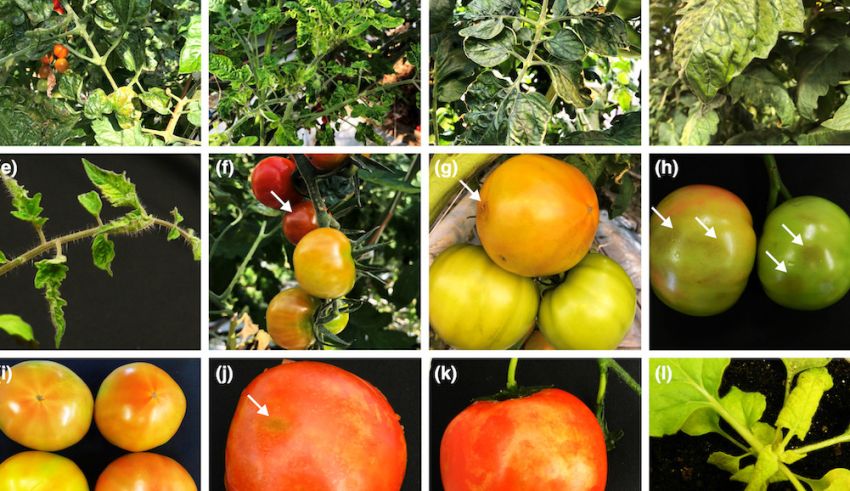
USDA’s Animal and Plant Health Inspection Service (APHIS) is issuing a Stakeholder Registry announcement to solicit public comment on two pathway risk assessments and three potential regulatory policy options for Tomato brown rugose fruit virus (ToBRFV) in fresh tomato and pepper fruit for consumption and plant propagative material (including seeds).
To safeguard U.S. agriculture against the introduction of the virus into the United States, APHIS issued a Federal Order effective on November 22, 2019, to restrict the importation of tomato and pepper fruit and plant propagative material, such as plants intended for planting, plant parts and cuttings, and seeds. On June 3, 2020, APHIS amended the Federal Order to clarify the requirements for fruit, specifically requiring an additional declaration for tomatoes and/or pepper fruit from countries that already must provide a phytosanitary certificate for these commodities. All other requirements remained unchanged.
The distribution of ToBRFV is rapidly changing across the world and given numerous detections of the virus in the United States over the past several years, APHIS is reevaluating the Agency’s policies for regulating fresh tomato and pepper fruit for consumption and plant propagative material (including seeds) for ToBRFV.
APHIS developed pathway risk assessments to update and inform its policy decisions related to the virus. APHIS drafted the following documents: (1) a tomato and pepper fruit for consumption pathway risk assessment, (2) a propagative plant materials pathway risk assessment, and (3) a document that describes three potential regulatory responses considering the pathway risk assessments.
APHIS is seeking scientific information that would provide a greater understanding of the distribution of ToBRFV in the United States and of best management practices, including the development of resistant tomato varieties for this virus. APHIS is also seeking information about the economic impacts of the potential regulatory options.
APHIS is considering three regulatory policy options:
Continue to regulate Tomato brown rugose fruit virus as a quarantine pest but remove those import restrictions for tomato and pepper fruit for consumption. APHIS would continue to regulate propagative materials, including plants and seed, as described in the existing import Federal Order. APHIS would continue to take action on domestic detections of the virus in seeds and other propagative material.
Categorize Tomato brown rugose fruit virus as a non-quarantine pest and rescind the import Federal Order. This action would remove all import restrictions for this virus for fruit for consumption and for propagative materials. APHIS would no longer take action on domestic detections of the virus.
Continue to regulate Tomato brown rugose fruit virus as a quarantine pest and implement the requirements in the existing import Federal Order without change. APHIS would continue to take action on domestic detections of the virus in fruit, seeds and other propagative material for consumption.
APHIS will accept public feedback for 30 days following the publication of the documents on the Stakeholder Risk Assessment Consultation web page: https://www.aphis.usda.gov/plant-health/risk-assessment-consultation. APHIS will consider all comments received by August 30, 2023.
As the avocado industry continues to boom in sales and pop culture, Fresh Avocados – Love One Today®, a leading science-based resource founded by the Hass Avocado Board (HAB), celebrates its 10th anniversary with news of continued big strides in elevating positive awareness for the health benefits of avocados, a proven driver for stimulating demand in the U.S. Founded in 2013, Love One Today has focused on reducing purchase barriers by telling avocado’s nutrition story, starting with the benefits of good fats amidst a challenging landscape of contradictory policy opinions. As registered dietitians are amongst the most influential health professionals when it comes to nutrition, it is especially exciting to see that in the 2023 HAB tracking study analyzing health professional’s attitudes and awareness, eighty percent (80%) of surveyed registered dietitians now recommend avocados as a source of good fat to their clients, reflecting a 25% increase since 2013.1,2
“For ten years, Love One Today has been steadily improving public opinion and advocacy for the nutritional value of fresh avocados because the health benefits are a key purchase driver,” explained Gina Widjaja, Senior Director of Marketing and Communications, Hass Avocado Board. “The impact on demand as well as pop culture thanks to targeted programs for registered dietitians validates the approach and prompted successful campaigns focused on physicians and nurses who increasingly want to be more confident advising patients about nutrition. We are driven to keep supporting the industry by moving the conversation from avocados being a fad, party food to an invaluable investment in good health.”
Love One Today works in partnership with the Avocado Nutrition Center, HAB’s research resource dedicated to discovering and validating the role of fresh avocados in improving human health without bias.
“This year also marks the 10th anniversary of the first publication supported by theAvocado Nutrition Center,” commented Dr. Nikki Ford, Senior Director of Nutrition, Hass Avocado Board. “After a decade of learning and nearly 50 peer-reviewed publications, passion still runs high to add to the growing body of evidence supporting avocado’s benefits on heart health, weight management, diabetes and healthy living across the lifespan.”
Love One Today is increasingly recognized as a leading source of the healthiest reasons and tastiest ways to enjoy avocados. The resource provides a robust pipeline of free recipes, educational handouts, and easy-to-follow meal plans on LoveOneToday.com to help health professionals break down the science and further inspire their clients to enjoy avocado’s goodness every day.
The Love One Today nutrition marketing program and research supported by the Avocado Nutrition Center are key to driving public trust in how Hass avocados are healthy for people, a core tenet of HAB’s 5 Year Objectives. The opportunity for the future of the industry grows as the science-based relationship between avocados and priority health pillars is better understood and promoted.
About The Hass Avocado Board
The Hass Avocado Board (HAB) exists to help make avocados America’s most popular fruit. HAB is the only avocado organization that equips the entire global industry for success by collecting, focusing, and distributing investments to maintain and expand demand for avocados in the United States. HAB provides the industry with consolidated supply and market data, conducts nutrition research, educates health professionals, and brings people together from all corners of the industry to collectively work towards growth that benefits everyone. The organization also collects and reallocates funds to California and importer associations to benefit specific countries of origin in promoting their avocado brands to customers and consumers across the United States.
Avocado Health Professional Tracking Study 2023, Cooper Roberts Research
Health Professional Tracker Study 2013, WebMD and foodminds
Today, Congressman David G. Valadao (CA-22) introduced two bipartisan bills to improve the domestic specialty crop industry – the Specialty Crop Domestic Market Promotion Program Act and the Specialty Crop Mechanization Assistance Act. Specialty crops are a cornerstone of California agriculture – the state produces the most specialty crops in the country both in quantity and diversity, with over 400 different commodities produced in the state per year.
“Our specialty crop producers in California have faced many challenges over the last few years. From supply chain backlogs at our ports, rising input costs, labor shortages, and drought – farmers have continued growing our nation’s food despite these obstacles,” said Congressman Valadao. “Specialty crop producers face unique challenges, and we need to ensure they are better equipped to handle them. These bills make technology and resources available to our specialty crop producers so they can access new markets and remain competitive.”
“American farmers produce some of the best quality and nutritious food in the world. Our fresh fruit and vegetable industries are critical to our food security and rural economies,” said Congressman LaMalfa. “I’m pleased to join my colleagues in cosponsoring these important pieces of legislation for our specialty crop producers and California agriculture.”
“California produces over half of the nation’s fresh produce. But supply chain disruptions, COVID-19, and the drought have made it more difficult for specialty crop producers to put food on America’s dinner table,” said Congressman Costa. “I’m proud to support these pieces of legislation to equip producers with the tools they need to access new markets and safeguard our food supply chain.”
“CFFA is proud to have worked with the California Table Grape Commission to co-lead this effort to expand the promotion of the U.S. specialty crop industry domestically. Many healthy specialty crops are grown in the U.S. and should be enjoyed by all Americans. The Specialty Crop Domestic Market Promotion and Development Program Act of 2023 will enhance the opportunity of American growers, including CFFA members, to better market their produce to U.S. consumers. CFFA thanks Congressman Valadao and Congressman Costa for their bipartisan partnership to support American farmers and consumers,” said President of the California Fresh Fruit Association Ian Lemay.
California Fresh Fruit Association President Ian LeMay (Photo by Matthew Malcolm)
“CFFA is proud to have worked with the California Table Grape Commission to co-lead this collaborative effort to help equip farmers with the tools and technologies they need to thrive in a rapidly changing world. I would like to thank Congressman Valadao and Congressman Costa for their partnership to support the needs of American agriculture. This bill will not only support farmers, but also their employees, to ensure that America continues to a global leader in agricultural production,” said President of the California Fresh Fruit Association Ian Lemay.
The Specialty Crop Domestic Market Promotion Program Act would create a program that helps specialty crop producers market their products to access American markets. It replicates the popular Market Access Program (MAP) through USDA’s Agriculture Marketing Service (AMS) specifically for specialty crop producers to break into niche domestic markets. Rep. Valadao was joined in introduction of the bill by Reps. Darren Soto (FL-09), Jim Costa (CA-21), and Doug LaMalfa (CA-01).
The Specialty Crop Mechanization Assistance Act makes it easier for specialty crop producers to remain competitive in the face of labor shortages by making expensive automation technology more accessible to producers. This bill aims to create a reimbursement-based cost-share program which would permit growers and processors to invest more in these time and money-saving technologies. Rep. Valadao was joined in introduction of the bill by Reps. Jim Costa (CA-21), Jimmy Panetta (CA-19), and Dough LaMalfa (CA-01).