Category: Non-Video

  • Novel Technology May Lead to Improved Citrus Varieties

    Novel Technology May Lead to Improved Citrus Varieties

    Developing disease-resistant, high-quality improved crop varieties to benefit agricultural producers and consumers may seem like a “hairy” task, but Texas A&M AgriLife Research scientists may have gotten to the root of the issue.

    A new biological technology that develops and multiplies disease-resistant citrus plants using “hairy roots” is under development by an AgriLife Research team led by Kranthi Mandadi, Ph.D. Mandadi is an AgriLife Research associate professor at the Texas A&M AgriLife Research and Extension Center at Weslaco and a faculty member of the Department of Plant Pathology and Microbiology and the Institute for Advancing Health Through Agriculture in Bryan-College Station.

    At the root of their project is developing new ways to fight fastidious pathogens, which infect living plants and resist growth in a lab setting for study. One such fastidious pathogen causes citrus greening — a significant problem for the citrus industry.

    Since 2021, Mandadi has spearheaded a $7 million U.S. Department of Agriculture National Institute of Food and Agriculture, multi-state Coordinated Agricultural Project that is also a designated NIFA Center of Excellence to combat citrus greening.

    “Fastidious plant pathogens infect citrus, tomatoes, potatoes, grapes, peppers and other crops grown throughout Texas,” said Dirk Hays, Ph.D., director of the Texas A&M AgriLife center at Weslaco. “Often transmitted by insect vectors, these disease agents are responsible for billions of dollars in agricultural losses yearly.”

    A breakthrough in plant disease therapies

    The U.S. Department of Agriculture estimates the citrus industry would prevent $3 billion in losses per year by controlling citrus greening alone.

    Assay plate of “hairy roots” that may be used to develop improved varieties of citrus and other plants. (Texas A&M AgriLife photo)

    In recent years, Mandadi and his team at Weslaco developed a breakthrough method as an alternative means to propagate fastidious bacteria responsible for citrus greening and other insect-vectored diseases such as potato zebra chip and tomato vein greening disease.

    “We developed a technology that uses pathogen-infected host tissues to produce so-called ‘hairy roots’ that can serve as biological vessels for the propagation of these pathogens in the laboratory,” Mandadi said.

    The hairy root screening technique has already led to the discovery of new antimicrobial peptides and chemicals with proven efficacy in plant materials, said Sonia Irigoyen, Ph.D., an AgriLife Research scientist who helped develop the hairy root technology.

    “These antimicrobials, either singly or in combination, could be used as near- and long-term therapies to control citrus greening, potato zebra chip and tomato vein greening diseases,” she said.

    Now, in their most recent study, Mandadi and his team investigated how to use this hairy root technique in plant transformation and bioengineering improved citrus.

    Hairy root-based genetic engineering of citrus

    Citrus plant regeneration from hairy roots. (Texas A&M AgriLife photo)

    Building on previous success, in their latest study called “Rhizobium rhizogenes-mediated hairy root induction and plant regeneration for bioengineering citrus,” recently published in the high-impact Plant Biotechnology Journal, Mandadi and his team showed proof of the concept of engineering citrus using hairy roots.

    In addition to Mandadi and Irigoyen, study co-authors include Manikandan Ramasamy, Ph.D., Michelle Dominguez, B.S., and Carmen Padilla, Ph.D., all AgriLife Research scientists at Weslaco. The study was supported by grants from the U.S. Department of Agriculture, the Foundation for Food and Agricultural Research, Texas A&M AgriLife Research Insect-Vectored Disease Seed Grants, and the Institute for Advancing Health Through Agriculture.

    “Developing new plant varieties with improved genetics using conventional breeding or the latest bioengineering and CRISPR tools can be quite laborious, often taking multiple years,” Mandadi said. “The ability to overcome this bottleneck and improve this process, particularly for hardy, slow-growing, perennial trees like citrus, can be a game changer and a boon to producers and consumers.”

    A more efficient, quicker method for breeding hardier citrus

    In their most recent study, the researchers used R. rhizogenes to induce transgenic hairy roots from diverse citrus cultivars such as grapefruit, sweet orange, rough lemon and citron at efficiencies of 28% to 75%. This level of efficiency is at least twice — potentially greater — than those seen with previous methods for citrus transformation, making for a faster and less costly process.

    After making sure a transgenic root had the proper genetics, the team was then able to regenerate and clone several identical, transgenic plants from it.

    Ramasamy said while scientists have used multiple methods in the past to transform crops, the efficiency of genetic modification of tree crops like citrus has been challenging due to their slow growth and difficulties in regeneration.

    “However, we were able to demonstrate a versatile R. rhizogenes-mediated hairy root induction, plant regeneration and clonal propagation approach that could be helpful for multiple bioengineering and gene-editing applications in citrus and other tree crops,” he said.

    The proposed R. rhizogenes-mediated citrus hairy root induction, shoot regeneration and multiplication process achieved in about six months what typically took approximately 12-18 months using the previously described transformation method.

    “This means we will be able to develop and multiply disease-resistant citrus plants using root tissue more quickly and get them established much faster than when using the previous approaches,” Mandadi said. “The entire throughput for developing more disease-resistant citrus and other plants will be greatly expedited.”

    Mandadi said the hairy-root mediated transformation could benefit citrus producers in many ways by speeding the development of new varieties with superior disease resistance, as well as resilience to environmental stresses, increased production efficiency and improved nutritional quality.

    “It will also benefit the consumer in that they can expect to continue to have a supply of their favorite fruits and other items with characteristics they find most appealing in their produce,” he said.

  • Opportunities for Fruit & Vegetable Exports to Malaysia

    Opportunities for Fruit & Vegetable Exports to Malaysia

    Malaysia was the 26th-largest export destination for U.S. agricultural products in 2022, totaling nearly $1.1 billion in value, and is a top prospect for exports of food and beverage ingredients because of its large and growing food processing industry. Food and beverages manufactured in Malaysia not only serve domestic consumers but are also exported to many neighboring countries. U.S. exports of dairy products, fresh and processed potatoes, food-grade soy, processed fruit and juices, tree nuts, and more have many opportunities to supply the Malaysian food processing sector, which depends on imports for key ingredients and inputs, and in doing so reach consumers across Malaysia and throughout Southeast Asia.

    Macroeconomic Perspective

    Malaysia has a diverse and open economy with a gross domestic product (GDP) per capita that is among the highest in Southeast Asia at $12,360 in 2022. Malaysia is currently considered an upper-middle income country by the World Bank (countries with gross national income per capita between $4,466 and $13,845) but is expected to become a high-income country within the next few years. According to the International Monetary Fund, Malaysia’s real GDP growth has been mostly between 4 and 5 percent in recent years, apart from major shifts between 2020 and 2022 due to the COVID-19 pandemic. With an estimated population of 34 million in 2022, Malaysia is the 43rd-most-populous country in the world and the 6th-most-populous member state of the Association of Southeast Asian Nations (ASEAN).

    Agricultural Trade and the Food Processing Industry

    Malaysia is the 26th-largest export destination for U.S. agricultural products, with exports valued at nearly $1.1 billion in 2022. The United States was Malaysia’s eighth-largest supplier, accounting for 5.6 percent of total agricultural imports. The mix of U.S. products is diverse, ranging from bulk products such as soybeans, wheat, and cotton to consumer-oriented products such as dairy, tree nuts, fruits, and vegetables.

    U.S. Agricultural Exports to Malaysia
    Value in Millions, U.S. Dollars

    The Malaysian food processing sector accounts for around 10 percent of total domestic manufacturing output and supplies in both the internal and export markets. To serve its consumers domestically and abroad, the Malaysian food processing industry depends on imported ingredients. The manufacturing of dairy products, wheat flour-based products, processed fruit and vegetables, and various specialty foods and beverages rely heavily on imports. The United States is an important supplier of many of these ingredients, and prospects are strong because of the size and growth of Malaysian food processing. Because Malaysia is a regional supplier of processed foods, U.S. food and beverage processing ingredients can reach consumers in Malaysia, throughout Southeast Asia, and beyond.

    The U.S. agricultural products that have high potential to expand in the Malaysian market for use in food processing include: dairy products; fresh and processed potatoes; food-grade soy products; processed fruit and juices; and tree nuts.

    Tree Nuts

    Malaysia imported $196 million of tree nuts from all suppliers in 2022, down from $204 million in 2021. The United States exported $32.4 million to Malaysia in 2022 and was the second-largest supplier behind Indonesia, holding 19 percent market share. Shelled almonds made up 68 percent of U.S. tree nut exports to Malaysia, with $22.2 million exported there in 2022. Other top products include in-shell pistachios ($3.5 million), shelled walnuts ($3.4 million), and in-shell almonds ($1.6 million). The United States holds a very high market share in Malaysia for imported shelled almonds, at nearly 85 percent, and a high market share for shelled walnuts (64 percent) and in-shell pistachios (48 percent). According to Euromonitor International, sales of nuts, seeds, and trail mixes in Malaysia have increased 4.5 percent annually, on average, since 2018, and this growth rate is forecast to increase during the next 5 years. Almonds, pistachios, and walnuts are common ingredients in nut mixes, and U.S. exports have good prospects because of the current market share for these tree nuts.

    Trade Policy

    Malaysia is a member of ASEAN and is thus part of the ASEAN Free Trade Area along with its neighbors Brunei, Cambodia, Indonesia, Laos, Burma, Singapore, Thailand, and Vietnam. As part of ASEAN, it has free trade agreements (FTAs) with Australia, the People’s Republic of China (PRC), India, Japan, New Zealand, and the Republic of Korea (South Korea). Malaysia is a party to the Comprehensive and Progressive Agreement for Trans-Pacific Partnership and the Regional Comprehensive Economic Partnership. Malaysia also has seven bilateral FTAs with countries including Australia, the PRC, India, Japan, New Zealand, Pakistan, and Türkiye. For information on trade policy and regulations relevant to the export of food processing ingredients to Malaysia, see FAS’s most recent Malaysia: Food Processing Ingredients GAIN report.

    Conclusion

    Due to its expanding food processing industry, Malaysia is a major prospect for the export of food and beverage ingredients and is a significant export destination for U.S. agricultural products. The Malaysian food processing sector, which depends on imports for essential ingredients and inputs, has many opportunities to benefit from U.S. exports of dairy products, fresh and processed potatoes, food-grade soy, processed fruit and juices, tree nuts, processed food and beverages, snacks, and more. Food and beverages manufactured in Malaysia not only serve domestic consumers but are also exported to many neighboring countries. Given that Malaysia is a key regional supplier of processed foods, U.S. food and beverage ingredients can effectively reach consumers not only within Malaysia but also throughout Southeast Asia and beyond.

  • USDA Expands Crop Insurance Coverage Options for Specialty Crops  

    USDA Expands Crop Insurance Coverage Options for Specialty Crops  

    The U.S. Department of Agriculture (USDA) is expanding its insurance coverage options for specialty crops and other actual production history (APH) crop programs. Through its Risk Management Agency (RMA), it will expand the availability of enterprise units to crops where they were previously unavailable, giving agricultural producers greater options to manage their risk.

    An enterprise unit allows a producer to insure all acres of the insured crop in the county together, as opposed to other unit structures that separate the acreage for insurance. Enterprise units are attractive to producers due to lower premium rates offered to recognize the lower risk associated with the geographic diversification. In general, the larger the enterprise unit, the lesser the risk, and the greater the enterprise unit discount.

    “We want to make sure we are giving the nation’s agricultural producers the strongest risk management tools possible – and one of those is flexibility,” said Marcia Bunger, Administrator for the Risk Management Agency. “This expansion of enterprise units gives producers more choices for how they can protect their operations and themselves best. That is our ultimate goal.”

    This furthers RMA’s efforts to improve and expand the insurance program for specialty crops as required by the 2018 Farm Bill. Moreover, this expansion also meets producer requests for enterprise units for other APH crop insurance programs. The initial set of targeted crops can enjoy this new option when it becomes effective on June 30, 2023. RMA plans to expand to dozens more specialty and other APH crop programs with these benefits in the coming months.

    “This expansion of enterprise units provides more producers the same options for discounted insurance coverage as row crops,” Bunger added.

    The following crops will have enterprise units available beginning with the 2024 crop year:

    • Alfalfa seed
    • Cultivated wild rice
    • Forage production
    • Mint*
    • Onions*
    • Potatoes* (Enterprise units will be available in California for the 2025 crop year)

    *Specialty Crop

    More Information

    Crop insurance is sold and delivered solely through private crop insurance agents. A list of crop insurance agents is available at all USDA Service Centers and online at the RMA Agent Locator. Learn more about crop insurance and the modern farm safety net at rma.usda.gov or by contacting your RMA Regional Office.

  • California Fresh Fruit Association Continues to Support Growers for Over 100 Years

    California Fresh Fruit Association Continues to Support Growers for Over 100 Years

    Every summer, people around the country enjoy luscious fruits like apricots, table grapes, kiwis, peaches and plums. And since California is the nation’s largest producer of each of these commodities, there’s a good chance those fruits were grown right here in the Golden State.

    Working to protect the interests of growers of these and several other permanent fruit crops is the California Fresh Fruit Association (CFFA). With roots dating back to 1921, it’s one of the oldest agricultural trade associations in California, said Courtney Razor, CFFA’s Director of Member Services and Communications.

    “CFFA is a public policy organization that advocates on behalf of 13 permanent, fresh fruit commodities, everything from blueberries to stone fruit to table grapes,” Razor said. “We advocate for our grower and shipper members at the local, state and federal levels on a vast array of issues including but not limited to labor, water, trade and food safety.”

    Statewide, the association has about 350 members from Lake County to the Coachella Valley, with the bulk of operations clustered between Madera and Kern counties.

    Keith Hesterberg, President and CEO of Fresno Madera Farm Credit, said without CFFA members, consumers would have much less fresh fruit.

    “According to state statistics, California growers lead the nation in the production of apricots, figs, table grapes, kiwis, nectarines, peaches, persimmons, plums and pomegranates – and second nationally in blueberries and cherries,” Hesterberg said. “In fact, the state is basically the sole source of American production of kiwis, nectarines, clingstone peaches and plums. Farm Credit is proud to support many different commodities like fresh fruit that are such important parts of California agriculture.”

    Farm Credit Alliance members AgWest Farm Credit, American AgCredit, CoBank and Fresno Madera Farm Credit are proud supporters of CFFA. The organizations are part of the nationwide Farm Credit System – the largest provider of credit to U.S. agriculture.

    Razor said water supply and implementation of the state’s groundwater management system were key priorities, even in this extremely wet water year.

    On the labor front, CFFA members were disappointed in the passage of AB 2183 last year, which permits so-called “card check” voting for union representation instead of secret-ballot elections that allow workers to vote without fear of coercion. She said the association has been working with other ag organizations to educate members about how to comply with the new requirements. The group is also supportive of technological research and mechanization with the goal of making farm practices more efficient.

    She credits the Association for rising to the occasion during the COVID-19 pandemic to ensure CFFA members and their employees had access to personal protective equipment and vaccinations so growers could provide safe working environments and ensure fruit could be harvested and transported to consumers.

    Razor also thanked Farm Credit for its sponsorship of CFFA’s 87th Annual Meeting, which was held in March this year at The Lodge at Torrey Pines near San Diego.

    “The California Fresh Fruit Association is extremely grateful to Farm Credit for their continued partnership and support in helping us make the event a success each year. At our 2023 Annual Meeting, we had 225 members in attendance who heard from keynote speakers about priorities taking place this year at the state Capitol and in Washington, D.C. as lawmakers begin preparations for the Farm Bill,” she said.

    Mark Littlefield, President and CEO of AgWest Farm Credit, said supporting organizations advocating for California agriculture is an important priority for Farm Credit’s philanthropical efforts.

    “The issues CFFA works on are absolutely critical to the success of our state’s fruit growers – indeed, all of California’s farmers and ranchers,” Littlefield said. “Without water, a labor force and the ability to export crops overseas, the industry that feeds the nation and the world could not exist, which is why it’s so important that CFFA and other advocacy organizations do such a great job of educating policymakers here in California and in Washington, D.C.”

    About Farm Credit: 

    AgWest Farm Credit, American AgCredit, CoBank and Fresno Madera Farm Credit are cooperatively owned lending institutions providing agriculture and rural communities with a dependable source of credit. For more than 100 years, the Farm Credit System has specialized in financing farmers, ranchers, farmer-owned cooperatives, rural utilities and agribusinesses. Farm Credit offers a broad range of loan products and financial services, including long-term real estate loans, operating lines of credit, equipment and facility loans, cash management and appraisal and leasing services…everything a “growing” business needs. For a link to this article and for more information, visit www.farmcreditalliance.com.

    About the California Fresh Fruit Association:

    The California Fresh Fruit Association is a voluntary public policy organization that represents growers, packers, and shippers of the California table grape, blueberry, kiwi, pomegranate, and deciduous tree fruit communities. CFFA serves as a representative for these growers, shippers, and packers, on issues at both the state and federal levels. More information on the Association can be found at www.cafreshfruit.com.

  • Over 25 Farming Robots to be Featured at FIRA USA 2023 this Fall in Salinas

    Over 25 Farming Robots to be Featured at FIRA USA 2023 this Fall in Salinas

    Weeding, harvesting, picking, carrying,… Robots are today’s answer to many challenges facing agriculture. And they will show up this fall in Salinas for the second edition of FIRA USA. From September 19 to 21, the Salinas Sports Complex, home of the famous California Rodeo Salinas, will be the place to discover the autonomous farming solutions in action. During three days, expo, demos, pitch sessions and even a robot parade will take place in the Salad Bowl of the World. Please note that the traveling event through California FIRA USA not only focuses on vegetables: trees and vineyards are also at the heart of the environmental and labor issues that agriculture must address… just like FIRA USA!  For this reason, Malcolm Media is partnering with FIRA-USA, and California Ag Network, California Fruit & Vegetable, Pacific Nut Producer, and American Vineyard Magazines are among the proud sponsors of this special event, so be sure to come see us there.

    25+ robots for farming autonomously

    FIRA’s organizers, French association GOFAR, Western Growers and University of California ANR/The VINE announce that already 25 robots have signed up for FIRA USA 2023.

    “Even if FIRA USA 2022 in Fresno was already a success, this year marks a real turn: four months before the event, we already confirmed 25 robots – and it’s just the beginning!”notes Maialen Cazenave, co-director in charge of the partnerships at GOFAR. “Coming from California, other states in the US, and even from Europe, we expect another 10 to 20 robots to partner with us – and we have space to welcome them both on the exhibition area and on the demo zones (on vegetables, fruits, orchards, and vineyards)”.

    From weed control to fruits picking, robots main functions at FIRA USA

    Here is the list of the 25 robots from the companies that already confirmed their participation in FIRA USA 2023:

    • ●  Bluewhite (USA – California): Bluewhite’s Pathfinder transforms any brand of existing orchard or vineyard tractor into a fully autonomous fleet, capable of executing multiple tasks, such as spraying, herbicide, discing, mowing, or harvesting, with high precision and operating efficiency.
    • ●  Naïo Technologies (France and USA – California): Oz, Ted, Orio and Jo: light electric and autonomous ag. robots to offer a sustainable alternative to the use of herbicides that can interface with smart implements to offer a high precision weeding, seeding, mowing and a very precise guidance of the implements.
    • ●  Carbon Robotics (USA – California): high-precision LaserWeederTM leverages sophisticated AI deep learning technology, computer vision, robotics, and lasers.
    • ●  Stout Industrials (USA – California): the Stout Smart Cultivator is a software-defined, tractor-drawn implement that uses machine vision and artificial intelligence to cultivate and weed fields using mechanical blades.
    • ●  Agtonomy (USA): A fully electric, reference tractor that executes labor-intensive field missions such as mowing, spraying, transport, and weeding, in the toughest terrain.
    • ●  Ecorobotix (Switzerland): ARA is a high-precision sprayer developed by Ecorobotix, which enables the ultra-targeted application of herbicides, fungicides, insecticides or fertilizers, reducing the use of them up to 95%.
    • ●  Solinftec (Brazil): scouting robot that scans the crops and record their growth rates, plant health the prevalence of any weeds, suited for farms around 500 acres and works with several types of row crops including corn, soybeans, cotton, wheat, canola and many others.
    • ●  Nexus Robotics (Canada): weeding and scouting robot that provides farmers with real-time information about the size and health of their crops.
    • ●  Verdant Robotics (USA – California): multi-action, autonomous farm robot capable of millimeter-accurate spraying, laser weeding, and AI-based digital crop modeling.
    • ●  GUSS Automation (USA – California): GUSS autonomous sprayers provide a solution to labor challenges while increasing efficiency, precision and safety in orchards, vineyards, and high-density orchards.
    • ●  SeedSpider (USA – California): the WeedSpider can be configured to efficiently and accurately mechanically weed, mechanically thin, or precision spray commercial vegetable crops.
    • ●  Farm-ng (USA – California): Amiga is a modular, all-electric micro-tractor that can turn-in-place, haul, lift, carry tools, cultivate, and is easy to adapt to any farm’s cropping systems and cultural practices.
    • ●  Monarch Tractor (USA – California): fully electric, driver-optimal, smart Tractor platform built to empower farmers by enabling profitable implementation of sustainable and organic practices.●  Mantis Ag Technologies (USA – California): from thinners to sprayers and cultivators, the line of products turns intelligence, automation and data into smart, practical solutions for growers.●  Burro (USA – California): Burros use computer vision, high precision GPS, and AI to follow people to navigate autonomously from A to B while carrying various payloads.●  Robotics Plus (New Zealand): modular platform, designed to accommodate swappable attachments for spraying – mowing, trimming and weed control under development.●  Aigen (USA – Washington) : robotics platform powered by the sun, directly. Like a plant! We aim for affordability and scale, while others aim for high profit margins. We start with the farmer first, and build our platform from there.●  EDETE (Israel): end-to-end artificial pollination service comprising 2 steps that mimics the natural pollination process: 1. collecting and 2. distributing pollen.

      ●  K.U.L.T. (Germany): agricultural machines for soil cultivation and weeding solutions for vegetable production, field crops, ornamental production, herbs, grassland, vineyards, orchards,

      ●  Sabanto (USA – Iowa): aftermarket autonomy system installed on tractors.

      The US largest in-field demo zone for robots

      FIRA USA will host the largest demo zone of farming robots.

      Managed by Triangle Farms, Pacific Ag Rentals and the University of California, the crops will be available for the robots to show their functions on vegetables, fruits, orchards and vineyards.

      To exhibit and/or make a robot demos, manufacturers can contact Maialen Cazenave:

      fira.usa@fira-agtech.com

      Registrations to FIRA USA 2023 are open, please visit: www.fira-usa.com

      About GOFAR

      The GOFAR non-profit organization undertakes to promote and develop the agricultural robotics sector at international level. Like RobAgri, whose objective is to facilitate the technical development of agricultural robots, GOFAR meets the increasing need for visibility and networking of the agricultural robotics sector.

      About Western Growers

      Founded in 1926, Western Growers represents local and regional family farmers growing fresh produce in Arizona, California, Colorado and New Mexico. Our members and their workers provide over half the nation’s fresh fruits, vegetables and tree nuts, including nearly half of America’s fresh organic produce. Some members also farm throughout the U.S. and in other countries so people have year-round access to nutritious food. For generations, we have provided variety and healthy choices to consumers.

      About The Vine, UC ANR

      The VINE, an initiative of University of California, Agriculture and Natural Resources, is California’s agriculture, food, and biotech innovation network. Our mission is to harness the power of open innovation to help industries and entrepreneurs grow and scale globally while catalyzing technology innovation and commercialization for productive, sustainable, and equitable food systems.

      We connect entrepreneurs to a vast network of public and private sector resources, build collaborations that accelerate technology solutions to solve industry challenges, and grow regional capacity to support global innovation as an economic opportunity.

  • National Watermelon Retail Merchandising Contest Call for Entries

    National Watermelon Retail Merchandising Contest Call for Entries

    The National Watermelon Promotion Board (NWPB) invites all retail chains, independent retailers and commissaries to submit entries to their 15th annual Watermelon Retail Merchandising Contest.  More than $10,000 in cash and prizes will be awarded to top entrants, including $5,000 for the grand prize for winner. The second place winner will receive $2,500, third place will receive $1,000 and three honorable mentions will each receive $500. An additional incentive of a $15 gift card will be awarded to the first 25 entries.

    Additional prizes will be awarded thanks to a continued partnership with Tajín® for the 2023 season. The first 100 entries that include watermelon and Tajín seasonings in their in-store display submissions or in their mixed merchandising tactics in social, digital, print and web marketing will each receive a $20 Amazon digital gift card.

    NWPB’s partnership with Tajín will add to the chance for incentives for stores to enter and will increase the reach of the contest while offering retailers a great cross-merchandising opportunity. Fresh watermelons and Tajín – a chili/lime seasoning — are a perfect complement, as the flavor profile of watermelons combined with the ‘zing’ of Tajín creates a new eating experience for many consumers.

    “We couldn’t be more thrilled to ‘add a little zing’ to our contest with Tajín,” said Juliemar Rosado, Director of Retail and International Marketing. “Watermelons and Tajín lend themselves to many flavors and cuisines. Cross-merchandising promotions are always a great opportunity to showcase more than one item AND the benefits of both.”

    “We have partnered with the NWPB for several years,” stated Eric Patrick, Partnership Brand Manager. “Consumers always love the experience, and we look forward to seeing the creative merchandising and marketing efforts that retailers big and small will create this year. Watermelons and Tajín are a delicious combination, and these joint efforts create a ton of interest in both products.”

    The contest began in July to honor National Watermelon Month and runs throughout the month of August and is used by NWPB to encourage and identify retailers who are showcasing watermelon’s benefits including happiness, health, value and versatility.

    To enter a promotion, retailers can submit their entry and photos, links, screenshots, etc., online, via email or postal mail. All entries must be submitted/postmarked by midnight Eastern on September 15, 2023. Visit: http://watermelon.org/Retailers/Retail-Contest for more information, including official contest rules and entry form, or email NWPB at retail@watermelon.org.

    About National Watermelon Promotion Board

    The National Watermelon Promotion Board (NWPB), based in Winter Springs, Florida, was established in 1989 as an agricultural promotion group to promote watermelon in the United States and in various markets abroad. Funded through a self-mandated industry assessment paid by more than 700 watermelon producers, handlers and importers, NWPB mission is to increase consumer demand for watermelon through promotion, research and education programs.

    A serving of nutrient-dense watermelon provides an excellent source of Vitamin C (25% DV), a source of Vitamin B6 (8% DV), and a delicious way to stay hydrated (92% water), with only 80 calories per 2-cup serving. Watermelon consumption per capita in the United States was nearly 15.5 pounds in 2022. Watermelon consumption in the United States was nearly 5.2 billion pounds in 2022. The United States exported an additional 328 million pounds of watermelon. For additional information, visit www.watermelon.org.

    About Tajín Seasonings

    Industrias Tajín is a 100% Mexican company, leader in Mexico and United States markets in chili powder, and one of the most important in the production and commercialization of products derived from chili worldwide. It has presence in more than 65 countries around the world. It was founded in 1985, surprising consumers with the perfect blend of lime, chili, and sea salt. In 1993, Tajín exports to the United States for the first time and Tajin International Corporation is established in Houston, TX, from where all the commercial activity of the brand in the U.S. is managed. The brand arrived in the Central American and European markets in 2006.

    Last year’s (2022) Contest Winners

  • California Strawberry Commission Fills Two Key Positions

    California Strawberry Commission Fills Two Key Positions

    The California Strawberry Commission (CSC) is announcing two key hires to advance the industry through research and communications.


    Dr. William “Bill” Turechek joins the CSC as the new Vice President of Research. Bill joins the CSC after serving since 2006 as a Research Plant Pathologist at the USDA-ARS Horticultural Research Laboratory in Fort Pierce, Florida, where he worked on epidemiology and management of strawberry and vegetable diseases.

    Dr. Turechek has over 100 peer-reviewed research articles and book chapters, has raised tens of millions of dollars in extramural funding, and has served as senior editor for the journals Plant Disease and Phytopathology. His areas of expertise include plant disease epidemiology, disease management, and statistics, with an emphasis on diseases that occur in strawberry and annual vegetable production.

    “We are excited to have Dr. Turechek join the California Strawberry Commission and utilize his expertise to aid the 400+ family-owned strawberry farming operations in California,” said Rick Tomlinson, California Strawberry Commission President.

    “I am honored to join the California Strawberry Commission and I am looking forward to meeting and getting to know the many growers, shippers, and processors in the California strawberry industry. As the Vice President of Research, one of my primary goals is to work closely with the industry to identify key research needs, and then make it happen. In leading the Commission’s research efforts, I hope to empower California strawberry growers with the latest research and data to help them make the informed decisions that will advance strawberry farming in California” said Dr. William Turechek, California Strawberry Commission Vice President of Research.

    The California Strawberry Commission also recently named Jeff Cardinale as the new Director of Communications.

    Among his duties, Cardinale will lead positive marketing message campaigns highlighting the importance of the California strawberries and the industry itself to the local communities where strawberries are grown as well as to local, state, and national stakeholders. Cardinale will also handle media relations and crisis communications. Cardinale led the commission’s response to the January and March flooding events.

    Jeff Cardinale Joins the CSC as Director of Communications

    “On behalf of the 400+ California strawberry growers, shippers, and processors, I am excited to join the California Strawberry Commission. There are incredible stories to tell about the California strawberry industry, from the remarkable opportunities for field workers becoming farm owners, to the fact that 97 cents of every California strawberry dollar goes right back into the community. These are just a few of the many great things happening in the California strawberry industry and I look forward to showcasing those stories,” said Jeff Cardinale, California Strawberry Commission Director of Communications.

    “We are delighted to have Jeff on board. He brings nearly 10 years of agriculture communications experience as well as extensive work in proactive and crisis communications. The commission is confident Jeff will serve the industry well,” said Rick Tomlinson, California Strawberry Commission President.

    Dr. Bill Turechek joins the CSC as Vice President, Research

    Prior to his work in agricultural communications, Cardinale served as the Public Information Officer for the Fresno Police Department. Cardinale also has more than 15 years experience in television news management where he won six Emmy Awards for Best Newscast.

    As part of the marketing and media relations campaigns, Cardinale plans to introduce new ways of reaching the media, as well as the local strawberry farming communities to stay engaged with the industry.


  • Win $250,000 in AgSharks Pitch Competition

    Win $250,000 in AgSharks Pitch Competition

    Western Growers and S2G Ventures are now accepting applications for the 2023 AgSharks Competition, a unique event where startup companies pitch their innovations in front of a live audience of the world’s largest specialty crop producers to win a $250,000 minimum investment. Impact-driven entrepreneurs and startups developing technologies that promote a more healthy and sustainable food and agriculture system can apply for the AgSharks Competition by clicking here. Applications close on July 28, 2023 at 11:59 p.m. PT.

    “As our partnership with S2G Ventures to host the AgSharks competition at the Western Growers Annual Meeting enters its sixth year, we look forward to finding finalists who can bring real-world technology solutions to solve the issues impacting the specialty crop community,” said Western Growers President and CEO Dave Puglia. “2022 AgSharks winner NutJobs earned a record $6 million equity investment – and this year we invite entrepreneurs to apply who have a similar bold vision.”

    Three startups will be selected to pitch their solutions to a panel of growers, shippers, processors and venture capitalists in front of more than 300 fresh produce farmers and industry leaders during the WG Annual Meeting in Kauai on Nov. 12-15, 2023. The AgSharks finalists will be the only presenting startups featured on stage. In addition to potential investment capital, the winner(s) will receive international recognition, mentoring from S2G and WG, potential access to farm acreage to pilot their technologies and access to WG’s expansive network of leading fresh produce companies.

    “It takes an ecosystem of stakeholders working together to unlock better outcomes for consumers and producers,” said Audre Kapacinskas, Principal, S2G Ventures. “Western Growers has been a tremendous partner, serving as a bridge between growers, innovators and investors to accelerate innovation in agriculture. As an investor, we bring capital to the table, and having an open dialogue with growers allows us to have a better understanding of industry needs and how we might work together to meaningfully move the needle on innovation in agriculture. We look forward to collaborating again this year.”

    AgSharks was first held in 2017; during last year’s competition AgSharks winner NutJobs received a record $6 million equity investment offer. Nutjobs transforms nutshell waste into bio-benign plastic alternative products that are compostable.

    Past AgSharks winners Hazel Technologies and Burro have since brought their products from development to market. Hazel Technologies has raised over $87.8 million in funding over six rounds and is advancing the industry with sachets that extend the shelf life of fresh produce by as much as three times. Burro raised a $10.9 million Series A round in September 2021 led by S2G Ventures and Toyota Ventures and continues to help solve farmers’ labor woes with the expansion of its fleet of autonomous robots to farms across the West.

    About Western Growers:

    Founded in 1926, Western Growers represents local and regional family farmers growing fresh produce in California, Arizona, Colorado and New Mexico. Western Growers’ members and their workers provide over half the nation’s fresh fruits, vegetables and tree nuts, including half of America’s fresh organic produce. Connect and learn more about Western Growers on Twitter and Facebook.

    About S2G Ventures:

    S2G Ventures, the direct investment team of Builders Vision, partners with entrepreneurs who are working on solutions to some of the world’s greatest challenges across the food, agriculture, oceans, and clean energy markets. We provide capital, mentorship and value-added resources to companies pursuing innovative market-based solutions that generate positive social, environmental and financial returns. We provide our partners with flexible capital solutions that can range from seed and venture funding through growth equity to debt and infrastructure financing. For more information about S2G, visit s2gventures.com, read our insights, or connect with us on LinkedIn.

  • Excellent Sizes Expected for California Prunes this Year

    Excellent Sizes Expected for California Prunes this Year

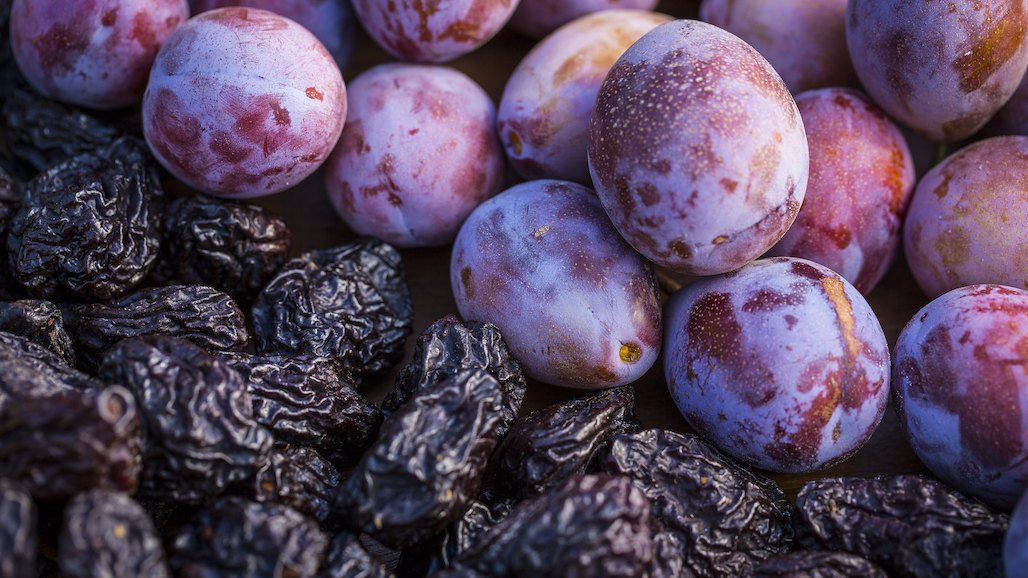
    California experienced favorable weather during prune bloom and growers are observing good sizes on fruit set. While production looks promising, supplies are expected to be tight again this season with an estimated 75,000 short tons (68,000 MT) in volume for the 2023 prune crop year according to the Executive Committee of the California Prune Board.

    Bigger sizes for California Prunes are in line with the premium quality of the crop. While still in the first half of the growing season, the prune trees in California appear happy from the wet weather with natural fruit drop, resulting in what growers anticipate will be a range of optimum sizes.

    “We’ve built solid demand and California prune handlers maintain careful inventory management, putting our industry in a pretty steady position,” says Donn Zea Executive Director for the California Prune Board. “The cost of business and continued tight supply is likely to keep pressure on pricing for the foreseeable future.”

    While participating on a panel of dried fruit industry leaders during the 40th meeting of the International Nut & Dried Fruit Congress (INC) in London last month, Mr. Zea reported that while production will be higher this year, the global prune industry is in relative balance between supply and demand. “The industry realities are impacted by a return to typical crop years in South America and France after short crops last year,” added Zea.

    For over 100 years, California Prune growers have been responsibly producing premium prunes. With the highest quality agricultural standards of any nation and a climate-controlled tunnel drying system, the California difference is reflected in the naturally sweet prunes that safely reach 60 countries every year. California is the largest producer of prunes in the world and heavily invests in scientific research to continue leading the category.

    ABOUT THE CALIFORNIA PRUNE BOARD

    The California Prune Board was established in 1952 to represent growers and handlers under the authority of the California Secretary of Food and Agriculture. California is the world’s largest producer of prunes with orchards across 14 counties in the Sacramento and San Joaquin valleys. Promoting a lifetime of wellness through the enjoyment of California Prunes, the organization leads the premium prune category with generations of craftsmanship supported by California’s leading food safety and sustainability standards. California Prunes. Prunes. For life.

  • The Ugly Company Enhances Upcycling Capability with New Farmersville Fruit Processing Plant

    The Ugly Company Enhances Upcycling Capability with New Farmersville Fruit Processing Plant

    The Ugly Company, a farmer-led producer of upcycled dried fruit snacks, announced the opening of its new fruit processing plant in Farmersville, California. The facility represents a significant milestone in the company’s mission of providing nutritious snacks sourced from funny-looking but perfectly edible fruit that would otherwise be thrown out.

    Furthering its growth momentum and solidifying its mission, The Ugly Company also unveiled new packaging that will better illustrate its brand story and clearly define its products.

    With the first fruit dump of the farming season set to take place this June, The Ugly Company hopes that its plant and mission-centric branding will draw awareness to fruit waste in the U.S. and make a tangible impact.

    Farmersville Plant is Operational 

    Located in the heart of Farmersville, the new facility spans 23.5 acres. It is equipped with cutting-edge technology to process a wide range of locally grown fruits, including a self-developed sticker-removal machine, class-leading pit extractors imported from Italy, and 32 fruit dehydration tunnels. Additionally, in collaborating with regional growers, The Ugly Company ensures a sustainable supply chain that minimizes transportation costs and reduces the company’s carbon footprint.

    “Our new fruit processing facility represents a significant step forward in our commitment to sustainable and healthy snacking,” said Ben Moore, founder and CEO of The Ugly Company. “We are proud to open this facility in Farmersville, as it allows us to support local farmers, contribute to the community’s economic growth, and bring our delicious and nutritious snacks to more people.”

    The facility allows The Ugly Company far greater control over the quality of its products by bringing processing in-house. Unlike other dried food startups that outsource complicated de-pitting and drying processes, The Ugly Company can also ensure greater food sanitation standards via more ability to monitor the lifecycle of the fruit from picking to end-product.

    The new facility estimates an initial hire of 28 employees spanning a variety of roles from processing to the management level, bringing new employment opportunities to the Farmersville community.

    “Upcycling and addressing food waste has been an important issue in the San Joaquin Valley,” said Congressman Jim Costa (CA-21). “The Ugly Company is bringing significant sustainable investments to the Valley in an effort to address the local food ecosystem.”

    New Product Packaging Unveiled

    The Ugly Company is also revamping its product packaging to provide greater insight and transparency into its products. It notes that each snack package is sourced from a single ingredient: the fruit. The Ugly Company doesn’t add any artificial ingredients or sugars, believing that the deliciousness of fruit can and should be celebrated by standing on its own.

    The packaging also shines a light on the farmers from the Central Valley from which its fruit is sourced and where founder Ben Moore was born, raised, and inspired to upcycle the fruit waste he saw firsthand as a truck driver.

    Last year, The Ugly Company prevented more than 2.17 million pounds of food waste by upcycling. In 2023, it aims to turn three million pounds of perfectly good fruit, which otherwise would’ve been tossed or fed to cattle, into dried fruit.