Category: Non-Video

  • Progress Toward Greening-Resistant Citrus Trees

    Progress Toward Greening-Resistant Citrus Trees

    University of Florida scientists achieved a major milestone in their quest to develop a citrus greening-resistant tree by sequencing the genome of a fruit plant that’s a close cousin to citrus trees. You’d need to print 54,000 pages of copy paper to see the complete genome sequence. But within it, scientists believe they’ve found genes to lay the groundwork to make citrus more tolerant and even resistant to certain diseases, including citrus greening.

    UF/IFAS researchers sequenced the genome from trifoliate orange, in collaboration with scientists from the University of California at Berkeley, the U.S. Department of Energy’s Joint Genome Institute and UF’s Interdisciplinary Center for Biotechnology Research. The new genome will help those who breed new citrus trees that will survive under today’s challenging conditions, including invasive pests, viruses and changing climates. Their research provides a powerful new tool to control the deadly consequences of the greening disease, which has severely damaged the state’s multibillion dollar-a-year citrus industry.

    “Very importantly, trifoliate orange and its hybrids have genes that can confer high tolerance to citrus greening and resistance to the Asian citrus psyllid, the insect that transmits greening to citrus,” said Zhanao Deng, a professor environmental horticulture and a senior author on the new UF/IFAS-led study. “This genome can be used as a reference template to sequence widely used trifoliate orange hybrid rootstock varieties.”

    “Most people – even citrus growers – rarely see trifoliate orange. This is because they usually are the rootstock part of the tree, mostly underground,” said Fred Gmitter, a UF/IFAS professor of citrus breeding genetics and a co-author on the study.

    Trifoliate oranges or their hybrids are grown at nurseries, and farmers use them as rootstock to grow the citrus that’s above ground. Trifoliate orange and its hybrids were used as the rootstock for more than three million citrus trees in Florida alone in 2018-2019, UF/IFAS researchers say.

    Trifoliate orange and its hybrid rootstocks accounted for 82% of the top 20 rootstocks used in the 2018-2019 citrus propagation cycle in Florida.

    “Our trifoliate orange genome will allow scientists to develop new tools that can more speedily transfer beneficial genes into sweet oranges, grapefruit and breeding of new scion cultivars, which grow above the ground,” Deng said.

    “Releasing the first trifoliate orange genome can be valuable for our citrus gene-editing efforts,” Gmitter said. Scientists are using gene editing to produce canker-resistant and greening-tolerant citrus.

    “Because of our high-quality genome, re-sequencing of trifoliate orange hybrid rootstock varieties will be much easier, much quicker and much more cost-efficient,” said Deng. “Re-sequencing will enable development of new breeding tools, such as DNA marker-based selection, genomic selection of new rootstock varieties with resistance and tolerance to citrus greening, citrus tristeza virus and citrus nematodes. The new varieties might give higher yield and fruit quality.”

    Citrus breeders want to introduce desirable genes from trifoliate orange into sweet orange, grapefruit and other varieties. It took decades to produce the first citrus scion variety (‘Sun Dragon’) from crossing trifoliate orange and transferring some of its genes across multiple generations into sweet orange. With this new information from genome sequencing, that timeline can be dramatically reduced.

    This project was funded by two grants from the Citrus Research and Development Foundation (CRDF) and a grant from the USDA/NIFA Citrus Disease Research and Extension (CDRE) program.

    To see a video about the research and its implications, click here. — By Brad Buck, University of Florida

  • Study Verifies Low Food-Safety Risk at CA Farmers Markets

    A new study by University of California, Davis, researchers finds a low risk of contamination of foodborne pathogens on produce and meat at Northern California certified farmers markets, but still finds cause for some concern.

    The study, published in the Journal of Food Protection, examined the prevalence of Salmonella on meat and produce, as well as the prevalence of generic E. coli on produce. Samples were taken from 44 certified Northern California farmers markets, including in the Sacramento region and Bay Area. Less than 2 percent (1.8 percent) of animal products sampled, including beef, pork and poultry, tested positive for Salmonella, while all produce samples tested negative. Slightly more than 30 percent (31.3 percent) of produce tested positive for generic E. coli. Generic E. coli is an indication of fecal contamination, but not all E. coli is harmful. This study didn’t test for pathogenic E. coli.

    “Based on this data, I think it’s safe to consume meat and produce from farmers markets,” said lead author Alda Pires, a UC Cooperative Extension specialist and research scientist in the UC Davis School of Veterinary Medicine. “That’s a low risk of contamination of foodborne pathogens, especially Salmonella.”

    While the prevalence of generic E. coli may seem relatively high, the concentrations were low. Pires said that’s especially so compared to previous studies of contamination at farmers markets elsewhere in the United States. The prevalence of Salmonella in meat sampled from Northern California farmers markets is also much lower than what previous studies have found in grocery stores.

    Among the produce sampled, leafy greens had the highest prevalence of E. coli, followed by root vegetables.

    Consumers should still be cautious

    Consumers and farmers should still be aware that produce and meat were not free from contamination. Consumers need to make sure the foods they prepare from farmers markets follow the good hygiene practices recommended by Centers for Disease Control and Prevention. Consumers should also keep produce separate from meat to avoid cross-contamination. 

    “The study raises awareness that it’s not just very large farms that can have contamination,” said co-author Michele Jay-Russell, with the Western Center for Food Safety at UC Davis. “Farmers need to pay attention to everything they’re doing, from planting to storage, to avoid contamination.”

    While certified farmers markets are inspected for food hygiene, microbiological quality is not explored. Smaller farms, those making less than $25,000 a year, are also exempt from certain food-safety provisions of the U.S. Food and Drug Administration’s Food Safety and Modernization Act. Foodborne illness costs the U.S. economy more than $15 billion annually.

    Other co-authors include James Stover, Esther Kukielka, Viktoria Haghani, Peiman Aminabadi and Thais De Melo Ramos of UC Davis. Research support came from the U.S. Department of Agriculture. — By Amy Quinton, UC Davis

  • Farm Bureau & Pismo Oceano Vegetable Exchange Support SLO Food Bank

    One individual can inspire others to do a lot of good. That is how Dan Sutton, general manager at Pismo Oceano Vegetable Exchange (POVE) for twenty years and board member at the Farm Bureau for twelve years, remembers his dear friend and fellow board member Hugh Pitts.

    “Hugh was a great leader and a passionate advocate for our community,” explained Dan in a phone interview with the SLO Food Bank. ”For many years around Thanksgiving, he would donate a pallet of turkeys to the SLO Food Bank, so that they could be distributed to people in need within SLO County.”

    When Hugh passed away in 2018, the turkey donations fell away. But one night this year, current events and the surging acts of kindness within our community reminded Dan of the tradition Hugh started and so he set out to revive it in honor of his friend.

    “I wanted to make sure the support was there, but it really did not take long for people to get excited about this concept,” described Dan further, “and now I’m proud to say that every entity, including the Farm Bureau and its board members, Pismo Oceano Vegetable Exchange, Food 4 Less and the SLO Food Bank, has stepped up to make this happen.”

    Brent Burchett, Executive Director at the Farm Bureau took over the logistics and communication for this project. He called several grocery stores until he connected with Food 4 Less who gave him a deal on turkeys. The entire collaboration now encompasses one pallet of turkeys as well as one pallet each for cabbage, celery and Brussels sprouts which are provided by POVE.

    “We are incredibly grateful for this generous donation. It couldn’t have come at a better time. Right now, we are working hard to provide our 80 agency partners with turkeys to distribute throughout SLO County in time for Thanksgiving. We want to ensure that everyone in our community, even if they are struggling financially, can enjoy a holiday meal this year,” says SLO Food Bank’s Partner Services Manager Suzie Freeman.

    Due to the pandemic, hunger in SLO County skyrocketed 154%, and now 2 in 5 SLO County residents are at risk of hunger. With the help of donors and volunteers, the SLO Food Bank and its nonprofit agency partners is working tirelessly to ensure a steady safety net for the residents of SLO County. Main efforts right now are focused on providing nutritious and wholesome meals to everyone in need during the upcoming holiday season.

    “We are all honored to contribute to the welfare of our community, just as Hugh would be,” summarizes Dan. “And in the process we are also honoring our friends’ leadership and compassion. It has brought a smile to all our faces.”

    Food 4 Less Employee Loading Produce

    About the SLO Food Bank: The SLO Food Bank is a non-profit, tax-exempt organization, serving all of San Luis Obispo County through its direct food programs and network of agency partners. The SLO Food Bank’s mission is to alleviate hunger in San Luis Obispo County and build a healthier community. The SLO Food Bank distributes an average of 4 million pounds of food per year to help our neighbors struggling with hunger. Nearly half of the distributed food is fresh produce, including produce harvested locally by the GleanSLO program. Prior to the pandemic, one in six SLO County residents was food insecure. Since the pandemic, hunger in SLO County has more than doubled, and the SLO Food Bank remains in front of this accelerating and tragic reality. To learn more about the work done by the SLO Food Bank throughout San Luis Obispo County, please visit www.slofoodbank.org.

    About the Farm Bureau: Founded in 1922, the San Luis Obispo County Farm Bureau is a nonprofit, voluntary membership organization dedicated to protecting San Luis Obispo County’s farmers, ranchers and agribusinesses. Learn more at slofarmbureau.org.

    About the Pismo Oceano Vegetable Exchange: Located in the heart of San Luis Obispo County’s Arroyo Grande Valley, Pismo Oceano Vegetable Exchange has a proud legacy as an agricultural cooperative marketing high-quality produce grown on the Central Coast of California by Japanese farm families for over 85 years. Visit pove.net for more information.

  • Organic Produce Members Team Up with New National Produce Council

    Organic Produce Members Team Up with New National Produce Council

    The American organic produce sector is big and complex. It accounts for more sales than any other organic sector, and its production regions stretch across the United States reaping a dizzying array of fruits and vegetables. The issues facing organic produce growers, processors and distributors are equally wide-ranging: food safety, labor issues, labeling/packaging issues, climate change.
     
    Driven by the desire for the sector to collaboratively work together to address its most urgent challenges, inspired by the success of other sector councils at the Organic Trade Association, and wanting to take advantage of the association’s deep knowledge and expertise in organic, leading produce members initiated a drive earlier this year that has resulted in the trade association’s Board of Directors’ official approval to establish an Organic Produce Council.

    “We whole-heartedly welcome the formation of this sector council and look forward to problem-solving and collaborating with our colleagues throughout the organic produce supply chain,” said Board member Ben Diesl of Grimmway Farms. “This council will give Organic Trade Association member companies that are involved in the organic industry an organized opportunity to benefit from the association’s expertise, to network with diverse stakeholders and to influence the overall agenda of the association. We invite other produce members to join.”
     
    “The new Produce Council, as with all of our sector councils, will be supported by the Organic Trade Association’s expert staff,” said Laura Batcha, CEO and Executive Director of the trade association. “Our staff has deep expertise in organic standards, food safety, farm policy, government advocacy and international marketing. Today’s organic produce sector is robust and thriving, but it faces many challenges. We are thrilled that our produce members are coming together and tapping into their association’s bank of knowledge to help them deal with those challenges.”
     
    Organic produce sales hold the top position in the U.S. marketplace. In 2019, organic fruit and vegetable sales reached $18 billion, as the category continued to be the star of the organic sector. Organic produce currently makes up almost a third of all organic food sales, and organic fruits and vegetables, including fresh, frozen, canned and dried, have now captured 15 percent of the total fruits and vegetable market in the U.S.
     
    The produce sector has been profoundly tested by COVID-19 as it has struggled to keep its workers in the fields, plants and trucks safe, and at the same time meet exploding demand. Wanting to hear how the pandemic was affecting their businesses, Organic Trade Association’s Farm Policy Director Johanna Mirenda and Diesl of Grimmway Farms earlier this year convened produce members for a COVID-19 listening session. Everything from how to keep workers safely socially distanced and maintain planting and harvesting schedules to keeping processing lines filled and store deliveries on time were discussed.

    Working together to address challenges

    “Our members taking part in this discussion found it very valuable to connect with other of our produce members” said Mirenda, who is staff liaison for the new council. “Since then, individual members have come forward with other organic produce issues–such as food safety–that could serve as work plan projects for the new council to take on.” The interest from members was significant enough that the trade association hosted an exploratory meeting in early September to highlight the opportunity for a new sector council among all Organic Trade Association produce members. Nearly two dozen members attended. 
     
    Produce stakeholders said that besides food safety, they are interested in working together, with the support of the trade association’s regulatory and legislative staff, to advance outcomes relating to other key issues in organic produce, such as: implementing the U.S. Department of Agriculture’s new rule on strengthening organic enforcement, guaranteeing workforce safety and availability, supporting development of organic seeds and planting stock, and identifying tools for measuring and promoting biodiversity. Establishing organic labeling and packaging best practices, adapting to and mitigating climate change and developing resources on market data and research information were also identified as key needs.
     
    Members also indicated the following priorities for their engagement:

    • Amplifying the needs of the produce community within the trade association
    • Developing and sharing information resources among those in the organic produce industry
    • Learning about emerging regulatory issues that impact organic produce
    • Networking with other organic produce businesses across the value chain
    • Creating opportunities for leadership development opportunities

    Sector Councils within the trade association build community among groups of like members to provide ongoing opportunities for networking, leadership development, education, information development, and sharing. They are not policy-setting groups. The trade association previously has established such entities as its Farmers Advisory Council, Dairy Council, Dietary Supplements Council, Fiber Council, Grains Council, and Retailer Council.
     
    Initial companies signing up for this council include Ag. Valles del Sur SpA, Awe Sum Organics, Bolthouse Farms, Bridges Organic Produce, Cal-Organic/Grimmway Farms, Charlie’s Produce, Columbia Marketing International/CMI Orchards, Duncan Family Farm, Earl’s Organic Produce, Heath & Lejeune, Homegrown Organic Farms, Jacobs Farm/Del Cabo, Munger Farms, Naturesweet, Naturipe, Organically Grown Company, Organic Produce Network, Page’s Organics, Taylor Farms, Thermiculture Management, Vitalis Organic Seeds and Wholesum Family Farms.
     
    The first meeting of the council is scheduled for December 8.
     
    Other members of the trade association in this sector are encouraged to join. The council’s membership will be diverse. The technical scope of membership for the council will be very inclusive – vegetables, fruit, mushroom, herbs, tree nuts, floriculture and other horticultural crops.
     
    For more information on the council, contact Johanna Mirenda.

    The Organic Trade Association (OTA) is the membership-based business association for organic agriculture and products in North America. OTA is the leading voice for the organic trade in the United States, representing over 9,500 organic businesses across 50 states. Its members include growers, shippers, processors, certifiers, farmers’ associations, distributors, importers, exporters, consultants, retailers and others. OTA’s Board of Directors is democratically elected by its members. OTA’s mission is to promote and protect ORGANIC with a unifying voice that serves and engages its diverse members from farm to marketplace. The Organic Trade Association does not discriminate on the basis of age, disability, national origin or ancestry, race, gender, religion, sexual orientation, marital status, political affiliation or military status. Persons with disabilities who require alternate means for communication of program information can contact us at info@ota.com.

  • Autonomous Robot to Sample Leaves and Measure Water Potential

    Autonomous Robot to Sample Leaves and Measure Water Potential

    Every backyard gardener knows how hard it can be to tell when to water the plants. Multiply that by tens or hundreds of acres and it’s easy to see the challenges growers face keeping their crops healthy while managing water resources wisely.

    To determine water needs accurately, growers hand-pluck individual leaves from plants, put them in pressure chambers, and apply air pressure to see when water begins to leak from the leaf stems. That kind of testing is time consuming and means growers can only reach so many areas of a field each day and cannot test as frequently as needed to accurately determine optimal irrigation scheduling patterns.

    A group of researchers from UC Riverside and UC Merced have received a grant for more than $1 million from the U.S. Department of Agriculture through the National Science Foundation’s National Robotics Initiative to address these challenges. From UC Riverside are Assistant Professor Konstantinos Karydis and Professor Amit K. Roy-Chowdhury, both from the Department of Electrical and Computer Engineering. UC Merced, which leads the effort, is represented by Stefano Carpin, professor of computer science; and Joshua Viers, professor of environmental engineering.

    UC Riverside Assistant Professor Konstantinos Karydis

    As part of the project, the group is developing a robotic pressure chamber that can autonomously sample leaves and immediately test them on site to provide the freshest data. The system will work to gather data even in large fields, and over a period of time, rather than just providing a snapshot.

    Frequently updated data can help growers better plan irrigation schedules to conserve water, optimize the time and effort spent by crop specialists tasked with determining and analyzing lead water potential, and help decrease some of the costs in the food-production chain.

    UC Riverside Professor Amit K. Roy-Chowdhury

    Current measuring techniques involve collecting leaf samples and transporting them to an off-site location, where testers can use very accurate, expensive pressure chambers; or sampling and analyzing leaf samples in the field using hand-held pressure chambers.

    “In the first category, leaf samples can get mixed up, making it impossible to track them back to the specific areas of the field they came from, Karydis said. “In addition, the properties of the leaf might vary given the time elapsed between being sampled and being analyzed, which in turn may yield misleading results.”

    Hand-held instruments in the field can be less accurate, but testing can be done multiple times with different leaves from the same plants. This method is time- and labor-intensive, and must be undertaken by specially trained personnel.

    Carpin has already worked with colleagues at UC Davis and UC Berkeley to create the Robot-Assisted Precision Irrigation Delivery, or RAPID, system, which travels along rows of crops adjusting irrigation flows according to sensor data that tells the robot precisely what’s needed for each plant.

    The project will use the same mobile base robot as in RAPID but equip it with a custom-made robotic leaf sampler and pressure chamber being designed by the researchers at UC Riverside, and pair it with drones that can survey the fields and direct the robot to areas of interest.

    “Using this process, growers could survey plants all day long, even in large fields,” Carpin said.

    The four-year project will support graduate students as well as summer research opportunities for undergraduates. The project has four phases: development of the chamber; developing machine vision so the robot can “see” the water coming from the leaf stems; coordinating multiple robots — in the air and on the ground; and evaluation.

    The researchers plan to have the first set of automated pressure chamber prototypes fabricated by spring 2021, and to evaluate their performance and refine designs in controlled settings over spring and summer 2021. They expect to have a completed setup by winter 2022, so they can begin controlled field testing.

    “We have to be quick about it because if we miss a peak growing season, we have to wait another nine months for the next one,” Carpin said. “We’d like to be able to start testing next summer and test every summer, and we need to be able to maximize the tests.”

    When all of the components have been designed, the designs and code will be made open source, and all the data collected during the project will be made available to the scientific community, the researchers wrote in their proposal.

    The project came about after Carpin and Viers, director of the Center for Information Technology Research in the Interest of Society, or CITRIS, at UC Merced, had been talking with area farmers about the challenges of growing almonds and grapes. Karydis and Roy-Chowdhury had been hearing the same challenges from citrus and avocado growers in the Riverside area, so the four partnered up.

    “California agriculture presents a challenge in terms of scalability,” Carpin said. “But this an exciting collaboration because we’ll get to develop a system that will work on different kinds of crops.” — By Holly Ober, UC Riverside

  • Is COVID-19 Aid Reaching Farmers?

    Is COVID-19 Aid Reaching Farmers?

    The second iteration of the Coronavirus Food Assistance Program (CFAP-2) developed by USDA to help compensate farmers for losses due to the coronavirus pandemic is working much better and reaching more farmers than the first round of aid launched earlier this year. Since CFAP-2 opened to farmers on September 21, 2020 participation has been brisk and as the program application window has only one month left (closing December 11, 2020), it is time to revisit how the program is benefitting farmers, questions and concerns that have arisen, and if there are any lessons to draw upon for future aid to farmers as the pandemic continues to spread unchecked through most parts of the country.

    This blog will highlight some elements of CFAP-2 but for a far more authoritative treatment, please see the Farmers’ Guide to Coronavirus Food Assistance Program 2recently published by our colleagues at the Farmers’ Legal Action Group (FLAG).

    Who Is Benefitting?

    The original CFAP-1 program had severe shortcomings but one in particular limited its utility for many farmers. CFAP-1 had a single payment option – the price loss payment – where farmers received a formula payment based on the national average price decline of a crop or commodity. The payment rates were extremely low and the number of commodities that were eligible was limited. While some payment rates were increased and the list of eligible commodities expanded over time, the basic formula remained.

    Because the formula employed a national average price decline to calculate payment rates, the checks farmers received did not necessarily reflect what they would have earned in their own market. This was especially true for farmers and ranchers that sold directly to their customers – restaurants, institutions, schools, and everyone at local farmers markets – as they often earn a price premium on these products. So too for producers of organic farm goods or any other products, such as pasture raised meats, that typically command a higher price compared to conventional products.

    By the time the CFAP-1 program ran its course, 651,099 farmers had received more than $10 Billion in payments, but it was widely acknowledged that the primary beneficiaries were cattle producers ($4.3 Billion) while diversified specialty crop growers ($834 Million) came up short.

    This is where CFAP-2 is a marked improvement over CFAP-1. While CFAP-2 retains the price loss payment for some commodities (a major problem for producers that are still required to take this payment option because of the crops they grow) it also includes two new payment options for farmers – the flat rate and the sales commodities payment. The flat rate payment option pays $15 per acre and is targeted to a wide variety of small grains and other similar non-commodity row crops. This opened the program to many diversified small grain growers and oil seed producers who were excluded from CFAP-1.

    The more significant change was the addition of the sales commodity payment, which is open to producers of specialty crops, nursery crops, tobacco, some minor livestock species, and aquaculture products. This payment is based on a producer’s revenue derived from those farm products in 2019 and mirrors the revenue based payment program proposed in the Local and Regional Farmer and Market Support Act (Local Farmer Act), that was developed with support of NSAC and Coalition member the Carolina Farm Stewardship Association. This payment option has been especially important for diversified growers, farmers who grow organic or otherwise higher valued farm products, and producers who sell directly to their customers. Payments based on historic revenue, rather than wholesale price declines, better reflect farmers’ real losses due to market disruptions.

    Nearly all crops and products not covered under the other two payment options are eligible for the sales commodity payment and although the payment rates are relatively modest (approximately 10%) they have been well received by diversified growers and specialty crop and livestock producers. With nearly a month left to sign up for the program, CFAP-2 has already paid 576,399 farmers more than $9.5 Billion in payments, well ahead of the CFAP-1 program during the same time period.

    What is more telling is the distribution of those payments. While row crop and cattle producers continue to derive the greatest payments, specialty crop and specialty livestock payments have increased from $833 Million under CFAP-1 to $1.2 Billion under CFAP-2 and the rate of payments to farmers for eligible sales commodities continues to grow even as claims for other payments slow. This is particularly remarkable given that early projections of CFAP-2 payments anticipated that specialty crops would likely receive only $313 million in payments.

    Are there problems with CFAP-2?

    Yes, but there is progress. In the process of helping farmers understand CFAP-2 through webinars and developing supporting materials, a number of questions and concerns have been raised about the structure and administration of the program. NSAC has worked with USDA to get answers to some of the farmer questions which are summarized below.

    1. Will farmers be required to obtain an FSA number to apply for CFAP-2?

    Yes. An acreage report is required for the acreage-based assistance, which includes both price-trigger and flat rate payments. To file an acreage report, a farm must be established with FSA. 

    • Is there any reservation of funding, or other mechanism, to ensure that farmers who apply late in the application cycle will receive the payment for which they are eligible?

    No. The funding allocated for CFAP-2 is based on USDA’s rigorous analysis of the impacts of market disruptions and associated costs caused by COVID-19 (farmers.gov/cfapand is anticipated to meet the applications submitted by farmers and ranchers. However, there is no contingency in place if demand exceeds existing funding. 

    • What material will be accepted as documentation of 2019 sales from farmers who are subject to a USDA ‘spot check’?

    The USDA CFAP-2 handbook contains several examples. If selected for spot check, participants will be required to provide documentation to support their certification. The Department recognizes available documentation will vary significantly by commodity as well as method of sale and will work with participants, as appropriate, on any concerns with documentation to support certifications.

    • How will USDA determine which farmers will be ‘spot checked?’ Will this selection process be random, a set percentage of applications made to each program payment option, or based on payment amounts, familiarity of the FSA office staff with the farmer/applicant, or on a perceived risk of fraudulent activity? There is a serious concern that any selection criteria used by the agency be uniform and that the standards applied not increase the probability that small, diversified operations are audited or that applications submitted by historically underserved farmers, including Black, indigenous, and producers of color, are reviewed at higher rates than the total pool of applicants reviewed.

    Spot checks will be based on a statistically-sound, random sample with additional selections identified to ensure a sufficient sample of all types of commodities is completed to meet program integrity requirements.

    • Who will conduct the ‘spot checks’ of program eligibility? What is the role of FSA field staff and central office staff in identifying cases for review or in conducting the reviews? There is a serious concern that the review of eligibility by agency staff be uniform and equitable.

    The national office outlines and oversees the spot check process. Spot checks will be completed by FSA staff, which may be the local office staff, regional staff, or staff from within the state and/or neighboring state.

    • When will USDA make Spanish language versions of all CFAP-2 application materials (including supporting documents CCC-902, AD-1026, etc.) available and will both online and paper forms be available? In what other languages will the application documents be available?

    Translations for the CFAP 2 application (AD-3117) and CCC-902I (for individuals) will be available soon. The CCC-902E (for entities) is available in Spanish, as is the CCC-902 Continuation. The AD-1026 is currently available in Spanish, Chinese, Russian, and Vietnamese.

    • What is the process that USDA will use to inform producers that their CFAP-1 and CFAP-2 applications were denied or that the amount of the payment for which they were approved was “adjusted” by USDA, and is therefore different from that on the farmer’s application? Has USDA sent any denial letters to farmers for either CFAP-1 or CFAP-2?

    If an application is disapproved or any information on the application is adjusted from what is certified by the applicant, the local FSA office provides written notification to the applicant and provides appeal rights. This is the process with CFAP-1, CFAP-2, and all other programs administered by FSA. 

    • Producers that do not have current records on file at their FSA offices will likely need to demonstrate their conservation compliance when applying for CFAP-2 through the submission of Form AD-1026 “Highly Erodible Land Conservation (HELC) and Wetland Conservation (WC) Certification.” Is there a process in place to ensure that farmers that need NRCS determinations of HELC and WC can receive them quickly so that their applications can be submitted and considered before the program closes on December 11th?

    CFAP payments will be processed in advance of the determination being completed for any producer certifying in compliance with the highly erodible land and wetland provisions. The determination will still need to be completed but will not result in delaying issuance of payments.

    How can future coronavirus aid work better for farmers?

    At this moment, the prospects for another coronavirus response bill are dim until the new Congress convenes in January. Control of the Senate is still outstanding, pending runoff elections in Georgia, and the transition between the Trump and Biden Administrations is more fraught than any in living history. This makes the bipartisan work necessary to craft a coronavirus aid package that could help farmers during this difficult year extremely hard to achieve. However, this dynamic is likely to change in the next Congress as rates of coronavirus continue to increase and the spread into rural communities changes the political calculus of some legislators.

    In a future coronavirus package (C4), there are a number of actions that could help across all Americans across the entire food system and NSAC recently wrote to Congressional leadership to detail these priorities. In addition to those urgent needs, the next version of CFAP direct farmer aid should be improved by:

    • Opening the sales commodity payment program to all direct marketing farmers and other producers who grow products that command a price premium such as organic, pasture raised, or similar.
    • Making contract producers eligible for payments CFAP payments.
    • Increasing the payment rates for the sales commodity payment program and including a mechanism for farmers to demonstrate – and be eligible to be compensated for – costs they have incurred to adapt to marketing their commodities during the pandemic.
    • Ensuring greater training and resources – particularly farmer oriented materials in a variety of languages – for FSA fields staff so that they can better serve all farmers and expand outreach efforts to ensure that all eligible farmers – particularly Black, Indigenous, and Farmers of Color – understand the program and how to apply for assistance.
    • Conducting a rigorous analysis of the farmers who applied for, received, or were deemed ineligible to receive assistance under CFAP-1 and -2 to ensure that the programs were administered equitably and that any future program actively counters any bias or discriminatory practices that may be discovered.

    The National Sustainable Agriculture Coalition remains committed to ensuring that any future coronavirus response supports farmers, farmworkers, food system workers and all who rely on them for healthy, safe, nutritious food and that it align with the long term goal of creating a more just, equitable, and sustainable food system. — By National Sustainable Agriculture Coalition
  • University of Florida Awarded Grants to Continue Fight Against Citrus Greening

    University of Florida Awarded Grants to Continue Fight Against Citrus Greening

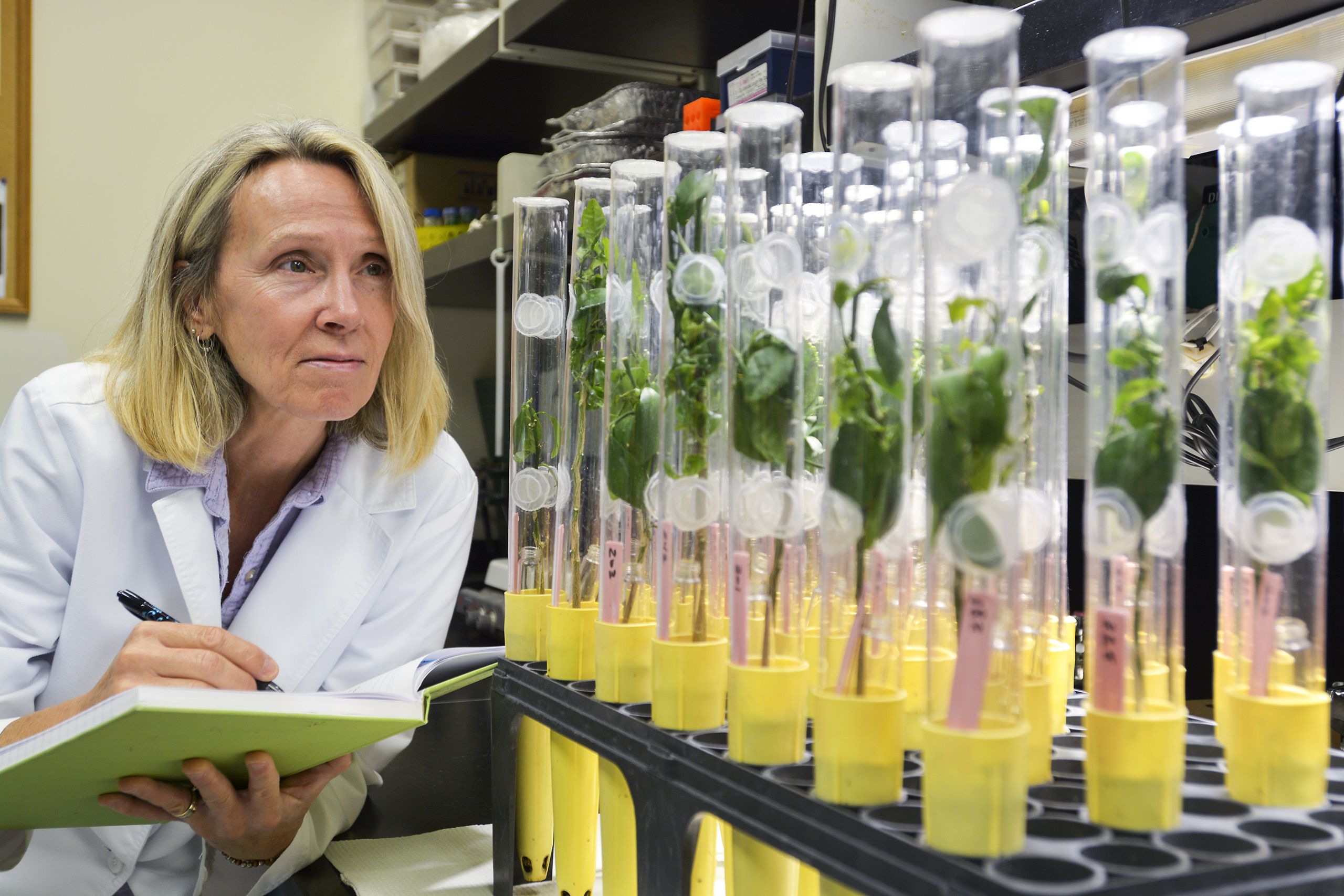
    University of Florida researchers hope to discover new methods to help citrus growers fight the deadly citrus greening (or Huanglongbing) disease with cost effective, long-term sustainable treatments with the support of recently awarded federal grants.  Three teams of scientists from UF’s Institute of Food and Agricultural Sciences received nearly $4.5 million in U.S. Department of Agriculture funds to study new ways to manage the invasive insect causing millions of damage to Florida’s citrus crops.

    “These grants build on an existing portfolio of success in finding solutions to combat citrus greening throughout Florida’s citrus groves,” said Michael Rogers, director of UF/IFAS Citrus Research and Education Center and coordinator of the UF/IFAS statewide citrus program. “They will contribute to the solutions we are providing that support citrus growers in sustainably and profitably growing citrus throughout the state.”

    Managing the Asian citrus psyllid with the environment in mind

    Bryony Bonning, eminent scholar and professor in entomology and nematology, leads a team from Gainesville and the UF/IFAS Citrus Research and Education Center in Lake Alfred, Florida in a project that uses a bacteria-derived pesticidal protein combined with gene silencing to manage the invasive Asian citrus psyllid (ACP) population. The long-term goal of the proposed work is to create an environmentally benign approach for citrus growers to control ACP that works within an integrated pest management (IPM) strategy. The project intends to identify the optimal components for an ACP control product for grower use.

    The grant project aims to: 1) optimize ACP-active proteins derived from the bacterium Bacillus thuringiensis (Bt) that suppress psyllid populations, 2) further develop genetic solutions that would disrupt ACP, and 3) screen for the best combination of these methods for use against ACP. On completion of this project, researchers will be well positioned to produce transgenic citrus and/or trap plants that will suppress ACP populations for use by citrus growers.

    This method of effective vector control, combined with other measures will help the citrus industry in Florida rebound, and protect the industries in California and Texas. The results of this research are anticipated to reduce the need for tree removal and replanting as well as reduce insecticide applications, and increase yields and fruit quality, contributing to the long-term profitability and sustainability of U.S. citrus production.

    Attacking citrus greening from the inside out

    Amit Levy, assistant professor of plant pathology, received a NIFA grant to examine how the Candidatus Liberibacter asiaticus (CLas) bacteria interacts with a narrow tissue – known as the phloem – which is buried inside the stem of the citrus tree. CLas resides in and plugs the phloem in the stem of the citrus tree, leading to inhibition of sugar and nutrient transport into the tree’s sink tissues, including the fruit. Eliminating these plugs can presumably result in renewed sugar transport and increased fruit yields.

    However, there is a significant gap in understanding CLas-phloem interactions in citrus, which has been a major limiting factor for controlling the disease. Levy and a team of UF/IFAS researchers and Sainsbury lab and Cornell University scientists plan to address these challenges with a novel seed coat-based system that supports in-depth analyses of phloem dynamics and CLas-phloem interactions in HLB-affected citrus. The project will identify key players required for phloem plugging, host immune response and CLas colonization inside the phloem. These key players can later become novel targets for manipulation with gene editing techniques that can be translated into usable products, such as transgene-free CRISPR/Cas9 edited plants to block the disease propagation and movement, and increase sugar and nutrient translocation into fruit thus increasing tolerance or resistance to HLB.

    A Novel Therapeutic Strategy For HLB-Infected Trees

    Huanglongbing (HLB)-resistant or tolerant citrus trees are the long-term solution for citrus greening disease.  Existing research has generated transgenic citrus lines that provide robust tolerance to HLB. These transgenic lines are already in field tests as a potential management possibility for HLB. However, these trees will have to go through an extensive approval process before being made available to growers.

    A research team lead by UF/IFAS microbiology and cell science professor Zhonglin Mou and faculty from the UF/IFAS Citrus Research and Education Center and UF/IFAS Southwest Research and Education Center are working to speed up this process by reproducing the greening resistant or tolerant genetic makeup in non-transgenetically modified plants by gene editing using CRISPR/Cas9. This is a better long-term approach but will take time.

    The primary goal of this project is to develop an interim treatment for HLB. The project hopes to turn off the genes that negatively control the citrus immune system and result in disease symptoms in citrus when exposed to disease-causing pathogens. Coupled with other work to target the HLB-causing bacterium itself, the overall goal is to develop new management strategies making citrus varieties highly tolerant to this disease. The project will use a vector derived from citrus tristeza virus (CTV) to remove negative regulation of the citrus immune system, leading to improved immune response and HLB tolerance. The same CTV vector will also deliver antimicrobial peptides to reduce HLB pathogens.

    The synergism between the immune system-provided tolerance and the antimicrobial peptide-mediated pathogen reduction is expected to provide effective control of the HLB disease. Importantly, CTV naturally occurs in the field and does not make genetic changes to the citrus genome, and thus the employed strategy is a non-transgenic approach. — By Ruth Borger, University of Florida

    The mission of the University of Florida Institute of Food and Agricultural Sciences (UF/IFAS) is to develop knowledge relevant to agricultural, human and natural resources and to make that knowledge available to sustain and enhance the quality of human life. With more than a dozen research facilities, 67 county Extension offices, and award-winning students and faculty in the UF College of Agricultural and Life Sciences, UF/IFAS brings science-based solutions to the state’s agricultural and natural resources industries, and all Florida residents.

  • Clarification on Impact of EU Retaliatory Tariffs on Blueberries

    Clarification on Impact of EU Retaliatory Tariffs on Blueberries

    On Nov. 10, the European Union (EU) imposed an additional retaliatory tariff of 25% on a range of U.S. agricultural products, including fresh blueberries (HS 0810.40.50) and frozen blueberries (those imported under tariff lines HS 0811.90.50 Vacinnium myrtillus and HS 0811.90.70 Vacinnium myrtilloides and Vaccinium angustifolium). This development will take the total EU tariff on U.S. fresh blueberries to 28.2%, and on those frozen lines listed to 25%.
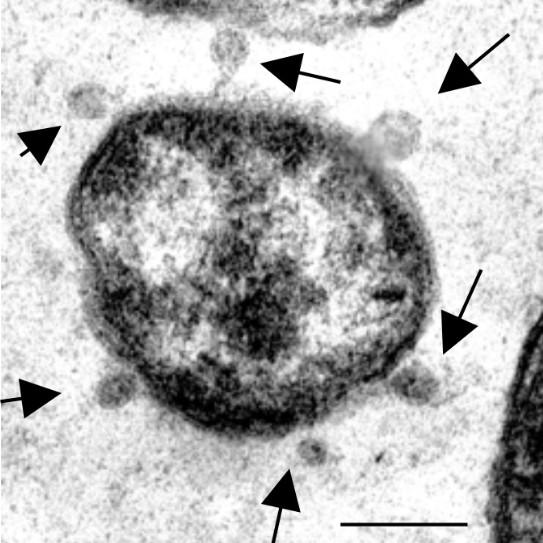
    While both HS codes may be used to describe a “common blueberry,” the HS 0811.90.50 Vacinnium myrtillus is most commonly used to classify bilberries and whortleberries, and the HS 0811.90.70 Vacinnium myrtilloides is most commonly used to classify velvetleaf huckleberry, velvetleaf blueberry, Canadian blueberry and sourtop blueberry. Vaccinium angustifolium is commonly known as the wild lowbush blueberry.

    It’s important to note that the other main frozen blueberry tariff lines, HS 0811.90.19.90, HS 0811.90.39.90, and HS 0811.90.95.70, are not included in the EU action. Additionally, the final EU tariff list did not include dried blueberries. This adjustment may reflect the reduced retaliatory amount sanctioned by the World Trade Organization (WTO). It was originally anticipated that the EU would sanction up to $11 billion in retaliation against the U.S. The final amount was instead $4 billion.

    NABC emphasizes that other frozen tariff lines may be available that are not subject to the EU retaliatory tariff. Other lines applicable to frozen blueberries may include the following, some of which are still subject to high EU MFN tariff rates:

    As background, in October 2019, the Trump administration imposed tariffs on EU products following a successful ruling at the WTO against illegal EU subsidies to Airbus. This October, the WTO authorized the EU to impose similar tariffs on U.S. goods following the EU’s successful ruling at the WTO against illegal U.S. subsidies to Boeing. The EU did not immediately implement tariffs and indicated that it would wait until after the election to act. Now that the election is over, the European Commission is proceeding with the implementation of retaliatory tariffs.

    NABC received confirmation that the UK will impose the retaliatory duties as part of this EU action as long as the U.S. duties on Airbus remain in place. However, it should be stressed that the EU and UK are keen to reach a resolution on this issue.

    For more information, please contact NABC Vice President Alicia Adler at aadler@nabcblues.org.

  • Farmer’s Inspiration Leads to Squash Donation to Central CA Food Bank

    Farmer’s Inspiration Leads to Squash Donation to Central CA Food Bank

    West Side farmer John Diener had flash of inspiration. Why not plant butternut squash?

    Diener is a long-time research cooperator with UC Cooperative Extension specialist Jeff Mitchell, who has studied innovative, sustainable farming practices for 21 years at the UC West Side Research and Extension Center under four different treatments: no-till plus cover crops, no-till with no cover crops, conventionally tilled with cover crops and conventionally tilled without cover crops.

    Since it was established, the research plots have been managed in an annual rotation of cotton, processing tomatoes and, more recently, sorghum, garbanzo beans and melons. When trying to decide what crop to bring into the rotation for 2020, Diener thought of butternut squash, a relatively large, thick-skinned squash that has little pest and disease problems and a long-shelf life. He suggested the squash could be donated to the Central California Food Bank and made available to local families in time for Thanksgiving and Christmas.

    CCFB provides food to more than 220 agencies in Fresno, Madera, Kings, Kern and Tulare counties, serving more than 280,000 people each month. Last year, CCFB supplied over 40 million pounds of food in all.

    Diener arranged for butternut squash seed to be donated by David Bodine of AgSeeds. He generously paid for several days of labor to harvest the crop. Diener contacted family friend Joan Minasian, who serves on the Food Bank board, to make arrangements for delivering 101 bins of squash – more than 70,000 pounds – to the food bank’s Fresno distribution center.

    The front entrance to the Central California Food Bank in Fresno

    “The Central Valley Food Bank is working on diversifying the food we offer in meal boxes and distributions,” Minasian said. “I’m really proud of the food bank’s efforts to increase healthy foods. We’re always looking for farmers to partner with.”

    Butternut squash, a winter squash, has a 90-day shelf life without refrigeration. It is grown in the summer; the name is derived from the fact that the mature vegetable can be stored for winter eating.

    In addition to supporting farmers with research and advice, UC Cooperative Extension offers nutrition education programs to low-income Californians. Deepa Srivastava – UCCE nutrition, family and consumer sciences advisor for Kings and Tulare counties – manages two programs that extend information to families on healthy eating, food safety, food resource management, gardening, physical activity and youth engagement.

    Srivastava said butternut squash is a nutritious addition to family diets. The vegetable is a good source of vitamin A and vitamin C, and also supplies vitamin B-6, protein, fiber, magnesium, potassium and iron.

    The squash’s buff exterior protects golden flesh that is nutty and sweet. It can be baked, boiled or grilled whole or chopped. Cooked squash can be pureed for soup or baby food, added to casseroles, pies, salads and stuffing. The cooked flesh adds beautiful fall color to everyday meals or holiday spreads.

    Roasted butternut squash

    One easy way to prepare butternut squash is roasting in the oven. Preheat the oven at 350 degrees. Carefully cut the squash in half and scrape out seeds and strings with a spoon. Place cut side up in an oven-safe pan, then brush the flesh lightly with olive oil. Season to taste with salt, pepper, cayenne pepper, fresh or dried herbs and spices. Bake for one hour, or until it can be easily pierced with a fork. — By Jeannette Warnert, UCANR Communications Specialist

  • Honoring Veterans Every Day at Farmer Veteran Coalition

    Honoring Veterans Every Day at Farmer Veteran Coalition

    Many veterans return home feeling lost, without purpose. They seek that “new mission” they grew so accustomed to during their time in the military. An agricultural non-profit is helping with just that.

    When Michael O’Gorman founded Farmer Veteran Coalition (FVC) in the back of his pick-up truck in 2008, he thought he could help our soldiers have meaningful careers and find healing on our nation’s farms.

    At that time no one was connecting veterans with the farming community. Today there are more than 250 organizations supporting this military-to-agriculture movement.

    Simply put, FVC helps veterans pursue careers in agriculture. For these men and women, farming has become their new mission. FVC recognizes that agriculture additionally offers purpose, opportunity, and physical and psychological benefits.

    This is the difference maker for many veterans in their civilian re-integration.

    With Veterans Day upon us, the team of Farmer Veteran Coalition is reflecting on the thousands of farmer veterans they have supported in pursuit of new agricultural endeavors, including those highlighted here.

    This year, after a decade of leading the charge, O’Gorman passed the pitchfork to newly appointed executive director Jeanette Lombardo. Raised by an Air Force veteran father, Lombardo grew up in Erie, Pennsylvania, on a family dairy farm. She spent decades in agricultural banking and now is eager to carry forward the single best way that FVC assists veterans – through their Fellowship Fund.

    A small grant program, the Fellowship Fund purchases farm equipment the member has identified as crucial to their operation. The program has funded $3 million in equipment to over 600 veterans.

    Alex Jauregui – Fury Bees (Photo by Susanna Frohman)

    Veterans like Alex Jauregui. A double-amputee, Alex lost both legs when he stepped on an IED in Afghanistan during his fourth deployment. Now he finds new purpose in his Fury Bees operation in Northern California. “Farming makes me feel enabled,” shares the former Staff Sergeant. “I never would have imagined beekeeping but it’s been very therapeutic.” FVC teamed up with Work Vessels for Veterans and Semper Fi Fund to purchase a Hummerbee forklift, which significantly reduces the physical impact on Alex’s body.

    Twin Sister Veterans Ladonna Avakian & Heather Paterson, now Oregon cherry and hazelnut growers

    Veterans like Ladonna Avakian & Heather Paterson. Twin sisters, both women served in the Air Force. Both returned home to Oregon with service-related disabilities. They were awarded a grant to fund an air sprayer for their Hollyaire orchard where they primarily farm sour cherries, hazelnuts, and holly under the Homegrown By Heroes label. “It’s small grants like this one that make us feel valued and supported,” Heather reflects. “Farming is all about community, and FVC really is its own community. To be physically active, outside, working with my twin, and having our family out there – it’s really an American dream.”

    Ben Misko, a Marine who suffered a brain injury during combat, has found healing in his Restless Roots farm. He grows vegetables and cut flowers in Central Pennsylvania. “Having a brain injury can be very frustrating at times, but animals provide a reprieve for me. Farming keeps me sound in my mind, and the animal and plant care keeps me on schedule,” shares the former Motor Vehicle Operator. “I asked for this equipment so I can provide for more animals without additional financial burden.”

    Michael Trost, who served a decades-long Army career, suffered gunshot wounds that resulted in the amputation of his right leg and the reconstruction of his hand using his toes. After 30 surgeries and two years of hospitalization, he turned to hop growing in Tennessee. “Starting this farm has given me a new mission, purpose and direction in my life. I feel more alive than I have been,” expressed Michael, explaining that the farm is a major part of his post-service recovery. “FVC believed in me and awarded me funds to install fencing around my hopyard. Now we are using the farm to help other wounded veterans. We were made to become farmers. We love to be a part of something bigger than ourselves.”

    Lovay Wallace-Singleton, the president of FVC’s North Carolina chapter, served 20 years in the Navy before founding Veterans Employment Base Camp and Organic Garden. VEBCOG provides temporary employment for post-war veterans transitioning back to civilian life, teaching urban farming skills. A Fellowship Fund grant helped Lovay repair her farm’s hoophouse after hurricane Florence struck and flooded her property.

    And 
    James Webb, whose career as an Army Ranger ended when he was hit by a drunk driver while riding his motorcycle near Fort Benning. “After my accident and getting medically retired, I lost the career I wanted and worked hard for, and lost the brotherhood unlike anything I had ever known,” lamented the veteran who comes from a long line of military service. “Once I realized I could use horses to work cattle – my whole world changed.” He now operates Conway Cattle Company in the Blue Ridge Mountains of Virginia, and last year spoke at FVC’s national conference in Austin on the panel ‘Rangers on the Range’, featuring five former Army rangers all now ranching cattle.

    When FVC was first established, the plan was simple: find a way to help these veterans, and then tell their story. For Michael O’Gorman, getting to work with the men and women of FVC on their own individual journeys to becoming farmers has made it the most rewarding thing he has done. “I’m really proud of the organization that I started and watched grow,” shared the founder. “But we’re still a fairly young organization and are dedicated to helping the farmer veterans out there.”


    For as many veterans as FVC has helped, there are still more in need of support.

    And the stakes are high, as Marvin Frink – who started Briarwood Cattle Farm in North Carolina to cope with post-service PTSD – shows us. “I am just so thankful for [Michael O’Gorman] and the hard work he’s done for us. I can openly say it – [Michael] saved my life and I’m very thankful for him. He came to me when I was in a very bad, very dark place, and he pulled me out of it.”

    More About Farmer Veteran Coalition (FVC)

    Farmer Veteran Coalition (FVC) is the nation’s largest nonprofit organization assisting veterans and active duty members of the U.S. Armed Forces to embark on careers in agriculture. With the mission of mobilizing veterans to feed America, it provides education, resources and small grants to help veterans launch their own farming operation or find employment in related agricultural professions. Established in 2008, Farmer Veteran Coalition serves more than 20,000 veteran members from all 50 states and U.S. territories while developing a new generation of farmers and food leaders.  Its in-house programs include the Farmer Veteran Fellowship Fund small grant program, the nationally recognized Homegrown By Heroes label for veteran-grown products, and the national Stakeholders Conference. It leverages its network of nearly 15 state chapters to facilitate peer collaboration and mentorship. FVC has been successful in getting millions of dollars of USDA funds appropriated for farmer veteran and the groups that support them.  They have built an extended community of organizations that look to them for leadership and guidance as the pioneer in this military-to-agriculture movement.

    Learn more at: 
    www.farmvetco.org or follow along on Facebook at @FarmerVeteranCoalition, on Instagram at @FarmerVeteranCoalition and on Twitter at @FarmVetCo.  For more details on the Nov. 18-19 virtual conference or to register visit: http://conference.farmvetco.org