Category: Non-Video

  • Quarantined Housing Program for Farm Workers in Imperial/Yuma Growing Regions

    In April, the Grower Shipper Association of Central California (GSA) established a first-of-its-kind housing program for farm workers in the Salinas Valley who were exposed to COVID-19, tested positive for the virus or were symptomatic.  To assist its members in protecting farm workers as the growing season transitions to the Yuma and Imperial areas, GSA has established a similar quarantined housing program in that region.

    Quarantined housing in Yuma and Imperial was accessible as of November 1.  It will offer the same services to farm workers as the Central Coast program, including safe and comfortable rooms, daily deliveries of meals and other necessities as well as daily health checks with a team of nursing professionals.

    “We learned a great deal over the last several months and we were happy to lend our expertise to setting up and managing this program to ensure farm workers in the Yuma and Imperial areas have access to quarantined housing whenever needed,” says Christopher Valadez, President of GSA.

    GSA’s program earned praise from Governor Gavin Newsom who modeled the state’s “Housing for the Harvest” program on the organization’s efforts. In Newsom’s housing program announcement in July, the governor thanked the Monterey County farming community for the work they have done in their region to protect workers describing these efforts as “an incredible job in this state supporting ag workers and farm workers.”    

    The quarantined housing program not only provides farm workers with a comfortable environment where they can rest and recover, but it protects their families and housemates by limiting their exposure to the virus.

    In addition to the quarantined housing program, GSA was also part of a collaborative group that created among the first workplace protection standards to prevent the spread of COVID-19 in agricultural operations, accessed and distributed over a million face masks; developed a program with local hospitals to provide on-site prevention training for farm workers by health professionals and partnered with Clinica de Salud del Valle de Salinas to provide expedited COVID-19 testing which allowed more timely results and more convenient locations for workers.

    Farmers and farming companies in the Yuma and Imperial areas who want more information on the quarantined housing program should contact Christopher Valadez.
  • Thank a California Cantaloupe Farmworker

    Thank a California Cantaloupe Farmworker

    Once again, a successful California Cantaloupe season has just about come to an end. While we’ll miss having our favorite sunny, sweet and safe melon this Winter and Spring, it’s nice to know we can count on seeing them in stores once again come April.

    Another thing we’ve learned we can count on is the return of our hardworking farmworkers each season. Cantaloupes are 100% harvested by hand. That means that without the hard work of farmworkers these melons would not make it out of the field and into your homes.

    “Farmworkers are critical to what we do”, says Garrett Patricio, President of Westside Produce.  “When you look at the food you eat, whether it’s melons, leafy greens or other vegetables, most of them are still hand harvested. So if you enjoy fresh produce I think you should go out and thank a farmworker.”

    California farmworkers are truly essential to us all. With over a third of the country’s vegetables and two-thirds of the country’s fruits and nuts grown in California, our farmworkers play a critical role in feeding the nation.

    And our California cantaloupe farmworkers do so in a way that ensures only the safest melons end up on your table. California cantaloupe farmworkers follow strict food safety guidelines and all California cantaloupe growers, packing operations, and cooling facilities in the state undergo mandatory government food safety audits.

    “Our farmworkers follow all food safety policies and general safety policies to ensure you’re getting the safest melons harvested that day”, says Salvador Alaniz, Director of Harvest and Quality Control at Westside Produce.

    Getting cantaloupes to consumers isn’t an easy task. There’s no denying the fact that it’s hard work harvesting melons and it takes a whole team to successfully complete the job each season.

    Rosa Meza, Director of Food Safety says that the key to success is mutual respect. She explains that she has earned the respect of the farmworkers by making frequent, in person visits to the fields to talk with workers and lead by example.

    “The one thing that everyone needs to take away from this is that we can’t do this alone”, says Meza. “I’m a part of this group. I’m a part of the farmworkers, I’m a part of the facility workers. It takes everyone to come together, be the example, follow the rules and do it as a team.”

    Watch and share the following video tribute to farmworkers: https://www.youtube.com/watch?v=oWHTB6hBuYY&feature=emb_logo
  • UC Cooperative Extension Investigates the Reality of Steam-Weeding Lettuce Fields

    Despite the tremendous need, there are currently no preemergence herbicides that are organic-compliant. Steam injected into the soil such that the soil temperatures reach >140°F for 15-20 minutes will kill weed seed in the soil. The effect of this reduction in the seedbank viability results weed control in the treated area that persists for several weeks or months, similar to the effects of a preemergence herbicide.

    Two studies were conducted at the USDA Hartnell Farm at Salinas, CA during July to September 2020. Steam was applied to raised beds using a custom-built steam injector. Prior to seeding lettuce, steam was applied in a 4-inch wide band to a depth of 3 inches deep. The steam was supplied by a SF-20 Sioux steam generator at approximately 6 to 9 PSI. Soil temperatures in the treated zone were monitored overnight with Hobo temperature monitors. Treatments tested were steam, steam plus 1% w/w peroxide, and nontreated. Treatments were replicated 4 times and arranged in a randomized complete block design. Peroxide was included as it releases heat when injected into soil, i.e., an exothermic reaction, based on the premise that it supplements the heat released by steam. Data collected were soil temperatures following steaming, weed control, hand weeding times, diseased plant counts, and lettuce yields. Trial 1 was initiated July 1 and harvested August 31, 2020. Trial 2 was initiated July 21 and harvested September 25, 2020. Soil temperature intervals >140°F in the top 4 inches of soil for steam were 88 and 67 minutes for trials 1 and 2, respectively. Similarly, soil temperatures >140°F in the steam + peroxide treatment were 76 and 80 minutes for trials 1 and 2, respectively. In trial 1 steam and steam + peroxide resulted in 90% and 92% weed control relative to the nontreated. In trial 2 steam and steam + peroxide resulted in 66% and 84% weed control, respectively. Steam alone reduced hand weeding times 22% to 35% compared to the nontreated, and steam + peroxide reduced hand weeding times 36% to 40% compared to the nontreated. There were no differences in numbers of plants with lettuce drop (Sclerotinia minor) in trial 1. Compared to the nontreated, lettuce drop incidence in trial 2 was 66% and 59% lower in steam and steam + peroxide treatments, respectively. Lettuce plant diameters in trial 1 found that lettuce grown on steamed soil was 16% larger, but there were no differences in trial 2. Lettuce plants grown on steam + peroxide treated soil were 12% and 23% larger in trials 1 and 2, respectively. There were no treatment effects on yields in either trial 1 or 2.

    We are not aware of any commercial scale applicators for lettuce that apply steam in a band to the lettuce bed. However, we are working with Dr. Mark Siemens, an agricultural engineer with the University of Arizona to design a commercial scale applicator. Mark has a prototype applicator built and will be demonstrating it during the winter season in the Yuma Valley. It appears that the design for a steam applicator is not complicated and is well within the capabilities of machine shops in California to build. — By Nelly Guerra & Steven Fennimore, UC Cooperative Extension

  • UC ANR Study Outlines Costs & Returns of Producing Lemons in Southern CA

    UC ANR Study Outlines Costs & Returns of Producing Lemons in Southern CA

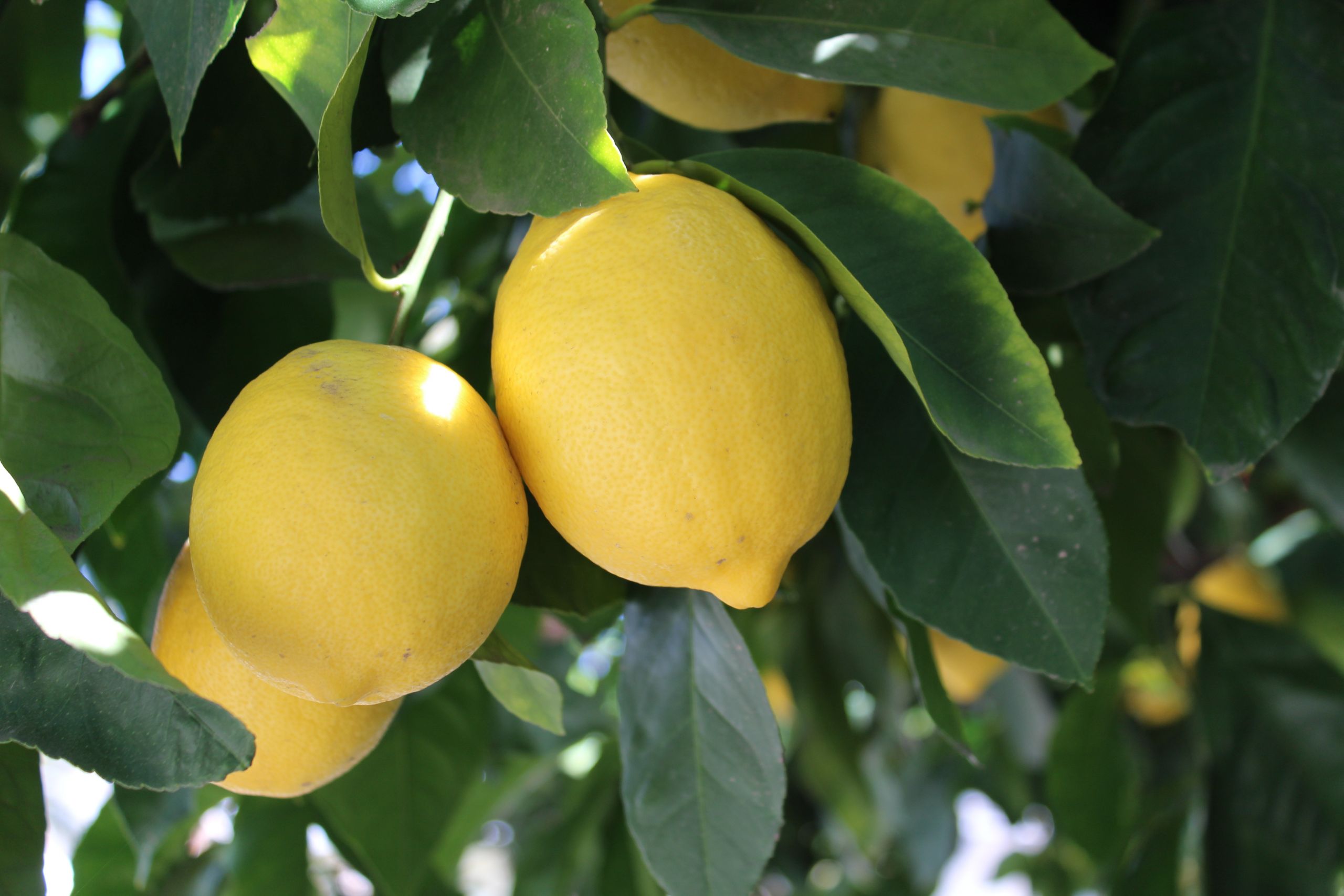
    A new study on the costs and returns of establishing and producing lemons in Ventura County has been released by UC Cooperative Extension in Southern California and UC Agricultural Issues Center, both part of UC Agriculture and Natural Resources.

    “Coastal agriculture is always in transition and as strawberries and vegetables become less profitable due to markets and labor availability, lemons have returned as a potentially profitable alternative to those crops,” saidBen Faber, UC Cooperative Extension farm advisor for Ventura County and coauthor of the study.

    California lemon acreage was at roughly 47,000 acres in 2018-19, of which Ventura County accounts for 31%, according to the 2019 Ventura County Crop Report. Ventura County was growing lemons on 14,407 acres in 2019.

    “The profitability of lemon production depends on the price of land,” said Etaferahu Takele, UC Cooperative Extension farm management advisor for Southern California, another coauthor of the study. “If the price of land continues in its current trend, it could be prohibitive for new entrants to make a profit and limit further expansion of lemon production in the county.”

    Their cost analysis describes production operations for Eureka lemons on macrophylla rootstock, which are planted at 155 trees per acre with an expected life span of 40 years.

    The study includes a detailed summary of costs and returns and a profitability analysis of gross margin, economic profit and a break-even ranging analysis table, which shows profits over a range of prices and yields.

    Input and reviews were provided by Ventura County farm advisor and grower cooperators. The authors describe the assumptions used to identify current costs for lemon establishment and production, material inputs, cash and non-cash overhead.

    The new study, 2020 – Sample Costs to Establish and Produce Eureka Lemons in Ventura County,” can be downloaded for free from the UC Davis Department of Agricultural and Resource Economics website at http://coststudies.ucdavis.edu and the UCCE Riverside County Farm Management website at https://ucanr.edu/sites/Farm_Management/files/338947.pdf. Sample cost of production studies for many other commodities are also available on the websites.

    For additional information or an explanation of the calculations used in the studies, refer to the section of the report titled “Assumptions” or contact Takele at (951) 683-6491 Ext. 243 ettakele@ucanr.edu or Donald Stewart at the UC Agricultural Issues Center at (530) 752-4651, destewart@ucdavis.edu.

    For information about production of lemons in Ventura County, contact Faber at bafaber@ucanr.edu. — By Pamela Kan-Rice, UCANR

  • New Blackberries: Eclipse, Galaxy, and Twilight

    New Blackberries: Eclipse, Galaxy, and Twilight

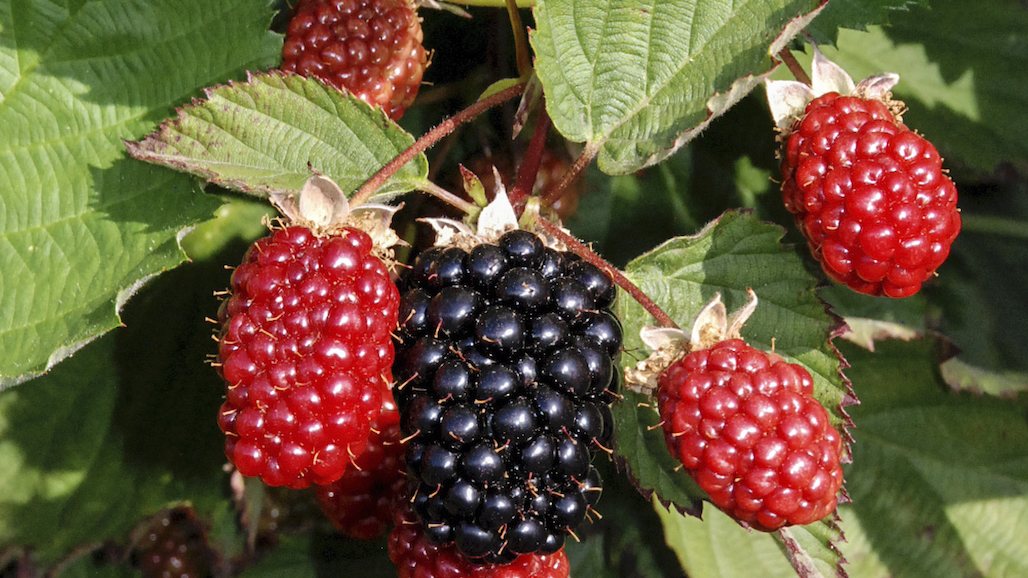
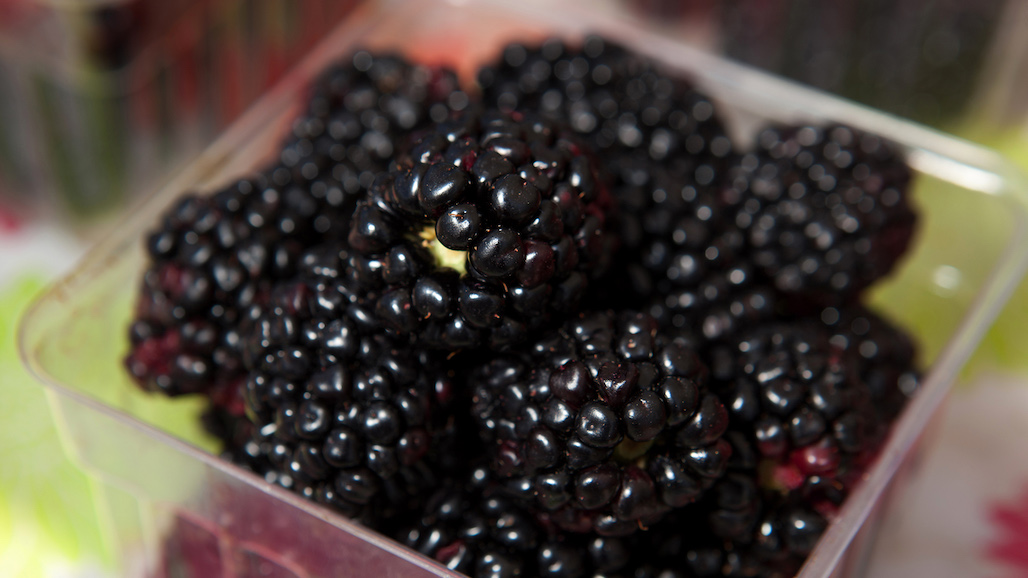
    The best of eastern and western blackberry genetics have been melded to create Eclipse, Galaxy and Twilight, three new blackberry varieties released by the Agricultural Research Service (ARS).

    ARS’ Horticultural Crops Research Laboratory in Corvallis, Oregon, working in cooperation with the Oregon State University Agricultural Experiment Station, has blended the desirable traits of eastern erect-cane blackberries and western trailing blackberries into new varieties with thornless semi-erect canes to fill new niches in the fresh berry market.

    Eclipse was the first of the three varieties from these crosses to move from the test fields to final selection. Its name was changed from ORUS 2816-4 to Eclipse to commemorate the total solar eclipse visible in Corvallis in 2017.

    One of Eclipse’s parents, Triple Crown, known for highest marks in productivity, vigor and flavor, ripens in late summer. Eclipse inherited the same triple high scores, but it ripens earlier, filling a hole in the fresh market harvest season between when trailing varieties ripen and when Triple Crown ripens.

    “Eclipse inherited Triple Crown’s outstanding flavor, beloved for its sweet, fruity taste, with hints of root beer and spice. But what Eclipse has that Triple Crown doesn’t is a firmer skin that gives you a good pop when you bite down. Firmer skin also means the berries handle and ship better and don’t leak, which is always an attractive feature for the fresh market,” said biological technician Mary Peterson, who works in the blackberry breeding program.

    The second blackberry release, Galaxy, also has Triple Crown as a parent and inherited similar traits, with the firmer skin of Eclipse. But it produces a few days earlier than Eclipse. Galaxy’s berries are slightly larger than those of Eclipse with dark-colored fruit.

    “People who’ve tasted Galaxy have detected hints of blueberry, mint and grape,” Peterson said.

    The third release was named following the same sky theme, and the specific name Twilight was selected because it ripens last of the three varieties, 4-5 days after Eclipse, Peterson explained.

    With an ancestry seven-eighths eastern U.S. blackberry and one-eighth western blackberry, Twilight is higher yielding than Eclipse. Tasters have remarked on its complex, deep blackberry jam flavor, with floral and honey notes, but the berries are perhaps not quite as sweet.

    The Agricultural Research Service is the U.S. Department of Agriculture’s chief scientific in-house research agency. Daily, ARS focuses on solutions to agricultural problems affecting America. Each dollar invested in agricultural research results in $20 of economic impact.

  • Western Growers Hires Walt Duflock as Vice President, Innovation

    Increasing its industry-leading efforts to quicken the pace of technology solutions for the fresh produce industry, Western Growers has added Walt Duflock as Vice President, Innovation. In this role, Duflock will be singularly focused on accelerating agtech for Western Growers (WG) member companies, including expanding the footprint of the Western Growers Center for Innovation & Technology (WGCIT), a premier agtech incubator located in Salinas, Calif.

    “The need for innovative technology in our members’ fields and facilities has never been more urgent,” said WG President and CEO Dave Puglia. “Walt Duflock has guided many technology entrepreneurs and brings a demonstrated ability to propel growth in the agriculture technology sector. I am thrilled that Walt will now join WGCIT Director Dennis Donohue, who is driving tangible progress on key agtech initiatives such as automation and food safety enhancement. Together, Walt and Dennis will further strengthen our ability to drive rapid commercialization of the technologies our members need to thrive into the next generation.”

    Duflock brings over 25 years of experience in the agriculture and technology sectors, with an emphasis on startup development. In addition to his involvement in his fifth-generation family ranch in Monterey County, Duflock has dedicated his career to building programs and strategies at high-growth Silicon Valley startups, including eBay, MerchantCircle (now Reply) and APTARE (now Veritas). In his most recent role, Duflock served as Executive Innovation Leader for SVG Ventures THRIVE.

    “I am excited to be joining the WG team and look forward to working with farmers and startups to increase the speed and scale of solutions, especially for food safety and labor automation,” said Duflock. “My decades of experience in agriculture and working with Silicon Valley startups, along with building a successful agtech accelerator, give me the right set of skills to lead WG’s innovation initiative.”

    Duflock earned a B.S. degree in Business from Cal Poly San Luis Obispo and a law degree from Santa Clara University. He is active in his local community and serves on several volunteer boards, including the Los Gatos United Soccer League and Rancho Cielo, which aims to transform the lives of at-risk youth. In 2019, Duflock launched SAGE, a 501(c)(6) that focuses on sustainable ag and energy and vibrant rural economies.

    About Western Growers:

    Founded in 1926, Western Growers represents local and regional family farmers growing fresh produce in California, Arizona, Colorado and New Mexico. Western Growers’ members and their workers provide over half the nation’s fresh fruits, vegetables and tree nuts, including half of America’s fresh organic produce. Connect and learn more about Western Growers on Twitterand Facebook.

  • Survey Asks Californians About Views on Agriculture

    In February 2020, the Grower Shipper Association of Central California (GSA) conducted a survey of residents in the Bay Area and in our local farming regions.  While this survey was conducted prior to the COVID-19 pandemic, the results and responses still have value and provide important information to GSA as we work to advance families, food and farming in our region.

    Among the most gratifying result was how much Northern Californians valued agriculture.  Seventy-seven percent stated that agriculture was most or very important to the quality of life and the economy of California.  “We were very pleased to see that so many residents recognized the important work of farmers and farm workers, even before the pandemic,” says Chris Valadez, GSA President.

    The survey shows residents also appear to understand some of the issues facing agriculture, including labor and potential shortages.  Seventy-seven percent of respondents supported the employment of guest workers by agriculture under the H-2A visa program to offset domestic labor shortages and 71% agreed guest worker programs are important to California’s economy.  However, 54% said they were concerned about the impact of guest workers on housing in the region, a concern shared by the agricultural community.

    “While new farm worker housing projects along the Central Coast are in process now, we must continue to work to find innovative solutions to ensure adequate and safe housing is a priority for our community,” Valadez says. “The pandemic further underscored the need for more affordable housing in our region.”

    Food safety is where survey respondents indicated they want agriculture to advance efforts to continuously improve and better protect public health. Respondents generally agreed they want farmers and government agencies to work jointly to improve food safety.

    The survey also explored views on water quality and water supply.  Almost 70% of respondents stated that their water quality was good to excellent.  And, seventy-eight percent agreed that their biggest water concern was an adequate supply and impacts from another drought.  While water was a less important issue among respondents overall, when probed, 64% of respondents stated that agricultural runoff was a concern.

    Finally the survey looked at residential, industrial and agricultural use of pesticides. Interestingly 42% of respondents said they understand the benefits of pesticide use with 23% stating they were unsure about those benefits. This may convey a need for agriculture to continue to provide more information about the safety standards and use of pesticides in organic and conventional production.

    Conclusions:  

    As it did for every one, the pandemic severely shifted the focus of the farming community and GSA.  Significant time and resources were devoted to protecting essential farm workers from COVID-19 exposure while working to ensure a consistent supply of safe and healthy foods reaches consumers.  As the pandemic evolves, GSA’s work to facilitate the availability of protective equipment for farm workers, in-field training by medical professionalsquarantined housing and adequate COVID-19 testing programs continues and remains of primary importance.

    However, the survey findings as well as conversations with media, residents, regulators, elected officials and labor groups throughout the pandemic show that Californians want and need more information about issues impacting agriculture and our industry’s response.  It is also clear respondents greatly value farming in California and its importance to a healthy economy.

    After examining the survey results, GSA’s focus will be on the continuance of solution-based programs, enhanced and transparent external communications about farming practices as well as continued dialogue and engagement with residents, elected officials, labor and environmental advocates.  This survey will help GSA prioritize its attention and efforts on the issues of key importance to Bay Area and Central Coast residents.

    GSA is preparing a white paper with complete survey results as well as a new webpage called “Our Work” which will provide information on these specific issues as well as GSA solution-based programs and activities.  The Our Work webpage will go live in the coming weeks.

    The online survey was conducted in eight counties in the Bay Area and Central Coast from February 7 through February 10.  The survey margin of error was 4.0. 

  • Fruit World Enters Citrus Season with New Sustainable Packaging and Increased Volume of Organic and Conventional Offerings

    Fruit World Enters Citrus Season with New Sustainable Packaging and Increased Volume of Organic and Conventional Offerings

    Fruit World, a family-owned, flavor-focused grower-shipper of organic and conventional fruit, enters their 2020 citrus season with bold, new recyclable packaging and increased availability of 100% California-grown organic and conventional mandarins, along with organic oranges, grapefruit, lemons, and sweet limes.

    “We’re really excited about our new fun and colorful conventional mandarin packaging design, especially because it’s fully-recyclable,” said Bianca Kaprielian, Fruit World co-founder and CEO. “We love the extension of the Fruit World brand, and how these bags add to the sustainable values which are core to our company.” All Fruit World cartons and bags are bright, bold and distinctive, and perfect for creative retail displays. 

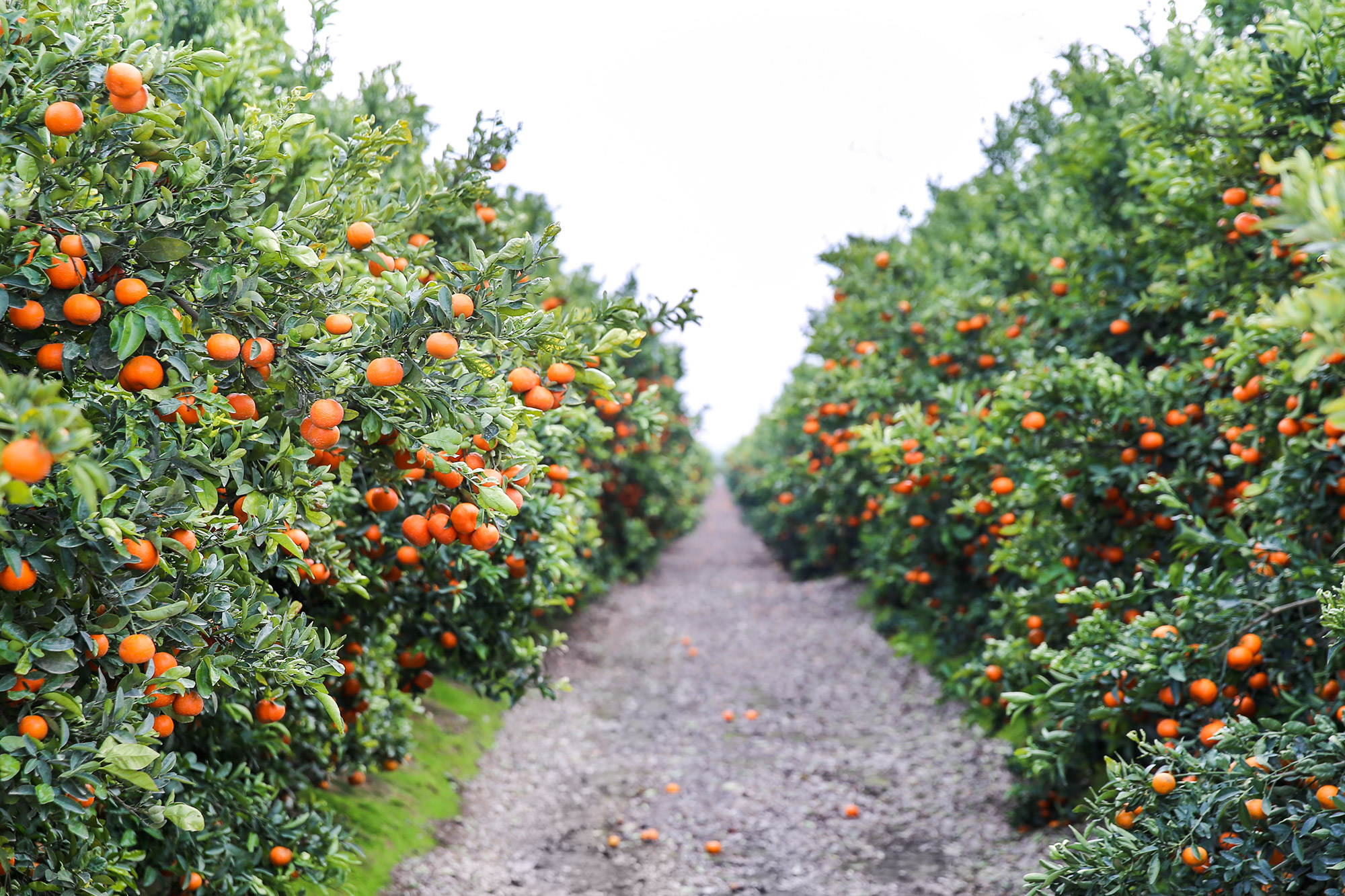
    Fruit World is one of few growers with uninterrupted season-long programs for both their organic and conventional mandarins. “While orchard yield per acre across the state is expected to be on par with the past few years, we’re excited to be entering mandarin season with increased availability from our own farms and growers,” said CJ Buxman, co-founder of Fruit World and an organic mandarin grower. “On the conventional side, our proprietary sweet Early Dulce and Dulce mandarins will be first to market in mid-October, followed by organic and conventional Satsuma mandarins, then Clementines. We’ll go all the way into June with our Gold Nugget and proprietary Klondike varieties.” By mid-November, all Fruit World mandarin varieties will be available as either stem & leaf or bald fruit.

    Fruit World has just started shipping new crop organic Rio Red grapefruit, available in bright header bags and the company’s signature bold cartons. Organic navel oranges are close behind, shipping in mid- to late-October once Valencia oranges are finished packing. “Navel orange yield is expected to be down 5% this season,” said Buxman. “However, we have added some acreage to our mix, so our supply will increase by about 15%.” Additionally, Fruit World has a year-round organic lemon program with promotable volumes starting with desert-grown lemons in early November, through the end of the Central Valley harvest in March.

    “We’re committed to providing the most flavorful fruit, and the best customer service possible,” said Kaprielian. “We excel at working with our retail and wholesale partners and tailoring programs to their needs, so they can best serve their customers.”

    For more information or to place an order, call (559) 650-0334, or visit fruitworldco.com to learn more about the Fruit World story.

    About Fruit World
    Fruit World is a fresh and creative produce company with generations of history. Fruit World grows and ships the most flavorful fruit in California—including organic and conventional citrus, organic grapes, organic stone fruit, and more—and works with customers who share a passion for quality and taste. They’re all about honoring their growers, staying true to their farming heritage, and keeping family farming thriving into future generations. Visit fruitworldco.com.

  • $45 Million in Funding for Citrus Research Awarded

    $45 Million in Funding for Citrus Research Awarded

    A total of $45 million in funding for citrus research during the 2020-21 fiscal year was awarded by the United States Department of Agriculture National Institute of Food and Agriculture (USDA-NIFA) Emergency Citrus Disease Research and Extension (ECDRE) Program. The ECDRE Program addresses priorities identified by the Citrus Disease Sub-Committee of the National Agricultural Research, Education, Extension, and Economics (NAREEE) Advisory Board by sponsoring research projects designed to provide solutions to the U.S. citrus industry. For the 2020 fiscal year, the ECDRE program selected 12 projects to receive awards.

    With funding support from the Citrus Research Board (CRB), Pepsi Co and Coca-Cola, and a consortium led by the Citrus Research and Development Foundation (CRDF), NIFA awarded a $10 million grant for their on-going coordinated agricultural project with Bayer Crop Science. The project seeks to identify and develop therapeutics for HLB and the presumed HLB pathogen ‘Candidatus Liberibacter asiaticus’ (CLas). Researchers are investigating synthetic and microbial therapeutics for further characterization and optimization, intending to develop therapeutics for commercialization.

    According to the CRB President, Marcy Martin, “Success with this project will help all citrus growers, not just those from a particular state. We like that CRDF and CRB were able to team up on this worthy project.”

    Among this year’s awardees, three current and past CRB-funded California researchers from the University of California were awarded $12.5 million between three projects. CRB-funded researcher Chandrika Ramadugu, Ph.D., was awarded $4.7 million to lead efforts to evaluate novel citrus hybrids for tolerance/resistance to HLB in multi-state field trials in California, Texas, and Florida. Caroline Roper, Ph.D., received $6.5 million to unravel the underlying mechanisms of tree health in HLB impacted groves and develop a set of best practices for extending the life and productivity of citrus groves. Past-funded CRB researcher Yen-Wen Kuo, Ph.D., was awarded $1.41 million to explore utilizing insect-specific viruses to manipulate the Asian citrus psyllid (ACP) and its associated microbes to limit psyllid activity and disease spread potentially.

    CRB-funded researchers Vivian Irish, Ph.D., from Yale University, Anne Simon, Ph.D., from the University of Maryland, and Robert Shatters, Ph.D., from the USDA Agricultural Research Service also received awards. Irish is spearheading research with a $1.5 million award to identify HLB susceptibility genes in citrus, which will assist in future breeding efforts. Simon received $1.5 million to lead efforts to develop a phloem-restricted viral vector that could be used to directly target CLas in the phloem or modulate citrus host responses. Shatters has received $9.4 million to explore the development of an in-field therapeutic screening system with accompanying delivery systems. Past-funded CRB researcher Goutam Gupta, Ph.D., was awarded $4.8 million to lead efforts in developing novel therapies for the prophylactic and curative treatment of HLB.

    Additionally, researchers from the University of Florida and the University of Maryland received awards to study CLas, ACP and HLB strategies.

    Click here for more information on project scope and activities can be found at. The CRB congratulates all awardees for the 2020 fiscal year cycle and looks forward to seeing the results from these studies.
     
    About the Citrus Research Board

    The CRB administers the California Citrus Research Program, the grower-funded and grower-directed program established in 1968 under the California Marketing Act as the mechanism enabling the state’s citrus producers to sponsor and support needed research. More information about the Citrus Research Board may be found at www.citrusresearch.org.

  • Fall Microirrigation System Maintenance

    Fall Microirrigation System Maintenance

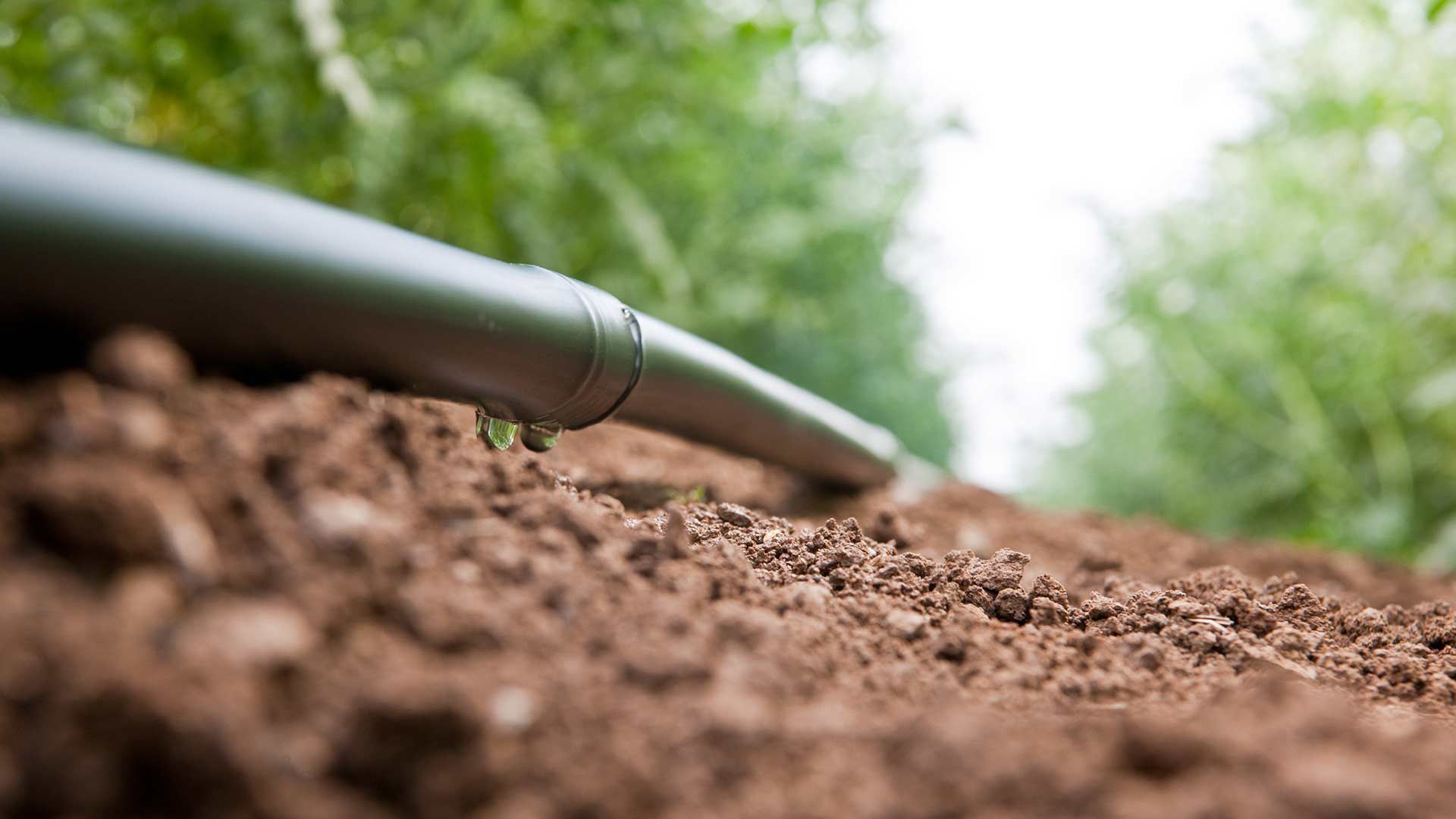
    California Avocado Commission — Microirrigation systems (microsprinklers, drip emitters and drip tape) tend to provide better distribution/emission uniformity than other irrigation methods. However, the miniscule flow passages in these systems can become clogged and thus disrupt the uniformity of water applied to a crop.

    Late fall and winter are an ideal time to review irrigation systems for needed repairs or malfunctions. A great resource is the University of California Division of Agriculture and Natural Resources’ (UCANR) webpage that outlines various causes of microirrigation clogging and means of preventing or mitigating the problems.

    The first step in alleviating clogs is identifying the problem. Clogs can be caused by:

    • Particulates — sand, silt, clay — from surface water sources
    • Biological materials — algae, bacterial slimes — from surface water sources
    • Chemical precipitates — such as iron and calcium carbonate — from groundwater sources or fertigation

    To identify the issues, UC ANR recommends first flushing water from the lateral lines through a nylon stocking or paint straining cloth and examining what material is collected. If you see mineral particles, you have identified your problem. If you notice that clogging tends to occur at the ends of the lines, this also tends to indicate particulate clogging.

    If you identify organic matter when flushing the line, then biological materials are the issue. You also can open the end of a lateral line and feel inside the tube to see if it is slimy. If so, biological materials are the source of your problem.

    If you note white, crusty materials or reddish staining of the soil near the emitters, this is indicative of chemical precipitates.

    Once you have identified the clogging source, you can take steps to address the issue.

    Particulate issues can be prevented by regular line flushing and the use of filters. UCANR provides a list of various filters and a table noting which filter to choose based on water source, particulates and irrigation system. To adequately flush the lines, water must flush at least 1 foot per second at the end of the drip line — 1 gallon/minute for 5/8” diameter and 2 gallons/minutes for 7/8” diameter drip lines.

    If organic matter is the source of the clogging, the best mode of treatment is a good filtration system combined with use of a biocide to remove the biological contaminants. Visit the UCANR site for a list of filters and the aforementioned “how to choose a filter” table.

    If calcium carbonate (lime) or iron is clogging your emitters, strong acid can make either disappear if emitters are left in it overnight. Lowering the pH (6 or below) of the water by injecting common acids — sulfuric acid, muriatic acid or hydrochloric acid — can help prevent clogging due to lime. UCANR provides specific formulas to help growers determine the injection rate needed to alter water pH.

    If high iron levels are the source of the clogging, aerating the water to oxidize the iron and then allowing the precipitates to settle before irrigating (a reservoir or settling basin is necessary) is the most practical option. Common acids also can be injected to decrease the pH of the water (4 or less).

    For more information on routine microirrigation tasks, visit the UCANR website.