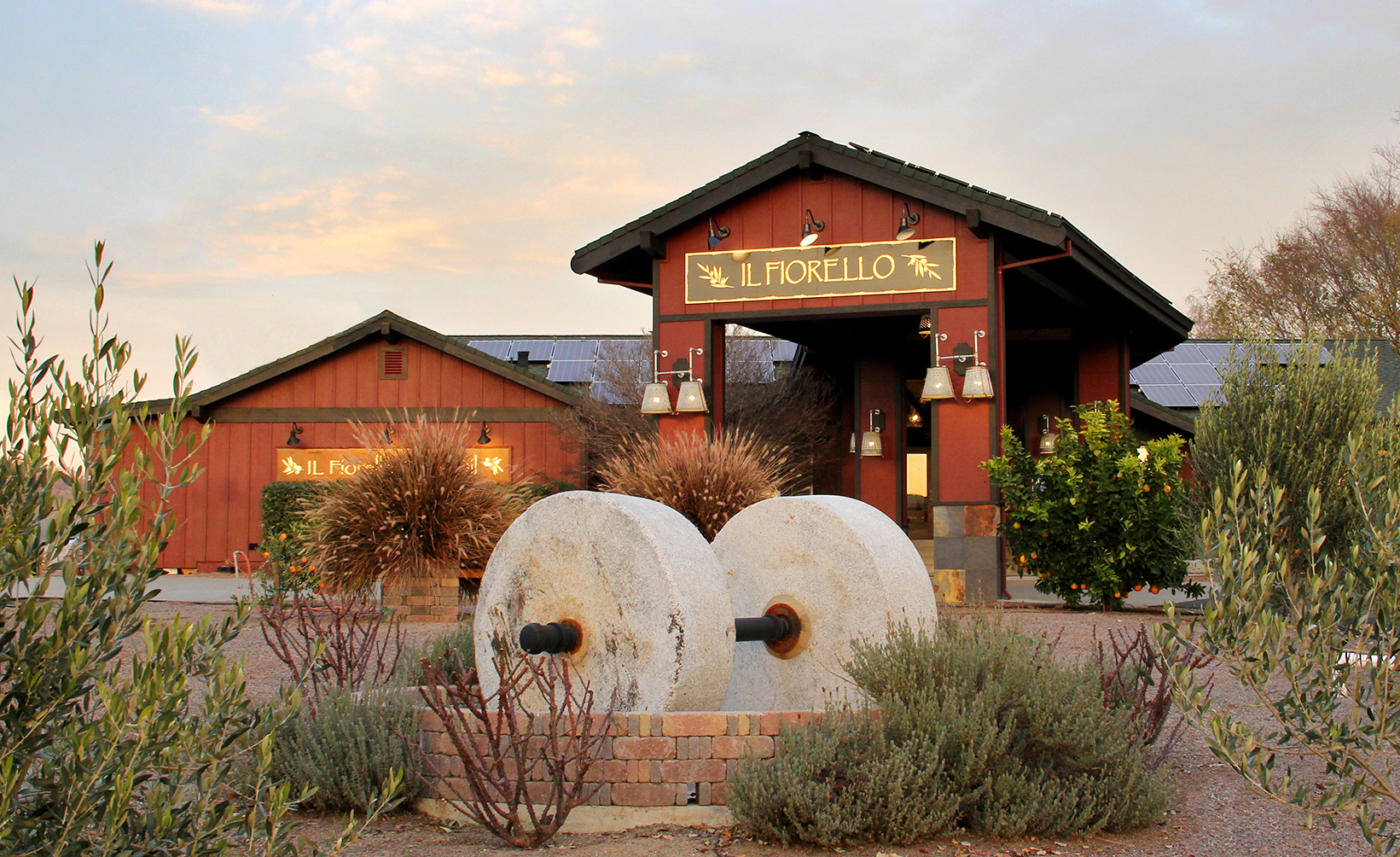
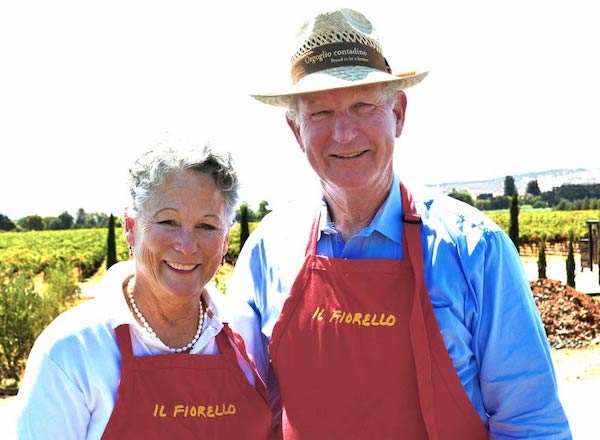
Mark Sievers and his wife Ann Fiorello Sievers of II Fiorello Olive Oil Company
Mark Sievers of Il Fiorello Olive Oil Company was elected to serve as new Chairman of the Olive Oil Commission of California’s Advisory Committee. The Advisory Committee is made up of seven members who are appointed by the Secretary of the California Department of Food and Agriculture (CDFA). It serves to make sure olive oil producers with less than 5,000 gallons per year have a voice in the decisions made by the OOCC.
Sievers previously held the position of Vice Chairman of the Advisory Committee and he replaces Albert Katz who resigned from the Advisory Committee in August.
Sam Israelit of Spanish Oaks Ranch in Templeton
Sam Israelit, of Spanish Oaks Ranch in Templeton, was elected to serve as the Advisory Committee’s new Vice Chairman.
As Chairman, Sievers will oversee meetings and help identify areas the Committee should address in order to best serve the interests of the state’s small olive oil producers. He also has a voting position on the OOCC Board of Directors.
Albert Katz’s departure leaves a vacant position on the Advisory Committee. CDFA will revisit the list of interested candidates from a list of applications submitted in June and appoint an additional member.
The OOCC thanks Albert Katz for his many years of service and dedication to the OOCC and Advisory Committee.
The California Department of Food and Agriculture (CDFA) is currently accepting proposals for its Request for Proposal for a contractor to serve as the Riverside County grower liaison. Proposals must be received by Nov. 18. Responsibilities may include conducting outreach directly to growers in Riverside County, providing them up-to-date information on the latest industry news or updates, staying engaged in CDFA activities, communicating voluntary or mandatory treatments Riverside County and more.
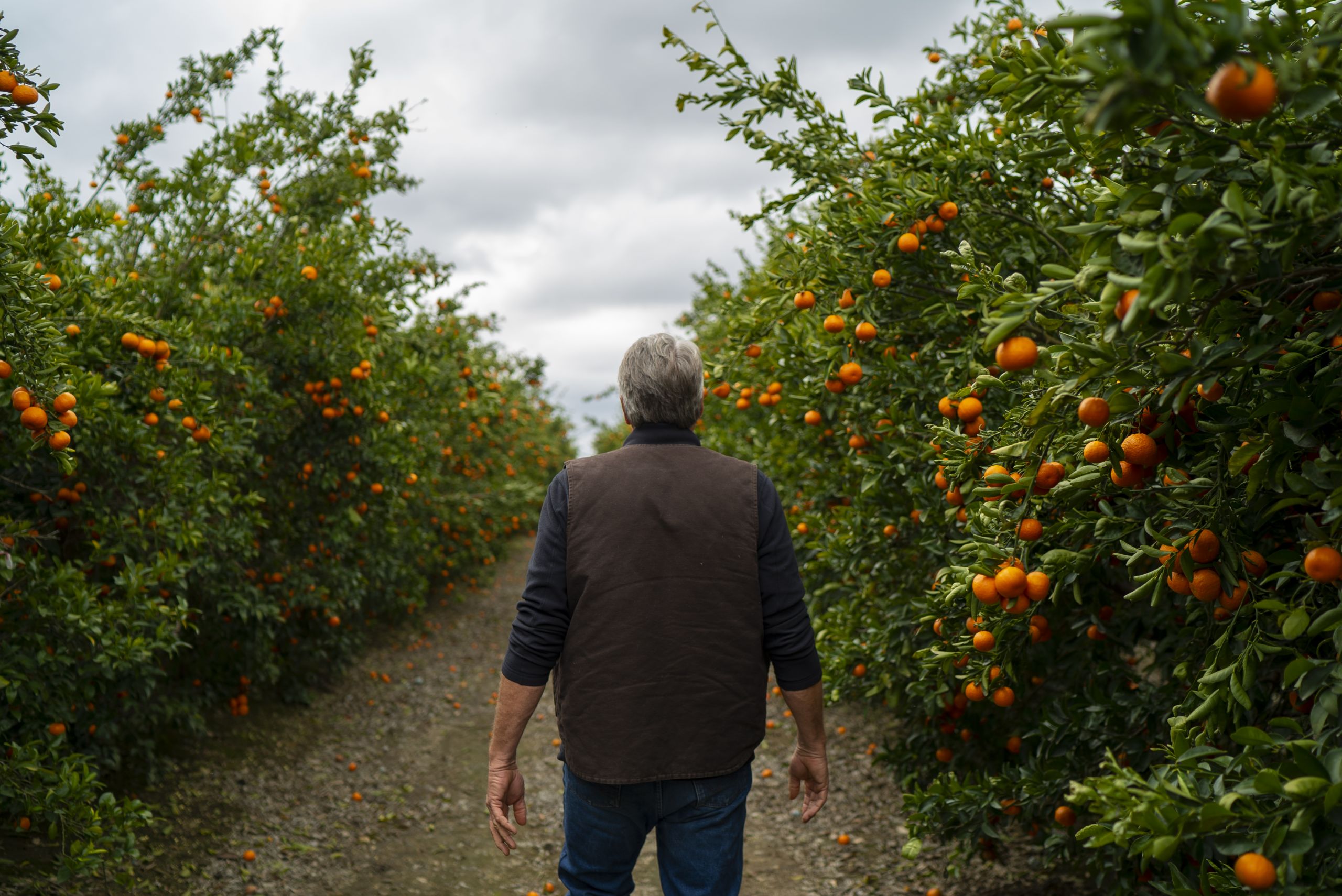
The battle to save California citrus from the Asian citrus psyllid (ACP) and Huanglongbing (HLB) is a collaborative effort that involves local, county, state and federal officials, researchers, scientists and commercial citrus growers. To help facilitate pest management and disease eradication, grower liaisons are key pieces to that puzzle and are dedicated to serving a specific region in the fight against HLB.
This position requires a fundamental knowledge of citrus production, a working knowledge of grove operations, and the relationship between growers, shippers and allied businesses that work in the area of pest and disease control. A Pest Control Advisor’s license is desirable, but not required. The contractor should be familiar with California agriculture and specifically its citrus industry. Knowledge of the ACP and HLB is desirable.
To submit a bid for the contract, you must follow these steps:
Visit ca.gov, if you do not have a profile you must register for one in order to view the Request for Proposal (RFP).
Under “Search Events,” type in “Asian Citrus Psyllid Outreach and Education.”
Once on the Events Details page, click “View Event Package,” then under the “View Attachments” area, click “view” to download the official Request for Proposal. Once there, you should be able to view the full RFP and Start a Bid if you meet the qualifications. Please note, you must have a profile and be logged in to view the RFP.
Proposals are due to CDFA by Nov. 18 at 2 p.m. The term of this contract is Dec. 1, 2020 or upon final signature, whichever is later, through Nov. 30, 2022.
On the heels of strategic planning and virtual Board meeting, which took place October 23, National Watermelon Promotion Board (NWPB) is entering in to the fall and winter months well-positioned to strengthen demand for watermelon. Considering more than 30% of watermelon is consumed in the fall/winter months, year-round promotion is an integral part of NWPB programs.
While each department at the Board has a different audience – including consumer, foodservice, retail and international – consistent programming strategies throughout the fall and winter months will focus on leveraging partnerships, serving as a resource, educating about watermelon’s health and versatility benefits, and maximizing social platform engagement. Not an exhaustive list, activity highlights by department include:
Communications
“How do you WINTERmelon” consumer social campaign utilizing influencer partnerships and earned media PR tactics to visualize watermelon in the winter usage ideas and versatility benefits
National paid feature syndication with winter-focus “Add Fruit Flavors to Fun Holiday Desserts” suggesting watermelon in nontraditional winter kitchen dishes
Dietitian education, inspiration and “edutainment” through FNCE virtual expo and culinary demo, highlighting RD Toolkit, Zero Food Waste and Watermelon Flavor Pairings
New launch of Jump with Jill multimedia educator portal with lesson worksheets built on existing watermelon partner videos for teachers and parents at home or in classrooms
Influencer social partnerships with Produce for Kids/Healthy Family Project, Kim Rose Dietitian, Fannetastic Food, Ana Quincoces and Pam Smith highlighting versatility and health benefits of watermelon year round
Shooting new TV commercial content focusing on both wellness and happiness, to be advertised on YouTube and other streaming content channels
Foodservice
Print, digital and social media advertising with predominant foodservice publications to reach foodservice operators traditionally reached at events
New yield tool showcasing dice, wedge, juice and other formats yield from different watermelon sizes so chefs can easily switch between mini and seedless watermelon
Chef’s Roll partnership to create technique and recipe videos featuring popular watermelon formats including dice, wedge, juice, julienne rind, etc. to be shared through Chef’s Roll and used by the NWPB to educate and inspire operators
Virtual Flavor Experience conference to highlight watermelon’s year-round availability and versatility on foodservice menus
Partner with StarChefs to host a recipe contest to engage with no less than 200 chefs, build our recipe database and spotlight champions of watermelon
Retail & International Marketing
Year-round retailer activations via domestic and international retail account management team
Continued distribution of Retail Kit in print and digital formats
Independent grocer outreach via Live. Balanced wellnessactivation kit planned for early 2021
Retail dietitian and retailer education outreach through virtual platforms
Presence at virtual conferences, trade shows and networking events“For many years, the NWPB has been tasked with promoting watermelon all twelve months of the year,” said Mark Arney, Executive Director for the NWPB. “Watermelon’s health benefits and versatility lends itself to everything from Halloween carvings to holiday punch to elevated usage ideas.”The next NWPB Board meeting, where staff will recommend marketing programs and the Board will vote on a budget for the 2021-2022 year, will take place virtually on Saturday, March 6, 2021. For more information or specifics about individual departments, contact Stephanie Barlow, Senior Director of Communications at sbarlow@watermelon.org.
There are many variables in producing the perfect New Mexico green chile pepper. Consumers select for flavor profile, and pepper pod size, shape, thickness and color. Agricultural producers want a high yielding plant with picture-perfect pods that are easy to harvest. Food producers want chile peppers with no stem and no damage to the pod.
New Mexico State University researchers have developed what is on its way to being the perfect chile pepper for mechanical harvest. “After many years of traditional selective breeding, we have a new advanced green chile line with the proposed name NuMex Odyssey,” said Stephanie Walker, NMSU chile researcher and Cooperative Extension Service vegetable specialist.
The new green chile line, Odyssey, is the result of the NMSU College of Agricultural, Consumer and Environmental Sciences’ ongoing efforts to resolve issues associated with harvesting green Chile. “Because of difficulty in obtaining people to hand harvest the green chile, we have been working on a mechanized harvest system,” Walker said. “We began by identifying a harvester manufactured in Israel that gives us the most efficient pick of the chile compared to other machines tested.”
While testing various harvesters, the research team realized they needed some changes in the plant and chile pod. “We worked on plant architecture and fruit attributes that would mechanically harvest better,” Walker said. “We needed the plant to have a strong, single stem with fewer basal branches. The low lying lateral branches interfered with the machine, causing it to uproot the plant. We also found that fruit setting slightly higher on the plant and also detaching from the plant with less force contributed to a cleaner mechanical pick.”
Fixing these traits in Odyssey resulted in higher mechanically harvested yield, with significantly less fruit loss in the field, compared to standard commercial green chile varieties.
While this plant architecture helps the harvest efficiency of the plant, Walker said another really exciting thing about the Odyssey variety is the destemming – pedicel removal – efficiency of the fruit.
“For green chile processing, we needed the pedicel – stem and calyx – to come off the fruit easier and cleaner,” she said. “Often when you pull the pedicel off of other varieties, you might either break it and partially leave it on the fruit, or you break the chile fruit.”
Pedicels perfectly detached from Odyssey fruit 68 percent of the time as opposed to 34 percent for AZ 1904 and 24 percent for NuMex Joe E. Parker.
“With Odyssey, we get very good, clean breaks,” she said. “This will also help hand-harvesting.”
Pedicel removal is very important for the quality of commercial processed green chile.
“In a processing plant where you are getting thousands of pounds of chile through the system, you have to remove the stem, or otherwise it creates woody material in the processed food,” said Walker, who began her work with chile as a quality control supervisor in a processing plant.
“Currently, with the 100 percent hand-harvest system, the people actually remove the pedicel out in the field,” she said. “When it doesn’t come off easily, they sometimes break the fruit which causes yield and quality loss.”
Ultimately, how does Odyssey taste? After taking a bite from the green chile pod, Walker declared, “Delicious New Mexico chile flavor, although very mild.” The new variety’s heat factor averages between 300 and 400 Scoville units.
New Mexico State University researchers Brad Tonnessen and Stephanie Walker look at a NuMex Odyssey chile pepper plant that they have bred for easier harvesting (NMSU photo by Jane Moorman).
Interviewers from the U.S. Department of Agriculture’s National Agricultural Statistics Service (NASS) will interview more than 160 Washington and Oregon vegetable growers in order to gather information for the Vegetable Chemical Use Survey this fall.
The survey will collect information on pesticides used, acres treated and rates applied to seven targeted vegetable crops. In addition to Northwest producers, vegetable growers in 14 other states will also hear from NASS, as the agency collects comprehensive U.S. vegetable production practices information.
“Participation in the Vegetable Chemical Use Survey is vital to all participants in this key agricultural sector,” said Christopher Mertz, director of the Northwest Regional Office. “Responses from vegetable growers will help ensure that chemicals critical to crop production remain available on the market.”
Survey response is protected by federal law (Title V, Subtitle A, Public Law 107-347), which keeps respondent identity and answers confidential.
Survey results will be published online in NASS’s Quick Stats database next year. This database and all NASS reports are available on the agency’s website: nass.usda.gov. For more information on NASS surveys and reports, call the NASS Northwest Regional Office at 1-800- 435-5883.
Dr. Timothy Artlip, a Plant Physiologist with the USDA-ARS Appalachian Fruit Research Station in Kearneysville, WV, was recently interviewed in the USDA-ARS Under the Microscope publication regarding the future of apple breeding. His work encapsulates efforts to improve the breeding and cultivating of apples through genomics research, and he is bullish about the future. Read the following Q&As from the Under the Microscope (UM):
UM — What are ancient apples and how do they differ from wild apples?
TA — Ancient apples are really just old or antique apple varieties that are no longer grown commercially. Sometimes, these older apples fell out of favor because newer varieties held more appeal to consumers due to appearance, taste, sweet/tart balance or mealiness.
Wild apples, as we define them, are really different species of apples, some of which are actually the ancestor(s) of modern varieties.
UM — Where did the idea of looking into wild apple genes come from?
TA — Plant breeders often look to wild or ancestor species or locally cultivated plants as sources of resistance to diseases or harsh environmental conditions that modern varieties don’t have. In many cases, the genes for such resistance was bred out as a consequence of favoring desirable traits such as flavor, appearance, or some other trait. Potato is a great example. Wild potatoes found in the Andes are usually small and bitter; the bitterness is a sign that insects won’t eat them or of disease resistance. Now potato breeders are trying to reintroduce those types of qualities into modern varieties because of evolving insect and disease pressures.
Modern apples (top row) vs. wild apple species (bottom rows). Wild apples are generally too small for commercial consumption but can still be valuable for apple breeders. (Photo courtesy of Dr. Timothy Artlip)
UM — What are the differences between ancient or wild apples and the commercial apples we find in grocery stores?
TA — Wild apples tend to have small fruits on the order of crab apples, so they’re generally not suitable for consumers. They may not have the appearance or flavor qualities that consumers prefer. A similar situation exists for many old or antique apple varieties that have fallen out of favor. They may be small. They may look “ugly” even under the best growing conditions. They may not keep well in common storage or their flavors and mouthfeel (mealiness) may not be suitable either.
UM — Are there certain types of wild apples that breeders look for and use?
TA — Yes! The main ancestor of modern apples grows throughout central Asia in countries like Kazakhstan in a variety of local conditions, ranging from rather arid to high altitude to having high disease pressure. Other apple species have specific disease resistance or traits that modern apples generally lack
UM — Are ancient or wild apples good for picking and eating, or just breeding?
TA — It depends. Some of the wild apples have fruit that approach commercial size and are edible. Many of the old or antique varieties are very tasty. For example, “Ashmead’s Kernel” was a dessert variety that George Washington would have served to his guests at Mount Vernon. There are also old or antique varieties that were specially bred for cider making that are inedible. With the resurgence in hard cider production, these varieties are especially prized for making a beverage as complex as a quality wine.
UM — What traits do apple researchers and growers specifically breed for?
TA — Besides all the fruit qualities that I’ve mentioned, resistance to diseases, insect pests, and harsh environmental conditions (high/low temperature, too much/too little water) are very important. Growers also look for “friendly” trees that bear fruit within 2 or 3 years after planting, are productive, aren’t biennial (more bloom and fruit on alternate years) or self-thin (too many apples end up being too small, so growers have to chemically or mechanically reduce bloom or very young fruit), growth habit (branching, height) and how well the trees take to modern growing practices.
Forests of wild Malus sierversii in the mountains of Kazakhstan. (Photo courtesy of Dr. Gayle Volk)
UM — How have advancements in technology and genetic sequencing helped apple breeders?
TA — Genetic sequencing has given us a fairly complete accounting of the genome (“instruction manual”) for apples. Moreover, this knowledge along with standard breeding techniques allows us to know what genes are responsible for fruit quality traits such as skin color, sweet/tart balance, and mealiness. Now, breeders can make crosses, isolate DNA from young leaves of offspring, and quickly know whether the seedling will have some/most/all of the desirable traits.
This genomic knowledge has been coupled with “rapid cycle breeding,” where we use a modified variety that blooms within a year after planting and continues to bloom throughout the year in a greenhouse. The cycle can be repeated, reducing the time for creating a consumer and grower desired variety from 15 or 20 years down to 5. This also allows us to respond more quickly to evolving disease, insect, and environmental pressures by breeding better adapted varieties that have the fruit qualities that consumers want.
UM — What challenges are there to using wild apples to cultivate new ones?
TA — As I mentioned with the potato examples, they may have desirable traits, but undesirable traits frequently end up in offspring as well. This requires multiple rounds of breeding to keep what is wanted and discard the rejects.
Years and years of breeding coupled with many acres and the expense of maintaining the trees is not a good economic model. By combining the genetic sequencing and “rapid cycle breeding,” we can introduce those traits we want into commercial varieties much more quickly, with reduced time, land, and inputs.
These wild apples are tough enough to survive erratic conditions like spring snows. This makes them valuable for breeding. (Photo courtesy of Dr. Gayle Volk)
UM — How will breeding traits from wild apples into new apple cultivars benefit growers and consumers?
TA — Consumers have shown a preference for fewer inputs, such as pesticides. Wild apples may have resistance to diseases and pests, thus reducing the need for pesticides. Our group, along with national and international collaborators, recently was able to introduce resistance from wild apples to a disease called Blue Mold that afflicts apples after harvesting. This should reduce fruit losses that can frustrate growers, grocery stores, and consumers. Such efforts are underway with resistance to other diseases as well.
UM — You have mentioned that you and your team have studied how apple trees respond to low temperatures in spring and winter. Is it possible for us to develop an apple variety that will have increased resilience against stresses brought about by climate change?
TA — I firmly believe this. Two climate related problems have emerged. First, protracted warm autumn temperatures followed by sharp temperature drops, may lead to trees unprepared for snow or freezing temperatures. This can lead to broken limbs, freezing damage, or tree death.
Secondly, we frequently see warm spells in late winter or early spring that fool trees into breaking bud or blooming, followed by frosts or visits by the polar vortex. This can result in dead flowers, thus reducing yield or even killing trees. By having the apple genome, scientists across the globe are gaining a better understanding of the interplay of genes involved in stress resistance and dormancy.
UM — What do you predict as the next step in apple breeding?
TA — I think the new genome editing tools, coupled with “rapid cycle breeding,” will gain more acceptance and allow us to more quickly respond to changes or even anticipate them. It really is an exciting time in not only apples but plant breeding in general.
Beginning September 28, 2020, the U.S. Highbush Blueberry Council (USHBC) and North American Blueberry Council (NABC) appointed Jennifer Sparks, a longtime marketing professional for the floral industry, as vice president, marketing and communications.
Jennifer Sparks
In her new role as part of the USHBC/NABC executive team, Sparks will manage various advertising agencies and marketing partners, and oversee all aspects of the marketing strategic plan, including branding, merchandising, promotions, advertising, public/media relations, market research and consumer affairs to spotlight the health benefits of blueberries and increase consumption. She will lead the implementation of brand-driven internal and external communications across a range of categories: consumer, retailer, food service and industry relations. She will work with a diverse group of industry stakeholders – growers, handlers, importers and retailers – across two continents.
Sparks brings more than two decades of association management and industry promotion experience, most notably 17 years as vice president of marketing for the Society of American Florists (SAF). There, she spearheaded the floral industry’s public education and media relations campaigns, experiential marketing initiatives, influencer programs, digital content and collateral materials. The SAF program developed strategies, messaging and key tactics inspired by consumer insights and groundbreaking university research to promote the emotional health and well-being benefits of flowers. Sparks also served as the industry spokesperson and trained others in media relations best practices.
Sparks holds a master’s degree in public relations/corporate communications with a specialty in crisis management from Boston University, and a bachelor’s degree in journalism from Radford University in Virginia.
“We’re thrilled to have Jennifer on board to help direct our marketing and demand-driving efforts,” shared NABC/USHBC President Kasey Cronquist. “She brings a depth of experience and leadership that gives me great confidence in where our blueberry industry can go from here.”
A self-proclaimed blueberry enthusiast since childhood, Sparks says, “I am grateful for the opportunity to join such a dynamic team to help build brand recognition, enhance thought leadership, amplify the value proposition and promote the amazing benefits of blueberries.”
Sparks shared more of her experience and thoughts on the new direction for 2021 in a recent episode of USHBC’s “The Business of Blueberries” podcast.
Adam Winland Joins NABC and USHBC as Financial Controller
Adam Winland has been hired as the financial controller for the North American Blueberry Council (NABC) and the U.S. Highbush Blueberry Council (USHBC), a newly created position that will oversee the councils’ day-to-day accounting and provide strategic financial direction.
Adam Winland
Winland brings 15 years of financial management experience to the councils. He most recently spent four years as controller for Ideal Dental Management Partners based in West Sacramento, California. He managed the finances of multiple dental offices and was involved in the acquisitions and sales of dental practices.
He previously spent two years as assistant controller for Easter Seals Bay Area based in Pleasant Hill, California, and six years as vice president of accounting and finance for TKG International, a real estate investment firm based in Livermore, California. At TKG, he was involved in the management of the company’s 100-acre vineyard and helped it transition to organic growing practices and become certified by California Certified Organic Farmers.
He is a native of Michigan and a 2004 graduate of Eastern Michigan University with a master’s degree in accounting and a bachelor’s degree in accounting information systems, with a minor in economics.
Winland will be part of the councils’ executive team and manage an annual budget exceeding $13 million. He will oversee accounting, investments, cash flow management, and short- and long-range financial projections. He will also ensure the accuracy of NABC/USHBC accounting data and financial records, produce annual budgets and financial reports, and oversee financial and regulatory audits. He’ll head up administrative services, which includes human resources, benefits, policies and procedures, and operations.
“We’re excited to have Adam bring his knowledge and expertise to the team,” said Kasey Cronquist, president of NABC and USHBC. “His prior experience in ag and finance make him a perfect fit as we look to grow our program alongside the growing demand for blueberries.”
“I’m thrilled to be part of these organizations and I look forward to helping NABC and USHBC achieve their respective visions,” Winland said. “Coming back to my ag roots is an absolute pleasure, and I’m happy to contribute to the success and sustainability of the councils.”
About the U.S. Highbush Blueberry Council
Established in 2000, The U.S. Highbush Blueberry Council (USHBC) is a federal agriculture research and promotion program with independent oversight from the United States Department of Agriculture (USDA). USHBC represents blueberry growers and packers in North and South America who market their blueberries in the United States and overseas, and works to promote the growth and well-being of the entire blueberry industry. USHBC was established by blueberry growers and currently has 2,500 growers, packers and importers. USHBC is committed to providing blueberries that are grown, harvested, packed and shipped in clean, safe environments. Learn more at ushbc.org.
About the North American Blueberry Council
Since 1965, the North American Blueberry Council (NABC) has been the voice of the blueberry industry in the U.S. and Canada. NABC’s members represent approximately 70% of the North American highbush blueberry crop. NABC was instrumental in the establishment of the U.S. Highbush Blueberry Council (USHABC), a federal agriculture research and promotion program with independent oversight from the United States Department of Agriculture (USDA). Learn more at nabcblues.org.
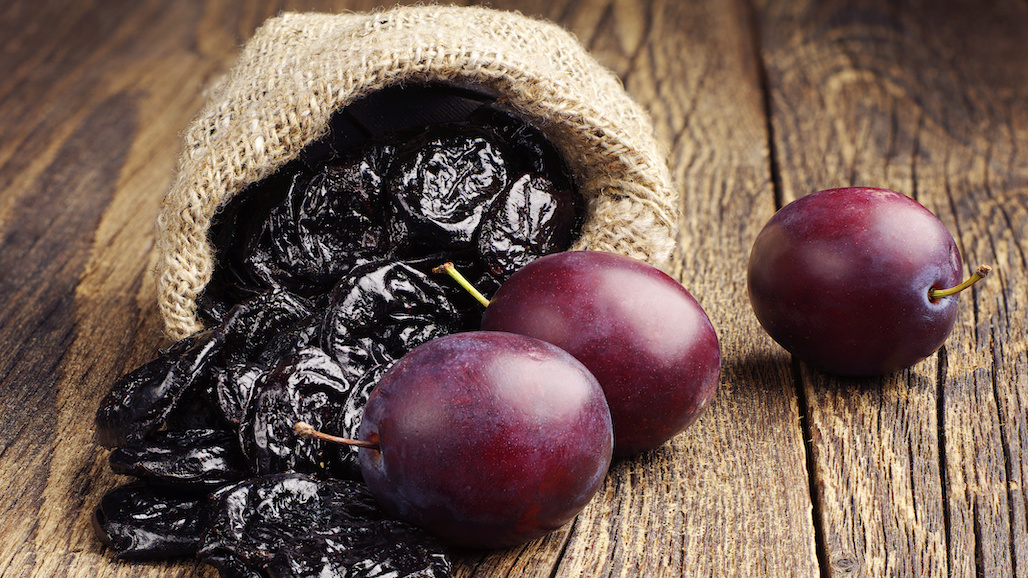
California Department of Food & Agriculture — Prunes produced by handlers in 2019 totaled 9,791 tons, down from the 10,728 tons reported in 2018. This figure does NOT include prunes purchased from other handlers or producers.
The total 2019 prune crop purchased from producers, for whom pricing had been finalized, reached 38,336 tons at an average price of $1,456 per ton, down significantly from the $1,715/ton average of 2018. This price is rounded to the nearest dollar per ton and includes all bonuses and allowances.
Purchases from producers, for whom pricing was NOT finalized, totaled 39,828 tons. The average “good faith” estimate of the final weighted average price for this tonnage was $2,133 per ton.
The quantity of all prunes purchased from producers was 78,164 tons for the 2019 crop. This figure does not include prunes produced by the handler or purchased from other handlers. The weighted average size count of tons purchased from producers was 57 for the French varieties and 58 for the Non-French varieties.
The tonnage produced by the handler plus tonnage purchased from producers for the 2019 prune crop was 86,879 tons of French prunes and 1,077 tons of Non-French prunes for a total of 87,956 tons.
Information contained in this report was supplied by prune handlers to fulfill reporting requirements of Sections 55601.7 and 55601.8 of the Food and Agricultural Code. The report includes all tonnages of prunes that were either produced by the handler or purchased from producers. The final weighted average price, including bonuses and allowances, has been reported for all contracts which were finalized.
All 2019 crop transactions completed through the close of business on August 31, 2020 are included in this report. A “good faith” estimate of final weighted average price was reported for those contracts which were not final on the same date. The data are shown by major varieties at the State level only.
DEFINITIONS
Producer: A person or operator who is responsible for the prunes in the unprocessed state. A dehydrator operator is considered the producer of prunes if they grew or purchased fresh prunes and dehydrated them.
Handler: Firm that processes and markets prunes.
Finalized Purchases: Tonnage purchased from producers, for which a pricing contract has been completed.
Non-Finalized Purchases: Contracted tonnage, for which a final price has not yet been determined.
Free Tonnage: Tonnage received by a handler, for which the only Federal marketing order regulation is a minimum quality or size standard. Reserve tonnage is the tonnage set aside as authorized by a Federal marketing order.
Weighted Average Price: Weighted average price reflects prices or “good faith” estimates of prices as reported by handlers and include any bonuses or allowances.
The U.S. Department of Agriculture’s (USDA) Agricultural Research Service (ARS) recently announced that a harmless airborne fungus, Cladosporium sphaerospermum strain TC09 (TC09), can dramatically accelerate plant growth if a germinating plant is near the fungus as it emits volatiles or gases.
Scientists used tobacco and pepper plants as models to study the conditions for accelerated plant growth once exposed to TC09. Following a relatively short duration of exposure at the seedling stage, the plants began to sense the fungi’s volatiles and gases. USDA scientists were then able to stimulate extremely rapid plant growth, earlier flowering and fruit yield increases.
“This is a game-changer for agriculture and for research that seeks innovative ways to accelerate plant growth,” said USDA Scientist Dr. Chris Dardick. “Its implications are far-reaching and will help ARS’ commitment to deliver cutting-edge scientific advances for American farmers and producers.”
The effects of TC09 were largely correlated with the duration of exposure. Visual observation indicated that plants with TC09 exposure for 10 days exhibited substantially more vigorous growth, thicker stems, larger leaves, and a more robust root system relative to plants without fungal exposure. Results also showed that treated plants flowered 20 days sooner and pepper plants yielded up to 213 percent more fruit that was ready for harvest three weeks earlier than untreated controls. More recent studies have shown similar research results for numerous other crops such as lettuce, arugula, kale, basil, and other leafy greens.
This species of fungus is commonly found in indoor environments and is not known to cause disease in plants or any ailments in humans or animals. Also, unlike other microbial species that have been tested, the researchers showed that TC09 does not induce defense or stress responses in exposed plants. Scientists hope to identify the specific volatiles and gases that stimulate plant growth in future research.
Research on microbial biostimulants that enhance plant growth has recently intensified because they provide an eco-friendly, cost-effective and sustainable strategy to benefit agriculture. USDA scientists will continue to study TC09 and seek practical strategies to apply it during commercial crop production, particularly for urban and indoor agricultural systems. They are awaiting approval of a patent and commercial evaluation license and partnered with NASA to apply this research technology to spaceflight conditions. This research was supported in part by grants from USDA-ARS, ARS’ Appalachian Fruit Research Lab, and the Oak Ridge Institute for Science and Education.
The Agricultural Research Service is the U.S. Department of Agriculture’s chief scientific in-house research agency. Daily, ARS focuses on solutions to agricultural problems affecting America. Each dollar invested in agricultural research results in $20 of economic impact.
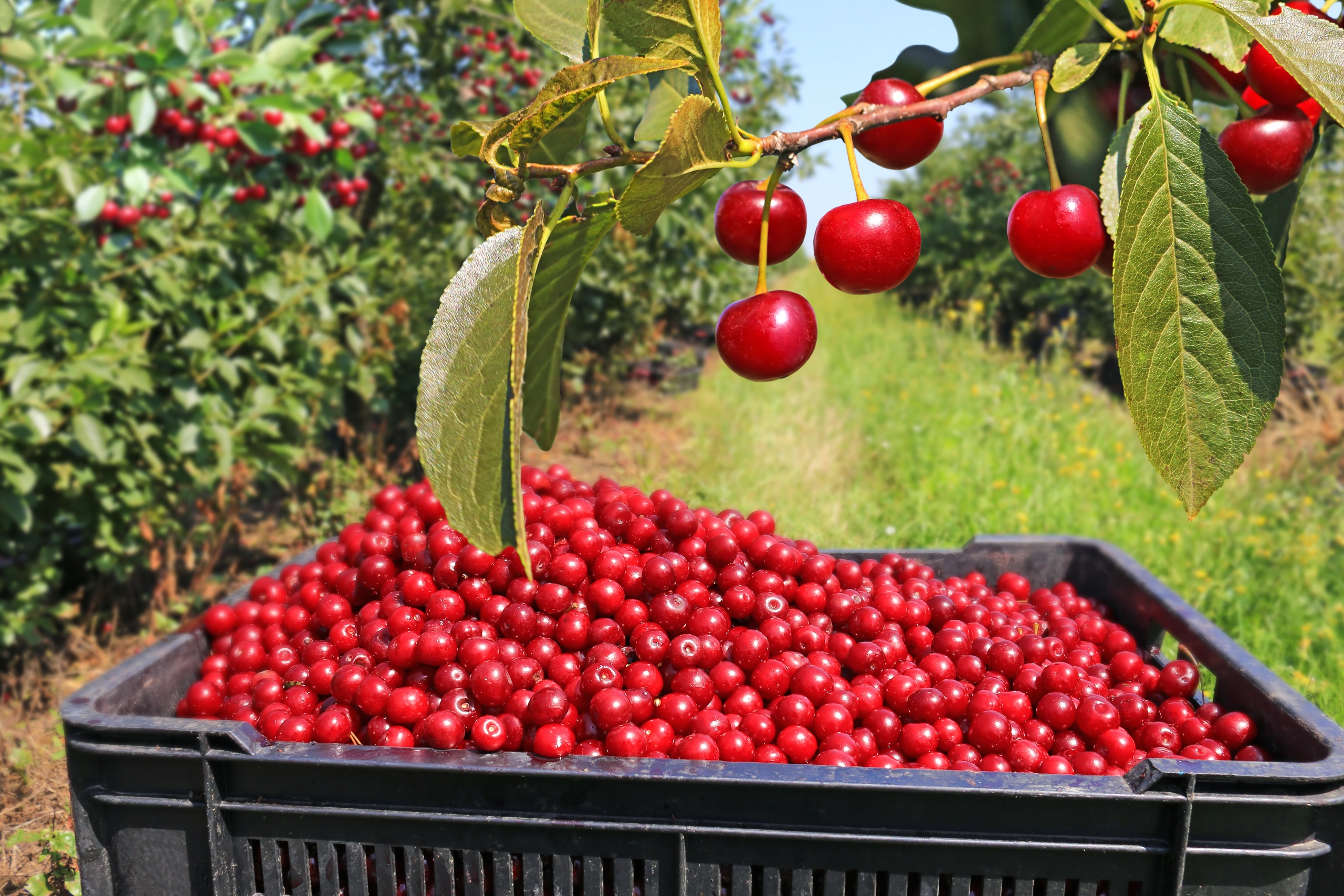
The total cherry production forecast in Turkey in Marketing Year (MY) 2020/21 is 918,000 metric tons (MT), which is 72,000 MT more than MY 2019/20. The peach and nectarine production forecast for MY 2020/21 is 870,000 MT, 40,000 MT more than MY 2019/20. Stone fruit exports are increasing due to abundant production and strong demand from the Russian and EU markets. Turkey aims to improve its exports of fresh sweet cherries to China. Read the full report from the USDA Foreign Agricultural Service, covering cherries, peaches, and nectarines, HERE.



 Retail & International Marketing
 The next NWPB Board meeting, where staff will recommend marketing programs and the Board will vote on a budget for the 2021-2022 year, will take place virtually on Saturday, March 6, 2021. For more information or specifics about individual departments, contact Stephanie Barlow, Senior Director of Communications at

 Dr. Timothy Artlip, a Plant Physiologist with the USDA-ARS Appalachian Fruit Research Station in Kearneysville, WV, was recently interviewed in the USDA-ARS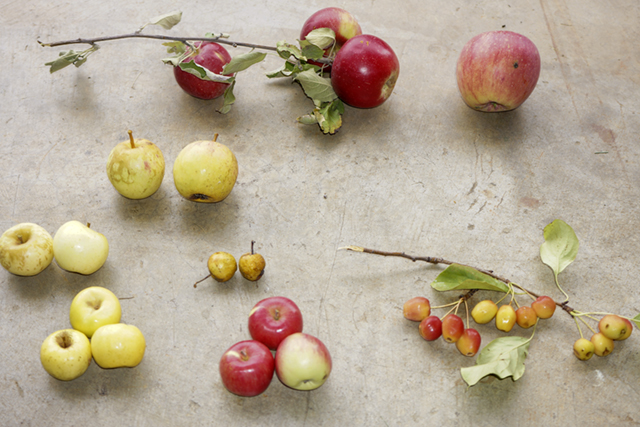


 Beginning September 28, 2020, the U.S. Highbush Blueberry Council (USHBC) and North American Blueberry Council (NABC) appointed